Vegan Cheese Sauce
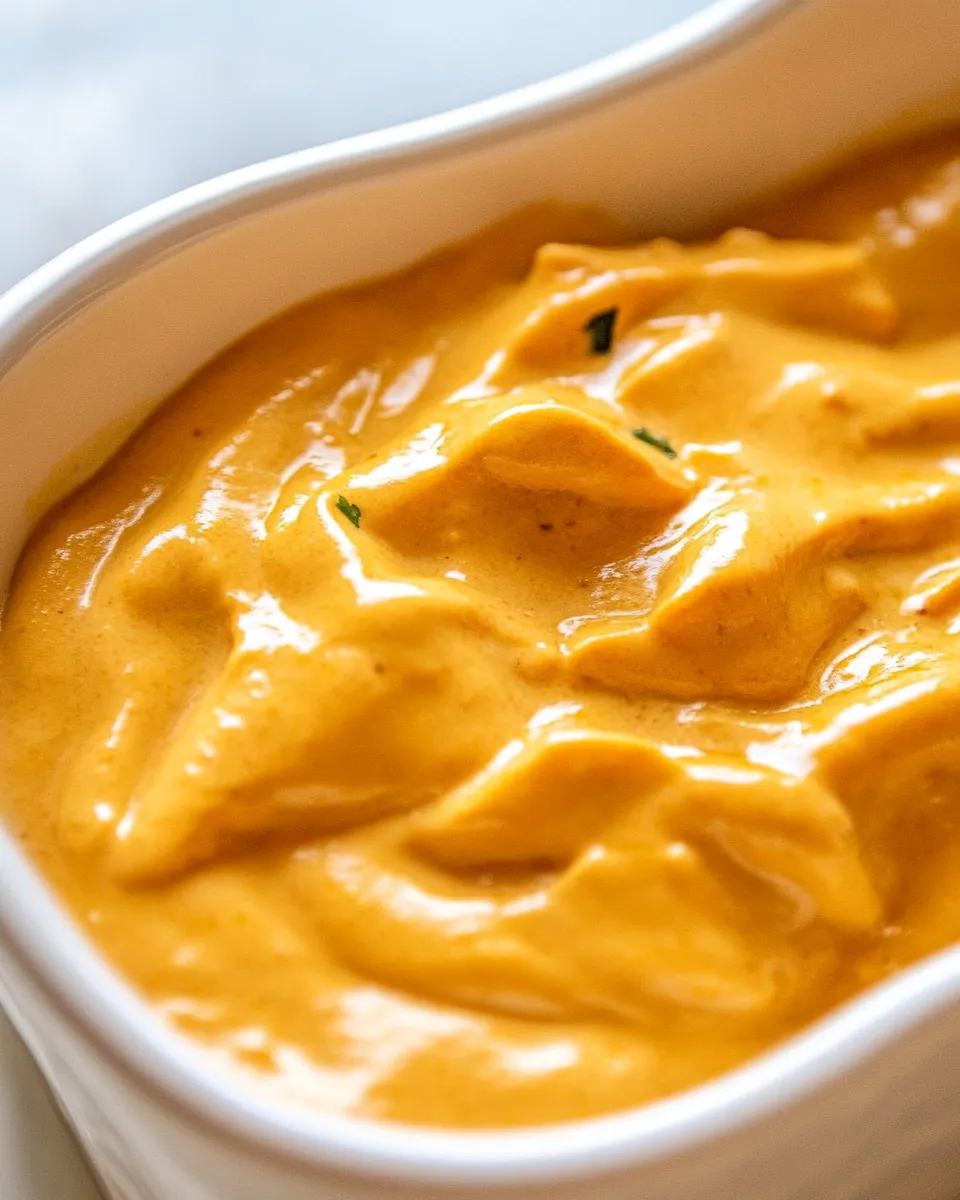
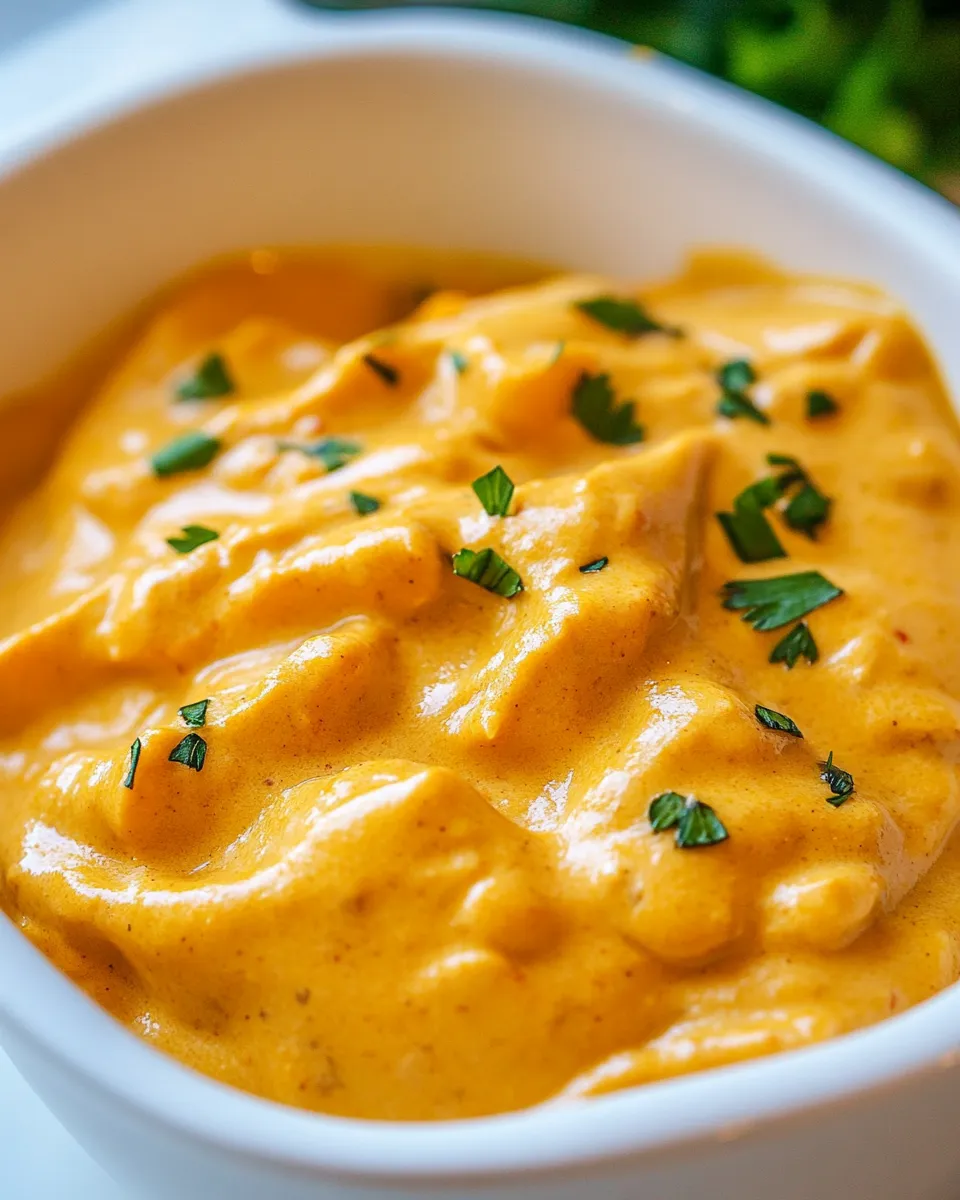
This vegan cheese sauce is the kind of recipe I turn to when I want something that feels indulgent but is actually simple and dependable. It’s creamy, tangy, and has that savory depth many of us miss when we’re cutting out dairy. The base is humble — potato, carrot, cashews — and a good dose of nutritional yeast to bring the “cheesy” umami.
I make this batch when I need a sauce that holds up for nachos, folds into pasta, or becomes the star of a veggie bake. It’s forgiving: a quick soak of cashews, a simmer of potato and carrot, a blitz in the blender, and a gentle finish on the stove. You’ll find the texture is ultra-smooth and the flavor bright enough to stand on its own.
Below you’ll get a clear shopping checklist, the exact step-by-step I use, troubleshooting notes, and ways to store and reheat. No fluff — just practical tips so you can make a reliably great vegan cheese sauce every time.
Your Shopping Guide

- Buy raw cashews that look whole and pale; avoid bags with a lot of broken bits — whole cashews give the creamiest texture.
- Choose a firm, starchy potato (Yukon Gold or similar) for body; the potato adds structure and helps the sauce thicken as it cools.
- Get a fresh carrot for natural sweetness and color; it also helps the sauce develop that warm orange hue without food coloring.
- Pick an unsweetened plain plant-based milk — the neutral flavor matters here. Avoid sweetened varieties.
- Stock up on nutritional yeast and vegan butter; those two bring key savory and fatty notes that mimic dairy cheese.
- If you want to keep things quick, buy cashews ahead and soak them in the fridge. If not, plan time to boil them briefly before blending.
Ingredients
- 1small potatopeeled and cubed — provides body, starchiness, and creaminess when blended.
- 1medium carrotpeeled and chopped — gives color and natural sweetness for a balanced flavor.
- 1cupraw cashewssoaked for 2 hours or boiled for 10 minutes — the main source of richness and silky texture.
- 1cupwater — used to thin the sauce and help blending; adjust slightly for desired consistency.
- 1cupunsweetened plain plant-based milk — adds creaminess and helps create a smooth mouthfeel.
- 2teaspoonsonion powder — concentrated savory flavor to mimic onion notes in cheese.
- 2teaspoonsgarlic powder — adds depth and a gentle pungency without fresh garlic’s bite.
- 2teaspoonspaprika — brings warmth and a hint of smoky color; use sweet or smoked depending on preference.
- 1lemonjuiced — brightens the sauce with acidity and helps mimic tangy cheese notes.
- ½cupnutritional yeast — the key cheesy umami; don’t skip it or reduce too much.
- 2tablespoonsvegan butter — adds fat and sheen for a more convincing cheese-like finish.
- 1teaspoonsalt — amplifies all the other flavors; taste and adjust at the end.
Vegan Cheese Sauce — Do This Next
- Prepare the cashews: either soak the cashews in water for 2 hours and then drain, or boil them for 10 minutes and then drain and let cool slightly.
- Peel and cube the small potato and peel and chop the medium carrot.
- Place the cubed potato and chopped carrot in a saucepan and add enough water to cover them. Bring to a gentle boil, then reduce the heat and simmer 10–15 minutes, or until the potato and carrot are fork-tender.
- Drain the cooked vegetables and discard the cooking water.
- Add the drained vegetables and the prepared cashews to a blender. Add 1 cup water, 1 cup unsweetened plain plant-based milk, 2 teaspoons onion powder, 2 teaspoons garlic powder, 2 teaspoons paprika, the juice of 1 lemon, ½ cup nutritional yeast, 2 tablespoons vegan butter, and 1 teaspoon salt.
- Blend on high until completely smooth, stopping to scrape down the sides as needed to get an even, creamy texture.
- Transfer the sauce to a saucepan and heat gently over medium-low, stirring, until hot and the butter is fully incorporated (about 3–5 minutes). Taste and adjust seasoning if desired, then serve.
Top Reasons to Make Vegan Cheese Sauce
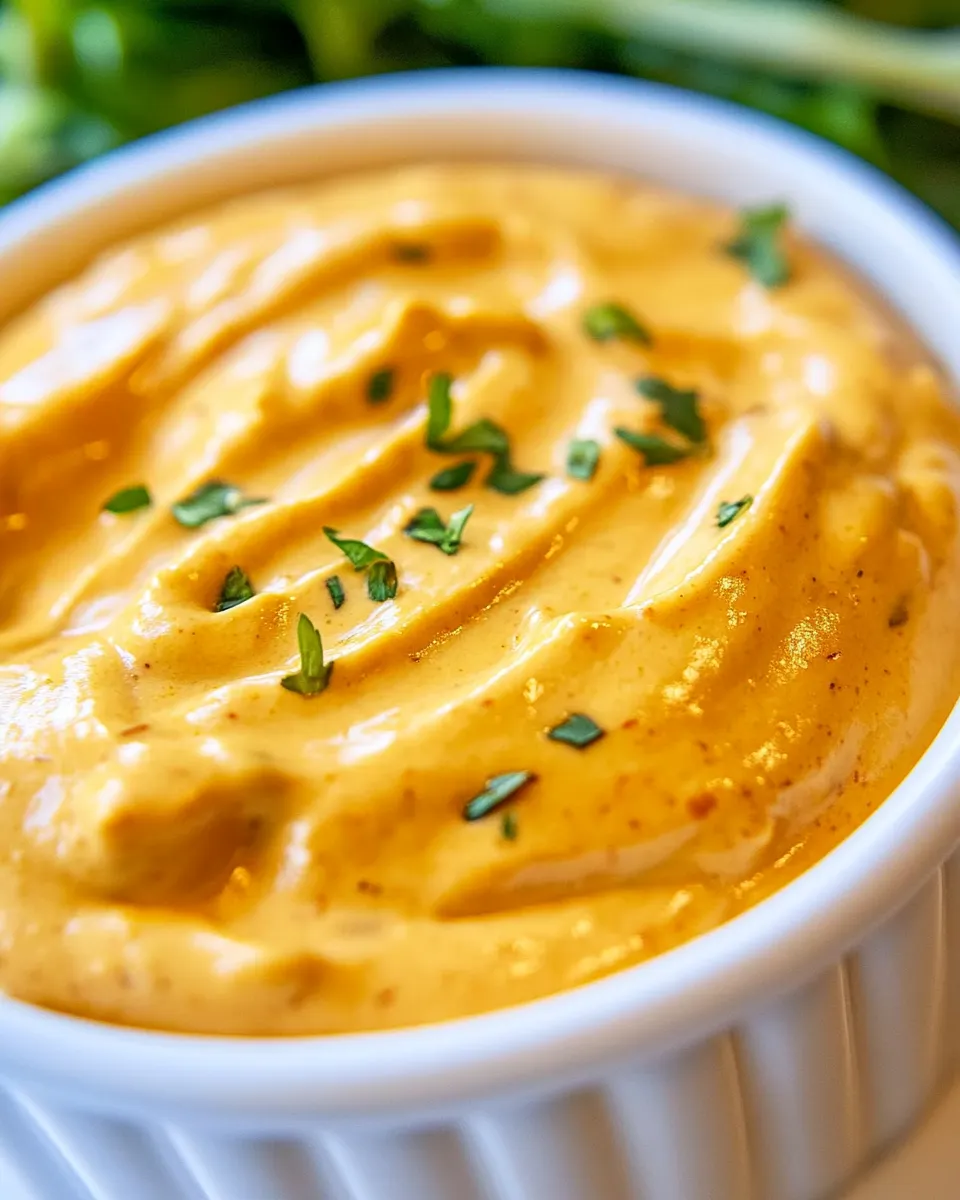
- Versatility — it works as a dip, pourable sauce for pasta, drizzle for roasted veg, or a topping for grain bowls.
- Texture — the cashew-and-potato base gives a rich, creamy mouthfeel without dairy.
- Speed — active time is short once cashews are soaked or boiled; blending is the magic step.
- Flavor balance — nutritional yeast, lemon, and spices hit umami, tang, and warmth for that “cheese” profile.
- Better pantry control — you can make it with straightforward ingredients and adjust salt, heat, or smokiness to taste.
No-Store Runs Needed
- If you’ve got cashews already soaking, you likely have everything else in the pantry: nutritional yeast, spices, and a plant milk.
- Unsweetened plain plant-based milk can be swapped between soy, oat, or similarly neutral options you already have on hand.
- Forgot lemon? A small splash of vinegar (use sparingly) can add bright acidity — though I recommend the fresh lemon if possible for the cleanest flavor.
- Leftover steamed vegetables (potato or carrot) from earlier meals can be used instead of boiling fresh — just measure quantities roughly the same.
Toolbox for This Recipe
- Blender — a high-speed blender is ideal for the silkiest result; a standard blender will work if you blend longer and scrape frequently.
- Medium saucepan — for simmering the potato and carrot and later for gently heating the sauce.
- Fine spatula or spoon — for scraping the blender and stirring while it warms on the stove.
- Knife and cutting board — to peel and chop the potato and carrot safely and uniformly.
- Measuring cups and spoons — the recipe uses simple, precise amounts for consistent results.
Frequent Missteps to Avoid
- Skipping cashew prep — blending raw, unsoaked cashews often leaves gritty texture; soak for 2 hours or boil 10 minutes per instructions.
- Undercooking the potato and carrot — if they aren’t fork-tender the blender will strain and the texture won’t be as smooth.
- Overheating after blending — heat gently. Boiling the finished sauce can separate or thin it undesirably.
- Not scraping the blender — blend, stop, and scrape several times to make sure everything gets evenly pureed.
- Seasoning only at the start — this sauce benefits from tasting once heated and adjusting salt, lemon, or spices at the end.
Substitutions by Diet
- Nut-free: if you need to avoid nuts, boost the potato and carrot slightly to add body, and increase nutritional yeast for flavor. Texture will be different, but it keeps the sauce plant-based and creamy.
- Lower fat: reduce the 2 tablespoons vegan butter to 1 tablespoon or omit; the sauce will be slightly less glossy but still flavorful because of the cashews and potato.
- Dairy-free (already): the recipe is fully dairy-free when you use vegan butter and plant-based milk as called for.
- Lower sodium: cut the 1 teaspoon salt in half, then taste after heating and add more if needed.
- Oil-free: use a soft plant-based spread or omit the vegan butter; the cashews and potato provide much of the richness.
Behind-the-Scenes Notes
The trio of cashews, potato, and carrot is deliberate. Cashews give richness and creaminess because of their fat content and soft texture when soaked; the potato adds starch, giving body and helping the sauce thicken as it cools. Carrot provides color and a touch of sweetness so the sauce reads more like traditional cheese visually and on the palate.
Nutritional yeast is essential for that savory, cheesy backbone. The lemon juice is small in quantity but crucial — it brightens and cuts through the fat, making the sauce taste more like a cultured cheese. Paprika adds warmth and a subtle smokiness if you choose smoked paprika.
Blending technique matters: high-speed blenders create the most luxurious result. If you’re using a standard blender, blend in shorter bursts and scrape the sides frequently. Heating after blending lets flavors marry and ensures the vegan butter melts in evenly, producing a glossy finish.
Leftovers & Meal Prep
- Refrigeration: store leftover sauce in an airtight container for up to 4 days. It thickens when cold; reheat gently with a splash of water or plant milk to loosen it.
- Freezing: this sauce freezes well for up to 2 months. Thaw in the fridge overnight and whisk or re-blend with a little water to restore creaminess.
- Batch prep: double the recipe and freeze in portion-sized jars or silicone molds for quick single-use servings — perfect for topping baked potatoes or stirring into quick pasta.
- Use ideas: drizzle over roasted vegetables, fold into cooked pasta, dollop on grain bowls, or use as a base for vegan mac and cheese.
Your Questions, Answered
- Q: My sauce is grainy — how do I fix it? A: Usually that means cashews weren’t softened enough or it wasn’t blended long enough. If possible, blend longer and add a splash more liquid. For rescue, warm gently and whisk vigorously or re-blend.
- Q: Can I make this oil-free? A: Yes — reduce or omit the vegan butter. You’ll lose a little of the glossy finish, but the flavor remains strong thanks to the cashews and nutritional yeast.
- Q: How do I make it thinner or thicker? A: For thinner, add a few tablespoons of water or plant milk while stirring or blending. For thicker, let it cool a bit (it firms as it cools) or blend in a small extra piece of potato.
- Q: Can I use different spices? A: You can adjust paprika, onion, and garlic powders to taste. Smoked paprika adds depth; a pinch of mustard powder can add extra tanginess.
- Q: Is this freezer-friendly? A: Yes — see “Leftovers & Meal Prep” for best practices.
Wrap-Up
This Vegan Cheese Sauce is reliable, adaptable, and genuinely useful for weeknight meals or when you want to impress without fuss. Follow the steps as written for the best texture and flavor, and feel free to tweak seasoning after heating. Make a double batch when you have time — it freezes beautifully and saves you from last-minute scrambling.
Try it on steamed broccoli, poured over baked potatoes, or mixed through pasta. Keep notes each time you tweak the spice levels so you can dial in your signature version. Happy cooking — and enjoy the creamy, tangy comfort of a great vegan cheese sauce.
Vegan Cheese Sauce
Ingredients
Ingredients
- 1 small potatopeeled and cubed
- 1 medium carrotpeeled and chopped
- 1 cupraw cashewssoaked for 2 hours or boiled for 10 minutes
- 1 cupwater
- 1 cupunsweetened plain plant-based milk
- 2 teaspoonsonion powder
- 2 teaspoonsgarlic powder
- 2 teaspoonspaprika
- 1 lemonjuiced
- 1/2 cupnutritional yeast
- 2 tablespoonsvegan butter
- 1 teaspoonsalt
Instructions
Instructions
- Prepare the cashews: either soak the cashews in water for 2 hours and then drain, or boil them for 10 minutes and then drain and let cool slightly.
- Peel and cube the small potato and peel and chop the medium carrot.
- Place the cubed potato and chopped carrot in a saucepan and add enough water to cover them. Bring to a gentle boil, then reduce the heat and simmer 10–15 minutes, or until the potato and carrot are fork-tender.
- Drain the cooked vegetables and discard the cooking water.
- Add the drained vegetables and the prepared cashews to a blender. Add 1 cup water, 1 cup unsweetened plain plant-based milk, 2 teaspoons onion powder, 2 teaspoons garlic powder, 2 teaspoons paprika, the juice of 1 lemon, ½ cup nutritional yeast, 2 tablespoons vegan butter, and 1 teaspoon salt.
- Blend on high until completely smooth, stopping to scrape down the sides as needed to get an even, creamy texture.
- Transfer the sauce to a saucepan and heat gently over medium-low, stirring, until hot and the butter is fully incorporated (about 3–5 minutes). Taste and adjust seasoning if desired, then serve.
Equipment
- Saucepan
- Blender
- Colander