Vegan Bechamel Sauce
This is a straightforward vegan take on the classic white sauce—silky, smart, and built for everyday cooking. It plays well with pasta bakes, vegetable gratins, creamy soups, and anything that needs a gently spiced, velvety finish. I lean on simple technique rather than tricks, so you can make it reliably every time.
There are only a few ingredients and one small technique to learn: make a smooth roux, then bring the dairy-free milk in gradually so the sauce stays lump-free. The flavors are subtle—salt and a whisper of nutmeg—so the sauce enhances rather than overwhelms the dish it accompanies.
Read through the method once, gather your tools, and give it a try. You’ll have a dependable vegan bechamel that behaves like the real thing and takes less effort than you think.
The Essentials

The base idea: fat + starch cooked briefly to remove raw taste, then thinned and finished. This Vegan Bechamel Sauce uses vegan butter for flavor, rice flour to build the roux without gluten, and cornstarch as a smoothening thickener. Dairy-free milk provides body and mouthfeel.
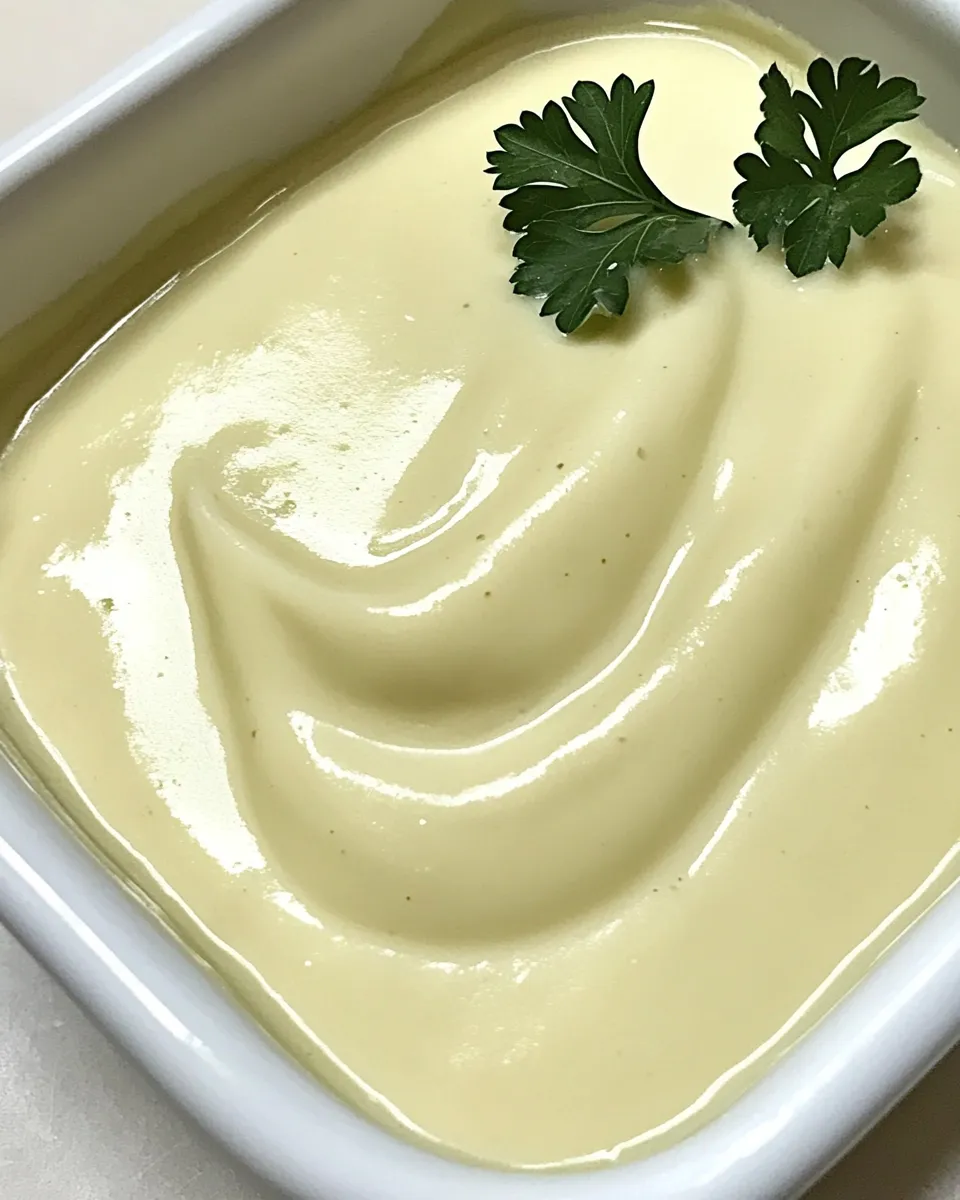
Texture goals: smooth, pourable, and able to coat the back of a spoon. It should be thick enough to cling to pasta or vegetables, but not so stiff that it sets like a paste. The nutmeg is tiny—just enough to give that classic bechamel note.
Skill level: beginner-friendly. The only common pitfall is rushing the liquid addition or cooking too hot. Keep the heat low and whisk steadily. You’ll get a silky result.
Ingredients
- 2Tbsp Vegan butter — provides the fat for the roux and adds flavor; melt gently.
- 2Tbsp Rice flour — forms the roux with the butter; use it to avoid gluten and keep the sauce clear.
- 2Tbsp Corn starch — mixed into a little milk first to make a lump-free slurry; helps smooth the texture.
- 2cup Dairy-free milk — the sauce liquid and body; unsweetened, neutral plant milk works best.
- ⅛tsp Nutmeg — a tiny pinch for warmth and classic bechamel character.
- ½tsp Salt — seasons the sauce; adjust to taste after cooking.
- ⅛tsp Pepper — gentle background spice; black or white pepper both work.
Vegan Bechamel Sauce Cooking Guide
- Place a medium saucepan over medium-low heat and add 2 Tbsp vegan butter. Heat until the butter is melted.
- Add 2 Tbsp rice flour to the melted butter and whisk or stir constantly to form a smooth paste (roux). Cook for 2–3 minutes, stirring, until it bubbles lightly and the raw flour smell is gone; do not let it brown.
- In a small bowl, whisk 2 Tbsp cornstarch into 1/2 cup of the dairy-free milk until completely smooth and free of lumps.
- Reduce the heat to low. Slowly whisk the cornstarch–milk slurry into the roux until fully incorporated and smooth.
- Gradually add the remaining 1 1/2 cups dairy-free milk in small batches (about 1/3–1/2 cup at a time), whisking thoroughly after each addition until the sauce is smooth and uniform. Scrape the bottom of the pan as you whisk to prevent lumps.
- Cook the sauce over low heat, stirring frequently, for about 3–5 minutes more until it reaches your desired thickness.
- Remove from heat and stir in 1/2 tsp salt, 1/8 tsp nutmeg, and 1/8 tsp pepper. Serve warm.
Why This Recipe Is Reliable
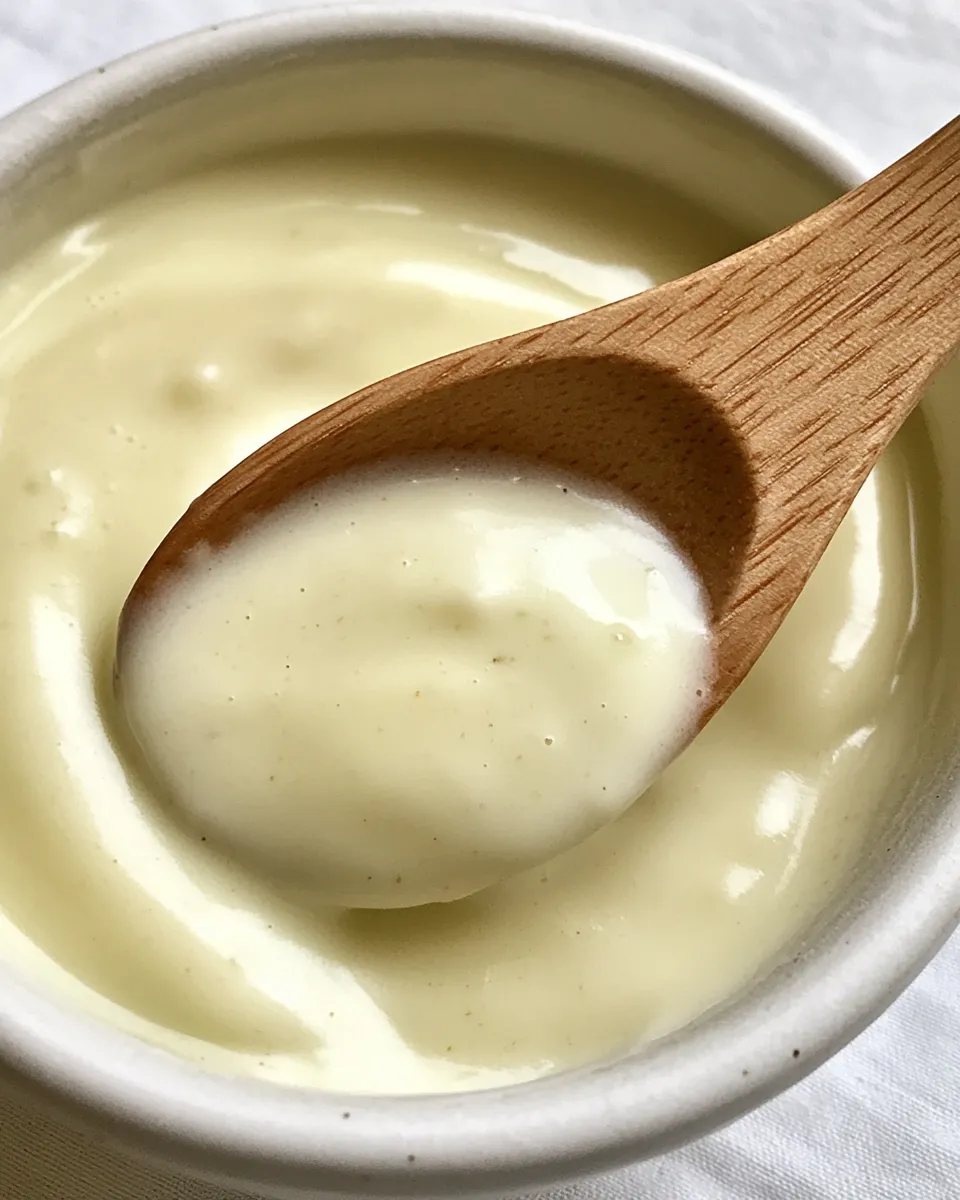
It’s reliable because it limits variables. Short ingredient list, clear steps, and low heat keep the sauce predictable. The two-thickener approach—rice flour in the roux plus a cornstarch slurry—gives structure without graininess. That makes it forgiving: if the texture tightens up, it loosens easily with a little warm milk.
The cooking times are conservative. You won’t rush the roux, so the flour cooks out. You also add liquid slowly, which is the single most important technique for a lump-free sauce. These small, repeatable choices give consistent results across stovetops and pans.
Substitutions by Category
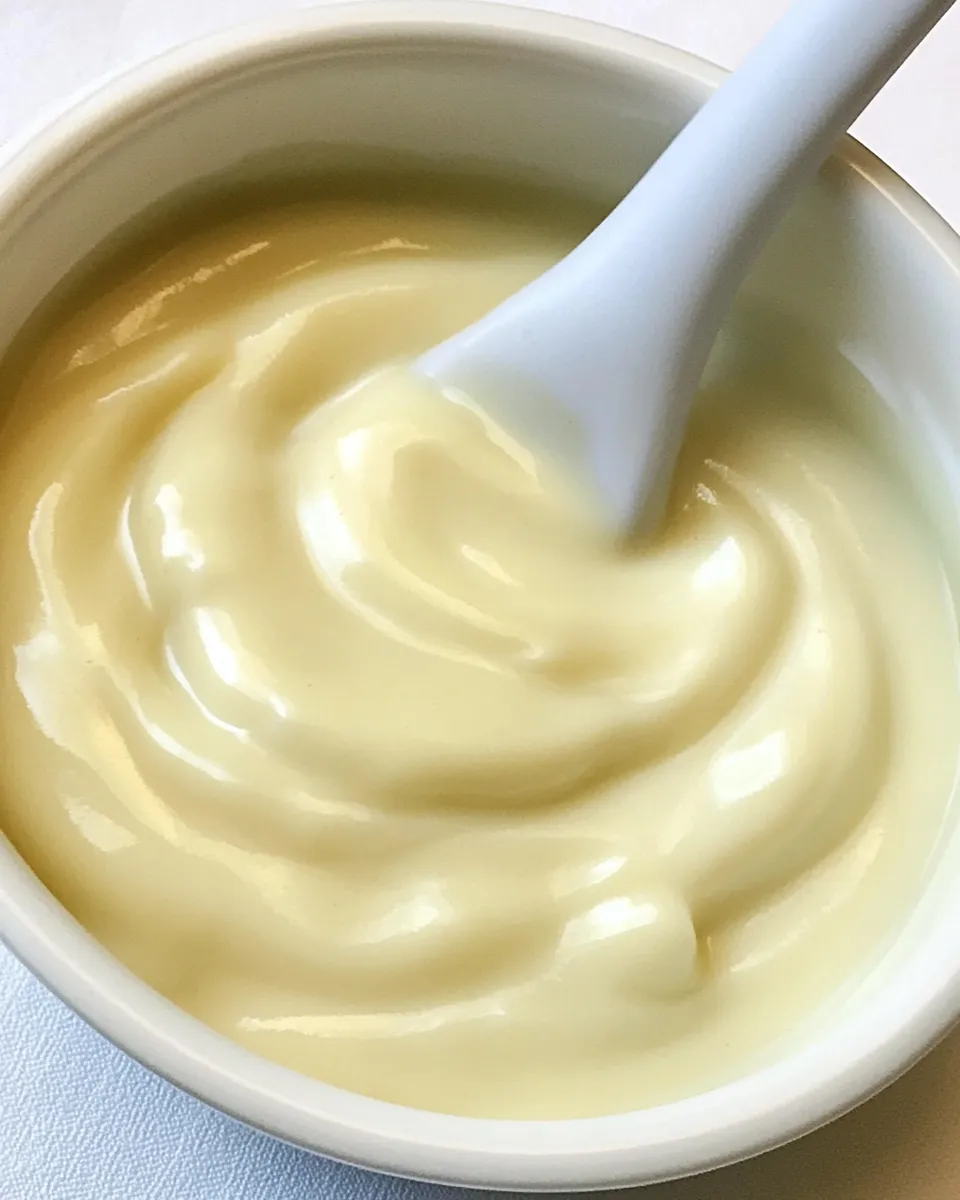
If you need to swap something, think in categories rather than exact swaps. Fat can be any neutral plant-based fat that melts well. The roux needs a white or light flour-like starch. The slurry can be any thickening starch you’re comfortable with. The milk should be an unsweetened, neutral plant milk for the cleanest flavor.
Make substitutions thoughtfully: a richer plant milk will give more body but may change flavor. Heavier fats will darken the roux faster, so lower the heat. If you change the starch type, do so in small test batches—the setting behavior varies.
Hardware & Gadgets
Good tools make this simple. Use a medium saucepan with a thick bottom to distribute heat evenly and avoid hot spots. A sturdy whisk is the workhorse here; it smooths the roux and keeps the slurry from clumping. A small mixing bowl to pre-blend the cornstarch with milk is worth the extra five seconds.
Optional but helpful: a heatproof spatula to scrape the pan and a fine-mesh strainer if you want an ultra-silky finish. A thermometer isn’t necessary; just keep the heat low and steady.
Missteps & Fixes
Lumps: they form when liquid hits a hot roux too fast or if the slurry wasn’t smooth. Fix by passing the sauce through a fine-mesh strainer or by whisking briskly while simmering; if needed, dilute with a little warm milk and reheat gently.
Too thin: simmer longer over low heat and whisk frequently to let moisture evaporate and the starches thicken. If you need a quicker fix, mix a small amount of cornstarch with cold milk and whisk it in, then heat until it thickens.
Too thick or gluey: that usually means too much starch or overcooking at too-high heat. Rescue it with a little warm dairy-free milk, whisking until it relaxes. Use small additions—one tablespoon at a time—until you reach the texture you want.
Bitter or scorched flavor: the roux or milk likely overheated. Discard and start again; burned notes won’t disappear with more seasoning.
Better-for-You Options
Reduce salt by starting with a smaller amount and seasoning at the end to taste. Choose an unsweetened, lower-fat plant milk for fewer calories while keeping mouthfeel by using the full method—make the roux and don’t skip the slurry. If you aim to reduce saturated fat, use a light plant-based spread or reduce the butter amount slightly and make up volume with added milk.
For sodium-sensitive diets, cut the salt and use more aromatics—fresh herbs or a bay leaf cooked briefly with the milk and removed before finishing—rather than relying on salt for flavor.
Little Things that Matter
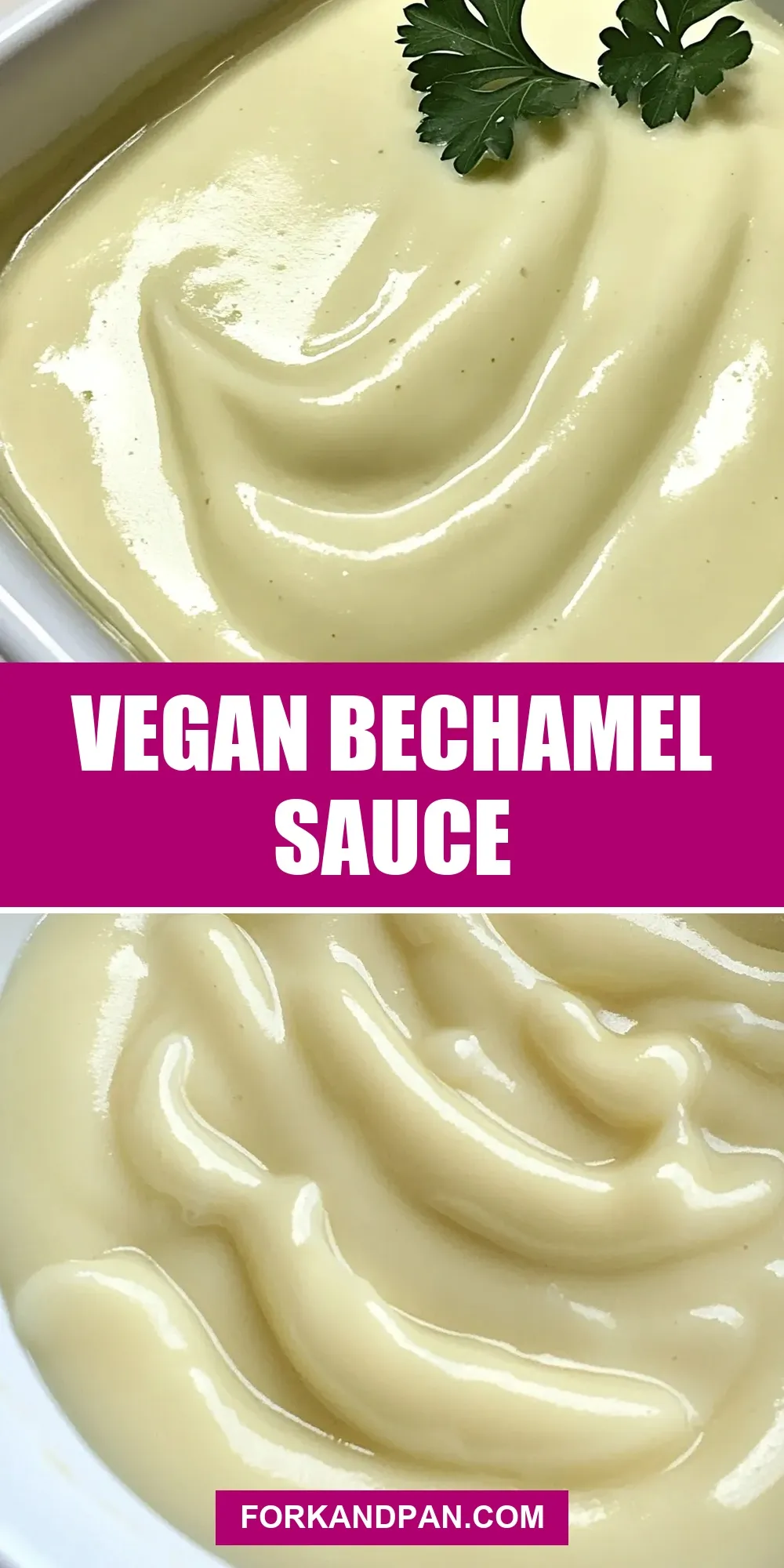
Measure the slurry liquid separately and whisk it smooth before it hits the pan. That small step eliminates most lumps. Keep the heat low: gentle warmth lets the starches hydrate evenly. Stir and scrape the bottom of the pan; those few seconds prevent hidden hot spots where lumps like to form.
Finish while the sauce is slightly looser than you want because it will thicken a touch as it cools. Taste after you’ve removed it from heat—salt and pepper will present differently once the sauce has relaxed for a minute.
Best Ways to Store
Refrigerate in an airtight container for up to 3–4 days. The sauce will thicken on cooling; reheat gently over low heat while whisking and add a splash of dairy-free milk to bring it back to pouring consistency. Reheating in a small saucepan gives you control; brief stints in the microwave work too, but do it in short bursts and whisk in between.
Freezing is possible but not ideal. The texture of starch-thickened sauces can change after freezing and thawing—expect a looser, sometimes slightly grainy texture. If you must freeze, use it within a month and reheat slowly with extra milk while whisking to restore creaminess.
Popular Questions
Q: Can I use a different flour instead of rice flour?
A: The recipe is built around rice flour for a light, neutral roux. Other flours change color and thickening quality. If you try a substitute, be conservative and watch the roux so it doesn’t brown.
Q: Why both rice flour and cornstarch?
A: They do different jobs. The rice flour forms the roux base and cooks out the raw flour taste. The cornstarch slurry helps the sauce become perfectly smooth and gives a silky sheen with minimal starchiness.
Q: Will this work with nut milks?
A: Yes—use unsweetened, neutral-flavored nut milks. Keep the heat gentle and taste at the end; different milks have subtle flavors that shift the final profile.
Hungry for More?
If you liked this Vegan Bechamel Sauce, use it as a versatile building block. Pour it over steamed greens, fold it into a dairy-free mac and cheese, or layer it into a vegetable casserole. Once you’re comfortable with the technique, adapt it by folding in roasted mushrooms, sautéed leeks, or fresh herbs right before serving to create new dishes fast.
Make it once, and you’ll find yourself reaching for it whenever a recipe calls for creamy, comforting sauce. It’s a small skill with big payoff—simple, reliable, and ready to make weeknight food feel a little more special.

Vegan Bechamel Sauce
Ingredients
Ingredients
- 2 TbspVegan butter
- 2 TbspRice flour
- 2 TbspCorn starch
- 2 cupDairy-free milk
- 1/8 tspNutmeg
- 1/2 tspSalt
- 1/8 tspPepper
Instructions
Instructions
- Place a medium saucepan over medium-low heat and add 2 Tbsp vegan butter. Heat until the butter is melted.
- Add 2 Tbsp rice flour to the melted butter and whisk or stir constantly to form a smooth paste (roux). Cook for 2–3 minutes, stirring, until it bubbles lightly and the raw flour smell is gone; do not let it brown.
- In a small bowl, whisk 2 Tbsp cornstarch into 1/2 cup of the dairy-free milk until completely smooth and free of lumps.
- Reduce the heat to low. Slowly whisk the cornstarch–milk slurry into the roux until fully incorporated and smooth.
- Gradually add the remaining 1 1/2 cups dairy-free milk in small batches (about 1/3–1/2 cup at a time), whisking thoroughly after each addition until the sauce is smooth and uniform. Scrape the bottom of the pan as you whisk to prevent lumps.
- Cook the sauce over low heat, stirring frequently, for about 3–5 minutes more until it reaches your desired thickness.
- Remove from heat and stir in 1/2 tsp salt, 1/8 tsp nutmeg, and 1/8 tsp pepper. Serve warm.
Equipment
- Non-stick frying pan (10.5 inch / 26 cm)
Notes
Add milk in batches-> I usually go with ½ cup at a time.
Use a whisk-> I always use a silicone whisk, as I found it foolproof to make the white sauce lump-free.
Add seasoning at the end->If the sauce is not thick enough or too thick, you need to adjust the flour and the milk amounts (see notes below). If you add salt, pepper, and nutmeg only at the end when the sauce reached the right consistency, you can be sure that the sauce will not turn out to be too salty or too peppery.
Not thick enough?-> Add more flour but make sure you first dissolve it in a bit of milk. Like 1 Tbsp flour or starch – 2 Tbsp milk. Alternatively, you can take it off the heat, wait for it to cool a bit, and add flour or starch directly to the sauce and stir vigorously with a whisk to avoid any lumps.Note:The sauce will thicken a bit more when it is cooling down.
Too thick?-> Add more milk, like ¼ cup at a time.
How to get rid of lumps?-> Strain the sauce through a fine-mesh sieve before adding more milk.