
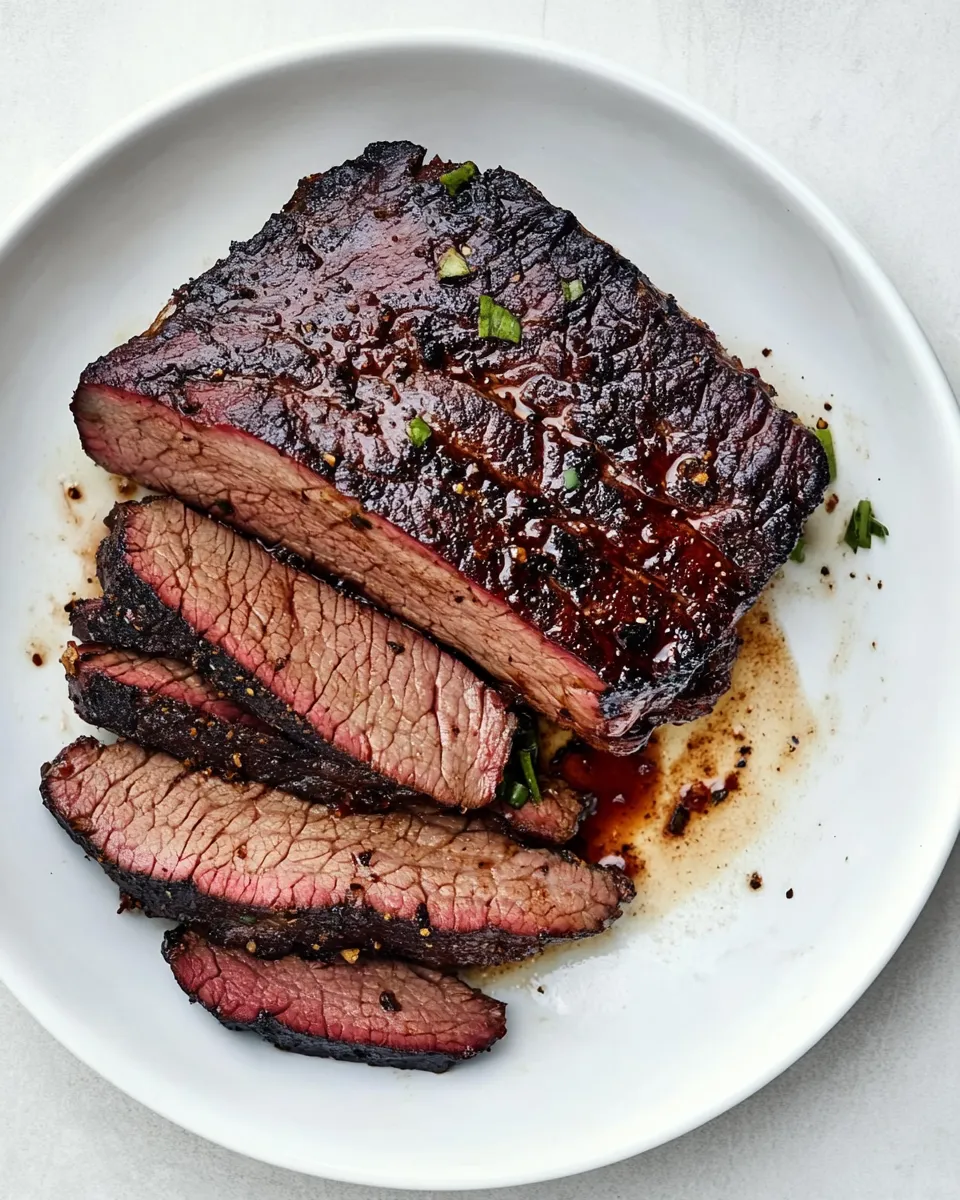
Tri-Tip Marinade
I remember the first time I marinated a tri-tip: the aroma filled the kitchen and the meat came out tender, slightly charred, and utterly satisfying. This marinade is straightforward, built on savory soy, bright lemon, and a little brown sugar to balance the salt. It’s the kind of mix you can whisk together in minutes and trust to deliver consistent results whether you grill, pan-sear, or broil.
There’s no haze of overwork here—just straightforward steps and practical tips that make the difference between a good steak and a great one. I’ll walk you through the why behind each ingredient, common mistakes to avoid, and simple swaps if you need them. You’ll get a dependable method and a few chef-ish touches that actually matter.
Keep your tools handy, give the steak time to soak up the flavors, and plan for a short rest at the end. Read through the technique once, then follow the steps. Your tri-tip will thank you. Let’s get into the details.
Ingredient Checklist

- 5 tablespoons low-sodium soy sauce — provides savory umami and salt; low-sodium keeps the marinade from over-salting the meat.
- 1/4 cup fresh lemon juice — bright acid to help tenderize and add freshness; use fresh for best flavor.
- 1/2 cup olive oil — carries flavors and helps create an even coating; also aids a good sear.
- 4 1/2 tablespoons Worcestershire sauce — deep, savory complexity that layers with the soy sauce.
- 1 tablespoon minced garlic — aromatic backbone; use freshly minced garlic for punchier flavor.
- 1 1/2 teaspoons Italian seasoning — herb blend for savory, slightly peppery notes.
- 1/2 teaspoon dried rosemary — woodsy note; crushed between your fingers releases oils.
- 1 teaspoon black pepper — freshly cracked is best for aroma and bite.
- 1/2 teaspoon salt — small amount because soy and Worcestershire add saltiness; adjust for taste.
- 3/4 teaspoon onion powder — rounded savory sweetness that melds into the marinade.
- 2 1/2 teaspoons brown sugar — balances acids and salt; helps with caramelization on the crust.
- 2-3 pound tri-tip steak — target weight range; trim excess silver skin if present and pat dry before cooking.
Tri-Tip Marinade: From Prep to Plate
- In a medium bowl, whisk together the low-sodium soy sauce, fresh lemon juice, olive oil, Worcestershire sauce, minced garlic, Italian seasoning, dried rosemary, black pepper, salt, onion powder, and brown sugar until well blended.
- Place the tri-tip steak in a large resealable plastic bag or a shallow dish. Pour the marinade over the steak, press out excess air from the bag (or cover the dish), and make sure the steak is evenly coated. Seal the bag or cover the dish.
- Refrigerate the steak in the marinade for at least 1 hour and up to 24 hours. If possible, turn the bag or flip the steak once or twice during marinating to redistribute the marinade.
- About 20 minutes before cooking, remove the steak from the refrigerator to come closer to room temperature.
- Remove the steak from the bag or dish and discard the used marinade. Pat the steak dry with paper towels for a better sear.
- Cook the steak by your preferred method (grill, broil, or pan-cook) until it reaches your desired doneness (use an instant-read thermometer if available).
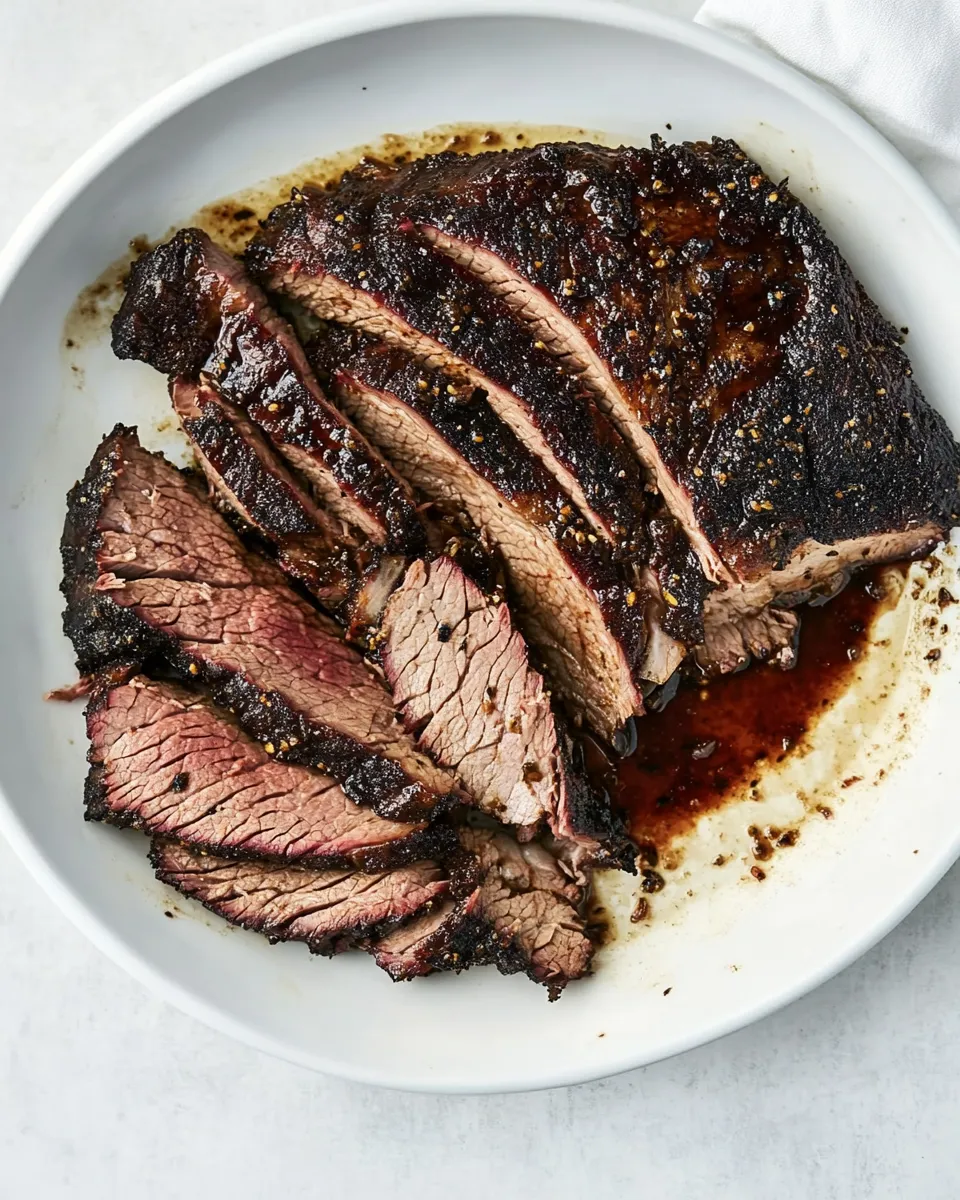
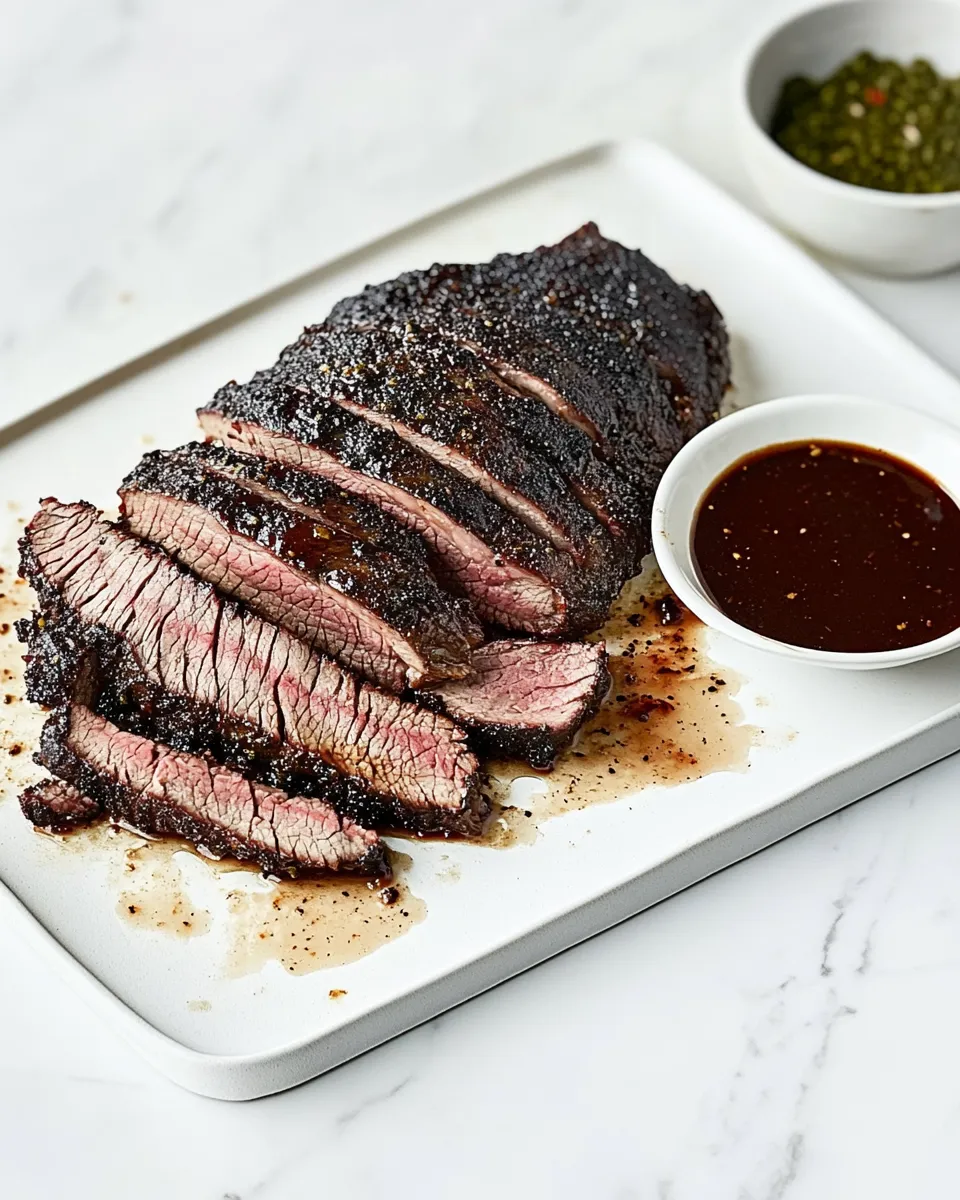
- Transfer the cooked tri-tip to a cutting board and let it rest for 5 minutes. Slice against the grain and serve.
Why Cooks Rave About It
This marinade hits three practical notes: flavor layering, tenderizing, and surface caramelization. Soy sauce and Worcestershire bring concentrated umami; lemon juice adds acid to gently break down proteins, making the meat more tender; and a modest amount of brown sugar helps form a flavorful crust during high-heat cooking. Olive oil ties everything together and helps distribute the aromatics.
Beyond chemistry, the proportions are forgiving. You don’t need a lab to make this work—just a whisk, a bowl, and a clock. The mix is robust enough to stand up to tri-tip’s beefy character without overpowering it. That balance is why home cooks and pros both come back to this combination.
Ingredient Swaps & Substitutions
Need to adjust for what’s in your pantry? The marinade is adaptable in straightforward ways.
- Soy sauce: If you don’t have low-sodium soy, use regular but reduce added salt to prevent oversalting. Tamari can be swapped 1:1 for gluten-free needs.
- Lemon juice: A splash of rice vinegar or apple cider vinegar will add acid but with a different flavor profile—use about half the amount and taste.
- Olive oil: Any neutral oil (grapeseed, canola) works if you want the oil flavor to be less pronounced.
- Worcestershire sauce: Anchovy-based flavor is hard to match; omit only if allergic. A teaspoon of soy sauce plus a pinch of anchovy paste can mimic it.
- Brown sugar: Swap with honey or maple syrup for sweetness and a slightly different caramelization—use slightly less honey (about 2 teaspoons) because it’s sweeter.
- Herbs & spices: Fresh herbs can replace dried—use three times the amount of fresh rosemary or Italian herb blend to match intensity.
Equipment at a Glance
Keep this short list within reach to make the process smooth.
- Medium mixing bowl — for whisking the marinade.
- Whisk or fork — to blend the ingredients thoroughly.
- Large resealable plastic bag or shallow dish — for marinating the tri-tip.
- Instant-read thermometer — optional but strongly recommended to hit the exact doneness you want.
- Paper towels — to pat the steak dry before cooking for a better sear.
- Grill, broiler, or heavy skillet — any of these will work; choose based on the flavor and crust you prefer.
Mistakes Even Pros Make
Even seasoned cooks slip up. Here are common pitfalls I watch for, with quick fixes.
- Over-marinating: Acidic marinades can go too far. The recipe allows up to 24 hours; beyond that the texture can become mushy. If you’re pressed for time, an hour is enough.
- Cooking straight from the fridge: Putting cold meat on high heat reduces searing efficiency and can produce uneven doneness. Remove the steak about 20 minutes before cooking to take the chill off.
- Not drying the steak: Wet surface = steam, not sear. Pat the meat dry with paper towels just before cooking.
- Using the leftover marinade as a sauce without cooking it: Discard used marinade as it’s been exposed to raw meat, or boil it for several minutes before using as a sauce.
- Skipping rest time: Cutting immediately after cooking lets flavorful juices run out. Let the tri-tip rest at least 5 minutes.
Variations for Dietary Needs
Adjusting this recipe for dietary preferences is straightforward without sacrificing flavor.
- Lower sodium: The recipe already calls for low-sodium soy sauce and a modest added salt. You can omit the half teaspoon of salt entirely if you need stricter sodium control.
- Gluten-free: Use tamari or a certified gluten-free soy sauce in place of the soy sauce. Worcestershire sauces vary—check labels or use a gluten-free substitute.
- Less sugar: Reduce the brown sugar to 1 teaspoon or omit it; the marinade will be less candy-like but still balance acid and salt.
- Vegetarian/vegan marinade use: This marinade works great on hearty plant proteins like portobello caps, tempeh, or seitan (if gluten is tolerated). For vegan uses, ensure Worcestershire is replaced with a vegan alternative.
Chef’s Rationale
I think about three things whenever I build a marinade: balance, texture, and how it behaves under heat. Balance means making sure acid, fat, salt, and sweet play together—not compete. Texture is about tenderizing without turning meat to mush. Heat behavior focuses on crust formation: a little sugar helps brown the exterior, and oil helps conduct heat for a consistent sear.
Here, soy and Worcestershire create a savory backbone that complements the beef rather than masking it. Lemon juice is bright and functional; it does some tenderizing but is used sparingly to avoid overdoing it. Olive oil carries aromatics and supports searing. The approach is intentionally pragmatic: small, complementary moves that add up to a noticeable difference at the table.
Save It for Later
Leftover marinade should be discarded if it contacted raw meat. For storage of cooked tri-tip:
- Cool completely, then slice and place in an airtight container. Keep in the fridge up to 3–4 days.
- For longer storage, freeze sliced cooked tri-tip in a freezer-safe container for up to 3 months. Thaw overnight in the refrigerator before reheating gently.
- Reheat slices briefly in a skillet with a splash of beef stock or water over medium-low heat to avoid drying them out. Cover the pan to trap steam and heat evenly.
Reader Q&A
Q: Can I use this on other cuts?
A: Yes. This marinade works nicely on flank steak, skirt steak, or even thicker steaks like sirloin. Adjust marinating time: thinner cuts need less time (30 minutes to 2 hours).
Q: How do I know doneness?
A: An instant-read thermometer is the clearest guide. Target 125–130°F (52–54°C) for medium-rare, 135°F (57°C) for medium. Carryover will raise the temperature a few degrees during resting.
Q: Can I make the marinade ahead?
A: Yes—mix the marinade up to 24 hours ahead and store it in the fridge. If you’re not using it for meat (or if it will touch raw meat), reserve a portion separately for finishing or serving.
Next Steps
Now that you’ve got the marinade and the method, plan your cook: whether you’re firing up the grill for a weekend dinner or finishing the steak under the broiler on a weeknight, follow the steps, use an instant-read thermometer if possible, and slice against the grain. Serve with a simple salad, roasted potatoes, or a chimichurri if you want something bright alongside the beef.
Try it once as written, then experiment—swap honey for the brown sugar, or add a pinch of smoked paprika for warmth. Small changes lead to new favorites. Enjoy the process, and let the tri-tip be the reliable star of your next meal.
Tri-Tip Marinade
Ingredients
Ingredients
- 5 tablespoonslow-sodium soy sauce
- 1/4 cupfresh lemon juice
- 1/2 cupolive oil
- 4 1/2 tablespoonsWorcestershire sauce
- 1 tablespoonminced garlic
- 1 1/2 teaspoonsItalian seasoning
- 1/2 teaspoondried rosemary
- 1 teaspoonblack pepper
- 1/2 teaspoonsalt
- 3/4 teaspoononion powder
- 2 1/2 teaspoonsbrown sugar
- 2-3 poundtri-tip steak
Instructions
Instructions
- In a medium bowl, whisk together the low-sodium soy sauce, fresh lemon juice, olive oil, Worcestershire sauce, minced garlic, Italian seasoning, dried rosemary, black pepper, salt, onion powder, and brown sugar until well blended.
- Place the tri-tip steak in a large resealable plastic bag or a shallow dish. Pour the marinade over the steak, press out excess air from the bag (or cover the dish), and make sure the steak is evenly coated. Seal the bag or cover the dish.
- Refrigerate the steak in the marinade for at least 1 hour and up to 24 hours. If possible, turn the bag or flip the steak once or twice during marinating to redistribute the marinade.
- About 20 minutes before cooking, remove the steak from the refrigerator to come closer to room temperature.
- Remove the steak from the bag or dish and discard the used marinade. Pat the steak dry with paper towels for a better sear.
- Cook the steak by your preferred method (grill, broil, or pan-cook) until it reaches your desired doneness (use an instant-read thermometer if available).
- Transfer the cooked tri-tip to a cutting board and let it rest for 5 minutes. Slice against the grain and serve.
Equipment
- Medium Bowl
- Whisk
- Resealable Plastic Bag
- Shallow Dish
- Paper Towels
- Instant-read thermometer
- grill or broiler or skillet