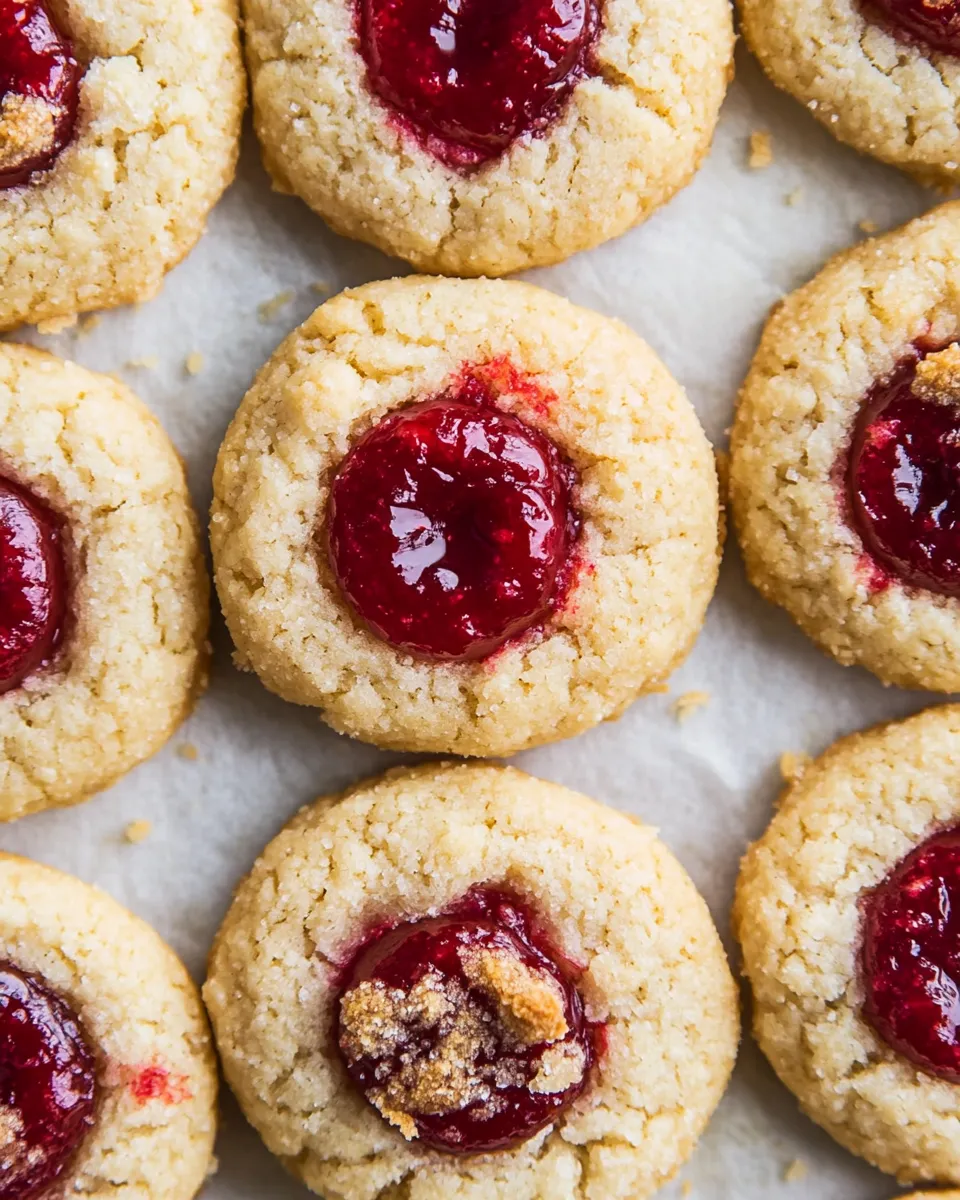
Thumbprint Cookies Recipe
These thumbprint cookies are the kind I make when I want something buttery and simple to share. They come together with a short list of pantry staples, a little butter-softening patience, and a jar of bright raspberry jam. The pecans add a gentle crunch and a toasty warmth that balances the sweet jam. They are small, unfussy, and perfect for gifting or a low-key tea-time treat.
I like to think of them as comfort cookies with structure: the dough is sturdy enough to hold a jam well and delicate enough to melt on the tongue. I’ll walk you through exactly how I make them so you get predictable results—golden edges, intact wells filled with jam, and a tender crumb every time.
No fluff—just the tools, the exact steps I use, what to avoid, and options for when you need to swap things out. If you like a cookie that feels handmade and looks pretty on a platter, these are for you.
What You’ll Need

Keep your butter soft and your jam within easy reach. A stand mixer makes the job easier, but you can manage by hand with patience. Below are the ingredients I use without changes—follow them as written for the texture and structure in the instructions.
Ingredients
- 1 1/2 cup unsalted butter (3/4 lb), softened at room temperature — provides richness and structure; make sure it’s soft enough to cream easily but not melted.
- 1 cup granulated sugar — for sweetness and lightness when creamed with the butter.
- 1 egg yolk, room temperature — binds the dough and adds tenderness without excess moisture.
- 1 tsp vanilla extract — flavor enhancer that rounds out the butter and jam.
- 3 1/3 cup all-purpose flour, *measured correctly — the main structure; accurate measuring keeps the dough from being too dry or too loose.
- 1/4 tsp fine sea salt — balances sweetness and brings out the pecan and butter flavors.
- 1 cup toasted pecans, finely chopped — adds texture and a toasty note; chopping them fine helps them incorporate into the dough.
- 1 cup raspberry jam — the filling that gives the cookies their signature center; use a jam with good, bright flavor.
Step-by-Step: Thumbprint Cookies
- Preheat the oven to 350°F (175°C). Line two baking sheets with parchment paper.
- In the bowl of a stand mixer fitted with the paddle (flat beater) attachment, beat the softened unsalted butter and granulated sugar on medium-high speed for 2–3 minutes, until light and fluffy.
- Add the room-temperature egg yolk and vanilla extract to the butter-sugar mixture and beat just until combined, scraping down the bowl as needed.
- With the mixer on low, add the all-purpose flour and fine sea salt, then add the finely chopped toasted pecans. Mix only until the dough comes together and no large streaks of flour remain, stopping to scrape the bowl once or twice. Do not overmix.
- Use a small cookie scoop or a spoon to portion out approximately 1 tablespoon of dough per cookie. Roll each portion into a smooth ball and place the balls 2 inches apart on the prepared baking sheets.
- Using your thumb or the back of a teaspoon, press an indentation into the center of each dough ball about halfway through the height of the cookie (create a shallow well to hold jam).
- Spoon raspberry jam into each indentation, filling the well but not overflowing the edges.
- Bake one sheet at a time or both sheets at once at 350°F for 13–15 minutes, until the edges are just beginning to turn golden. If baking on two racks, rotate the pans halfway through baking.
- Remove the baking sheets from the oven and transfer the cookies to a cooling rack. Cool completely before serving.
Why This Recipe Is Reliable
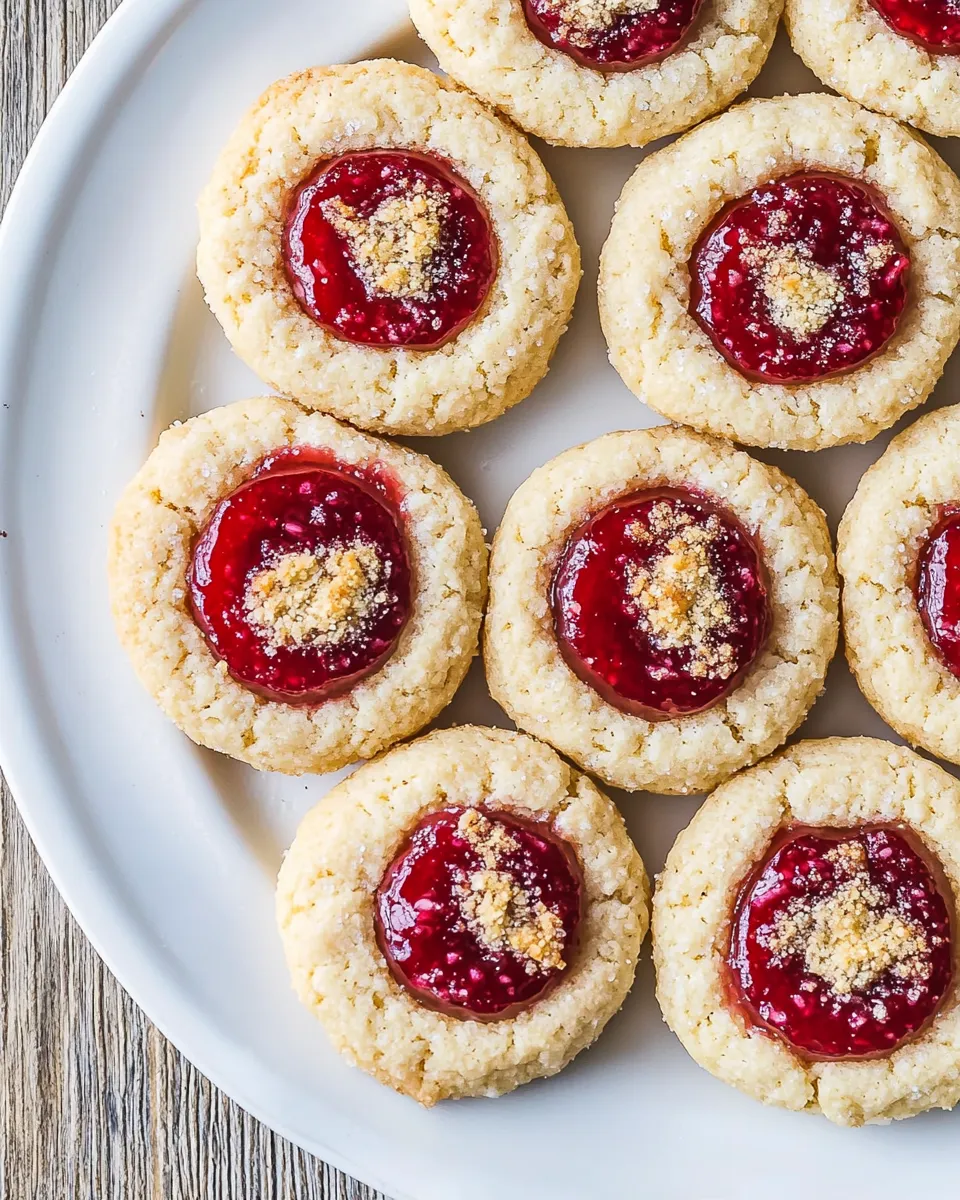
There are a few intentional choices here that make the cookies predictable. First, the dough is a butter-forward short dough with a single yolk instead of a whole egg, which keeps moisture low and texture tender rather than cakey. The precise flour amount and the call to stop mixing when no large streaks of flour remain prevent gluten development—this keeps the cookies tender.
Toasted, finely chopped pecans distribute evenly and contribute fat and crunch without creating pockets of oil that would change baking behavior. Filling the wells just to the edge prevents jam from overflowing but still gives you a glossy, jewel-like center. The baking time and temperature are tuned to give golden edges while keeping the centers soft.
In short: predictable ratios, controlled mixing, and the thumbprint step done consistently are what make this recipe repeatable in different kitchens.
Budget & Availability Swaps
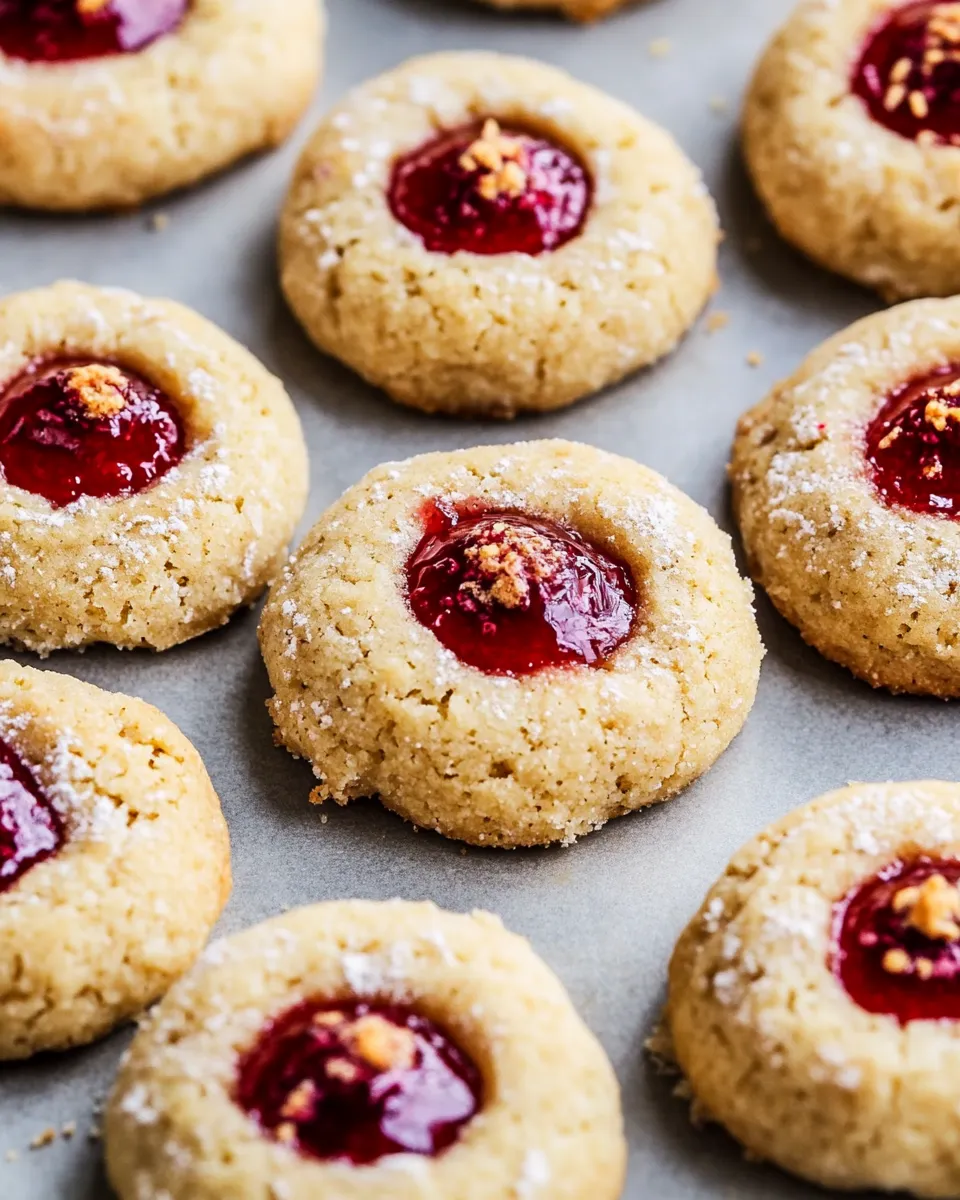
If toasted pecans are expensive or hard to find in your area, you can omit them; the dough will be slightly less textured but still very good. The cookies will still hold their shape and accept jam nicely. If the jam you prefer is thicker or thinner than the jarred raspberry jam used here, scoop conservative amounts until you learn how your jam behaves in the oven.
For jam, smaller-batch or off-brand jars will work—the important part is flavor. If your pantry is low on vanilla, increase the quality of your jam slightly; a tastier filling compensates for subtler dough flavor.
Hardware & Gadgets
A stand mixer with a paddle attachment is mentioned in the directions because it speeds creaming and keeps the texture consistent, but you can do this by hand with a sturdy wooden spoon and some elbow grease. A small cookie scoop takes the guesswork out of portioning, but a tablespoon measure and your hands will do the job.
Other helpful items: parchment or silicone baking mats for even baking and easy cleanup, a cooling rack to let cookies cool without becoming soggy, and a small offset spatula or teaspoon for neat jam placement. None of these are strictly required, but they make the process cleaner and more predictable.
Don’t Do This
Don’t overmix after adding the flour. That’s the most common mistake and the quickest way to end up with tough cookies. Mix just until the dough comes together and you no longer see big streaks of flour.
Don’t use melted butter. The dough needs creamed butter—soft but not melted—to trap air and create that light, tender texture. If the butter is too soft, chill the dough briefly before portioning so the cookies hold their shape.
Don’t overfill the wells. Jam that spills over will caramelize on the pan and create sticky edges and irregular shapes. Keep the wells neat and full but not overflowing.
Variations for Dietary Needs
If you need to avoid nuts, these cookies work without the toasted pecans—simply omit them and proceed with the dough. Expect a slightly different mouthfeel; the cookies will be a bit more uniform in texture but still tender.
For those avoiding eggs, this specific recipe relies on a yolk for structure. I recommend trying a tested eggless thumbprint cookie formula when you need a guaranteed result. If you want to experiment, note that removing the yolk will change the dough’s binding and texture.
For gluten sensitivity, you can try a one-to-one gluten-free flour blend in place of the all-purpose flour, but note that gluten-free doughs often require a slightly different handling—chill time and shaping may vary. Because textures differ widely among blends, performance may need tweaking.
Cook’s Commentary
These cookies have been on my rotation for years because they hit a sweet spot: little effort, classic look, and satisfying flavor. I like them best when the pecans are toasted just before chopping—warm nuts smell intoxicating and release oils that deepen the cookie’s flavor. The dough is forgiving; if it seems crumbly, a quick press in the palm of your hand while forming balls brings it together.
One small habit I keep: I portion all the dough balls and then chill the sheet for ten minutes before making the wells. It reduces spreading and keeps each well neat when I press my thumb. It’s not in the official steps, but it’s a personal tweak that helps if your kitchen is warm.
Leftovers & Meal Prep
Store completely cooled cookies in an airtight container at room temperature for up to 3 days. If you need them to keep longer, freezing works well: flash-freeze the baked cookies on a tray until firm, then transfer to a freezer-safe container. Thaw at room temperature when you’re ready to serve. Unbaked dough balls can also be frozen on a tray and then moved to a bag; bake from frozen but add a minute or two to the baking time.
For making ahead, bake the cookies, cool completely, and store layered with parchment. They keep their texture nicely and are easy to pop into a gift tin.
Ask the Chef
Questions I get most often: How do I stop jam from sinking? How to keep cookies uniform? The jam sinks when the well is too deep or the dough is too soft—press the indentation about halfway through the height of the cookie and keep jam amounts moderate. For uniform cookies, use a scoop and measure spacing carefully. If your dough is soft, chill briefly before shaping.
If you want help adapting the recipe for a particular need—oven quirks, altitude, or a favorite jam—tell me what you’re working with and I’ll offer targeted tips based on that equipment or ingredient.
Bring It to the Table
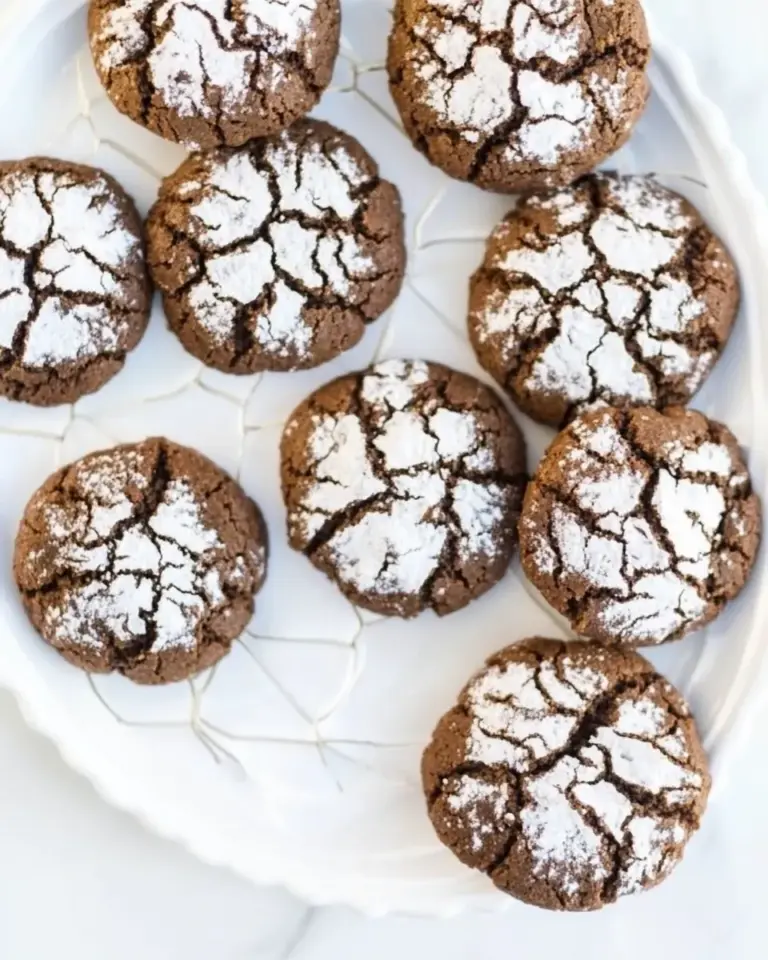
These cookies look simple but make a friendly impression on a dessert plate. Arrange them on a platter with a few fresh raspberries or a dusting of powdered sugar for a tidy finish. They’re lovely with tea, coffee, or a glass of milk, and they travel well to potlucks or neighbors’ doors.
Make a batch, keep a jar of jam on hand, and you’ll have an easy go-to when you need a small, homemade gesture that feels thoughtful without being fussy.

Thumbprint Cookies Recipe
Ingredients
Ingredients
- 1 1/2 cupunsalted butter (3/4 lb) softened at room temperature
- 1 cupgranulated sugar
- 1 egg yolk room temperature
- 1 tspvanilla extract
- 3 1/3 cupall-purpose flour *measured correctly
- 1/4 tspfine sea salt
- 1 cuptoasted pecans finely chopped
- 1 cupraspberry jam
Instructions
Instructions
- Preheat the oven to 350°F (175°C). Line two baking sheets with parchment paper.
- In the bowl of a stand mixer fitted with the paddle (flat beater) attachment, beat the softened unsalted butter and granulated sugar on medium-high speed for 2–3 minutes, until light and fluffy.
- Add the room-temperature egg yolk and vanilla extract to the butter-sugar mixture and beat just until combined, scraping down the bowl as needed.
- With the mixer on low, add the all-purpose flour and fine sea salt, then add the finely chopped toasted pecans. Mix only until the dough comes together and no large streaks of flour remain, stopping to scrape the bowl once or twice. Do not overmix.
- Use a small cookie scoop or a spoon to portion out approximately 1 tablespoon of dough per cookie. Roll each portion into a smooth ball and place the balls 2 inches apart on the prepared baking sheets.
- Using your thumb or the back of a teaspoon, press an indentation into the center of each dough ball about halfway through the height of the cookie (create a shallow well to hold jam).
- Spoon raspberry jam into each indentation, filling the well but not overflowing the edges.
- Bake one sheet at a time or both sheets at once at 350°F for 13–15 minutes, until the edges are just beginning to turn golden. If baking on two racks, rotate the pans halfway through baking.
- Remove the baking sheets from the oven and transfer the cookies to a cooling rack. Cool completely before serving.
Equipment
- Stand mixer
- Paddle Attachment
- Mixing Bowl
- Baking Sheet
- Parchment Paper
- Cookie Scoop or Spoon
- Cooling Rack