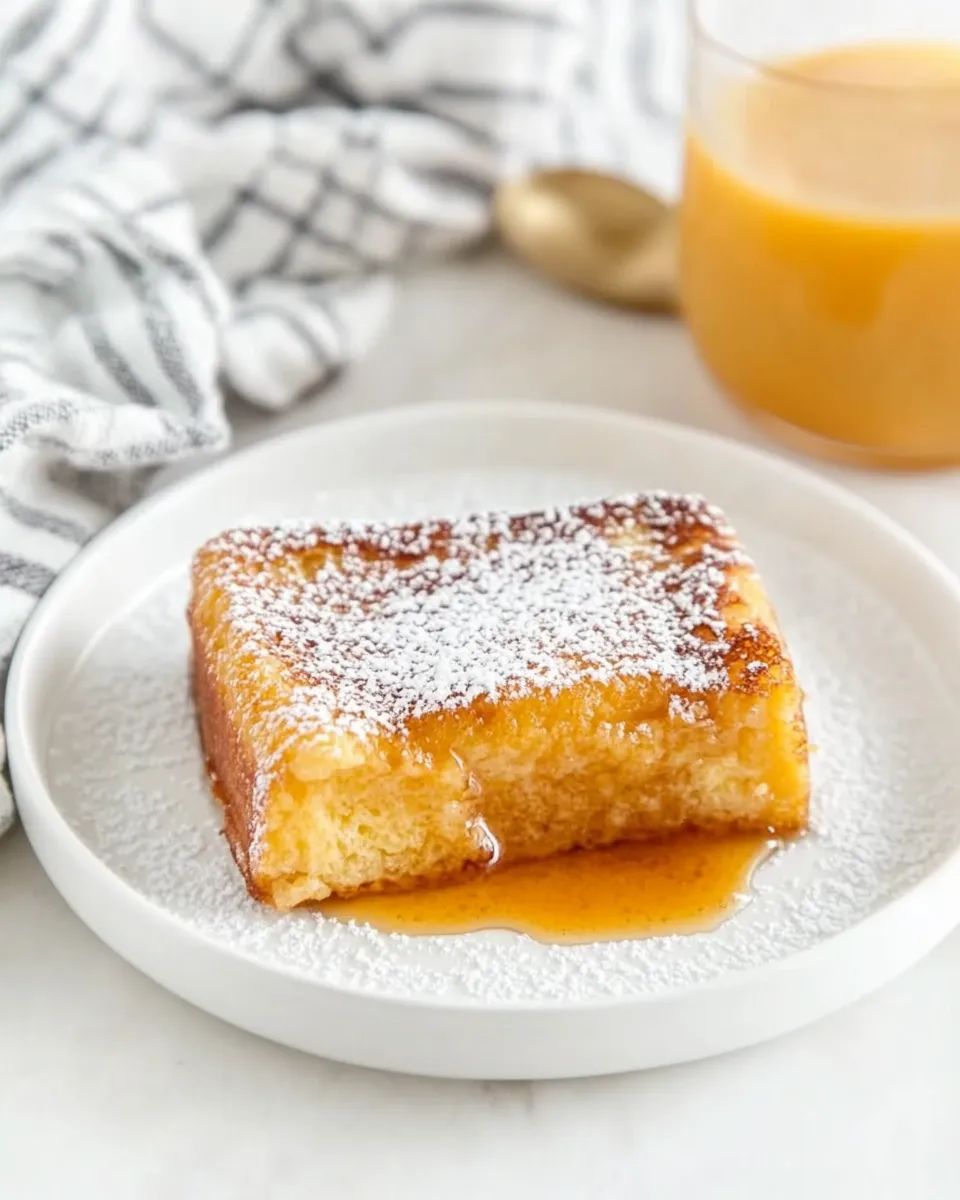
Texas Toast French Toast
There are mornings that demand something more than a slice of toast — they want a casserole that feeds a crowd, warms the house, and feels like a weekend celebration. Texas Toast French Toast answers that call. It’s bold, simple to assemble the night before, and delivers a soft, custardy interior with a sticky, caramelized bottom.
I like this version because it’s forgiving. The Texas toast soaks up custard without falling apart, and the brown sugar–butter base creates a quick, decadent glaze while it bakes. You don’t need fancy techniques: just measure, layer, refrigerate, and bake. That’s the practical magic.
Below I’ll walk you through the essentials, the exact ingredient list, the step-by-step method as written, and the small tips I use to avoid soggy or burned results. This is written for busy mornings and relaxed brunches alike.
The Essentials

Before you start, know what this dish does and what it doesn’t need. It’s a baked French toast casserole built on thick-cut Texas toast and a simple custard. The assembly is quick; the long soak in the fridge (at least 4 hours or overnight) is where patience earns you an evenly-set, tender interior. The butter-and-brown-sugar base gives a caramel-like crust on the bottom that becomes irresistible on the plate.
Plan ahead: this is a make-ahead recipe. The hands-on time is short, but the chilling time is where the texture develops. If you’re serving a group, this scales well — just use a larger pan and increase bake time slightly, testing for a set custard. Keep your baking dish covered in the fridge to prevent it from absorbing other smells.
Ingredients
- ½ cup butter, melted — used to combine with 1 cup brown sugar to form the caramel base in the pan.
- 1 cup brown sugar — pairs with the melted butter to create the sticky bottom layer.
- 1 (24-ounce) loaf Texas toast, with crust trimmed off, optional — thick slices that hold up to soaking; trim crusts if you prefer a softer edge.
- 4 eggs — the backbone of the custard, providing structure and richness.
- 1½ cups milk — thins the custard; whole or 2% both work fine.
- 1 teaspoon vanilla extract — adds aromatic sweetness and balances the brown sugar.
- 4 tablespoons brown sugar — combined with cinnamon to create a spiced layer between the bread layers.
- 3 teaspoons cinnamon — adds warm spice; distribute evenly for balanced flavor.
- 4 tablespoons butter, softened — spread on the top layer of bread for flavor and gentle browning.
- powdered sugar, for sprinkling — a finish that adds visual appeal and a touch of sweetness before serving.
Mastering Texas Toast French Toast: How-To
- Preheat nothing yet — gather a 9×13-inch casserole dish and the ingredients listed. Melt ½ cup butter in a small saucepan or microwave-safe bowl until fully melted.
- In a bowl, stir the melted ½ cup butter together with 1 cup brown sugar until well combined. Pour this butter–brown sugar mixture into the bottom of the 9×13 casserole dish and spread it evenly.
- Trim the crusts off the Texas toast if desired. Cut or tear the slices as needed so you can fit a single layer of the Texas toast into the dish.
- Arrange one layer of Texas toast in the bottom of the dish over the butter–sugar mixture, cutting pieces as necessary to cover the pan.
- In a small bowl, combine 4 tablespoons brown sugar and 3 teaspoons cinnamon; set this cinnamon–sugar mixture aside.
- In a medium bowl, whisk together 4 eggs, 1½ cups milk, and 1 teaspoon vanilla extract until blended.
- Pour about half of the egg mixture evenly over the first layer of Texas toast, allowing the bread to soak for a minute.
- Sprinkle half of the cinnamon–sugar mixture evenly over the soaked first layer.
- Add a second layer of Texas toast on top of the first. Using 4 tablespoons softened butter, spread a thin, even layer of the softened butter over the top surface of the second layer.
- Pour the remaining egg mixture evenly over the top layer of bread, then sprinkle the remaining cinnamon–sugar mixture over the top.
- Gently press the bread layers down so they absorb the custard. Cover the dish with plastic wrap or foil and refrigerate for at least 4 hours or overnight.
- When ready to bake, preheat the oven to 350°F. Remove the casserole from the refrigerator, uncover, and bake for 40–45 minutes, until the custard is set and the top is golden.
- Remove from the oven, let cool a few minutes, then sprinkle with powdered sugar before serving.
The Upside of Texas Toast French Toast
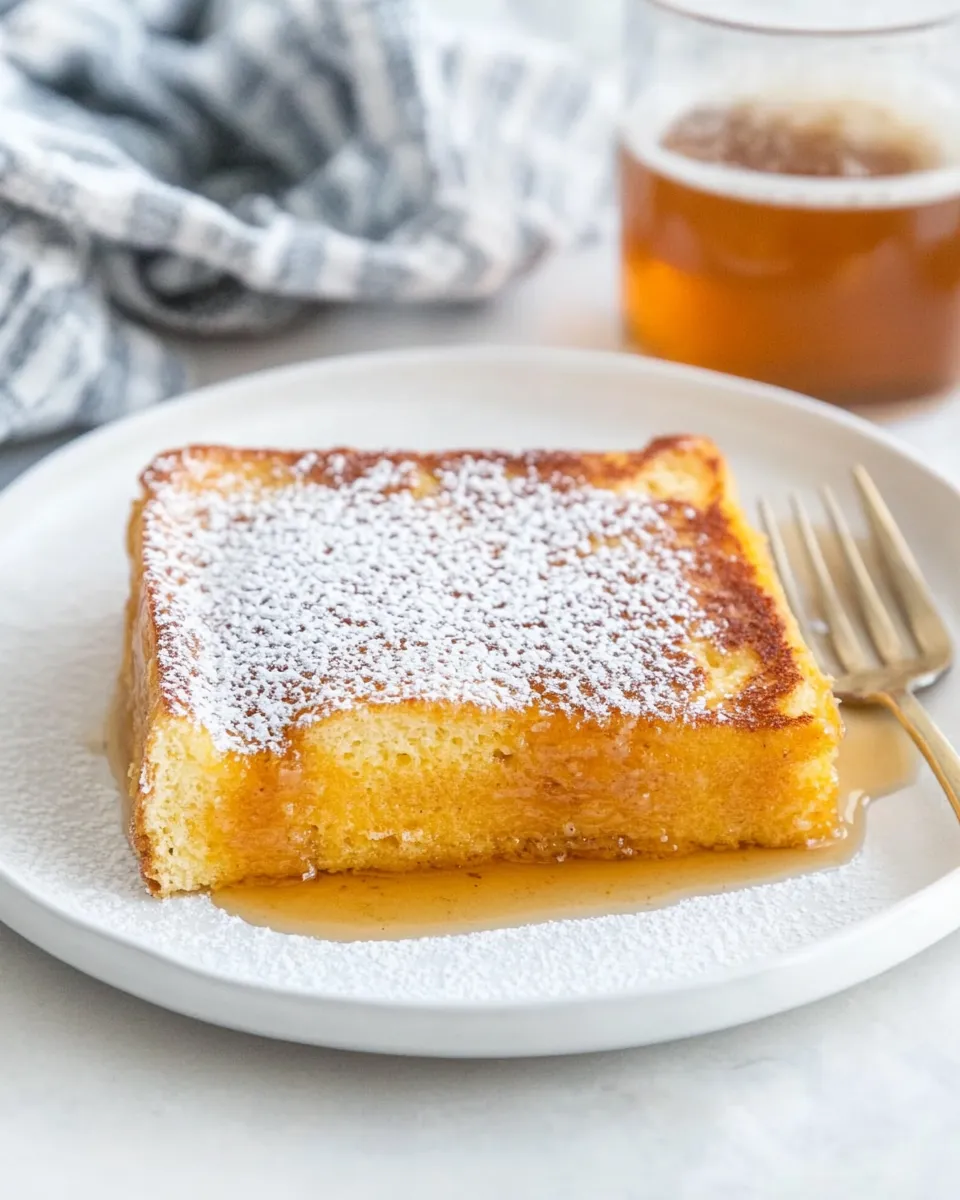
This recipe excels for several practical reasons. First, the Texas toast is thick and dense, so it absorbs custard without collapsing. That creates a custardy center with a defined structure that holds up to cutting and serving. Second, the brown sugar–butter base bakes into a glossy, caramel-like layer that gives you a hit of sweetness and texture without additional syruping.
This is also a low-effort, high-return dish for entertaining. Prep the night before, bake in the morning, and you’ll spend more time with guests and less time at the stove. It’s forgiving: if your bread soaks a little longer, it will still set up during baking as long as the custard ratio is correct. And because it’s made in a single pan, cleanup is minimal.
Vegan & Vegetarian Swaps
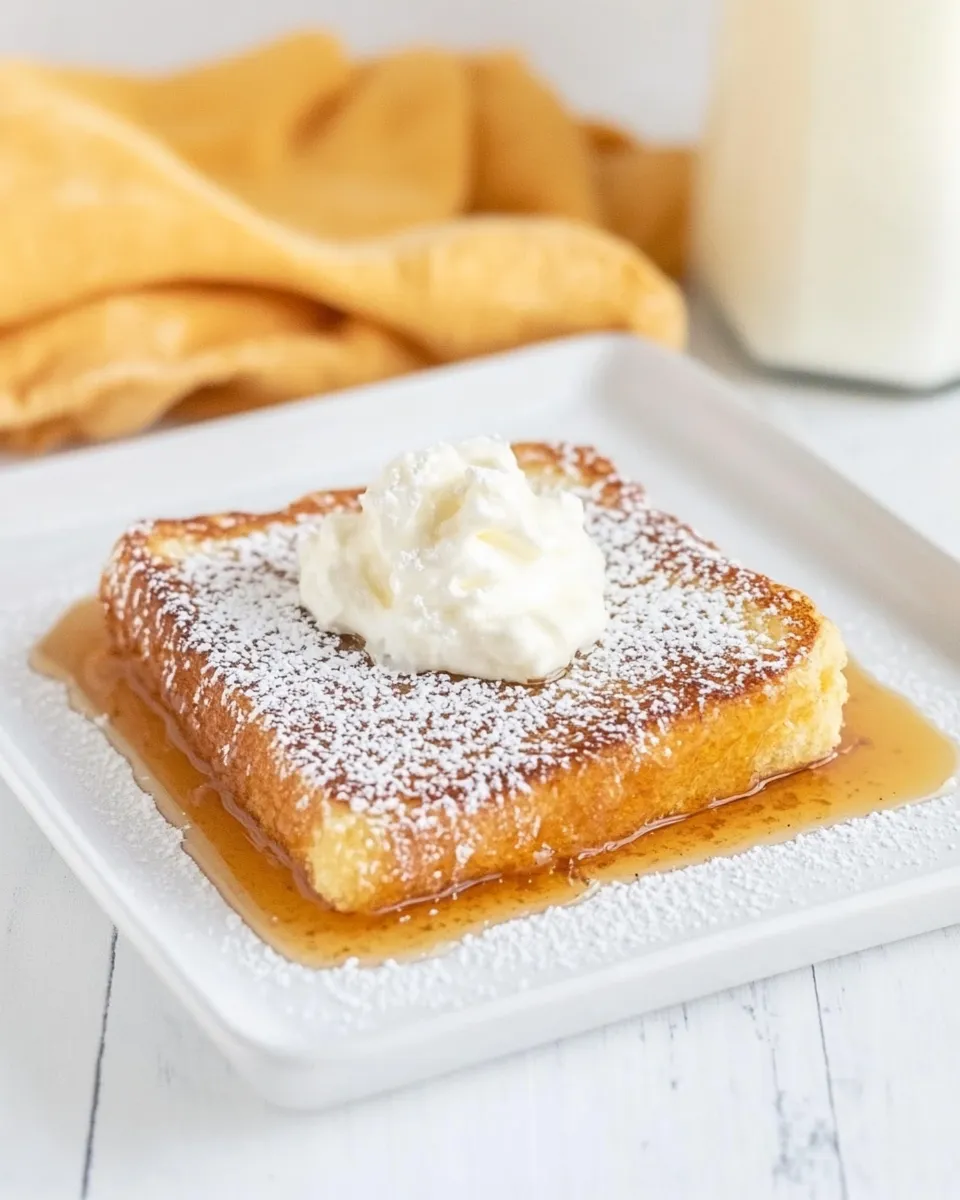
Strictly speaking, this recipe isn’t vegetarian-friendly for those avoiding dairy or eggs. If you want to adapt it without changing the spirit of the dish, here are practical swap ideas while keeping the dish’s structure in mind.
- Egg replacement: Use a commercial egg replacer blended with 4 tablespoons of ground chia or flax mixed with 1½ cups of unsweetened plant milk to approximate the binding. Timing and texture can vary—expect a slightly denser set.
- Dairy replacement: Swap the ½ cup melted butter and the 4 tablespoons softened butter for plant-based butter alternatives that behave like butter when melted and softened. Use soy, almond, or oat milk instead of dairy milk at the same volume (1½ cups).
- Brown sugar and cinnamon elements remain unchanged and work well in vegan versions. The bottom caramel layer will be slightly different if using plant butter, but still very tasty.
If you try a vegan version, test one small pan first to dial in soaking times and baking duration; plant-based custards can set differently.
Hardware & Gadgets
You don’t need specialty equipment for this: a 9×13-inch casserole dish and standard mixing bowls are enough. Still, a few items make the job easier and more consistent.
- 9×13-inch casserole dish — required for the recipe’s volume and even baking.
- Rubber spatula — useful for spreading the butter–brown sugar base and for gently pressing layers together.
- Whisk — for quickly blending eggs, milk, and vanilla into a smooth custard.
- Microwave-safe bowl or small saucepan — for melting the ½ cup butter safely and evenly.
- Plastic wrap or foil — to seal the pan for the overnight chill without drying the top layer.
Pitfalls & How to Prevent Them
When a baked French toast goes wrong, it’s usually because of a few predictable missteps. Below are common problems and how to avoid them.
Soggy center
Issue: The custard never sets and the center is soupy. Prevention: Don’t skip the chill — refrigerating for at least 4 hours allows the custard to penetrate evenly, and it helps the proteins in the eggs firm up during baking. Also, make sure the oven reaches 350°F before you start timing the bake.
Burnt bottom
Issue: The caramelized butter and brown sugar layer chars. Prevention: Use an oven-safe thermometer to confirm your oven temperature isn’t significantly higher than indicated. If your oven runs hot, tent foil loosely over the top for the last 10–15 minutes and rely on visual cues: golden top and a gently set center.
Dry or rubbery texture
Issue: Overbaking can turn the custard dry. Prevention: Bake 40–45 minutes, but start checking at 35 minutes if your oven is uneven. The center should be set but still slightly jiggle; carryover heat will finish the set as it rests for a few minutes.
Seasonal Ingredient Swaps
This casserole welcomes seasonal tweaks without changing the core method. In autumn, stir a tablespoon of pumpkin puree into the custard and increase cinnamon by ½ teaspoon for a pumpkin-spiced twist. In winter, add a pinch of nutmeg or swap vanilla for orange zest to brighten the flavor. During berry season, serve with fresh berries on top after baking rather than folding them into the custard, which can release excess moisture.
Method to the Madness
Understanding why each step matters helps you adapt the recipe confidently. The melted butter-plus-brown-sugar base creates that signature sticky bottom. The first layer of bread soaks in a bit of custard before the cinnamon-sugar gets added; that distributes flavor and prevents the bottom from becoming overwhelmingly sweet in one spot. Spooning half the egg mixture at a time and pressing down ensures even saturation.
Timing notes
Chill time is flexible but crucial: less than 4 hours and you risk uneven soak; overnight is ideal. Baking time is tied to your oven and pan: if the top browns much faster than the center sets, lower the oven to 325°F and extend the bake until the center holds.
Cooling, Storing & Rewarming
Cool the casserole for 5–10 minutes after baking to let the custard finish setting. Serve warm dusted with powdered sugar. Leftovers keep well: cover and refrigerate for up to 3–4 days. To reheat, slice portions and warm in a 350°F oven for 10–12 minutes, or microwave individual servings for 60–90 seconds until hot. For larger batches, reheat covered at 325°F until warmed through to avoid drying out the top.
Reader Questions
Q: Can I use day-old bread? A: Yes. Slightly stale Texas toast absorbs custard more predictably, so if your bread is fresh and pillowy, consider toasting it briefly to firm it up.
Q: Can I prep and bake the same day? A: You can, but the texture will be lighter and less uniformly custardy; aim for at least 1 hour of soak if you’re short on time, though 4 hours is recommended.
Q: Do I need to trim the crusts? A: It’s optional. Trimming gives a softer, uniform texture. Keep crusts if you prefer a chewier edge or want to reduce waste.
Ready to Cook?
This Texas Toast French Toast is a reliable go-to when you want a big, comforting breakfast with minimal fuss. Gather the ingredients, assemble the night before, and pop it in the oven in the morning. You’ll get flattering results with simple steps and a happy table at the end. If you try it, note any timing or texture changes you make — those tweaks help make the recipe truly yours.
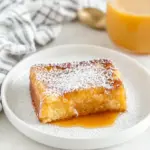
Texas Toast French Toast
Ingredients
Ingredients
- 1/2 cupbutter melted
- 1 cupbrown sugar
- 1 24-ounceloafTexas toast, with crust trimmed off, optional
- 4 eggs
- 1 1/2 cupsmilk
- 1 teaspoonvanilla extract
- 4 tablespoonsbrown sugar
- 3 teaspoonscinnamon
- 4 tablespoonsbutter softened
- powdered sugar for sprinkling
Instructions
Instructions
- Preheat nothing yet — gather a 9×13-inch casserole dish and the ingredients listed. Melt ½ cup butter in a small saucepan or microwave-safe bowl until fully melted.
- In a bowl, stir the melted ½ cup butter together with 1 cup brown sugar until well combined. Pour this butter–brown sugar mixture into the bottom of the 9×13 casserole dish and spread it evenly.
- Trim the crusts off the Texas toast if desired. Cut or tear the slices as needed so you can fit a single layer of the Texas toast into the dish.
- Arrange one layer of Texas toast in the bottom of the dish over the butter–sugar mixture, cutting pieces as necessary to cover the pan.
- In a small bowl, combine 4 tablespoons brown sugar and 3 teaspoons cinnamon; set this cinnamon–sugar mixture aside.
- In a medium bowl, whisk together 4 eggs, 1½ cups milk, and 1 teaspoon vanilla extract until blended.
- Pour about half of the egg mixture evenly over the first layer of Texas toast, allowing the bread to soak for a minute.
- Sprinkle half of the cinnamon–sugar mixture evenly over the soaked first layer.
- Add a second layer of Texas toast on top of the first. Using 4 tablespoons softened butter, spread a thin, even layer of the softened butter over the top surface of the second layer.
- Pour the remaining egg mixture evenly over the top layer of bread, then sprinkle the remaining cinnamon–sugar mixture over the top.
- Gently press the bread layers down so they absorb the custard. Cover the dish with plastic wrap or foil and refrigerate for at least 4 hours or overnight.
- When ready to bake, preheat the oven to 350°F. Remove the casserole from the refrigerator, uncover, and bake for 40–45 minutes, until the custard is set and the top is golden.
- Remove from the oven, let cool a few minutes, then sprinkle with powdered sugar before serving.
Equipment
- 9×13 baking dish
Notes
Slightly stale bread absorbs the custard more evenly than fresh bread.
You can leave the crust on, but crust-free looks prettier.
You can leave the crust on, but crust-free looks prettier.
Avoid very soft or delicate breads that may fall apart during soaking or baking.
Avoid very soft or delicate breads that may fall apart during soaking or baking.
This casserole bakes best in a glass or ceramic baking dish.
This casserole bakes best in a glass or ceramic baking dish.