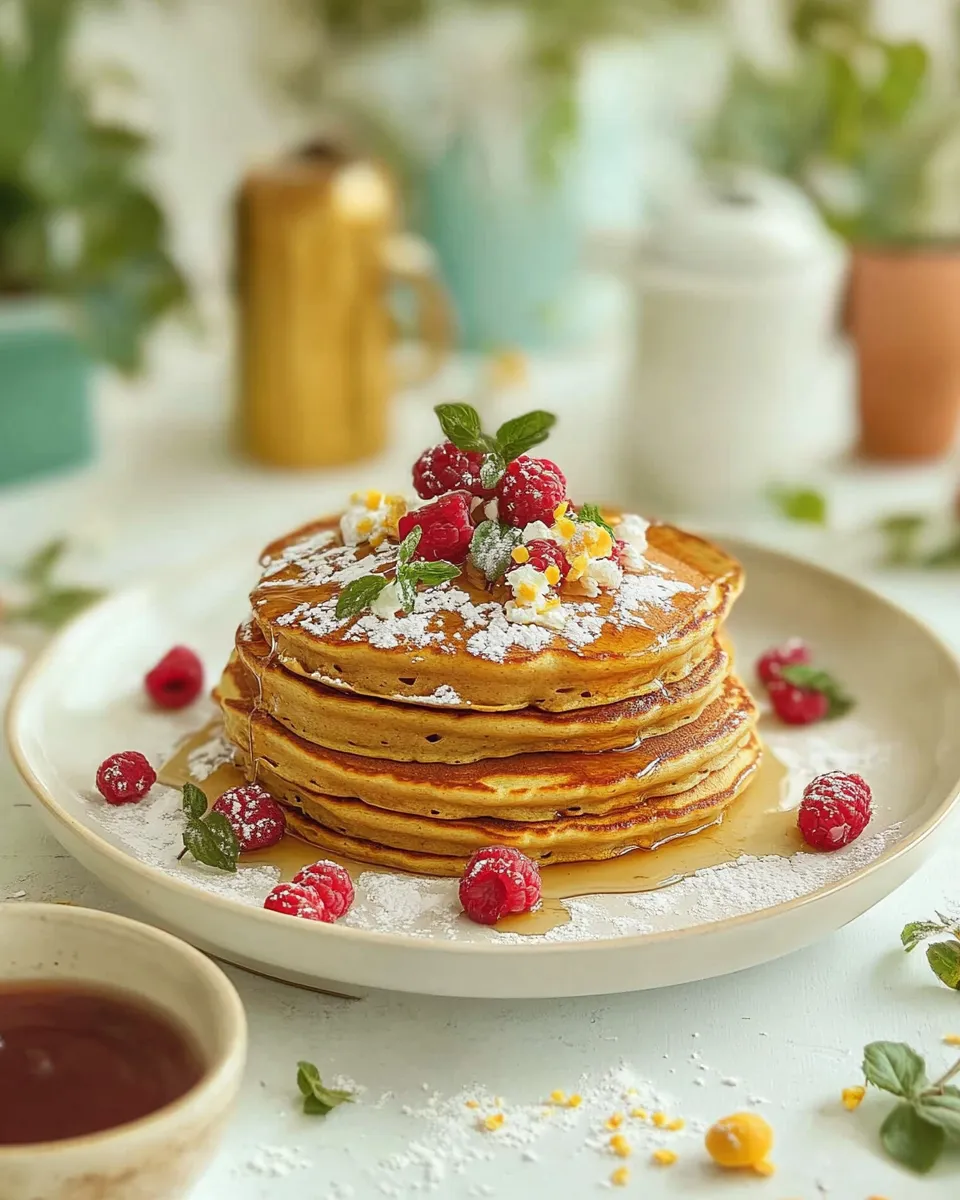
Sweet Cream Pancakes Recipe
I write recipes that actually get made—simple, truthful, and forgiving. These Sweet Cream Pancakes are exactly that: a straightforward batter, a warm griddle, and pancakes that come out tender, lightly sweet, and easy to stack. They rely on whole-wheat flour for a bit of heft, light cream for richness, and a touch of coconut sugar for balanced sweetness.
There’s no fuss here: whisk dry, mix wet, fold together, and cook. Small lumps in the batter are fine; overmixing is what makes pancakes tough. I’ll walk you through the exact steps, what tools to use, common swaps, and mistakes to avoid so you end up with consistent results every time.
What You’ll Need

Basic kitchen tools and one skillet are all it takes. A large mixing bowl for the dry ingredients and a separate bowl for the wet keeps things tidy and helps ensure even mixing. A nonstick griddle or skillet and a spatula let you control browning and flip pancakes cleanly.
Ingredients
- 2 cups whole-wheat flour — provides structure and nutty flavor; sift or whisk to remove clumps.
- 2 teaspoons aluminum-free baking powder — the main leavening agent for lift and tenderness.
- 1/2 teaspoon baking soda — reacts with the acid in cream for extra rise.
- 1/4 teaspoon sea salt — balances sweetness and enhances flavor.
- 2 large free-range eggs — bind the batter and add richness; room temperature is best.
- 1/4 cup organic coconut sugar — gentle, caramel-like sweetness that melts into the batter.
- 1 1/2 cups organic light cream — adds fat and tenderness; the mix of cream and whole-wheat flour yields a soft crumb.
- 1 teaspoon pure vanilla extract — lifts aroma and complements the coconut sugar.
Method: Sweet Cream Pancakes
- In a large mixing bowl, whisk together 2 cups whole-wheat flour, 2 teaspoons aluminum-free baking powder, 1/2 teaspoon baking soda, and 1/4 teaspoon sea salt until evenly combined.
- In a separate bowl, beat 2 large eggs with 1/4 cup organic coconut sugar until the mixture is smooth and slightly pale.
- Gradually pour 1 1/2 cups organic light cream and 1 teaspoon pure vanilla extract into the egg-and-sugar mixture, stirring until well combined.
- Make a well in the center of the dry ingredients and pour in the wet mixture. Using a spatula, gently fold the ingredients together until just combined; small lumps are fine—do not overmix.
- Preheat a nonstick griddle or nonstick skillet over medium heat until hot.
- Pour about 1/4 cup of batter per pancake onto the preheated surface, leaving space between pancakes. Cook 2–3 minutes, until small bubbles form on the surface and the edges look set, then flip and cook 2–3 minutes more, until golden brown and cooked through. Adjust the heat if pancakes are browning too quickly.
- Transfer cooked pancakes to a plate and keep them warm while you cook the remaining batter.
- Serve the pancakes warm.
Top Reasons to Make Sweet Cream Pancakes
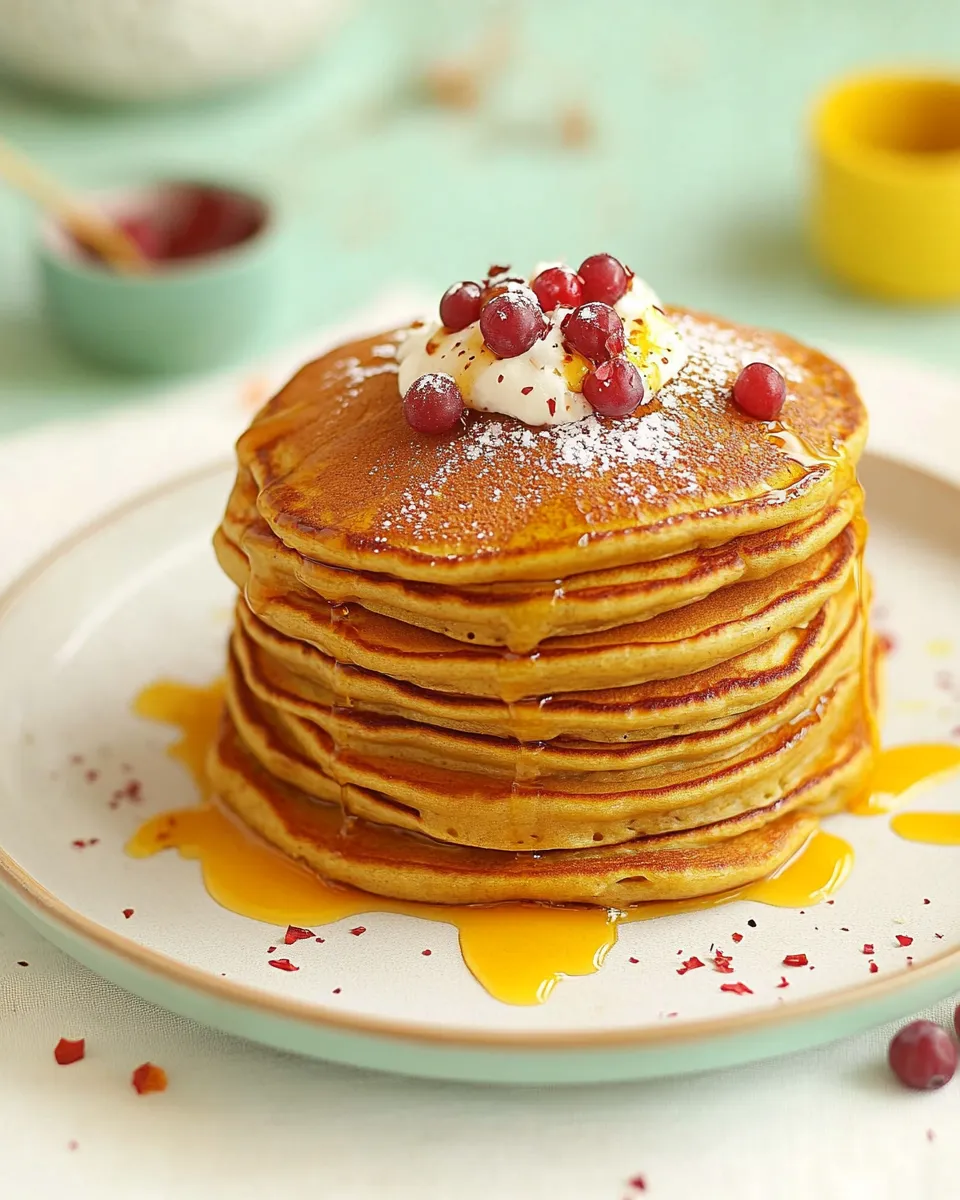
- They’re richly flavored without being overly sweet—organic light cream and coconut sugar provide depth rather than cloying sweetness.
- Using whole-wheat flour adds fiber and a pleasant, nutty profile that balances the creaminess.
- The recipe is forgiving: small lumps are fine and the folding method prevents toughness from overmixing.
- It’s quick to pull together—no long resting time or complicated steps.
- Ingredients are pantry-friendly and adaptable for different dietary preferences.
- Results are consistent when you follow the simple timing and heat cues (bubbles + set edges = ready to flip).
What to Use Instead
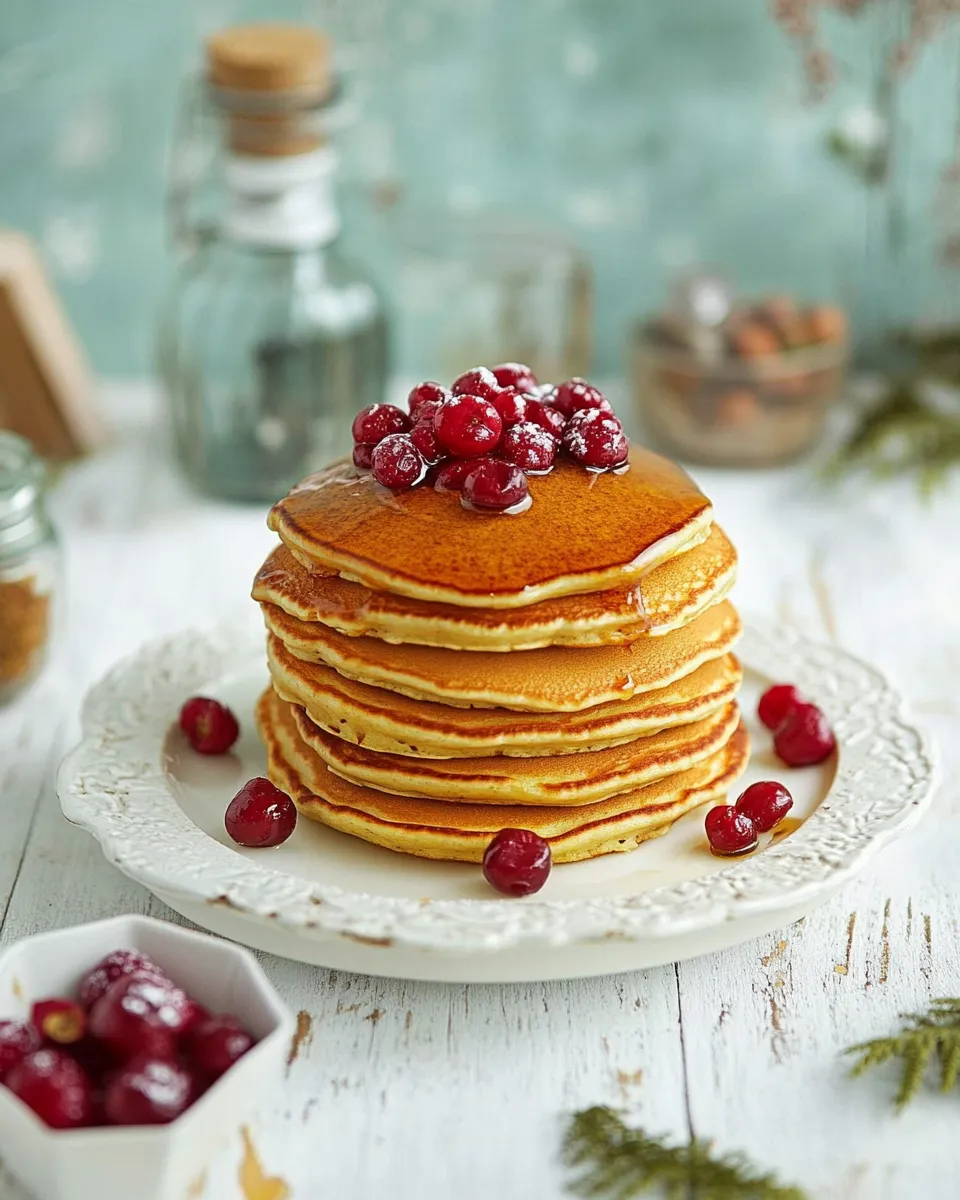
If you don’t have one of the ingredients on hand, you can swap thoughtfully without changing the batter amounts:
- Whole-wheat flour — use a blend of half whole-wheat and half lighter flour for a less dense texture.
- Organic light cream — any milk with some fat will work; for a richer result, use higher-fat cream; for lighter, use lower-fat milk.
- Organic coconut sugar — regular granulated sugar or brown sugar can substitute; both will change the flavor profile slightly.
- Free-range eggs — a standard large egg works fine; plant-based alternatives will change structure and may need additional binding agents.
Appliances & Accessories
- Nonstick griddle or nonstick skillet — the nonstick surface is the easiest route to even browning without excessive oil.
- Large mixing bowl and a separate smaller bowl — keeps wet and dry components neat and helps combine evenly.
- Spatula — a thin, flexible turner is best for flipping pancakes without tearing.
- Measuring cups and spoons — accurate measurements matter for consistent batter texture.
- Ladle or measuring cup for portioning — about 1/4 cup per pancake makes uniform results.
Don’t Do This
- Don’t overmix the batter. Stir until the wet and dry ingredients come together; visible small lumps are fine. Overmixing develops gluten and makes pancakes chewy.
- Don’t use high heat. Too-hot a griddle will brown the outside before the center cooks; medium heat and patience are your friends.
- Don’t flip too often. Flip once when bubbles form and edges look set. Constant flipping prevents proper rise and color.
- Don’t skip the resting time if you need it. While this batter cooks straightaway, giving batter 5–10 minutes to hydrate the whole-wheat flour will mellow bitterness and improve texture when you have the time.
Customize for Your Needs
Sweet Cream Pancakes are a great base for small tweaks. Add-ins and toppings are the easiest way to make a batch feel special:
- Fold-ins: fresh berries, dark chocolate chips, or chopped nuts—add them right into the batter in small amounts so the batter’s texture isn’t compromised.
- Spice: a pinch of cinnamon or cardamom in the dry mix complements coconut sugar and vanilla.
- Toppings: warm fruit compote, a smear of nut butter, maple syrup, or a dollop of yogurt all work. Keep sauces warm and serve immediately.
- Texture: for lighter pancakes, swap up to half the whole-wheat flour for a lighter flour; for heartier pancakes, use the recipe as written.
Testing Timeline
Here’s what to watch for during a test run so you can refine the method to your stove and pan:
- Heat test: preheat the pan and flick a few drops of water. If they dance and evaporate quickly, the surface is ready. If they sputter violently, it’s too hot.
- First pancake is the calibrator. Expect the first one to be slightly different while you adjust pan temperature and timing; use it to set the ideal heat.
- Bubble timing: once you pour, count 2–3 minutes. Look for small bubbles across the surface and set edges before flipping.
- Color cue: aim for golden brown on both sides. If the exterior gets dark before the interior cooks, lower the heat a notch.
Make Ahead Like a Pro
These pancakes handle short-term make-ahead well. Stack and store correctly for best texture.
- Hold warm: keep cooked pancakes on a rimmed baking sheet in a single layer in a 200°F (95°C) oven while you finish the batch.
- Refrigerate: cool completely, then stack with parchment between layers and store airtight for up to 2 days.
- Freeze: lay pancakes flat on a sheet to freeze, then transfer to a freezer bag. Reheat from frozen with a quick toast or oven warm-up.
- Reheat: use a low oven or toaster to refresh texture, or a dry skillet over low heat to avoid sogginess.
Reader Questions
Q: Can I make the batter ahead of time? A: You can mix the batter and refrigerate for up to 24 hours, but expect a slightly denser texture as the whole-wheat flour fully hydrates. Stir gently before cooking.
Q: My pancakes are flat—what went wrong? A: Check your leavening. Use fresh baking powder and the correct amount of baking soda. Also, avoid overmixing and make sure your pan is at the right temperature so the batter sets properly.
Q: They brown too fast on the outside. A: Lower your heat. Nonstick pans and electric griddles vary widely; adjust so pancakes take the full 2–3 minutes per side to develop color and cook through.
Q: Can I use different sugar? A: Yes. Coconut sugar gives a mild caramel note; granulated or light brown sugar will work but change the flavor slightly. Keep the quantity the same.
Bring It Home
These Sweet Cream Pancakes are designed to be dependable. Follow the straightforward mixing order—dry whisk, wet combine, then fold—and honor the simple cues on the griddle. With whole-wheat flour and light cream, the result is a tender, satisfying pancake that feels a bit more substantial but still stays soft and fluffy.
Serve them warm, stack high, and let people add their favorite toppings. If you try a variation—berries, spices, or a different milk—note what you changed so you can repeat your favorite version next time. Happy cooking; enjoy the breakfast that actually comes together.
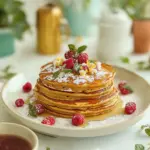
Sweet Cream Pancakes Recipe
Ingredients
Ingredients
- 2 cupswhole-wheat flour
- 2 teaspoonsaluminum-free baking powder
- 1/2 teaspoonbaking soda
- 1/4 teaspoonsea salt
- 2 large free-range eggs
- 1/4 cuporganic coconut sugar
- 1 1/2 cupsorganic light cream
- 1 teaspoonpure vanilla extract
Instructions
Instructions
- In a large mixing bowl, whisk together 2 cups whole-wheat flour, 2 teaspoons aluminum-free baking powder, 1/2 teaspoon baking soda, and 1/4 teaspoon sea salt until evenly combined.
- In a separate bowl, beat 2 large eggs with 1/4 cup organic coconut sugar until the mixture is smooth and slightly pale.
- Gradually pour 1 1/2 cups organic light cream and 1 teaspoon pure vanilla extract into the egg-and-sugar mixture, stirring until well combined.
- Make a well in the center of the dry ingredients and pour in the wet mixture. Using a spatula, gently fold the ingredients together until just combined; small lumps are fine—do not overmix.
- Preheat a nonstick griddle or nonstick skillet over medium heat until hot.
- Pour about 1/4 cup of batter per pancake onto the preheated surface, leaving space between pancakes. Cook 2–3 minutes, until small bubbles form on the surface and the edges look set, then flip and cook 2–3 minutes more, until golden brown and cooked through. Adjust the heat if pancakes are browning too quickly.
- Transfer cooked pancakes to a plate and keep them warm while you cook the remaining batter.
- Serve the pancakes warm.
Equipment
- Large Mixing Bowl
- Separate Bowl
- Whisk
- Spatula
- nonstick griddle
- Nonstick Skillet
- Plate