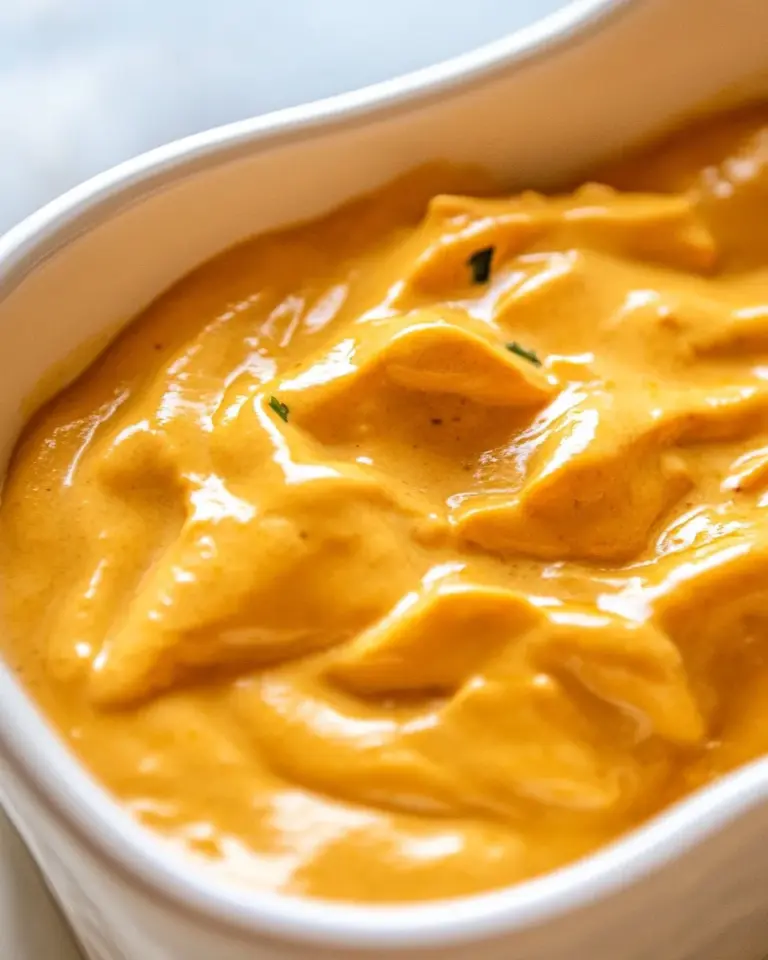
Sweet and Sour Sauce
I make this sweet and sour sauce whenever I want a bright, homemade finish for stir-fries, dipping, or glazing proteins. It’s approachable, forgiving, and built from pantry-friendly items with a short fresh-fruit step that really lifts the flavor. No special skills required—just a little time to simmer and a quick slurry to get the texture right.
Read through the ingredients and the short, faithful method below before you start. The steps are straightforward: simmer citrus and ginger, strain, sweeten and acidify, then thicken. I’ll walk you through practical choices and pitfalls so your batch comes out balanced and glossy every time.
This post includes equipment notes, easy swaps, and answers to common questions—everything you need to use the sauce on noodles, as a dip, or to glaze chicken or tofu. Let’s get the pot on the stove and make a sauce you’ll reach for again and again.
Ingredients

- 5 cups water — the poaching liquid that pulls flavor from the citrus and ginger.
- 1 orange — provides bright citrus sweetness and aroma.
- 1 lemon — adds acidity and a sharp citrus edge to balance sweetness.
- 2 or 3 slices fresh ginger — warms and deepens the citrus, giving a subtle spicy backbone.
- 1 cup sugar — the primary sweetener that creates the “sweet” in sweet-and-sour and helps the sauce glaze.
- 1/2 cup vinegar — the sour element that balances the sugar and cuts richness.
- 1 cup ketchup — contributes tang, tomato depth, and body to the sauce.
- red food coloring if desired — optional for a brighter red hue; flavor-neutral if you choose to use it.
- 3 tablespoons cornstarch — the thickener that creates the glossy, clingy texture.
- 3 tablespoons water — mixed with the cornstarch to make a smooth slurry for thickening.
What You’ll Gather
Gather the ingredients listed above and lay them out before you begin. You’ll need a medium pot for simmering and a sieve or fine strainer for pressing out the citrus and ginger liquid. Measure the sugar, vinegar, and ketchup ahead of time so you can add them steadily; the cornstarch slurry should be mixed right before thickening, so have a small bowl and spoon ready.
Pick a medium pot with room to simmer without boiling over. If your orange or lemon is waxed, scrub it under warm water to remove any residues—the recipe starts with washing the fruit anyway. Fresh ginger slices should be thin enough to release flavor but thick enough to handle when pressing through the sieve.
Step-by-Step: Sweet and Sour Sauce
- Wash the orange and the lemon well.
- Slice the orange, the lemon, and the 2 or 3 slices of fresh ginger.
- Place the fruit and ginger slices into a medium pot with 5 cups water.
- Bring the pot to a boil, then reduce heat and simmer for 30 minutes.
- Place a sieve over a bowl and pour the pot contents through the sieve to strain the liquid. Press the fruit and ginger in the sieve to extract as much liquid as possible; discard the solids.
- Return the strained liquid to the pot.
- Add 1 cup sugar, 1/2 cup vinegar, 1 cup ketchup, and a few drops of red food coloring if using.
- Whisk the mixture until the sugar is dissolved and the ingredients are well blended.
- Heat the sauce over medium-high heat until it starts to warm through.
- In a small bowl, combine 3 tablespoons cornstarch and 3 tablespoons water; stir until smooth to make a slurry.
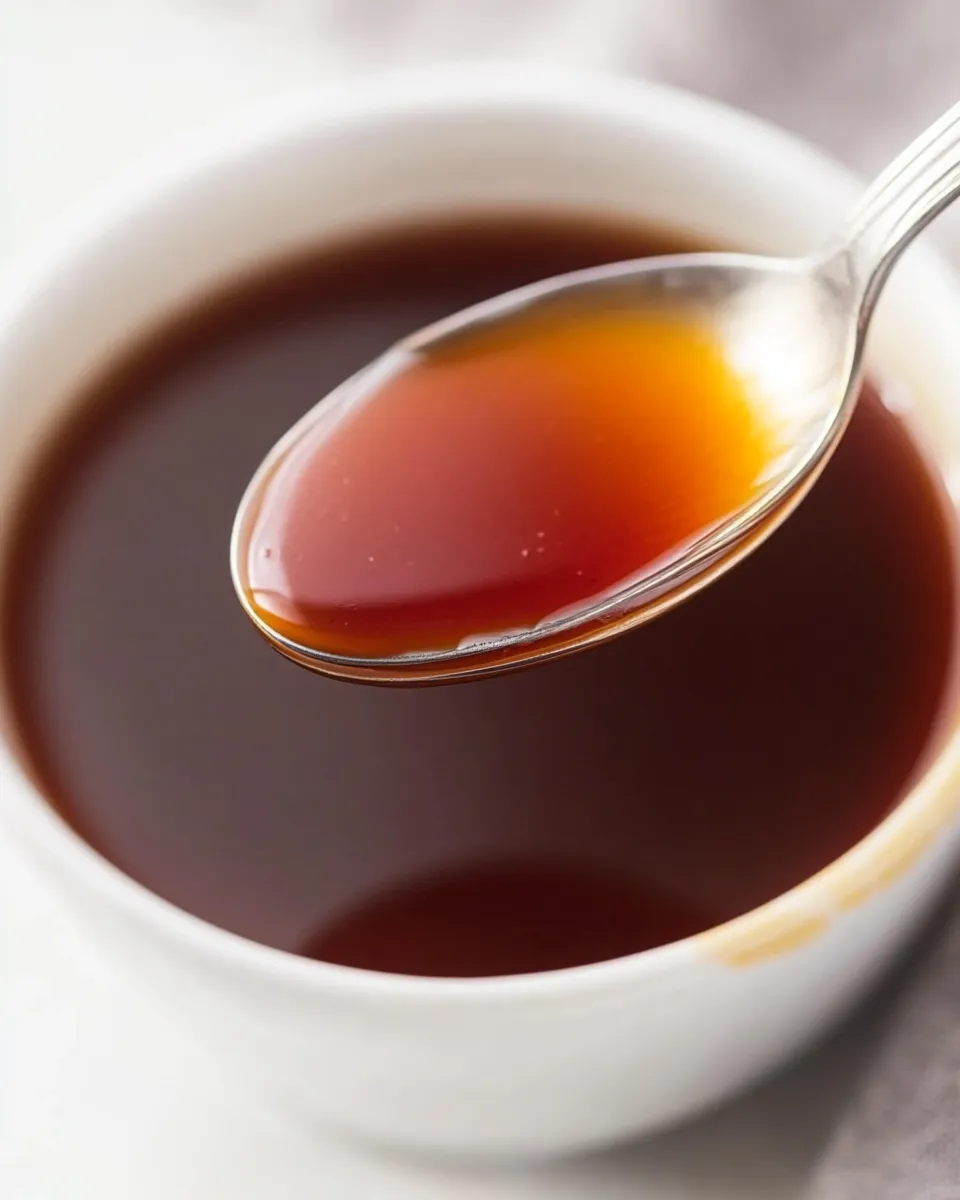
- With the sauce stirring constantly, slowly stream in the cornstarch slurry. Continue stirring until the sauce thickens.
- When the sauce has thickened to your desired consistency, remove it from the heat.
Why You’ll Love This Recipe
This sauce hits the essential sweet-and-sour profile: brightness from citrus, heat from ginger, acidity from vinegar, and comfort from sugar and ketchup. It’s fridge-friendly and versatile—use it as a dip for spring rolls, a glaze for roasted proteins, or a finishing sauce for noodles and fried rice.
It’s accessible: few steps, everyday ingredients, and a clear method to control thickness and balance. The initial simmer with orange, lemon, and ginger makes the final sauce taste fresher and more layered than a sauce made from only pantry items. If you value a homemade touch without complicated techniques, this is a reliable recipe.
Easy Ingredient Swaps
Want to adapt the flavor without reinventing the recipe? Here are simple, practical ideas that keep the method intact.
- Adjust the sugar level by changing how much of the 1 cup sugar you add; start with less and taste as you go.
- If you prefer a less aggressive acidic note from the 1/2 cup vinegar, use a milder-tasting vinegar in its place or reduce the amount slightly and taste before finishing.
- Skip the red food coloring if you prefer a natural color—your sauce will be more orange-golden than bright red but the flavor is the same.
- If ketchup isn’t ideal for your uses, you can use the full 1 cup to keep the recipe’s body and tomato tang; it’s the ingredient that gives the sauce familiar sweet-and-sour depth.
What You’ll Need (Gear)
- Medium pot — roomy enough for simmering 5 cups of water and the sliced fruit without boiling over.
- Sieve or fine strainer — to separate the solids from the infused liquid and press out maximum flavor.
- Mixing bowl — for the cornstarch slurry (3 tablespoons cornstarch + 3 tablespoons water).
- Whisk or spoon — to dissolve the sugar and later to stir in the slurry smoothly.
- Measuring cups and spoons — to measure 1 cup sugar, 1/2 cup vinegar, 1 cup ketchup, and slurry components precisely.
Steer Clear of These
Don’t skip the straining step: pressing the fruit and ginger extracts concentrated flavor and then removes the solids that would cloud or over-texture the sauce. If you skip squeezing the solids, the sauce will be less polished and may taste bitter from pith or fibrous bits.
Avoid adding the cornstarch slurry all at once. Streaming it in while stirring prevents lumps and lets you control thickness. Also, don’t over-reduce the sauce after thickening—if it cooks too long, the sugar will caramelize and the sauce can become too sticky or dark.
Variations for Dietary Needs
Keeping the foundation intact makes it straightforward to tweak for dietary needs while preserving method and consistency.
- Lower-sugar preference: reduce how much of the 1 cup sugar you dissolve in step 8 and taste before finishing; balance by ensuring the 1/2 cup vinegar is still present to keep the profile bright.
- Ketchup concerns: if you’re avoiding certain ingredients in commercial ketchup, you can omit the optional red food coloring and be mindful of the ketchup you choose, since 1 cup of ketchup provides texture and tomato tang.
- Texture modifications: the 3 tablespoons cornstarch + 3 tablespoons water slurry controls viscosity; add it slowly and stop when you hit your desired consistency so the sauce remains suitable for dipping, glazing, or tossing.
Flavor Logic
The flavor architecture here is simple and effective. The simmer step extracts natural sugars and fragrant oils from the orange and lemon, while the ginger contributes warmth without dominating. The sugar and ketchup create body and sweetness, and the vinegar slices through that sweetness to give the characteristic “sour” in sweet-and-sour.
Cornstarch thickens without adding flavor, producing a glossy, clingy texture that coats foods. The key to balance is tasting after step 8 (when the sugar, vinegar, and ketchup are combined) and before thickening—adjust sweetness or acidity mentally and make minor tweaks if needed, then finalize texture with the slurry in step 11.
Keep-It-Fresh Plan
Cool your sauce to room temperature before storing. Transfer it to a clean, airtight container and refrigerate. It will keep for up to a week chilled. For longer storage, freeze in portion-sized containers or ice-cube trays, then transfer frozen cubes to a bag for up to 2–3 months.
Rewarm gently on the stove—do not boil aggressively, which can break the texture. If the sauce separates slightly after freezing and thawing, whisk it while warming; the cornstarch base usually re-integrates with gentle heat.
Your Questions, Answered
Q: Can I make this without fresh citrus? A: The recipe relies on the orange and lemon simmer for bright, fresh flavor; skipping them will make the sauce flatter. If necessary, using bottled citrus juice will change the character—fresh fruit is preferred.
Q: What if the sauce is too thick after adding the slurry? A: Thin it with a little warm water, adding a tablespoon at a time while stirring until the desired consistency returns.
Q: Can I make this ahead for a party? A: Yes—complete the sauce, cool it, and refrigerate. Rewarm gently before serving and adjust texture as needed with a small splash of water.
Serve & Enjoy
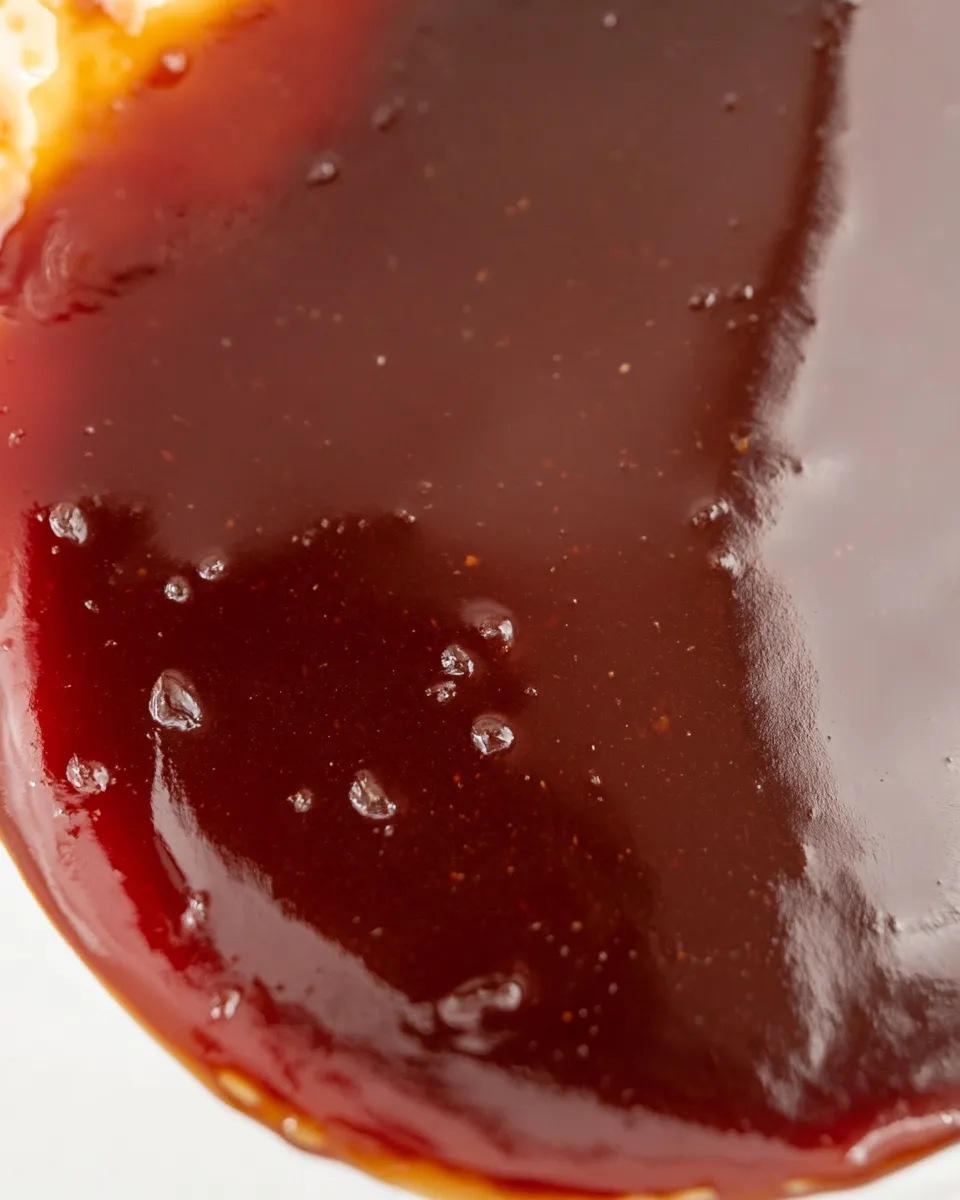
This sweet and sour sauce shines as a dip for spring rolls, fried wontons, and tempura. Toss it with stir-fried vegetables and protein as a finishing sauce, or brush it over grilled or roasted chicken, pork, or tofu during the last minutes of cooking to build a glossy glaze. For noodles, warm the sauce slightly and toss with hot noodles and sliced scallions for a quick, bright meal.
Because it’s balanced and not overly complicated, it pairs well with salty or fried foods that benefit from a sweet-acid counterpoint. Taste, adjust, and then serve warm. Enjoy the glossy, tangy result—you’ll be surprised how often you reach for this jar in the fridge.
Sweet and Sour Sauce
Ingredients
Ingredients
- 5 cupswater
- 1 orange
- 1 lemon
- 2 or 3 slicesfresh ginger
- 1 cupsugar
- 1/2 cupvinegar
- 1 cupketchup
- red food coloring if desired
- 3 tablespoonscornstarch
- 3 tablespoonswater
Instructions
Instructions
- Wash the orange and the lemon well.
- Slice the orange, the lemon, and the 2 or 3 slices of fresh ginger.
- Place the fruit and ginger slices into a medium pot with 5 cups water.
- Bring the pot to a boil, then reduce heat and simmer for 30 minutes.
- Place a sieve over a bowl and pour the pot contents through the sieve to strain the liquid. Press the fruit and ginger in the sieve to extract as much liquid as possible; discard the solids.
- Return the strained liquid to the pot.
- Add 1 cup sugar, 1/2 cup vinegar, 1 cup ketchup, and a few drops of red food coloring if using.
- Whisk the mixture until the sugar is dissolved and the ingredients are well blended.
- Heat the sauce over medium-high heat until it starts to warm through.
- In a small bowl, combine 3 tablespoons cornstarch and 3 tablespoons water; stir until smooth to make a slurry.
- With the sauce stirring constantly, slowly stream in the cornstarch slurry. Continue stirring until the sauce thickens.
- When the sauce has thickened to your desired consistency, remove it from the heat.
Equipment
- Medium pot
- Sieve
- Bowl
- Small Bowl
- Whisk
- Spoon
Notes
Store unused sauce in an airtight container.