Steamed Salmon with Sweet Ginger Soy Glaze
I love weeknight dinners that feel thoughtful without asking for hours. This steamed salmon sings with a glossy ginger-soy glaze that takes just minutes to bring together while the fish cooks gently over simmering water. It’s about balance: tender, flaky fish against a sweet, warmly spiced sauce that clings to the fillet.
This recipe is practical — minimal prep, straightforward technique, and reliable timing. If you keep a few pantry staples on hand (soy sauce, honey, ground ginger, garlic powder, and a pinch of crushed red pepper), you can turn salmon into something special in under 20 minutes. I’ll walk you through the small details that make the texture and glaze right every time.
Below you’ll find a shopping guide, a clear ingredient list, step-by-step instructions taken directly from the source recipe, and focused tips on equipment, substitutions that safeguard texture, and storage. I write recipes the way I cook: warm, direct, and useful.
Your Shopping Guide

Start with the salmon. The recipe calls for 16 ounces of skinless and boneless salmon fillets — one pound total. Choose firm, bright fillets with a clean smell. Freshness matters because steaming highlights the fish’s natural flavor and texture; avoid anything that smells overly fishy or looks slimy.
For the glaze, buy low-sodium soy sauce and pure honey. Low-sodium soy sauce keeps the glaze from becoming overly salty while the honey gives the sauce a thick, clingy shine. The recipe uses ground ginger and garlic powder rather than fresh; keep them in the pantry as they’re handy and consistent for this glaze.
Other small items — kosher salt, ground black pepper, and crushed red pepper — are pantry basics. Measure them carefully; the recipe balances sweetness, heat, and seasoning precisely, so stick to the quantities listed rather than guessing.
Ingredients
- 16 ounces skinless and boneless salmon fillets — the primary protein; choose firm, fresh fillets for the best texture.
- 1/2 teaspoon kosher salt — seasons the fish evenly without overpowering; use kosher salt for predictable volume.
- 1/4 teaspoon ground black pepper — adds gentle bite and background warmth.
- 2 teaspoons ground ginger — split between seasoning and glaze; gives the dish its ginger warmth.
- 1 teaspoon garlic powder — also split between seasoning and glaze; provides savory depth without raw garlic sharpness.
- 1/4 cup soy sauce, low-sodium — the salty base of the glaze; low-sodium helps control overall saltiness.
- 1/4 cup pure honey — sweetener that thickens and glazes; use pure honey for best texture and sheen.
- 1/2 teaspoon crushed red pepper — adds a controlled touch of heat to the glaze.
Steamed Salmon with Sweet Ginger Soy Glaze: How It’s Done
- Pat the salmon fillets dry with paper towels. Season both sides evenly with 1/2 teaspoon kosher salt, 1/4 teaspoon ground black pepper, 1 teaspoon ground ginger (half of the 2 teaspoons), and 1/2 teaspoon garlic powder (half of the 1 teaspoon). Set the fillets aside.
- Pour about 1 inch of water into a large skillet or saucepot that will fit a steaming basket. Bring the water to a rolling boil over high heat.
- Arrange the seasoned salmon in a single layer in the steaming basket (do not overlap). Carefully place the basket into the pot so it sits just above the boiling water (water should not touch the fish). Cover the pot.
- Reduce heat as needed to maintain a steady simmer and steam the salmon, covered, for 8 to 10 minutes, or until the salmon is opaque and flakes easily with a fork.
- While the salmon steams, make the glaze: in a small shallow saucepan over low heat, combine 1/4 cup low-sodium soy sauce and 1/4 cup pure honey. Stir constantly until the honey dissolves into the soy sauce and the mixture is smooth.
- Add 1/2 teaspoon crushed red pepper, the remaining 1 teaspoon ground ginger, and the remaining 1/2 teaspoon garlic powder to the glaze. Bring the glaze to a gentle simmer, then remove the pan from the heat.
- When the salmon is cooked, transfer fillets to a serving platter or plates and pour the hot ginger-soy glaze evenly over the steamed salmon. Serve immediately.
Why It Deserves a Spot
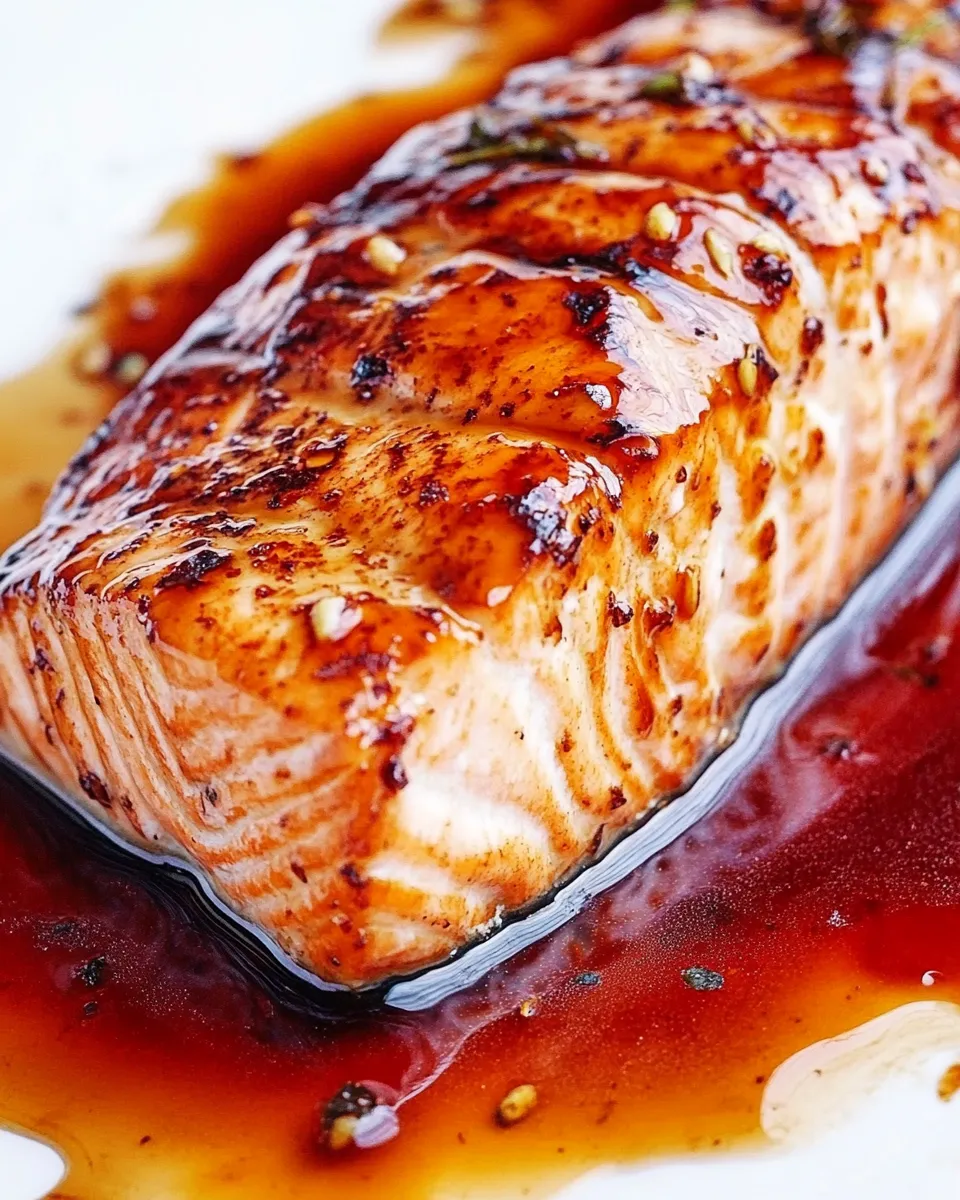
This dish is straightforward comfort that reads like a restaurant favorite but is simple enough for a busy evening. Steaming preserves moisture and gives you reliably tender fish without the risk of overbrowning or sticking to a pan. The glaze is simple but transformative: soy and honey create a salty-sweet backbone, and ginger plus garlic powder lift the flavor into something aromatic and warm.
Because the glaze is made while the fish cooks, the whole process is efficient. It’s forgiving, too: if your steam time tilts a minute or two, the fish remains moist and the glaze covers small differences in texture or seasoning. If you like clean, bright flavors with a hint of heat, this recipe delivers without complicated steps.
Texture-Safe Substitutions
If you need to swap something but want to keep the same delicate texture and balance, choose substitutions that won’t alter steam time or the glaze’s viscosity:
- Salmon: If you must use a different fish, pick a similarly oily, firm fillet (not listed in the core ingredients, so make this only if necessary) — but be aware steam times will vary by thickness.
- Soy sauce: Stick with a low-sodium version to maintain control of salt. Regular soy sauce is usable but reduce added salt elsewhere.
- Honey: Pure honey gives the right thickness; other liquid sweeteners will change glaze body. Keep the 1/4 cup measure consistent.
- Ginger and Garlic: The recipe uses ground ginger and garlic powder split between fish and glaze. If you prefer fresh alternatives, convert cautiously because they bring water and sharper flavors.
Cook’s Kit
- Large skillet or saucepot that fits a steaming basket — essential for even steam without touching the fish.
- Steaming basket or insert — keeps fillets elevated and prevents water contact.
- Small shallow saucepan — for the glaze, so the honey and soy combine quickly and reduce slightly.
- Paper towels — to pat the fillets dry before seasoning; a small but crucial step for good glaze adhesion.
- Measuring spoons and 1/4-cup measure — precise amounts keep the balance of sweet, salty, and spice.
- Serving platter or plates — transfer the cooked fillets carefully so the fish stays intact.
Steer Clear of These
A few common missteps can undo the simplicity of this meal. First, don’t skip patting the salmon dry. Wet fish steams unevenly and the glaze won’t cling. Second, don’t let the simmer turn into a rolling boil that splashes water onto the fillets — the fish should sit above the water.
Be careful with salt. Using full-strength soy sauce or adding extra salt during seasoning will push the glaze into overly salty territory. The recipe balances low-sodium soy sauce with measured kosher salt so saltiness remains controlled.
Finally, don’t over-steam. Salmon finishes quickly. The recommended 8 to 10 minutes is a guideline for typical fillets; check at the shorter end if fillets are on the thin side. You want opaque flesh that flakes with a fork, not a dry, crumbly texture.
Seasonal Twists
You can shift the feel of this dish without changing the ingredient list or the technique. Slightly increase the crushed red pepper for a late-winter kick, or dial it back for summer meals. Adjust the ginger split (still totaling 2 teaspoons) to nudge the glaze’s warmth up or down.
Small timing tweaks also change presentation: serve the fillets immediately after glazing for a shiny, saucy finish. If you prefer a more subdued glaze, let the sauce rest a minute off the heat before pouring so it cools and thickens slightly; the glaze will cling more and form a thinner coating.
Cook’s Commentary
I steam salmon this way when I want something clean, fast, and reliably tender. Ground ginger and garlic powder are kitchen shortcuts I reach for here because they dissolve into the glaze and season the fish evenly. The quota of spices split between the fillet seasoning and the glaze is intentional — it layers flavor rather than concentrating it all in one place.
Timing and Feel
Watch for visual cues more than the clock alone. The fillet should go from translucent to opaque and flake with gentle pressure from a fork. If you lift the lid and tiny beads of condensation fall on the fish, that’s fine — just tilt the lid away from the fillets when you check them so steam doesn’t drip back down.
Glaze Notes
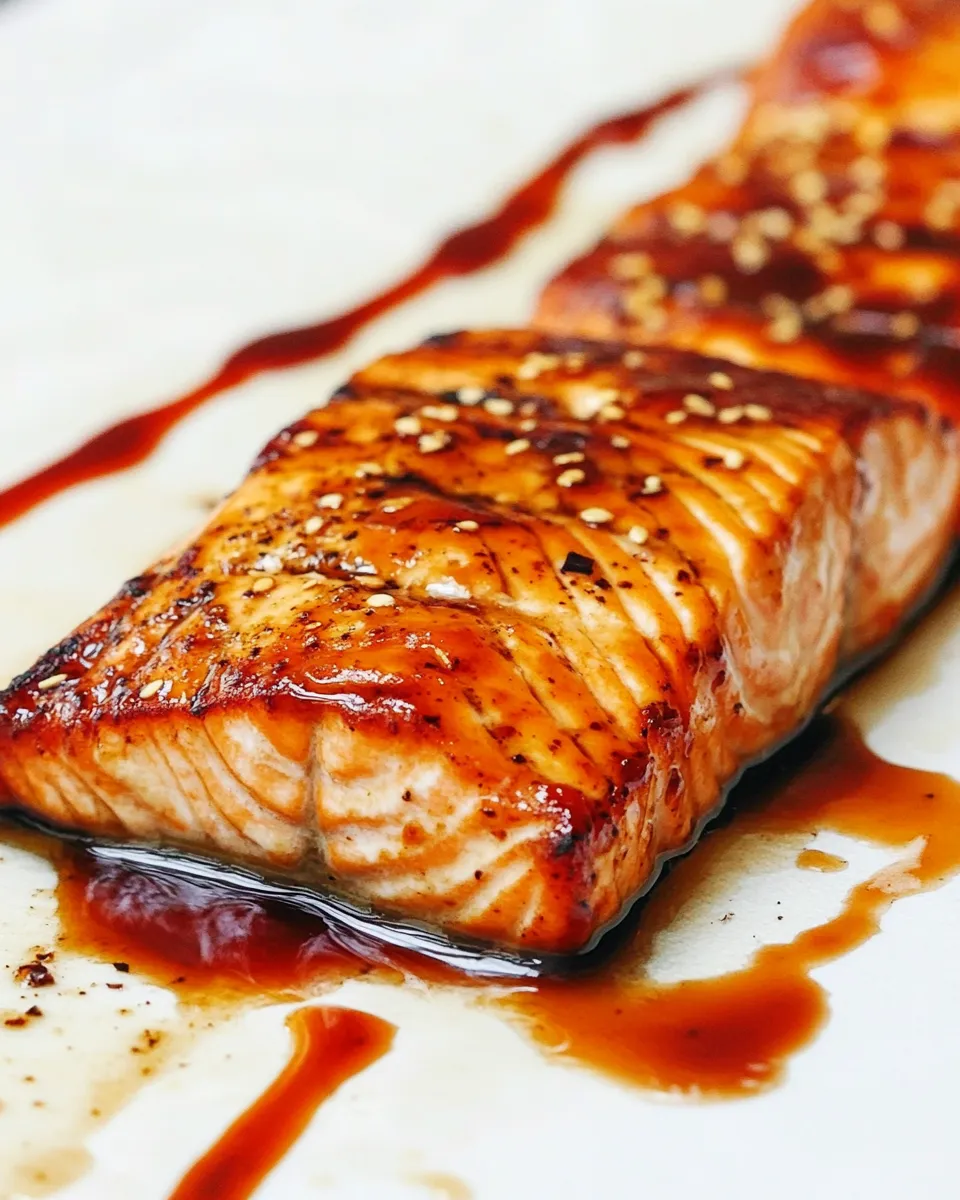
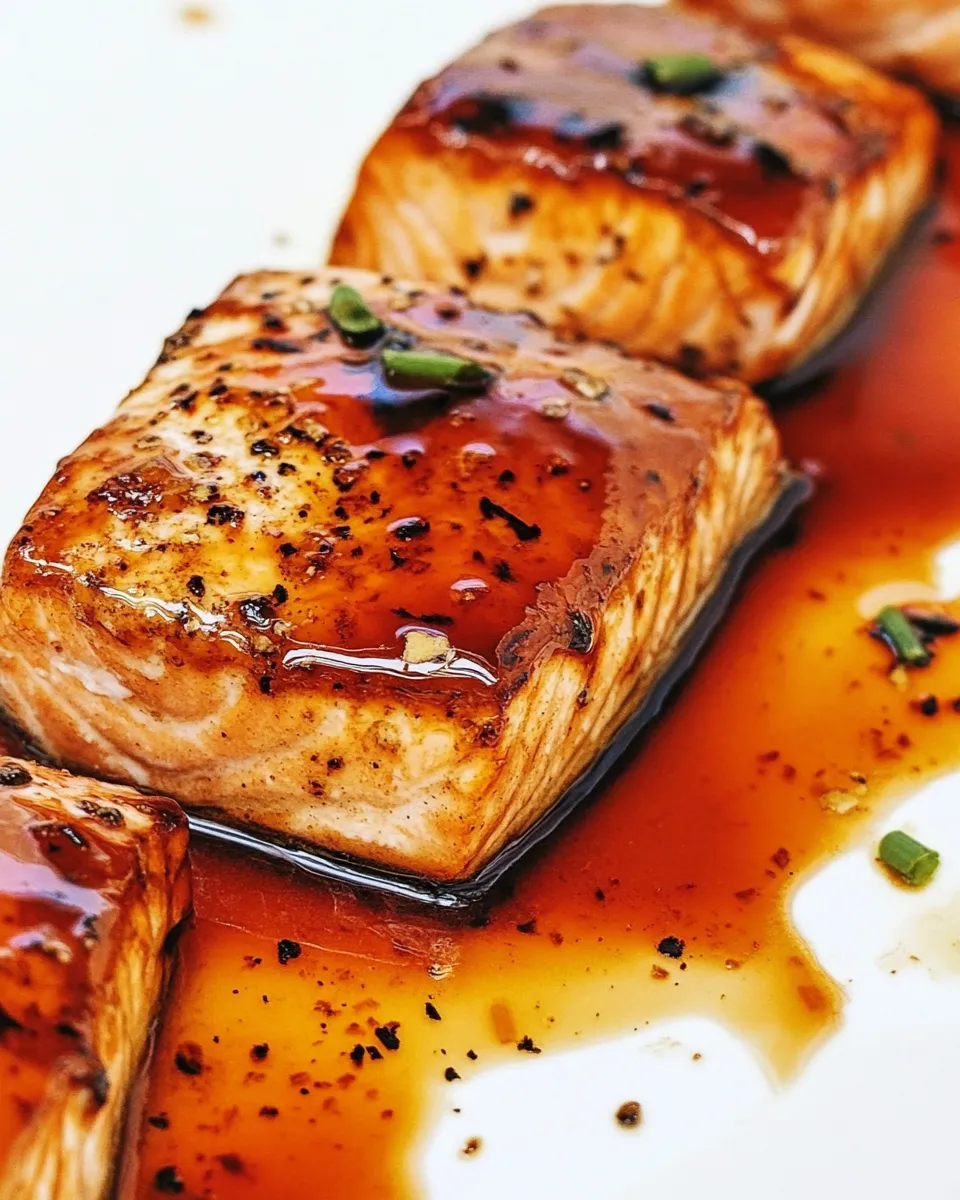
Stir the honey into the soy sauce over low heat until it’s fully incorporated. That takes only a minute or two. Bringing the glaze to a gentle simmer ensures the flavors meld; remove from heat promptly to avoid reducing it too thin. The hot glaze poured over warm fish creates the gloss you see in the photos.
Storage & Reheat Guide
Store leftover salmon in an airtight container in the refrigerator for up to 2 days. The glaze will sometimes soften the exterior as it sits; that’s normal. To reheat, use a low oven (about 275–300°F) for 8–10 minutes or until warmed through, covered loosely with foil to retain moisture. You can also reheat gently in a skillet over low heat with a splash of water in the pan and a lid to recreate steam briefly.
Avoid microwaving if you want to preserve texture; it can overcook the fish quickly and turn it rubbery. If you must use a microwave, do short bursts at low power and check frequently.
Your Questions, Answered
How do I know when the salmon is done? Look for opaque flesh that flakes easily with a fork. If the center still looks translucent, give it another minute or two and check again.
Can I make the glaze ahead? Yes. Warm the glaze slightly before serving so it pours smoothly and regains its sheen. Keep it in a small jar in the fridge for up to 48 hours and stir or warm gently before use.
What if I don’t have a steaming basket? Use a heatproof plate or a metal colander that fits into your pot above the water line. The important part is that the fish sits above the water and not in it.
Can I double the recipe? Yes. Steam in batches if your steaming basket won’t hold everything in a single layer. Overlapping fillets will cook unevenly.
Final Thoughts
This Steamed Salmon with Sweet Ginger Soy Glaze is a practical, dependable weeknight winner that still feels a little elevated. It’s built on a simple steam technique and a quick, glossy glaze that brightens and sweetens the fish without masking it. Keep the pantry ingredients stocked and you’ll have a fast, elegant dinner whenever you want one.
I hope the step-by-step method helps you feel confident at the stove. Simple techniques plus a few measured pantry staples — that’s my favorite way to make good food at home.
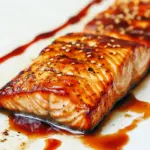
Steamed Salmon with Sweet Ginger Soy Glaze
Ingredients
Ingredients
- 16 ouncesskinless and boneless salmon fillets
- 1/2 teaspoonkosher salt
- 1/4 teaspoonground black pepper
- 2 teaspoonsground ginger
- 1 teaspoongarlic powder
- 1/4 cupsoy saucelow-sodium
- 1/4 cuppure honey
- 1/2 teaspooncrushed red pepper
Instructions
Instructions
- Pat the salmon fillets dry with paper towels. Season both sides evenly with 1/2 teaspoon kosher salt, 1/4 teaspoon ground black pepper, 1 teaspoon ground ginger (half of the 2 teaspoons), and 1/2 teaspoon garlic powder (half of the 1 teaspoon). Set the fillets aside.
- Pour about 1 inch of water into a large skillet or saucepot that will fit a steaming basket. Bring the water to a rolling boil over high heat.
- Arrange the seasoned salmon in a single layer in the steaming basket (do not overlap). Carefully place the basket into the pot so it sits just above the boiling water (water should not touch the fish). Cover the pot.
- Reduce heat as needed to maintain a steady simmer and steam the salmon, covered, for 8 to 10 minutes, or until the salmon is opaque and flakes easily with a fork.
- While the salmon steams, make the glaze: in a small shallow saucepan over low heat, combine 1/4 cup low-sodium soy sauce and 1/4 cup pure honey. Stir constantly until the honey dissolves into the soy sauce and the mixture is smooth.
- Add 1/2 teaspoon crushed red pepper, the remaining 1 teaspoon ground ginger, and the remaining 1/2 teaspoon garlic powder to the glaze. Bring the glaze to a gentle simmer, then remove the pan from the heat.
- When the salmon is cooked, transfer fillets to a serving platter or plates and pour the hot ginger-soy glaze evenly over the steamed salmon. Serve immediately.
Equipment
- steaming basket
- large skillet or saucepot
- small shallow saucepan
- Paper Towels
- Lid