Steak Butter Recipe
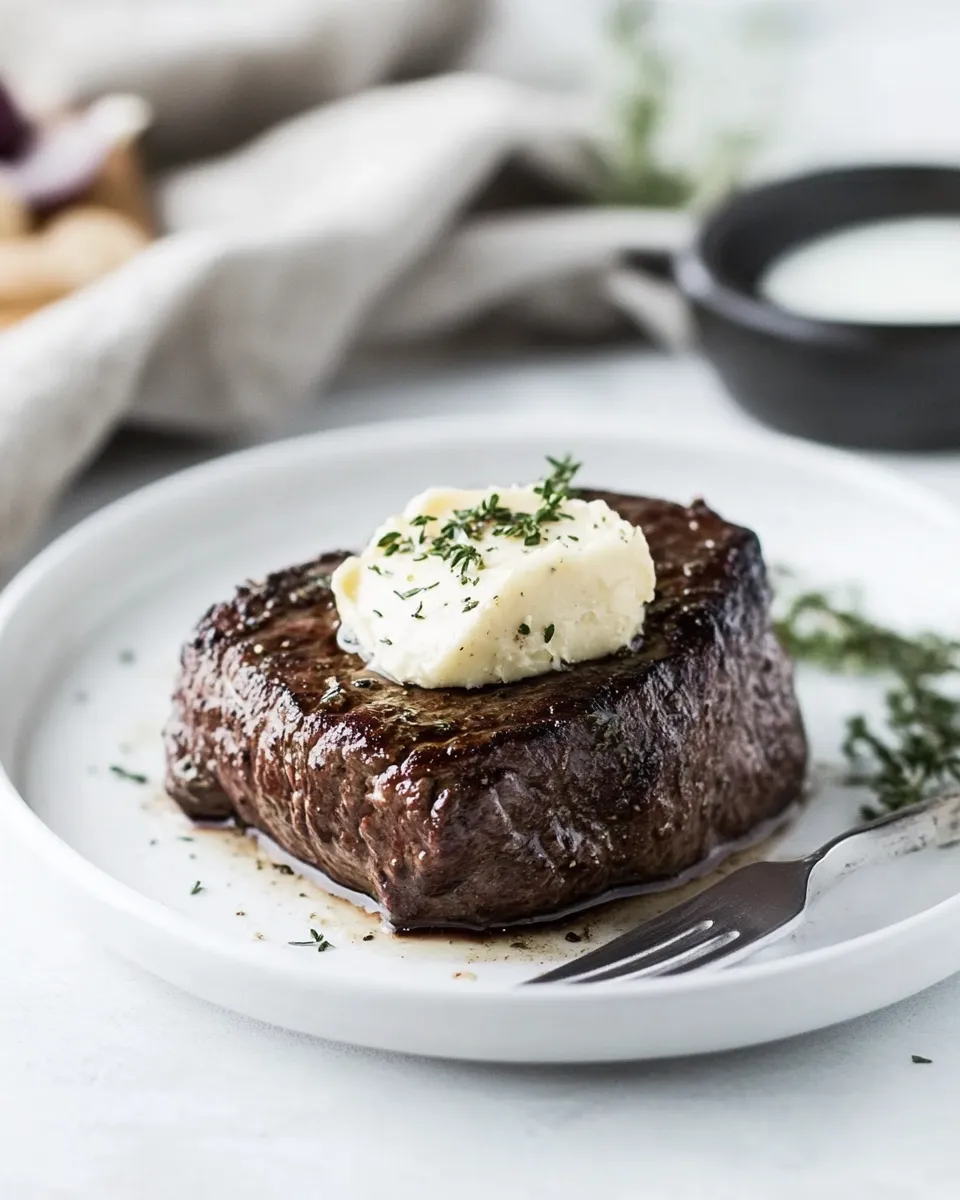
There are few things as satisfying as a hot, perfectly rested steak finished with a glossy ribbon of herbed butter. This compound butter is the fast, reliable way to add depth, moisture, and a bright herbal finish to steaks, chops, or roasted vegetables. It melts immediately on contact, carrying garlic, lemon, and Worcestershire into every bite.
I make a batch on the weekend and keep it wrapped in the fridge. It saves time on weeknights and makes an ordinary meal feel intentional. The texture matters: whipped until airy, this butter spreads easily and melts gently, creating a silky mouthfeel rather than a greasy puddle.
Below you’ll find a no-nonsense recipe, clear steps, smart shopping tips, and troubleshooting notes. Use it as written the first time, then tweak the herbs to match your mood.
Your Shopping Guide

When you shop for this compound butter, quality matters but so does simplicity. Choose unsalted butter so you control the salt level. Fresh garlic and herbs deliver the brightest flavor, so pick firm garlic bulbs and vibrant parsley, chives, and thyme—no wilted stems.
Count on standard pantry items like Worcestershire sauce and a lemon. If possible, buy a lemon with thin skin for juicier yields. You won’t need more than the small bunches of herbs most stores sell, and the leftovers will keep nicely for other recipes.
- Tip: Buy unsalted butter with a higher fat content if available—European-style butters add richness.
- Tip: Look for flat-leaf (Italian) parsley rather than curly; it has fresher flavor and better texture in compound butters.
- Tip: If you don’t have a citrus press, roll the lemon on the counter under your palm first to release more juice.
Ingredients
- 2 sticks of unsalted butter, at room temperature — the base; bring to room temperature so it whips light and fluffy.
- 3 finely minced garlic cloves — provides savory punch and aroma when melted over hot steak.
- 3 tablespoons finely minced flat leaf Italian parsley — bright, herbaceous backbone that freshens the butter.
- 3 tablespoons finely minced chives — mild oniony note and a delicate texture when scattered on top.
- 1 tablespoon finely minced fresh thyme — adds an earthy, slightly floral depth.
- 1 ½ tablespoons Worcestershire sauce — umami boost; balances the butter’s richness.
- Juice of 1/2 lemon, about 1 ½ to 2 tablespoons — acidity to brighten and cut through fat.
- coarse salt and freshly cracked pepper — essential seasonings; adjust to taste after mixing.
Steak Butter Recipe: Step-by-Step Guide
- Bring 2 sticks of unsalted butter to room temperature so it is soft enough to whip.
- Put the butter in a stand mixer fitted with the paddle attachment (or in a large bowl if using a hand mixer or whisk). Whip on high speed until the butter becomes light and fluffy, about 5 to 7 minutes.
- Add 3 finely minced garlic cloves, 3 tablespoons finely minced flat leaf Italian parsley, 3 tablespoons finely minced chives, 1 tablespoon finely minced fresh thyme, 1 ½ tablespoons Worcestershire sauce, and the juice of 1/2 lemon (about 1 ½ to 2 tablespoons).
- Mix on low speed (or stir by hand) until all ingredients are evenly incorporated, scraping down the bowl as needed so the herbs and garlic are fully distributed.
- Season with coarse salt and freshly cracked pepper to taste, then mix once more and taste; adjust seasoning if desired.
- Transfer the compound butter to a storage container, or place it on a sheet of parchment paper and roll it into a tight cylinder. Twist or fold the parchment to seal the log.
- Chill the butter in the refrigerator until firm before using. Store in the refrigerator for regular use or in the freezer for longer-term storage.
The Upside of Steak Butter Recipe
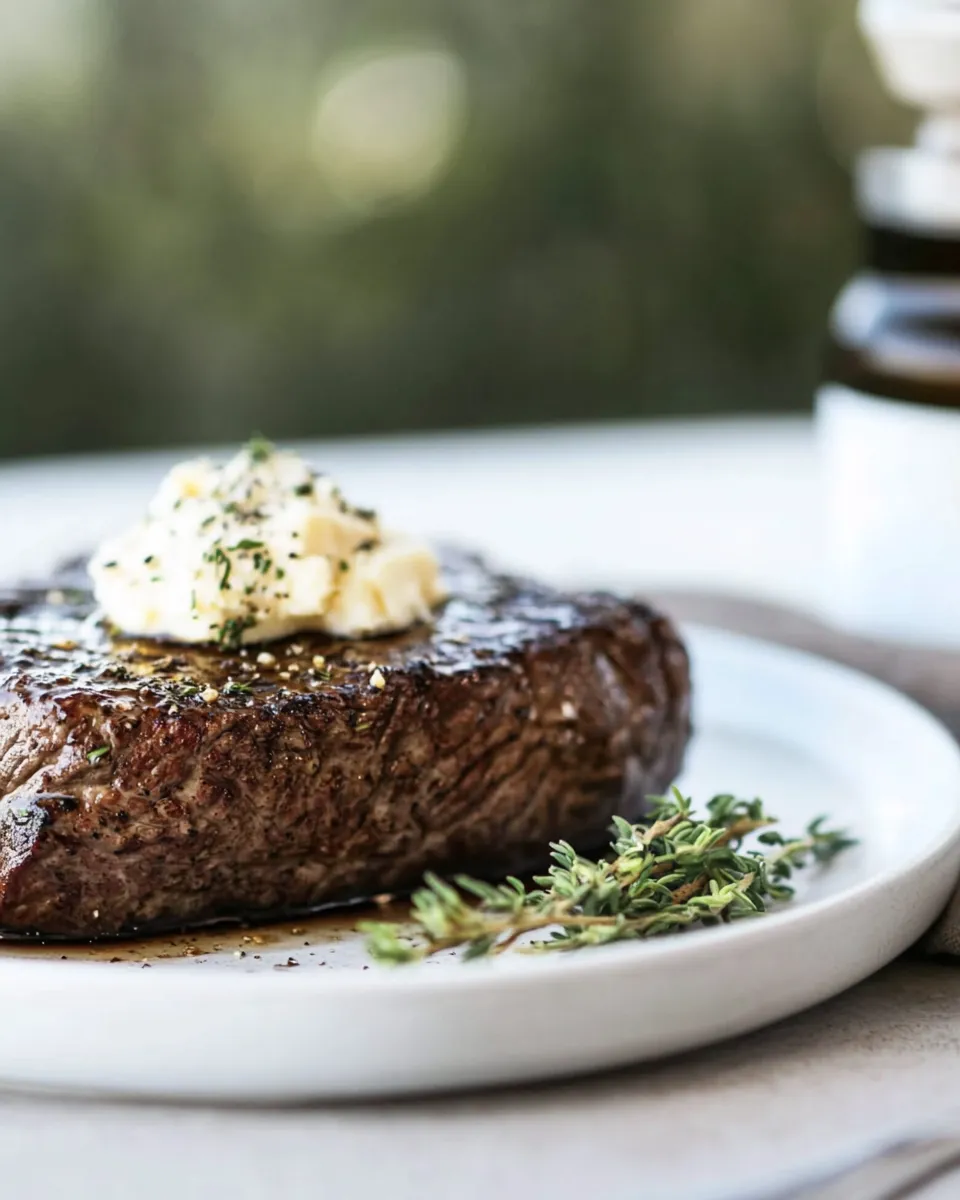
This compound butter transforms an ordinary steak into a composed dish without extra steps at service. It adds moisture and flavor right where you want it: on the surface of the meat, melting into the crevices, searing in the pan, and forming those irresistible glossy streaks that make each bite luxurious.
Beyond steaks, it doubles as a finishing butter for grilled seafood, roasted vegetables, baked potatoes, or simply spread on warm bread. Because the butter is whipped, it’s easier to spread and distributes the aromatics more evenly compared to a dense log straight from the fridge.
Making a batch saves time. Keep a tightly wrapped log in the fridge for a week or freeze rounds for quick use—one slice per serving is all you need for dramatic effect.
Flavor-Forward Alternatives
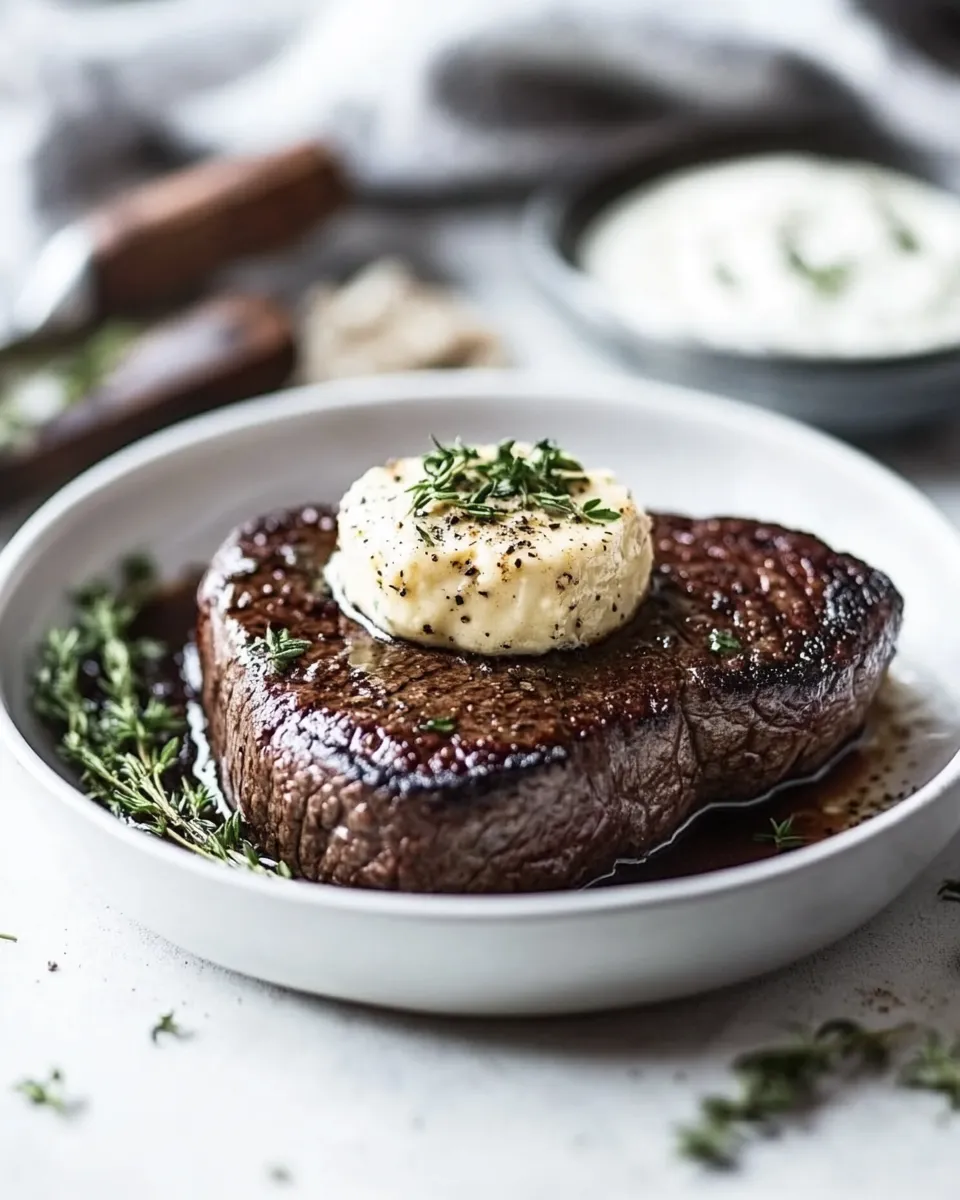
This recipe is a template. Swap or add flavors based on what you have on hand or the cuisine you’re leaning toward. Fresh herbs are the easiest swap; rosemary or tarragon can replace thyme for a different aromatic profile. Add lemon zest for a brighter citrus note without more acidity.
If you want heat, fold in finely chopped roasted red pepper or a pinch of red pepper flakes. For a smoky edge, use a touch of smoked salt or a few drops of liquid smoke—use sparingly. For richness with a tang, a small spoonful of Dijon mustard or finely chopped capers will change the character but still pair beautifully with seared beef.
Toolbox for This Recipe
You don’t need fancy equipment, but a few tools make the process neater and faster.
- Stand mixer with paddle attachment or a hand mixer — for whipping the butter to a light texture.
- Sharp knife and cutting board — for finely mincing garlic and herbs; texture matters.
- Parchment paper or plastic wrap — for rolling the butter into a neat log that slices easily.
- Measuring spoons — to keep the balance of Worcestershire, lemon, and thyme consistent.
Mistakes That Ruin Steak Butter Recipe
Two things will derail the result: using cold butter and over-mincing your herbs or garlic. Cold butter won’t whip properly, and you’ll end up with a dense compound that doesn’t spread or meld. Give the butter enough time to soften, but don’t let it get greasy.
Over-minced garlic releases too much sharpness and can dominate. Aim for a fine mince but not a paste. Also, under-seasoning is common—taste after mixing and adjust. Conversely, adding too much acid or Worcestershire can flatten the butter’s richness; follow the recipe amounts the first time and tweak incrementally on later batches.
Seasonal Serving Ideas
In spring, serve a slice of this butter on top of a simple grilled ribeye with a side of charred asparagus and new potatoes. The fresh herbs will echo the season’s brightness.
In summer, place a pat on hanger steak for a backyard cookout and serve with charred corn and tomato salad—herby butter pairs perfectly with sweet, sun-ripened tomatoes.
In fall and winter, use the butter on pan-seared steaks with roasted root vegetables and a glass of fuller-bodied red wine. The Worcestershire and thyme cut through the richness and tie into heartier sides.
Behind the Recipe
I first started making compound butters because I wanted a fast finish that still tasted thoughtful. This particular mix—garlic, parsley, chives, thyme, Worcestershire, and lemon—came from trying to balance brightness, savoriness, and herbaceousness so the butter would complement steaks rather than compete.
Whipping the butter is the step that changed everything. It aerates the fat, softens the texture, and helps the herbs suspend evenly. The result is a finishing butter that melts gracefully and looks as good as it tastes.
Store, Freeze & Reheat
After step 6 and 7 above, wrap the butter tightly. In the refrigerator it will keep for about one week. For longer storage, freeze the log wrapped in parchment and then plastic; frozen rounds or slices thaw quickly at room temperature for immediate use.
To use from frozen, slice thin rounds and place on a hot steak; you don’t need to reheat the butter separately. If you prefer softer texture from the fridge, allow a slice to sit for a few minutes at room temperature before placing on warm meat.
Ask & Learn
How much butter per steak?
Start with one to two tablespoons per steak, depending on size and your preference. A thin slice melts faster and gives a glossy finish, while a thicker pat adds more flavor and richness.
Can I make this dairy-free?
The technique works with some high-fat dairy-free spreads, but flavors and melting behavior will differ. I recommend following the recipe as written first to understand the balance, then experiment sparingly.
Can I prepare the herbs ahead?
Yes. You can mince the herbs and store them in an airtight container in the fridge for a day or two. Freshness matters most, so avoid using herbs that are limp or discolored.
Serve & Enjoy
To serve, remove the butter from the fridge and slice into rounds if you rolled a log. Place a slice on the hot steak right after it rests—this lets the butter gloss the meat and the aromatics bloom. If you prefer, melt a small spoonful into a hot pan with pan juices and spoon it over each steak for an even coating.
Keep a log on hand. It’s an easy way to elevate any weeknight steak and a simple trick to make guests feel wined-and-dined without a lot of extra effort. Enjoy the warmth, the smell of garlic and herbs, and the little moment where a piece of butter transforms a meal.
Steak Butter Recipe
Ingredients
Ingredients
- 2 sticks of unsalted butter at room temperature
- 3 finely minced garlic cloves
- 3 tablespoonsfinely minced flat leaf Italian parsley
- 3 tablespoonsfinely minced chives
- 1 tablespoonfinely minced fresh thyme
- 1 1/2 tablespoonsWorcestershire sauce
- Juice of 1/2 lemon about 1 1/2 to 2 tablespoons
- coarse salt and freshly cracked pepper
Instructions
Instructions
- Bring 2 sticks of unsalted butter to room temperature so it is soft enough to whip.
- Put the butter in a stand mixer fitted with the paddle attachment (or in a large bowl if using a hand mixer or whisk). Whip on high speed until the butter becomes light and fluffy, about 5 to 7 minutes.
- Add 3 finely minced garlic cloves, 3 tablespoons finely minced flat leaf Italian parsley, 3 tablespoons finely minced chives, 1 tablespoon finely minced fresh thyme, 1 ½ tablespoons Worcestershire sauce, and the juice of 1/2 lemon (about 1 ½ to 2 tablespoons).
- Mix on low speed (or stir by hand) until all ingredients are evenly incorporated, scraping down the bowl as needed so the herbs and garlic are fully distributed.
- Season with coarse salt and freshly cracked pepper to taste, then mix once more and taste; adjust seasoning if desired.
- Transfer the compound butter to a storage container, or place it on a sheet of parchment paper and roll it into a tight cylinder. Twist or fold the parchment to seal the log.
- Chill the butter in the refrigerator until firm before using. Store in the refrigerator for regular use or in the freezer for longer-term storage.
Equipment
- Stand mixer
- Paddle Attachment
- Hand Mixer
- Large Bowl
- Whisk
- Parchment Paper
- Storage container
- Refrigerator
- freezer
Notes
I highly recommend for making my steak butter is to whip it on high speed for at least 5 to 7 minutes. If you stop too soon, it won’t get that smooth, spreadable texture. Giving it a few extra minutes makes it light, fluffy, and perfect every time.
Use soft butter:
I always make sure the butter is at room temperature before starting. It makes whipping so much easier and smoother.
No stand mixer?
No problem:
If I don’t have my stand mixer out, I just use a hand-held electric mixer. It works just as well.
Switch up the herbs:
I sometimes swap in rosemary, basil, or sage depending on what I have. Fresh or dried both work great.
Add some heat:
When I want a little spice, I toss in a pinch of chili powder or red pepper flakes. It gives the butter a subtle warmth.
Add tang:
For a little extra zip, I mix in a small dollop of Dijon or yellow mustard.
Make-Ahead:
This recipe should be made at least one day before serving to give the flavors time to develop.
How to Store:
The butter can be kept in an airtight container in the refrigerator for up to one week. It also freezes well for up to three months. Roll it into a log shape using parchment paper or add small portions to ice cube trays, then transfer the frozen butter cubes to a freezer-safe container.