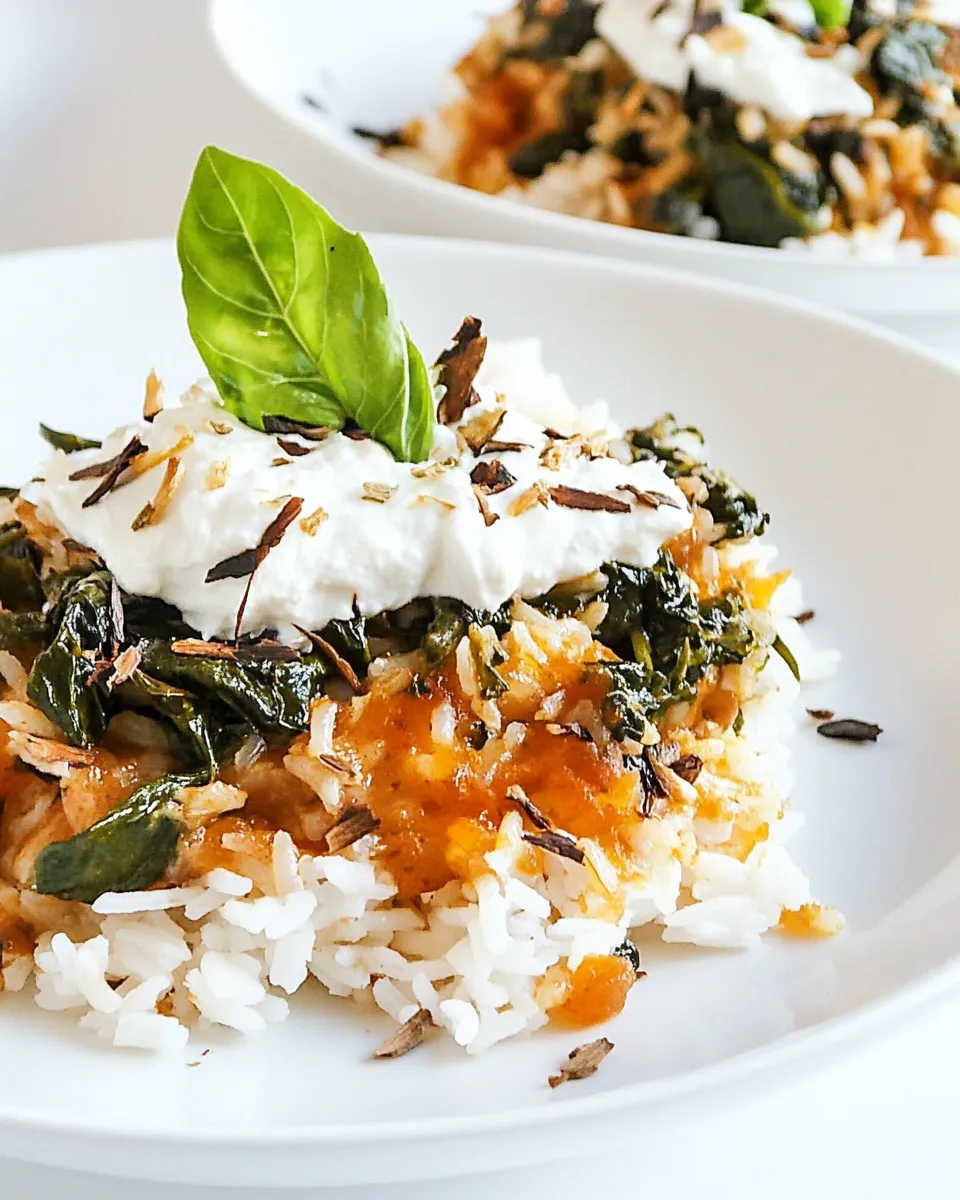
Spanakorizo (Greek Spinach and Rice)
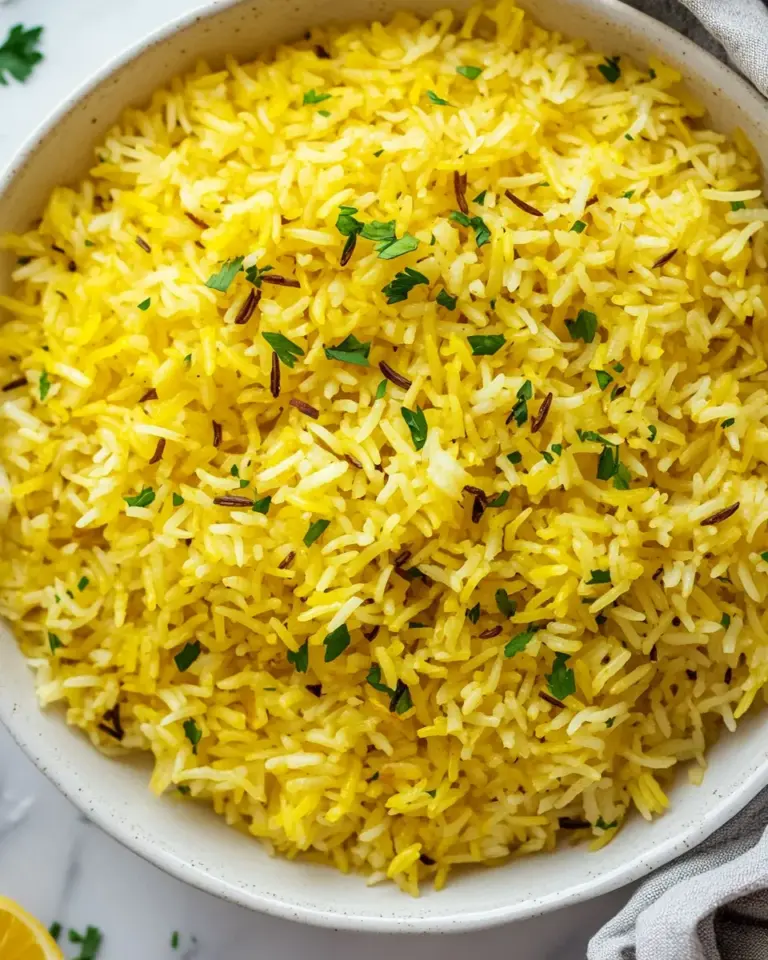
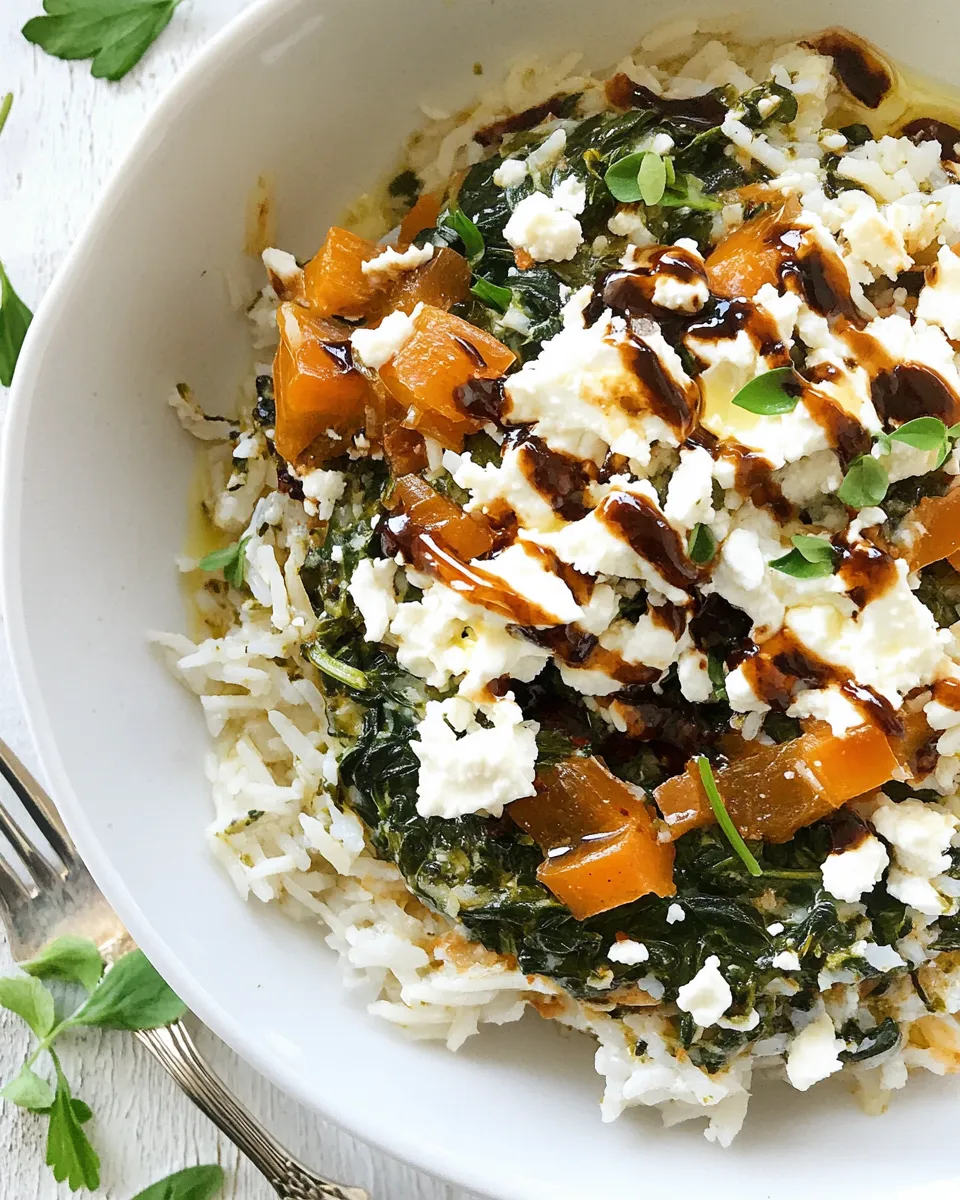
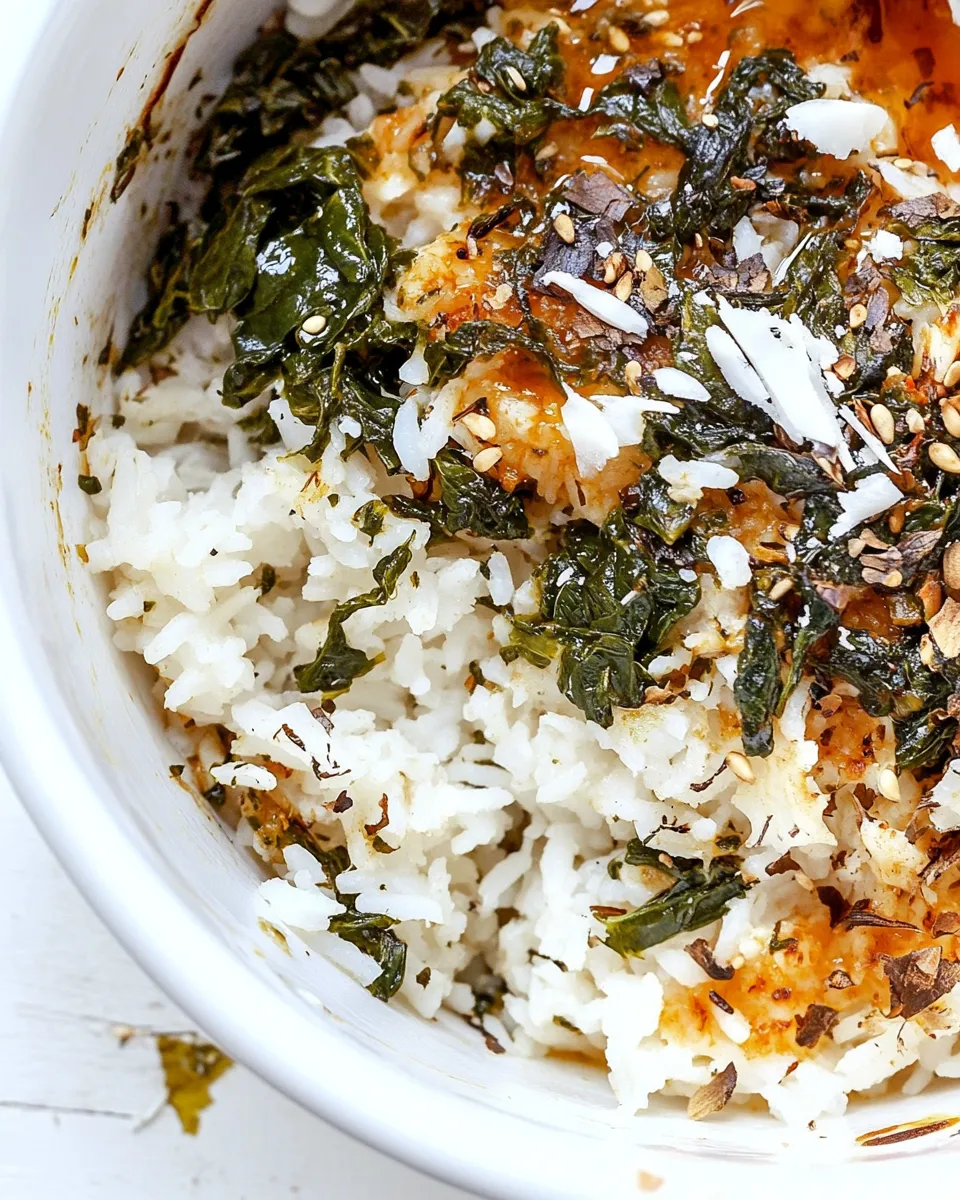
Spanakorizo is one of those comfort dishes that feels simple and honest. It’s essentially spinach and rice cooked together until the rice is tender and the flavors meld. No frills, just good ingredients doing what they do best.
This version leans on Arborio rice to give a creamy, comforting texture, with canned chickpeas and olives folded in at the end for body and savory contrast. The dried herbs are restrained but purposeful: thyme, rosemary, and sage add an earthy backbone without stealing the show.
The technique is straightforward: wilt the spinach, cook aromatics and rice, combine and simmer. Little touches—squeezing excess water from the spinach, toasting the Arborio briefly, and letting the pot rest after adding the chickpeas—make a visible difference. I’ll walk you through the exact steps and practical tips so you get reliable results every time.
Ingredients at a Glance

- 1 Onion — peeled and finely diced; provides the sweet aromatic base.
- 2 cloves Garlic — peeled and finely diced; builds savory depth.
- ½ cup Arborio rice — short-grain rice that gives a creamy texture when cooked.
- 1 cup Chickpeas (canned) — drained and rinsed; adds protein and a tender bite.
- ½ cup Olives — sliced; contribute briny contrast that lifts the dish.
- 9 oz Fresh spinach leaves — washed and wilted; the primary green component.
- 1 + 1/3 cup Veggie broth — the cooking liquid; use low-sodium if you want more control over salt.
- 2 + ½ Tbsp Olive oil — used in two stages; flavor carrier and cooking fat.
- ½ tsp Thyme (dried) — herbaceous note; used sparingly.
- ½ tsp Rosemary — piney warmth; finely crushed if needed.
- ½ tsp Sage (dried) — adds an earthy bitterness that balances the greens.
Spanakorizo (Greek Spinach and Rice) — Do This Next
- Wash the spinach and drain well.
- Heat 1 tablespoon olive oil in a large skillet over medium-high heat. Add the spinach (in batches if needed) and cook, stirring, until just wilted, 3–5 minutes. Transfer to a bowl to cool, then squeeze out excess liquid and roughly chop the wilted spinach.
- Peel and finely dice the onion and garlic. Do not rinse the Arborio rice (you want the starch for creaminess).
- Drain and rinse the canned chickpeas. Slice the olives.
- In a medium pot or Dutch oven, heat the remaining 1 1/2 tablespoons olive oil over medium heat. Add the diced onion and garlic and cook, stirring occasionally, until softened, 4–5 minutes.
- Add the 1/2 cup Arborio rice and stir 1–2 minutes to coat the grains with oil and lightly toast.
- Stir in the chopped cooked spinach and the dried herbs (1/2 tsp thyme, 1/2 tsp rosemary, 1/2 tsp sage). Pour in 1 1/3 cups vegetable broth and bring to a boil.
- Reduce heat to low, cover, and simmer until the rice is tender, about 15 minutes. Check after 10 minutes to confirm the rice is cooking through and not sticking; continue simmering, covered, until tender.
- When the rice is tender, remove the pot from the heat. Stir in the drained chickpeas and sliced olives until evenly combined. Let the pot sit, covered, 2–3 minutes to warm the chickpeas and meld flavors.
- Fluff gently and serve warm.
Reasons to Love Spanakorizo (Greek Spinach and Rice)
- It’s nourishing without being heavy. Spinach brings vitamins and volume; Arborio makes the dish comforting without cream or dairy.
- One-pot cooking means minimal cleanup. Everything finishes in the same pot that simmers the rice, which saves time and dishes.
- Fast to prep. Wilt the spinach, dice the aromatics, and you’re mostly hands-off while the rice simmers.
- Versatile for meals. Serve it as a main for a light lunch or alongside grilled proteins for dinner. It also reheats well.
- Simple pantry components. Canned chickpeas and olives boost texture and salt without a long ingredient list.
Smart Substitutions
- Frozen spinach (thawed and well-drained) — use in place of the fresh 9 oz if fresh leaves aren’t available; squeeze out as much liquid as you can before chopping.
- Other short- or medium-grain rice — if you don’t have Arborio, another short-grain rice will work; expect a slightly different creaminess and adjust liquid/cooking time if needed.
- Low-sodium vegetable broth — swap if you want tighter control over salt, especially with briny olives.
- Different olives — any brined olive you like can replace the ½ cup called for; just watch the salt level and adjust the broth choice accordingly.
Toolbox for This Recipe
- Large skillet — for wilting the spinach quickly and evenly.
- Medium pot or Dutch oven — where the rice cooks through and flavors meld.
- Colander or salad spinner — to wash and drain the spinach well.
- Sharp knife and cutting board — for the onion, garlic, and chopping the wilted spinach.
- Measuring cups and spoons — to measure rice, broth, oil, and dried herbs accurately.
- Spoon or spatula — for stirring without breaking the rice grains.
Things That Go Wrong
- Watery spinach ruins texture — if you skip squeezing the wilted spinach, the dish will be thin and the rice may not cook to the right creaminess. Fix: squeeze out excess liquid firmly before chopping.
- Rice sticks or burns — using too high heat or not checking after 10 minutes can lead to sticking. Fix: reduce to low, check after 10 minutes, and stir gently around the edges if needed.
- Undercooked rice — opening the lid too often or using the wrong rice/broth ratio can leave rice firm. Fix: keep covered on low and add a splash more hot broth or water if needed, then continue until tender.
- Too salty from olives — briny olives can push the saltiness. Fix: use low-sodium broth or rinse the olives lightly; taste before serving and adjust.
- Mushy spinach — overcooking fresh spinach in the skillet will make it lose structure and a clean green flavor. Fix: wilt just until limp, then cool and squeeze out liquid.
Seasonal Serving Ideas
- Spring — serve warm with lemon wedges on the side to brighten the dish (lemon complements the greens and cut through the olive brininess).
- Summer — cool slightly and serve at room temperature alongside a tomato salad; the rice and spinach are forgiving of warmer service.
- Fall — pair with roasted root vegetables or warm roasted peppers to add hearty, earthy notes.
- Winter — add a side of crusty bread and roasted mushrooms for a cozy, fuller meal.
Chef’s Rationale
I favor Arborio rice here because its short grains release starch and create a creamy, clingy texture that suits spanakorizo’s homely character. Rinsing Arborio would strip that starch and the result would be less cohesive.
Wilting the spinach separately ensures you can remove excess water before the rice cooks. That step keeps the final texture balanced—no soggy rice, no diluted flavor. The two-stage olive oil use (1 tablespoon to wilt the spinach, 1 1/2 tablespoons to soften onion/garlic and toast the rice) layers flavor and prevents the aromatics from over-browning.
Adding chickpeas and olives at the end preserves their texture and saltiness. If you cooked them in from the start, the chickpeas would soften too much and the olives could lose integrity. The brief rest after stirring them in lets the flavors marry without overcooking the additions.
The dried herbs—thyme, rosemary, and sage—are restrained on purpose. They support the spinach rather than overpowering it; the goal is to let the greens and rice remain central.
Storing Tips & Timelines
- Refrigerate: Store leftovers in an airtight container for up to 3–4 days. The rice will firm up; reheat gently with a splash of water or broth to regain creaminess.
- Freezing: You can freeze portions for up to 2 months. Thaw in the refrigerator overnight and reheat on the stove with a little broth to refresh texture. Note that freezing may change the texture of the spinach slightly.
- Reheating: Use low heat on the stovetop, stirring and adding a tablespoon or two of hot vegetable broth or water as needed. Microwave reheating is fine for single portions—cover to retain moisture and stir midway.
Popular Questions
- Can I use frozen spinach? Yes. Thaw and squeeze out as much water as possible before chopping and using in step 2 and 7.
- Why Arborio rice? Arborio yields a creamier finish because of its higher starch content. Other short-grain rice will work but expect texture differences.
- Can I skip the chickpeas? You can. The dish will be lighter and less protein-forward; add the olives as called for or increase their amount slightly for briny balance.
- Is this vegan? Yes, as written it’s plant-based.
- How do I adjust for salt? Use low-sodium vegetable broth and taste before serving; olives add brine so adjust accordingly.
The Last Word
Spanakorizo is simple to pull together and forgiving to make. Follow the small steps—squeeze the spinach, toast the Arborio briefly, and fold in the chickpeas and olives at the end—and you’ll have a dish that feels both rustic and composed. It’s weeknight-friendly, easy to scale, and a reliable recipe to return to whenever you want something green, comforting, and uncomplicated.
Spanakorizo (Greek Spinach and Rice)
Ingredients
Ingredients
- 1 Onion
- 2 clovesGarlic
- 1/2 cupArborio rice
- 1 cupChickpeas canned
- 1/2 cupOlives
- 9 ozFresh spinach leaves
- 1 +1/3 cupVeggie broth
- 2 +1/2 TbspOlive oil
- 1/2 tspThyme dried
- 1/2 tspRosemary
- 1/2 tspSage dried
Instructions
Instructions
- Wash the spinach and drain well.
- Heat 1 tablespoon olive oil in a large skillet over medium-high heat. Add the spinach (in batches if needed) and cook, stirring, until just wilted, 3–5 minutes. Transfer to a bowl to cool, then squeeze out excess liquid and roughly chop the wilted spinach.
- Peel and finely dice the onion and garlic. Do not rinse the Arborio rice (you want the starch for creaminess).
- Drain and rinse the canned chickpeas. Slice the olives.
- In a medium pot or Dutch oven, heat the remaining 1 1/2 tablespoons olive oil over medium heat. Add the diced onion and garlic and cook, stirring occasionally, until softened, 4–5 minutes.
- Add the 1/2 cup Arborio rice and stir 1–2 minutes to coat the grains with oil and lightly toast.
- Stir in the chopped cooked spinach and the dried herbs (1/2 tsp thyme, 1/2 tsp rosemary, 1/2 tsp sage). Pour in 1 1/3 cups vegetable broth and bring to a boil.
- Reduce heat to low, cover, and simmer until the rice is tender, about 15 minutes. Check after 10 minutes to confirm the rice is cooking through and not sticking; continue simmering, covered, until tender.
- When the rice is tender, remove the pot from the heat. Stir in the drained chickpeas and sliced olives until evenly combined. Let the pot sit, covered, 2–3 minutes to warm the chickpeas and meld flavors.
- Fluff gently and serve warm.
Equipment
- Cast-iron Dutch Oven (3-quart / 2.8 liter)