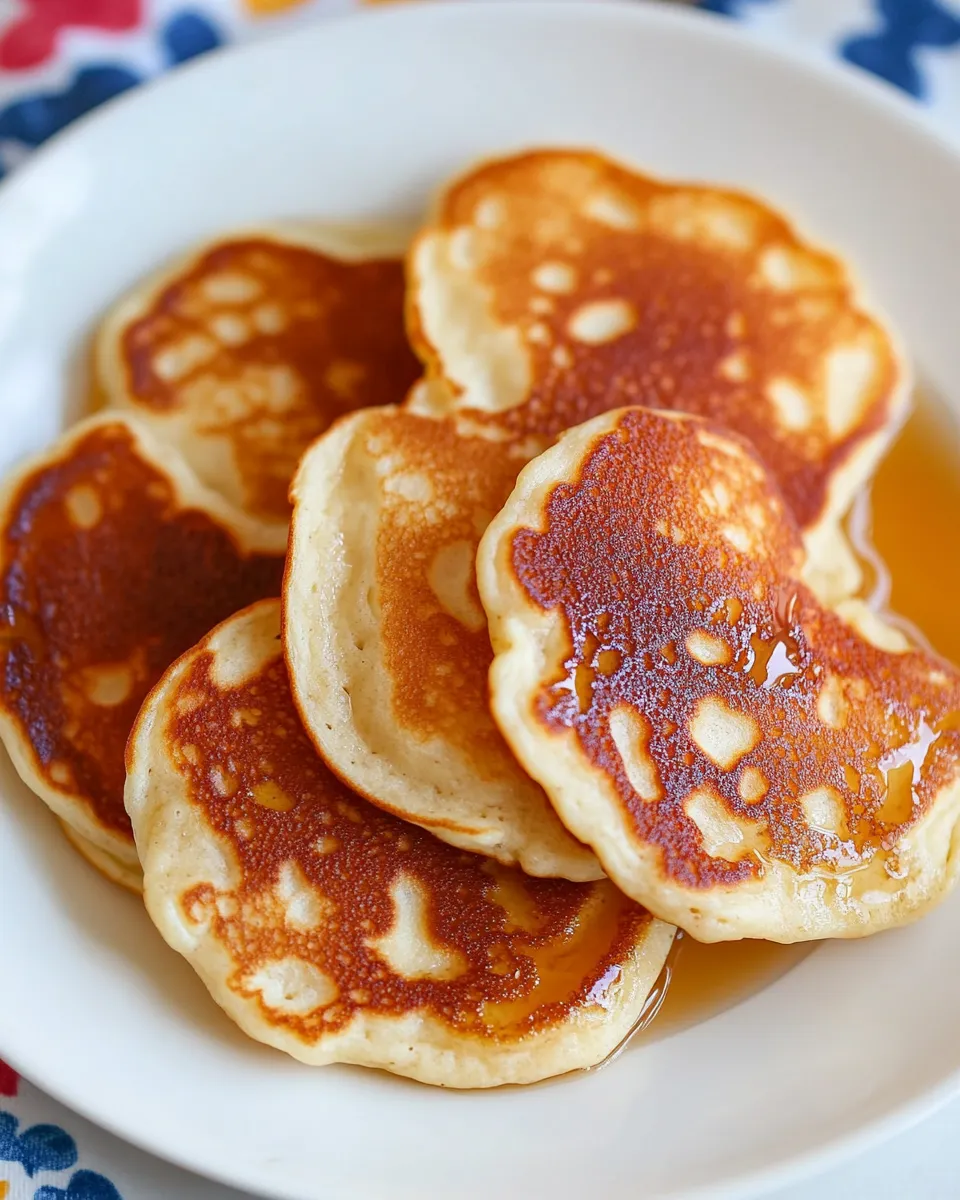
Sourdough Discard Pancakes
These pancakes are the kind of recipe I reach for when I want something comforting that also feels a little clever. You get tender, airy pancakes that use sourdough discard for flavor and body, plus a touch of instant yeast so they rise reliably even if your discard is quiet. They cook quickly and stack beautifully on a weekend morning or a rushed weekday breakfast with a plan.
No need for long resting times or complicated folding. The batter comes together in one bowl, rises until bubbly, and then you cook. Texture-wise they sit between a classic buttermilk pancake and a yeasted crumpet — light, slightly tangy, with soft interiors and golden edges.
Below you’ll find the exact ingredients and step-by-step directions I follow, plus practical swaps, common errors and fixes, and tips for scaling or prepping ahead. I keep the instructions simple so the pancakes are reproducible every time.
Ingredient List

- 1 cup warm water, 115°F — helps activate the instant yeast and brings the batter to the right working temperature.
- 1 cup low fat buttermilk — adds tang, tenderness, and reacts with the leavening for flavor and lift.
- 100 grams sourdough discard, (100gr = 1/2 cup), or active sourdough starter, preferably room temperature — provides flavor depth and a bit of acidity; room temperature keeps the batter from being too cold.
- 1 large egg, room temperature — binds the batter and adds structure and richness.
- 2 Tbsp extra light olive oil, or vegetable oil, plus more for the pan — keeps the pancakes tender and prevents sticking; extra is for frying.
- 3 Tbsp granulated sugar — balances the sourdough tang and promotes browning.
- 1 ½ tsp instant yeast, or rapid rise yeast — gives a reliable lift and a billowy texture without long bulk fermentation.
- 1 ¼ tsp fine sea salt — rounds the flavors and controls the tangy edge.
- 2 ⅔ cups all-purpose flour, measured correctly (330 grams) — the main structure for the pancakes; measuring correctly avoids gummy or dry results.
Directions: Sourdough Discard Pancakes
- In a large bowl whisk together 1 cup warm water (115°F), 1 cup low-fat buttermilk, 100 grams sourdough discard (or active starter), 1 large room-temperature egg, 2 Tbsp extra-light olive oil (or vegetable oil), 3 Tbsp granulated sugar, 1 ½ tsp instant yeast, and 1 ¼ tsp fine sea salt until combined.
- Add 2 2/3 cups all-purpose flour (330 grams) to the bowl 1 cup at a time, whisking to incorporate each addition before adding more. After all the flour is added, whisk until the batter is smooth and has a cake-batter consistency.
- Cover the bowl with plastic wrap and let the batter rise: at room temperature for 1½ to 2 hours, or in a warm place (about 100°F) for 1 hour. The batter is ready when it has roughly doubled in size and appears very bubbly and airy.
- Preheat a large nonstick skillet over medium heat. Add a generous drizzle of oil to lightly coat the bottom of the skillet and let the oil heat until it shimmers.
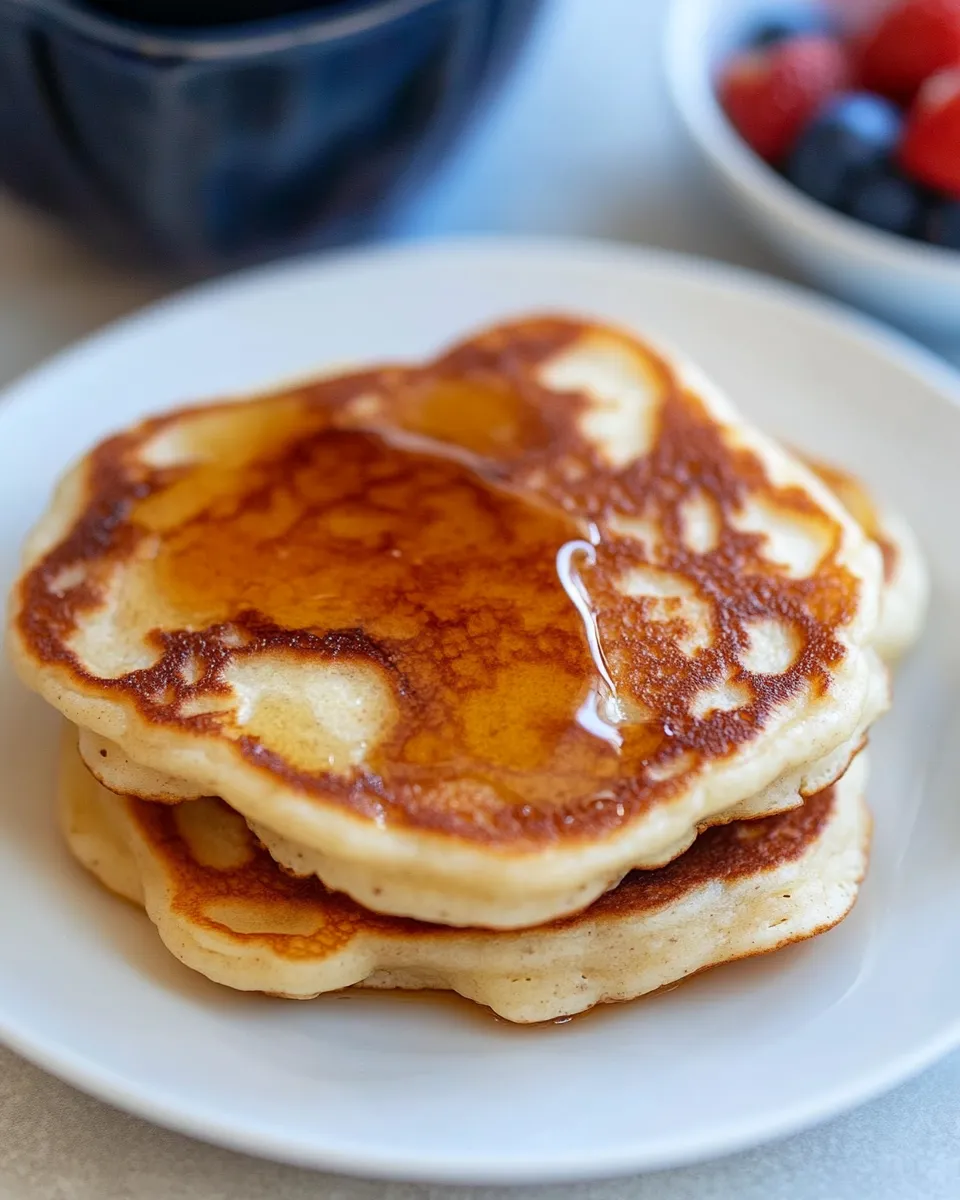
- Spoon portions of batter into the hot skillet (a release-style scoop works well). Cook until the edges are golden and bubbles form on the surface, about 1 to 1½ minutes, then flip and cook the other side until golden, about 1 to 1½ minutes more. Add more oil to the pan as needed after flipping. If pancakes are browning too quickly, reduce the heat.
- Transfer cooked pancakes to a wire rack or serving platter to keep them from steaming on the hot pan. Serve warm.
Why Sourdough Discard Pancakes is Worth Your Time
These pancakes turn sourdough discard into something joyful instead of wasted. The discard adds complexity and a subtle tang that pairs beautifully with maple syrup or a smear of fruit jam. Because you add a small amount of instant yeast, you get consistent rise and lightness without relying on an extremely active starter.
They’re quick enough for a Saturday morning and forgiving enough for a weeknight. The one-bowl method keeps cleanup minimal, and the batter holds well if you need to pause after the rise. Flavor payoff is high for a modest time investment — you’re essentially upgrading a basic pancake with extra depth.
Ingredient Swaps & Substitutions
- Low-fat buttermilk — swap with whole buttermilk for richness or use 1 cup milk plus 1 Tbsp lemon juice or vinegar if you don’t have buttermilk (no extra volume changes needed).
- Extra-light olive oil or vegetable oil — melted butter works for flavor, though it can brown faster in the pan; use a neutral oil for the lightest result.
- 100 grams sourdough discard — if you only have active starter, use it as written; if your discard is very sour, reduce the rise time slightly or balance with a touch more sugar to tame the edge.
- Instant yeast — instant/rapid-rise is specified for speed; if you only have active dry yeast, proof it in the warm water with a pinch of sugar before adding and expect a similar result but potentially a slightly longer rise.
- All-purpose flour — you can try a mix of 75% AP and 25% whole wheat for a nuttier flavor; add a tablespoon or two of extra liquid if the batter feels stiff.
Tools & Equipment Needed
Essentials
- Large mixing bowl — to whisk and allow the batter to rise without spilling.
- Whisk — for combining wet ingredients and smoothing flour into the batter.
- Measuring cups and scale — the recipe includes grams for the discard and flour; I prefer weighing flour for consistency.
- Nonstick skillet or griddle — heats evenly and reduces sticking.
- Spatula or turner — for flipping pancakes cleanly.
- Release-style scoop or ladle — helps portion consistent pancakes.
- Wire rack — prevents steam build-up and keeps pancakes crisp between batches.
Common Errors (and Fixes)
- Pancakes brown too quickly — your pan is too hot. Reduce the heat to medium-low and give the skillet time to stabilize between batches.
- Batter too thick or too thin — flour measurement is the usual culprit. Weigh the flour when possible. If batter is too thick, whisk in a tablespoon of water or milk at a time until you reach cake-batter consistency. If too thin, sprinkle in a tablespoon of flour and mix lightly.
- Flat, dense pancakes — yeast or rise time issues. Make sure the water is around 115°F so the yeast can do its work; if your kitchen is cold, use the warm place option to get a full rise. Also, don’t overmix once the flour’s added — you want a smooth batter, but vigorous mixing can tighten gluten.
- Gummy interior — undercooked in the center. Lower the pan temperature and cook a bit longer per side; move finished pancakes to a wire rack so residual heat doesn’t steam them.
- Uneven cooking — check your pan for hot spots. A well-seasoned cast-iron or a good nonstick skillet gives the most even browning. Adjust placement and heat as needed.
Variations by Season
Change the topping and you change the whole mood of the stack.
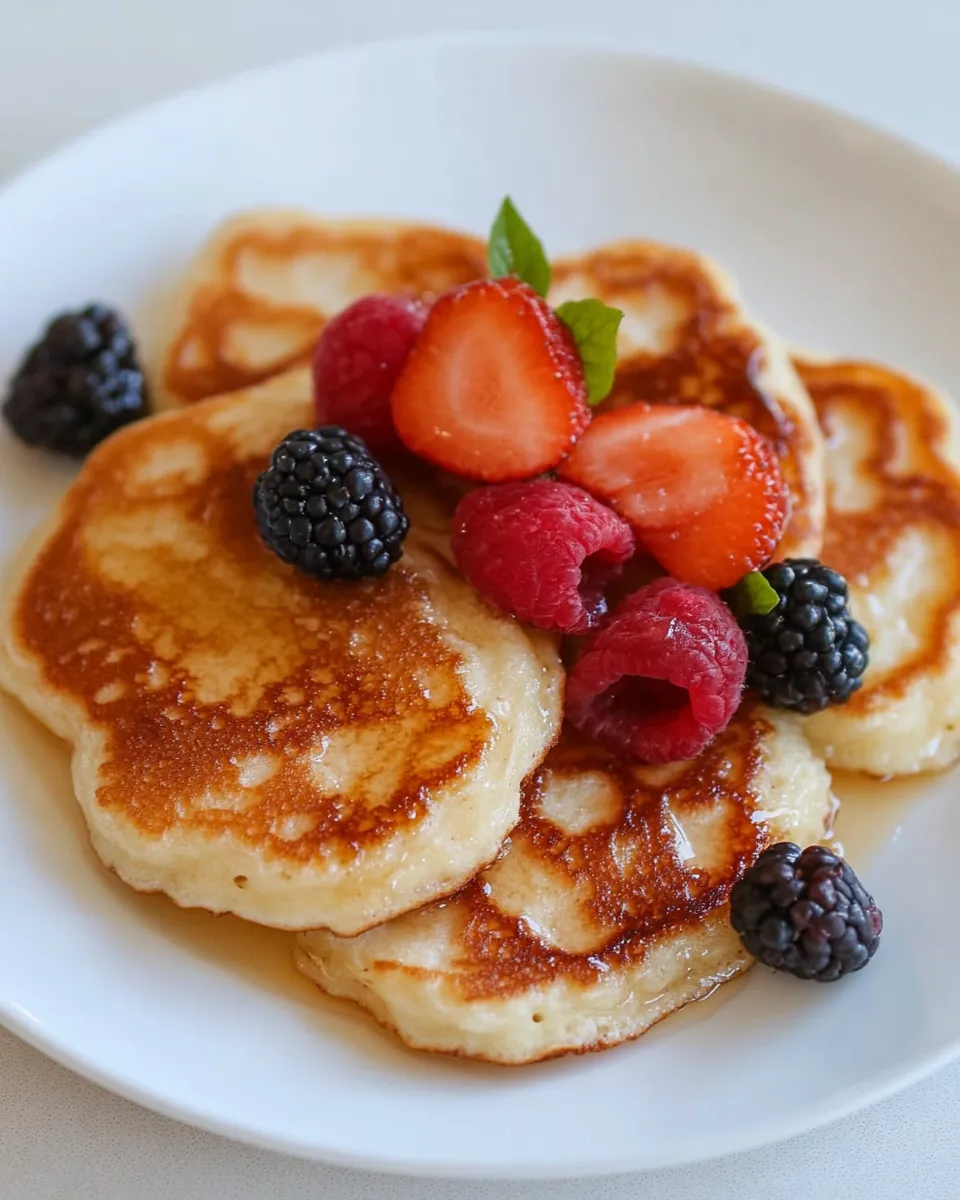
- Spring — brighten with a lemony ricotta spread and fresh berries. A sprinkle of lemon zest on the batter before cooking wakes the pancakes up.
- Summer — fold a few small diced stone fruits or blueberries into the batter right before scooping; serve with lightly warmed fruit compote and cold butter.
- Fall — add a teaspoon of ground cinnamon and a pinch of nutmeg to the batter; top with warm apple butter or spiced pear compote.
- Winter — fold in a tablespoon of cocoa powder for a chocolate twist and serve with maple syrup and toasted nuts, or top with warmed citrus marmalade for brightness.
Author’s Commentary
I keep a jar of discard on my counter, and turning it into pancakes has become my favorite way to avoid waste. These are dependable and quick. I like the combo of discard plus a bit of instant yeast because you capture the sourdough character without waiting for a long fermentation. The first time I made this I was surprised by how fluffy they were — you can almost forget they originated from discard.
One practical note: the batter will be looser than a thick drop biscuit dough but thicker than crêpe batter. Think cake-batter. Spoonable, not pourable. That consistency is what gives you a tender inside and nicely browned outside.
Leftovers & Meal Prep
Leftover pancakes store well. Layer them between sheets of parchment or paper towel and refrigerate in an airtight container for up to 3 days. For longer storage, freeze in a single layer on a tray until firm, then stack with parchment between each pancake in a freezer bag for up to 2 months.
To reheat, toast directly from frozen or warm gently in a 350°F oven for 8–10 minutes until heated through. A quick pass in a nonstick skillet over medium heat with a tiny pat of butter also revives the exterior crispness. Avoid microwaving for long stretches — it softens them too much.
Common Qs About Sourdough Discard Pancakes
Q: Can I skip the yeast?
A: You can, but the texture will be closer to a traditional buttermilk pancake and depend more on the discard’s activity. The instant yeast guarantees a consistently airy rise, especially when the discard isn’t waking up fully.
Q: What if my discard is refrigerated and cold?
A: Bring it to room temperature before mixing; cold discard can slow the yeast and lengthen rise time. The directions allow for a warmer rise environment if your kitchen is cool.
Q: How large should I make each pancake?
A: A release-style scoop or 1/3 cup measure makes a good, lunch-plate-sized pancake. Smaller pancakes cook more evenly if you’re short on time, and they’re easier to flip.
Q: Can I make the batter the night before?
A: You can, but note that the yeast will continue to work and the batter may become more sour and thinner overnight. If you want to prepare ahead, keep the mixed batter chilled and use it within 24 hours; expect to adjust cooking times and texture slightly.
Final Bite
These Sourdough Discard Pancakes are an approachable way to use starter discard and make a breakfast that feels both thoughtful and effortless. The combination of discard, buttermilk, and a touch of instant yeast gives you reliable lift and a friendly tang, while the one-bowl method keeps it simple. Try them plain first, then play with seasonal toppings — they’re a great base for breakfast experimentation.

Sourdough Discard Pancakes
Ingredients
Ingredients
- 1 cupwarm water 115°F
- 1 cuplow fat buttermilk
- 100 gramssourdough discard (100 gr = 1/2 cup), or active sourdough starter, preferably room temperature
- 1 large egg room temperature
- 2 Tbspextra light olive oil or vegetable oil, plus more for the pan
- 3 Tbspgranulated sugar
- 1 1/2 tspinstant yeast or rapid rise yeast
- 1 1/4 tspfine sea salt
- 2 2/3 cupsall-purpose flour measured correctly (330 grams)
Instructions
Instructions
- In a large bowl whisk together 1 cup warm water (115°F), 1 cup low-fat buttermilk, 100 grams sourdough discard (or active starter), 1 large room-temperature egg, 2 Tbsp extra-light olive oil (or vegetable oil), 3 Tbsp granulated sugar, 1 ½ tsp instant yeast, and 1 ¼ tsp fine sea salt until combined.
- Add 2 2/3 cups all-purpose flour (330 grams) to the bowl 1 cup at a time, whisking to incorporate each addition before adding more. After all the flour is added, whisk until the batter is smooth and has a cake-batter consistency.
- Cover the bowl with plastic wrap and let the batter rise: at room temperature for 1½ to 2 hours, or in a warm place (about 100°F) for 1 hour. The batter is ready when it has roughly doubled in size and appears very bubbly and airy.
- Preheat a large nonstick skillet over medium heat. Add a generous drizzle of oil to lightly coat the bottom of the skillet and let the oil heat until it shimmers.
- Spoon portions of batter into the hot skillet (a release-style scoop works well). Cook until the edges are golden and bubbles form on the surface, about 1 to 1½ minutes, then flip and cook the other side until golden, about 1 to 1½ minutes more. Add more oil to the pan as needed after flipping. If pancakes are browning too quickly, reduce the heat.
- Transfer cooked pancakes to a wire rack or serving platter to keep them from steaming on the hot pan. Serve warm.
Equipment
- Large Bowl
- Whisk
- Measuring Cups
- Measuring Spoons
- Nonstick Skillet
- Spatula
- Plastic Wrap
- Wire Rack