Smoked Chicken Pieces
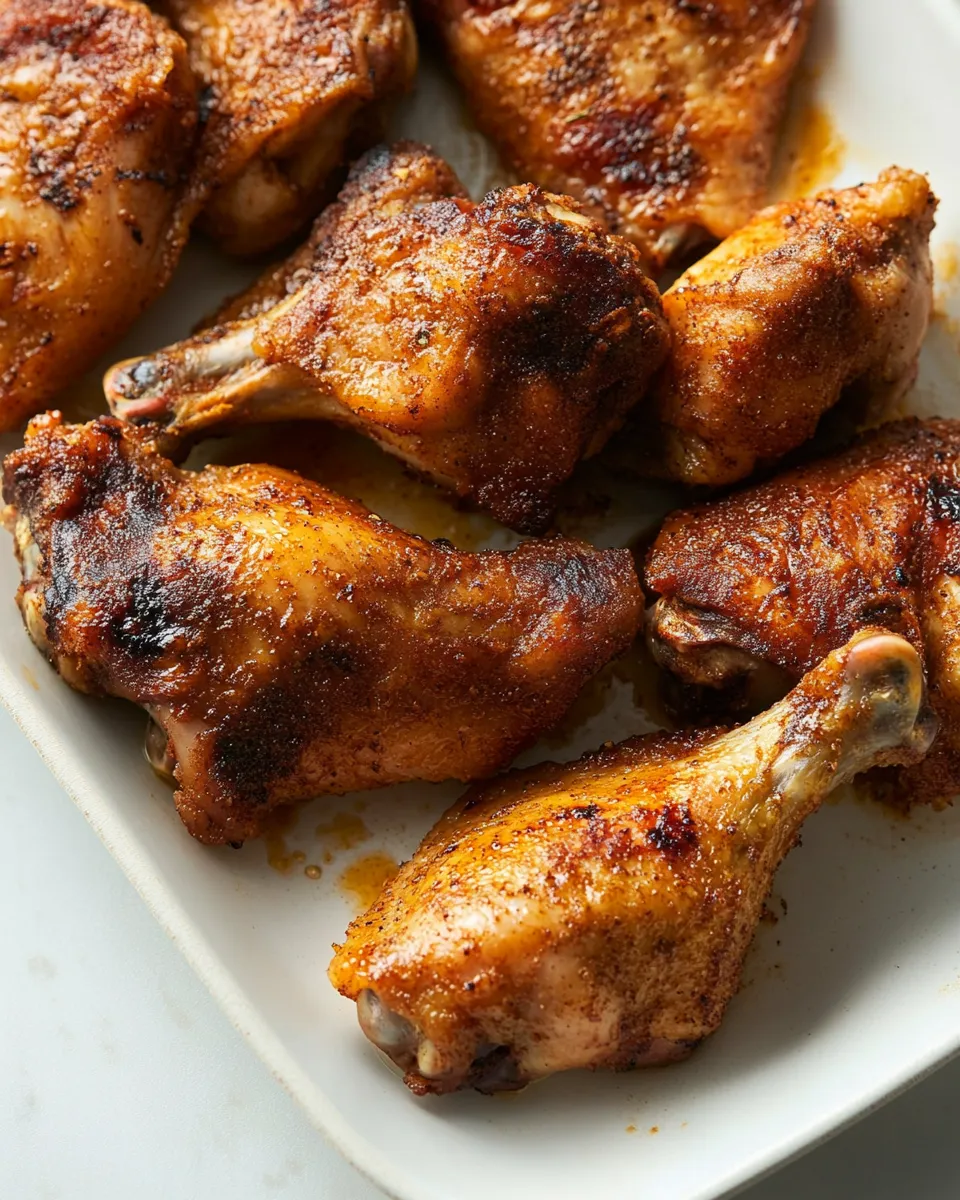
Smoked chicken pieces are one of those simple wins you can pull off any night of the week and still make it feel like a small celebration. The smoke gives the meat depth without fuss, and the method works whether you’re using boneless breasts, thighs, or a mix with bone-in pieces. I like how forgiving this recipe is: a predictable temperature, a short rub, and a quick flip are all it takes.
I’ll walk you through what to buy, how to prep, and the exact timeline to hit that safe 165°F while keeping the meat juicy. There are options for both boneless and bone-in pieces, and a few professional tricks that make a big difference in texture and flavor.
This post keeps things practical: clear shopping notes, the full ingredient list, the step-by-step smoking method, plus troubleshooting and make-ahead tips. You can follow the directions exactly, or use them as a template to build your own quick smoker routine.
Your Shopping Guide

Start by deciding whether you want boneless or bone-in pieces. Boneless breasts and thighs cook faster and are easier to slice for salads or sandwiches. Bone-in pieces take longer but carry more flavor and tend to stay juicier, especially if you’re serving straight from the smoker.
Pick fresh chicken with minimal packaging tears. If you can, choose pieces that look plump and have an even thickness so they smoke evenly. For a mix of sizes, plan to stagger when you put pieces on the smoker so everything finishes at the same time.
Wood choice matters but don’t overcomplicate it—Hickory is recommended for chicken and gives a clean, savory smoke profile. If you prefer a milder smoke, fruit woods like apple or cherry are common alternatives. Also, an instant-read meat thermometer is worth every penny; it removes the guesswork.
Ingredients
- 3 pounds boneless chicken breasts and/or thighs — choose breasts for lean meat, thighs for more forgiving, juicy pieces.
- 5 lbs. bone-in chicken — adds deeper flavor and moisture; plan for longer cook time vs. boneless.
- 1 tablespoon olive oil — helps the rub stick and promotes even browning.
- 1 ½ teaspoons salt — basic seasoning to enhance the chicken’s flavor.
- 1 teaspoon ground black pepper — for background heat and aroma.
- 1 teaspoon paprika — adds color and a hint of sweetness.
- ½ teaspoon garlic powder — concentrated garlic flavor without the moisture of fresh garlic.
- ½ teaspoon onion powder — rounds out the rub with savory depth.
Make Smoked Chicken Pieces: A Simple Method
- Preheat the smoker to 350°F and prepare it with your choice of wood chips or pellets (Hickory is a good choice for chicken).
- Arrange the chicken pieces on a large rimmed baking sheet and pat them dry with paper towels.
- Rub all sides of the chicken pieces with 1 tablespoon olive oil.
- In a small bowl, combine 1 ½ teaspoons salt, 1 teaspoon ground black pepper, 1 teaspoon paprika, ½ teaspoon garlic powder, and ½ teaspoon onion powder. Sprinkle the rub evenly over both sides of the chicken pieces.
- For boneless chicken (3 pounds of breasts and/or thighs): place the pieces on the smoker, close the lid, and smoke for 10 minutes. Flip each piece and smoke an additional 5 to 10 minutes, depending on piece size, until the internal temperature reaches 165°F.
- For bone-in chicken (5 pounds): place the pieces on the smoker, close the lid, and smoke for 25 minutes. Flip each piece and smoke another 20 minutes, or until the internal temperature reaches 165°F.
- If smoking both boneless and bone-in together: start the bone-in pieces first (they need the longer total time). Add the boneless pieces later so they will finish at about the same time — add the boneless roughly 15–20 minutes before the bone-in pieces are expected to be done. Flip each type on the schedule above (boneless after the initial 10 minutes; bone-in after 25 minutes) and remove pieces as each reaches 165°F.
- Use an instant-read meat thermometer inserted into the thickest part of the meat (avoid touching bone) to confirm each piece has reached 165°F before removing from the smoker.
Why Cooks Rave About It

The technique is straightforward and rewards attention to timing. Smoking at 350°F gives you a working balance: hot enough to form color and shorten cooking time, but not so hot that the exterior overcooks before the interior hits 165°F. The short rub—salt, pepper, paprika, garlic, and onion powder—plays nicely with smoke without overwhelming the chicken.
Another big reason cooks love this approach is flexibility. The same base method handles boneless and bone-in pieces with simple timing adjustments. It’s easy to scale for a weeknight dinner or a weekend BBQ for a crowd. Finally, the method relies on a thermometer, not guesswork. That consistency makes the results repeatable.
Texture-Safe Substitutions

If you want different texture outcomes, use what’s already permitted in the recipe: boneless breasts will be leaner and firmer when done; thighs (listed in the ingredients) will give you richer, more forgiving bites. Choosing bone-in pieces yields a slightly firmer exterior and juicier interior because the bone moderates heat transfer.
For a lighter bite without changing the smoking technique, remove the skin before smoking—this reduces surface fat and yields a less rich mouthfeel. If you need to trim fat or choose smaller pieces, follow the same timing cues but rely on the thermometer rather than visual guesswork.
Recommended Tools
- Smoker or pellet grill capable of maintaining 350°F — steady temperature is the baseline for predictable timing.
- Instant-read meat thermometer — indispensable for removing bias from doneness decisions.
- Large rimmed baking sheet — makes it easy to season and carry pieces to the smoker.
- Tongs — for gentle flipping without piercing the meat.
- Small mixing bowl and spoon — for combining and applying the dry rub evenly.
Mistakes That Ruin Smoked Chicken Pieces
Skipping the thermometer and relying on time alone is the most common error. Pieces vary in thickness and composition; the only reliable indicator of safety and juiciness is temperature. Similarly, over-smoking at too low a temperature can dry the meat out before it reaches 165°F.
Another mistake is under-seasoning. The rub is simple but crucial—salt in particular needs to be present to bring the chicken’s flavor forward. Conversely, piling on heavy, wet sauces early in the smoke can prevent good crust formation and inhibit smoke penetration.
Finally, crowding the smoker racks will reduce smoke flow and unevenly cook pieces. Give items breathing room so heat and smoke circulate.
How to Make It Lighter
To reduce calories and richness without changing the core method, remove the skin before you rub and smoke. Use the boneless breasts from the ingredient list rather than thighs or bone-in cuts. You can also skip the 1 tablespoon of olive oil, lightly mist the pieces with water instead, and apply the dry rub—this reduces added fat while still allowing seasonings to stick.
Another tactic: serve with bright, high-acid sides like a cucumber salad, vinegar slaw, or a lemony salsa. Acidic elements cut through richness and make the meal feel lighter on the palate.
Pro Perspective
Pros think in temperature and resting time. Remove the pieces when they reach 160–162°F if you prefer modest carryover and rest them under loose foil for 3–5 minutes to settle to 165°F. That gentle rest helps juices redistribute and avoids the dry edge that can come from cutting immediately.
Also, control smoke intensity by the amount of wood you introduce. With a short cook at 350°F, a light, steady smoke is better than heavy smoldering. Hickory is a reliable starting point; a little goes a long way on chicken.
Make Ahead Like a Pro
Fridge
Cool smoked chicken pieces to room temperature for no more than two hours, then refrigerate in an airtight container for up to 3–4 days. Store slices or whole pieces depending on how you plan to reheat them.
Freezer
For longer storage, freeze smoked pieces in a single layer on a tray until solid, then transfer to a sealed freezer bag for up to 2–3 months. Thaw overnight in the refrigerator before reheating.
Reheating
Reheat gently to preserve texture. Place pieces in a 300°F oven with a splash of chicken stock or water, covered, until warmed through. Using a low oven prevents the exterior from becoming leathery while the inside heats.
Your Top Questions
Q: Can I smoke both boneless and bone-in at the same time?
A: Yes—start the bone-in pieces first. Add boneless pieces about 15–20 minutes before the bone-in pieces are expected to finish so they complete around the same time. Use the flip schedule and temperature checks in the method.
Q: How do I know when the chicken is done?
A: Use an instant-read thermometer and verify the thickest part reaches 165°F. Avoid touching bone with the probe.
Q: What wood should I use?
A: Hickory is recommended and provides a solid savory profile for chicken. If you want milder smoke, try fruit woods like apple or cherry.
Q: Can I brine the chicken for juiciness?
A: Brining isn’t part of the base directions, but a short brine can add moisture. If you brine, reduce added salt in the rub to avoid over-salting.
Save & Share
There’s a simple satisfaction in smoking a batch of chicken pieces and knowing the timing will work again next weekend. Save this recipe or pin it, and refer back when you’re ready to fire up the smoker. If you try a mix of boneless and bone-in, note the exact sizes you used so you can reproduce the timing in the future.
If this method frees up time and gives you reliable results, share it with friends or tag someone who needs an easy weeknight smoker routine. Small changes—temperature control, a short dry rub, and a thermometer—deliver the kind of consistent results that make smoking chicken a go-to technique.
Smoked Chicken Pieces
Ingredients
Ingredients
- 3 poundsboneless chicken breasts and/or thighs5 lbs. bone-in chicken
- 1 tablespoonolive oil
- 1 1/2 teaspoonssalt
- 1 teaspoonground black pepper
- 1 teaspoonpaprika
- 1/2 teaspoongarlic powder
- 1/2 teaspoononion powder
Instructions
Instructions
- Preheat the smoker to 350°F and prepare it with your choice of wood chips or pellets (Hickory is a good choice for chicken).
- Arrange the chicken pieces on a large rimmed baking sheet and pat them dry with paper towels.
- Rub all sides of the chicken pieces with 1 tablespoon olive oil.
- In a small bowl, combine 1 ½ teaspoons salt, 1 teaspoon ground black pepper, 1 teaspoon paprika, ½ teaspoon garlic powder, and ½ teaspoon onion powder. Sprinkle the rub evenly over both sides of the chicken pieces.
- For boneless chicken (3 pounds of breasts and/or thighs): place the pieces on the smoker, close the lid, and smoke for 10 minutes. Flip each piece and smoke an additional 5 to 10 minutes, depending on piece size, until the internal temperature reaches 165°F.
- For bone-in chicken (5 pounds): place the pieces on the smoker, close the lid, and smoke for 25 minutes. Flip each piece and smoke another 20 minutes, or until the internal temperature reaches 165°F.
- If smoking both boneless and bone-in together: start the bone-in pieces first (they need the longer total time). Add the boneless pieces later so they will finish at about the same time — add the boneless roughly 15–20 minutes before the bone-in pieces are expected to be done. Flip each type on the schedule above (boneless after the initial 10 minutes; bone-in after 25 minutes) and remove pieces as each reaches 165°F.
- Use an instant-read meat thermometer inserted into the thickest part of the meat (avoid touching bone) to confirm each piece has reached 165°F before removing from the smoker.
Equipment
- Smoker
- large rimmed baking sheet
- Paper Towels
- Small Bowl
- instant-read meat thermometer
Notes
Let the pieces cool to room temperature, and transfer to an airtight container. Store in the fridge for up to 3-4 days.
Reheat in the oven for a few minutes at 300F or in a skillet over medium heat.