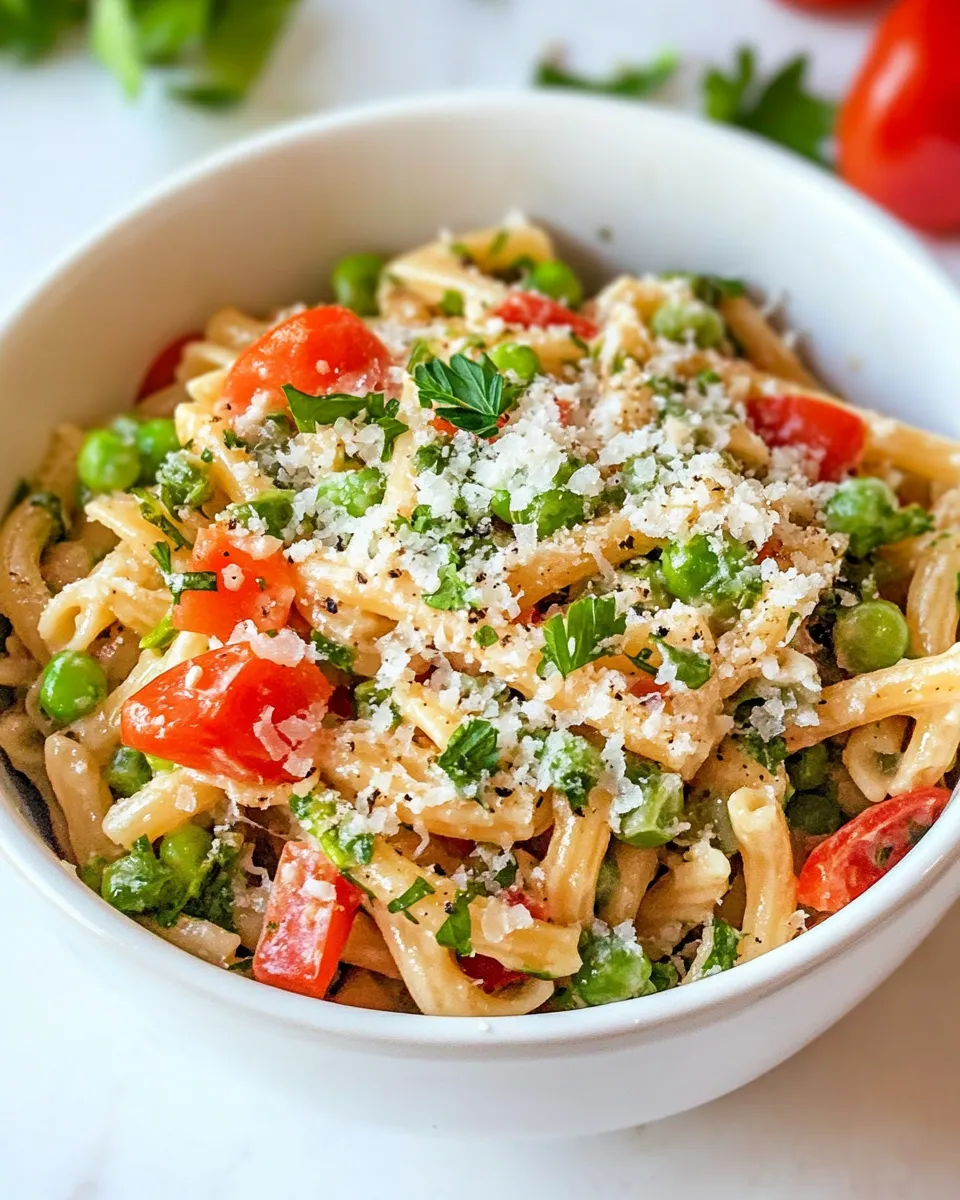
Skinny Pasta Primavera
This recipe is the sort of weeknight saver I reach for when I want something green, comforting, and fast — without feeling heavy. It leans on bright vegetables, whole-grain fusilli, and a surprisingly light, creamy sauce made with low-fat cream cheese and pasta water. It comes together in one pot after a quick blanch, so the vegetables stay crisp-tender and full of color.
I like that the technique is forgiving: timing matters, but small tweaks don’t break the dish. Keep a measuring cup at the ready for reserved pasta water, slice your vegetables uniformly, and you’ll be rewarded with a sauce that clings to each spiral. Serve warm or at room temperature; both work.
Below you’ll find a complete shopping checklist, the exact step-by-step cook method, practical tips for success, and notes for swaps or dietary tweaks. Read the method once, then follow the steps in order the first time — you’ll get the rhythm quickly.
Shopping List

- 1 pound dried whole grain fusilli pasta
- 1 cup red bell pepper (cut into small segments)
- 1 cup snow peas (halved)
- 1 cup small broccoli florets
- 1 cup sliced carrots
- 4 ounce cream cheese (low-fat or nonfat)
- 3 cloves garlic (minced)
- 1 cup chopped scallions
- 1 cup sliced zucchini (halved)
- 2 teaspoons fresh thyme leaves
- Salt, pepper, and grated parmesan for garnish
Ingredients
- 1 pound dried whole grain fusilli pasta — base of the dish; whole grain adds fiber and a pleasant chew. Can sub gluten-free or high-protein pasta.
- 1 cup red bell pepper — cut into small segments; adds sweetness and bright color.
- 1 cup snow peas — halved; stay crisp after a quick blanch.
- 1 cup small broccoli florets — bite-sized for even cooking and a fresh green pop.
- 1 cup sliced carrots — slice thin so they blanch quickly and keep a little crunch.
- 2 cups reserved pasta water — the starch in this is your emulsifier; it thins and binds the sauce.
- 4 ounce cream cheese — low-fat or nonfat; cut into small pieces so it melts smoothly into the sauce.
- 3 cloves garlic — minced; gives the sauce a direct aromatic lift.
- 1 cup chopped scallions — bright, mild onion flavor and fresh green color.
- 1 cup sliced zucchini — halved slices hold up well and soak a bit of the sauce.
- 2 teaspoons fresh thyme leaves — fragrant herb; use leaves only for even distribution.
- Salt and pepper — to taste; essential for balancing flavors.
- Grated parmesan — for garnish; adds a savory, salty finish.
Cook Skinny Pasta Primavera Like This
- Bring a large pot of water to a rolling boil and add salt. Add the 1 pound dried whole grain fusilli pasta and cook according to package instructions, stopping 1–2 minutes before the package’s stated al dente time (the pasta should be almost al dente).
- When the pasta is almost al dente, add the 1 cup red bell pepper (cut into small segments), 1 cup snow peas (halved), 1 cup small broccoli florets, and 1 cup sliced carrots to the boiling water and blanch for 1 minute.
- Before draining, use a heatproof measuring cup or ladle to remove and set aside exactly 2 cups reserved pasta water. Then drain the pasta and vegetables in a colander and rinse them with cold water briefly to stop the cooking. Set drained pasta and vegetables aside.
- Return the empty pot to the stove over medium heat. Add the reserved 2 cups pasta water, the 4 ounce cream cheese (low-fat or nonfat) — cut into small pieces for easier melting — and the 3 cloves garlic (minced). Whisk or stir constantly until the cream cheese melts and you have a smooth, thin cream sauce.
- Add the drained pasta and the blanched vegetables back into the pot with the sauce. Stir well to coat the pasta and vegetables evenly.
- Add the 1 cup chopped scallions, 1 cup sliced zucchini (halved), and 2 teaspoons fresh thyme leaves to the pot. Stir to incorporate.
- Taste and season with salt and pepper as needed.
- Serve warm or at room temperature and garnish with grated parmesan.
Why This Recipe is a Keeper
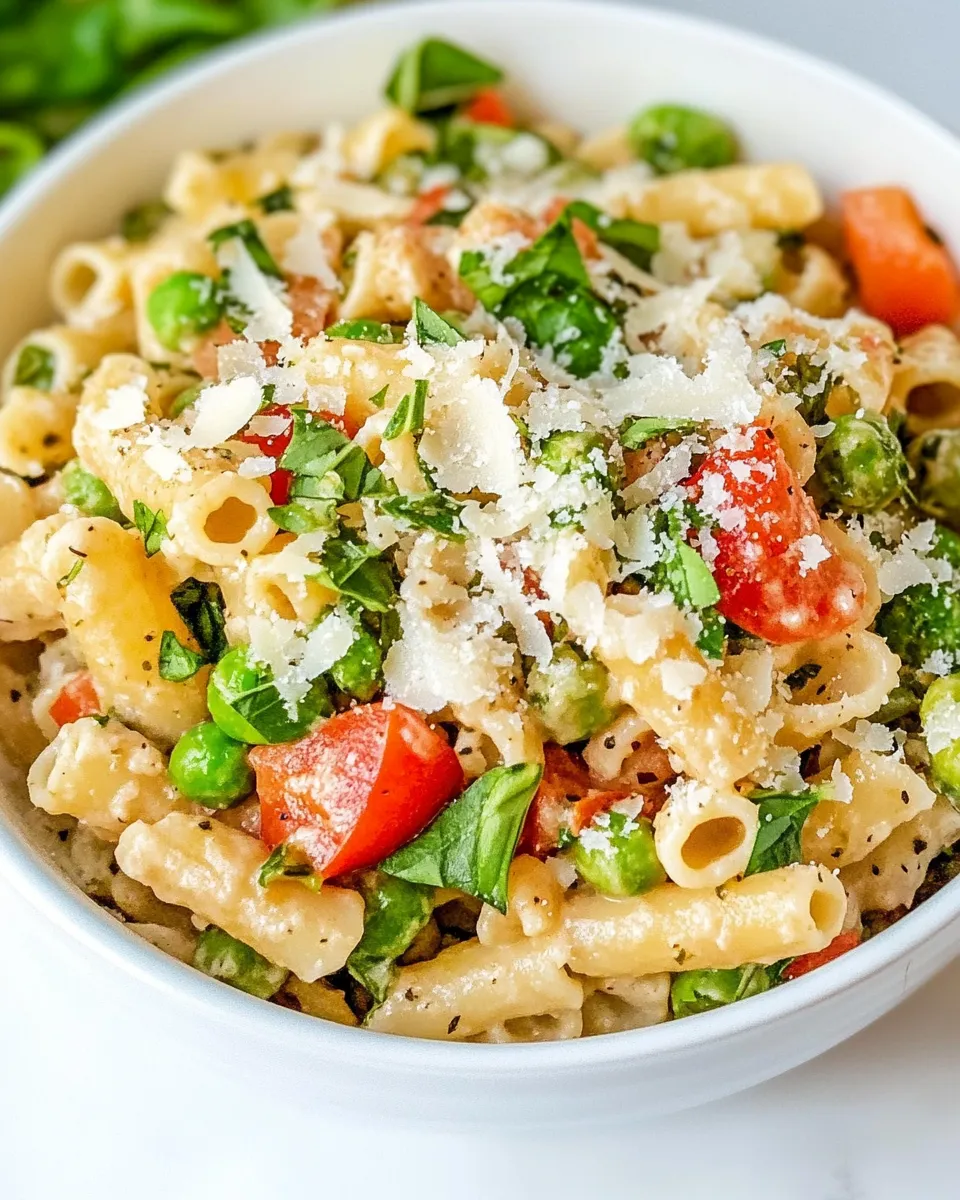
It’s light without fussy techniques. Using a little cream cheese thinned with reserved pasta water creates a silky sauce that clings to fusilli without oil or heavy cream. The quick blanch preserves the vegetables’ color and bite, which keeps the dish feeling fresh even after it cools.
This recipe is fast: active cook time is short, and most of the work is slicing. It’s flexible too — whole grain fusilli adds texture and nutrition, but the formula works with other pastas you have on hand. Finally, it’s forgiving: the sauce tolerates small timing differences, so it’s great for busy weeknights.
Ingredient Swaps & Substitutions
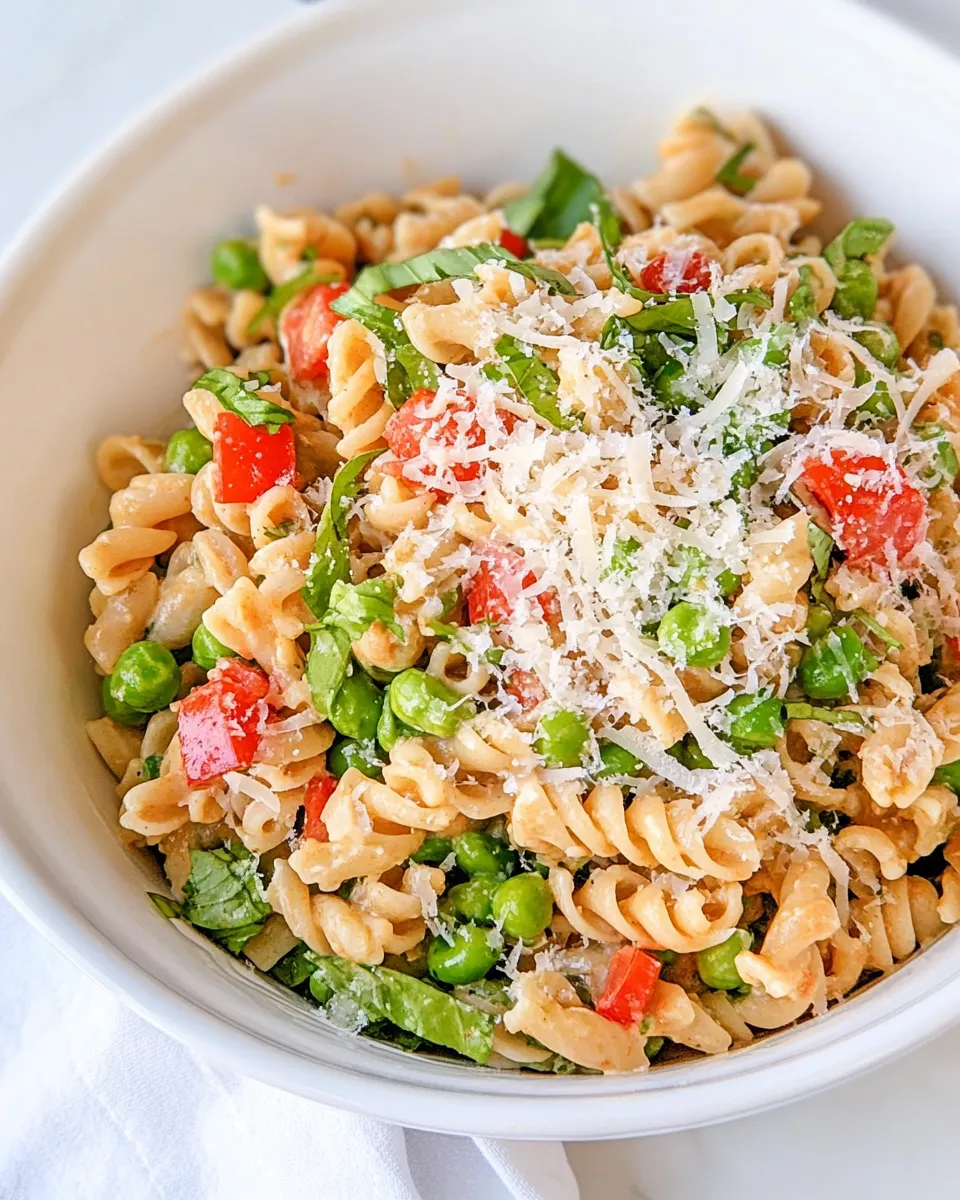
Stick to the spirit of the dish: pasta + bright vegetables + a light, emulsified sauce. The recipe’s built-in swap is the pasta itself — the ingredient list notes you can sub gluten-free or high-protein pasta for the whole grain fusilli. The cream cheese is listed as low-fat or nonfat; use that if you want a lower-calorie option without changing technique.
If you need to switch one vegetable for another, choose items that blanch quickly (thin asparagus, green beans, or snap peas). Keep sizes similar so everything cooks in the same minute of blanching.
Equipment & Tools
- Large pot for boiling pasta (big enough so vegetables can be added without crowding)
- Colander for draining
- Heatproof measuring cup or ladle to reserve exactly 2 cups pasta water
- Whisk or sturdy spoon for stirring the sauce
- Knife and cutting board for prep
- Box grater for parmesan
Missteps & Fixes
Overcooked vegetables: If your vegetables are too soft, shorten blanch time or rinse immediately with colder water longer to stop cooking. Thicker carrot slices need thinner cuts.
Sauce too thin: If the sauce seems watery, simmer it a minute to reduce and concentrate, or add the pasta back and stir—starch from the pasta will help thicken. Avoid adding more cream cheese than the recipe calls for; that risks a clumpy texture.
Sauce too thick or grainy: Add a splash more of the reserved pasta water a little at a time and whisk to smooth it. Cutting the cream cheese into small pieces before melting (as instructed) prevents clumps.
Underseasoned final dish: Season at the end as instructed, but taste after adding the scallions and thyme. Pancaking salt or pepper at the beginning isn’t the same as seasoning to finished taste.
Adaptations for Special Diets
Gluten-free: Use the noted gluten-free pasta swap in the ingredient notes and follow the same timing guidance, adjusting cooking time per package. Reserve 2 cups of that pasta’s water as instructed; the starch may behave slightly differently, so check sauce consistency.
Lower-fat: The recipe already suggests low-fat or nonfat cream cheese. Use that and don’t add extra butter or oil. A modest sprinkle of parmesan at the end adds flavor without much fat.
Vegetarian: This recipe is vegetarian as written if you use vegetarian parmesan or skip any rind-based cheese. The base ingredients are plant-forward and protein-light; serve with a smoked chickpea salad or a simple green protein on the side if you want more heft.
Method to the Madness
Why reserve pasta water?
That 2 cups contains starch released by the pasta. When mixed with cream cheese and whisked over heat, it creates a loose emulsion that gives the sauce body and cling without oil. Measure out exactly 2 cups and use it as the recipe states.
Blanching vs. sautéing
Blanching briefly in the pot with the pasta keeps colors bright and textures crisp. It’s faster and requires less hands-on time than sautéing each vegetable separately. The cold rinse immediately stops cooking so you don’t carry on residual heat while finishing the sauce.
Melting the cream cheese
Cutting into small pieces and stirring constantly over medium heat lets it melt evenly. Be patient and whisk; aggressive high heat can make the dairy separate. The goal is a smooth, thin cream sauce.
How to Store & Reheat
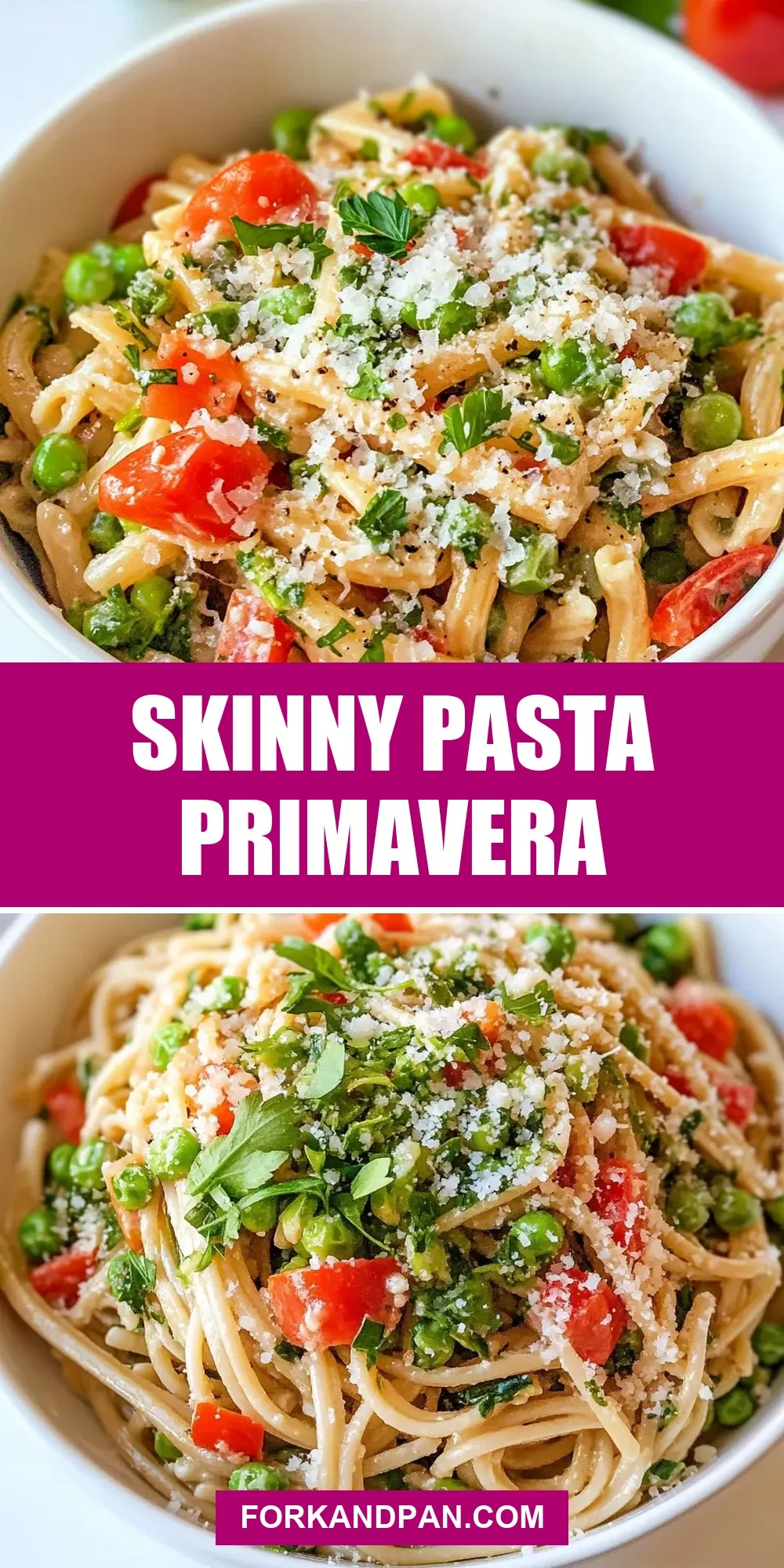
Cool to room temperature then refrigerate in an airtight container for up to 3 days. The sauce will firm up a bit when chilled because of the cream cheese.
To reheat: warm gently in a skillet over low heat with a splash of water or reserved pasta water (if you kept extra) to loosen the sauce. Stir constantly until heated through. Microwave reheating works too; add a tablespoon or two of water and reheat in short bursts, stirring between intervals.
Quick Q&A
Q: Can I make this ahead? A: Yes. Prepare through step 5, cool, and refrigerate up to a day. Add scallions, zucchini, and thyme fresh before serving for better texture.
Q: Can I skip the cold rinse? A: You can, but the vegetables will keep cooking from residual heat and will go softer. A brief rinse preserves bite and color.
Q: What if I don’t have cream cheese? A: This recipe is built around cream cheese thinned with pasta water for its specific texture and flavor; swapping it will change the result. If you must substitute, choose a similar spreadable dairy and adjust to taste, but expect differences.
The Takeaway
Skinny Pasta Primavera is quick, colorful, and designed around a simple technique: short blanch, reserve pasta water, and create a light cream sauce with cream cheese. It’s forgiving, nutritious with whole grain fusilli and plenty of vegetables, and makes a reliable weeknight meal. Follow the steps in order the first time — especially reserving the 2 cups of pasta water — and you’ll have a silky, bright pasta that’s worth keeping in your rotation.
Skinny Pasta Primavera
Ingredients
Ingredients
- 1 pounddried whole grain fusilli pasta can sub gluten-free or high-protein pasta
- 1 cupred bell peppercut into small segments
- 1 cupsnow peas halved
- 1 cupsmall broccoli florets
- 1 cupsliced carrots
- 2 cupsreserved pasta water
- 4 ouncecream cheeselow-fat or nonfat
- 3 clovesgarlicminced
- 1 cupchopped scallions
- 1 cupsliced zucchini halved
- 2 teaspoonsfresh thyme leaves
- saltand pepper
- grated parmesanfor garnish
Instructions
Instructions
- Bring a large pot of water to a rolling boil and add salt. Add the 1 pound dried whole grain fusilli pasta and cook according to package instructions, stopping 1–2 minutes before the package's stated al dente time (the pasta should be almost al dente).
- When the pasta is almost al dente, add the 1 cup red bell pepper (cut into small segments), 1 cup snow peas (halved), 1 cup small broccoli florets, and 1 cup sliced carrots to the boiling water and blanch for 1 minute.
- Before draining, use a heatproof measuring cup or ladle to remove and set aside exactly 2 cups reserved pasta water. Then drain the pasta and vegetables in a colander and rinse them with cold water briefly to stop the cooking. Set drained pasta and vegetables aside.
- Return the empty pot to the stove over medium heat. Add the reserved 2 cups pasta water, the 4 ounce cream cheese (low-fat or nonfat) — cut into small pieces for easier melting — and the 3 cloves garlic (minced). Whisk or stir constantly until the cream cheese melts and you have a smooth, thin cream sauce.
- Add the drained pasta and the blanched vegetables back into the pot with the sauce. Stir well to coat the pasta and vegetables evenly.
- Add the 1 cup chopped scallions, 1 cup sliced zucchini (halved), and 2 teaspoons fresh thyme leaves to the pot. Stir to incorporate.
- Taste and season with salt and pepper as needed.
- Serve warm or at room temperature and garnish with grated parmesan.
Notes
I used organic whole grain pasta, but you can use
any type of pasta
you like, even gluten-free and high protein varieties made with legumes.
Keep leftovers in an airtight container in the fridge for
up to 4 days
.