
Simple 2 Minute Easy Hollandaise Sauce
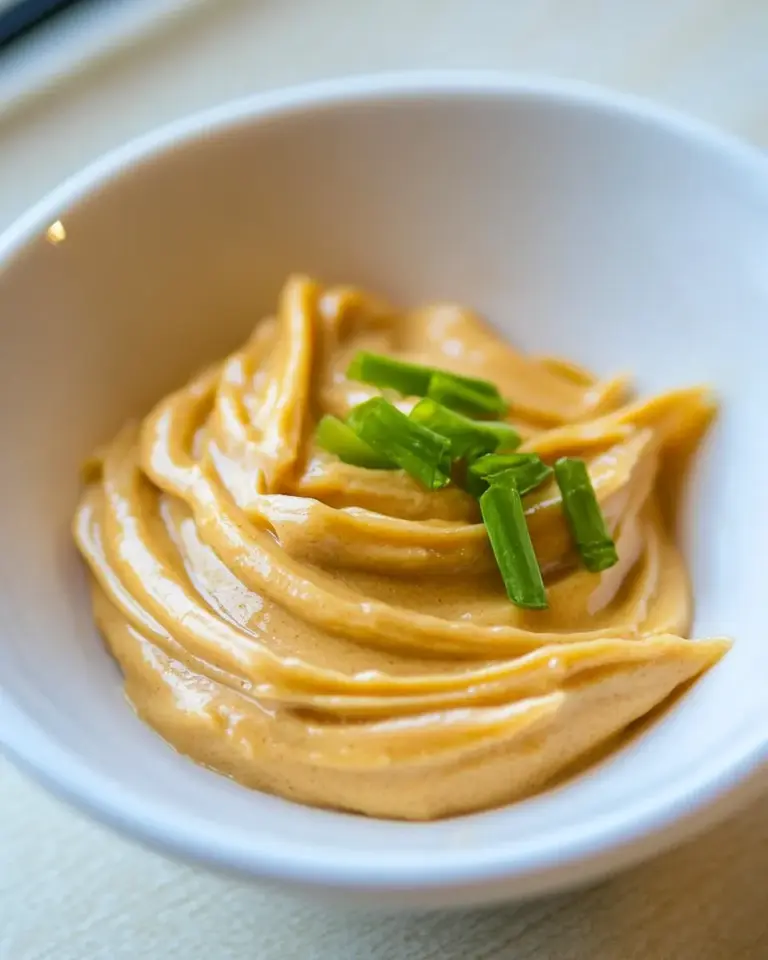
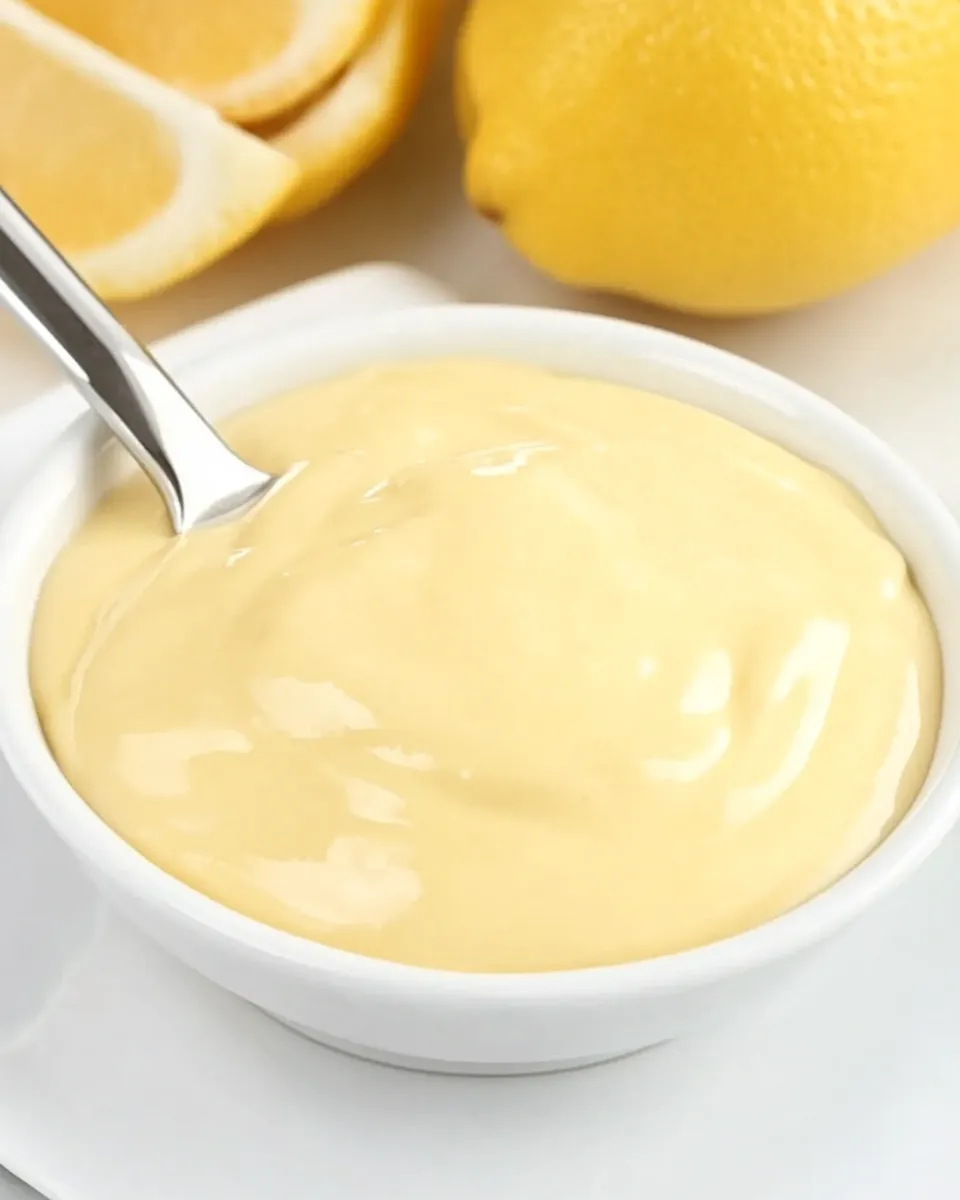
If you love silky, lemon-bright sauces but dread long, fussy emulsions over a double boiler, this is the shortcut you need. It takes advantage of an immersion blender to coax perfectly emulsified hollandaise from just a few pantry staples in minutes. The result is glossy, smooth, and much more reliable than whisking over steam.
I wrote this recipe after many breakfast experiments where I wanted restaurant-style hollandaise without babysitting a pan. It works for eggs Benedict, steamed asparagus, roasted salmon, or drizzled over roasted potatoes. The texture is rich and creamy, and the flavor balances butter and lemon rather than shouting garlic or herbs.
Practical notes are woven into the steps so you can avoid common mishaps. Read once, then make it—this method becomes muscle memory fast. Let’s get to the simple technique that gives consistent results every time.
What We’re Using

This method relies on a tall, narrow container and an immersion blender to create a quick, stable emulsion. You’ll also need gentle heat for the butter and room-temperature egg yolks to ensure the sauce comes together without scrambling.
Ingredients
- 1 stick unsalted butter — melted and kept warm; provides the rich, silky body of the sauce. (Note 1).
- 3 egg yolks — room temperature; they emulsify the butter and give the sauce structure.
- ¼ teaspoon salt — brings out the butter and lemon; adjust to taste. (Note 1).
- pinch pepper — seasoning; cayenne, white, or black all work depending on the flavor you prefer.
- 4 teaspoon lemon juice — brightens the sauce and balances the richness.
2 Minute Hollandaise Sauce, Made Easy
- Cut 1 stick unsalted butter into pieces, place in a small saucepan and melt over low heat until just melted — do not let it brown or simmer. Remove from heat and keep warm.
- Meanwhile, put 3 room-temperature egg yolks, 4 teaspoons lemon juice, ¼ teaspoon salt, and a pinch of pepper into a tall, narrow measuring jug that the head of your immersion blender fits into.
- Insert the immersion blender into the jug and blend the egg yolk mixture for about 30–60 seconds, until it lightens in color and is evenly combined.
- With the blender running on its lowest speed and the blender head at the bottom of the jug, very slowly drizzle the hot melted butter in a thin, steady stream into the egg mixture. Continue until all the butter is incorporated.
- As the sauce emulsifies and thickens, slowly raise and lower the blender through the sauce to fully combine and reach the desired consistency. Blend briefly to finish.
- Taste the sauce — it should be slightly lemony and lightly seasoned. If desired, add small additional amounts of lemon juice, salt, or pepper to taste, blending briefly after each addition.
- Serve immediately. If you must hold the sauce, place the jug in a bowl of warm (not hot) water for up to one hour and reblend briefly before serving if needed.
Why I Love This Recipe

This version is fast without compromising the classic hollandaise mouthfeel. The immersion blender does the heavy lifting: it forms a stable emulsion quickly and consistently. That means no whisking over a double boiler, no frantic whisking to avoid scrambled eggs, and far fewer split sauces.
I especially like that the flavors are clean: butter, lemon, and just a whisper of pepper. The balance is easy to adjust at the end, so you can dial in brightness or salt without having to start over. For busy mornings or small dinner parties, it’s predictable and fast.
Ingredient Swaps & Substitutions
- Butter — stick unsalted butter is the source; if your butter is salted, omit or reduce the added salt in the recipe and taste before adjusting.
- Lemon juice — fresh lemon is best for bright flavor. Bottled will work in a pinch but may taste flatter.
- Egg yolks — use fresh eggs and bring yolks to room temperature for the most reliable emulsion; cold yolks make the sauce slower to come together.
- Pepper — cayenne adds heat, white pepper keeps the sauce visually pale, black pepper gives a classic look; pick your preference.
Kitchen Gear Checklist
- Small saucepan — to melt and gently warm the butter.
- Tall, narrow measuring jug — this concentrates the mixture around the blender head and prevents splatter.
- Immersion blender — the essential shortcut for a quick, reliable emulsion.
- Spoon or spatula — for transferring butter and tasting.
- Bowl of warm water — optional, for holding the sauce gently if you need up to an hour before serving.
Troubleshooting Tips
If the sauce splits or looks greasy
Stop adding butter and blend for a few seconds to see if it comes together. If it remains separated, start with a fresh egg yolk in a clean jug and slowly blend the split sauce into that yolk to rebuild the emulsion.
If the sauce is too thin
Raise and lower the immersion blender through the sauce while blending briefly to incorporate air and thicken it. A little more butter added slowly can also help, but add it cautiously.
If the sauce is too thick
Thin with a few drops of warm water, lemon juice, or a tablespoon of warm melted butter and blend briefly to adjust consistency.
If the eggs taste cooked
That means the butter was too hot or the eggs were too cold. Keep butter warm, not boiling, and use room-temperature yolks. If you see any curdling, blend gently and quickly to smooth it out.
Make It Diet-Friendly
- Lower-fat option — you can reduce the butter slightly, but hollandaise is inherently rich; reducing fat changes the texture and mouthfeel.
- Sodium — use unsalted butter and reduce the added salt, or use a lower-sodium butter to control sodium intake.
- Dairy-free / Vegan — this method relies on egg yolks and butter for emulsification and flavor; for a vegan alternative, consider commercially tested plant-based hollandaise recipes that use aquafaba or cashew bases (this recipe is not vegan).
What I Learned Testing
During testing I focused on timing, temperature, and vessel shape. Room-temperature egg yolks cut the time to emulsify and reduced the chance of curdling. A tall, narrow jug keeps the ingredients concentrated around the blender head so you don’t need to chase the mixture with the immersion tool.
I also learned that the butter must be warm but not simmering; hot butter can cook the yolks on contact and create a grainy texture. Letting the butter sit briefly off heat after melting brings it into the ideal range. Finally, pouring the butter in a very thin, steady stream while the blender runs on low is the single most important action for a successful emulsion.
Cooling, Storing & Rewarming
Hollandaise is best served immediately. If you must hold it, keep the sauce in its jug placed in a bowl of warm (not hot) water for up to one hour. This maintains a gentle temperature without overcooking. Reblend briefly before serving to refresh the texture.
For storing, cool the sauce quickly to room temperature, then refrigerate in an airtight container for up to 24 hours. The sauce will thicken and may separate upon cooling; gently rewarm it in a warm water bath and reblend to reincorporate. Do not microwave directly; high heat will break the emulsion or cook the yolks.
Reader Questions
Q: Can I make this ahead for a brunch with guests?
A: Yes. Make the sauce, cool, and refrigerate. Rewarm gently in a bowl of warm water and reblend just before serving. Plan for up to an hour of holding in the warm-water method if you need it ready at the table.
Q: What if I don’t have an immersion blender?
A: You can attempt a similar method with a regular blender, but use a very low speed and pour the butter slowly through the feed tube with the blender running. Be cautious—blenders are faster and can overheat or over-emulsify. The upright whisk-over-steam method also works but requires more attention and skill.
Q: My sauce is a little tangy—too much lemon. How do I fix it?
A: Blend in a small extra amount of butter or a touch more yolk (if you have one) to mellow the acidity. A tiny pinch of sugar can also balance overly sharp lemon, but add sparingly and taste as you go.
Q: Is the pinch of pepper important?
A: Yes. The pepper adds subtle warmth and complexity. Choose cayenne for heat, white pepper to keep the sauce visually pale, or black pepper for classic flavor. It’s a small but effective seasoning.
Final Thoughts
This 2 Minute Hollandaise Sauce method gives you the creamy, lemony sauce we all crave with much less fuss. It’s forgiving, fast, and fits into a busy morning routine or last-minute dinner. With a warm jug, an immersion blender, and a little practice at the drizzle, you’ll get restaurant-quality hollandaise more often than you expect.
Make it once or ten times, and you’ll find the small adjustments that suit your palate—more lemon for brightness, a touch more salt for depth, or a different pepper for character. Keep the technique: room-temperature yolks, warm-not-hot butter, a tall narrow container, and a patient thin stream. That’s the reliable formula.

Simple 2 Minute Easy Hollandaise Sauce
Ingredients
Ingredients
- 1 stickunsalted butter Note 1
- 3 egg yolksroom temperature
- 1/4 teaspoonsalt Note 1
- pinchpeppercayenne/white/black all work
- 4 teaspoonlemon juice
Instructions
Instructions
- Cut 1 stick unsalted butter into pieces, place in a small saucepan and melt over low heat until just melted — do not let it brown or simmer. Remove from heat and keep warm.
- Meanwhile, put 3 room-temperature egg yolks, 4 teaspoons lemon juice, ¼ teaspoon salt, and a pinch of pepper into a tall, narrow measuring jug that the head of your immersion blender fits into.
- Insert the immersion blender into the jug and blend the egg yolk mixture for about 30–60 seconds, until it lightens in color and is evenly combined.
- With the blender running on its lowest speed and the blender head at the bottom of the jug, very slowly drizzle the hot melted butter in a thin, steady stream into the egg mixture. Continue until all the butter is incorporated.
- As the sauce emulsifies and thickens, slowly raise and lower the blender through the sauce to fully combine and reach the desired consistency. Blend briefly to finish.
- Taste the sauce — it should be slightly lemony and lightly seasoned. If desired, add small additional amounts of lemon juice, salt, or pepper to taste, blending briefly after each addition.
- Serve immediately. If you must hold the sauce, place the jug in a bowl of warm (not hot) water for up to one hour and reblend briefly before serving if needed.
Equipment
- Small Saucepan
- tall narrow measuring jug
- Immersion Blender
- bowl (for warm water, optional)
Notes
You can melt the butter in a microwave or on the stove top.
You need to put the eggs in a measuring jug, also called a large volume measuring cup.
You need to slowly add the butter, otherwise your sauce will be runny.
As you add the butter lift the stick blender up through the sauce and then move it back down through the sauce.