Sauted Onions
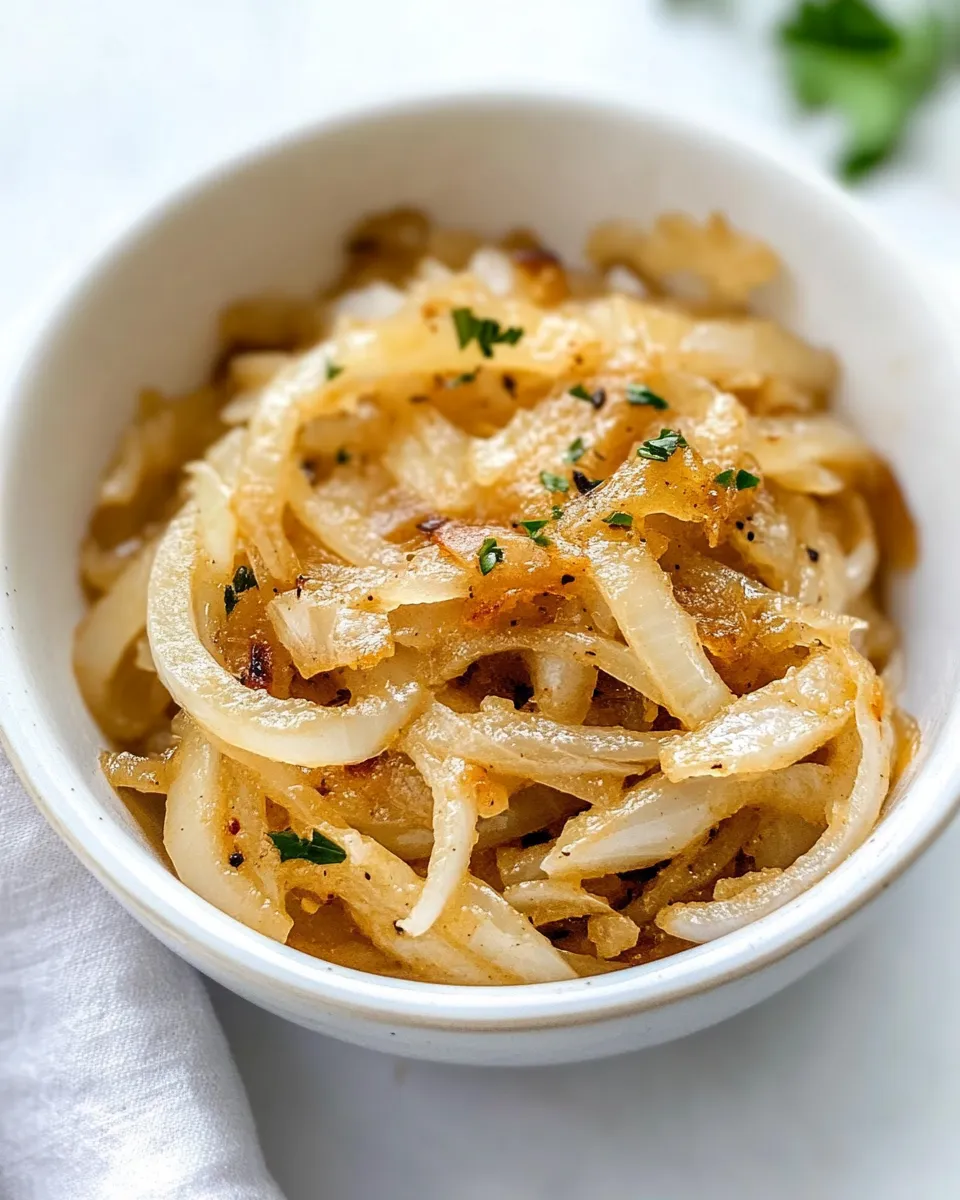
Sauted onions are a kitchen staple that elevate countless dishes with their sweet, caramelized flavor and tender texture. Using just a few simple ingredients—medium yellow onions, olive oil, kosher salt, and black pepper—you can transform raw onions into a savory, golden delight. Whether you’re topping a juicy burger, enriching a pasta sauce, or adding depth to a breakfast scramble, Sauted Onions bring a burst of umami and aroma that’s hard to beat. Let’s dive into why these humble onions deserve a starring role in your cooking repertoire and how to master them at home.
Reasons to Love Sauted Onions

Sauted onions are more than just a side ingredient; they’re flavor powerhouses. Here’s why they’re worth your attention:
- Versatility: From savory mains to hearty breakfasts, sautéd onions complement a wide array of dishes. They pair beautifully with meats, vegetables, grains, and even eggs.
- Flavor Booster: Sautéing onions softens their sharp bite and unlocks their natural sweetness, adding a rich, caramelized complexity to any recipe.
- Simple Ingredients: With just onions, olive oil, salt, and pepper, you can achieve a remarkable flavor boost without complicated steps or exotic components.
- Quick and Easy: In under 15 minutes, you can have perfectly sautéd onions ready to enhance your meal.
- Healthy Choice: Using olive oil and natural seasonings keeps this preparation light yet flavorful, making it suitable for a balanced diet.
The Essentials
Before you start, gather these ingredients to make perfect sautéd onions every time:
- 3 medium yellow onions: Yellow onions have a balanced flavor that caramelizes beautifully, offering the perfect base for sautéd onions.
- 2 tablespoons olive oil: This adds richness and prevents sticking while gently cooking the onions.
- 1/2 teaspoon kosher salt: Enhances the onions’ natural sweetness and helps draw out moisture for even cooking.
- 1/4 teaspoon black pepper: Adds a mild heat and depth to the flavor profile.
Gear Up: What to Grab
Having the right tools makes sautéd onions a breeze. Here’s what you’ll need:
- Large skillet or frying pan: A wide, heavy-bottomed pan ensures even heat distribution and enough space for onions to cook without overcrowding.
- Sharp knife: For slicing onions evenly, helping them cook uniformly.
- Cutting board: A stable surface for safe and efficient slicing.
- Wooden spoon or spatula: To stir the onions gently without bruising them.
- Measuring spoons: For precise seasoning measurements.
Make Sauted Onions: A Simple Method
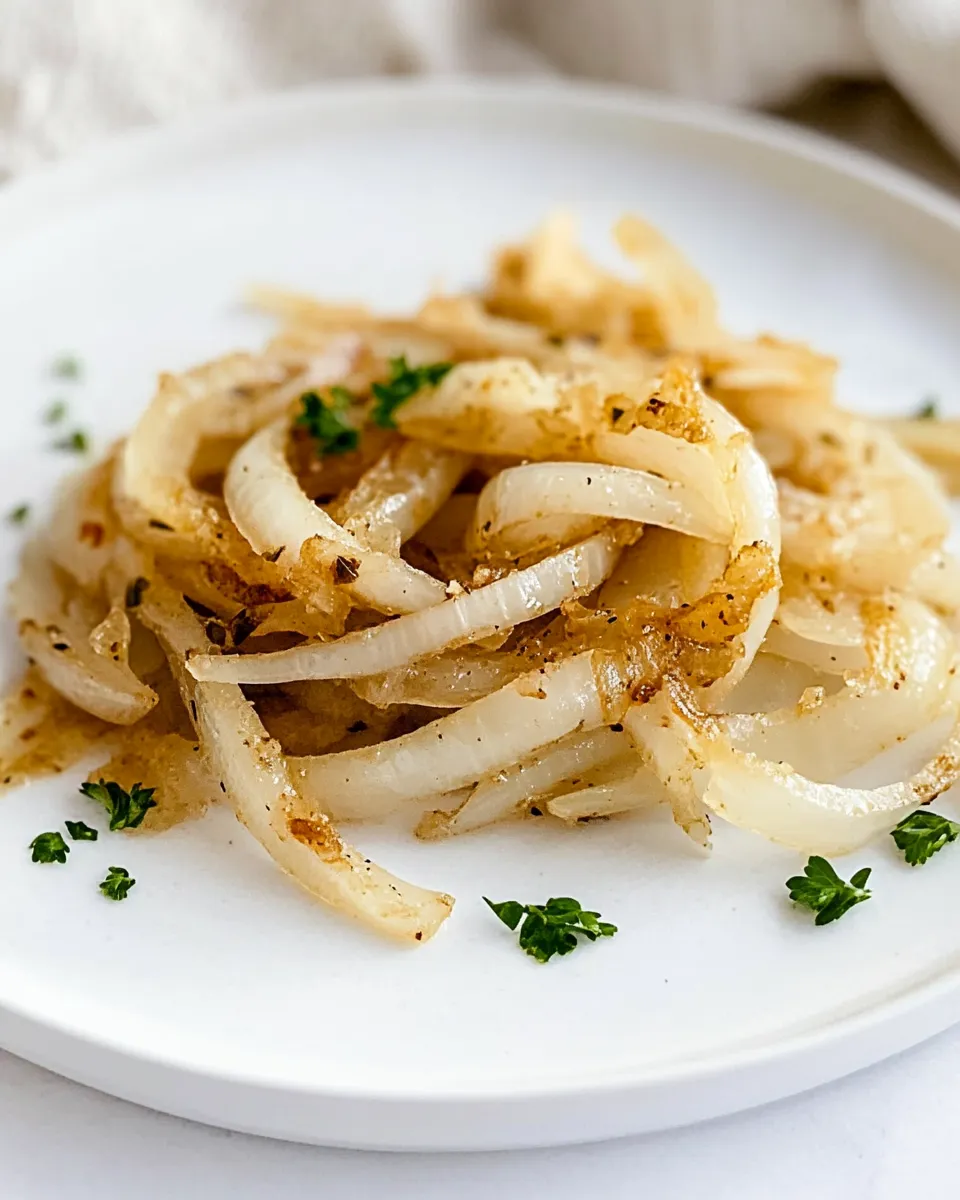
Follow these step-by-step instructions for perfectly sautéd onions every time.
Step 1: Prep the Onions
Peel the onions and slice them into thin, even half-moons. Uniform slices ensure they cook at the same rate and develop an even caramelization.
Step 2: Heat the Oil
Place your skillet over medium heat and add 2 tablespoons of olive oil. Let the oil warm until it shimmers but doesn’t smoke.
Step 3: Add the Onions
Carefully add the sliced onions to the skillet. Stir to coat them evenly with the olive oil.
Step 4: Season
Sprinkle 1/2 teaspoon kosher salt and 1/4 teaspoon black pepper over the onions. The salt will help draw out moisture and intensify their sweetness as they cook.
Step 5: Cook Slowly
Allow the onions to cook, stirring every few minutes. Lower the heat to medium-low if they start to brown too fast or stick to the pan. The goal is to soften and caramelize them gently over about 12-15 minutes.
Step 6: Finish and Serve
Once the onions are translucent, golden, and tender, remove them from heat. Taste and adjust seasoning if needed. Your sautéd onions are ready to add incredible flavor to your favorite dishes.
Smart Substitutions
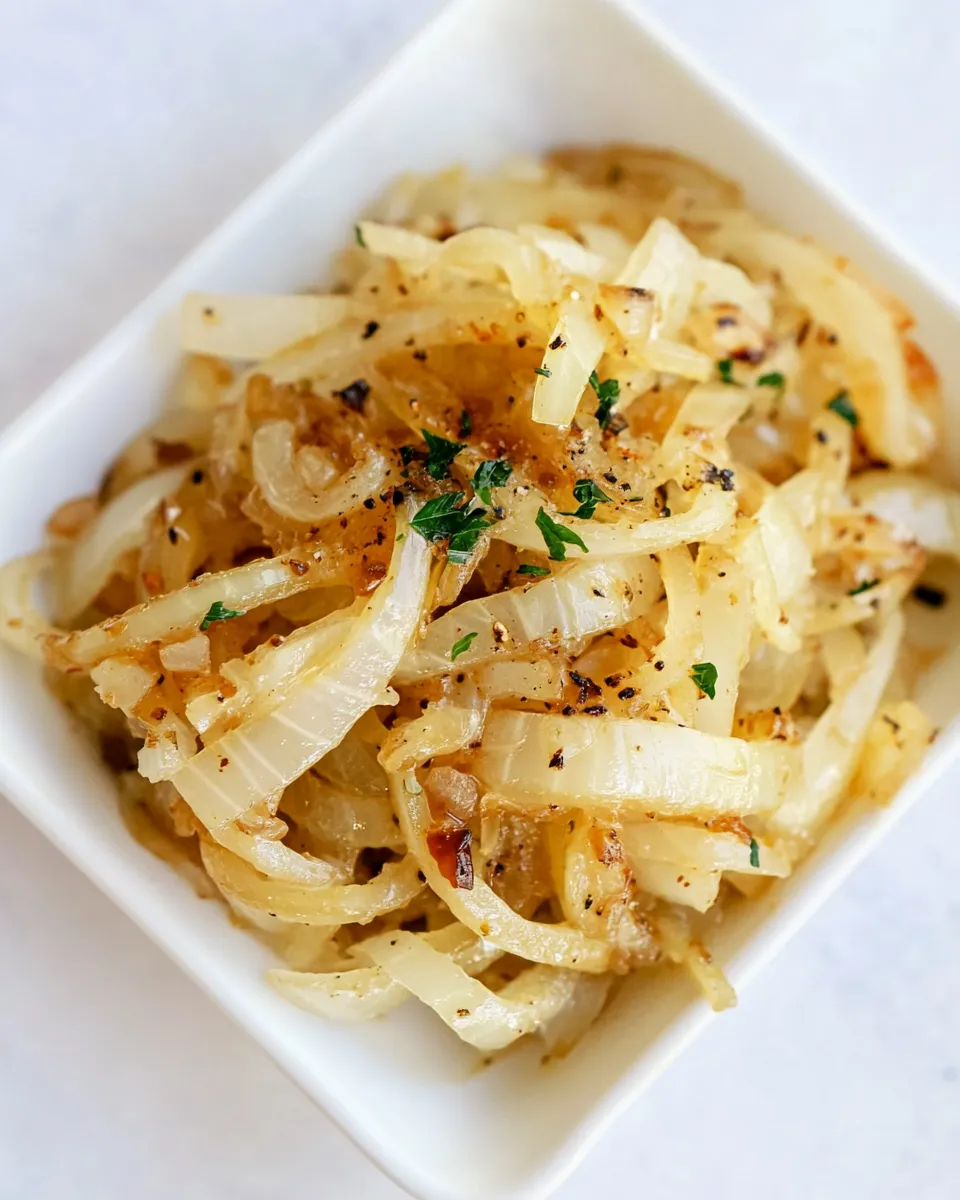
If you’re looking to tweak the recipe or adapt it to what you have, here are some ideas:
- Olive oil substitute: Use avocado oil or light vegetable oil for a different flavor or higher smoke point.
- Onion type: Sweet onions like Vidalia or Walla Walla can be used for a milder, sweeter result.
- Salt alternatives: Sea salt or fine table salt can replace kosher salt, just adjust the quantity slightly.
- Additional flavor: Add a splash of balsamic vinegar or a pinch of smoked paprika for a unique twist.
Problems & Prevention
Here are common issues you might encounter with sautéd onions and how to fix them:
- Burning: If onions brown too quickly or burn, reduce the heat to medium-low and stir more frequently.
- Sogginess: Crowding the pan traps moisture, leading to steaming instead of caramelization. Use a large pan and cook in batches if needed.
- Uneven cooking: Slice onions uniformly and stir gently to ensure all pieces cook evenly.
- Too salty or bland: Add salt in stages and taste as you go. It’s easier to add more than to fix over-salted onions.
Storing, Freezing & Reheating
To keep your sautéd onions fresh and ready for use:
- Storing: Store cooled sautéd onions in an airtight container in the refrigerator for up to 5 days.
- Freezing: Freeze in portioned airtight containers or freezer bags for up to 3 months. Thaw overnight in the fridge before reheating.
- Reheating: Warm gently in a skillet over low heat or microwave in short bursts to avoid drying out.
Reader Questions
Can I use other types of onions for sautéd onions?
Absolutely! Yellow onions are classic, but sweet onions like Vidalia or red onions can add different flavor profiles. Just keep in mind that sweet onions will caramelize faster and have a milder taste.
How do I know when sautéd onions are done?
They should be soft, translucent, and golden brown with a sweet aroma. Avoid rushing the process—slow cooking brings out the best flavor and texture.
Can I add garlic to sautéd onions?
Yes! Add minced garlic in the last 1-2 minutes of cooking to avoid burning and to infuse a wonderful garlicky fragrance without overpowering the onions.
What dishes work best with sautéd onions?
Sautéd onions are incredibly versatile. They shine atop burgers, mixed into pasta like Creamy Spinach Mushroom Fettuccine, stirred into egg dishes such as Sausage Mushrooms And Feta Baked With Eggs, or as a flavorful side to grilled meats and roasted vegetables.
Desserts to Finish
- Sausage Mushrooms And Feta Baked With Eggs – A savory treat to complement your meal.
- Creamy Spinach Mushroom Fettuccine – A luscious pasta dish enhanced by the depth of sautéd onions.
Make It Tonight
Ready to elevate your dinner? Whip up a batch of sautéd onions and toss them into your favorite recipe. Whether it’s layering them on a sandwich, folding them into a frittata, or stirring them into a creamy pasta, these golden beauties bring warmth and flavor that make any meal memorable. With just three medium yellow onions, olive oil, kosher salt, and black pepper, you have the power to transform simple ingredients into something extraordinary. Happy cooking!
Sauted onions bring a simple yet powerful flavor boost to your kitchen. Their sweet, caramelized goodness complements countless dishes and requires minimal ingredients and effort. By mastering this easy sautéing technique, you’ll add a delicious layer of complexity to your meals, impressing family and friends alike. So slice up those onions, heat your skillet, and discover the magic of sautéd onions today!
Share on Pinterest
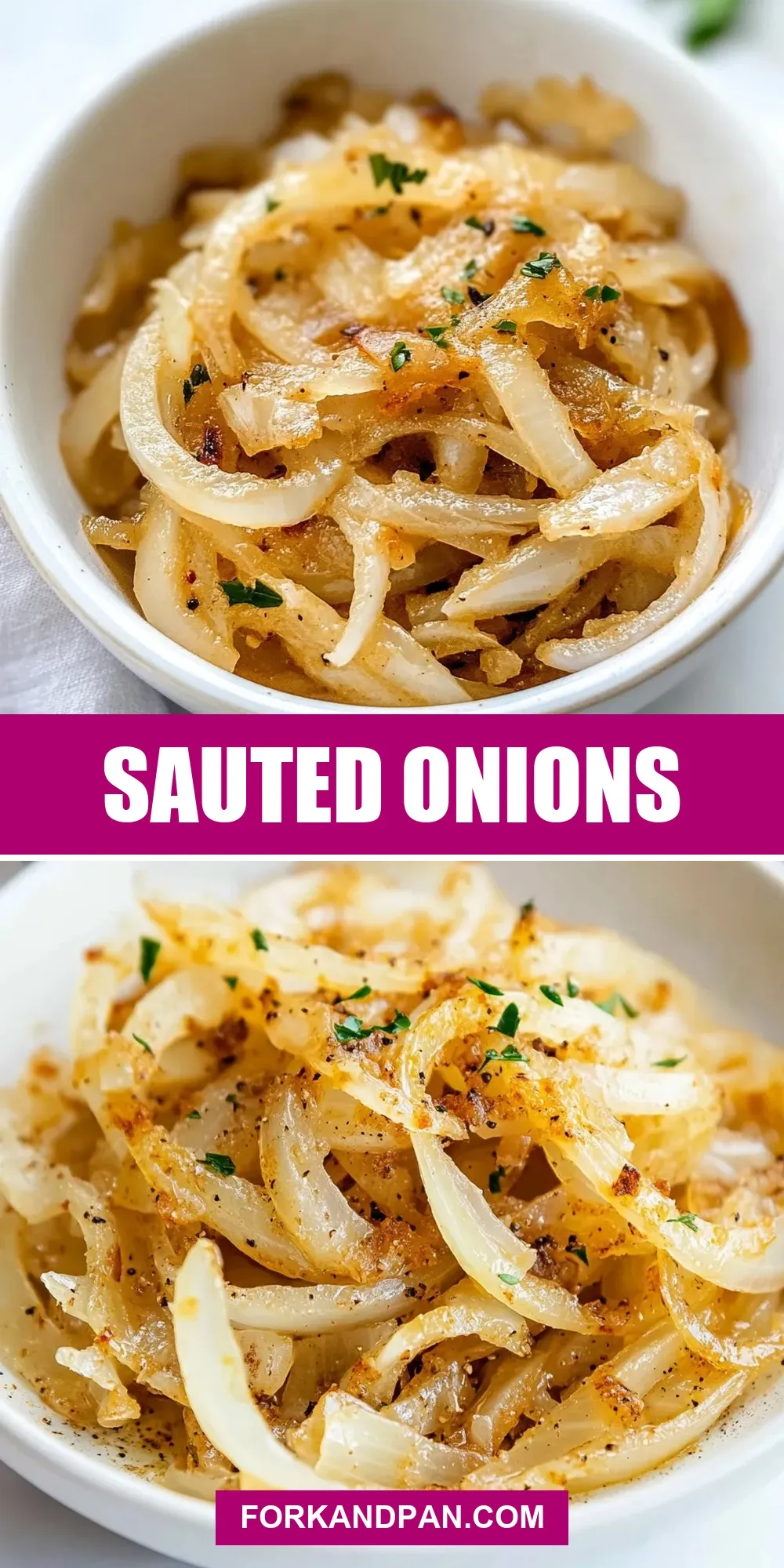

Sauted Onions
Ingredients
- 3 medium yellow onions
- 2 tablespoons olive oil
- 1/2 teaspoon kosher salt
- 1/4 teaspoon black pepper
Instructions
- Peel the onions and slice them into thin, even half-moons. Uniform slices ensure they cook at the same rate and develop an even caramelization.
- Place your skillet over medium heat and add 2 tablespoons of olive oil. Let the oil warm until it shimmers but doesn’t smoke.
- Carefully add the sliced onions to the skillet. Stir to coat them evenly with the olive oil.
- Sprinkle 1/2 teaspoon kosher salt and 1/4 teaspoon black pepper over the onions. The salt will help draw out moisture and intensify their sweetness as they cook.
- Allow the onions to cook, stirring every few minutes. Lower the heat to medium-low if they start to brown too fast or stick to the pan. The goal is to soften and caramelize them gently over about 12-15 minutes.
- Once the onions are translucent, golden, and tender, remove them from heat. Taste and adjust seasoning if needed. Your sautéd onions are ready to add incredible flavor to your favorite dishes.
Equipment
- Large skillet or frying pan
- Sharp Knife
- Cutting Board
- Wooden spoon or spatula
- Measuring Spoons
Notes
- Store cooled sautéd onions in an airtight container in the refrigerator for up to 5 days.
- Freeze in portioned airtight containers or freezer bags for up to 3 months; thaw overnight before reheating.
- Add minced garlic in the last 1-2 minutes of cooking for a garlicky twist without overpowering the onions.