
Red Lobster Biscuit Recipe
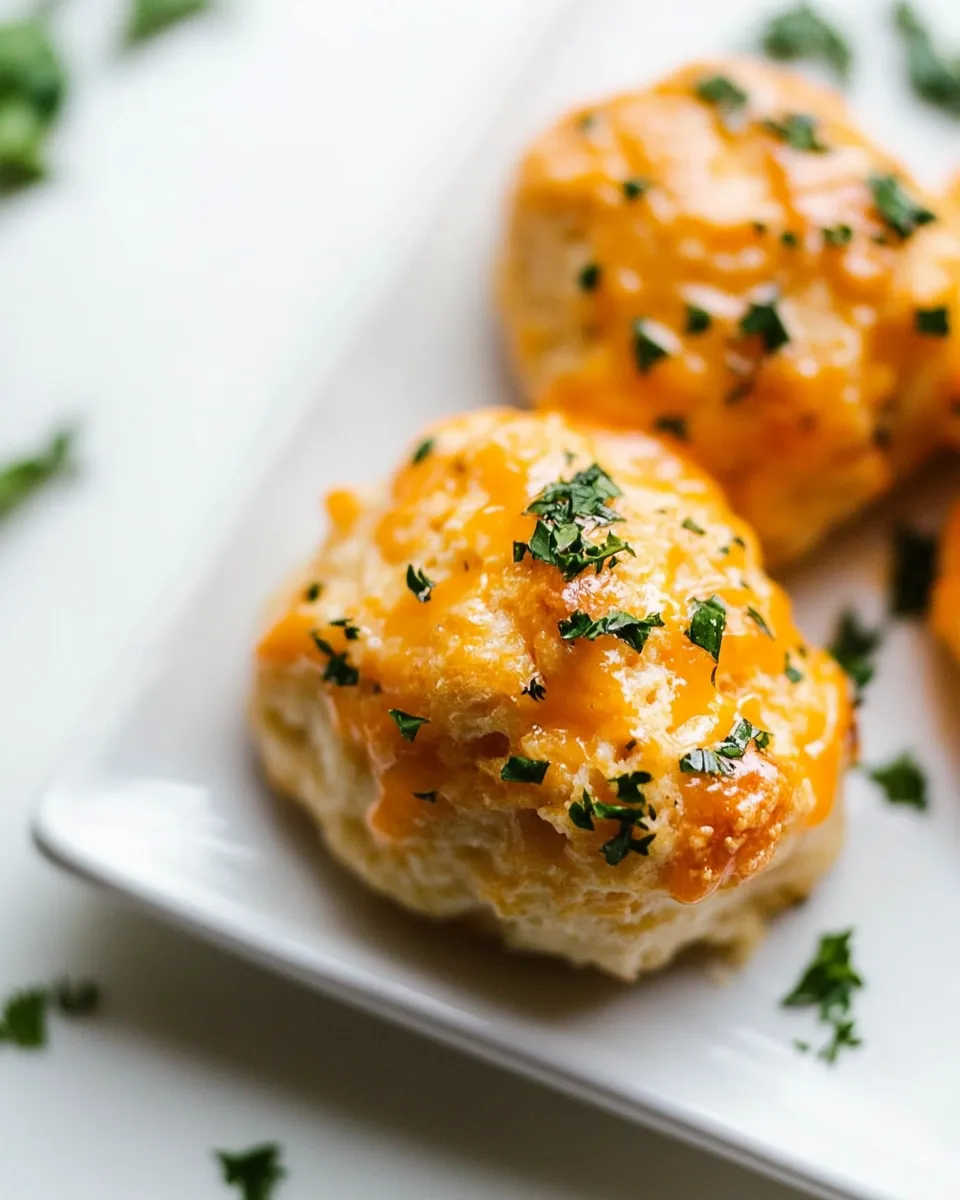
These cheddar-loaded biscuits are the slices of nostalgia everyone asks for after a Red Lobster meal. They’re flaky, buttery, and flecked with Old Bay and parsley—comfort that comes together fast. I make a batch whenever friends swing by or when I want a side that feels like a treat without a lot of fuss.
The method is straightforward and forgiving: melted butter mixed with cold buttermilk, a single bowl of dry ingredients, a quick chill, and a hot oven. There’s a finishing brush of garlic-parsley butter that elevates the whole thing—don’t skip it. It’s what turns a good biscuit into something you reach for again and again.
Below you’ll find everything you need: the exact ingredient list with notes, the step-by-step directions as written for reliable results, common mistakes and fixes, and storage tips so leftovers keep their texture. Ready? Let’s bake the kind of biscuit you’ll want to serve warm and often.
The Ingredient Lineup

- 6 tablespoons unsalted butter, melted — used cold-mixed with buttermilk; gives rich butter flavor in the dough.
- 1 cup buttermilk — cold from the fridge; hydrates the dough and adds tang that helps lift and tenderize.
- 2 cups all-purpose flour — the structural base; use measured properly (see note 1 in tips below if needed).
- 1 tablespoon baking powder — the primary leavening to produce a light rise.
- 1 tablespoon granulated sugar — balances savory flavors and aids browning.
- 1 teaspoon salt — seasons the biscuit throughout; don’t omit.
- 2 teaspoons Old Bay seasoning — signature savory spice that gives the Red Lobster vibe.
- 1/2 teaspoon garlic powder — savory depth inside the biscuit.
- 1 teaspoon dried parsley — subtle herb note in the dough.
- 1/8 teaspoon ground cayenne pepper (optional) — a whisper of heat; leave it out if you prefer none.
- 1 cup shredded sharp Cheddar cheese — provides cheddar pockets and savory richness throughout.
- 3 tablespoons unsalted butter, melted — for the finishing brush; builds shine and flavor on the outside.
- 1/2 teaspoon garlic powder — mixed into the finishing butter for an extra garlic hit.
- 1/4 teaspoon salt — seasons the finishing butter so each bite is balanced.
- 2 tablespoons finely chopped fresh parsley — folded into the topping for a fresh, green finish.
Step-by-Step: Red Lobster Biscuit
- Adjust the oven rack to the middle position and preheat oven to 450°F (232°C). Line a large sheet pan with parchment paper or a silicone baking mat, or generously butter a large oven-safe cast-iron pan.
- Melt 6 tablespoons unsalted butter (microwave or stovetop). Let it sit 3–4 minutes to cool slightly.
- Pour 1 cup cold buttermilk (straight from the refrigerator) into the melted butter. Stir with a spoon until small clumps of butter form; set this butter-and-buttermilk mixture aside.
- In a large bowl, whisk together 2 cups all-purpose flour, 1 tablespoon baking powder, 1 tablespoon granulated sugar, 1 teaspoon salt, 2 teaspoons Old Bay seasoning, 1/2 teaspoon garlic powder, 1 teaspoon dried parsley, and 1/8 teaspoon ground cayenne pepper (if using).
- Make a well in the center of the dry ingredients. Use a spatula to scrape all of the butter-and-buttermilk mixture into the well. Use a wooden spoon to mix just until the dough comes together—don’t overmix.
- Gently fold in 1 cup shredded sharp Cheddar cheese until evenly distributed.
- Lightly spritz a 1/4-cup (66 g) measuring cup. Scoop batter into the measuring cup and drop each biscuit onto the prepared pan, spacing them about 1½ inches apart. Repeat until all batter is portioned. Place the sheet pan in the refrigerator for 10 minutes.
- Bake the chilled biscuits for 12–15 minutes, until the tops and bottoms are a light golden brown and a tapped top sounds hollow.
- While the biscuits bake, melt 3 tablespoons unsalted butter. Stir in 1/2 teaspoon garlic powder, 1/4 teaspoon salt, and 2 tablespoons finely chopped fresh parsley to make the topping.
- Remove the biscuits from the oven and let them cool on the pan for 5 minutes. Transfer biscuits to a wire cooling rack.
- Brush the warm biscuits with the parsley-garlic melted butter. Serve warm—the biscuits are best the same day.
Why It Works Every Time
The technique focuses on minimal handling and a hot oven. Mixing melted butter into cold buttermilk creates tiny butter clumps that help produce pockets and layers as the heat hits. Cold buttermilk keeps the dough from becoming too warm, which would melt the butter fully and reduce flakiness.
Baking powder gives a reliable lift in a quick-bread-style dough, and the short chilling period firms the portions so the biscuits hold shape in the oven. Sharp cheddar adds fat and salt, encouraging browning and a savory crumb without weighing the dough down.
Allergy-Friendly Substitutes

- Dairy-free: Use a dairy-free butter and a cultured dairy-free milk substitute with a splash of lemon for tang; texture will differ slightly.
- Egg-free: This recipe contains no eggs, so it’s already safe for egg allergies.
- Gluten-free: Swap in a 1:1 gluten-free all-purpose flour blend that includes xanthan gum. The texture will be a bit different but should hold up if your blend is tested for biscuits.
- Cheese-free: Omit the cheddar and increase Old Bay slightly for flavor; you’ll lose the cheesy pockets but keep a tasty biscuit.
Kitchen Gear Checklist
- Large mixing bowl
- Whisk and wooden spoon (or spatula)
- 1/4-cup measuring cup (for portioning)
- Sheet pan or oven-safe cast-iron pan
- Parchment paper or silicone baking mat (optional)
- Wire cooling rack
- Saucepan or microwave-safe bowl to melt butter
- Basting brush for the finishing butter
Frequent Missteps to Avoid
- Overmixing the dough — this tightens gluten and makes dense biscuits. Mix just until the dough comes together.
- Using warm buttermilk — it can melt the butter clumps and reduce flakiness. Keep the buttermilk cold.
- Skipping the chill — the 10-minute refrigerator rest helps the biscuits keep shape and bake evenly.
- Under-baking — biscuits that aren’t fully baked will be doughy inside. Look for light golden tops and bottoms and a hollow tap.
- Not brushing with finishing butter — that final brush adds flavor and a glossy look. It’s quick and worth it.
Seasonal Adaptations
Spring: Swap the dried parsley for 2 tablespoons of fresh chives or tarragon in the topping for a brighter finish. Add 1–2 tablespoons finely diced scallion into the dough if you want an onion note.
Summer: Fold in 2 tablespoons of roasted red pepper (finely diced) with the cheddar for a sweet, smoky twist. Serve warm with a tomato-based dip or a chilled corn salad.
Autumn/Winter: Stir 1 tablespoon of smoked paprika into the dry mix for smokier warmth. A mix of sharp cheddar and a bit of Gruyère enhances richness for heartier meals.
Flavor Logic
Old Bay provides the savory, slightly citrusy backbone that evokes the Red Lobster profile. Sharp Cheddar brings tang and pockets of molten flavor. Garlic powder inside the dough echoes the finishing butter, creating continuity of savory notes with every bite. The parsley in the topping gives a fresh, herbaceous counterpoint that keeps each bite from feeling overly rich.
Prep Ahead & Store
Prepare through Step 6, then portion the dough onto the pan and refrigerate the sheet pan for up to 24 hours before baking. Bake straight from the fridge, adding a minute or two if needed.
Leftovers: Store cooled biscuits in an airtight container at room temperature for up to 2 days. For longer storage, freeze cooled biscuits in a single layer on a baking sheet; once solid, transfer to a freezer bag for up to 1 month. Reheat from frozen at 350°F (177°C) for 10–12 minutes, or until warmed through, then brush with fresh finishing butter.
Red Lobster Biscuit FAQs
- Can I make these larger or smaller? Yes. The recipe uses a 1/4-cup scoop for medium biscuits. Make them smaller for sliders or larger for split-and-fill biscuits; adjust bake time accordingly.
- Why does the recipe call for melted butter mixed with cold buttermilk? Mixing melted butter with cold buttermilk produces clumps of butter suspended in the liquid. Those clumps create steam and pockets when baked, giving the biscuit lift and layers without needing to cut cold butter into the flour.
- What if my biscuits brown too quickly? Move the oven rack down a notch and tent with foil for the last few minutes. You can also check that your oven temperature is accurate with an oven thermometer.
- Can I use shredded pre-shredded cheese? Yes. Pre-shredded cheese often contains anti-caking agents that can slightly affect meltiness, but it will still taste great.
- Are these freezer-friendly? Yes. Freeze cooled biscuits and reheat in a hot oven from frozen for best texture.
Ready, Set, Cook
Gather your ingredients, preheat the oven, and measure the flour carefully. Follow the steps in order and resist overworking the dough. The payoff is a tray of warm, cheddar-kissed biscuits that crisp at the edges and melt in the middle. Serve them hot, brush on that parsley-garlic butter, and enjoy—these disappear fast.

Red Lobster Biscuit Recipe
Ingredients
Ingredients
- 6 tablespoonsunsalted buttermelted
- 1 cupbuttermilk
- 2 cupsall-purpose floursee note 1
- 1 tablespoonbaking powder
- 1 tablespoongranulated sugar
- 1 teaspoonsalt
- 2 teaspoonsOld Bay seasoning
- 1/2 teaspoongarlic powder
- 1 teaspoondried parsley
- 1/8 teaspoonground cayenne pepperoptional
- 1 cupshredded sharp Cheddar cheese
- 3 tablespoonsunsalted buttermelted
- 1/2 teaspoongarlic powder
- 1/4 teaspoonsalt
- 2 tablespoonsfinely chopped fresh parsley
Instructions
Instructions
- Adjust the oven rack to the middle position and preheat oven to 450°F (232°C). Line a large sheet pan with parchment paper or a silicone baking mat, or generously butter a large oven-safe cast-iron pan.
- Melt 6 tablespoons unsalted butter (microwave or stovetop). Let it sit 3–4 minutes to cool slightly.
- Pour 1 cup cold buttermilk (straight from the refrigerator) into the melted butter. Stir with a spoon until small clumps of butter form; set this butter-and-buttermilk mixture aside.
- In a large bowl, whisk together 2 cups all-purpose flour, 1 tablespoon baking powder, 1 tablespoon granulated sugar, 1 teaspoon salt, 2 teaspoons Old Bay seasoning, 1/2 teaspoon garlic powder, 1 teaspoon dried parsley, and 1/8 teaspoon ground cayenne pepper (if using).
- Make a well in the center of the dry ingredients. Use a spatula to scrape all of the butter-and-buttermilk mixture into the well. Use a wooden spoon to mix just until the dough comes together—don’t overmix.
- Gently fold in 1 cup shredded sharp Cheddar cheese until evenly distributed.
- Lightly spritz a 1/4-cup (66 g) measuring cup. Scoop batter into the measuring cup and drop each biscuit onto the prepared pan, spacing them about 1½ inches apart. Repeat until all batter is portioned. Place the sheet pan in the refrigerator for 10 minutes.
- Bake the chilled biscuits for 12–15 minutes, until the tops and bottoms are a light golden brown and a tapped top sounds hollow.
- While the biscuits bake, melt 3 tablespoons unsalted butter. Stir in 1/2 teaspoon garlic powder, 1/4 teaspoon salt, and 2 tablespoons finely chopped fresh parsley to make the topping.
- Remove the biscuits from the oven and let them cool on the pan for 5 minutes. Transfer biscuits to a wire cooling rack.
- Brush the warm biscuits with the parsley-garlic melted butter. Serve warm—the biscuits are best the same day.
Equipment
- Large sheet pan (15" x 21")or large, cast-iron (oven-safe) pan
- Parchment paperor silicone baking mat
- Cooling Rack
Notes
Note 1:
If you press a measuring cup into a bag of flour, you will pack in way too much flour (which creates denser/drier biscuits). Instead, spoon the flour into the measuring cup until it’s overfilled. Then use the back of a table knife to level the measuring cup at the top.
Note 2:
Once you pull them from the oven, allow time for the biscuits to stand for about 5–10 minutes without breaking into them. The residual heat and steam ensure the insides are fully baked through.
Storage:
Biscuits are always best the same day they are made, but you can keep leftovers in an airtight container or bag and refrigerate for up to 3 days or freeze for 2–3 months.