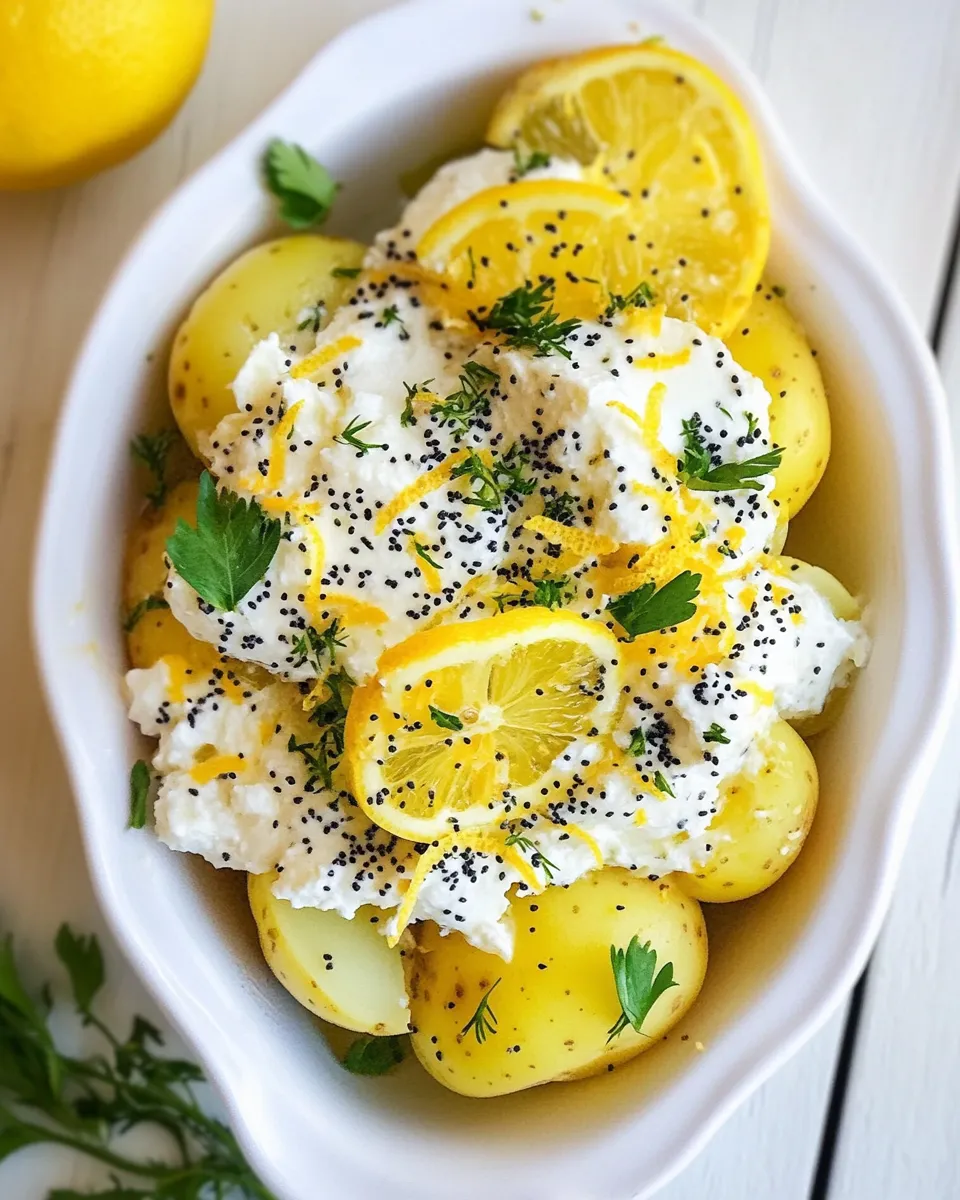
Potatoes with Lemon Poppy Ricotta
This is one of those small recipes that feels like a revelation: humble potatoes dressed up with a bright, silky ricotta that carries lemon and a whisper of crunch from poppy seeds. It’s light enough for a spring or summer lunch, but satisfying enough to stand in for a side dish at a dinner where you want to keep things simple and elegant.
I make this when I want something quick but thoughtfully flavored. The components are few and the assembly is forgiving. The lemon lifts the dairy, the poppy seeds add texture, and the potatoes provide a neutral, comforting canvas. You’ll find it’s an easy recipe to scale and to serve warm or at room temperature.
Below I walk you through shopping, the exact prep steps, equipment that saves time, common slip-ups, and small diet-friendly swaps that keep the spirit of the dish intact. Follow the short, precise instructions and you’ll have a dish that looks deliberate and tastes like effort—but doesn’t take one.
Ingredients

- 3potatoesbig, peeled and halved — the base of the dish; peeled and halved so they cook evenly and present well when served.
- 1/2cupGreek yogurtlow-fat — adds tang and creaminess while keeping things light; helps bind the ricotta.
- 1cupricottalow-fat — the main creamy component; low‑fat keeps the texture airy without excess richness.
- 1lemonzested — lemon zest brings bright aromatic oils; zest before juicing for ease.
- 2teaspoonslemon juice — provides acidity to balance the dairy; measure to keep the flavor bright but not sour.
- 1/3teaspoonsalt — seasons the ricotta mixture; adjust slightly to taste if you use salted ricotta.
- 1/2teaspoonpoppy seeds — small but important for texture and visual contrast; toasting is optional if you like nuttier flavor.
Your Shopping Guide
Buy the freshest lemon you can find—its zest and juice matter a lot here. For potatoes, choose ones that are similar in size so the cooking time stays predictable. The recipe calls for low‑fat Greek yogurt and low‑fat ricotta; pick brands you trust. If you already own a microplane, zester, or a set of measuring spoons, you’re set.
- Potatoes: aim for medium to large baking or all-purpose potatoes that will give you a fluffy interior.
- Ricotta and Greek yogurt: low‑fat varieties are listed, but buy the texture you enjoy.
- Lemon: one medium lemon will provide both zest and the 2 teaspoons of juice called for.
- Poppy seeds and salt: measure precisely; they shape the final bite.
Potatoes with Lemon Poppy Ricotta: From Prep to Plate
- Place the 3 peeled, halved potatoes in a medium–large pot and add cold water to cover them by about 1 inch. Bring to a boil over high heat.
- Reduce heat to medium and simmer until the potatoes are tender when pierced with a fork, about 20 minutes. Drain and let the potatoes cool until they are cool enough to handle.
- Zest the 1 lemon, then juice it and measure 2 teaspoons of lemon juice.
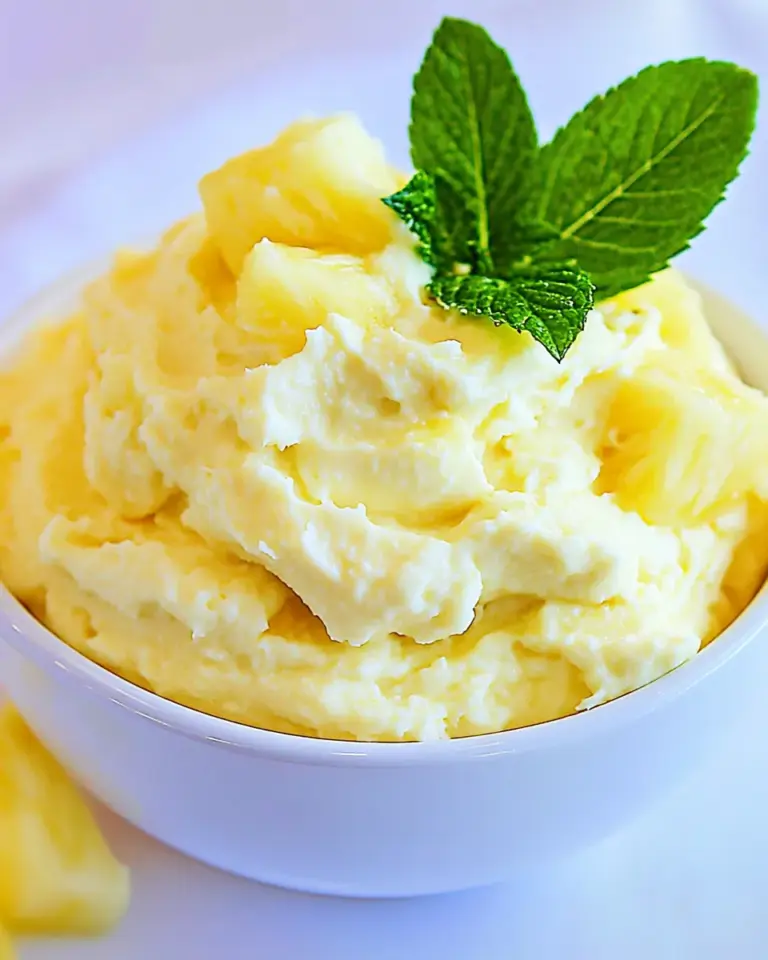
- In a bowl, stir together 1/2 cup low‑fat Greek yogurt, 1 cup low‑fat ricotta, the lemon zest, 2 teaspoons lemon juice, 1/3 teaspoon salt, and 1/2 teaspoon poppy seeds until smooth and evenly combined.
- Arrange the halved potatoes cut‑side up and spoon the lemon poppy ricotta mixture on top of each potato half. Serve.
Why Potatoes with Lemon Poppy Ricotta is Worth Your Time
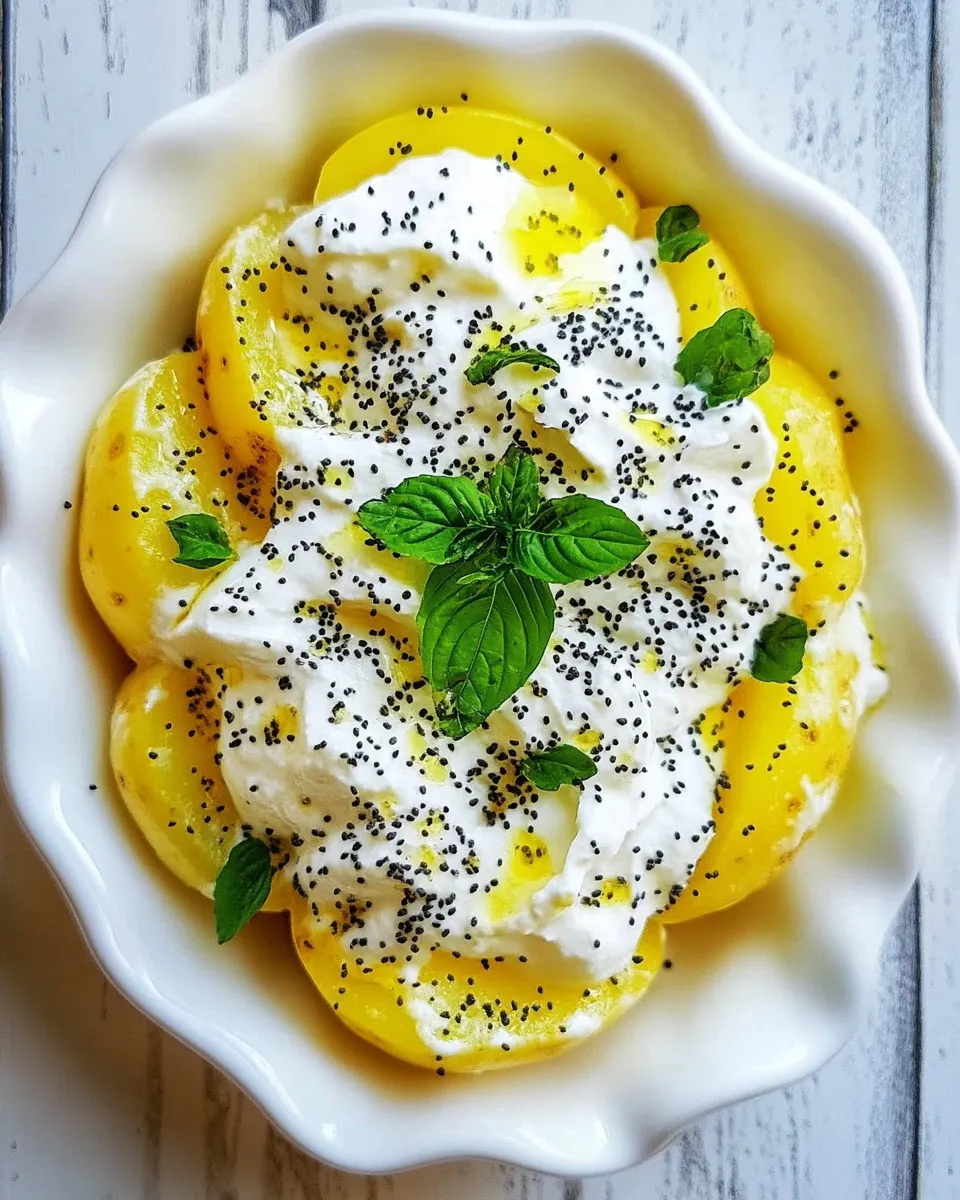
This recipe gives you contrast—creamy and bright against soft potato—with minimal hands-on time. Boiling the potatoes is straightforward, and the ricotta mixture comes together in a single bowl with no cooking required. The result feels gourmet without the fuss.
You can serve it at a casual lunch, as an elegant starter, or as a side alongside roasted fish or grilled vegetables. It’s a reliable recipe when you want something that looks composed but doesn’t demand attention while you’re preparing the rest of the meal.
No-Store Runs Needed
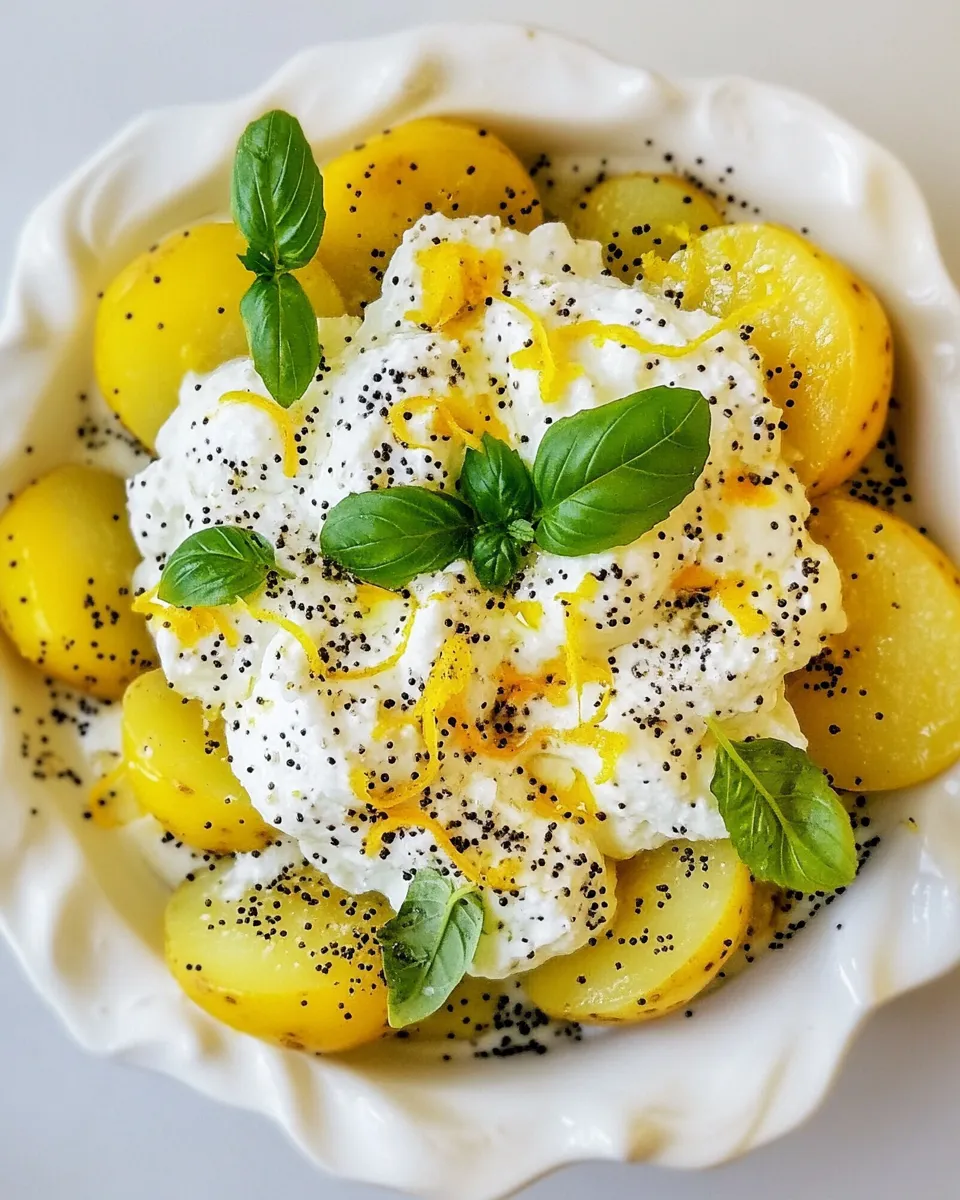
If you have potatoes, ricotta or plain yogurt, a lemon, salt, and poppy seeds in the pantry, you can make this without a last-minute store trip. Most of these items keep well in the fridge or pantry, so keeping a lemon and poppy seeds on hand pays off for quick, bright dishes like this.
If you’re missing poppy seeds or Greek yogurt, the dish will still work—omit the poppy seeds or use the ricotta alone with a touch more lemon juice to compensate.
Must-Have Equipment
- Medium–large pot — for boiling the potatoes evenly.
- Colander or fine strainer — for draining the cooked potatoes.
- Zester or microplane — to get fine lemon zest without the bitter pith.
- Mixing bowl and spoon — for combining the yogurt, ricotta, and seasonings.
- Measuring spoons and cups — to keep the lemon juice and salt balanced.
Slip-Ups to Skip
- Don’t overcook the potatoes. They should be tender but not falling apart; overcooking makes them waterlogged and hard to plate neatly.
- Avoid adding too much lemon juice. The recipe calls for 2 teaspoons; more can overpower the ricotta and change the texture.
- Skip serving immediately from the pot. Let the potatoes cool just enough to handle so they don’t collapse when you spoon the ricotta on top.
- Don’t forget to zest before juicing the lemon. It’s easier and you won’t lose any zest to the juicing process.
Tailor It to Your Diet
Because the recipe already uses low‑fat dairy, it’s naturally on the lighter side. If you prefer richer texture, swap in full‑fat ricotta or full‑fat Greek yogurt in the same amounts—no other changes required. If you want to reduce dairy, use slightly more Greek yogurt and less ricotta to keep it spoonable, but note this shifts the texture.
If you’re keeping an eye on sodium, taste the ricotta mixture before adding the full 1/3 teaspoon of salt; some store-bought ricotta is saltier than others. For a little more crunch without adding ingredients not listed, increase the poppy seeds modestly to 3/4 teaspoon.
Method to the Madness
Here’s why each step matters. Start with cold water when boiling potatoes so they heat evenly from the inside out. Bringing the whole pot to a boil before reducing prevents a tough exterior and mushy interior. Simmering at medium heat for about 20 minutes gives consistent tenderness depending on potato size.
Zesting the lemon first captures fragrant oils—those little oils are what brightens the ricotta beyond simple acidity. Measure 2 teaspoons of lemon juice: it adds lift and cuts the dairy’s creaminess so the mixture tastes fresh, not heavy. The Greek yogurt adds tang and helps the ricotta spread without being too dense; the salt ties the flavors together and the poppy seeds lend the tiny distraction of texture that makes every bite more interesting.
Assembly tips
- Arrange the potatoes cut-side up so each half holds a neat spoonful of ricotta.
- If you want a smoother topping, briefly whisk the ricotta mixture until silky rather than just folding it once.
- Serve warm or at room temperature; the flavors settle nicely if made ahead and allowed to rest briefly before plating.
Shelf Life & Storage
Store leftover ricotta mixture in an airtight container in the refrigerator for up to 2 days. The potatoes themselves will keep for 2–3 days when stored separately; assembled potatoes glazed with the ricotta are best eaten the same day to maintain presentation and texture.
If you must prepare components ahead, cook and cool the potatoes, and keep the ricotta mixture chilled. Reheat potatoes gently (steam or microwave in short bursts) until warm, then spoon the chilled ricotta on top just before serving.
Frequently Asked Questions
- Can I use whole potatoes instead of halving them? You can, but halving keeps cooking time predictable and creates a flat surface to hold the ricotta.
- Can I make the ricotta mixture ahead? Yes. Make it up to 48 hours in advance; give it a quick stir before using. If it seems a bit thick after refrigerating, stir in a small splash of water or a touch more yogurt to loosen it.
- What if I don’t have poppy seeds? The recipe still works without them; they add texture and visual interest but aren’t essential to the core flavor.
- Are these meant to be served warm or cold? Both work. Warm potatoes with cool ricotta make a nice contrast; room-temperature is also pleasant and makes the dish easier to serve at a gathering.
- Can I double the recipe? Yes. Keep proportions the same and cook potatoes in batches if they don’t fit comfortably in your pot. Combine larger batches of the ricotta mixture in a bigger bowl.
Time to Try It
Make this on a day you want an unfussy recipe that still looks thoughtful on the plate. It’s fast, forgiving, and scaled for a few servings—exactly the kind of small recipe I turn to when I want something simple but memorable. Follow the steps, measure the lemon, and don’t rush the cooling: those few minutes make the final plating clean and satisfying.
Take your time spooning the ricotta on each potato half. A careful presentation makes all the difference—this dish rewards a small, patient finish. When you serve it, notice how the lemon brightens the potatoes and how the poppy seeds give that tiny, satisfying crunch. Enjoy, and come back to tweak quantities to match your taste; cooking is always a conversation.

Potatoes with Lemon Poppy Ricotta
Ingredients
Ingredients
- 3 potatoesbig peeled and halved
- 1/2 cupGreek yogurtlow-fat
- 1 cupricottalow-fat
- 1 lemonzested
- 2 teaspoonslemon juice
- 1/3 teaspoonsalt
- 1/2 teaspoonpoppy seeds
Instructions
Instructions
- Place the 3 peeled, halved potatoes in a medium–large pot and add cold water to cover them by about 1 inch. Bring to a boil over high heat.
- Reduce heat to medium and simmer until the potatoes are tender when pierced with a fork, about 20 minutes. Drain and let the potatoes cool until they are cool enough to handle.
- Zest the 1 lemon, then juice it and measure 2 teaspoons of lemon juice.
- In a bowl, stir together 1/2 cup low‑fat Greek yogurt, 1 cup low‑fat ricotta, the lemon zest, 2 teaspoons lemon juice, 1/3 teaspoon salt, and 1/2 teaspoon poppy seeds until smooth and evenly combined.
- Arrange the halved potatoes cut‑side up and spoon the lemon poppy ricotta mixture on top of each potato half. Serve.
Equipment
- Pot
- Colander
- Bowl
- Spoon