Pineapple-Coconut Macaroons
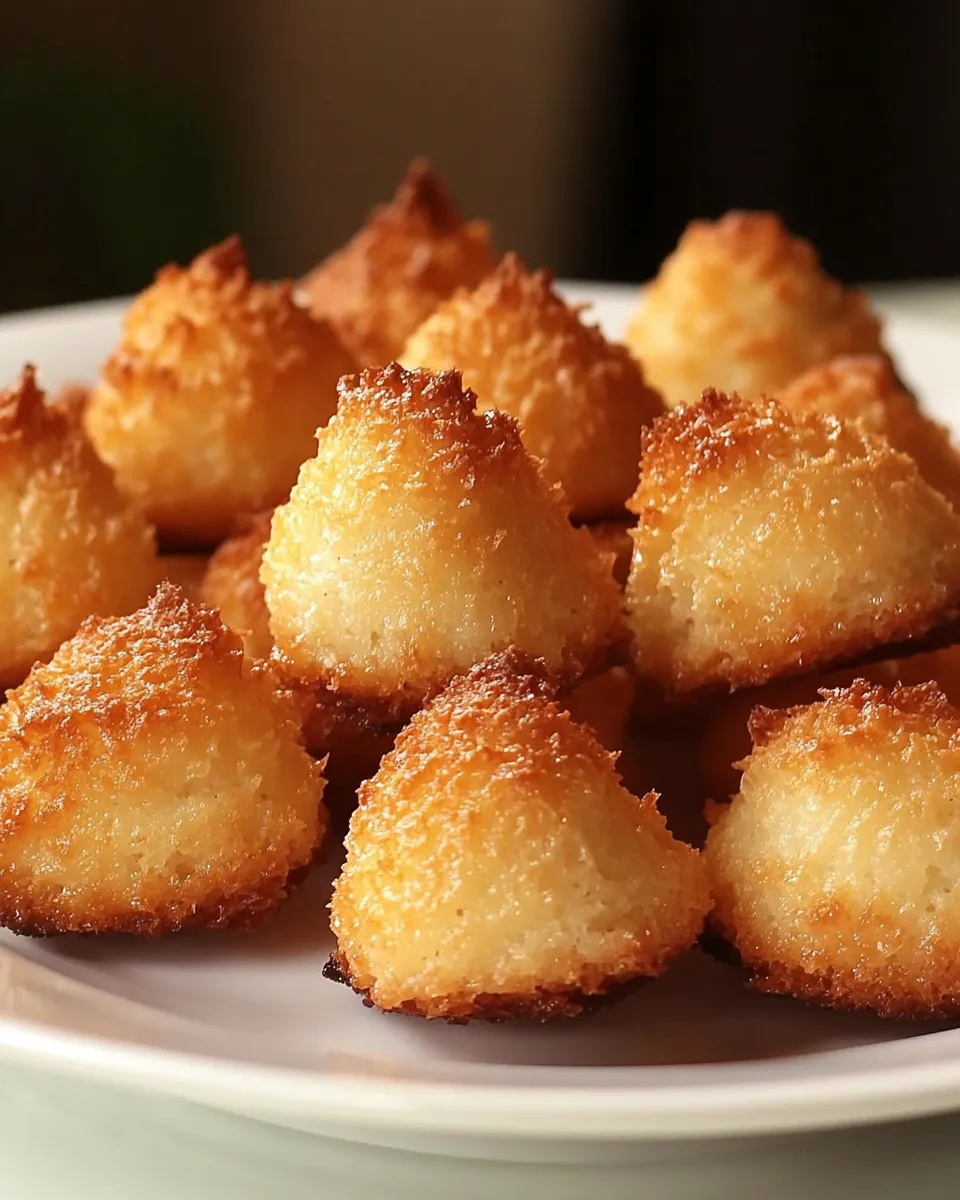
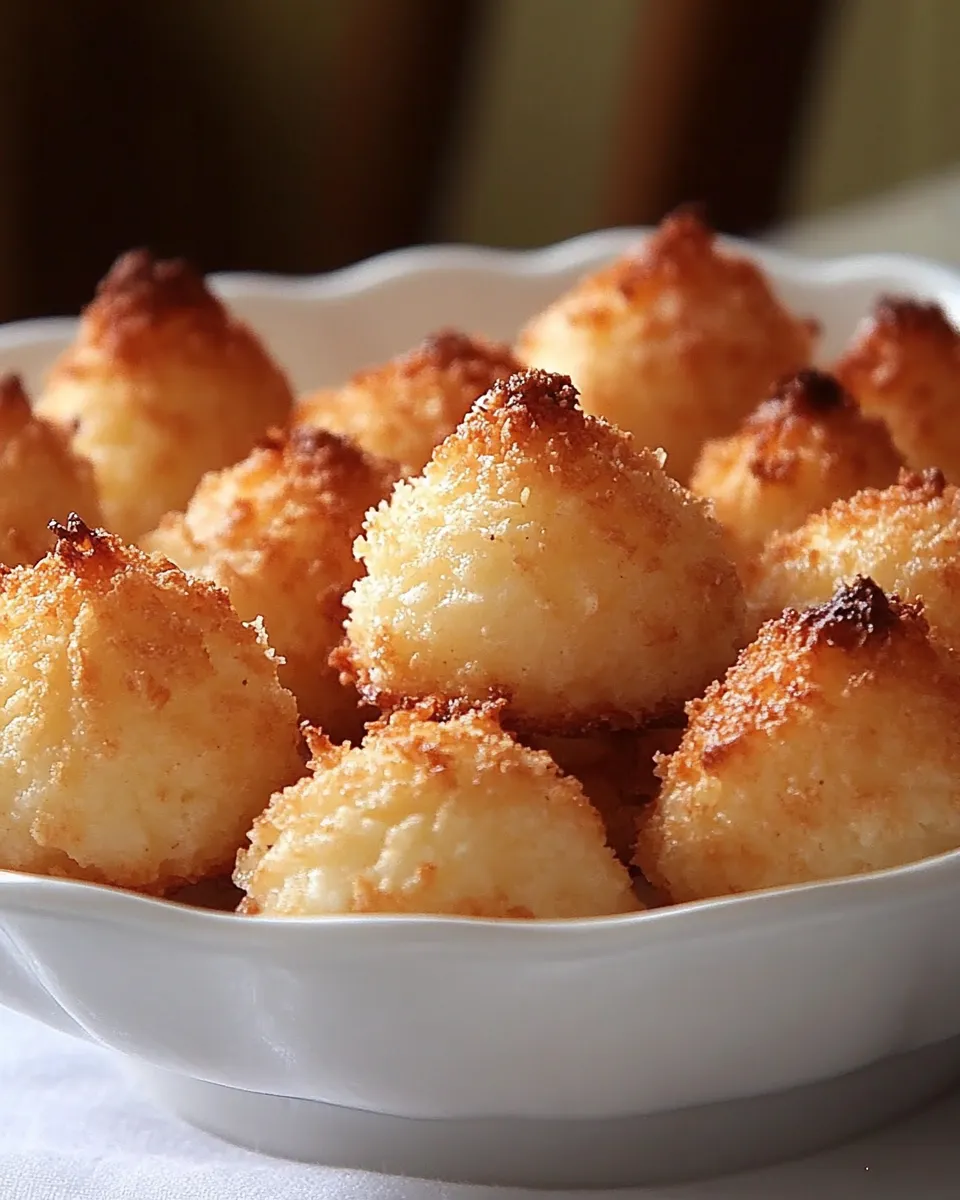
These macaroons are the kind of small, honest cookies that make people ask for the recipe without you having to offer it. They’re chewy, sweet, and carried by two simple tropical flavors: caramelized pineapple and toasted coconut. No fuss with almond paste or tempering chocolate — just a skillet, a can of pineapple, and a few pantry basics.
I tested this version until the texture felt right: the pineapple must cook down to a sticky, slightly browned jam before it meets the coconut and egg whites. That step concentrates the fruit’s flavor and prevents the macaroons from spreading or becoming soggy. The result is a golden outside with a tender, chewy inside.
If you like desserts that feel homemade but travel well to potlucks and picnics, these Pineapple-Coconut Macaroons will become one of your go-to treats. I’ll walk you through the ingredients and the exact steps, then share troubleshooting tips, storage advice, and seasonal serving ideas so you can make them confidently every time.
What Goes Into Pineapple-Coconut Macaroons

- One 20 ounce can (about 600g) crushed unsweetened pineapple — the flavor base; you’ll cook this down until it’s sticky and caramelized to concentrate sweetness and remove excess moisture.
- 1 cup (200g) sugar — helps caramelize the pineapple and stabilize the macaroons; it also adds structure once the mixture cools slightly.
- pinch of salt — brightens flavors and balances the sweetness.
- 3 1/2 cups (245g) dried unsweetened shredded coconut — provides the body and chew; unsweetened coconut keeps the sweetness level balanced and lets the pineapple shine.
- 3 large egg whites — bind the mixture and give the macaroons structure and lift; whisk gently if needed but do not overbeat.
- 1/2 teaspoon vanilla extract — rounds the flavors and lifts the tropical notes without overpowering them.
The Method for Pineapple-Coconut Macaroons
- Preheat the oven to 350ºF (180ºC). Line a baking sheet with parchment paper and set aside.
- Pour the entire 20-ounce can of crushed pineapple into a wide skillet (preferably nonstick). Add the 1 cup (200 g) sugar and the pinch of salt. Stir to combine.
- Cook over medium heat, stirring frequently. Continue until the pineapple liquid has evaporated and the mixture becomes thick, sticky, and just begins to brown. Stir more constantly as it thickens to prevent sticking or burning.
- Remove the skillet from the heat and scrape the caramelized pineapple into a large bowl. Let the mixture cool until it is warm but not hot to the touch (so it will not cook the egg whites).
- Add the 3 1/2 cups (245 g) shredded coconut to the warm pineapple and stir to combine.
- Add the 3 large egg whites and 1/2 teaspoon vanilla extract to the pineapple-coconut mixture. Mix until evenly combined. If the mixture is hard to stir, use a stand mixer fitted with the paddle attachment or your clean hands.
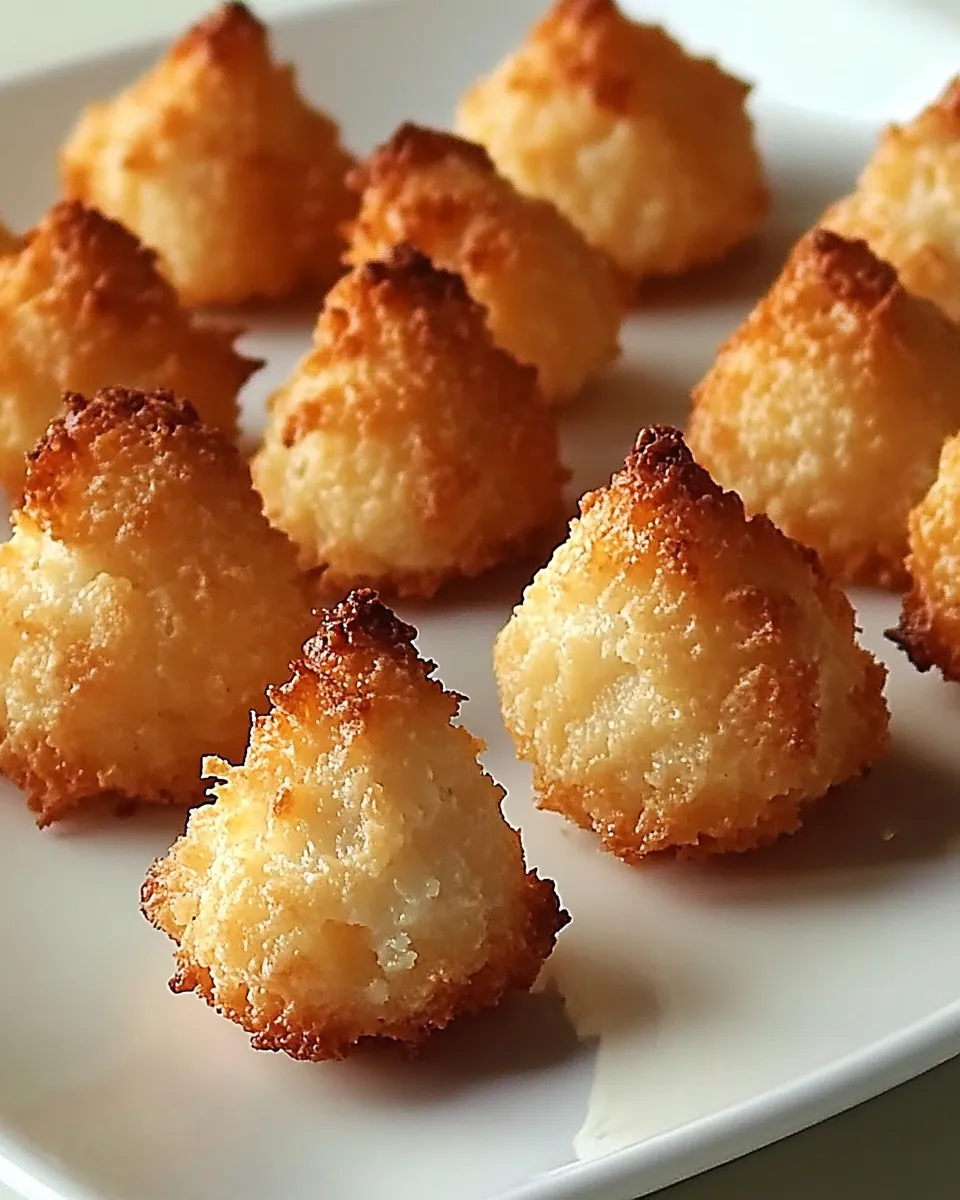
- Using your hands, gather portions of the mixture about the size of an unshelled walnut and shape each into a round or pyramid. Place the formed macaroons on the prepared baking sheet, leaving a little space between them.
- Bake for about 30 minutes, rotating the baking sheet halfway through baking. The macaroons are done when they are nicely browned up the sides.
- Remove from the oven and let the macaroons cool on the baking sheet for a few minutes, then transfer to a wire rack to cool completely.
Why This Recipe is a Keeper
This recipe earns its spot in my rotation for three reasons: flavor, texture, and reliability. Caramelizing the pineapple concentrates its sweetness and gives a deeper, almost toffee-like note that plays perfectly with toasted coconut. The egg whites bind without weighing the cookies down, so you get chew without density.
It’s also forgiving. The ingredients are straightforward and inexpensive. You don’t need specialty tools, and the process scales up well if you want to bake a double batch for a party. Finally, the macaroons travel and store well; they won’t wilt in a picnic basket or on the counter for a day or two.
The flavor profile is approachable but distinct. People used to standard coconut macaroons will appreciate the bright pineapple lift, while those who prefer fruit-forward sweets will find these satisfyingly substantial.
Healthier Substitutions
- Sugar — if you want less refined sugar, try reducing the sugar by up to 25% and test for sweetness; note that sugar is part of what caramelizes the pineapple, so texture and color will differ.
- Egg whites — there’s no direct single-ingredient substitute that preserves texture perfectly, but aquafaba (chickpea brine) can sometimes work as a vegan binder; I don’t provide a tested ratio here, so proceed cautiously if you try it.
- Coconut — shredded coconut carries most of the cookie’s character. If you need lower fat, some people mix 1/2 cup of desiccated coconut with the shredded to reduce chew, but that changes texture noticeably.
- Fruit — this technique works with other canned fruits that can be cooked down (mango, pear), but pineapple’s acidity and fiber are ideal for holding shape and balancing sweetness.
Equipment at a Glance
- Wide skillet (nonstick preferred) — for reducing the pineapple evenly and preventing sticking.
- Large bowl — to combine the warm pineapple with coconut and egg whites.
- Baking sheet and parchment paper — parchment prevents sticking and makes cleanup easy.
- Wire rack — for cooling and preventing steam from making the bottoms soggy.
- Stand mixer (optional) — handy if the mixture is tough to stir by hand; use paddle attachment as recommended.
What Not to Do
- Don’t skip cooking down the pineapple. Using the pineapple straight from the can will leave too much moisture and produce flat, soggy macaroons.
- Don’t add the egg whites while the pineapple is hot. Hot fruit will partially cook the egg whites and change the texture; wait until the mixture is warm, not hot.
- Don’t overpack the macaroons on the sheet. Give them a little space so air circulates and they brown evenly.
- Don’t underbake to save time. These need the full baking time to brown and set properly; underbaked macaroons can fall apart when cool.
Spring to Winter: Ideas
These macaroons adapt well to seasons and serving styles. In spring and summer, serve them slightly warm with a scoop of passion fruit or mango sorbet for a bright dessert. Late spring brunches like the tropical touch—pair them with strong coffee or a cold-brew iced latte.
In fall and winter, let them stand with a cup of spiced tea or chai. If you want to make them feel richer, dip the bottoms in melted dark chocolate and let them set. Add a sprinkle of flaky sea salt after the chocolate sets for a better balance of sweet and savory.
For holiday trays, alternate plain macaroons with chocolate-dipped ones and add small garnishes—candied ginger or a tiny shard of crystallized pineapple—so the platter looks varied while you keep the core recipe the same.
What Could Go Wrong
Most problems fall into a few predictable categories: too wet, too dry, or flavor issues. If the mixture is too wet after combining with coconut, the pineapple wasn’t reduced enough. Return it to low heat to evaporate more liquid. If it dries out and crumbles, you either overcooked the pineapple or added too much coconut; a splash of warm pineapple syrup (from a quick reduce of a little canned juice) can revive the mixture.
If the macaroons flatten and spread, it’s usually because the pineapple was too runny or the egg whites were not binding properly. Make sure you wait until the fruit is just warm before adding egg whites and shape them firmly with your hands. If they brown on the tops but remain gooey inside, check your oven temperature with a thermometer—ovens vary, and a lower temp can lengthen baking time without encouraging browning.
Burning is an avoidable issue when you’re reducing pineapple. Stir constantly near the end of the reduce stage and lower the heat if the sugars start to catch. A nonstick skillet helps a lot here.
Best Ways to Store
- Room temperature — store in an airtight container for up to 2 days; keep layers separated with parchment.
- Refrigerator — store up to 1 week in an airtight container; they will firm up and the texture will change slightly but remain tasty.
- Freezer — freeze on a tray until solid, then transfer to a freezer bag for up to 3 months. Thaw at room temperature; avoid microwaving as this will soften them unevenly.
Questions People Ask
- Can I use fresh pineapple instead of canned? Yes, but you’ll need to chop it finely and expect a longer reduce time because fresh pineapple has more juice. The canned crushed pineapple is convenient because it’s already small and cooks down predictably.
- Will these stick to the parchment? Properly reduced pineapple and the egg whites should set and release cleanly from parchment. Use a good-quality paper and avoid underbaking, which can cause sticking.
- Can I make them dairy-free or vegan? The base ingredients are dairy-free. For a vegan version you’d need an egg white substitute like aquafaba; I haven’t tested an exact swap here, so expect some trial and error with texture.
- How do I get them uniformly shaped? Scoop with a small ice cream scoop or measure by weight for consistency. I use my hands and aim for walnut-sized portions; pressing firmly gives the best shape retention while baking.
- Do I have to brown the pineapple? Browning adds depth of flavor and helps remove excess moisture. If you stop before browning, the macaroons will still form but the flavor will be brighter and less caramel-like.
Wrap-Up
Make these Pineapple-Coconut Macaroons when you want a dessert that’s straightforward, portable, and a little different from the typical cookie. Follow the reduce-and-cool rule for the pineapple, measure the coconut, and shape them with intent. The payoff is chewy, caramel-tropical bites that travel well, freeze well, and please a crowd.
Try a batch this weekend. It’s one of those recipes that rewards patience at the skillet and hands-on shaping at the sheet. Once you get the timing right, you’ll find yourself making them again and again — and sharing them, because they disappear fast.
Pineapple-Coconut Macaroons
Ingredients
Ingredients
- One 20 ounce can about 600 gcrushed unsweetened pineapple
- 1 cup 200 gsugar
- pinchof salt
- 3 1/2 cups 245 gdried unsweetened shredded coconut
- 3 large egg whites
- 1/2 teaspoonvanilla extract
Instructions
Instructions
- Preheat the oven to 350ºF (180ºC). Line a baking sheet with parchment paper and set aside.
- Pour the entire 20-ounce can of crushed pineapple into a wide skillet (preferably nonstick). Add the 1 cup (200 g) sugar and the pinch of salt. Stir to combine.
- Cook over medium heat, stirring frequently. Continue until the pineapple liquid has evaporated and the mixture becomes thick, sticky, and just begins to brown. Stir more constantly as it thickens to prevent sticking or burning.
- Remove the skillet from the heat and scrape the caramelized pineapple into a large bowl. Let the mixture cool until it is warm but not hot to the touch (so it will not cook the egg whites).
- Add the 3 1/2 cups (245 g) shredded coconut to the warm pineapple and stir to combine.
- Add the 3 large egg whites and 1/2 teaspoon vanilla extract to the pineapple-coconut mixture. Mix until evenly combined. If the mixture is hard to stir, use a stand mixer fitted with the paddle attachment or your clean hands.
- Using your hands, gather portions of the mixture about the size of an unshelled walnut and shape each into a round or pyramid. Place the formed macaroons on the prepared baking sheet, leaving a little space between them.
- Bake for about 30 minutes, rotating the baking sheet halfway through baking. The macaroons are done when they are nicely browned up the sides.
- Remove from the oven and let the macaroons cool on the baking sheet for a few minutes, then transfer to a wire rack to cool completely.
Equipment
- Baking Sheet
- Parchment Paper
- Skillet
- Mixing Bowl
- Wire Rack
- Stand mixer (optional)
Notes
Storage:
These cookies are best served the day they’re made, since over time, they’ll lose their slightly crunchy crusts. You can store the batter up to five days in the refrigerator and bake them off as desired.
Notes:
Unsweetened coconut is available in shops that specialize in ethnic ingredients and in natural food stores. It’s also available online on
Amazon
.
I’ve not tried this recipe using sweetened coconut flakes since it often contains additives and preservatives. So do try to seek out unsweetened shredded coconut, which is sometimes called dessicated coconut.
Eagle-eyed readers will note that I baked these on foil, since I was using a kitchen that wasn’t mine. You can use it as well, although I prefer parchment paper.