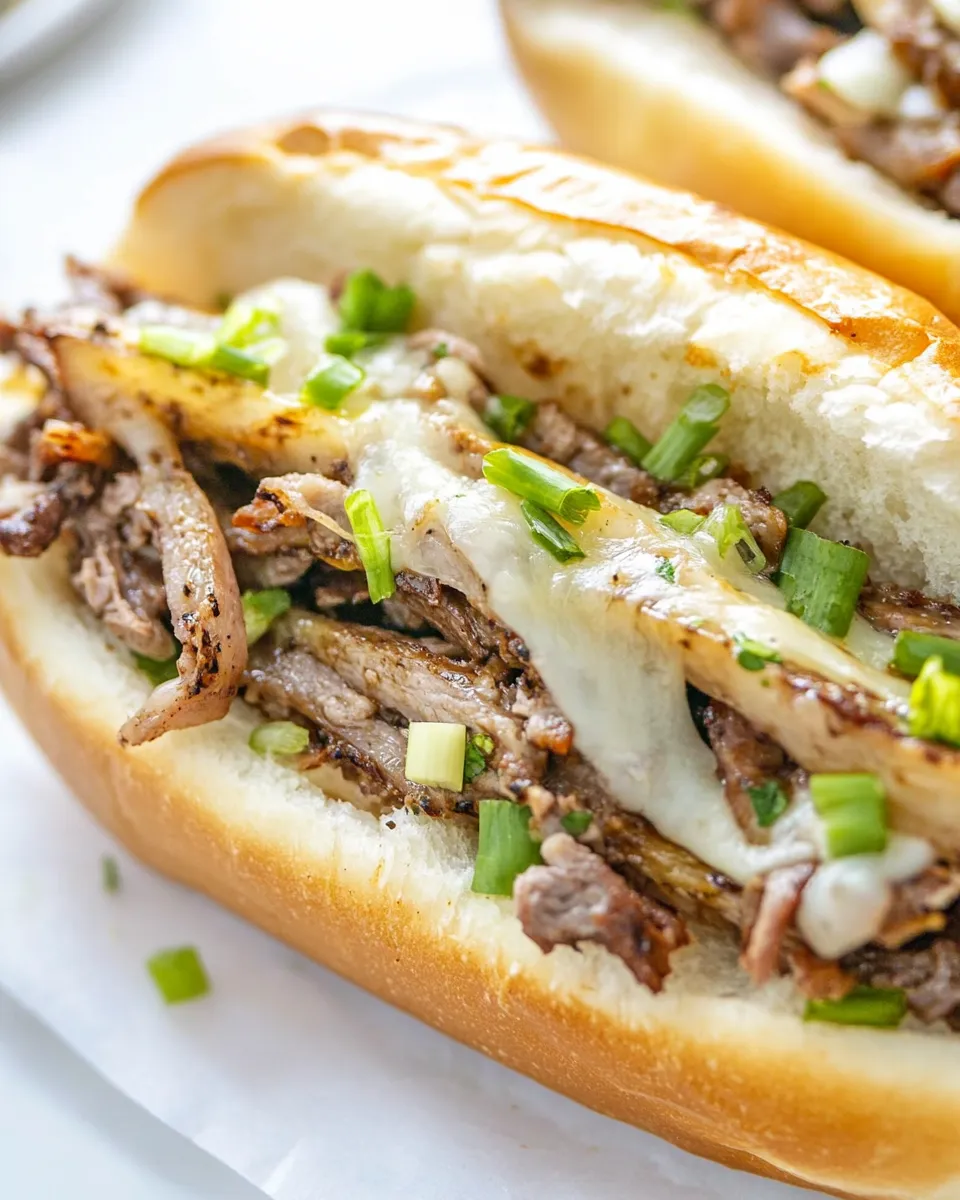
Philly Cheesesteak
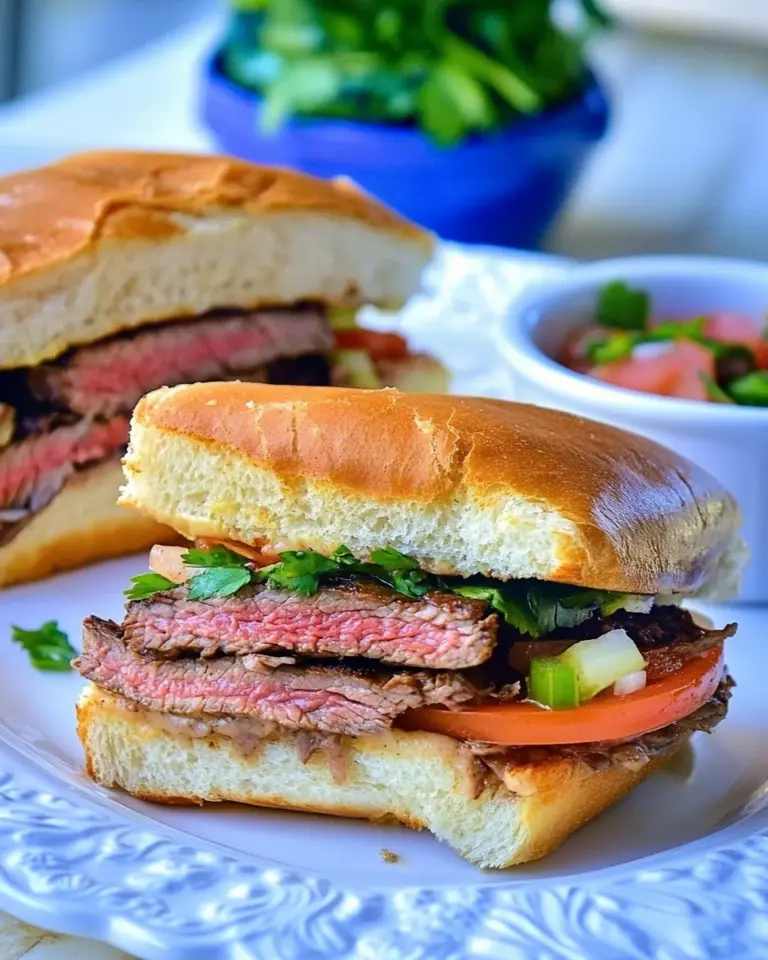
I fell in love with the Philly cheesesteak the first time I watched a cook stack thin ribbons of steak and melty cheese into a warm roll. It’s a sandwich that’s all about simple techniques done right: paper-thin beef, quick sear, well-browned vegetables, and a blanket of cheese that brings everything together. No fuss, big flavor — and entirely achievable at home.
This recipe pulls that street-sandwich magic into a straightforward kitchen method you can replicate any night of the week. I’ll walk you through what to buy, how to slice and sear the meat, and how to avoid the little mistakes that turn a good sandwich into a great one. Practical tips are included along the way so your sandwiches come out consistent and irresistible.
Read straight through for the full method, or jump to the section you need — ingredients, step-by-step instructions, storage notes, or troubleshooting. Let’s get that sizzle right and make a sandwich you’ll want to share (or not — no judgement here).
What Goes Into Philly Cheesesteak

Ingredients
- 1 pound (450g) ribeye steak Note 1 — The star ingredient; ribeye has fat and flavor that keeps the meat tender and juicy when sliced thin.
- 4 hoagie rolls Note 2 — Soft but sturdy rolls that hold the filling without falling apart; split but keep a hinge for easier assembly.
- 2 tablespoons butter, softened — Used to toast the cut sides of the rolls for flavor and a little crunch.
- 4 teaspoons canola oil, divided — Neutral oil for cooking vegetables and meat; divided so you can control browning in stages.
- ½ teaspoon salt — Simple seasoning for the steak; added during cooking to enhance the beef’s flavor.
- ¼ teaspoon ground black pepper — A light finish seasoning for the steak; balances the salt and fatty meat.
- 1 medium yellow onion, thinly sliced — Adds sweetness and texture when sautéed until translucent and lightly browned.
- 1 green bell pepper, thinly sliced — Optional crunch and brightness; sautés with the onion for balance.
- 8 ounces mushrooms, sliced — Earthy flavor and extra volume; cook until lightly browned with the other vegetables.
- 8 slices provolone cheese Note 3 — Melts cleanly and gives that smooth, mild cheesesteak finish; divided so each sandwich gets two slices.
Make Philly Cheesesteak: A Simple Method
- Slice the ribeye very thinly across the grain into short strips. Lay the knife perpendicular to the direction of the muscle fibers and slice thinly so the meat will be tender when cooked.
- Cut each hoagie roll lengthwise, keeping one long side attached as a hinge. Spread the 2 tablespoons softened butter evenly on the cut sides.
- Heat a large skillet over medium heat. Place the buttered, cut sides of the rolls down in the skillet and toast until lightly browned and golden, about 1–2 minutes. Remove rolls from the skillet and set aside, keeping them warm.
- Wipe the skillet if there is excess butter or crumbs, then heat 2 teaspoons of the canola oil in the same skillet over medium-high heat. Add the sliced onion, green bell pepper, and sliced mushrooms. Sauté, stirring occasionally, until the vegetables are lightly browned and the onion is translucent, about 5–7 minutes. Transfer the cooked vegetables to a plate and set aside.
- In the same skillet, heat the remaining 2 teaspoons canola oil over medium-high-high heat. Spread the steak strips in a single layer in the skillet (work in batches if needed to avoid crowding). Cook undisturbed 1–2 minutes until the underside is browned, flip the strips, then sprinkle the meat with the ½ teaspoon salt and ¼ teaspoon ground black pepper. Cook an additional 1–2 minutes until the steak is cooked through.
- Return the cooked vegetables to the skillet with the steak and stir to combine evenly. Remove the skillet from the heat.
- Arrange the 8 slices of provolone over the hot steak-and-vegetable mixture (divide evenly so each sandwich will get two slices). Cover the skillet with a lid or a large piece of foil and let sit about 1 minute until the provolone has melted.
- Open the toasted hoagie rolls and evenly divide the warm cheesy steak-and-vegetable mixture among the 4 rolls. Serve immediately.
Why You’ll Love This Recipe
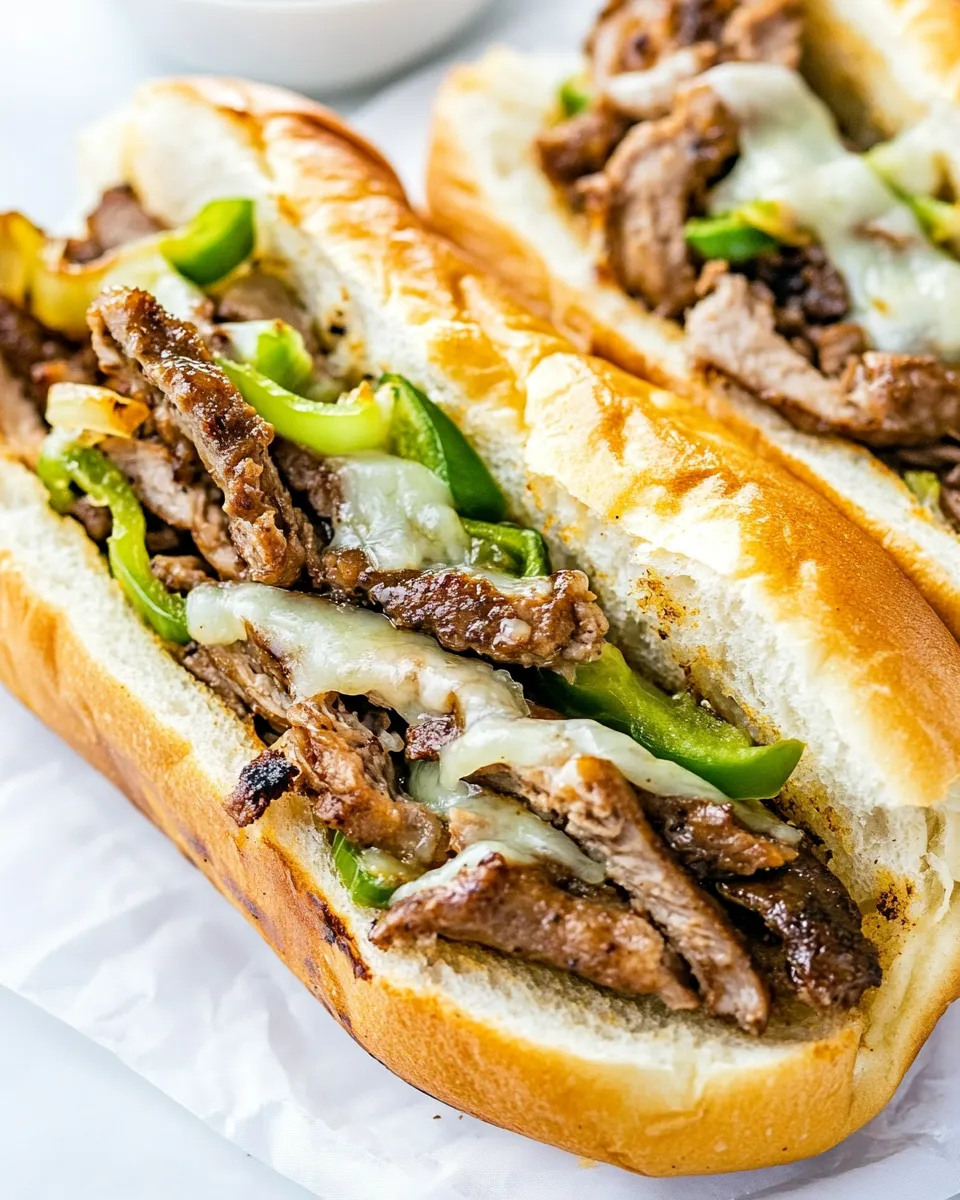
This method gives you three things every great cheesesteak needs: tender, well-seasoned meat; sweet, caramelized vegetables; and melted cheese that ties everything together. Slicing the ribeye across the grain and very thinly is the key to tenderness — it makes each bite easy to eat and consistently tender. Toasting the rolls in butter creates contrast: crisp edges with soft interior.
The recipe is forgiving. Work in batches so you get proper browning on the steak instead of steaming it, and keep flavors focused — a little salt and pepper is enough when the meat and cheese are good. Plus, it’s a quick meal. From skillet to sandwich, you’re looking at a fast dinner that still feels elevated.
International Equivalents
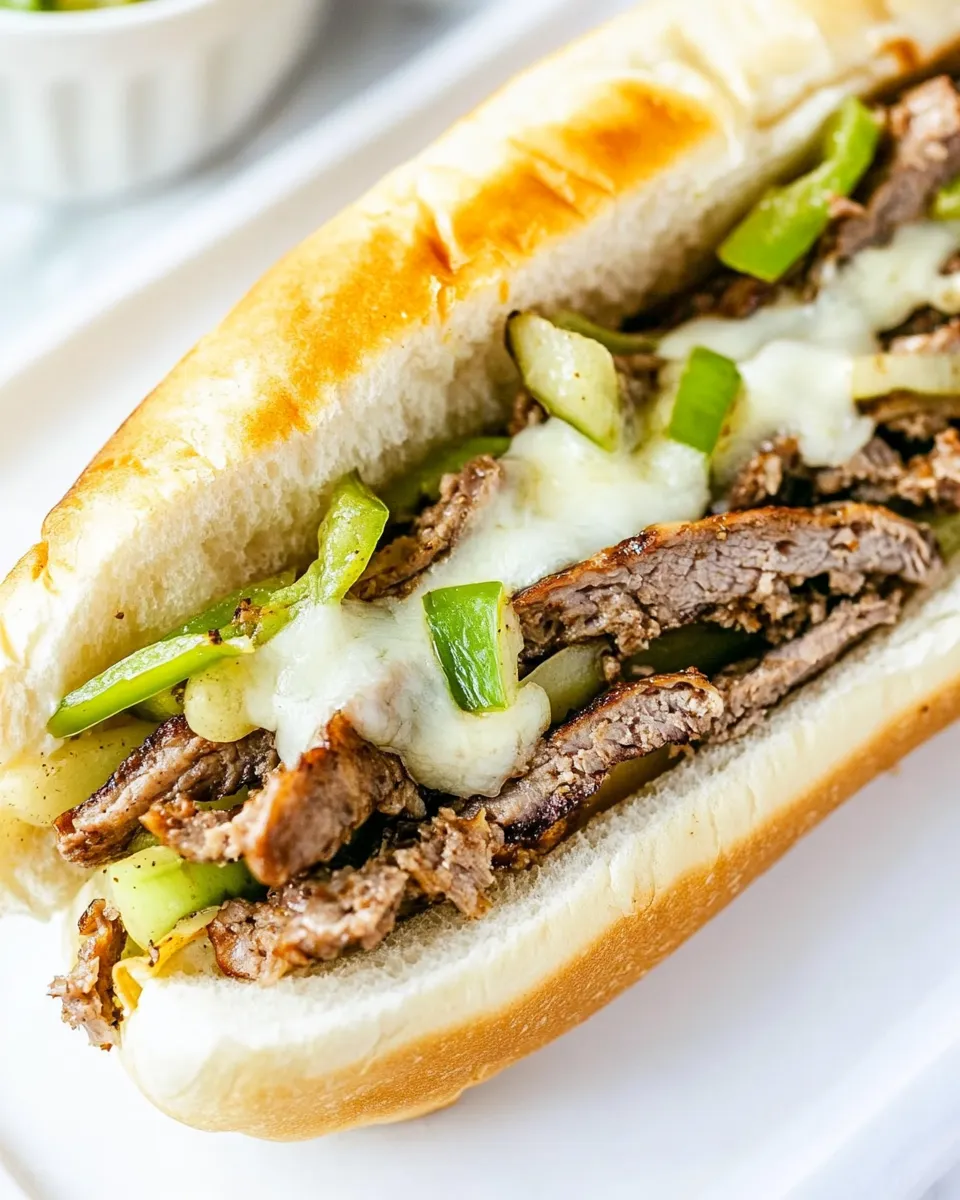
Sandwiches that center on thinly sliced, quickly cooked meat and melted cheese exist around the world. The closest relatives to the Philly cheesesteak are regional beef-roll sandwiches and steak sandwiches that follow the same formula: a soft roll, thin beef, lightly sautéed vegetables, and cheese.
Where availability differs, cooks swap in comparable local breads and melting cheeses. The principle stays the same: high-heat, quick cooking for the meat; soft or crusty roll that can hold juices; and a melting cheese to bind. If you can’t find hoagie rolls, any sturdier roll from your bakery will do.
Gear Up: What to Grab
Keep the gear simple. A large, heavy skillet (cast iron or stainless steel) is ideal because it holds heat and gives good browning. A very sharp chef’s knife and a large cutting board are essential for slicing the ribeye thinly and safely. Tongs are the best tool for handling steak strips and assembling sandwiches without tearing the rolls.
If you have a mandoline you trust, it can speed up slicing the meat and vegetables but only use it for veggies unless you’re very comfortable. A lid or a sheet of foil for melting cheese is helpful; it traps heat and melts the provolone uniformly without overcooking the steak.
Learn from These Mistakes
Common issues are easy to avoid. The biggest one: crowding the pan. If you pile in all the steak at once, the meat steams and never develops a browned crust. Cook in batches and accept the few extra minutes — the color and flavor are worth it.
Another mistake is slicing the steak with the grain. That yields tough strands of meat. Always slice perpendicular to the muscle fibers, very thinly. Also, don’t skip the step of toasting the rolls — it adds flavor, structure, and prevents the bread from going soggy under the hot filling.
Make It Diet-Friendly
If you want to lighten this up, make small technique changes rather than changing the heart of the recipe. Reduce the butter used to toast the rolls, or wipe the butter off so there’s less on the bread. Use the amount of cheese you enjoy; even one slice per sandwich will give cheese flavor while reducing calories.
Work on portion control at assembly: divide the filling across more rolls for smaller sandwiches, or serve the filling over a bed of salad greens or in lettuce leaves if you want a lower-carb approach. Small swaps like these let you keep the flavors you love while tailoring the sandwich to your goals.
Behind the Recipe
This version is a home-friendly take on the classic. The ribeye’s marbling provides flavor and yields tender slices when cut thin. The vegetables — onions, bell pepper, and mushrooms — are optional in the strict Philadelphia tradition but add sweetness, texture, and volume. Provolone was chosen because it melts cleanly and complements the beef without overpowering it.
I developed the order of operations to maximize browning and minimize fuss. Toast the rolls first so you don’t have to babysit them at the end, cook the vegetables separately so they get their own browning, and keep the steak cooking fast and hot. Little things like wiping the pan between toasts and vegetable cooking keep flavors clean and prevent burning.
Shelf Life & Storage
These sandwiches are best eaten immediately; the contrast of hot filling and toasted roll is part of the charm. If you have leftovers, store the filling (meat, vegetables, and cheese mixed) in an airtight container in the refrigerator for up to 3 days. Reheat gently in a skillet over medium heat until warmed through; cover briefly to re-melt cheese.
To avoid soggy bread, keep leftover roll halves separate and assemble just before eating. Freezing assembled sandwiches is not recommended — the texture of the roll and the cheese will change. If you must freeze, flash-freeze the filling on a tray, then transfer to a sealed container; thaw overnight in the fridge before reheating.
Ask the Chef
Q: Can I use a different cut of beef? A: Yes, but pick a cut with some fat for flavor. The method hinges on slicing very thinly and searing hot and fast.
Q: What if my cheese doesn’t melt well? A: Provolone melts reliably. If a cheese is reluctant, cover the pan longer to trap steam for melting, or place the skillet briefly under a hot broiler for 30–60 seconds — but watch it closely.
Q: Can I make this vegetarian? A: For a vegetarian take, increase the mushrooms and peppers and use a plant-based cheese, but this will be a different sandwich experience. The technique of searing and melting remains useful.
The Takeaway
The Philly cheesesteak is a lesson in simplicity. Focus on technique: thin slicing, high heat, and staged cooking. Toast the roll, caramelize the vegetables, avoid crowding the pan, and melt the cheese just enough to bind. Do those things and you’ll have a sandwich that’s messy, flavorful, and deeply satisfying.
Give this method a try on a weeknight. It’s quick enough for dinner, impressive enough for guests, and reliably delicious. Once you get the hang of the slicing and the pan rhythm, you’ll be making this sandwich again and again — and that’s the best kind of kitchen win.
Philly Cheesesteak
Ingredients
Ingredients
- ?1 pound 450 gribeye steakNote 1
- ?4 hoagie rollsNote 2
- ?2 tablespoonsbuttersoftened
- ?4 teaspoonscanola oildivided
- ?1/2 teaspoonsalt
- ?1/4 teaspoonground black pepper
- ?1 mediumyellow onionthinly sliced
- ?1 green bell pepperthinly sliced
- ?8 ouncesmushroomssliced
- ?8 slicesprovolone cheeseNote 3
Instructions
Instructions
- Slice the ribeye very thinly across the grain into short strips. Lay the knife perpendicular to the direction of the muscle fibers and slice thinly so the meat will be tender when cooked.
- Cut each hoagie roll lengthwise, keeping one long side attached as a hinge. Spread the 2 tablespoons softened butter evenly on the cut sides.
- Heat a large skillet over medium heat. Place the buttered, cut sides of the rolls down in the skillet and toast until lightly browned and golden, about 1–2 minutes. Remove rolls from the skillet and set aside, keeping them warm.
- Wipe the skillet if there is excess butter or crumbs, then heat 2 teaspoons of the canola oil in the same skillet over medium-high heat. Add the sliced onion, green bell pepper, and sliced mushrooms. Sauté, stirring occasionally, until the vegetables are lightly browned and the onion is translucent, about 5–7 minutes. Transfer the cooked vegetables to a plate and set aside.
- In the same skillet, heat the remaining 2 teaspoons canola oil over medium-high-high heat. Spread the steak strips in a single layer in the skillet (work in batches if needed to avoid crowding). Cook undisturbed 1–2 minutes until the underside is browned, flip the strips, then sprinkle the meat with the ½ teaspoon salt and ¼ teaspoon ground black pepper. Cook an additional 1–2 minutes until the steak is cooked through.
- Return the cooked vegetables to the skillet with the steak and stir to combine evenly. Remove the skillet from the heat.
- Arrange the 8 slices of provolone over the hot steak-and-vegetable mixture (divide evenly so each sandwich will get two slices). Cover the skillet with a lid or a large piece of foil and let sit about 1 minute until the provolone has melted.
- Open the toasted hoagie rolls and evenly divide the warm cheesy steak-and-vegetable mixture among the 4 rolls. Serve immediately.
Equipment
- Large Skillet
- Knife
- Cutting Board
- Plate
- Lid
- Aluminum Foil
Notes
When slicing the hoagie rolls, don’t slice all the way through, the buns should be attached from one side. So only slice like ¾ through.
Use American cheese in place of the provolone for a creamier texture. Or smoked provolone cheese for more flavor.