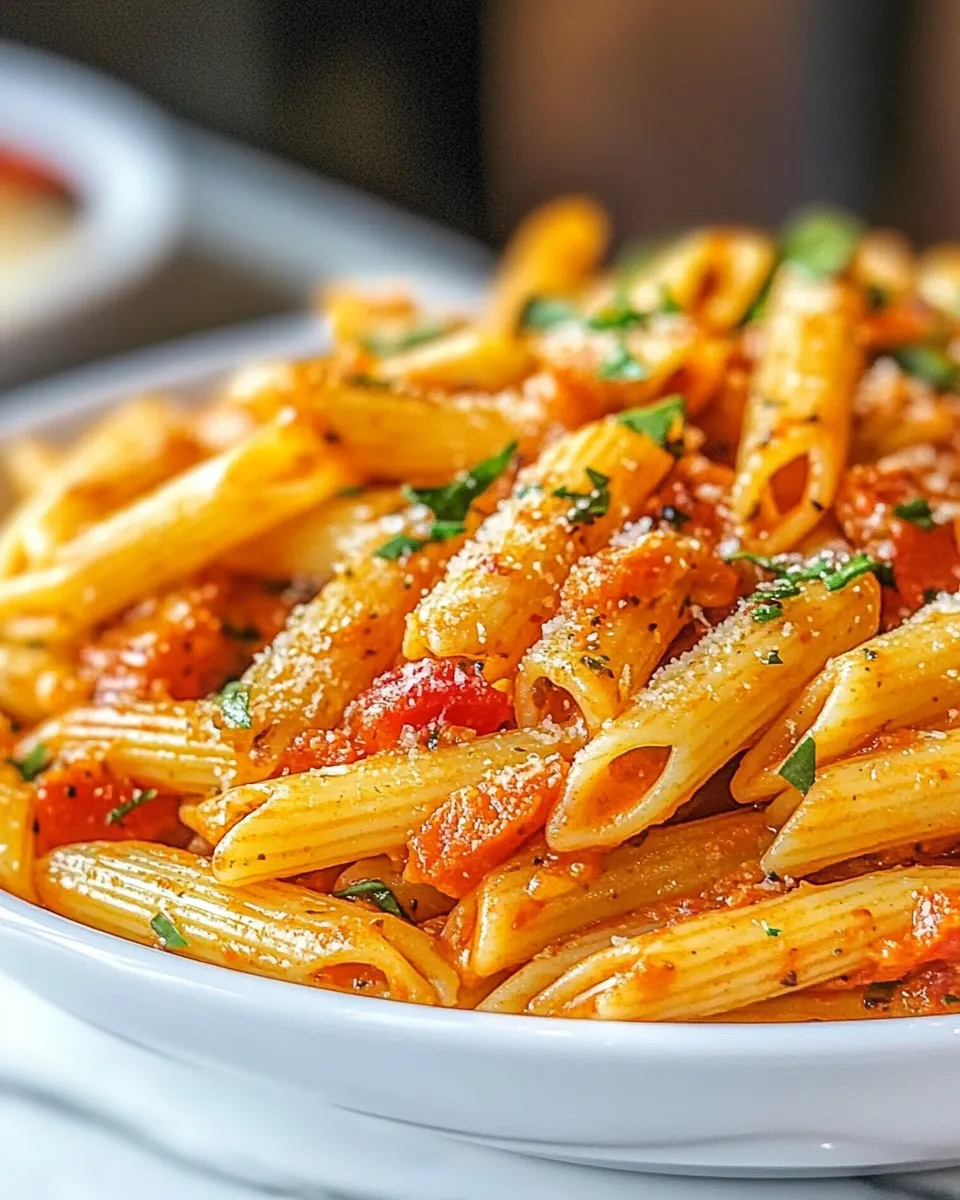
Penne Arrabbiata
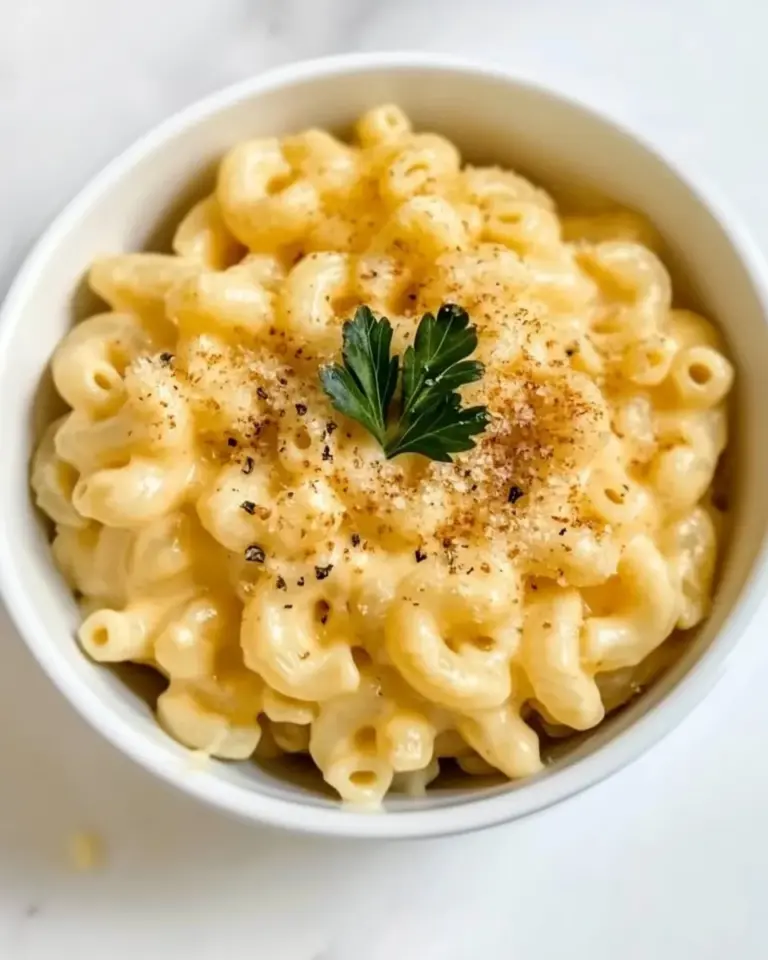
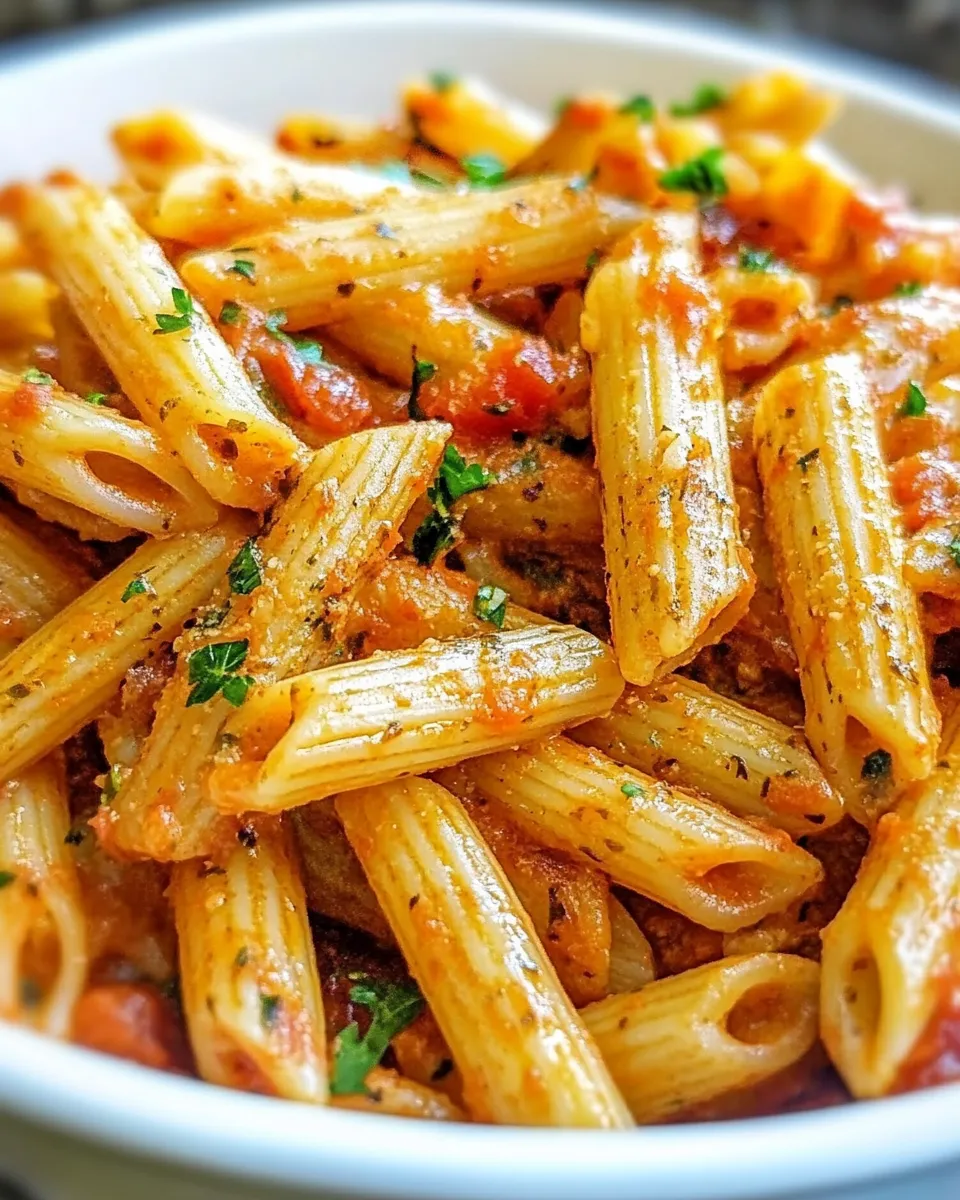
There are dishes that feel like a warm hand on a chilly evening, and Penne Arrabbiata is one of them. It’s simple, bright, and honest: spicy tomato sauce clinging to ridged pasta, a scatter of basil and a dusting of cheese. The kind of plate you can make on a weeknight and still feel like you’ve fed yourself well.
I’ve kept this version straightforward so the flavors sing. A short list of pantry staples, a few careful steps with tomato paste and garlic, and you have a sauce that’s tangy, slightly smoky, and pleasantly peppery. It’s fast, but the technique matters—especially when you caramelize that tomato paste to deepen the sauce.
Below you’ll find the ingredient list, step-by-step directions I use at home, and practical tips for customizing, storing, and rescuing the dish if something goes sideways. No fuss, just a reliably delicious Penne Arrabbiata every time.
Ingredients at a Glance

- 1 (14-ounce can)(400g) whole peeled tomatoes — the sauce base; break them down for texture and flavor.
- 2 tablespoons extra-virgin olive oil — for sautéing and adding richness.
- 1 tablespoon tomato paste — concentrates tomato flavor; browning it builds depth.
- 1 clove garlic minced or crushed — adds aromatic backbone; don’t let it burn.
- ½ teaspoon red pepper flakes — the heat in arrabbiata; adjust to taste.
- ½ teaspoon paprika — adds color and a mild smoky note.
- ½ teaspoon salt — seasons the sauce; you’ll also salt the pasta water.
- ¼ teaspoon ground black pepper — brightens the sauce with peppery detail.
- ¼ cup parmesan cheese or pecorino romano grated, plus extra for serving — melts into the sauce for creaminess and umami.
- 8 oz (225 g) penne pasta — ridged penne holds the sauce well; cook to just al dente.
- 5 fresh basil leaves chiffonaded — folded into the finished pasta for freshness and aroma.
Build Penne Arrabbiata Step by Step
- Bring a medium saucepan to medium heat and add the 2 tablespoons extra-virgin olive oil.
- Add 1 tablespoon tomato paste, ½ teaspoon red pepper flakes, ½ teaspoon paprika, ½ teaspoon salt, and ¼ teaspoon ground black pepper. Cook, stirring occasionally, for 6–7 minutes until the paste darkens to a deep red.
- Add the 1 clove minced or crushed garlic and cook, stirring, about 30 seconds until fragrant (do not let the garlic burn).
- Pour in the 1 (14-ounce/400 g) can whole peeled tomatoes. Break the tomatoes down with a wooden spoon and bring the sauce to a gentle simmer.
- Simmer the sauce, stirring occasionally, until it has thickened, about 10 minutes.
- While the sauce simmers, bring a large pot of water to a boil, add salt (to taste), and cook the 8 oz (225 g) penne pasta according to the package instructions until just al dente. Before draining, reserve some of the hot pasta cooking water.
- Drain the pasta and add it directly to the tomato sauce. Toss or stir to combine, adding a little of the reserved pasta water as needed to reach your preferred sauce consistency.
- Add the ¼ cup grated parmesan cheese (or pecorino romano) to the pasta and sauce, and stir until the cheese melts and the sauce becomes creamy.
- Stir in the 5 chiffonaded fresh basil leaves (or reserve a few for garnish), taste and adjust seasoning if needed, then serve warm with extra grated parmesan cheese.
Why I Love This Recipe
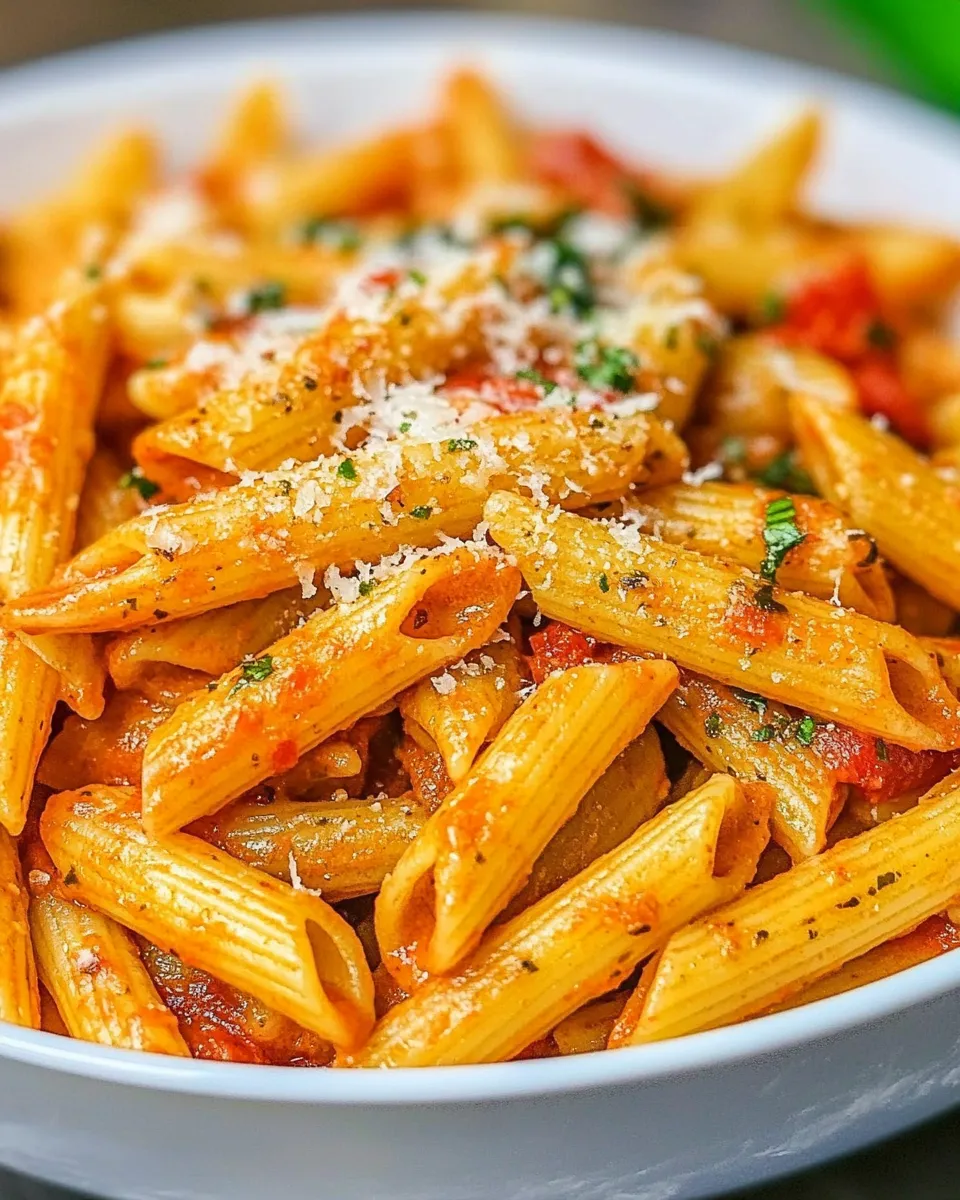
This Penne Arrabbiata is uncomplicated but far from plain. The small things—browned tomato paste, a short simmer to concentrate the tomatoes, tossing the pasta in the sauce with a splash of starchy cooking water—add up to a sauce that’s rich without heavy cream. It’s the kind of dinner that’s ready in under 30 minutes but feels like you took your time.
It’s also very forgiving. Leftover sauce improves in the fridge, and the recipe scales easily for two or a crowd. Plus, those pepper flakes wake up the palate without masking the tomato. I like that contrast: gentle heat, bright tomato, salty cheese, and a herbaceous finish.
Healthier Substitutions
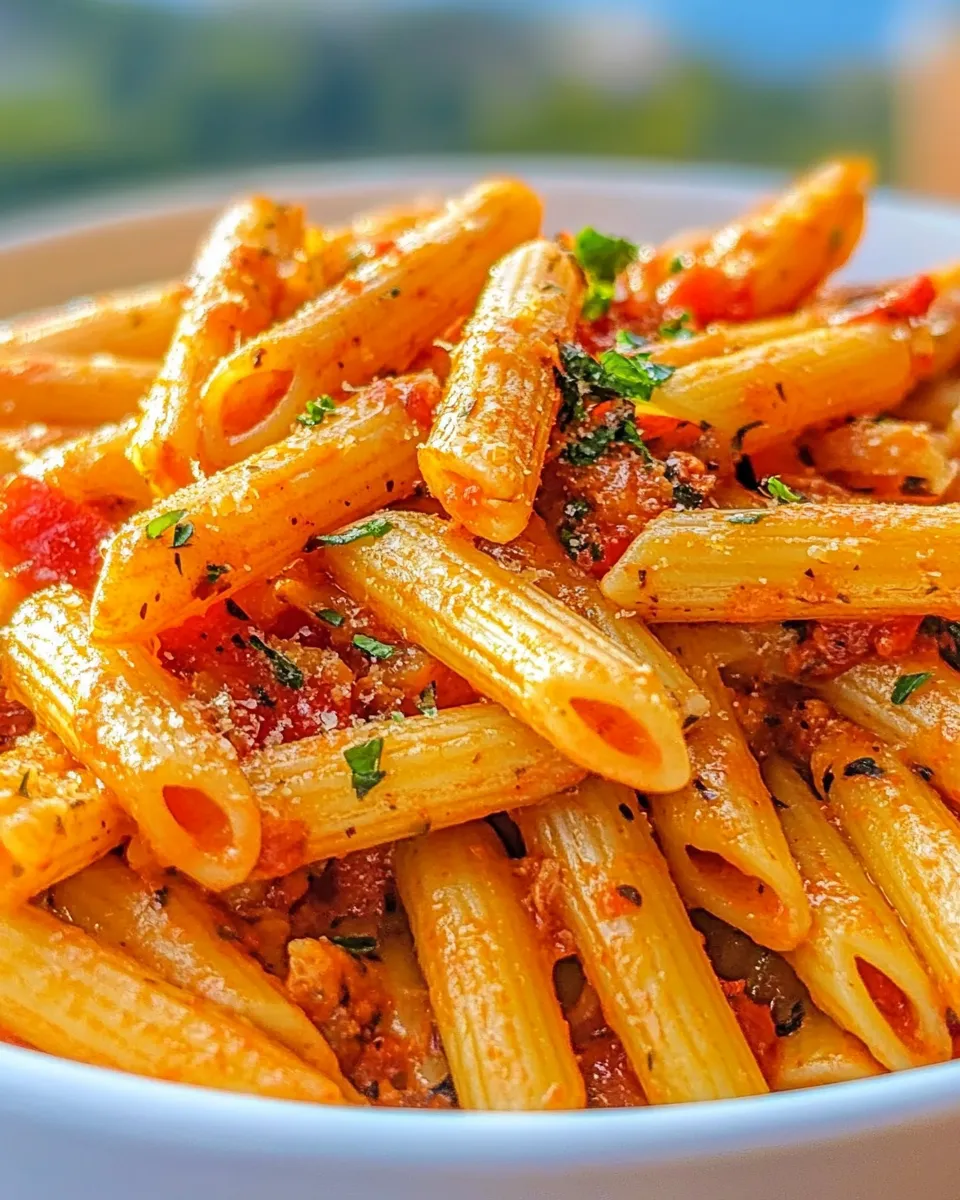
- Swap regular penne for whole-wheat or legume-based penne to increase fiber and protein.
- Use less oil—reduce to 1 tablespoon—and finish with a drizzle of olive oil on the plated dish for flavor.
- Choose pecorino romano sparingly (stronger, saltier) or use a reduced-fat parmesan if you’re watching saturated fat; adjust salt after mixing cheese in.
- Add extra vegetables—spinach, sliced mushrooms, or bell peppers—sautéed briefly before adding the tomato paste to stretch the dish and boost nutrients.
What You’ll Need (Gear)
- Medium saucepan — for building the sauce and simmering evenly.
- Large pot — to boil the pasta with room to move.
- Wooden spoon — for breaking down the canned tomatoes and stirring the sauce.
- Colander — to drain the pasta (reserve some cooking water before draining).
- Microplane or box grater — for freshly grating parmesan or pecorino.
- Tongs or pasta fork — for tossing pasta into the sauce without splashing.
Mistakes That Ruin Penne Arrabbiata
- Not browning the tomato paste: skipping the 6–7 minutes of cooking means the sauce will taste flat and one-dimensional. That step builds deep, caramelized tomato flavor.
- Burning the garlic: add garlic after the paste has browned and cook only briefly. Burned garlic turns bitter and overpowers the sauce.
- Overcooking the pasta: soft pasta won’t hold the sauce. Aim for just al dente since it will finish cooking briefly in the sauce.
- Undersalting the pasta water: the pasta itself needs seasoning. If the water is bland, the whole dish can taste under-seasoned even after you add salt to the sauce.
- Adding too much cheese too soon: add the cheese after the pasta and sauce are combined so it melts into a creamy coating; too early and it won’t incorporate properly.
Customize for Your Needs
Make it heartier: brown some Italian sausage or add sautéed mushrooms before you add the tomato paste. For veg-forward versions, toss in spinach at the end so it wilts just enough.
Turn it extra spicy: increase the red pepper flakes to taste, or add a pinch of cayenne if you want more heat intensity. Keep some flakes on the table so everyone can adjust their plate.
Make it lighter: use less oil and finish with a handful of parsley instead of cheese for a cleaner finish. If you want cream without dairy, stir in a spoonful of blended cashews with a little pasta water to mount the sauce.
Recipe Notes & Chef’s Commentary
Tomato paste is tiny, but it’s the secret: cooking it until it darkens concentrates and sweetens the tomato flavor. Don’t rush it. Stir it every so often and watch the color change to a deeper red—this is when the sauce gains its backbone.
Reserve pasta water. That starchy liquid is a binder; a few tablespoons loosen the sauce and help it cling to the penne. Add it sparingly. You can always add more, but you can’t take it out.
Basil should be added at the end for aroma. If you toss it in too early it will lose its fragrance and turn dull. Chiffonade gives you delicate ribbons that fold into the warm pasta without overwhelming each bite.
If the sauce tastes flat after simmering, a small splash of good quality vinegar (red wine or sherry) can brighten it. Add very little at a time—this is a tweak, not a main ingredient.
How to Store & Reheat
Refrigerate: let the sauce cool, then transfer to an airtight container. It keeps well for 3–4 days. You can store the pasta mixed with sauce or keep them separate; mixed is fine for a day or two, but the pasta will soak up sauce over time.
Freeze: sauce freezes beautifully. Cool completely and freeze in an airtight container for up to 3 months. Thaw overnight in the fridge before reheating. Avoid freezing the pasta if you can; textures change.
Reheat: warm gently on the stovetop over low heat, adding a splash of water or reserved pasta water to loosen the sauce and revive the texture. If reheating in the microwave, cover and heat in short intervals, stirring between bursts to heat evenly.
Ask & Learn
Q: Can I use crushed tomatoes instead of whole peeled tomatoes?
A: Yes. Whole peeled tomatoes give you the option to break them down by hand for varied texture. If you use crushed, the sauce will be slightly smoother but still delicious.
Q: Is the paprika necessary?
A: It adds a subtle smoky, sweet backdrop. If you don’t have it, the arrabbiata will still work with red pepper flakes as the main spice; consider a small pinch of smoked paprika if you want a smoky element.
Q: How spicy will this be?
A: Moderately spicy with the given ½ teaspoon red pepper flakes. Reduce the flakes for a milder version or increase for more heat. Leave extra flakes at the table so everyone can season their own plate.
Final Bite
Penne Arrabbiata is a lesson in getting big flavor from simple ingredients. Browning the tomato paste, properly seasoning the pasta water, and finishing with cheese and basil are small steps that turn a quick sauce into something memorable. Make it as written the first time; then tweak the heat, protein, or pasta shape until it becomes your go-to. Serve with a green salad and a glass of something you enjoy—this is food that’s easy to love.
Penne Arrabbiata
Ingredients
Ingredients
- ?1 14-ounce can(400 g)whole peeled tomatoes
- ?2 tablespoonsextra-virgin olive oil
- ?1 tablespoontomato paste
- ?1 clovegarlicminced or crushed
- ?1/2 teaspoonred pepper flakes
- ?1/2 teaspoonpaprika
- ?1/2 teaspoonsalt
- ?1/4 teaspoonground black pepper
- ?1/4 cupparmesan cheese or pecorino romanograted plus extra for serving
- ?8 oz 225 gpenne pasta
- ?5 fresh basil leaveschiffonaded
Instructions
Instructions
- Bring a medium saucepan to medium heat and add the 2 tablespoons extra-virgin olive oil.
- Add 1 tablespoon tomato paste, ½ teaspoon red pepper flakes, ½ teaspoon paprika, ½ teaspoon salt, and ¼ teaspoon ground black pepper. Cook, stirring occasionally, for 6–7 minutes until the paste darkens to a deep red.
- Add the 1 clove minced or crushed garlic and cook, stirring, about 30 seconds until fragrant (do not let the garlic burn).
- Pour in the 1 (14-ounce/400 g) can whole peeled tomatoes. Break the tomatoes down with a wooden spoon and bring the sauce to a gentle simmer.
- Simmer the sauce, stirring occasionally, until it has thickened, about 10 minutes.
- While the sauce simmers, bring a large pot of water to a boil, add salt (to taste), and cook the 8 oz (225 g) penne pasta according to the package instructions until just al dente. Before draining, reserve some of the hot pasta cooking water.
- Drain the pasta and add it directly to the tomato sauce. Toss or stir to combine, adding a little of the reserved pasta water as needed to reach your preferred sauce consistency.
- Add the ¼ cup grated parmesan cheese (or pecorino romano) to the pasta and sauce, and stir until the cheese melts and the sauce becomes creamy.
- Stir in the 5 chiffonaded fresh basil leaves (or reserve a few for garnish), taste and adjust seasoning if needed, then serve warm with extra grated parmesan cheese.
Equipment
- Saucepan
- Large Pot
- Wooden Spoon
- Colander
Notes
Feel free to add more garlic, I usually use just 1 or 2 large cloves, but adding more will give a garlicky flavor which is also great.
You can use other shapes of short pasta in this dish, but I don’t recommend long shapes such as spaghetti or linguine as the sauce won’t be captured very well and will simply slide off the pasta.
The pasta water is starchy and perfect to thicken pasta sauces, and sometimes to thin out sauces when they dry out. Best to use it instead of normal water, it’s a traditional Italian technique used in cooking pasta.
Servewith extra grated parmesan cheese, a drizzle of extra-virgin olive oil if you like, and garnish with freshly chopped basil leaves or parsley leaves (or both!).
Fridge– store pasta arrabbiata in the fridge in an airtight container for up to 4 days.
Reheat –pasta with sauce always dries out when refrigerated overnight. For the best reheating option, add a splash of water to the pasta then microwave, toss well.
Freeze– I don’t recommend freezing the pasta, but you can make a batch of arrabbiata sauce and freeze it in a sealed container for up to 3 months. Reheat it in a small saucepan on low heat, and toss it with pasta to serve.
Nutrition –is per portion.