Pasta with Peas
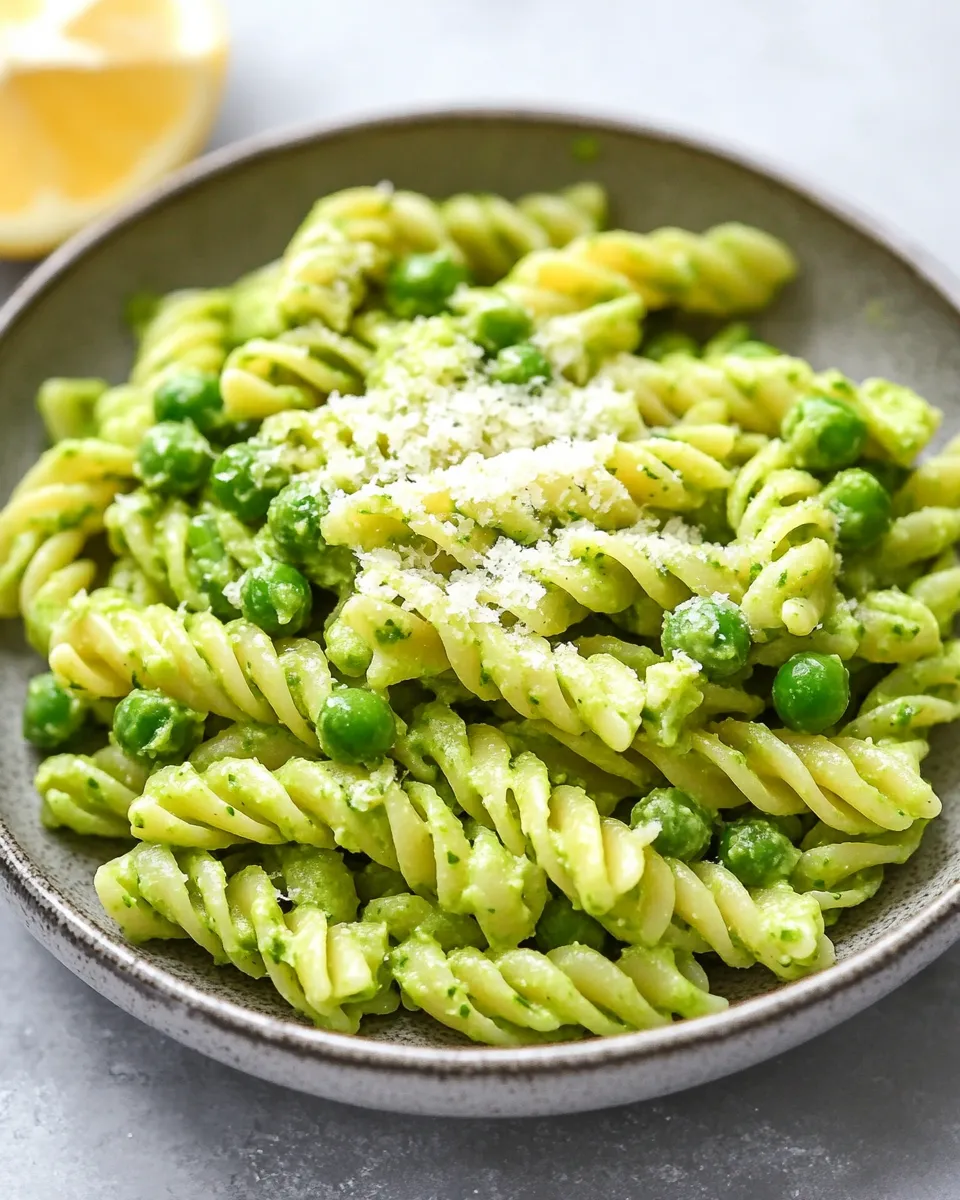
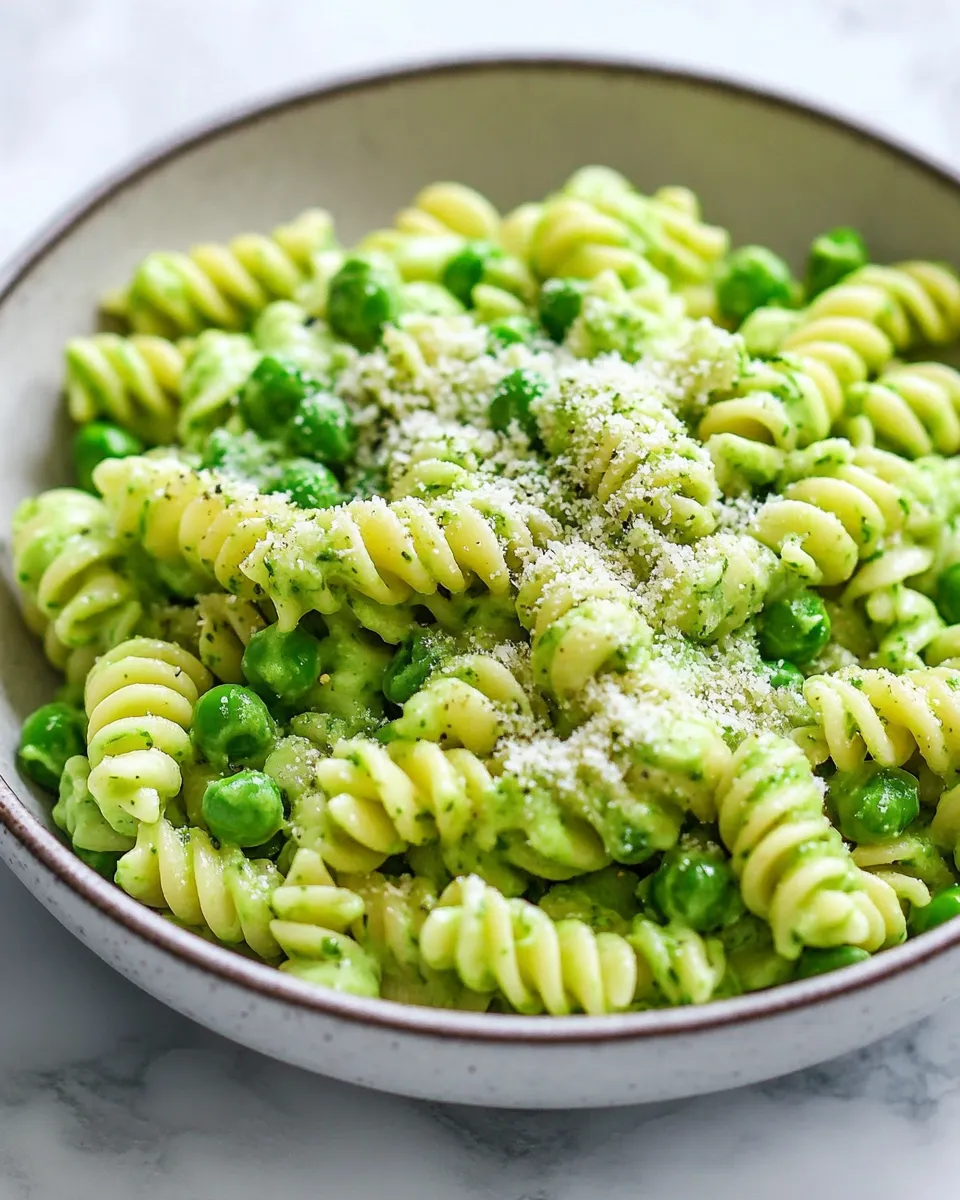
I make this pasta with peas whenever I want something that feels bright, fresh, and entirely doable on a weeknight. It’s the kind of recipe that hits the sweet spot between comfort and lightness: starchy pasta wrapped in a glossy, green pea sauce, finished with melting Parmesan. No heavy cream, no fuss—just good technique and pantry-friendly ingredients.
What I love most is how quickly it comes together. The frozen peas blur into a silky sauce, the mint adds an unexpected lift, and the reserved pasta water is the magic binder that turns the whole pot into a cohesive, saucy meal. You’ll be surprised at how luxurious a few simple ingredients can feel.
This post walks you through the exact ingredient list, the step-by-step method, and everything I’ve learned from making it dozens of times—tiny adjustments that make the difference between good and consistently great. Ready? Let’s get cooking.
The Ingredient Lineup

Ingredients
- 8 ounces (225 g) dried pasta — any shape will work; the sauce clings best to shapes with nooks or ridges. Note 1.
- 2 tablespoons olive oil — builds flavor and prevents the onion from sticking while keeping the sauce lighter than all-butter.
- 1 tablespoon butter — adds silkiness and a subtle richness to the sauce.
- 1 yellow onion, finely diced — the savory backbone; cook until soft so it melts into the sauce.
- 2 cloves garlic, minced — gives a quick hit of aromatics; add only once the onion is soft to avoid burning.
- 10 ounces (280 g) frozen peas — no need to thaw; they puree into a bright, sweet sauce. Keep some extra peas for garnish.
- 2 tablespoons mint leaves — a few fresh leaves brighten the green sauce and keep it from tasting flat. Note 3.
- salt and pepper — essential seasonings; adjust at the end after tasting.
- ¼ cup Parmesan cheese, freshly grated — stirred in off the heat for creaminess and umami. I use vegetarian Parmesan.
Step-by-Step: (Pasta with Peas)
- Bring a large pot of salted water to a boil. Add 8 ounces (225 g) pasta and cook according to the package directions until al dente. Before draining, reserve 2 cups of the pasta cooking water, then drain the pasta and set it aside.
- Return the empty pot to medium heat. Add 2 tablespoons olive oil and 1 tablespoon butter and heat until the butter has melted.
- Add the 1 finely diced yellow onion and sauté, stirring often, about 4 minutes, until soft and translucent.
- Add 2 minced garlic cloves and cook, stirring, about 30 seconds, until fragrant.
- Add 10 ounces (280 g) frozen peas (no need to thaw) and cook, stirring, about 2 minutes.
- Pour in the reserved 2 cups of pasta cooking water, add 2 tablespoons mint leaves, and season with salt and pepper to taste. Bring the mixture to a gentle simmer and cook about 1 minute to warm and loosen the sauce.
- Blend the pea mixture until smooth using an immersion blender directly in the pot. If using a countertop blender, carefully transfer the hot mixture in batches, blend until smooth, and return the sauce to the pot.
- Add the drained pasta back to the pot with the pea sauce. Stir to combine, adding more reserved pasta water a little at a time if the sauce needs loosening, until the pasta is evenly coated.
- Remove from heat and stir in 1/4 cup freshly grated Parmesan until combined. Adjust salt and pepper if needed.
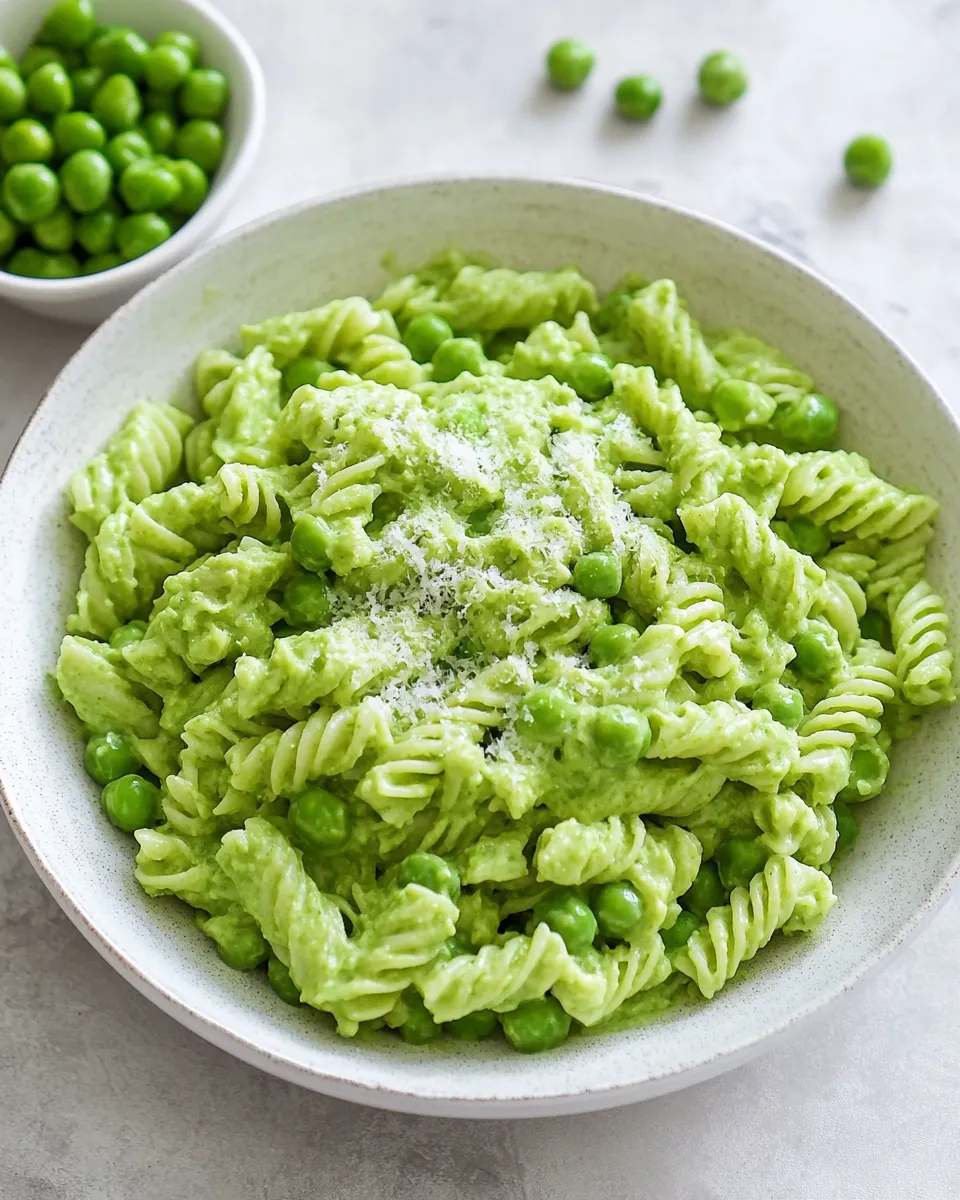
- Serve the pasta garnished with extra peas and additional freshly grated Parmesan.
Reasons to Love (Pasta with Peas)
This dish is a keeper for several reasons. First, it’s fast—most of the time is hands-off while the water boils and the pasta cooks. Second, the flavor profile is clean and bright; the peas bring natural sweetness, while mint adds a fresh lift you wouldn’t expect in a creamy pasta. Third, it’s adaptable: you can make it meatless, pair it with something grilled, or bulk it up with a protein without losing the dish’s identity.
Texturally, the pea puree makes the pasta feel luxurious without heavy cream. The reserved pasta water acts like glue, emulsifying the sauce so it clings to each bite. Lastly, it stores and reheats well, which makes it a great leftover-friendly option for lunches or quick dinners.
What to Use Instead
If you need to swap ingredients, keep it simple and focused on texture and flavor balance rather than exact measurements.
Oil & Fat
- Olive oil — swap for any neutral oil if you prefer a milder flavor (canola or sunflower).
- Butter — use a dairy-free butter for a vegan-friendly version; it preserves the silky finish.
Cheese & Herb
- Parmesan — try Pecorino for sharper, tangier notes, or nutritional yeast for a cheese-like umami in vegan diets (no measurements changed).
- Mint — basil can be used if you don’t like mint’s brightness; it alters the character but keeps freshness.
Peas & Greens
- Frozen peas — if you have fresh peas in season, they work beautifully. You can also blend in a handful of spinach for color and extra nutrients, though the flavor will be milder.
Before You Start: Equipment
- Large pot — for boiling the pasta and later for finishing the sauce; saves you from dirtying another pan.
- Colander — to drain the pasta after reserving cooking water.
- Immersion blender (preferred) — quick and safe for blending hot liquids directly in the pot.
- Countertop blender — works fine; blend in batches and vent the lid carefully to avoid steam buildup.
- Wooden spoon or heatproof spatula — for stirring and scraping the pot so nothing sticks.
- Microplane or box grater — for freshly grating Parmesan; it melts more smoothly than pre-grated.
Easy-to-Miss Gotchas
These are the small things that will make or break the result.
- Not reserving enough pasta water — the sauce needs that starchy water to emulsify and cling to the pasta. Don’t skip reserving 2 cups before you drain.
- Adding garlic too early — garlic burns quickly and will turn bitter. Wait until the onion is soft and translucent.
- Over-blending or under-blending — aim for a smooth but still vibrant sauce. If the puree is grainy, pulse a little longer; if it’s too thick, loosen with reserved pasta water.
- Skipping final seasoning — taste after you add the Parmesan. Cheese adds saltiness, so adjust salt sparingly and finish with freshly ground black pepper.
- Using an unsuitable pasta shape — delicate thin pastas can work, but short pasta with ridges (penne, rigatoni, farfalle) tends to catch the sauce better.
Make It Diet-Friendly
There are several easy ways to tailor this recipe to specific diets without changing the method or quantities.
- Vegetarian — the recipe is already vegetarian if you use vegetarian Parmesan. Double-check your cheese if you avoid animal rennet.
- Vegan — replace butter with a plant-based alternative and swap Parmesan for nutritional yeast or a vegan Parmesan. The pea sauce remains the same.
- Lower-carb — trade the pasta for a zucchini noodle or a spiralized vegetable. Keep in mind the texture and water content will change, so drain and combine carefully.
- Protein add-ins — toss in cooked white beans or chickpeas for extra protein and fiber. Add them when you return the pasta to the pot so they warm through without breaking down.
Chef’s Rationale
Why frozen peas and reserved pasta water? Frozen peas are picked at peak ripeness and flash-frozen, so they deliver consistent sweetness and color year-round. Thawing is unnecessary; tossing them straight into the hot pot warms them quickly and preserves that bright flavor.
The reserved pasta cooking water is starchy. That starch is crucial for emulsifying oil, butter, and cheese into a cohesive, glossy sauce that clings to pasta rather than pooling at the bottom of the bowl. The technique is simple but transformative: small amounts of hot pasta water added gradually will rescue a sauce that’s too thick and will create a silky mouthfeel without cream.
Finally, finishing off the heat before adding Parmesan prevents the cheese from breaking and turning grainy. Off-heat stirring lets the cheese melt into the sauce gently, preserving a smooth texture and balanced flavor.
Storage & Reheat Guide
Store leftovers in an airtight container in the refrigerator for up to 3–4 days. The sauce will thicken as it chills because the starches and cheese firm up, so when reheating, add a splash of water (or reserved pasta water if you saved some) to loosen it. Gently reheat on the stove over medium-low heat, stirring until warmed through and glossy, or microwave in short bursts, stirring in between.
For freezing, you can freeze the sauce portion on its own in a freezer-safe container for up to 2 months. Thaw overnight in the fridge and reheat with a bit of water. Fresh pasta texture suffers from freezing, so I don’t recommend freezing mixed pasta and sauce together if you care about texture.
Troubleshooting Q&A
- My sauce is too thin—what do I do? Simmer it a minute or two to concentrate, or stir in a small handful of grated Parmesan off the heat to thicken and add body.
- My sauce is grainy after adding Parmesan—why? That happens if the cheese melts at too high a temperature or if it’s low-quality pre-grated cheese with anti-caking agents. Remove from heat before stirring in the cheese and use freshly grated Parmesan.
- The peas lost their bright color—help! Avoid overcooking before blending. Cook them just long enough to heat through; blanching is unnecessary for frozen peas.
- How do I prevent the pasta from clumping after mixing? Work quickly to combine pasta and sauce over medium heat and add reserved pasta water gradually until the strands or shapes move freely and are coated.
- Can I make this ahead? Yes—keep sauce and pasta separate in the fridge. Reheat the sauce gently, loosen with water, then add the pasta to warm through.
Wrap-Up
Pasta with peas is one of those recipes that feels special while staying perfectly weekday-friendly. It uses frozen peas to keep things effortless, relies on good technique with pasta water for a silky finish, and finishes with Parmesan for comfort and depth. Once you’ve made it a couple of times, you’ll know exactly how loose you like the sauce and which pasta shape you prefer.
Make it as written the first time, note any tiny tweaks you make, and next time try a swap or add-in from the suggestions above. Simple, reliable, and full of flavor—this one’s a keeper in my rotation, and I hope it becomes one in yours too.
Pasta with Peas
Ingredients
Ingredients
- ?8 ounces 225 gdried pastaany shape, Note 1
- ?2 tablespoonsolive oil
- ?1 tablespoonbutter
- ?1 yellow onionfinely diced
- ?2 clovesgarlicminced
- ?10 ounces 280 gfrozen peasno need to thaw, plus extra for garnish
- ?2 tablespoonsmint leavesNote 3
- ?salt and pepper
- ?1/4 cupparmesan cheesefreshly grated I use vegetarian parmesan
Instructions
Instructions
- Bring a large pot of salted water to a boil. Add 8 ounces (225 g) pasta and cook according to the package directions until al dente. Before draining, reserve 2 cups of the pasta cooking water, then drain the pasta and set it aside.
- Return the empty pot to medium heat. Add 2 tablespoons olive oil and 1 tablespoon butter and heat until the butter has melted.
- Add the 1 finely diced yellow onion and sauté, stirring often, about 4 minutes, until soft and translucent.
- Add 2 minced garlic cloves and cook, stirring, about 30 seconds, until fragrant.
- Add 10 ounces (280 g) frozen peas (no need to thaw) and cook, stirring, about 2 minutes.
- Pour in the reserved 2 cups of pasta cooking water, add 2 tablespoons mint leaves, and season with salt and pepper to taste. Bring the mixture to a gentle simmer and cook about 1 minute to warm and loosen the sauce.
- Blend the pea mixture until smooth using an immersion blender directly in the pot. If using a countertop blender, carefully transfer the hot mixture in batches, blend until smooth, and return the sauce to the pot.
- Add the drained pasta back to the pot with the pea sauce. Stir to combine, adding more reserved pasta water a little at a time if the sauce needs loosening, until the pasta is evenly coated.
- Remove from heat and stir in 1/4 cup freshly grated Parmesan until combined. Adjust salt and pepper if needed.
- Serve the pasta garnished with extra peas and additional freshly grated Parmesan.
Equipment
- 3 qt saucepan
- Blender
Notes
The key to this pasta is to cook it until just al dente. Do not overcook it as it will become mushy.
If you don’t like mint or don’t have it, you can skip it or substitute it with basil or parsley.
To make this pasta vegan, use a vegan butter spread and vegan parmesan or nutritional yeast.
You can choose not to blend the sauce, and it will still be delicious but won’t have this lovely green color if peas are left whole.