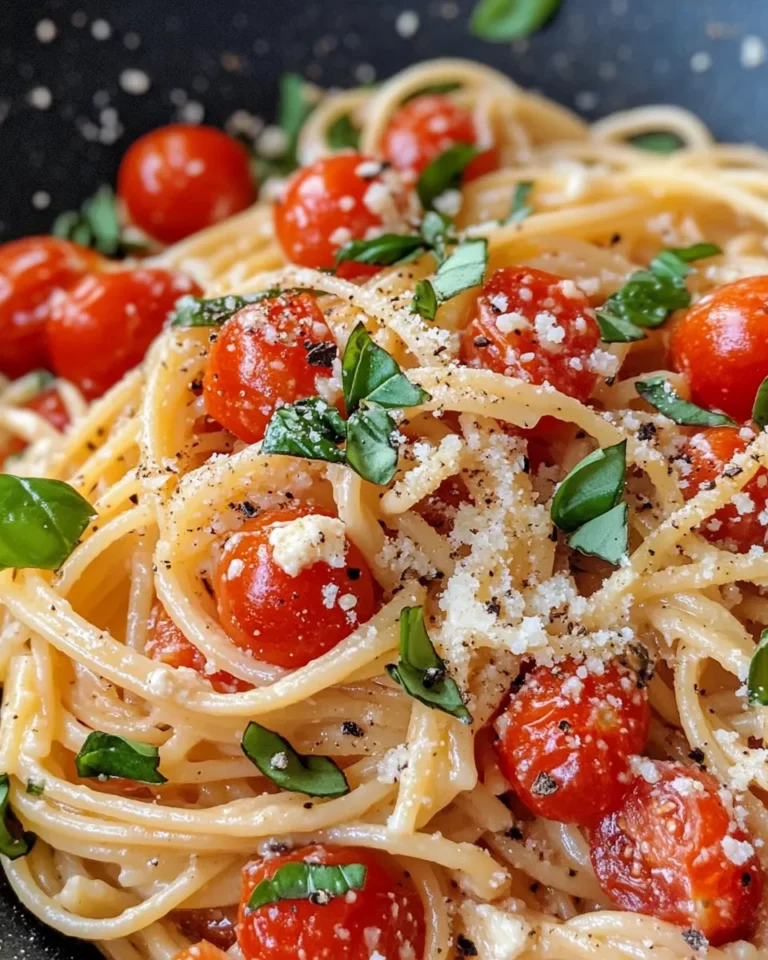
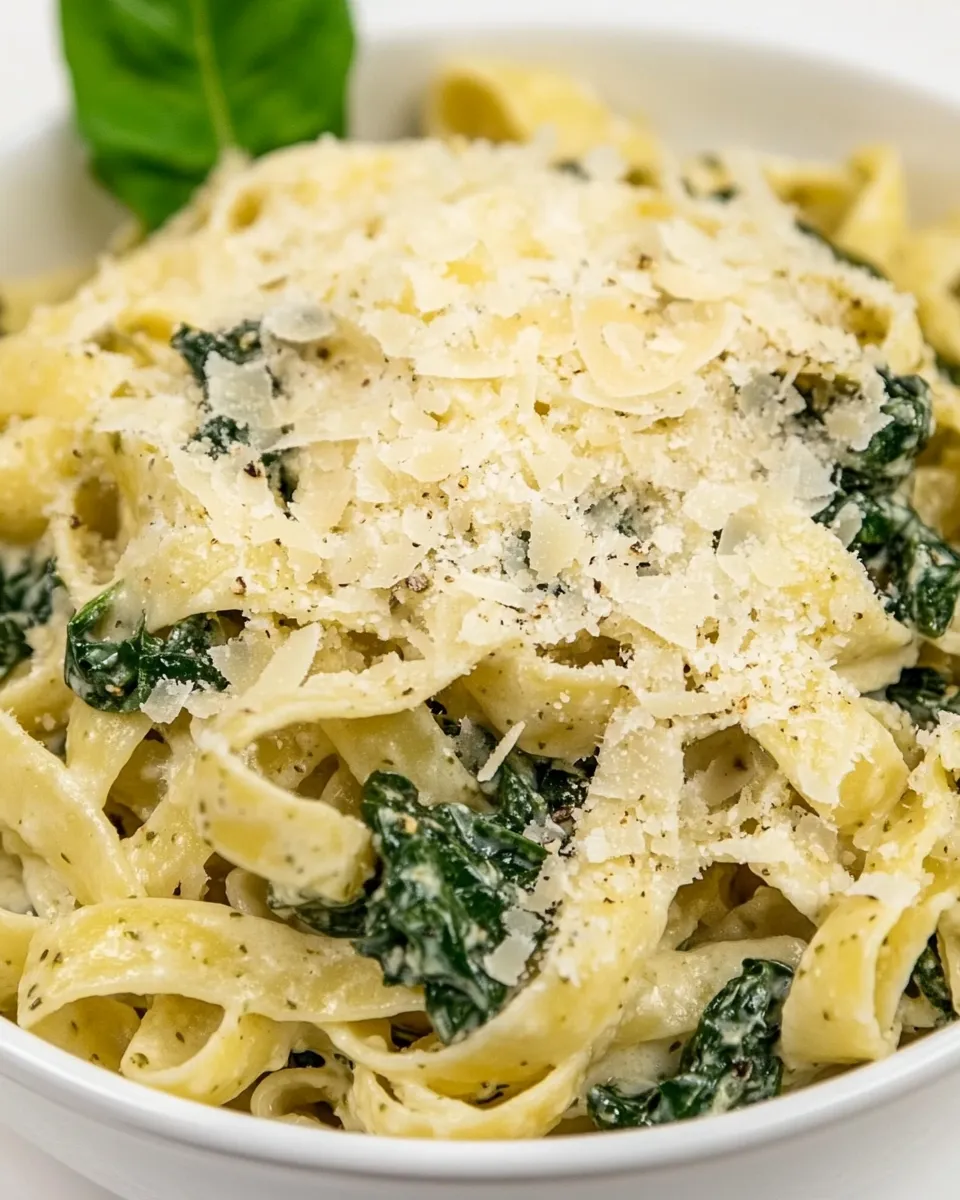
Pasta with Arugula
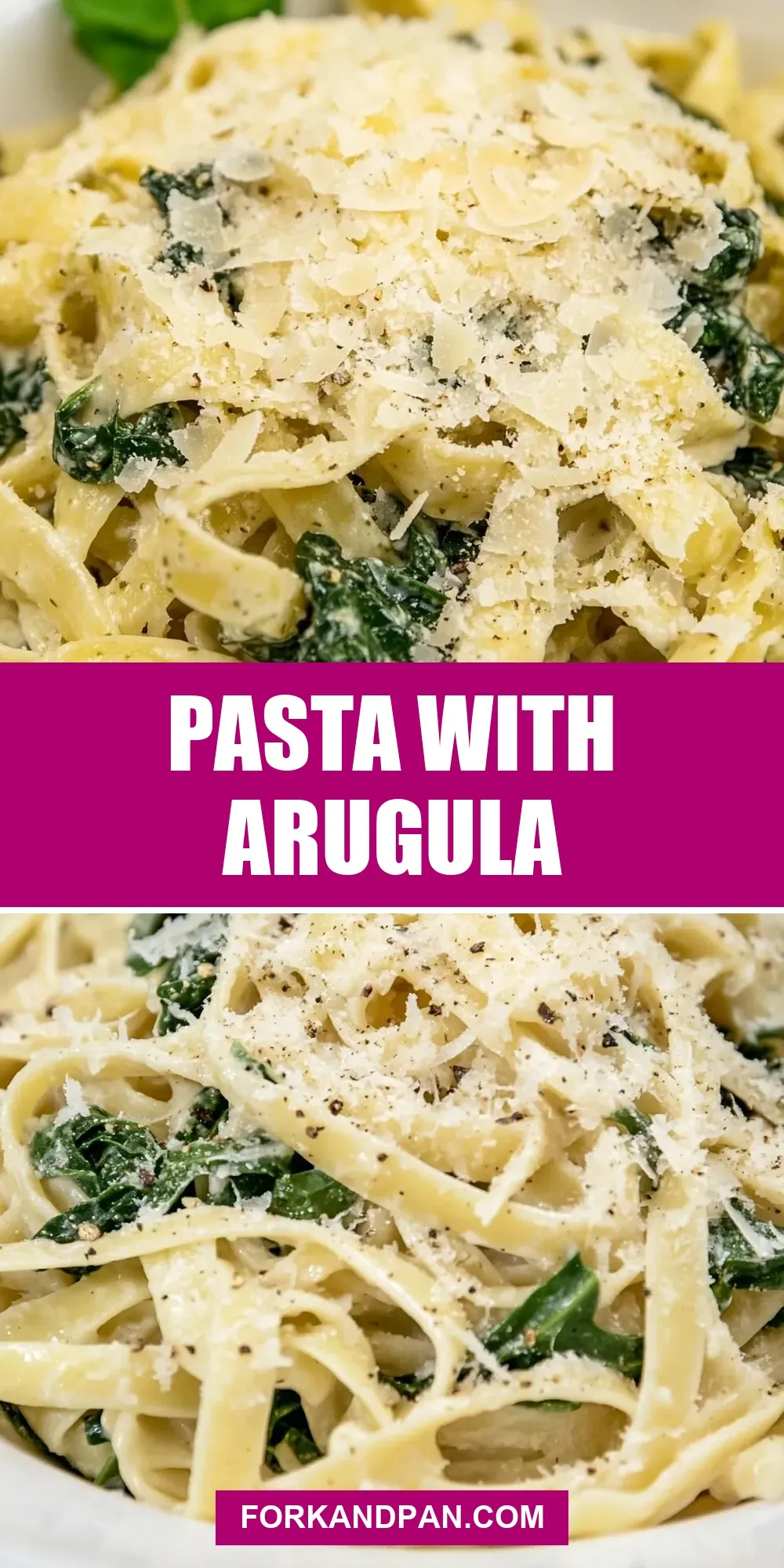
This pasta is one of those weekday victories: quick, bright, and forgiving. It leans on ricotta and Parmesan for a creamy finish, lemon for lift, and a generous handful of arugula and basil for peppery, herbal freshness. You’ll finish it in under 30 minutes, and it holds up well at room temperature—perfect for dinner or a potluck contribution.
I like this recipe because it feels composed rather than fussy. The sauce comes together in a single bowl and the hot pasta does most of the work to reach a silky texture. It’s a good one to keep in your rotation when you want something that tastes like more than the sum of its parts without demanding a lot of time or equipment.
Below you’ll find the exact ingredient list and the step-by-step method used in my kitchen. I include practical swaps, storage notes, troubleshooting tips, and answers to common questions so you can make it confidently the first time.
What’s in the Bowl

Ingredients
- 8 oz. box Fiber Gourmet Light Penne (see notes) — the shape holds sauce and the fiber-rich pasta keeps the dish feeling lighter.
- 1 cup ricotta cheese — the creamy base of the sauce; choose whole-milk ricotta for richness.
- 1 cup grated Parmesan cheese — adds savory depth and helps thicken the sauce.
- 1 T + 1 T extra virgin olive oil — use good-quality oil for flavor; one tablespoon goes in the sauce, one for sautéing greens.
- 1 T lemon zest, or more — brightens the whole dish; zest rather than more juice for fresh aroma.
- 1 T fresh-squeezed lemon juice, or more — adds acidity to balance the cheese and oil.
- Salt and fresh ground black pepper to taste — seasoning throughout is key; taste as you build the sauce.
- 5 oz. baby arugula, coarsely chopped — peppery green that wilts quickly and keeps a bite.
- 2 cups chopped fresh basil (see notes) — fragrant and sweet; combined with arugula it keeps the sauce fresh and herb-forward.
Method: Pasta with Arugula
- Fill a large pot with water, salt it generously, and bring to a rolling boil.
- Add the pasta to the boiling water, start timing, and cook until barely al dente (check package; this penne will take about 10–15 minutes depending on altitude).
- While the pasta cooks, wash the arugula and basil and spin or pat dry if needed. Coarsely chop the arugula and chop the basil.
- Zest the lemon(s) to yield 1 tablespoon lemon zest and squeeze enough lemon juice to yield 1 tablespoon.
- Measure out 1 cup ricotta cheese and 1 cup grated Parmesan cheese.
- In a bowl large enough to hold all the pasta and sauce, combine the ricotta, Parmesan, 1 tablespoon extra virgin olive oil, the lemon zest, the lemon juice, and salt and fresh ground black pepper to taste. Stir until smooth and combined.
- Heat the remaining 1 tablespoon extra virgin olive oil in a large frying pan over medium-high heat. Add the chopped arugula and chopped basil and sauté just until barely wilted, about 1–2 minutes.
- Add the wilted arugula and basil to the ricotta-Parmesan mixture and stir to combine.
- When the pasta is al dente, scoop out and reserve 1/3 cup of the pasta cooking water, then drain the pasta in a colander.
- Add the hot drained pasta to the bowl with the sauce and toss gently, adding as much of the reserved pasta water as needed (up to the 1/3 cup) to make a creamy mixture.
- Serve warm or at room temperature, and offer extra freshly grated Parmesan at the table if desired.
Why Pasta with Arugula is Worth Your Time
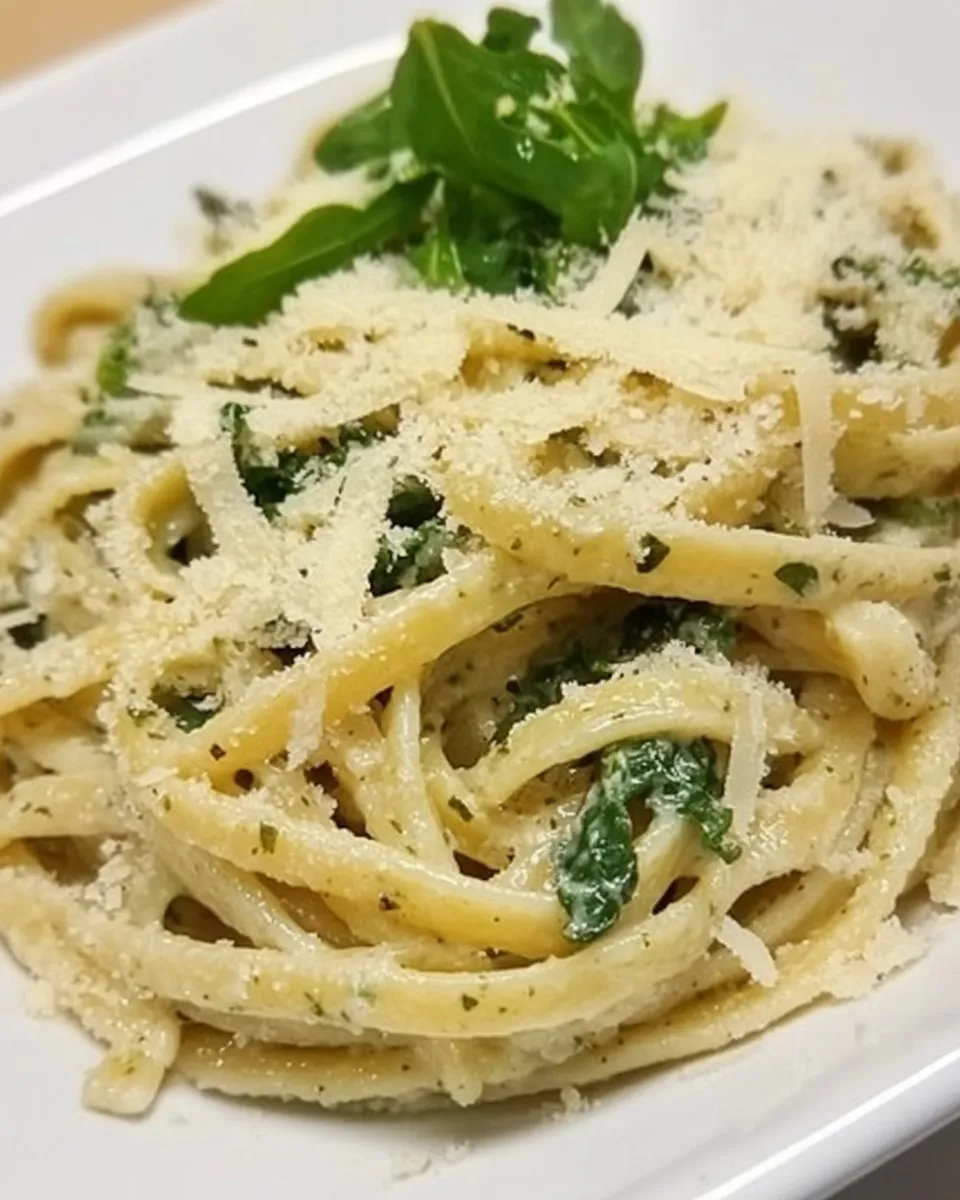
This recipe hits a useful sweet spot: it’s fast but not flimsy. The ricotta-Parmesan combo creates a sauce that feels indulgent, but the lemon and herbs keep it lively. You get comfort and freshness in the same bite. That balance makes this a dinner you can serve any night of the week and feel proud of.
It’s also very flexible. The method is forgiving: the hot pasta and a small amount of reserved cooking water are what transform the mixture into a smooth emulsion. That means small timing differences or slightly different ingredient sizes won’t derail the final texture. You can scale it up for guests or scale it down for one without losing the character of the dish.
Quick Replacement Ideas
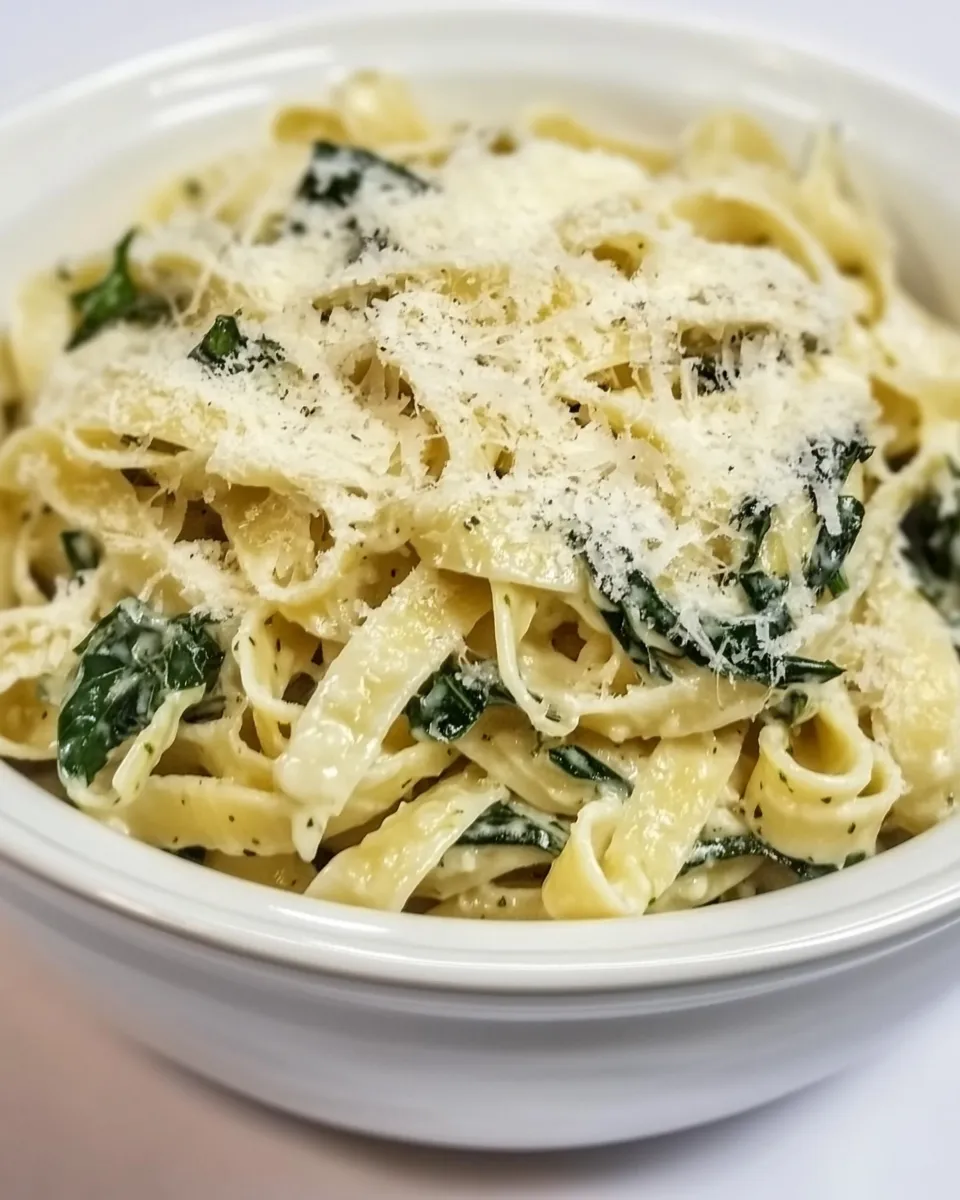
- Pasta — any short pasta shape (penne, rigatoni, orecchiette) works if you don’t have the specific box listed.
- Ricotta — whole-milk cottage cheese, briefly blended until smooth, can stand in if you need a pantry workaround.
- Parmesan — Pecorino Romano will lend a saltier, tangier edge; use less if your palate prefers milder saltiness.
- Arugula — baby spinach or a mix of baby greens will wilt similarly though they’re milder in flavor.
- Basil — swap for fresh parsley or mint for a different herbal profile.
Hardware & Gadgets
You don’t need anything fancy. A large pot for boiling pasta, a colander, and a wide frying pan are the essentials. A salad spinner speeds up drying the greens, and a microplane makes quick work of lemon zest. A large mixing bowl that’s roomy enough to toss the pasta and sauce together is a small but crucial convenience—tossing in a cramped bowl makes a mess and cools the pasta too fast.
Watch Outs & How to Fix
Undersauced or Dry Pasta
Problem: The final pasta seems dry or the sauce clings rather than coats.
Fix: Add a splash of the reserved pasta water and toss again, a tablespoon at a time. The starchy water loosens and emulsifies the sauce. If you drained the water away, a teaspoon of warm water plus a small drizzle of olive oil will help.
Bitter Arugula
Problem: The arugula tastes overly bitter or sharp.
Fix: Wilt it briefly—just 1–2 minutes—so it softens and mellows. If you still find it too assertive, stir in a touch more ricotta or a pinch of sugar to balance the bitterness.
Clumpy Ricotta Sauce
Problem: Ricotta doesn’t smooth out and the sauce is grainy.
Fix: Beat the ricotta with the Parmesan, lemon zest, lemon juice, olive oil, and a pinch of salt until smooth before adding the greens. A quick whisk or a short pulse in a blender will give an even creamier texture.
Overcooked Pasta
Problem: Pasta gets mushy.
Fix: Stop cooking a minute earlier than the package suggests next time; aim for firm to the bite. If it’s already overcooked, serve it immediately at room temperature rather than reheating—sauces cling better when the pasta isn’t soggy from extended cooking or reheating.
Nutrition-Minded Tweaks
Want a lighter version? Use part-skim ricotta and reduce the Parmesan slightly. Swap the pasta for a higher-fiber or legume-based variety if you’re aiming for more protein and fiber. Add a handful of toasted nuts—pine nuts or walnuts—for crunch and a dose of healthy fats; scatter them on top when serving rather than mixing them in, so they stay crisp.
If sodium is a concern, cut the added salt and use a lower-sodium hard cheese or reduce the grated Parmesan by a few tablespoons and taste as you go. The lemon and herbs compensate well, so you won’t lose brightness when you dial back salt.
Cook’s Commentary
I often double the herbs when I have a bumper basil plant and use this as a way to use both basil and whatever peppery green is in the fridge. The dish behaves differently depending on whether you serve it warm or at room temperature—the aromatics come forward at room temp, while warm pasta feels creamier and more comforting. Either way, add Parmesan at the table for anyone who likes an extra savory hit.
Timing is my favorite part: while the pot of water comes to a boil and the pasta cooks, there’s a short window to zest, squeeze, chop, and whisk. I keep a bowl nearby to combine the sauce so I can toss as soon as the pasta comes out. One bowl, one pan, minimal cleanup. That’s the kind of meal that becomes a favorite fast.
Make-Ahead & Storage
Make-ahead: You can prepare the ricotta-Parmesan mixture and the wilted greens separately up to 24 hours in advance. Store them in airtight containers in the fridge. Bring the ricotta mixture to room temperature and toss with freshly cooked pasta when ready to serve.
Storage: Leftovers keep well refrigerated for 2–3 days in an airtight container. The texture will change—the sauce firms as it cools—but a quick toss with a little warm water or a splash of olive oil when reheating restores creaminess. I don’t recommend freezing this pasta; the ricotta and greens won’t recover their original texture after thawing.
Pasta with Arugula FAQs
Can I make this vegan? You can replace ricotta with a blended tofu or cashew-based cream and use nutritional yeast instead of Parmesan. The flavor will shift, but the method—combine, wilt greens, toss hot pasta—remains the same.
Is it okay to serve this cold as a pasta salad? Yes. It holds up well at room temperature and makes a good pasta salad. If serving cold, you might add a touch more lemon and a drizzle of olive oil before serving to refresh the flavors.
Can I use frozen greens instead of fresh arugula? Fresh is best because arugula wilts quickly and keeps a nice texture. If you must use frozen, thaw and squeeze out excess water, then sauté briefly; be aware the flavor will be milder.
What if I don’t have a microplane for zest? Use the smallest side of a box grater or very finely chop the zest by hand. The aromatic oils matter more than the exact tool.
How much pasta per person is this recipe? The 8 oz. box will comfortably serve two people as a main or three as a light main/side. Adjust quantities up if you’re feeding more.
See You at the Table
This is a recipe I turn to when I want something that feels thoughtful but doesn’t take over the evening. It’s bright, quick, and forgiving—and it rewards a simple approach. Make the sauce in the big bowl, save that 1/3 cup of pasta water, and trust the toss. Bring extra Parmesan to the table and let everyone finish their own bowl. Enjoy.
Pasta with Arugula
Ingredients
Ingredients
- 8 oz. box Fiber Gourmet Light Penne see notes
- 1 cup ricotta cheese
- 1 cup grated Parmesan cheese
- 1 T + 1 T extra virgin olive oil
- 1 T lemon zest or more
- 1 T fresh-squeezed lemon juice or more
- Salt and fresh ground black pepper to taste
- 5 oz. baby arugula coarsely chopped
- 2 cups chopped fresh basil see notes
Instructions
Instructions
- Fill a large pot with water, salt it generously, and bring to a rolling boil.
- Add the pasta to the boiling water, start timing, and cook until barely al dente (check package; this penne will take about 10–15 minutes depending on altitude).
- While the pasta cooks, wash the arugula and basil and spin or pat dry if needed. Coarsely chop the arugula and chop the basil.
- Zest the lemon(s) to yield 1 tablespoon lemon zest and squeeze enough lemon juice to yield 1 tablespoon.
- Measure out 1 cup ricotta cheese and 1 cup grated Parmesan cheese.
- In a bowl large enough to hold all the pasta and sauce, combine the ricotta, Parmesan, 1 tablespoon extra virgin olive oil, the lemon zest, the lemon juice, and salt and fresh ground black pepper to taste. Stir until smooth and combined.
- Heat the remaining 1 tablespoon extra virgin olive oil in a large frying pan over medium-high heat. Add the chopped arugula and chopped basil and sauté just until barely wilted, about 1–2 minutes.
- Add the wilted arugula and basil to the ricotta-Parmesan mixture and stir to combine.
- When the pasta is al dente, scoop out and reserve 1/3 cup of the pasta cooking water, then drain the pasta in a colander.
- Add the hot drained pasta to the bowl with the sauce and toss gently, adding as much of the reserved pasta water as needed (up to the 1/3 cup) to make a creamy mixture.
- Serve warm or at room temperature, and offer extra freshly grated Parmesan at the table if desired.
Equipment
- Large Pot
- Colander
- Large Bowl
- Large frying pan
- Microplane or grater
- Measuring Cups
- Measuring Spoons