Parmesan Garlic Bread
There are recipes that live on weeknight tables and there are recipes you reach for when guests arrive. This Parmesan Garlic Bread sits somewhere happily in both camps: straightforward, fast, and reliably delicious. It uses a crusty loaf, a garlicky butter, and bottled Parmesan for a satisfying crunch and salty lift.
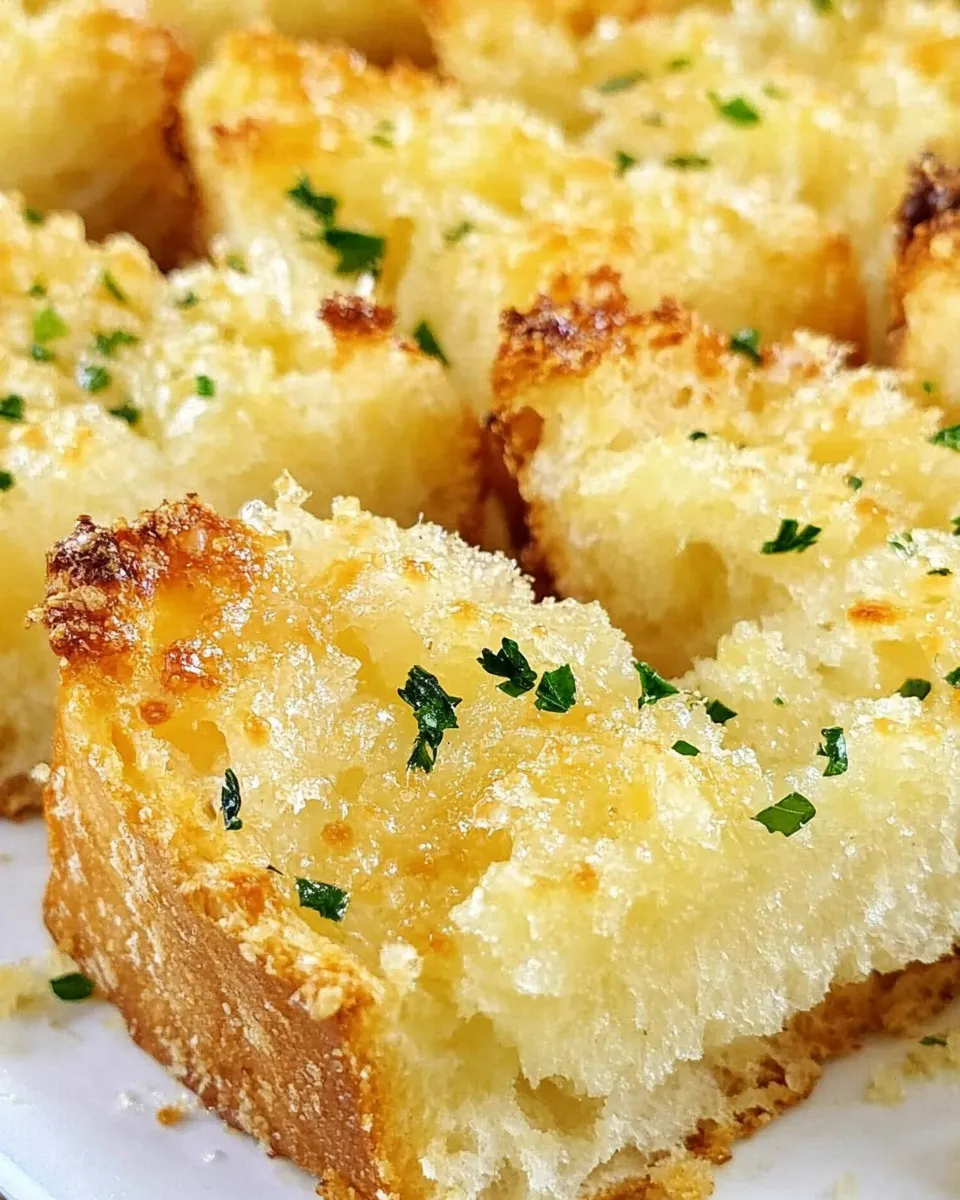
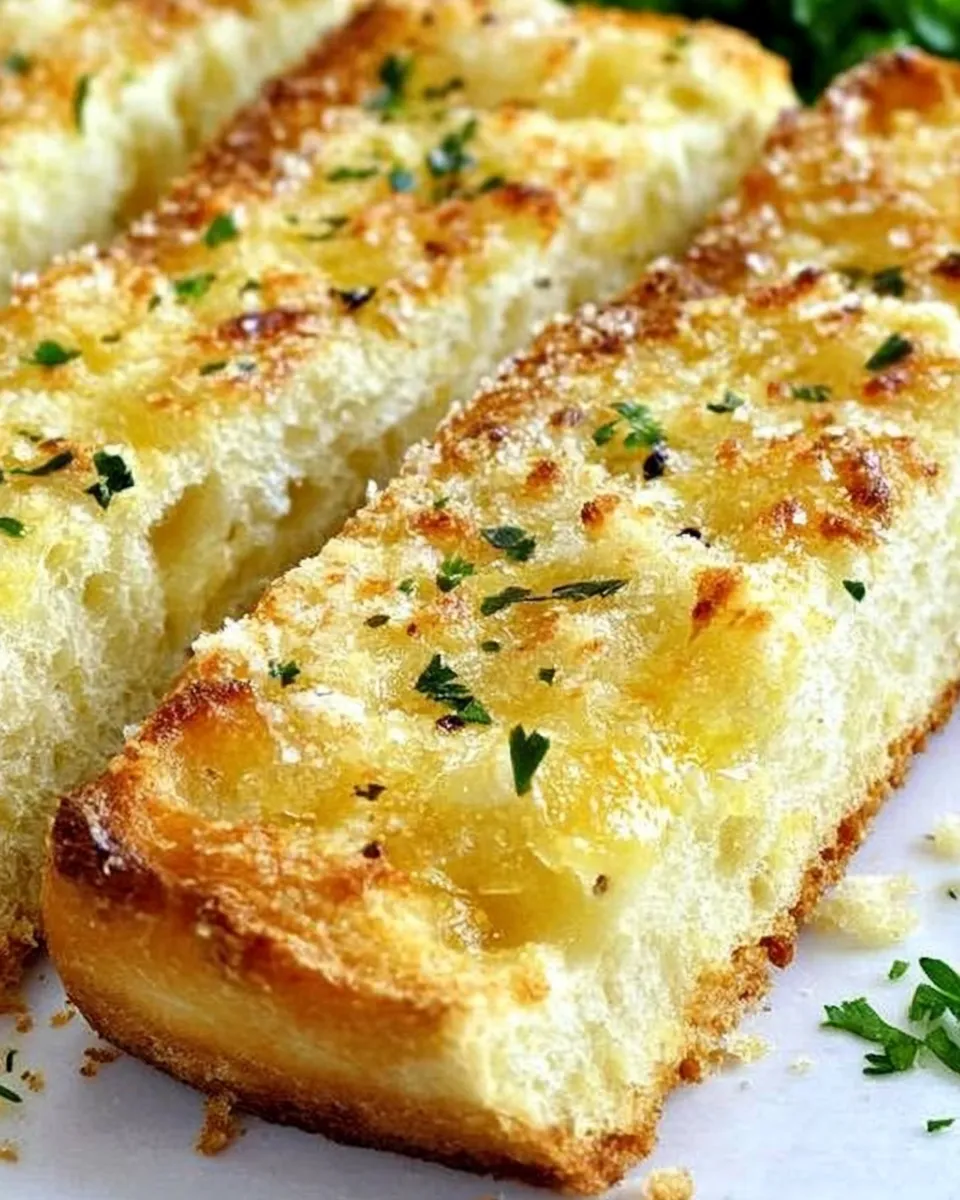
I keep this version in my rotation because it’s forgiving and fast. You can assemble it in minutes, bake while you finish other dishes, and serve warm slices that pull apart with a crisp edge and tender crumb. The topping turns golden and slightly crusty — exactly what you want from a garlic bread.
Below you’ll find the exact ingredients and step-by-step process, followed by shopping tips, common mistakes to avoid, and simple variations that keep the foundation intact but let you tune the flavor. No fuss. Just good bread.
Ingredients

- 1 loaf french bread, crusty country-style — The structure for this recipe: a firm crust and open crumb hold the topping without collapsing.
- 1 1/4 sticks salted butter, melted — Adds richness and helps the topping brown; salted butter also seasons the bread as it bakes.
- 5 cloves garlic, pureed or very finely chopped — The primary flavor driver. Pureeing releases aroma and disperses evenly through the butter.
- 5 tablespoons Parmesan cheese, bottled — Provides salty, umami crunch when baked; bottled Parmesan melts differently than freshly grated but still crisps nicely.
- 1 teaspoon parsley leaves, finely chopped — A small bright note to cut through richness and add a fresh color contrast.
Your Shopping Guide
Start with the bread. Look for a crusty, country-style French loaf that’s firm to the touch. If it feels soft and squishy, the topping will soak in instead of forming a nice crust. A day-old loaf works well because it’s slightly drier and crisps up beautifully.
Butter quality matters more for mouthfeel than for complexity here. Salted butter is called for in the recipe, which simplifies seasoning. If you must use unsalted, add a light sprinkling of salt to taste before baking.
Garlic should be fresh. Pre-minced garlic can work, but freshly pureed or very finely chopped cloves give the most vibrant aroma. Bottled Parmesan is the ingredient specified; it’s convenient and yields a reliably crisp topping. If you already have a jar in your pantry, this is the moment to use it.
Cooking Parmesan Garlic Bread: The Process
- Preheat the oven to 375°F (190°C) and position a rack in the center.
- Slice the loaf of French bread horizontally into two even halves.
- Place the two bread halves, cut sides up, on a baking sheet.
- In a small bowl, combine 1 1/4 sticks salted butter, melted; 5 cloves garlic, pureed or very finely chopped; 5 tablespoons bottled Parmesan cheese; and 1 teaspoon finely chopped parsley. Stir until well mixed.
- Generously brush the butter–garlic–Parmesan mixture evenly over the cut sides of both bread halves.
- Bake in the preheated oven for 15 minutes, or until the garlic–Parmesan topping is golden and slightly crusty.
- Remove from the oven, let cool for a few minutes, then slice into pieces with a bread knife and serve warm.
Why It Deserves a Spot
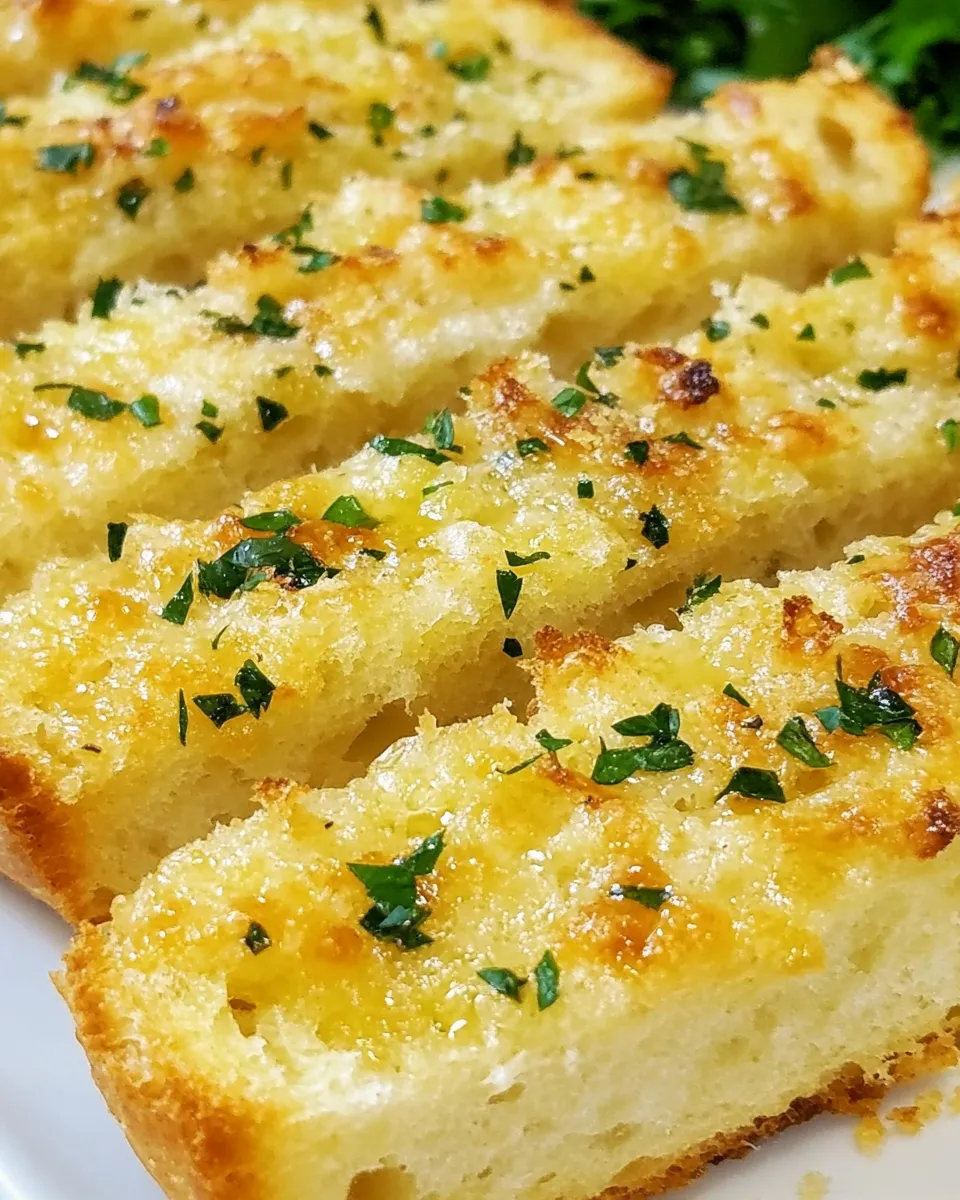
This recipe earns a regular place for three practical reasons: simplicity, speed, and payoff. You can have the loaf assembled and in the oven in under ten minutes. The result — golden, slightly crusty topping with a tender interior — feels special even though it’s effortless.
It’s also flexible. The base flavors are classic and familiar, so this bread pairs with everything from tomato-based pastas to salads and grilled proteins. Finally, it scales easily: double or triple the topping amounts for extra-thick coverage, or halve them for a lighter sprinkle.
Flavor-Forward Alternatives
If you want to nudge the flavor while keeping the same ingredient list, small changes make a big difference.
- Turn up the garlic: add an extra clove or two to intensify the garlic presence if you prefer a bolder bite.
- Parmesan forward: increase the bottled Parmesan slightly (by a tablespoon) and press it into the butter on the bread before baking for a crispier, cheesier crust.
- Herb-forward: stir a bit more chopped parsley into the butter for a greener finish and a brighter top note.
- Light brush technique: for a thinner, crisper topping, brush less butter and distribute the Parmesan evenly so the cheese forms small crunchy pockets.
Cook’s Kit
Essentials
- Baking sheet — the surface for both halves; a rimmed sheet helps catch any drips.
- Small bowl — to mix the melted butter, garlic, Parmesan, and parsley.
- Basting brush or spoon — to spread the mixture evenly over the cut bread surfaces.
- Bread knife — for clean, even slices after baking.
Nice-to-have
- Instant-read thermometer — not necessary for this recipe, but handy if you like to monitor oven accuracy.
- Parchment paper or silicone mat — makes cleanup quicker, especially if you want to avoid scrubbing baked-on cheese.
Learn from These Mistakes
- Too much butter: if you go overboard, the bread will be greasy and soggy instead of crisp. Use the specified amount and brush evenly.
- Underbaking: the topping needs time to brown and crisp. Fifteen minutes at 375°F in a properly preheated oven is the target; if the topping looks pale, give it a minute or two more but watch carefully.
- Skipping the puree/fine chop: large garlic pieces may not distribute flavor evenly and can burn on the surface. Keep the garlic small or pureed for a cohesive taste.
- Using a soft loaf: a very soft or sweet loaf absorbs the topping instead of forming a crust. Choose a crusty, country-style French bread.
Fresh Takes Through the Year
Keep the basic method, and let the season guide your accompaniments. In winter, serve warm wedges alongside a hearty tomato or vegetable soup; the bread soaks up broth without falling apart. In spring and summer, present thinner slices with a bright salad; the parsley feels especially fresh when paired with crisp greens.
Holiday dinners call for slightly thicker slices; the bread holds up well alongside roasted meats and salty sides. No matter the season, the same steps deliver a consistent texture and reliable flavor.
Behind-the-Scenes Notes
I test this recipe to be forgiving. The use of bottled Parmesan is deliberate: it melts in a predictable way and crisps on the surface without becoming stringy. Freshly grated Parm has a different behavior; if you prefer it, expect a slightly different texture.
Melting the butter fully matters because cold butter won’t spread or integrate with the garlic and cheese. If your oven runs hot (many home ovens do), reduce the time by a minute or two and check early. I also like to let the loaf rest for 2–3 minutes after baking; it’s hot, but that pause makes slicing cleaner and safer.
Best Ways to Store
- Short term: keep leftover slices wrapped loosely in foil at room temperature for up to a day; reheat in a 350°F oven for 5–7 minutes to restore crispness.
- Refrigeration: if you need to store longer (2–3 days), wrap in foil and place in the refrigerator. Reheat as above, adding a minute or two if chilled solid.
- Freezing: you can freeze individual slices wrapped tightly in plastic and foil for up to one month. Reheat from frozen at 350°F for 10–12 minutes, or until warmed through and crisp.
Common Questions
- Can I use unsalted butter? Yes. If you do, add a light sprinkle of salt to the butter mixture before brushing so the bread is seasoned.
- What about using fresh Parmesan? The recipe calls for bottled Parmesan, but you can use freshly grated if preferred. Expect a slightly different melt and texture.
- Can I make this ahead? You can prepare the butter mixture and store it in the fridge for up to a day. Brush and bake when you’re ready to serve.
- How do I stop the garlic from burning? Keep garlic very finely chopped or pureed so it disperses in the butter. The 375°F baking temperature is moderate and, with the butter protecting the garlic, should prevent charring during the specified time.
The Last Word
This Parmesan Garlic Bread is one of those reliable recipes you’ll come back to. It’s quick, forgiving, and pairs with almost anything. Follow the straightforward steps, pick a sturdy loaf, and give the topping the time it needs in the oven. You’ll end up with warm slices that are golden, savory, and eagerly requested at the table.
Parmesan Garlic Bread
Ingredients
Ingredients
- 1 loaffrench bread crusty country-style
- 1 1/4 stickssalted butter melted
- 5 clovesgarlic pureed or very finely chopped
- 5 tablespoonsParmesan cheese bottled
- 1 teaspoonparsley leaves finely chopped
Instructions
Instructions
- Preheat the oven to 375°F (190°C) and position a rack in the center.
- Slice the loaf of French bread horizontally into two even halves.
- Place the two bread halves, cut sides up, on a baking sheet.
- In a small bowl, combine 1 1/4 sticks salted butter, melted; 5 cloves garlic, pureed or very finely chopped; 5 tablespoons bottled Parmesan cheese; and 1 teaspoon finely chopped parsley. Stir until well mixed.
- Generously brush the butter–garlic–Parmesan mixture evenly over the cut sides of both bread halves.
- Bake in the preheated oven for 15 minutes, or until the garlic–Parmesan topping is golden and slightly crusty.
- Remove from the oven, let cool for a few minutes, then slice into pieces with a bread knife and serve warm.
Equipment
- Oven
- Baking Sheet
- Small Bowl
- Pastry brush
- Knife