Pancakes Recipe
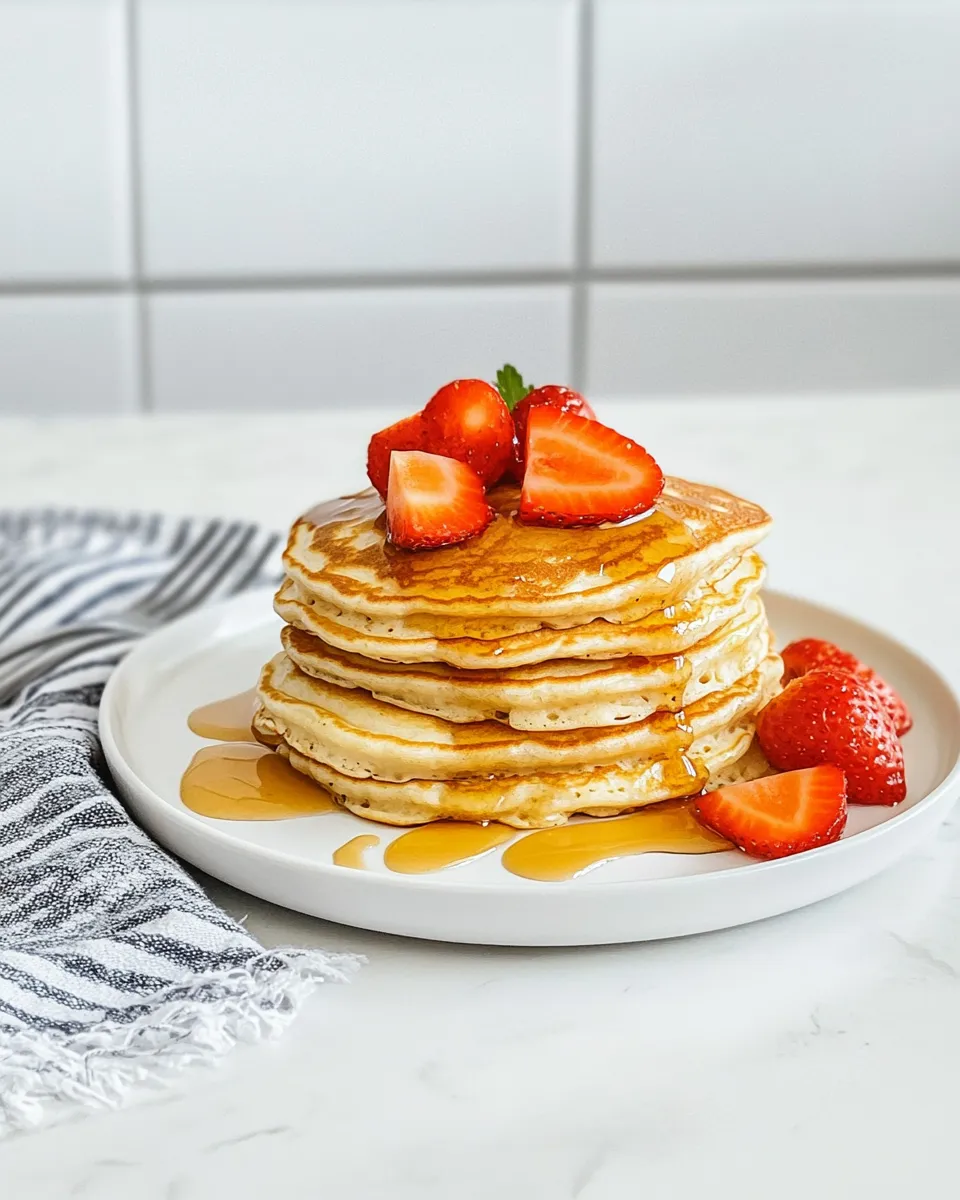
I love pancakes for their comfort and simplicity. They turn a quiet morning into something I actually look forward to. This version leans on whole-wheat flour and almond milk, so they feel a little sturdier and more filling without losing the soft, tender center I want from a good flapjack.
These pancakes are straightforward and forgiving. You’ll find small lumps in the batter are fine — they help keep the texture light. I include small, practical tips throughout so you won’t need a second run to the store or a special ingredient to make them shine.
Follow the steps in order and keep an eye on pan temperature. Flip only when edges look set and bubbles appear. Serve warm, and don’t skip the quick notes about consistency — the batter is the real mood-setter here.
Ingredient Notes

Below are the exact ingredients used in this recipe, with a short note on how each functions or a simple tip for the best result. Stick to the amounts as written when you want the same texture and cooking times I describe.
- 2 cups whole-wheat flour — Provides structure and a nuttier flavor than white flour; sift if it looks compacted to avoid dense pancakes.
- 4 teaspoons aluminium-free baking powder — The leavening agent; aluminium-free keeps the flavor clean. Make sure it’s fresh for good rise.
- 2 tablespoons organic raw honey or pure maple syrup — Sweetens and tenderizes; either one works so pick your favorite.
- 1 teaspoon sea salt — Enhances overall flavor; use sea salt for a subtle mineral note.
- 2 large eggs — Bind and add lift; beat them until combined before mixing with other wet ingredients.
- 1 1/2 cups almond milk or another plant-based milk — Adds moisture and thins the batter; swap for cow’s milk only if you prefer, but keep the amount the same.
- 2 tablespoons coconut oil plus more for cooking — Melted into the batter for flavor and moisture; have extra to oil the pan as needed.
- Cooking spray — Optional, for a nonstick surface if you prefer less oil in the pan.
Pancakes Cooking Guide
This is the exact set of steps I follow. Keep them in order and don’t change the amounts. If the batter looks too thick, there’s a controlled way to loosen it that preserves texture.
- In a large mixing bowl, whisk together 2 cups whole-wheat flour, 4 teaspoons aluminium-free baking powder, and 1 teaspoon sea salt.
- In a separate medium bowl, crack and beat 2 large eggs until combined.
- Melt 2 tablespoons coconut oil (briefly in the microwave or in a small saucepan). Add the melted coconut oil, 2 tablespoons organic raw honey or pure maple syrup, and 1 1/2 cups almond milk (or another plant-based milk) to the beaten eggs; whisk until the wet ingredients are smooth and combined.
- Gradually pour the wet mixture into the bowl with the dry ingredients, whisking gently until just combined. Do not overmix; a few small lumps are fine.
- If the batter appears too thick to pour, add almond milk 1 tablespoon at a time and stir until the batter reaches a pourable consistency.
- Preheat a griddle or nonstick skillet over medium heat. Lightly coat the surface with cooking spray or a small amount of coconut oil.
- Once the pan is hot, pour about 1/4 cup of batter for each pancake onto the griddle, leaving space between pancakes.
- Cook until the edges look set and bubbles form on the surface, about 2–3 minutes. Flip each pancake and cook until the other side is golden and the pancake is cooked through, about 2 minutes more.
- Transfer cooked pancakes to a plate and repeat with remaining batter, adding more cooking spray or coconut oil to the pan as needed. Serve warm.
What Makes This Recipe Special
These pancakes are a reliable weekday favorite because they balance whole-grain nutrition with familiar pancake comfort. Whole-wheat flour gives a gentle nuttiness and more fiber, while almond milk keeps the batter light. The coconut oil adds subtle richness without making the batter heavy.
I rely on the 1 1/2 cups almond milk ratio and the 4 teaspoons baking powder here — that combination produces pancakes that rise evenly and stay tender. The honey or maple syrup folded into the wet mix gives a distributed sweetness so you don’t need a heavy syrup pour to enjoy them.
No-Store Runs Needed
If you keep a few pantry staples, you won’t need to run to the store. This recipe is intentionally modest in scope: flour, baking powder, salt, eggs, a milk, a little oil, and a sweetener.
Have coconut oil or another neutral oil on hand. If you’re out of cooking spray, a light swipe of coconut oil with a paper towel will do the job. If you don’t have almond milk, any plant-based or dairy milk in the same quantity will work fine without changing the outcome much.
Equipment & Tools
Minimal equipment is required. A few reliable tools speed things and reduce mistakes:
- Large mixing bowl — For whisking the dry ingredients without spilling.
- Medium bowl — For the beaten eggs and wet mix.
- Whisk — For integrating dry and wet ingredients without overworking the batter.
- Nonstick skillet or griddle — A flat, even-heating surface matters for uniform browning.
- Measuring cups and spoons — Accurate amounts keep texture consistent.
- Spatula — A thin, flexible turner makes flipping neat and easy.
Errors to Dodge
Small mistakes can change the final texture. Here’s what I watch for so you won’t waste batter.
- Overmixing: Stop whisking once the wet and dry are combined. A few small lumps are fine. Overmixing develops gluten and makes pancakes tough.
- Wrong pan temperature: If your pan is too hot, pancakes will burn on the outside while staying raw inside. Too cool, and they spread thin and stay pale. Medium heat is usually the sweet spot.
- Too-thick batter: If you can’t pour the batter, add almond milk 1 tablespoon at a time until pourable. Resist adding too much at once.
- Flipping too early or too late: Flip when edges look set and bubbles form. Flipping too early causes collapse; flipping too late makes them dry.
Seasonal Twists
Adjust toppings and accompaniments to match the season. These pancakes are a neutral canvas and welcome both sweet and savory pairings.
- Spring: Fresh berries and a dollop of yogurt brighten the plate.
- Summer: Sliced stone fruit or a quick compote lightly warmed on the stove.
- Fall: Stir a pinch of cinnamon or pumpkin pie spice into the batter and serve with warm maple syrup and sliced apples.
- Winter: Top with roasted pears or a spoonful of nut butter and a drizzle of honey for warmth.
What Could Go Wrong
Here are the likely hiccups and how to fix them fast.
If your pancakes are dense: you probably overmixed the batter or used packed whole-wheat flour. Try letting your flour rest and sift it next time, or fold the batter gently.
If they don’t brown: your pan might be too cool or nonstick surface needs a little more oil. Increase heat slightly and add a touch more coconut oil to the surface.
If the centers are raw while the outsides are dark: reduce heat and cook a little longer after flipping. You can also use a covered pan for the final minute to help cook through without burning the exterior.
Storage Pro Tips
Make-ahead and leftover strategies that actually improve your mornings:
- Short-term: Store cooled pancakes in an airtight container in the fridge for up to 3 days. Reheat in a warm oven (300°F / 150°C) on a baking sheet for even warmth.
- Freezing: Layer cooled pancakes between parchment paper in a freezer-safe bag. Freeze for up to 2 months. Reheat from frozen in a toaster or oven. A quick microwave zap works too, but texture is best from toaster/oven.
- Reheating tip: For a crisp edge, toast them briefly or pop under a broiler for a minute, watching closely.
Ask & Learn
If you’re unsure about substitutions or technique, ask one specific question at a time. Common ones I get:
- Can I use white flour? Yes. The pancakes will be milder and lighter; keep quantities the same but expect slightly different texture.
- Can I skip the eggs? This recipe relies on eggs for structure. If you must omit them, try a tested egg-free pancake recipe instead for best results.
- How to tell when the pan is at medium heat? A drop of water should sizzle and evaporate within a few seconds; not instantly burst, but not sit and bubble slowly either.
Bring It to the Table
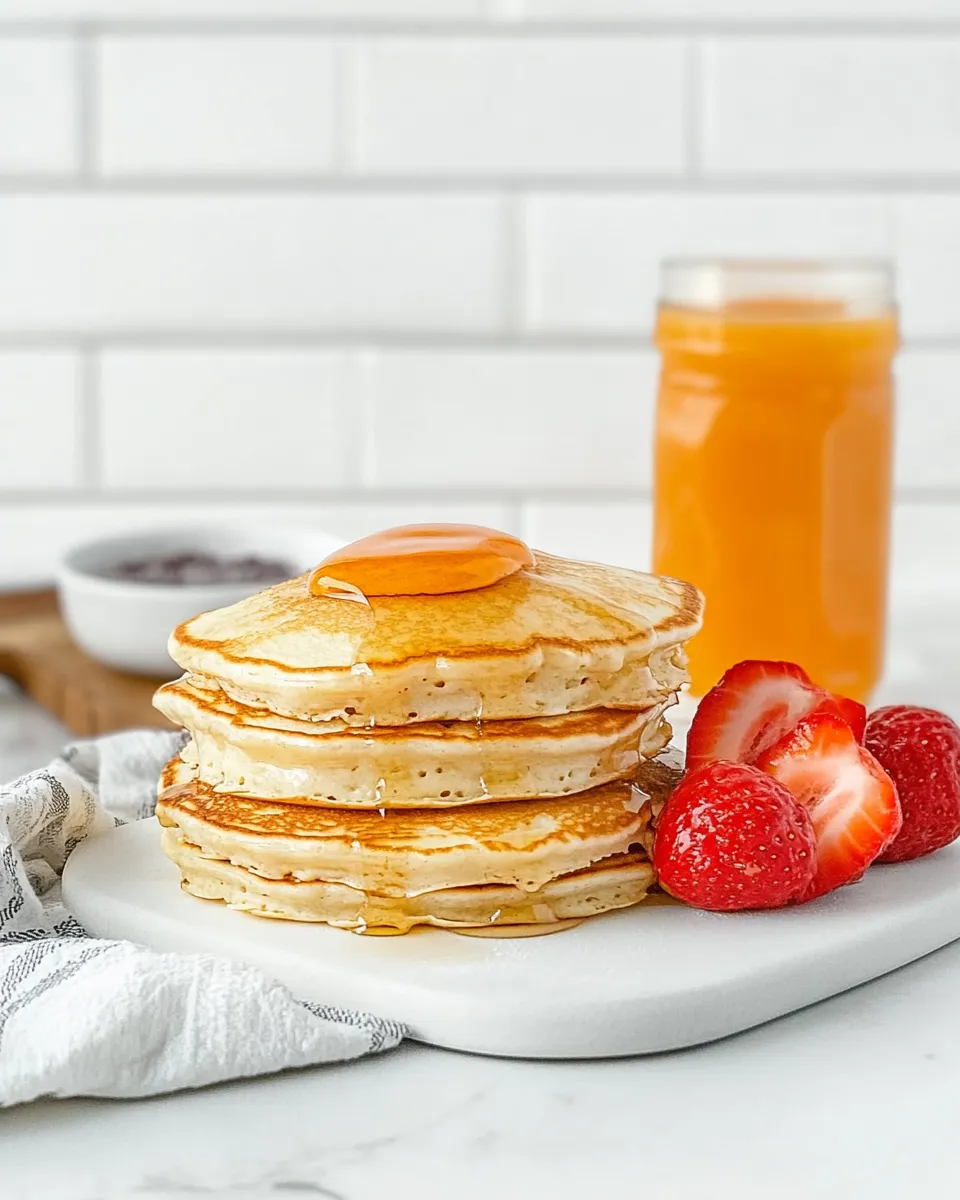
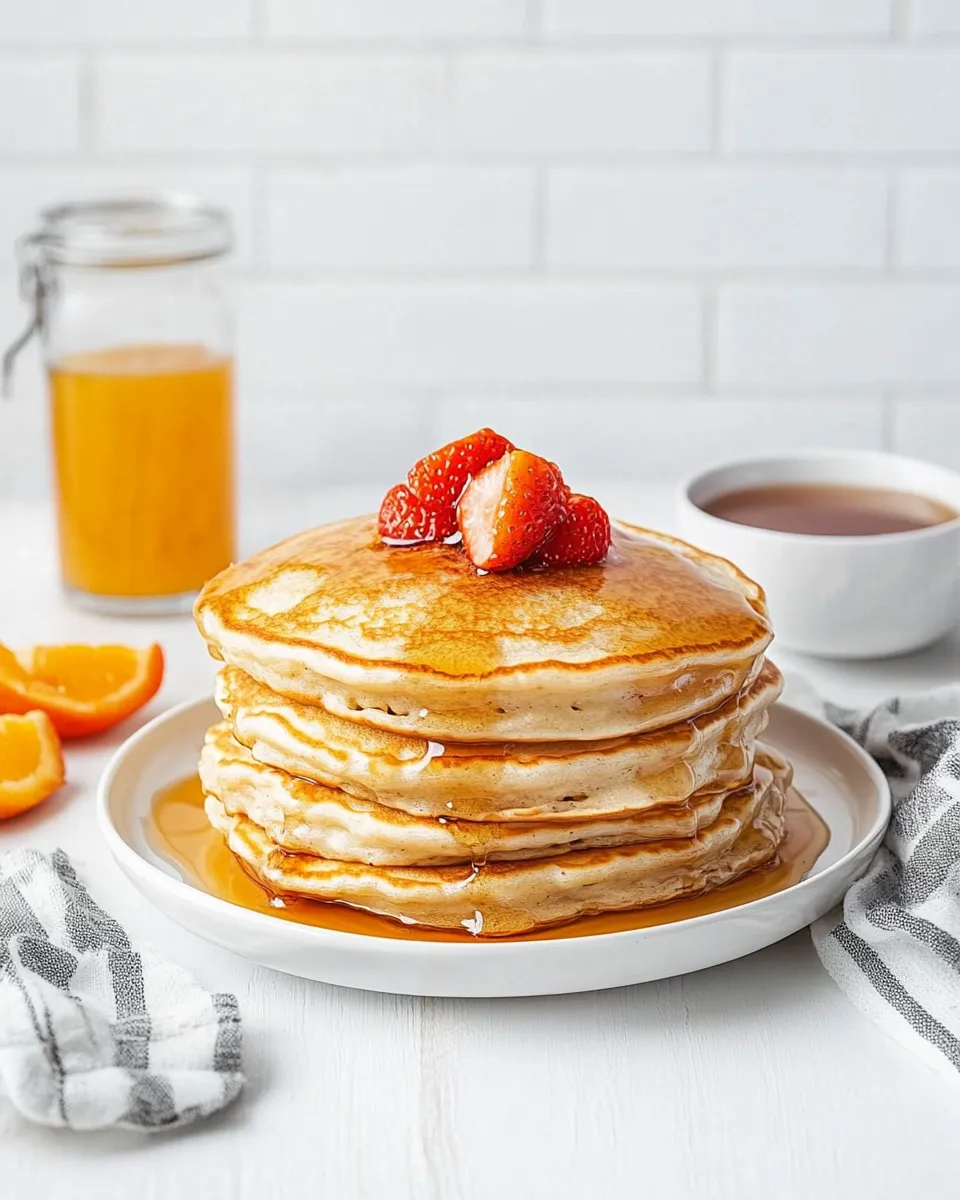
Serve these pancakes warm. Keep toppings simple and balanced: a little butter or nut butter, a drizzle of maple syrup or honey, and a scattering of fruit or toasted nuts for texture. If you’re feeding a crowd, stack them on a warmed platter and let guests help themselves.
Eat them fresh and relaxed. Pancakes are forgiving and communal; they don’t need to be perfect. A good pan, the right batter consistency, and a confident flip will get you to golden, tender pancakes every time.
Pancakes Recipe
Ingredients
Ingredients
- 2 cupswhole-wheat flour
- 4 teaspoonsbaking powderaluminium-free
- 2 tablespoonsorganic raw honey or pure maple syrup
- 1 teaspoonsea salt
- 2 large eggs
- 1 1/2 cupsalmond milk or another plant-based milk
- 2 tablespoonscoconut oilplus more for cooking
- Cooking spray
Instructions
Instructions
- In a large mixing bowl, whisk together 2 cups whole-wheat flour, 4 teaspoons aluminium-free baking powder, and 1 teaspoon sea salt.
- In a separate medium bowl, crack and beat 2 large eggs until combined.
- Melt 2 tablespoons coconut oil (briefly in the microwave or in a small saucepan). Add the melted coconut oil, 2 tablespoons organic raw honey or pure maple syrup, and 1 1/2 cups almond milk (or another plant-based milk) to the beaten eggs; whisk until the wet ingredients are smooth and combined.
- Gradually pour the wet mixture into the bowl with the dry ingredients, whisking gently until just combined. Do not overmix; a few small lumps are fine.
- If the batter appears too thick to pour, add almond milk 1 tablespoon at a time and stir until the batter reaches a pourable consistency.
- Preheat a griddle or nonstick skillet over medium heat. Lightly coat the surface with cooking spray or a small amount of coconut oil.
- Once the pan is hot, pour about 1/4 cup of batter for each pancake onto the griddle, leaving space between pancakes.
- Cook until the edges look set and bubbles form on the surface, about 2–3 minutes. Flip each pancake and cook until the other side is golden and the pancake is cooked through, about 2 minutes more.
- Transfer cooked pancakes to a plate and repeat with remaining batter, adding more cooking spray or coconut oil to the pan as needed. Serve warm.
Equipment
- Large Mixing Bowl
- Medium Bowl
- Whisk
- Griddle
- Nonstick Skillet
- Small Saucepan
- Microwave