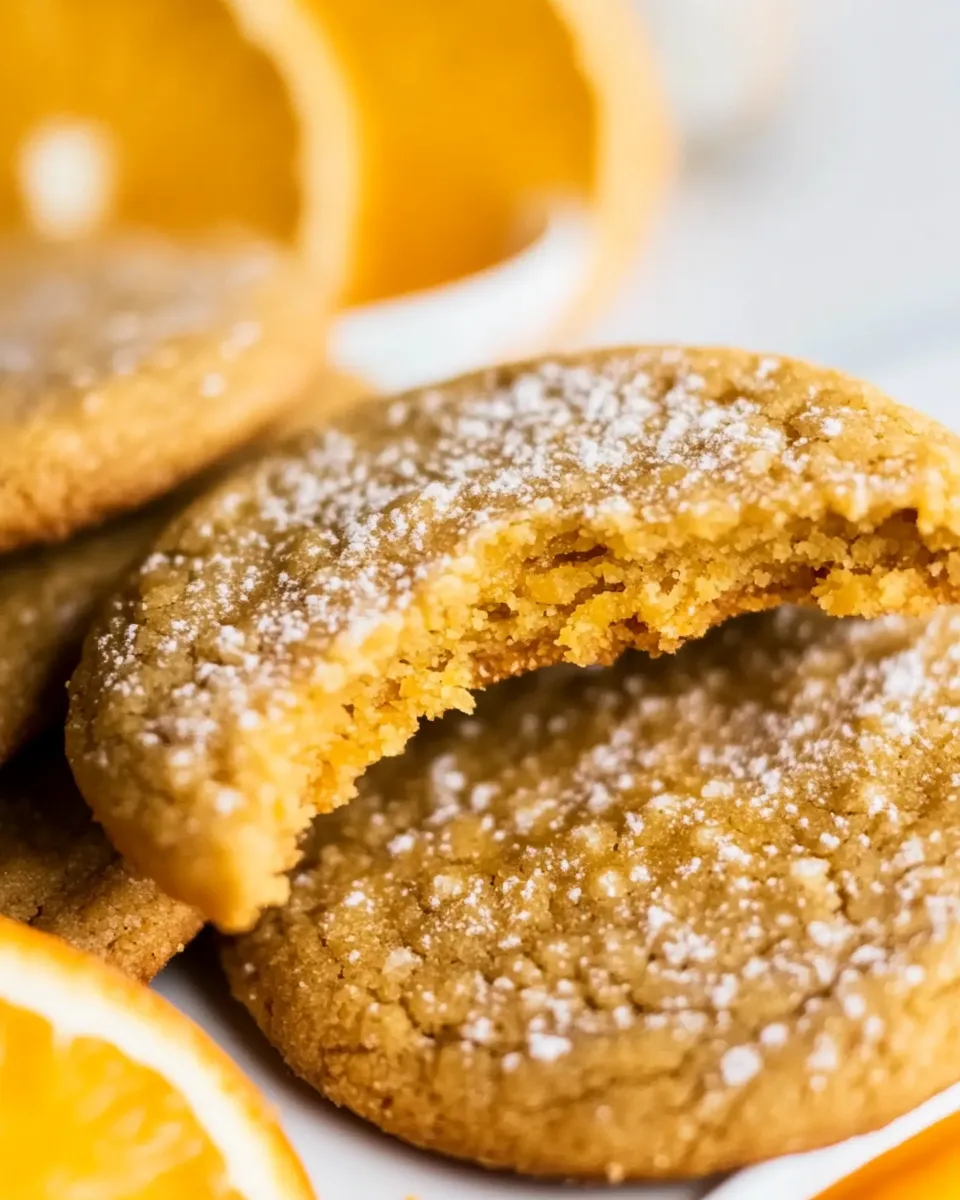
Orange Olive Oil Cookies
These Orange Olive Oil Cookies are one of those recipes that feel deliberate but come together fast. They’re bright with orange zest, tender from olive oil, and given structure with a simple flax “egg” so the texture is soft and slightly chewy. I make them when I want a cookie that tastes a little grown-up but still melts into a cup of tea.
No complicated steps, no exotic equipment — just good ingredients and a few minutes of hands-on work. The sugar is lightly perfumed with zest before it meets the dough, which makes the citrus flavor pop without adding wet ingredients. If you bake cookies regularly, this one will join your rotation: it’s forgiving and reliably pleasing.
Your Shopping Guide

Buy good-quality olive oil. It doesn’t have to be the most expensive extra-virgin, but avoid anything overly bitter. Since olive oil plays a starring role here, pick a mild, fruity bottle you enjoy drinking on bread.
Get a navel orange for zest — one orange provides the 2–3 teaspoons called for. Measure flour by spooning into the cup and leveling; the recipe specifies “spooned and leveled,” which helps prevent dense cookies. If you don’t keep ground flaxseed on hand, you can find it in the baking aisle or health food section.
Orange Olive Oil Cookies, Made Easy
Ingredients
- 1 tablespoon ground flaxseed — for the flax “egg” that binds and adds a bit of nuttiness.
- 2 1/2 tablespoons water — hydrates the flaxseed to thicken into the flax “egg”.
- 1/2 cup + 3 tablespoons cane sugar — primary sweetener; part is set aside and mixed with zest to coat the cookies.
- 2–3 teaspoons orange zest (about 1 navel orange) — concentrated citrus flavor, rubs into sugar for fragrance.
- 1/2 cup brown sugar — adds moisture and a touch of caramel depth.
- 1/3 cup + 1 tablespoon olive oil* — provides tenderness and a subtle savory note.
- 2 teaspoons vanilla extract — rounds flavors and lifts the orange.
- 1 cup + 6 tablespoons all purpose flour (spooned and leveled) — structure; spoon and level to avoid packing too much flour.
- 2 teaspoons cornstarch — contributes to a tender crumb.
- 1/2 teaspoon baking powder — gentle lift for a slightly puffy cookie.
- 1/4 teaspoon baking soda — balances acidity and aids spread.
- 1/2 teaspoon kosher salt — enhances sweetness and balances flavor.
- Preheat the oven to 350°F (175°C). Line a cookie sheet with parchment paper or a silicone baking mat.
- Make the flax “egg”: in a small bowl combine 1 tablespoon ground flaxseed and 2 1/2 tablespoons water, stir well, and let sit at least 5 minutes to thicken.
- In a large bowl combine 1/2 cup + 3 tablespoons cane sugar and 2–3 teaspoons orange zest. Use your hands to rub/massage the zest into the sugar until the sugar is evenly colored and fragrant. Scoop out and set aside 3 tablespoons of this orange sugar for coating the cookies later.
- To the remaining sugar-zest in the large bowl add 1/2 cup brown sugar, 1/3 cup + 1 tablespoon olive oil, the thickened flax egg, and 2 teaspoons vanilla extract. Whisk until the mixture is smooth and evenly combined.
- Add the dry ingredients to the center of the same bowl: 1 cup + 6 tablespoons all-purpose flour (spooned and leveled), 2 teaspoons cornstarch, 1/2 teaspoon baking powder, 1/4 teaspoon baking soda, and 1/2 teaspoon kosher salt. Use a spatula to mix the dry ingredients together on top of the wet ingredients, then gently fold them into the wet mixture until a thick dough forms and no dry streaks remain. Do not overmix.
- Portion the dough: scoop about 1 1/2 tablespoons of dough, roll it between your hands to form a smooth ball, then roll the ball in the reserved 3 tablespoons orange sugar to coat. Place each coated ball on the prepared baking sheet about 3 inches apart and press down slightly to flatten.
- Bake on the middle oven rack for 9 to 10 minutes, until the cookies have spread but still look puffy.
- Remove the baking sheet from the oven and let the cookies rest on the sheet for 10 minutes. Then use a spatula to transfer the cookies to a wire rack and let them cool completely.
- Serve immediately or store leftovers in an airtight container at room temperature for up to 5 days.
Why This Recipe Belongs in Your Rotation
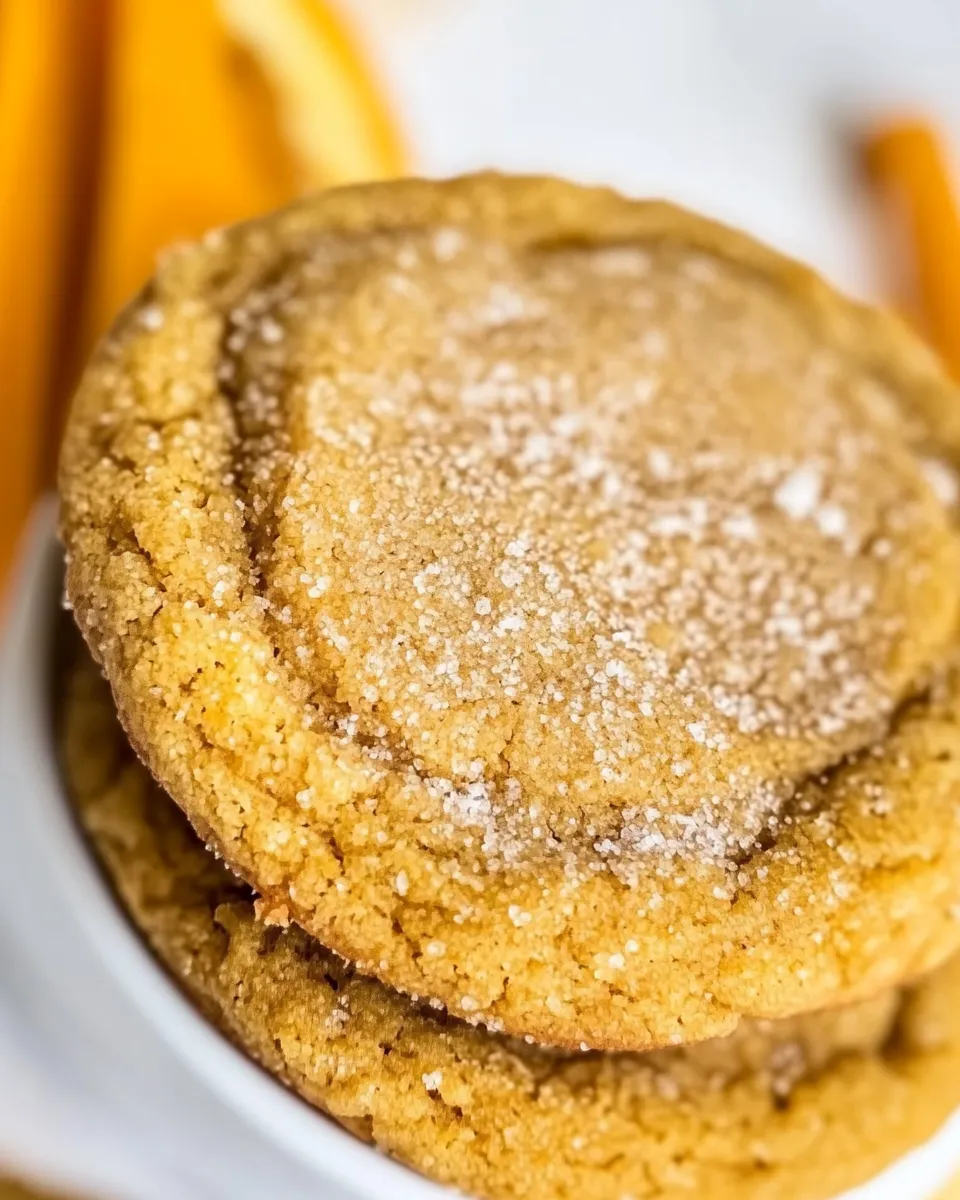
These cookies are fast, forgiving, and flavor-forward. The olive oil keeps them tender and gives a subtle savory backbone that makes the citrus sing rather than overwhelm. The orange-scented sugar is a small, intentional step that amplifies aroma without adding liquid.
They’re also versatile: they work as a tea-time treat, a light dessert after dinner, or a quick bake to take to a neighbor. Because they don’t rely on eggs, they’re easy to adapt for egg-free diets without needing specialty ingredients.
If You’re Out Of…
- Ground flaxseed — you can grind whole flaxseed in a spice grinder or blender. If you have neither, expect a slightly different texture if you omit it entirely; the cookie will still bake but may be less cohesive.
- Orange — use the zest of a lemon for a different, sharper citrus profile. Note the flavor will change.
- Olive oil — a neutral oil (canola, grapeseed) will work in a pinch but loses the olive’s character.
- Cane sugar — regular granulated sugar can substitute; the final texture and flavor will be similar.
Equipment at a Glance
- Mixing bowls (one small for flax, one large for dough)
- Measuring cups and spoons
- Microplane or fine grater for zest
- Spatula and whisk
- Scoop or tablespoon for portioning
- Baking sheet and parchment paper or silicone mat
- Wire rack to cool cookies
Things That Go Wrong
Cookies spread too much: check that your flour was measured spooned-and-leveled, not scooped. Too little flour or too-warm dough can cause excessive spread. Chilling the dough briefly can help if your kitchen is very warm.
Cookies are flat and crisp, not puffy: under-measuring cornstarch or baking powder can cause this. Also avoid overmixing once the flour is added — that develops gluten and makes cookies tougher/denser.
Insufficient orange flavor: be sure to rub the zest into the sugar until the sugar is evenly colored and fragrant — this concentrates the oils and is the best way to get bright citrus without adding juice.
Make It Diet-Friendly
- Egg-free — this recipe already uses a flax “egg,” so it’s suitable for egg-free diets.
- Lower sugar — you can reduce the cane sugar and brown sugar slightly, but expect the cookies to be less golden and less tender; reduce in small increments (10–15%) and test one batch.
- Gluten-free — swap the all-purpose flour for a 1:1 gluten-free blend that includes xanthan gum. Results vary by blend; the texture will be a touch different.
Pro Perspective
Two small habits yield better cookies: first, rub the zest into the sugar with your fingertips until the sugar is colored and fragrant — it releases the essential oils and makes the orange note pop. Second, spoon and level the flour. That small act prevents a dry, crumbly dough and keeps your cookies tender.
When shaping, roll the dough into smooth balls. Any rough or cracked surface will bake into a rough cookie. Rolling gives a polished look and helps them spread evenly. Finally, rest the cookies on the sheet for the full 10 minutes after baking; they finish setting on the hot pan and are less likely to break when you move them.
Freezer-Friendly Notes

Freezing options are simple. Form and roll the dough balls, then flash-freeze them on a tray until firm and transfer to a zip-top bag for up to 3 months. When you want cookies, bake from frozen — add 1–2 minutes to the bake time and watch for the same cues: spread but still puffy.
Baked cookies also freeze well. Layer cooled cookies between parchment and place in a freezer-safe container for up to 2 months. Thaw at room temperature for 30–60 minutes before serving.
Ask the Chef
Q: Can I use juice instead of zest to get more orange flavor? A: You can, but juice adds liquid and will change the dough consistency. Zest concentrates flavor without altering hydration. If you want more orange, consider an orange extract, but use sparingly.
Q: Is the olive oil flavor noticeable? A: It depends on your oil. A mild, fruity olive oil gives a pleasant background note; a robust, peppery oil will be more noticeable and can overpower the orange. Choose accordingly.
Q: Can I make these larger or smaller? A: Yes. Adjust bake time: smaller cookies need less time, larger cookies more. Keep the same spacing on the sheet and watch the 9–10 minute guideline for the original size.
Let’s Eat
These cookies are at their best at room temperature with a cup of strong tea or black coffee. The crumb is tender, with a citrus brightness and a subtle olive oil richness that keeps them interesting bite after bite.
Store leftovers in an airtight container at room temperature for up to 5 days. If you followed the recipe’s timing and handled the dough gently, you’ll have consistently puffy, fragrant cookies that disappear fast — which is exactly how I like it.
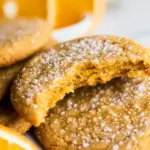
Orange Olive Oil Cookies
Ingredients
Ingredients
- 1 tablespoonground flaxseed
- 2 1/2 tablespoonswater
- 1/2 cup+ 3 tablespoons cane sugar
- 2-3 teaspoonsorange zestabout 1 navel orange
- 1/2 cupbrown sugar
- 1/3 cup+ 1 tablespoon olive oil*
- 2 teaspoonsvanilla extract
- 1 cup+ 6 tablespoonsall purpose flourspooned and leveled
- 2 teaspoonscornstarch
- 1/2 teaspoonbaking powder
- 1/4 tspbaking soda
- 1/2 teaspoonkosher salt
Instructions
Instructions
- Preheat the oven to 350°F (175°C). Line a cookie sheet with parchment paper or a silicone baking mat.
- Make the flax "egg": in a small bowl combine 1 tablespoon ground flaxseed and 2 1/2 tablespoons water, stir well, and let sit at least 5 minutes to thicken.
- In a large bowl combine 1/2 cup + 3 tablespoons cane sugar and 2–3 teaspoons orange zest. Use your hands to rub/massage the zest into the sugar until the sugar is evenly colored and fragrant. Scoop out and set aside 3 tablespoons of this orange sugar for coating the cookies later.
- To the remaining sugar-zest in the large bowl add 1/2 cup brown sugar, 1/3 cup + 1 tablespoon olive oil, the thickened flax egg, and 2 teaspoons vanilla extract. Whisk until the mixture is smooth and evenly combined.
- Add the dry ingredients to the center of the same bowl: 1 cup + 6 tablespoons all-purpose flour (spooned and leveled), 2 teaspoons cornstarch, 1/2 teaspoon baking powder, 1/4 teaspoon baking soda, and 1/2 teaspoon kosher salt. Use a spatula to mix the dry ingredients together on top of the wet ingredients, then gently fold them into the wet mixture until a thick dough forms and no dry streaks remain. Do not overmix.
- Portion the dough: scoop about 1 1/2 tablespoons of dough, roll it between your hands to form a smooth ball, then roll the ball in the reserved 3 tablespoons orange sugar to coat. Place each coated ball on the prepared baking sheet about 3 inches apart and press down slightly to flatten.
- Bake on the middle oven rack for 9 to 10 minutes, until the cookies have spread but still look puffy.
- Remove the baking sheet from the oven and let the cookies rest on the sheet for 10 minutes. Then use a spatula to transfer the cookies to a wire rack and let them cool completely.
- Serve immediately or store leftovers in an airtight container at room temperature for up to 5 days.
Equipment
- Oven
- Mixing Bowl
- Small Bowl
- Whisk
- Spatula
- Baking Sheet
- Parchment paper or silicone baking mat
- Wire Rack
Notes
Make-Ahead:The cookie dough can be made up to 3 days in advance before baking. Follow the recipe to the end of step 3, then wrap the dough tightly in plastic wrap and refrigerate until you are ready to bake. Let the dough come to room temperature for 30 to 45 minutes before proceeding with step 4 of the recipe