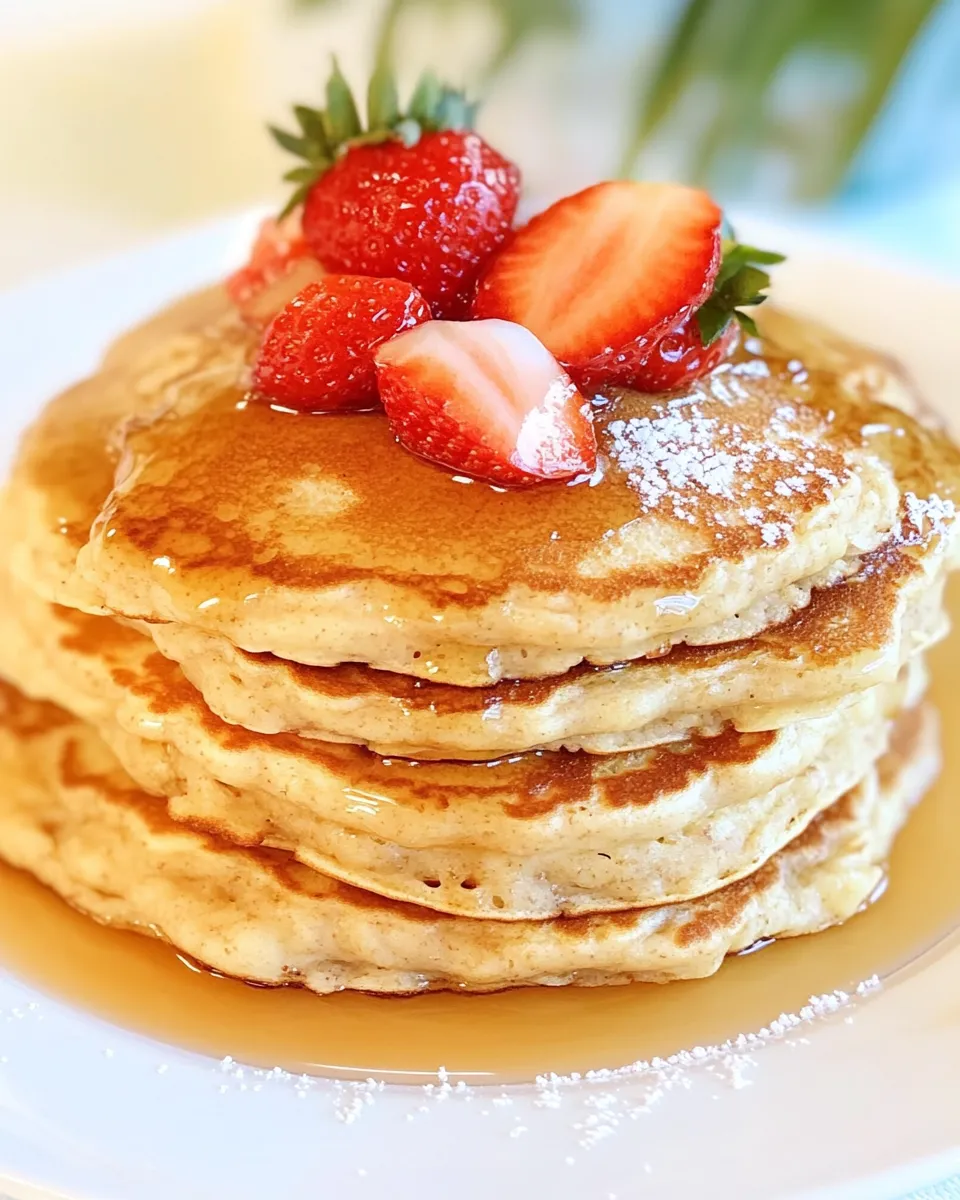
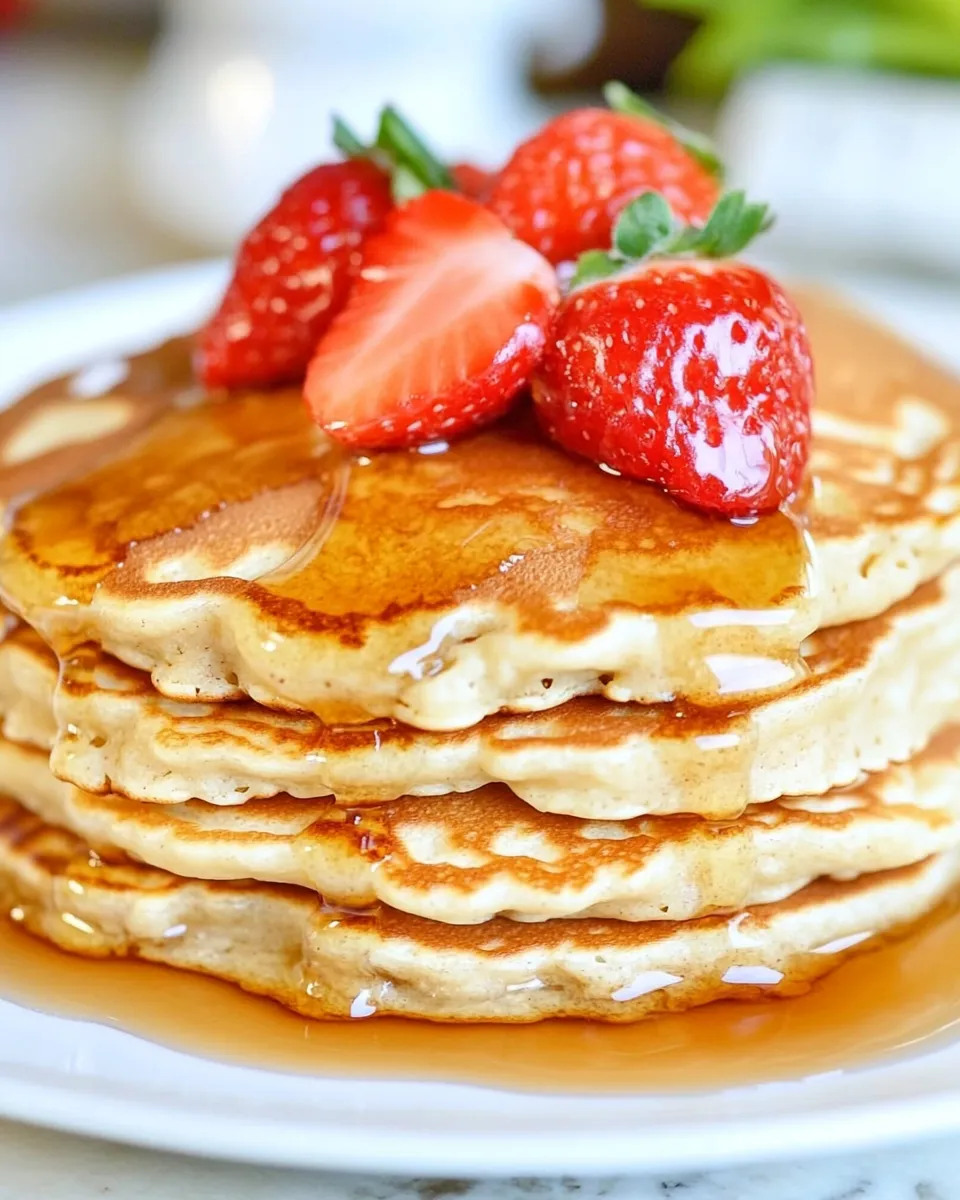
Oatmeal Pancakes
These oatmeal pancakes are the kind of breakfast that feels thoughtful without being fussy. They come together fast, use pantry-friendly staples, and deliver a tender interior with a slightly rustic chew from the oats. I turn to this batter on busy mornings when I want something comforting but not complicated.
The method is straightforward: soak quick oats in milk, whisk the wet ingredients, fold everything together, and cook on a hot griddle. Little steps—like reserving a bit of melted coconut oil to grease the pan—add up to reliable results. The batter is forgiving, so you don’t need to worry about perfection.
Below you’ll find a clear ingredient breakdown with tips, step-by-step instructions that follow the tested method, and practical advice for swapping, storing, and troubleshooting. Read the tips, then get cooking. These pancakes freeze and reheat well, so they’re an excellent make-ahead win for weekday breakfasts.
Ingredient Breakdown

Ingredients
- 1 cup milk — softens the oats and thins the batter to the right consistency; you can use whole or lower-fat milk depending on richness preference.
- 2 large eggs — provide structure and lift; they help the pancakes set and brown.
- 1 tablespoon pure maple syrup — a mild sweetener and flavor enhancer; it deepens the batter’s flavor without making them cloying.
- 1 tablespoon coconut oil, melted — adds richness and a touch of coconut aroma; part is reserved to grease the pan for an even, nonstick cook.
- 2 teaspoons vanilla extract — brightens and rounds out the flavors; a small amount goes a long way.
- 1 cup all-purpose flour — the main bulk for structure and tenderness; measure by spooning into the cup and leveling for accuracy.
- 2 teaspoons baking powder — the leavening agent that gives these pancakes a light lift and creates the characteristic surface bubbles.
- 1/2 teaspoon salt — balances the sweetness and enhances the other flavors.
- 1/2 teaspoon cinnamon — adds warm spice and complexity; optional but recommended for a cozy profile.
- 1 cup quick oats — provides texture and oat flavor; quick oats absorb liquid fast, which keeps the batter tender and cooks evenly.
Oatmeal Pancakes, Made Easy
- If the coconut oil is solid, melt the 1 tablespoon and set aside a small amount of the melted coconut oil to grease the pan; keep the remainder for the batter.
- In a medium bowl, combine 1 cup quick oats and 1 cup milk; stir and let sit about 5 minutes to soften.
- In a large mixing bowl, whisk together 2 large eggs, 1 tablespoon pure maple syrup, the remaining melted coconut oil, and 2 teaspoons vanilla extract until combined.
- Add 1 cup all-purpose flour, 2 teaspoons baking powder, 1/2 teaspoon salt, and 1/2 teaspoon cinnamon to the wet mixture; whisk until just combined (do not overmix).
- Fold the soaked oats into the batter until incorporated, mixing only until combined.
- Heat a large skillet or griddle over medium-high heat until hot. Lightly grease the surface with the reserved melted coconut oil.
- Using a 3-tablespoon scoop, drop batter onto the hot griddle, leaving space between pancakes.
- Cook until bubbles form on the surface and the edges look set and golden brown, about 2–3 minutes; flip and cook 1–2 minutes more, until cooked through and golden.
- Serve the pancakes hot.
Why You’ll Keep Making It
These pancakes strike a balance between speed and substance. The quick oats give you oat flavor and texture without the long soak time that old-fashioned oats would need. The batter comes together in one bowl most of the time—only a short oat soak is required—so cleanup is easy. Every bite offers a tender center with a little tooth from the oats. They’re familiar and homey, which is exactly what you want from a breakfast that appears in rotation.
They’re also adaptable. Small swaps change their character: richer milk makes them more indulgent, while a slight tweak to the flour ratio increases chew or tenderness. They reheat well and freeze beautifully, so once you master the cook temperature and timing, you’ll find yourself making a batch and saving half for later.
Swap Guide
Need to tweak for diet, pantry limits, or flavor? Here are targeted swaps that keep the technique intact.
- Milk — Use the milk you have on hand: dairy or plant milks (almond, oat, soy) will work; expect a small change in flavor and texture depending on fat content.
- Eggs — For an egg-free option, try a commercial egg replacer or a mix of 1 tablespoon ground flaxseed + 3 tablespoons water per egg (let sit to gel); note texture will be denser.
- Coconut oil — Swap with melted butter for a butterier flavor or a neutral oil (vegetable, canola) for a more neutral profile.
- All-purpose flour — Whole wheat will add nuttiness and density; for gluten-free, use a 1:1 gluten-free baking blend and follow package notes for any water adjustments.
- Quick oats — Old-fashioned oats can be used but give them a slightly longer soak time in the milk so they soften thoroughly.
- Maple syrup — Honey works in a pinch; reduce other liquid slightly if your honey is very runny or sweet to taste.
- Flavorings — Swap cinnamon for a pinch of nutmeg or cardamom for a different warmth; citrus zest brightens the batter nicely.
Hardware & Gadgets
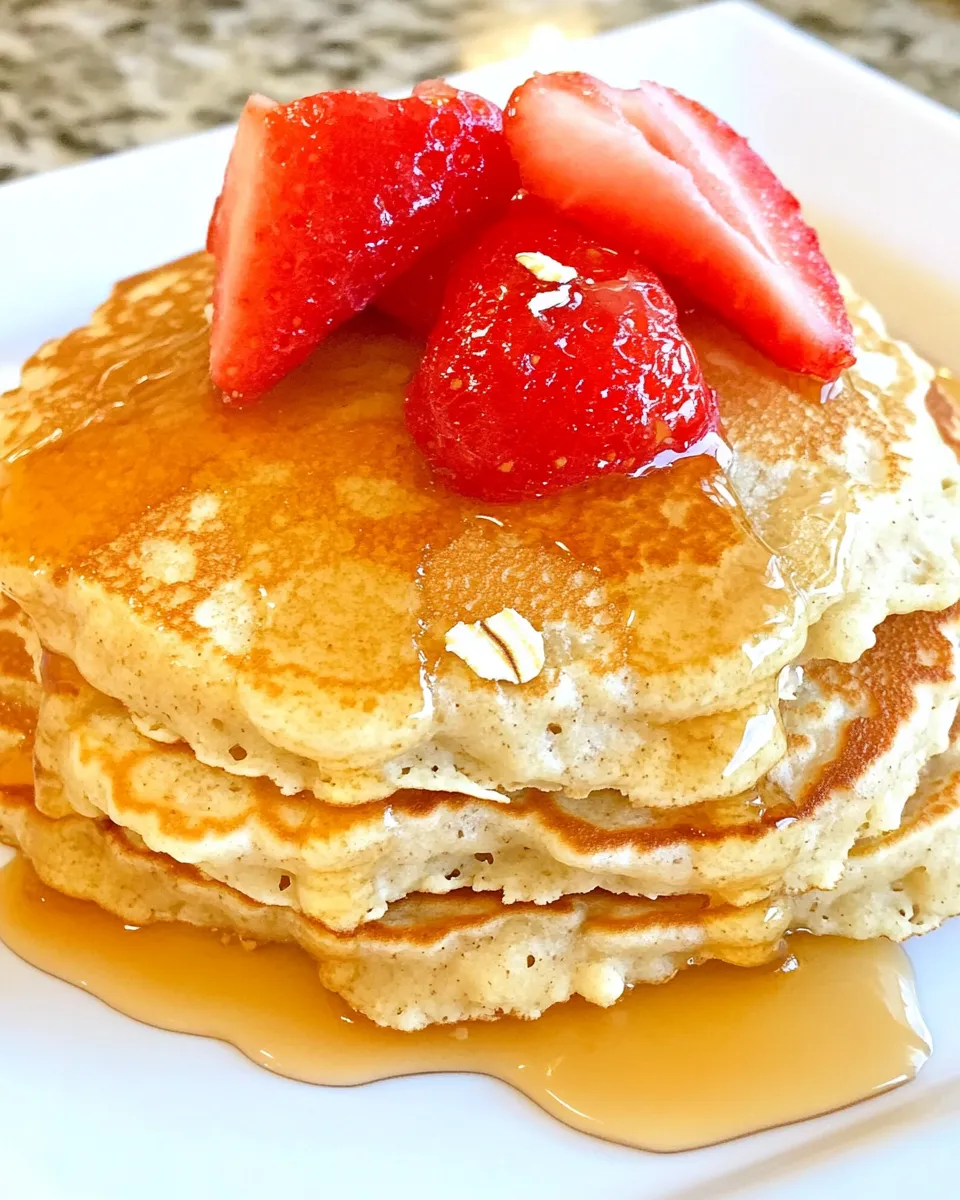
Good results come from simple tools. Here’s what I reach for and why.
- Large skillet or griddle — A flat, evenly heated surface is essential. A well-seasoned cast-iron skillet or a nonstick griddle both work great. Cast iron gives great browning; nonstick reduces oil needs.
- 3-tablespoon scoop — Keeps pancakes uniform so they cook at the same rate. If you don’t have one, a 1/8-cup measure works similarly.
- Whisk and mixing bowls — A medium bowl to soak oats and a larger bowl to whisk the batter keeps things tidy.
- Spatula — A thin, flexible spatula makes flipping easier and reduces pancake breakage.
Avoid These Mistakes
Small missteps cause big differences. Watch for these common errors.
- Skipping the oat soak — Quick oats benefit from the 5-minute soak. If you skip it, the oats remain dry and give a pasty texture in the cooked pancake.
- Overmixing the batter — Once the dry ingredients meet the wet, mix only until incorporated. Overworked batter makes tough pancakes.
- Griddle too hot or too cool — If it’s too hot, the outside will brown before the center cooks. Too cool and the pancakes won’t develop a golden surface or that light interior. Aim for medium-high and adjust after the first pancake test.
- Using cold batter straight from the fridge — Cold batter can give uneven cooking. If you make batter ahead, let it sit at room temperature 10–15 minutes before cooking, or lower the griddle temperature slightly while cooking.
- Smothering pancakes — Don’t press them down with the spatula; let them rise and finish cooking on their own for better texture.
Season-by-Season Upgrades
Small seasonal changes turn these pancakes into a breakfast that feels of the moment.
- Spring — Fold in a handful of fresh berries after scooping the batter, or serve with a compote of gently cooked strawberries and a squeeze of lemon.
- Summer — Top with sliced stone fruit or a dollop of yogurt and a drizzle of extra maple syrup for a lighter, bright finish.
- Fall — A tablespoon of pumpkin puree mixed into the batter and an extra pinch of cinnamon or pumpkin pie spice makes an excellent seasonal variation.
- Winter — Serve with warm spiced compote or caramelized apples and a little extra butter for a cozy brunch.
Testing Timeline
Here’s a simple timeline to plan cooking and prep.
- 0–5 minutes — Melt coconut oil if needed, measure ingredients, and start the oat soak (1 cup oats with 1 cup milk).
- 5–10 minutes — Whisk eggs, maple syrup, remaining melted coconut oil, and vanilla; whisk dry ingredients into the wet until just combined; fold in soaked oats.
- 10–15 minutes — Preheat skillet or griddle over medium-high heat; reserve a bit of melted coconut oil to grease the pan.
- 15–30 minutes — Cook pancakes: 2–3 minutes first side, 1–2 minutes flipped. Time will vary slightly by pan and heat. Aim for golden edges and surface bubbles before flipping.
Save It for Later
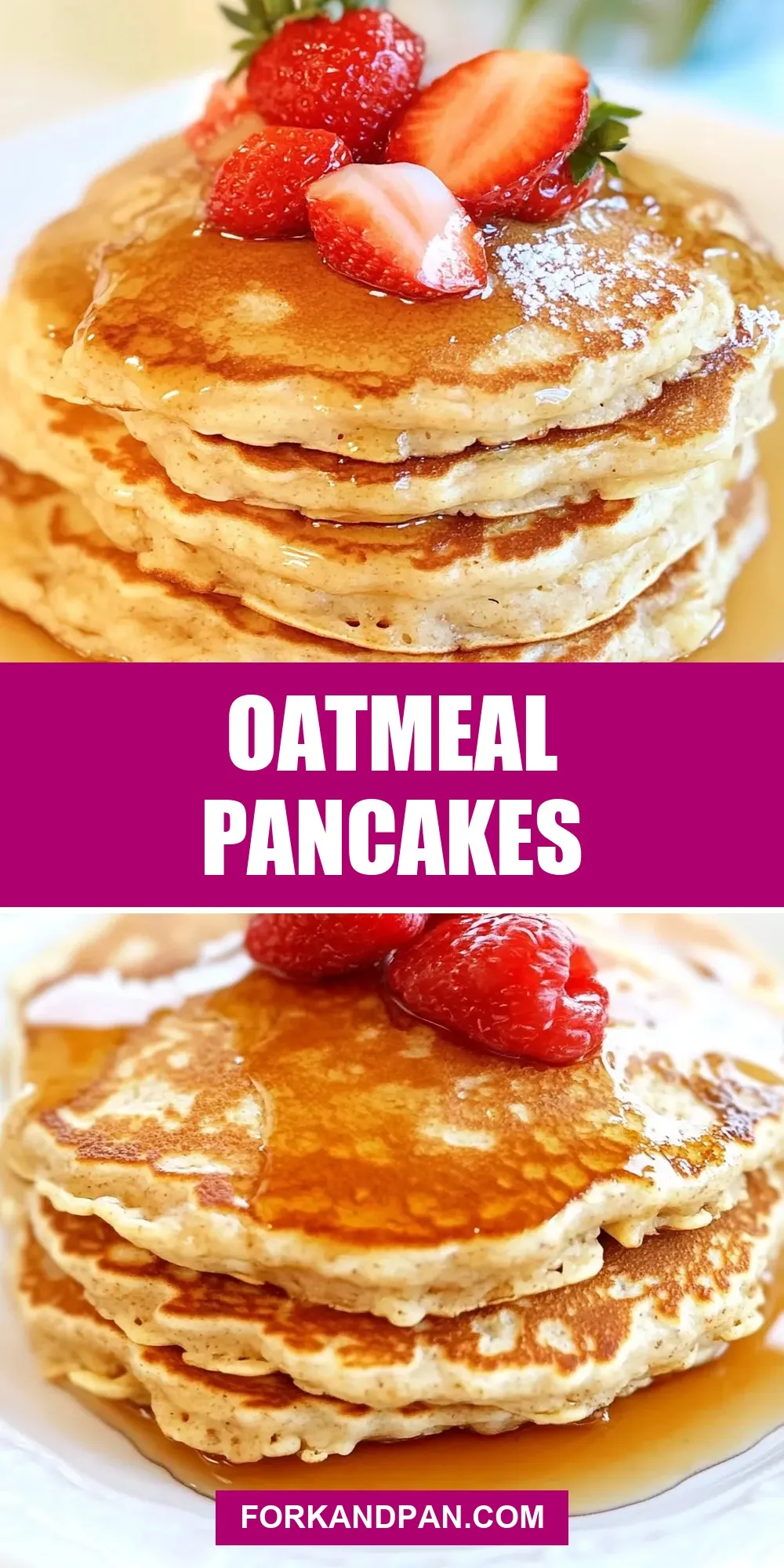
Make-ahead and storage tips that keep texture and flavor.
- Refrigerator — Store cooled pancakes in an airtight container for up to 3 days. Reheat gently in a skillet over low heat to revive crisp edges, or microwave covered for 20–30 seconds for a quick fix.
- Freezer — Freeze in a single layer on a baking sheet until solid, then transfer to a freezer bag. They keep well for up to 2 months. Reheat from frozen in a toaster oven or skillet; the toaster oven yields crisper edges.
- Reheating — Avoid high heat; it dries pancakes out. Low and steady heat, or a short burst in the microwave followed by a quick skillet crisp, works best.
Your Top Questions
- Can I make this recipe dairy-free? — Yes. Use a plant-based milk in the same 1 cup measure. Expect slight flavor changes depending on the milk’s fat and sweetness.
- Can I use old-fashioned oats instead of quick oats? — Yes. Let them soak a bit longer in the milk—10–15 minutes—or pulse them briefly in a food processor if you prefer a finer texture.
- How do I know when to flip the pancakes? — Look for bubbles across the surface and edges that look set and slightly dry. That’s the cue to flip for an even cook.
- Why are my pancakes tough? — Likely overmixing. Stir until the ingredients are just combined and the oats are folded in; a few lumps are okay.
- Can I add fruit or chocolate chips? — Yes. If adding mix-ins, sprinkle them on the batter once it’s on the griddle to avoid overmixing the entire batter.
The Takeaway
These Oatmeal Pancakes are reliable, forgiving, and adaptable. They bridge the gap between a quick weekday breakfast and a relaxed weekend brunch. The method is simple: soak, whisk, fold, and cook. Pay attention to soaking the oats, don’t overmix, and get your griddle temperature right for consistent, golden results. Once you’ve made them a couple of times, you’ll have your preferred cook time and toppings dialed in. Make a double batch, freeze half, and enjoy the ease of warm pancakes anytime.
Oatmeal Pancakes
Ingredients
Ingredients
- 1 cupmilk
- 2 largeeggs
- 1 tablespoonpure maple syrup
- 1 tablespoonscoconut oilmelted
- 2 teaspoonsvanilla extract
- 1 cupall-purpose flour
- 2 teaspoonsbaking powder
- 1/2 teaspoonsalt
- 1/2 teaspooncinnamon
- 1 cupquick oats
Instructions
Instructions
- If the coconut oil is solid, melt the 1 tablespoon and set aside a small amount of the melted coconut oil to grease the pan; keep the remainder for the batter.
- In a medium bowl, combine 1 cup quick oats and 1 cup milk; stir and let sit about 5 minutes to soften.
- In a large mixing bowl, whisk together 2 large eggs, 1 tablespoon pure maple syrup, the remaining melted coconut oil, and 2 teaspoons vanilla extract until combined.
- Add 1 cup all-purpose flour, 2 teaspoons baking powder, 1/2 teaspoon salt, and 1/2 teaspoon cinnamon to the wet mixture; whisk until just combined (do not overmix).
- Fold the soaked oats into the batter until incorporated, mixing only until combined.
- Heat a large skillet or griddle over medium-high heat until hot. Lightly grease the surface with the reserved melted coconut oil.
- Using a 3-tablespoon scoop, drop batter onto the hot griddle, leaving space between pancakes.
- Cook until bubbles form on the surface and the edges look set and golden brown, about 2–3 minutes; flip and cook 1–2 minutes more, until cooked through and golden.
- Serve the pancakes hot.
Equipment
- Medium Bowl
- Large Mixing Bowl
- Whisk
- Skillet or griddle
- Spatula
- 3-tablespoon scoop