Oat Flour Muffins
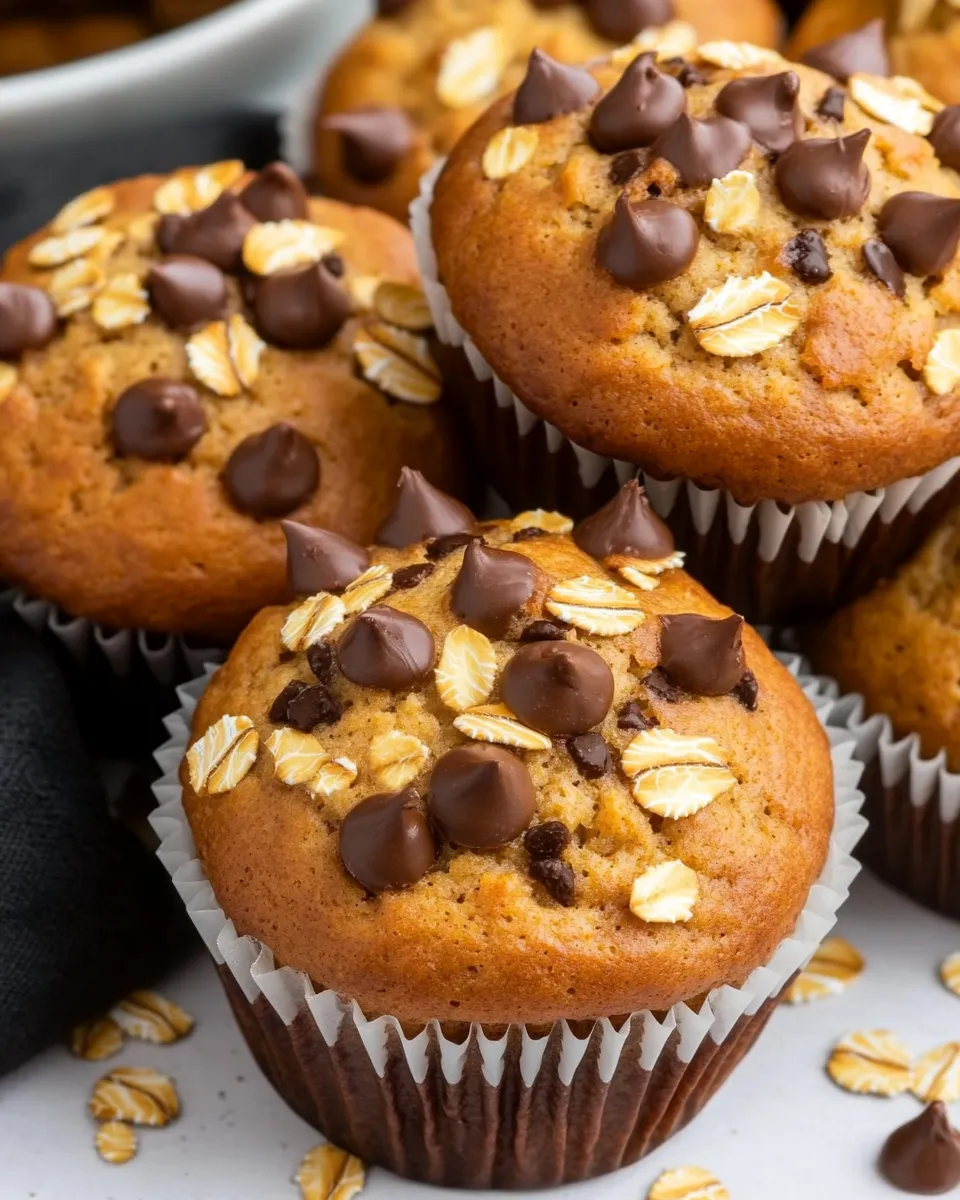
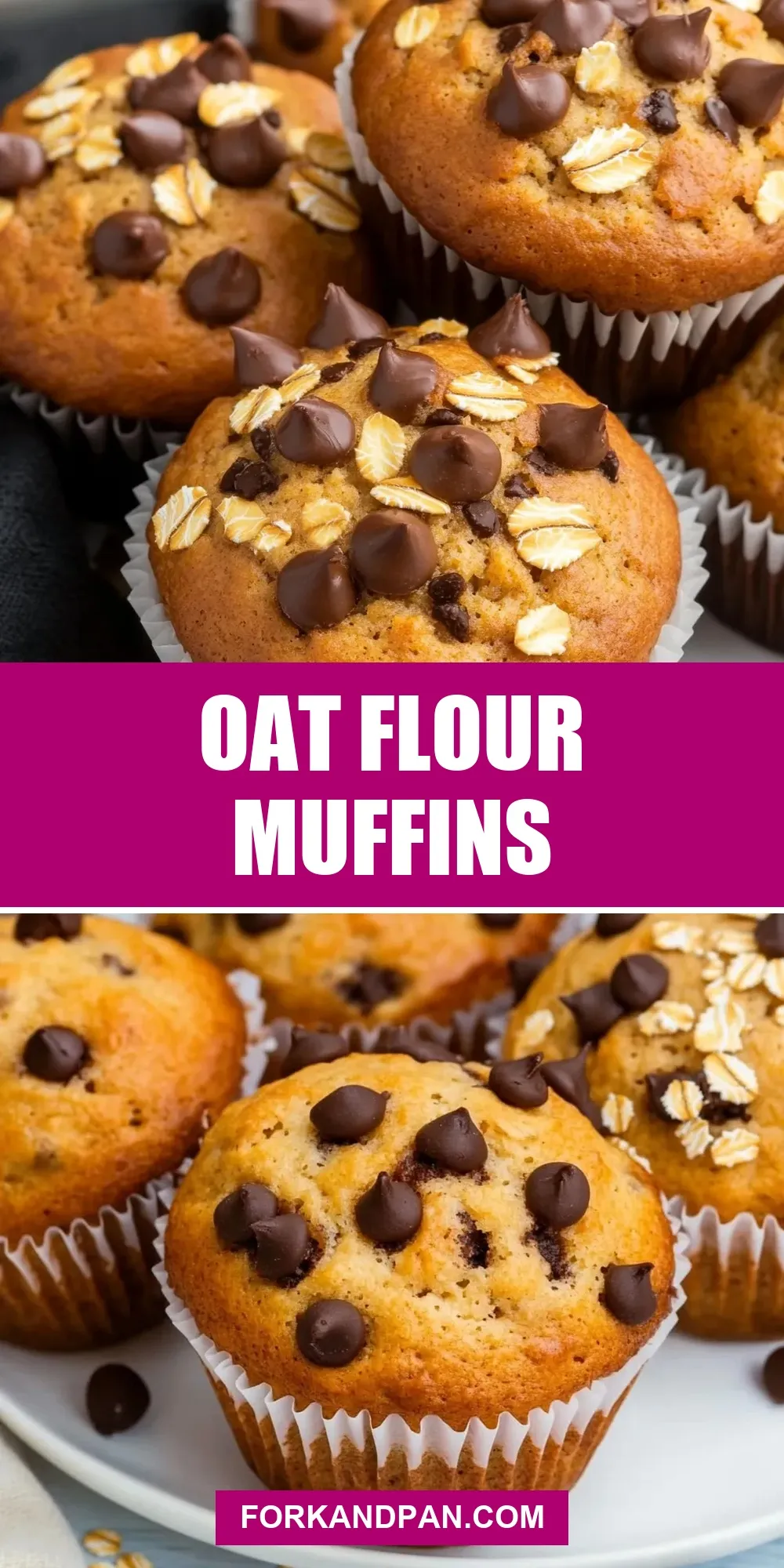
These oat flour muffins have become my weekday favorite when I need something quick, a little wholesome, and reliably comforting. They’re sturdy enough to hold up in a lunchbox, tender enough for a weekend brunch, and forgiving if you’re juggling a morning routine. I keep the base straightforward so you can riff on add-ins without wrecking the texture.
You’ll notice the recipe relies on oat flour, yogurt, and coconut oil — a trio that keeps the crumb moist without wheat flour. The batter comes together in two bowls: dry and wet. That split keeps mixing minimal and avoids the gummy texture oat flour can sometimes produce when overworked.
Below I’ll walk you through shopping notes, the exact steps, storage tips, and troubleshooting advice. Follow the steps as written for reliable results, and I’ll point out small swaps that work when you’re out of something or want to tailor flavors.
Your Shopping Guide

Start by checking what you already have. Oat flour is the star, so if you don’t bake with it often, buy a single bag or make your own from rolled oats by pulsing them in a blender until fine. Look for plain yogurt (Greek or regular) with a clean ingredient list — fewer additives mean more predictable moisture and tang.
For the coconut oil, choose refined if you want a neutral flavor, or unrefined (virgin) if you like a hint of coconut. If you’re using a sugar substitute, pick one you bake with regularly; some measures and textures differ in baked goods. And if you buy chocolate, choose a quality you enjoy eating — a pretty good chocolate chunk will show up in the final muffins.
Finally, measure spoons and cups, paper liners or a nonstick spray, and a decent muffin pan will make the day go smoother. You don’t need anything fancy—this is a straightforward bake that rewards precise measuring and gentle mixing.
Ingredients
- 1 3/4 cups oat flour — the main structure; use finely milled oat flour for a tender crumb.
- 1 teaspoon baking powder — provides lift and lightness.
- 1/2 teaspoon baking soda — works with the yogurt to add gentle rise.
- 1/4 teaspoon salt — balances sweetness and enhances flavor.
- 3/4 cup sugar or sugar substitute — sweetens the muffins; keep the amount the same if substituting granular alternatives.
- 1/2 cup coconut oil, melted — adds moisture and tenderness; melted makes it easy to combine with wet ingredients.
- 1 cup Greek yogurt or any plain yogurt — contributes tang and moisture; Greek will make a denser, slightly richer muffin.
- 2 large eggs — bind and add structure.
- 1 teaspoon vanilla extract — rounds flavors and lifts the batter.
- 1/2 cup chocolate, chopped, optional — optional mix-in; fold in for pockets of melted chocolate.
Oat Flour Muffins: How It’s Done
- Preheat the oven to 180°C (350°F). Line a 12-cup muffin pan with paper liners or lightly grease the cups and set the pan aside.
- In a large bowl, whisk together 1 3/4 cups oat flour, 1 teaspoon baking powder, 1/2 teaspoon baking soda, 1/4 teaspoon salt, and 3/4 cup sugar (or sugar substitute) until evenly combined.
- In a separate bowl, whisk the wet ingredients: 1/2 cup melted coconut oil, 1 cup Greek or plain yogurt, 2 large eggs, and 1 teaspoon vanilla extract until smooth.
- Pour the wet mixture into the dry ingredients and stir gently with a spatula or spoon until just combined — do not overmix.
- Fold in 1/2 cup chopped chocolate, if using, until distributed evenly.
- Divide the batter evenly among the 12 prepared muffin cups (about 2/3 full each).
- Bake in the preheated oven for 20–23 minutes, or until a skewer or toothpick inserted into the center of a muffin comes out mostly clean.
- Remove the pan from the oven and let the muffins cool in the pan for 10 minutes.
- Carefully transfer the muffins to a wire rack and cool completely before serving.
Why Oat Flour Muffins is Worth Your Time

Oat flour gives these muffins a rustic, slightly nutty character and a softer crumb than some whole-grain counterparts. The yogurt keeps them moist for days, and the coconut oil adds a forgiving richness that tolerates slight overbaking better than butter. They’re quick to mix, require no complicated folding techniques, and scale up easily when you want to bake a double batch.
Nutrition-wise, oat flour brings soluble fiber that helps with satiety, and swapping in a sugar substitute can lower the overall sugar without changing the method. The texture is approachable — not dense and gummy, but pleasantly tender. For busy mornings or a portable snack, they’re a reliable, homemade choice.
Easy Ingredient Swaps

- Greek yogurt → plain yogurt — keeps the acid and moisture but will yield a slightly lighter muffin if you use regular plain yogurt.
- Coconut oil → neutral oil or melted butter — neutral vegetable oil works in a one-to-one swap; melted butter will add flavor but may firm up the crumb a touch.
- Sugar → sugar substitute — the recipe already allows a sugar substitute; choose a granular one designed for baking and use the same volume.
- Chopped chocolate → chocolate chips or dried fruit — any small mix-in works; keep to roughly 1/2 cup so the batter balance stays consistent.
- Oat flour → homemade from rolled oats — pulse rolled oats in a blender until fine; use the same amount by volume.
Cook’s Kit
- 12-cup muffin pan — standard size; if you use a different size, baking time will change.
- Paper liners or nonstick spray — liners make cleanup easier and help the muffins release cleanly.
- Measuring cups and spoons — accurate measuring keeps the oat flour-to-liquid ratio consistent.
- Mixing bowls (one large, one medium) — for dry and wet ingredients so you minimize handling.
- Spatula or wooden spoon — fold and combine gently without overworking the batter.
- Wire rack — cool muffins fully to avoid sogginess from steam trapped underneath.
Things That Go Wrong
Underbaked centers: if the toothpick comes out wet or with batter, they need more time. Tent the pan with foil and add 3–5 minutes, checking again every few minutes.
Flat muffins: this can happen if the leavening is old. Baking powder and baking soda lose potency over time. Check dates and consider a test for baking powder potency if it’s been sitting a while.
Dry, crumbly muffins: overbaking or too much oat flour (poor measuring) causes dryness. Spoon flour into the measuring cup and level it off rather than scooping directly from the bag, which packs the flour and increases the amount.
Holiday & Seasonal Touches
Make these muffins festive with small, minimal additions. Toss in 1/2 cup chopped toasted nuts and a pinch of cinnamon for autumn. For winter holiday flavor, add a tablespoon of orange zest and use dark chocolate. Spring and summer are perfect for swapping the chocolate for chopped fresh strawberries folded in at the end (pat them dry so they don’t add too much moisture).
Top with a simple streusel before baking: mix 2 tablespoons oat flour, 1 tablespoon sugar, and 1 tablespoon melted coconut oil for a quick crisp. Don’t add much more; the base is delicate and benefits from light, restrained toppings.
What Could Go Wrong
Even when following the recipe, a few issues can crop up. If your muffins sink after cooling, it usually points to underbaking or an overly active rise followed by collapse. Make sure your oven temperature is accurate — an oven thermometer is inexpensive and saves a lot of guessing. If the texture is gummy, you likely overmixed the batter; mix until the dry disappears, not until perfectly smooth.
Uneven bake across a tray: rotate the pan halfway through baking if your oven has hot spots. If the tops brown too quickly but interiors are lagging, lower the temperature by 10–15°C (about 25°F) and extend bake time slightly.
Storage & Reheat Guide
Room temperature: store cool muffins in an airtight container for up to 2 days. Line the container with a paper towel to absorb any extra moisture.
Refrigerator: keep them in an airtight container for up to 5 days. Bring to room temperature or warm briefly before serving to refresh texture.
Freezer: wrap each muffin individually in plastic wrap and place in a freezer bag for up to 3 months. Thaw on the counter or microwave for 20–30 seconds from frozen. Reheat in a 175°C (350°F) oven for 5–8 minutes to restore crisp edges if you prefer.
Quick Q&A
- Can I make these gluten-free? Yes. Oat flour is naturally gluten-free, but ensure you buy oats and oat flour labeled gluten-free if you have celiac disease or serious sensitivity.
- Can I halve the recipe? Yes. Reduce all ingredients by half and bake in a 6-cup muffin pan or in the same pan — you’ll simply make fewer muffins and follow the same bake time as a guideline, checking doneness earlier.
- Why use both baking powder and baking soda? Baking powder provides primary lift; the baking soda reacts with the yogurt’s acidity to enhance rise and browning. Together they give a balanced texture.
- Can I replace eggs? I don’t recommend it here if you need the exact structure the eggs provide, but a tested egg replacer or flax egg may work with experimentation.
Wrap-Up
These Oat Flour Muffins are a practical, everyday bake you can rely on. The formula is simple: oat flour for body, yogurt for moisture, and coconut oil for tenderness. Follow the steps closely, measure carefully, and mix gently. Once you’ve made them a couple of times, you’ll gain an instinct for tweakable add-ins and timing adjustments that suit your oven.
Make a batch on Sunday, freeze what you won’t eat in two days, and enjoy a quick homemade breakfast all week. If you try a variation you love — a citrus twist, nutty crunch, or a fruit swap — save a note so you can reproduce it next time. Happy baking.

Oat Flour Muffins
Ingredients
Ingredients
- 1 3/4 cupsoat flour
- 1 teaspoonbaking powder
- 1/2 teaspoonbaking soda
- 1/4 teaspoonsalt
- 3/4 cupsugaror sugar substitute
- 1/2 cupcoconut oilmelted
- 1 cupGreek yogurtor any plain yogurt
- 2 largeeggs
- 1 teaspoonvanilla extract
- 1/2 cupchocolatechopped optional
Instructions
Instructions
- Preheat the oven to 180°C (350°F). Line a 12-cup muffin pan with paper liners or lightly grease the cups and set the pan aside.
- In a large bowl, whisk together 1 3/4 cups oat flour, 1 teaspoon baking powder, 1/2 teaspoon baking soda, 1/4 teaspoon salt, and 3/4 cup sugar (or sugar substitute) until evenly combined.
- In a separate bowl, whisk the wet ingredients: 1/2 cup melted coconut oil, 1 cup Greek or plain yogurt, 2 large eggs, and 1 teaspoon vanilla extract until smooth.
- Pour the wet mixture into the dry ingredients and stir gently with a spatula or spoon until just combined — do not overmix.
- Fold in 1/2 cup chopped chocolate, if using, until distributed evenly.
- Divide the batter evenly among the 12 prepared muffin cups (about 2/3 full each).
- Bake in the preheated oven for 20–23 minutes, or until a skewer or toothpick inserted into the center of a muffin comes out mostly clean.
- Remove the pan from the oven and let the muffins cool in the pan for 10 minutes.
- Carefully transfer the muffins to a wire rack and cool completely before serving.
Equipment
- Oven
- 12-cup muffin pan
- paper liners (optional)
- Mixing Bowls
- Spatula or spoon
- Wire Rack
- toothpick
Notes
TO STORE
: Leftover muffins can be stored in the refrigerator, covered, for up to 2 weeks.
TO FREEZE
: Place the muffins in a ziplock bag and store them in the freezer for up to 6 months.