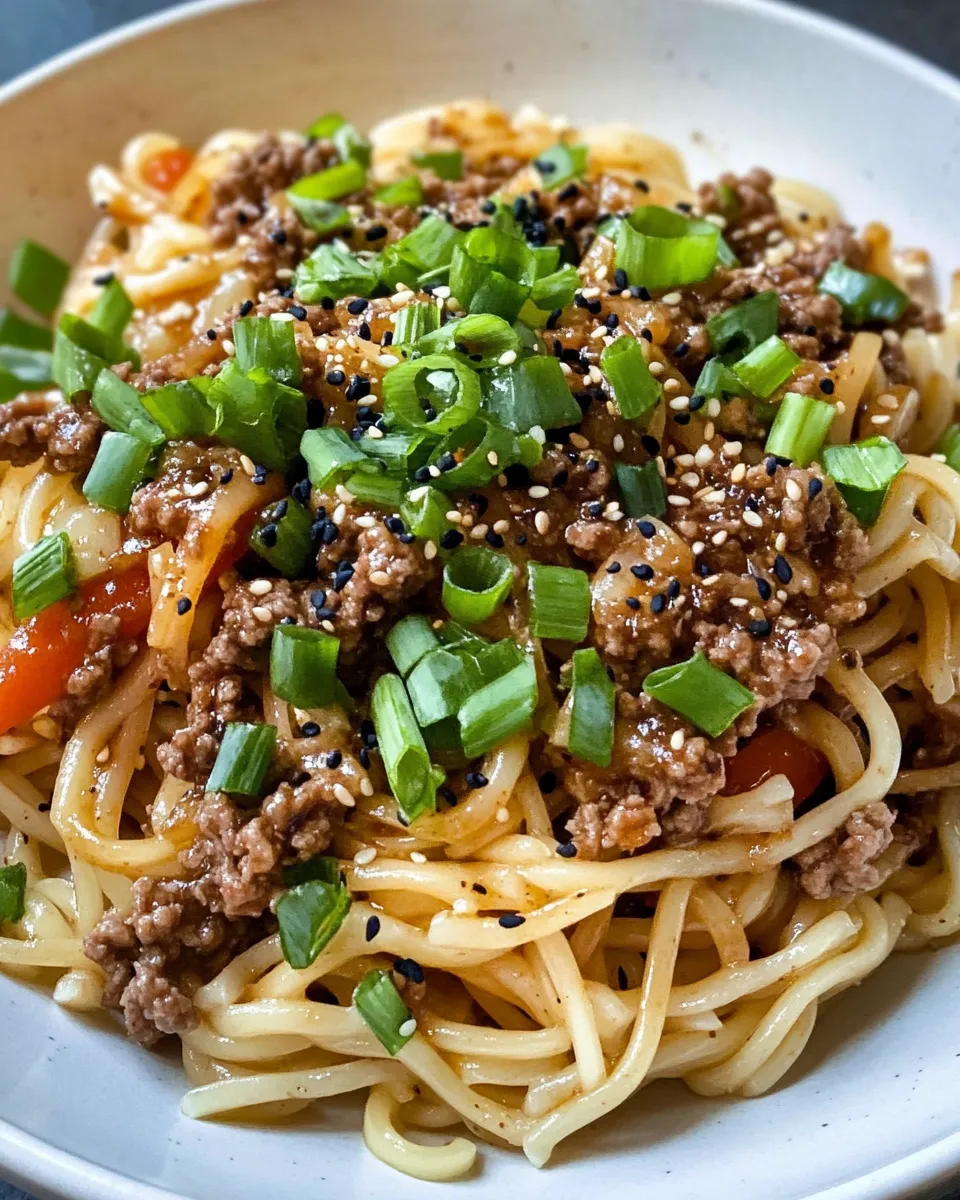
Mongolian Ground Beef Noodles
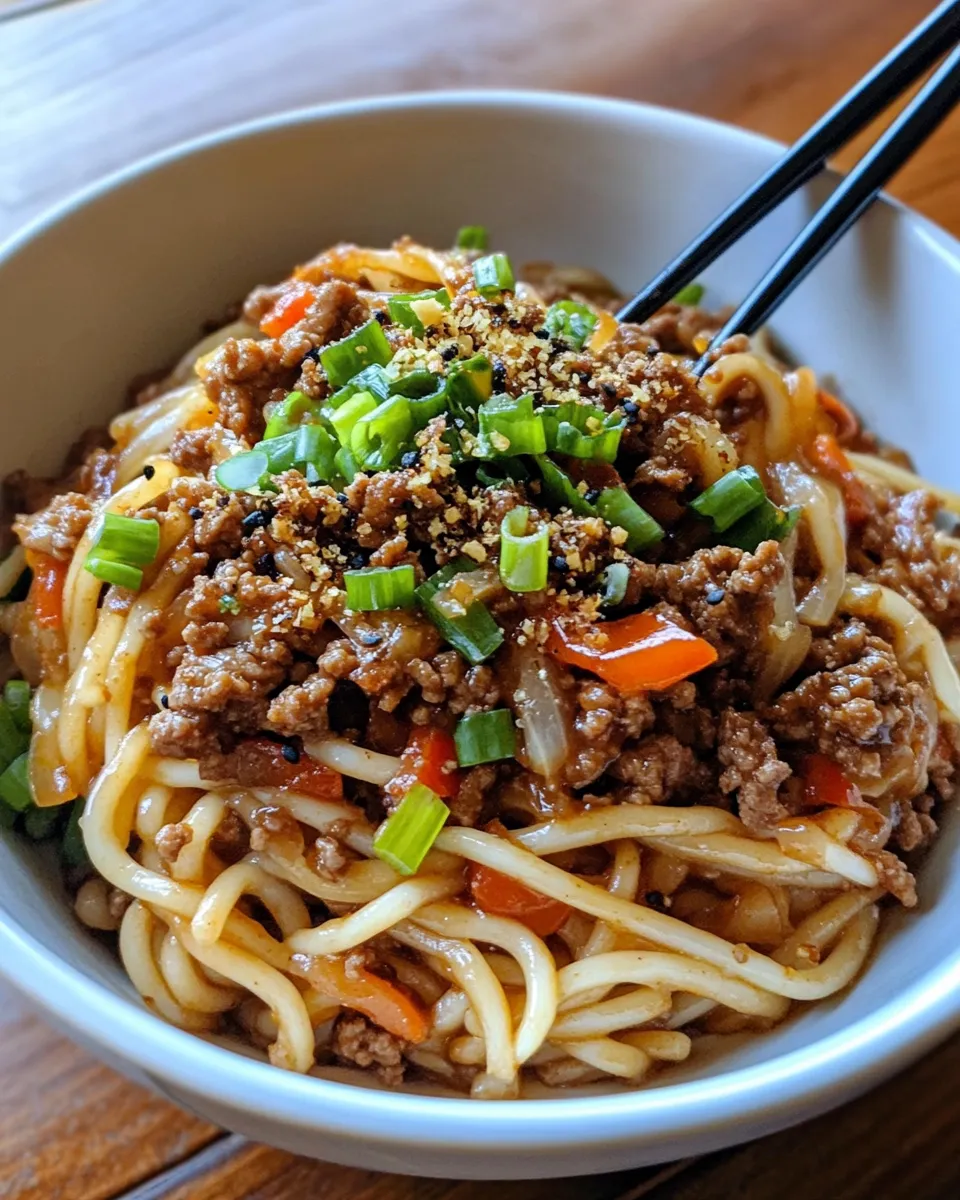
I love a one-skillet dinner that tastes like it took longer to make than it did. Mongolian Ground Beef Noodles is that kind of weeknight hero: bold, slightly sweet, with a touch of heat and crisp greens for balance. It comes together fast once the beef is defrosted and the noodles are ready, and it’s forgiving if you need to tweak small things on the fly.
This recipe leans on pantry-friendly staples—soy sauce, brown sugar, garlic and ginger—so you can get dinner on the table without a last-minute store run. The sauce is glossy and sticky, clinging to every strand of noodles, while bok choy and snap peas keep things bright and textural.
I’ll walk you through the essentials, the exact steps, and practical tips I use to make this reliably flavorful every time. No fuss. Real food. Right to the point.
The Essentials

Hands-on time: about 15–20 minutes once beef is defrosted and noodles are cooked. Active cooking includes browning the beef, softening the veg, and reducing the sauce. One skillet does most of the work.
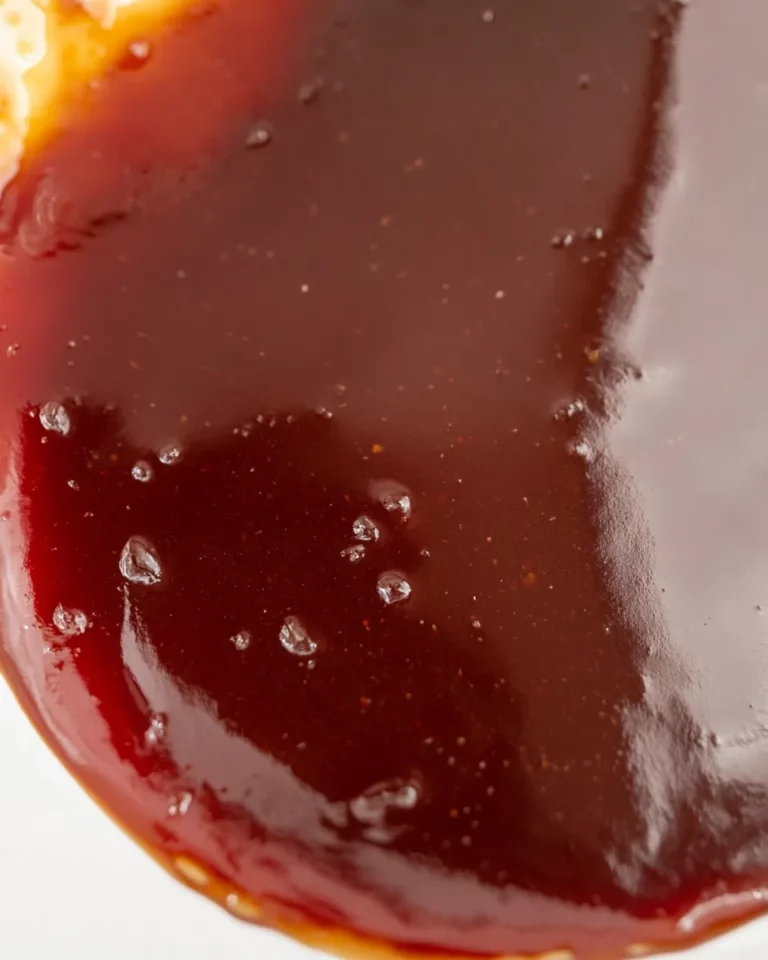
Why this works: a high-heat sear on the beef creates savory depth, while the soy-sugar combo builds a quick, caramelized sauce. The cornstarch slurry finishes the sauce into a silky glaze that coats the noodles. Finish with green onions and a sprinkle of chilli flakes for brightness and kick.
Ingredients
- 1 pound Ground Beef — the main protein; browns quickly and soaks up the sauce.
- 1/2 teaspoon each salt and pepper — basic seasoning for the beef; adjust to taste.
- 1 1/2 teaspoons neutral oil — for searing the beef without adding flavor from the oil.
- 3 Tablespoons Ground Ginger — gives the dish its warm, peppery backbone; grated or ground as listed.
- 2 Tablespoons Minced garlic — aromatic lift; add toward the end of browning so it doesn’t burn.
- 2 Bok Choy — sliced; provides crunch and a slightly sweet, leafy balance.
- 1/2 cup snap peas — sliced in half; quick-cooking crunch.
- 1/3 cup Light Brown Sugar — sweetens and caramelizes the sauce; balances soy.
- 1/2 Cup Soy Sauce — low sodium; the salty, savory base of the sauce.
- 1/2 Cup Broth — use Sealand Bone broth; adds body and depth to the sauce.
- 1/4 teaspoon Chilli Flakes — a hint of heat; add more to taste.
- 1 Tablespoon Cornstarch — for the slurry to thicken the sauce into a glossy coating.
- 2 tablespoons Water — to dissolve the cornstarch into a slurry.
- 1 Pack noodles — cooked according to the package instructions; they carry the sauce.
- 1/4 cup Green onions — minced; fresh garnish and mild onion flavor.
Method: Mongolian Ground Beef Noodles
- Remove the ground beef from its packaging and defrost overnight in the refrigerator.
- Cook the noodles according to the package instructions, drain, and set aside.
- Preheat a 9-inch skillet over medium-high heat until hot.
- Add 1 1/2 teaspoons neutral oil to the skillet. Add 1 pound ground beef and 1/2 teaspoon each salt and pepper (or to taste). Break the beef up with a spatula and cook, stirring, until no pink remains and the beef is browned. If there is excess fat, carefully drain or blot it.
- Add 3 Tablespoons ground ginger and 2 Tablespoons minced garlic to the beef. Cook, stirring, for about 2 minutes until fragrant.
- Add the sliced bok choy and 1/2 cup snap peas (sliced in half). Sauté for about 2 minutes, until the vegetables begin to wilt.
- Pour in 1/2 cup broth (bone broth), 1/2 cup low-sodium soy sauce, and 1/3 cup light brown sugar. Stir and cook until the sauce begins to bubble.
- In a separate small cup, dissolve 1 Tablespoon cornstarch in 2 tablespoons water to make a slurry.
- Stir the cornstarch slurry into the bubbling sauce, then bring the sauce to a boil while stirring; it will thicken as it boils.
- Stir in 1/4 teaspoon chilli flakes and 1/4 cup minced green onions.
- Add the cooked noodles to the skillet and toss thoroughly to coat them with the sauce.
- Serve immediately, with extra green onions and more chilli flakes if desired.
Reasons to Love Mongolian Ground Beef Noodles
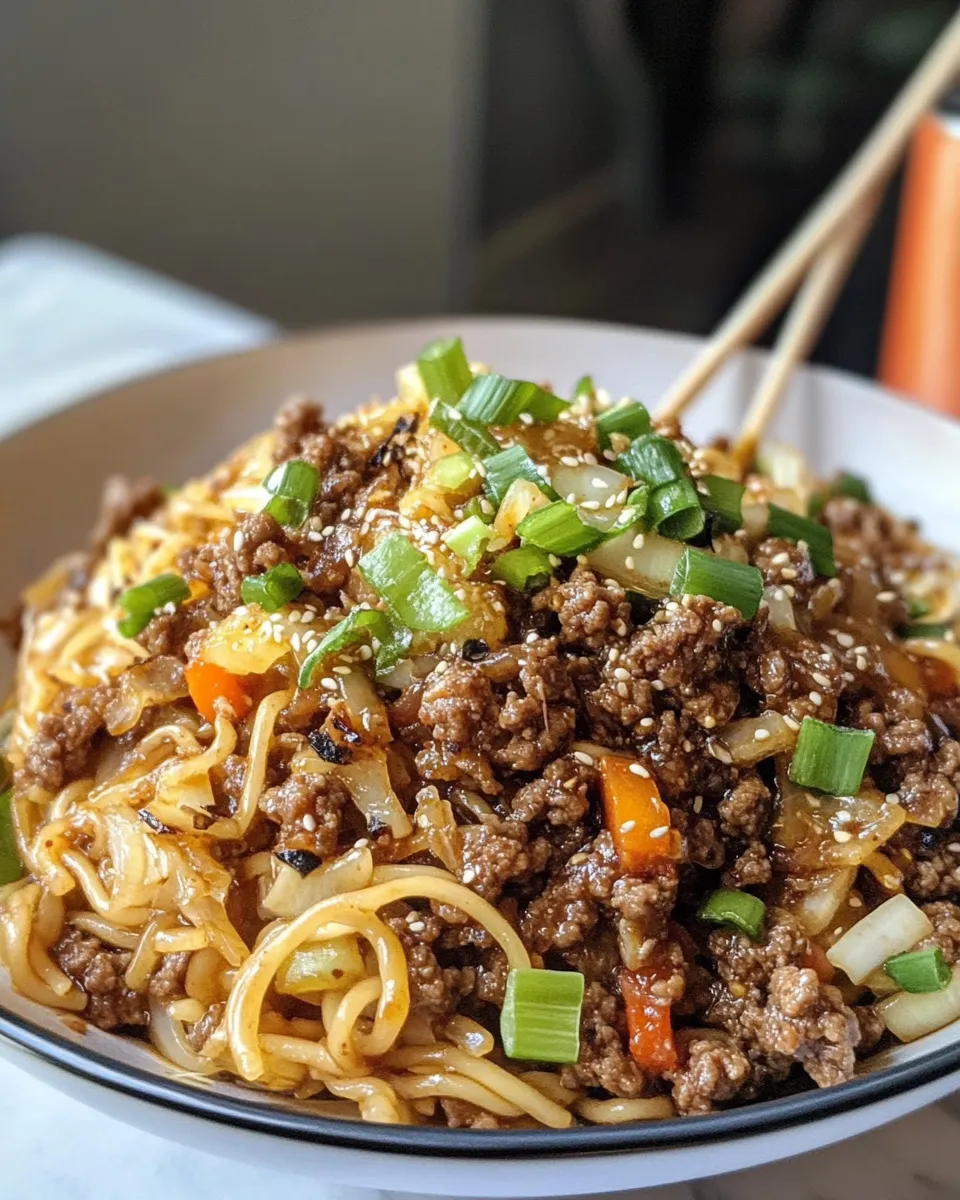
Fast: once the beef is defrosted and noodles are cooked, everything else moves quickly. It’s perfect for a weeknight dinner when you want depth of flavor without an all-evening time commitment.
Balanced: the sweet-salty sauce hits multiple taste points—brown sugar and soy combine to create richness, while ginger and garlic cut through with brightness. Vegetables keep the plate from feeling heavy.
Flexible: the recipe tolerates small swaps and simplifications. It’s forgiving on heat level and vegetable mix-ins, so you can adapt it to what you have on hand.
Ingredient Flex Options
If you need to nudge things without changing the recipe spirit, here are practical choices using what’s already listed.
- Double the green onions for an extra fresh finish.
- Omit the snap peas if you don’t have them and add a little more bok choy to maintain the vegetable bulk and crunch.
- Adjust chilli flakes to control heat—start small and add more at the end.
- If your soy sauce is not low-sodium, reduce the added salt when cooking the beef and taste as you go.
- Use the exact amounts of brown sugar listed to maintain that signature glossy-sweet balance; reduce slightly if you prefer less sweetness.
Setup & Equipment
Keep your mise en place brief and practical. I recommend having the following ready:
- 9-inch skillet (as specified) — gives enough surface area to brown the beef and toss noodles.
- Sturdy spatula — for breaking up and browning the beef.
- Small cup or ramekin — to make the cornstarch slurry.
- Colander and pot — to cook and drain the noodles per package instructions.
- Measuring spoons and cups — to follow the sauce ratios for consistent results.
Steer Clear of These
Don’t overcrowd the skillet when browning. If the pan is packed, the beef steams instead of browns and you lose that caramelized flavor. Brown in a single layer and work briskly.
Don’t add cornstarch directly to the hot sauce without dissolving it first. Add it as a slurry to avoid lumps and ensure smooth thickening.
Avoid overcooking the vegetables. Snap peas and bok choy only need a couple of minutes to become tender-crisp; they should still have texture when you serve.
Seasonal Flavor Boosts
Use seasonal produce to amplify the dish without changing the base recipe. In spring, add more tender greens alongside bok choy. In winter, keep it simple and focus on perfecting the glaze and aromatics.
Seasonal herbs can be a finishing touch—if you have fresh herbs on hand, a light sprinkle can brighten the plate just before serving. But the green onions listed in the recipe already do a strong job of finishing the dish.
What Could Go Wrong
Sauce too thin: perhaps the slurry wasn’t mixed well or didn’t have time to boil. Bring it to a boil and let it thicken; if it still seems thin, dissolve another 1/2 teaspoon cornstarch in 1 teaspoon water and stir in, then boil briefly.
Sauce too salty: if your soy sauce is not low-sodium and you end up with an overly salty sauce, add a splash more broth or a small squeeze of citrus (if available) to balance. For next time, use the low-sodium soy sauce called for and taste as you go.
Noodles clump: make sure they’re well separated after draining. Toss them with a little neutral oil immediately after cooking if you won’t add them to the skillet right away.
Save It for Later
Storage: Cool to room temperature, then refrigerate in an airtight container for up to 3–4 days. The noodles absorb sauce over time, so the texture will change; still delicious, but a little denser.
Freezing: You can freeze the cooked beef and sauce (without noodles) for up to 2 months. Thaw overnight in the refrigerator and reheat over medium heat with a splash of broth to loosen the sauce, then toss with freshly cooked noodles.
Reheating: Gently rewarm in a skillet over medium-low heat, adding a tablespoon or two of broth if the sauce seems dry. Toss the noodles briefly to recoat, and finish with fresh minced green onions and chilli flakes if you like.
Common Questions
Can I use a different protein? Ground beef is specified for this recipe. If you want to experiment, keep in mind different proteins have different fat content and cooking times; adjust browning and draining accordingly.
How do I make it less sweet? Reduce the light brown sugar slightly and taste the sauce as it bubbles before adding the cornstarch slurry. The sugar is part of the signature Mongolian-style glaze, so small reductions are safest.
Can I prep ahead? Yes. Cook the noodles and cool them; brown the beef and make the sauce, then refrigerate both separately. Reheat and combine when you’re ready to serve. Fresh green onions should be added at the end for the best texture.
Before You Go
This Mongolian Ground Beef Noodles recipe is practical, flavorful, and repeatable. Follow the steps, keep an eye on seasoning, and use the tips here to rescue the dish if something goes sideways. It’s the kind of dinner that becomes a favorite because it’s reliably good and quick to execute.
If you make it, take a moment to taste for balance before serving—adjust chilli flakes and green onions to your preference. And if you’ve adapted it in a way that worked well, I’d love to hear how you made it your own.
Mongolian Ground Beef Noodles
Ingredients
Ingredients
- 1 poundGround Beef
- 1/2 teaspooneach salt and pepperor to taste
- 1 1/2 teaspoonsneutral oil
- 3 TablespoonsGround Ginger
- 2 TablespoonsMinced garlic
- 2 Bok Choysliced
- 1/2 cupsnap peassliced in half
- 1/3 cupLight Brown Sugar
- 1/2 CupSoy Saucelow sodium
- 1/2 CupBrothuse Sealand Bone broth
- 1/4 teaspoonChilli Flakes
- 1 TablespoonCornstarch
- 2 tablespoonsWater
- 1 Pack noodlescooked according to the package instructions
- 1/4 cupGreen onionsminced
Instructions
Instructions
- Remove the ground beef from its packaging and defrost overnight in the refrigerator.
- Cook the noodles according to the package instructions, drain, and set aside.
- Preheat a 9-inch skillet over medium-high heat until hot.
- Add 1 1/2 teaspoons neutral oil to the skillet. Add 1 pound ground beef and 1/2 teaspoon each salt and pepper (or to taste). Break the beef up with a spatula and cook, stirring, until no pink remains and the beef is browned. If there is excess fat, carefully drain or blot it.
- Add 3 Tablespoons ground ginger and 2 Tablespoons minced garlic to the beef. Cook, stirring, for about 2 minutes until fragrant.
- Add the sliced bok choy and 1/2 cup snap peas (sliced in half). Sauté for about 2 minutes, until the vegetables begin to wilt.
- Pour in 1/2 cup broth (bone broth), 1/2 cup low-sodium soy sauce, and 1/3 cup light brown sugar. Stir and cook until the sauce begins to bubble.
- In a separate small cup, dissolve 1 Tablespoon cornstarch in 2 tablespoons water to make a slurry.
- Stir the cornstarch slurry into the bubbling sauce, then bring the sauce to a boil while stirring; it will thicken as it boils.
- Stir in 1/4 teaspoon chilli flakes and 1/4 cup minced green onions.
- Add the cooked noodles to the skillet and toss thoroughly to coat them with the sauce.
- Serve immediately, with extra green onions and more chilli flakes if desired.
Equipment
- 9-inch skillet
- Spatula
- small cup
Notes
You'll need extra lean beef here as the fat adds no value to the recipe.
Use sesame oil if you like that flavor to cook the beef with the ginger and garlic.
You don't need to add the veggies, however we prefer having some texture with the Mongolian noodles.
If adding veggies, make sure you use similar sizes. And likewise, make sure you use veggies that cook right away.
Add in more or less of chilli flakes to your taste. The sugar will balance some of it off.
To make the slurry, the cornstarch needs to dissolve in cold water. So make sure you use cold water not warm. Also make sure the starch is completely dissolved before adding it in the sauce. It could lump otherwise.
You don't need to cook the sauce beyond the boiling and thickening of the slurry. It's ready to serve at that point.
You can easily double, triple or make half batch of this recipe.
This recipe is best enjoyed the day of, depending on the type of noodles you used. Some brands of noodles don't store very well and become clumpy. If you need to store leftovers, place them in an airtight container in the fridge for 4 days.
Similar to storing, it depends on the type of noodles you use. Most noodles do not freeze well, so we don’t recommend freezing it. However you can make the Mongolian Ground Beef and sauce, and freeze that mixture in a ziploc for 3 months.
To serve, simply reheat the sauce when thawed. Use a skillet to reheat it and add in the cooked noodles and serve right away.
These are BEST served as they are perfectly delicious! You can also add an egg on top, fried or half boiled. If you want to skip the noodles, serve it like our popularBeef Tips And Ricewith rice.
If you're looking for a great side dish, tryAsian Cucumber SaladorEasy Cucumber Saladto go with it.