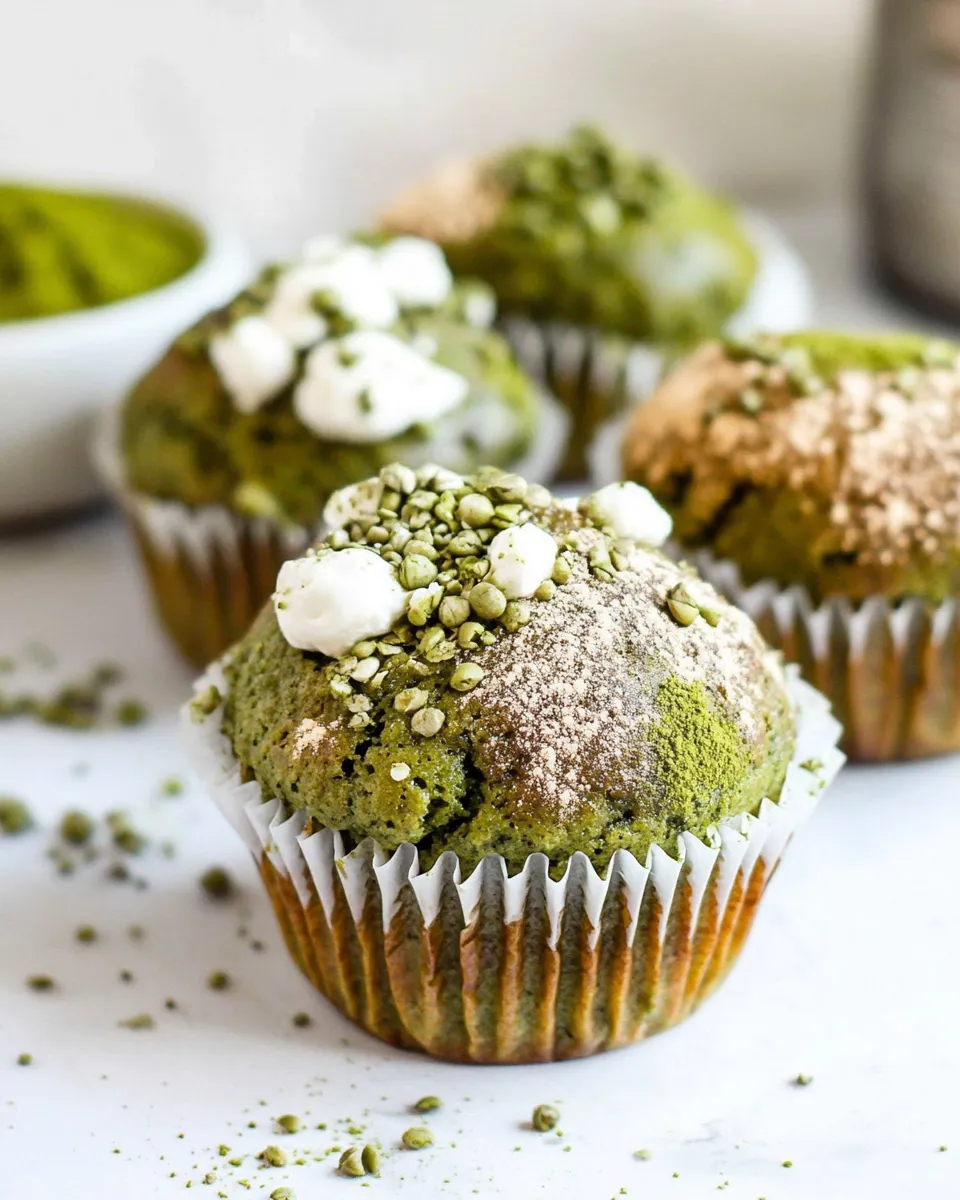
Matcha Muffins
These Matcha Muffins are one of those recipes I reach for when I want something bright, slightly bitter, and deeply comforting all at once. They rely on a few pantry staples and a good-quality matcha powder to deliver that unmistakable green tea note. The crumb is tender, the tops are lightly golden, and the flavor sits somewhere between a tender tea cake and an everyday muffin.
I tested this version until the balance felt right: enough matcha to be obvious, but not so much that the muffins are chalky. Almond flour keeps them moist and a little dense in the best way, while coconut milk and avocado oil contribute gentle richness. A handful of chocolate chips is optional, but when they melt against the matcha they feel like a necessary indulgence.
No fuss, no complicated techniques. If you can whisk, fold, and watch the oven, you can make these. Below you’ll find ingredient notes, exact instructions, troubleshooting, and practical serving and storage tips so the batch works every time—whether you’re baking for a crowd or for an afternoon pick-me-up.
Ingredient Notes

Matcha is the star here. Use culinary-grade matcha for baking—it’s more affordable and has the flavor profile that pairs nicely with the almond base. Store matcha in the fridge in an airtight tin so it stays bright and not stale.
Almond flour behaves differently from wheat flour. It holds moisture and gives a tender crumb, but it doesn’t trap air the same way. That’s why this recipe uses eggs and a little baking soda to add lift. When measuring almond flour, fluff the bag or container first and spoon—don’t pack—so you don’t end up with overly dense muffins.
The recipe relies on full-fat canned coconut milk and avocado oil for richness and tenderness. If your canned coconut milk is solid in the can, warm it slightly to make it stirrable. Coconut sugar is listed, but granulated sugar can be used as noted in the ingredients. Chocolate chips are optional; they add pockets of sweet contrast. Coconut butter is an optional finishing touch for a glossy, coconut-forward spread.
Ingredients
- 3 large eggs — binders and structure; they help the almond flour hold together and give rise.
- 2/3 cup full-fat canned coconut milk — liquid fat that adds tenderness and a subtle coconut flavor.
- ¼ cup avocado oil — neutral, stable oil that keeps the crumb moist without overwhelming flavor.
- 2 tsp pure vanilla extract — brightens and rounds the flavors.
- 3 cups finely ground almond flour — the primary dry base; provides texture and body.
- 1/2 cup coconut sugar or granulated sugar of choice — sweetener; coconut sugar gives a deeper, caramel-like note.
- ¼ cup matcha powder — the flavor and color anchor; sift if it’s clumpy.
- 1 tsp baking soda — leavening; helps with lift when combined with the wet ingredients.
- ½ tsp sea salt — balances sweetness and enhances the matcha.
- 2/3 cup chocolate chips — optional; fold in for melted pockets of sweetness.
- 1/4 to 1/2 cup coconut butter — optional finishing spread; warm slightly to make it spreadable.
Cook Matcha Muffins Like This
- Preheat the oven to 350°F (175°C). Line a standard 12-cup muffin tin with paper liners or lightly grease the cups.
- In a medium bowl whisk together 3 large eggs, 2/3 cup full-fat canned coconut milk, 1/4 cup avocado oil, and 2 teaspoons pure vanilla extract until combined. (If the coconut milk is solid, microwave it briefly until it is easy to stir.)
- In a large bowl whisk together 3 cups finely ground almond flour, 1/2 cup coconut sugar (or granulated sugar of choice), 1/4 cup matcha powder, 1 teaspoon baking soda, and 1/2 teaspoon sea salt until evenly mixed.
- Pour the wet ingredients into the dry ingredients and stir until the mixture is uniform and no large dry pockets remain. Do not overmix.
- Fold in 2/3 cup chocolate chips, if using.
- Divide the batter among the prepared muffin cups, filling each about two-thirds full.
- Bake on the center rack for 18–22 minutes, until the tops are set and lightly golden. Check doneness by inserting a toothpick into the center (it should come out with a few moist crumbs but no raw batter) or by an internal temperature of about 190°F.
- Allow the muffins to cool in the pan for 5–10 minutes, then transfer them to a wire rack to cool completely.
- If desired, warm 1/4 to 1/2 cup coconut butter in the microwave in 10–20 second intervals until softened and easily stirrable. Spread the coconut butter on cooled muffins before serving.
Why It’s Crowd-Pleasing
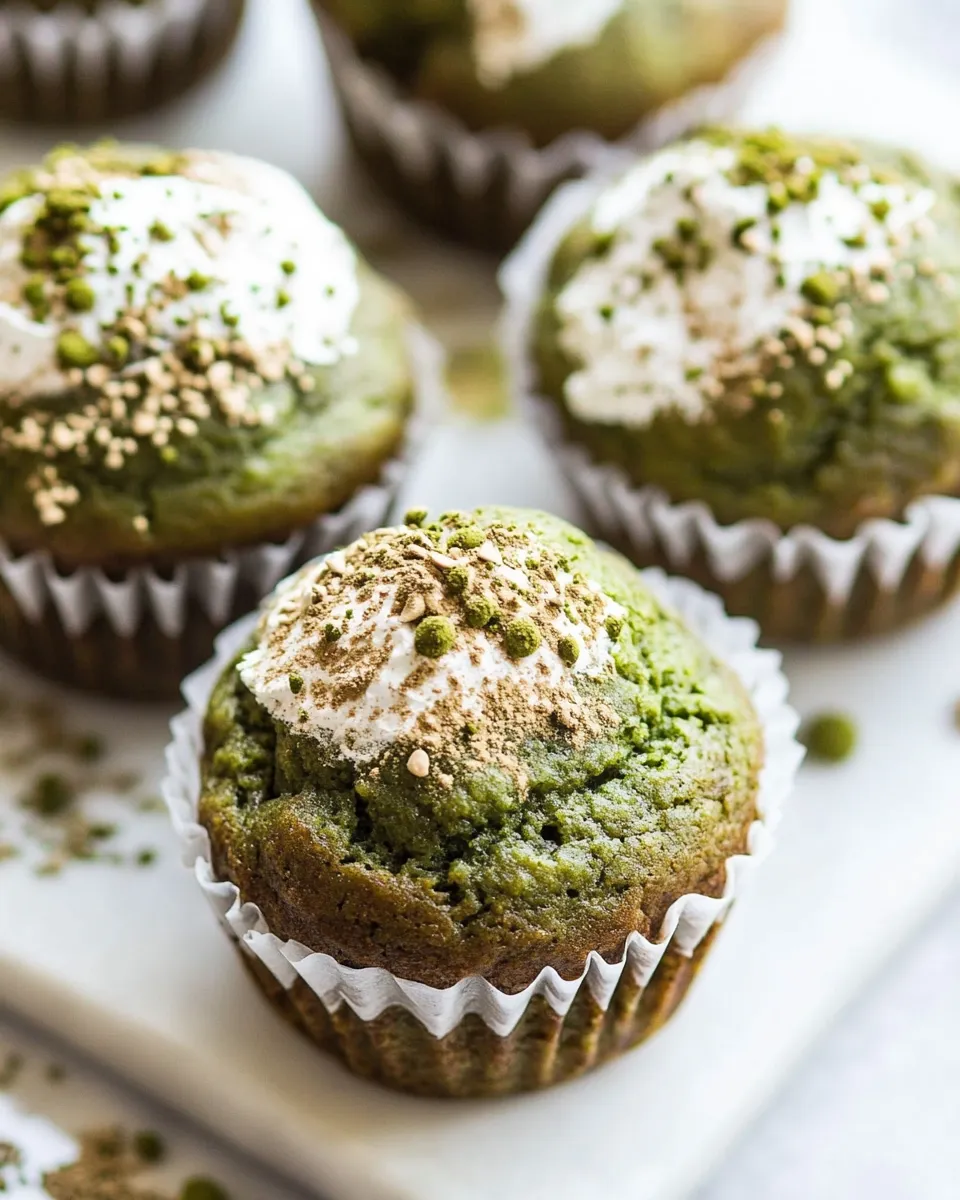
These muffins bridge two familiar flavor worlds: the earthy, slightly bitter matcha and the sweet, caramel notes from coconut sugar or the melting richness of chocolate chips. That contrast is what keeps people reaching for seconds. The texture matters, too—moist but not heavy, tender without being crumbly. Almond flour does that quietly well.
They also feel special without being fussy. The color itself—fresh, pale green—makes them look like a treat, which helps them travel well to brunches, office snack tables, and bake sales. Finally, the optional coconut butter finish adds a homemade polish that looks like effort even when the process is straightforward.
Swap Guide
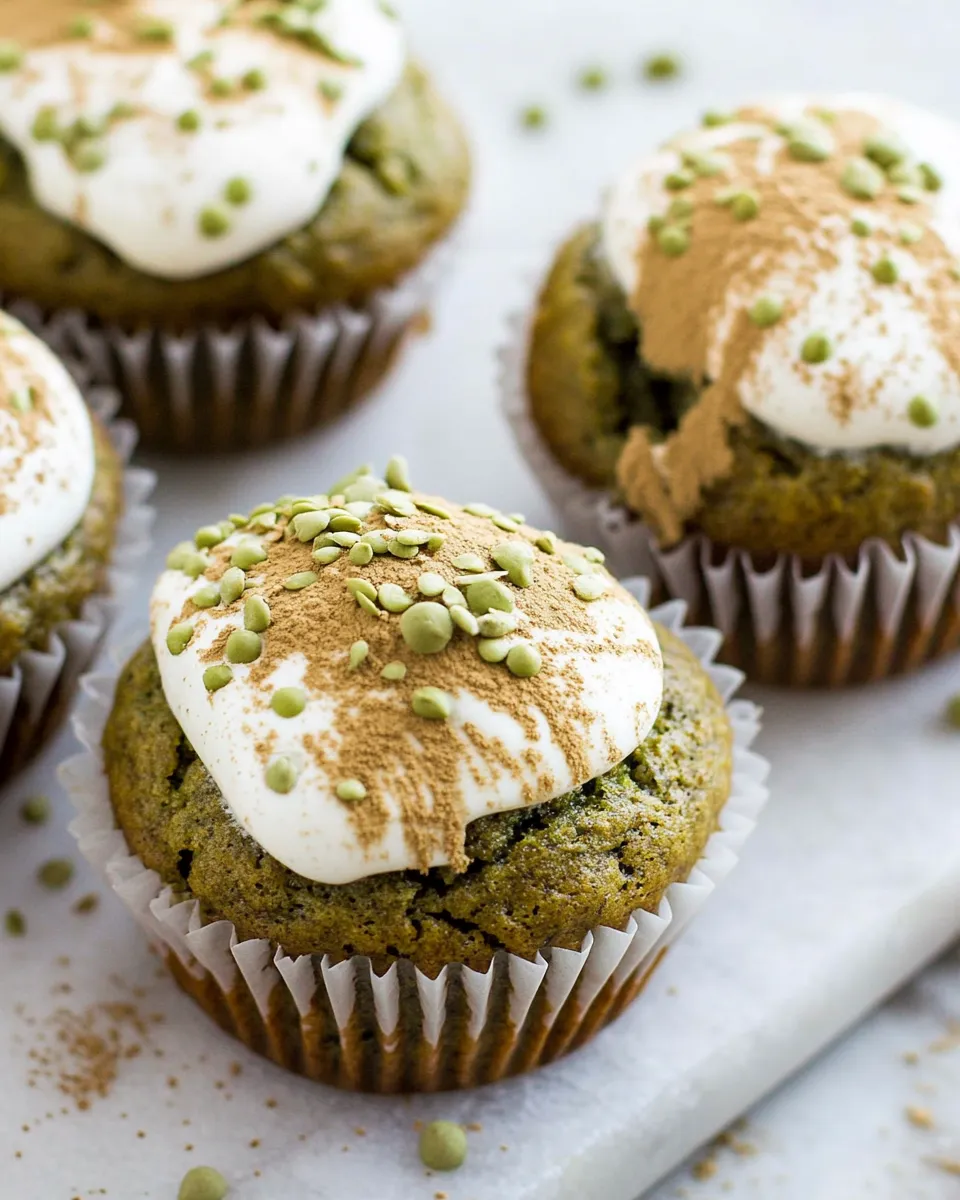
This recipe already includes a couple of built-in options: coconut sugar can be replaced with granulated sugar (the ingredient line notes this), chocolate chips are optional, and coconut butter is optional as a spread. If you skip the chocolate chips, the muffins lean more fully into the matcha flavor, which some guests prefer.
Given the structure—almond flour, eggs, and baking soda—major swaps will change texture and rise. Small adjustments, such as using a different preferred sweetener from what’s listed, will affect flavor but the method stays the same.
Gear Checklist
- Muffin tin (standard 12-cup)
- Paper liners or a brush for greasing the cups
- Mixing bowls (medium and large)
- Whisk and spatula
- Measuring cups and spoons
- Wire cooling rack
- Toothpick or instant-read thermometer (optional, for checking doneness)
- Microwave-safe bowl or small saucepan for softening coconut butter
Things That Go Wrong
Dense or heavy muffins: This often comes from packed almond flour or overmeasuring. Fluff the almond flour and spoon into your measuring cup rather than scooping. Also, don’t overmix once the wet and dry are combined—overworking can compress the batter.
Undercooked centers: If the toothpick comes out with wet batter, give the muffins more time in the oven and check again in two- to three-minute increments. Oven temperatures vary; an instant-read thermometer should read about 190°F in the center.
Dry muffins: Overbaking is the usual culprit. Start checking at the earliest bake time. Also make sure you’re using full-fat canned coconut milk as called for—lower-fat liquids will yield a drier crumb.
Matcha clumps or uneven color: Matcha can clump. Whisk it into the dry mix thoroughly or sift it with the almond flour if your matcha has lumps. That ensures even distribution and a uniform color.
Dietary Swaps & Alternatives
This recipe is written around a set of specific ingredients that shape the final texture—particularly almond flour and eggs. Within the ingredient list you have a couple of straightforward choices: use coconut sugar or granulated sugar (both are provided in the source). Chocolate chips are optional. Coconut butter is optional and listed as a finishing touch.
If you need more dramatic dietary changes (for example, egg-free or nut-free versions), be aware those swaps will alter texture and may require different binding or flour systems. Because this recipe is built on the ingredients above, the safest way to keep results predictable is to stick with the listed components or to make small, incremental swaps that you understand will change the outcome.
What I Learned Testing
I learned to trust a slightly underbaked center for moistness when working with almond flour—pulling muffins at the lower end of the time window and allowing carryover heat to finish them on the rack keeps them tender. I also found that letting the coconut milk come to an easily stirrable state makes the wet mix smooth and prevents cold lumps of coconut fat from creating unevenness in the batter.
Another practical note: evenly filling the cups matters. Use a scoop or a measuring cup to portion batter so every muffin finishes at the same time. If you’re adding chocolate chips, fold them in gently and reserve a few to sprinkle on top—this gives a pretty finish and helps guests know there’s chocolate inside.
How to Store & Reheat
Room temperature storage: Once fully cooled, store muffins in an airtight container at room temperature for up to 48 hours. If you spread coconut butter on them, the coconut butter may soften at room temperature; refrigerate if you prefer it firm.
Refrigeration: Store uncovered for a short time, but for up to 4–5 days place muffins in an airtight container and keep them chilled. They’ll keep, but almond-flour-based baked goods can firm slightly when cold—bring to room temperature before serving or warm briefly.
Freezing: Wrap muffins individually or place them in an airtight freezer container for up to three months. Thaw at room temperature or warm in a low oven (about 300°F) for 8–10 minutes from frozen.
Reheating: Microwave a muffin for 12–20 seconds for a quick warm-up. For a better texture, reheat in a 300–325°F oven for 8–10 minutes so the exterior crisps a little and the interior warms gently.
Common Qs About Matcha Muffins
- Can I reduce the sugar? Yes, you can reduce the listed sugar, but less sugar may change the texture and browning. If you cut a lot of sugar, expect a denser, less tender muffin.
- Do I have to use chocolate chips? No—chocolate chips are optional. Omitting them makes the matcha note more pronounced.
- Why does the recipe use both coconut milk and avocado oil? The coconut milk provides fat and moisture and contributes subtle coconut character; the avocado oil keeps the crumb tender without adding extra coconut flavor.
- My matcha tastes bitter—what did I do wrong? Bitter matcha can result from poor-quality matcha, too much matcha, or overbaking. Use culinary-grade matcha for baking and follow the 1/4 cup amount here to avoid excessive bitterness.
- Can I make these ahead? Yes. Bake, cool completely, and store or freeze as described above. I like to freeze plain muffins and spread coconut butter after reheating.
Bring It to the Table
These muffins pair beautifully with hot coffee or a cup of green tea—the matcha-on-matcha combo is pleasant if you’re serving them at a tea-focused brunch. For a weekend crowd, line a tray with a few muffins, a small jar of warmed coconut butter, and a bowl of extra chocolate chips for people to add if they like. They also travel well for picnics and potlucks because the almond flour base keeps them stable and moist.
Make a batch, let them cool completely, and taste one plain first to appreciate the balance. Then try a second with a smear of coconut butter and a cup of tea. You’ll notice how that simple finish lifts the whole experience.

Matcha Muffins
Ingredients
Ingredients
- 3 largeeggs
- 2/3 cupfull-fat canned coconut milk
- 1/4 cupavocado oil
- 2 tsppure vanilla extract
- 3 cupsfinely ground almond flour
- 1/2 cupcoconut sugaror granulated sugar of choice
- 1/4 cupmatcha powder
- 1 tspbaking soda
- 1/2 tspsea salt
- 2/3 cupchocolate chipsoptional
- 1/4 to 1/2 cupcoconut butter
Instructions
Instructions
- Preheat the oven to 350°F (175°C). Line a standard 12-cup muffin tin with paper liners or lightly grease the cups.
- In a medium bowl whisk together 3 large eggs, 2/3 cup full-fat canned coconut milk, 1/4 cup avocado oil, and 2 teaspoons pure vanilla extract until combined. (If the coconut milk is solid, microwave it briefly until it is easy to stir.)
- In a large bowl whisk together 3 cups finely ground almond flour, 1/2 cup coconut sugar (or granulated sugar of choice), 1/4 cup matcha powder, 1 teaspoon baking soda, and 1/2 teaspoon sea salt until evenly mixed.
- Pour the wet ingredients into the dry ingredients and stir until the mixture is uniform and no large dry pockets remain. Do not overmix.
- Fold in 2/3 cup chocolate chips, if using.
- Divide the batter among the prepared muffin cups, filling each about two-thirds full.
- Bake on the center rack for 18–22 minutes, until the tops are set and lightly golden. Check doneness by inserting a toothpick into the center (it should come out with a few moist crumbs but no raw batter) or by an internal temperature of about 190°F.
- Allow the muffins to cool in the pan for 5–10 minutes, then transfer them to a wire rack to cool completely.
- If desired, warm 1/4 to 1/2 cup coconut butter in the microwave in 10–20 second intervals until softened and easily stirrable. Spread the coconut butter on cooled muffins before serving.
Equipment
- Muffin Tin
- Digital Thermometer