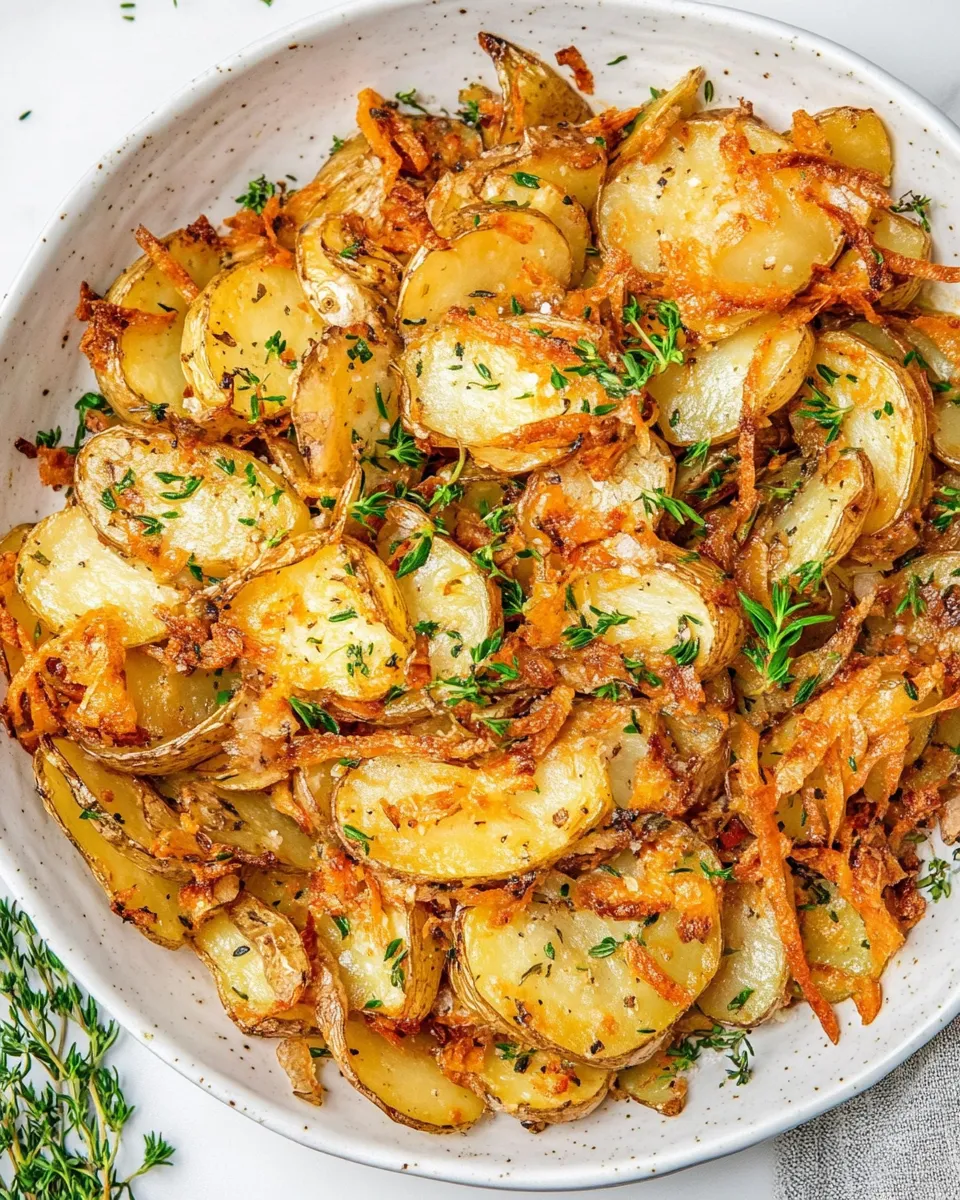
Lyonnaise Potatoes
These are the kind of potatoes I make when I want a side dish that’s both comforting and a little bit fancy. Thin, slightly crisped rounds of russet potato mingle with deeply caramelized onions and a scatter of parsley — simple building blocks that add up to a dish people ask about again and again. No complicated technique, just attention to timing and a few thoughtful choices.
I like to treat Lyonnaise Potatoes as an exercise in patience: parboil the potatoes to get a tender interior, caramelize the onions low and slow for rich sweetness, then brown the potatoes in batches so each slice gets golden on both sides. The payoff is a plate of rustic slices that are soft inside, edged with crisp, and flecked with sweet, savory onion.
If you’re cooking for a weeknight dinner or a holiday spread, this recipe scales well and pairs with everything from roast meats to a simple green salad. Below I’ll walk you through shopping, the exact cooking steps, swaps, tools I reach for, and troubleshooting so your pan comes out perfectly browned every time.
Your Shopping Guide

Start with good potatoes. For Lyonnaise Potatoes you want a starchy variety that crisps on the outside without falling apart — russets are the classic choice. Buy firm potatoes with smooth skins and no green spots. The recipe calls for three pounds, which is usually enough for 4–6 people as a side.
For the onion, one large yellow or sweet onion sliced thin gives the right balance of sweetness and savory depth after long caramelization. Unsalted butter and extra virgin olive oil provide flavor and frying performance; the butter browns nicely and the oil raises the smoke point. Fresh parsley brightens the finished dish — don’t skip it if you can help it.
Lyonnaise Potatoes Cooking Guide
Ingredients
- 3 pounds russet potatoes — starchy potatoes that hold shape and brown well; parboiling creates a tender interior.
- 1 large onion (thinly sliced) — provides sweetness and depth when caramelized; slice evenly for predictable cooking.
- 4 tablespoons unsalted butter (divided) — adds richness and helps with browning; split so some is used for caramelizing and some for frying.
- 2 tablespoons extra virgin olive oil — raises the cooking temperature and adds fruity flavor; combined with butter for even browning.
- 2 tablespoons fresh parsley (chopped) — a finishing herb for color and a fresh contrast to the rich potatoes.
- salt and pepper (to taste) — essential seasonings; salt the parboil water and finish to taste.
- Peel the potatoes and slice them into 1/4-inch-thick rounds. Place the slices in a pot, cover with water, add salt to the water, bring to a boil, and cook until the potatoes are just tender but still hold their shape, about 5 minutes. Drain the potatoes and pat them dry with paper towels or a clean kitchen towel.
- In a large skillet, melt 2 tablespoons of the butter over medium heat. Add the thinly sliced onion and cook, stirring occasionally, until the onions are soft and deeply golden/caramelized, about 15–20 minutes. Transfer the caramelized onions to a plate and set aside.
- In the same skillet, add the remaining 2 tablespoons of butter and the 2 tablespoons of olive oil. Heat over medium-high until the butter is melted and the oil is shimmering.
- Working in a single layer (cook in batches if necessary so the slices do not crowd), add potato slices to the skillet and cook until the bottoms are golden brown, about 5 minutes. Flip each slice and cook the second side until golden brown, about 5 minutes more. Transfer each finished batch to a plate while you cook the remaining potatoes.
- When all potato slices are browned, return all the potatoes to the skillet, add the caramelized onions, and gently toss or stir to combine and heat through.
- Season to taste with salt and pepper, sprinkle with the chopped fresh parsley, and serve.
Reasons to Love Lyonnaise Potatoes
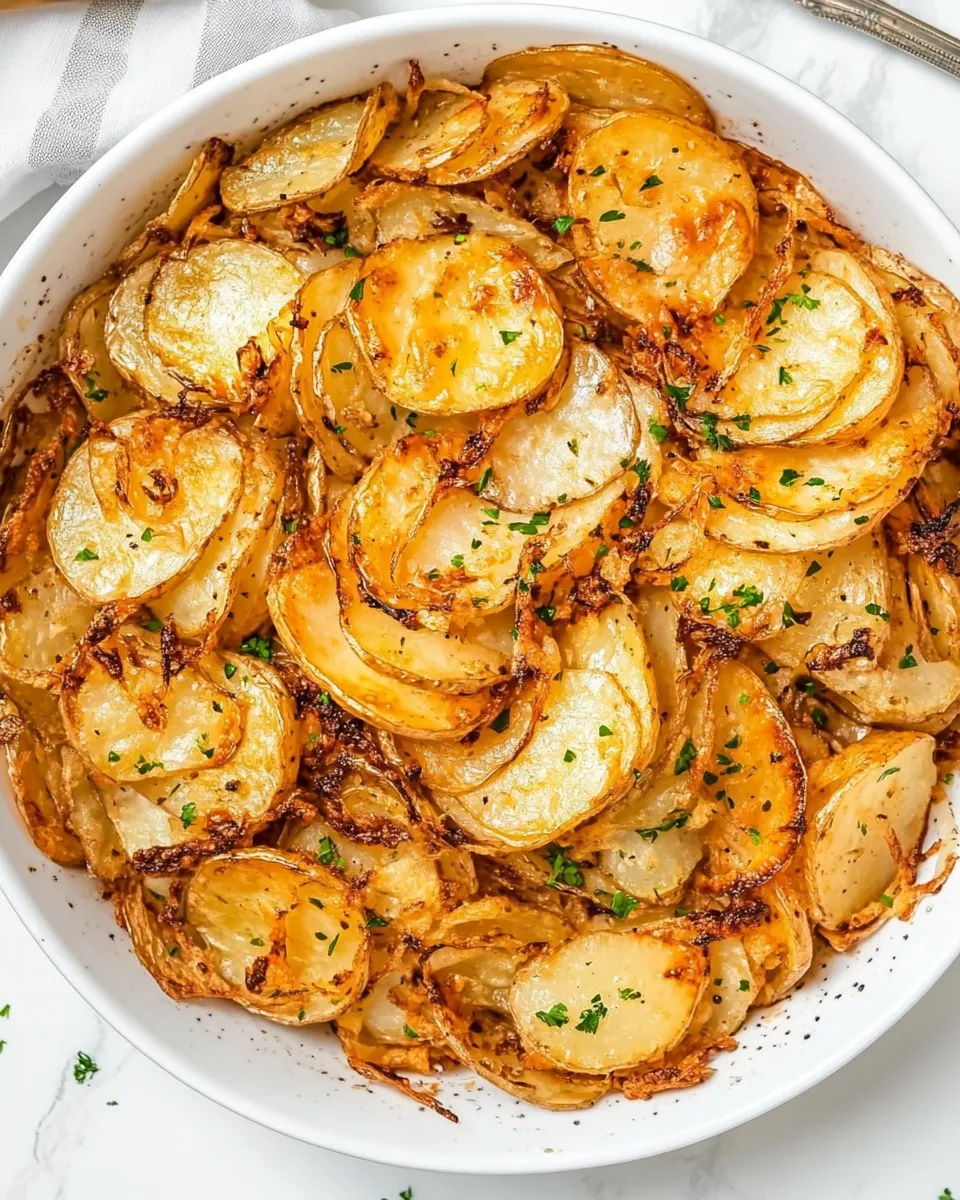
They’re spectacularly simple. A handful of pantry staples transforms into something that looks and tastes like you spent more time on it than you actually did. The contrast of textures — tender inside, crisp outside — is what keeps people coming back for seconds.
Another reason: versatility. Lyonnaise Potatoes work with breakfast, brunch, weeknight dinners, and holiday meals. They pair with a roast, a fried egg, steak, roasted vegetables, or a green salad. Flavor-wise, they’re comforting and familiar, but the caramelized onions give a little complexity that lifts the whole dish.
Easy Ingredient Swaps
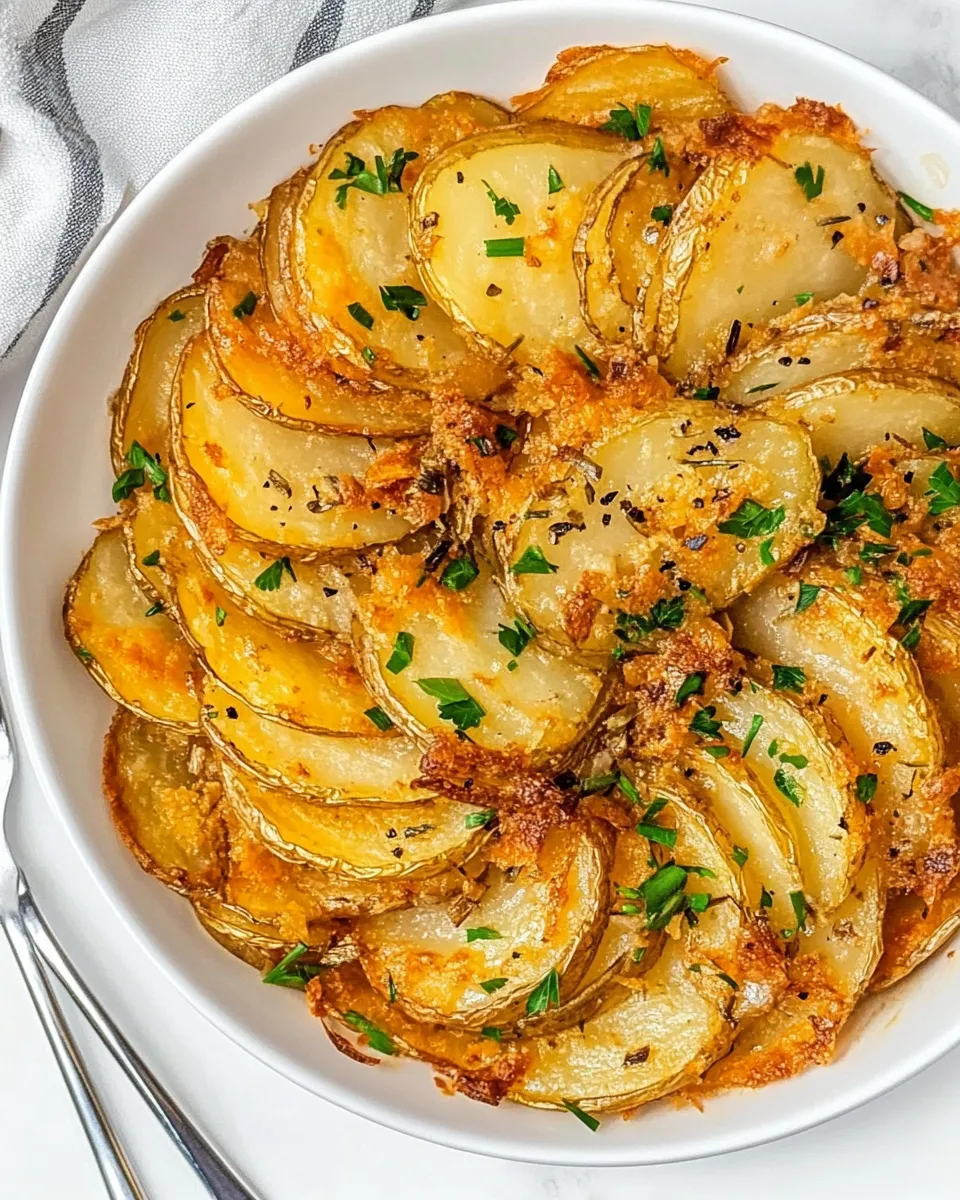
- Potatoes: If you don’t have russets, Yukon Golds are a fine substitute. They’re waxier, so they won’t crisp in quite the same way but will still taste excellent.
- Butter: If you need dairy-free, substitute another neutral oil with a touch of vegan butter for flavor — but watch the browning since dairy-free fats behave differently.
- Olive oil: Any neutral high-heat oil (canola, grapeseed) works if you prefer a less pronounced olive flavor.
- Parsley: If you don’t have parsley, chives or a little thyme can add a fresh finish; use sparingly so you don’t overpower the onions.
Tools of the Trade
- Large skillet (10–12 inches): A heavy-bottomed skillet gives even heat and great browning — cast iron or stainless steel both work well.
- Sharp chef’s knife and mandoline (optional): For uniform 1/4-inch slices. A good knife works too; consistent thickness ensures even cooking.
- Large pot: For parboiling the potatoes.
- Spider or slotted spatula: Useful for flipping potato slices and transferring them from pan to plate without breaking them.
- Paper towels or clean kitchen towel: For patting potatoes dry after draining — moisture is the enemy of crispness.
Troubleshooting Tips
My experience cooking these often comes down to two problems: potatoes either fall apart or they don’t brown. Here’s how to fix each.
- Potatoes falling apart: Make sure you parboil only until “just tender,” about 5 minutes. Overcooking makes them mushy. Drain and dry thoroughly before frying; excess moisture encourages crumbling.
- Potatoes not browning: Don’t crowd the pan. Cook in a single layer and do batches if needed. The oil must be hot and shimmering before the potatoes go in; if it’s too cool they’ll steam instead of brown.
- Onions not caramelizing: Low and slow is key. If they’re browning too fast or burning, lower the heat and stir more often. A pinch of salt helps draw out moisture and speeds caramelization without rushing it.
- Greasy result: Let the skillet come up to proper heat and use just enough fat to coat the pan. Transfer cooked batches to a paper-towel-lined plate briefly to blot excess oil if needed.
Better Choices & Swaps
Small changes can make the dish lighter or more complex without losing what makes Lyonnaise Potatoes special.
- For a lighter finish: Reduce butter by half and increase the olive oil slightly. You’ll lose a touch of richness but keep good browning.
- To boost aromatics: Add a crushed garlic clove to the last minute of onion caramelization, then remove it before frying the potatoes if you want subtle garlic notes.
- For herb variations: Stir in chopped thyme or rosemary with the parsley at the end for an earthier finish.
- To make it more substantial: Stir in cooked bacon bits or diced ham when you return the potatoes to the skillet for a heartier side.
Flavor Logic
Understanding the role of each element helps you tweak confidently. Russet potatoes provide a fluffy interior and a surface that crisps up when water is removed. Parboiling cooks the center without turning the exterior to mush, allowing the final browning step to deliver crisp edges.
Onions, cooked slowly in butter, break down and caramelize — sugars develop into complex, savory-sweet flavors that complement the earthy potato. Butter contributes flavor and browning compounds; olive oil protects the butter from burning at higher temperatures. The parsley is a bright finishing note that cuts through the richness and makes the dish feel fresher on the palate.
Make Ahead Like a Pro
Make the onions up to two days ahead: cook, cool, and store in an airtight container in the refrigerator. For the potatoes, you can parboil and slice them, then refrigerate for a day. Before serving, pat them dry and proceed with the browning step — they’ll take slightly longer in the pan if cold.
Leftovers keep well for 3–4 days in the refrigerator. Reheat in a skillet over medium heat to restore some crispness; avoid microwaving unless you don’t mind a softer texture. For a larger batch, spread on a rimmed baking sheet and reheat in a 400°F oven for 8–12 minutes, turning once.
Handy Q&A
Q: Can I make this without parboiling? A: You can, but parboiling is what guarantees a tender center without overbrowning the exterior. If you skip parboiling, you’ll need to cook the potatoes longer at a lower temperature, which risks uneven coloring or breaking the slices.
Q: How thin should the slices be? A: The recipe calls for 1/4-inch-thick rounds. Thinner slices will crisp more but may break; thicker slices will be creamier inside but need longer cooking.
Q: Why split the butter? A: Half the butter is used to get rich, slow-cooked caramelized onions. The rest combines with oil for the higher-heat browning step; this balance gives flavor without burning the butter.
Q: Can I use red onions or shallots? A: Yes. Red onions will add color and a sharper edge before caramelizing; shallots give a more delicate, sweet flavor. Cook time is similar but watch closely as different onions caramelize at slightly different rates.
The Last Word
Lyonnaise Potatoes are proof that simple techniques can produce layered, impressive flavors. With a little patience — parboiling the potatoes, slow-cooking the onions, and taking care to brown in a single layer — you’ll have a side dish that reads homey and thoughtful at once. I make these when I want something reliable, comforting, and just a bit elevated.
Keep the steps and measurements as written, but don’t be afraid to make this your own: swap herbs, add a smoky element, or serve alongside different mains. They respond well to small changes and always reward careful cooking. Enjoy — and savory bites to you and yours.
Lyonnaise Potatoes
Ingredients
Ingredients
- 3 poundsrusset potatoes
- 1 largeonion thinly sliced
- 4 tablespoonsunsalted butter divided
- 2 tablespoonsextra virgin olive oil
- 2 tablespoonsfresh parsley chopped
- salt and pepper to taste
Instructions
Instructions
- Peel the potatoes and slice them into 1/4-inch-thick rounds. Place the slices in a pot, cover with water, add salt to the water, bring to a boil, and cook until the potatoes are just tender but still hold their shape, about 5 minutes. Drain the potatoes and pat them dry with paper towels or a clean kitchen towel.
- In a large skillet, melt 2 tablespoons of the butter over medium heat. Add the thinly sliced onion and cook, stirring occasionally, until the onions are soft and deeply golden/caramelized, about 15–20 minutes. Transfer the caramelized onions to a plate and set aside.
- In the same skillet, add the remaining 2 tablespoons of butter and the 2 tablespoons of olive oil. Heat over medium-high until the butter is melted and the oil is shimmering.
- Working in a single layer (cook in batches if necessary so the slices do not crowd), add potato slices to the skillet and cook until the bottoms are golden brown, about 5 minutes. Flip each slice and cook the second side until golden brown, about 5 minutes more. Transfer each finished batch to a plate while you cook the remaining potatoes.
- When all potato slices are browned, return all the potatoes to the skillet, add the caramelized onions, and gently toss or stir to combine and heat through.
- Season to taste with salt and pepper, sprinkle with the chopped fresh parsley, and serve.
Equipment
- All-Clad Hard Anodized Nonstick Fry Pan Set 2
Notes
If the potatoes start to brown too quickly, reduce the heat to avoid burning while ensuring they cook through.