Levain Bakery Cookie Recipe (COPYCAT)
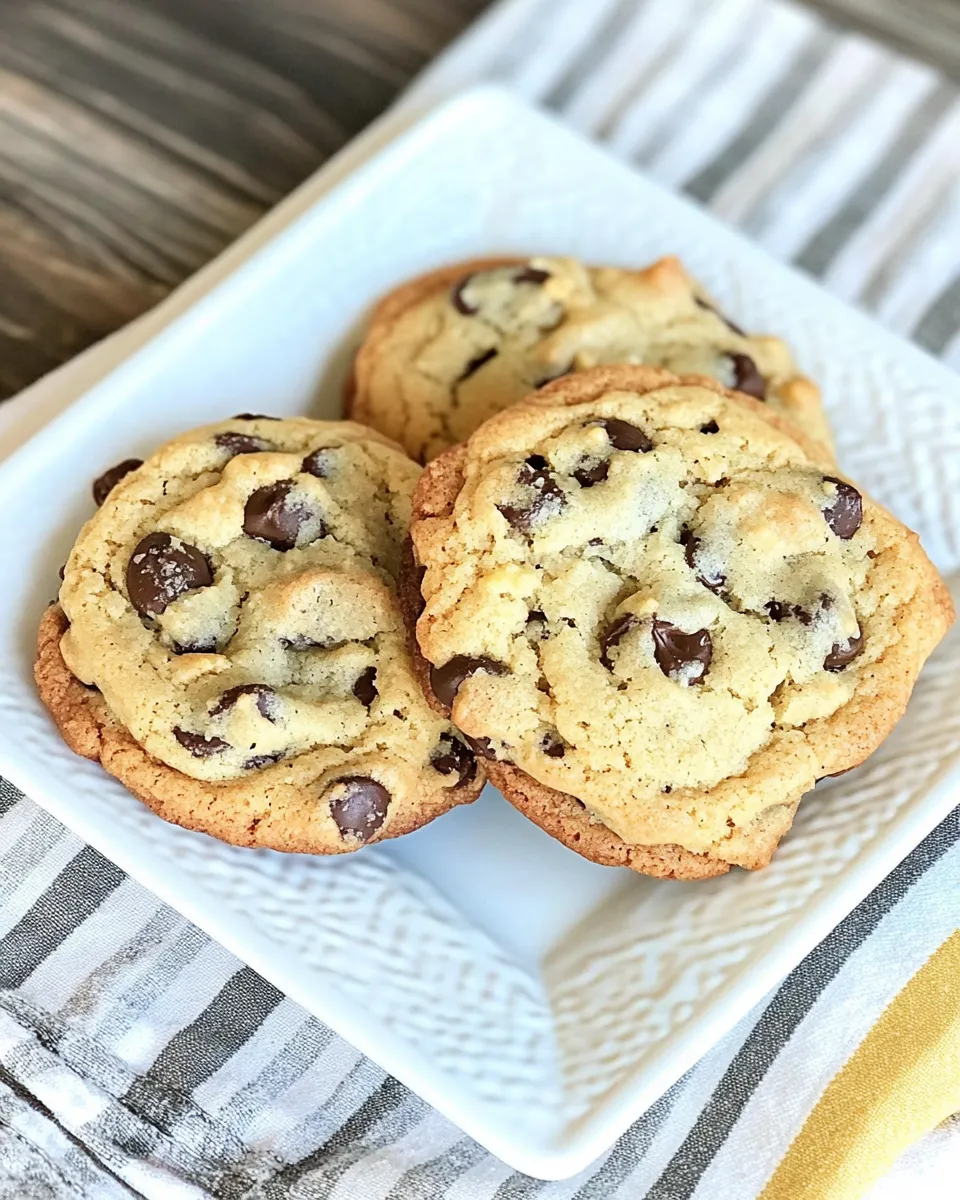
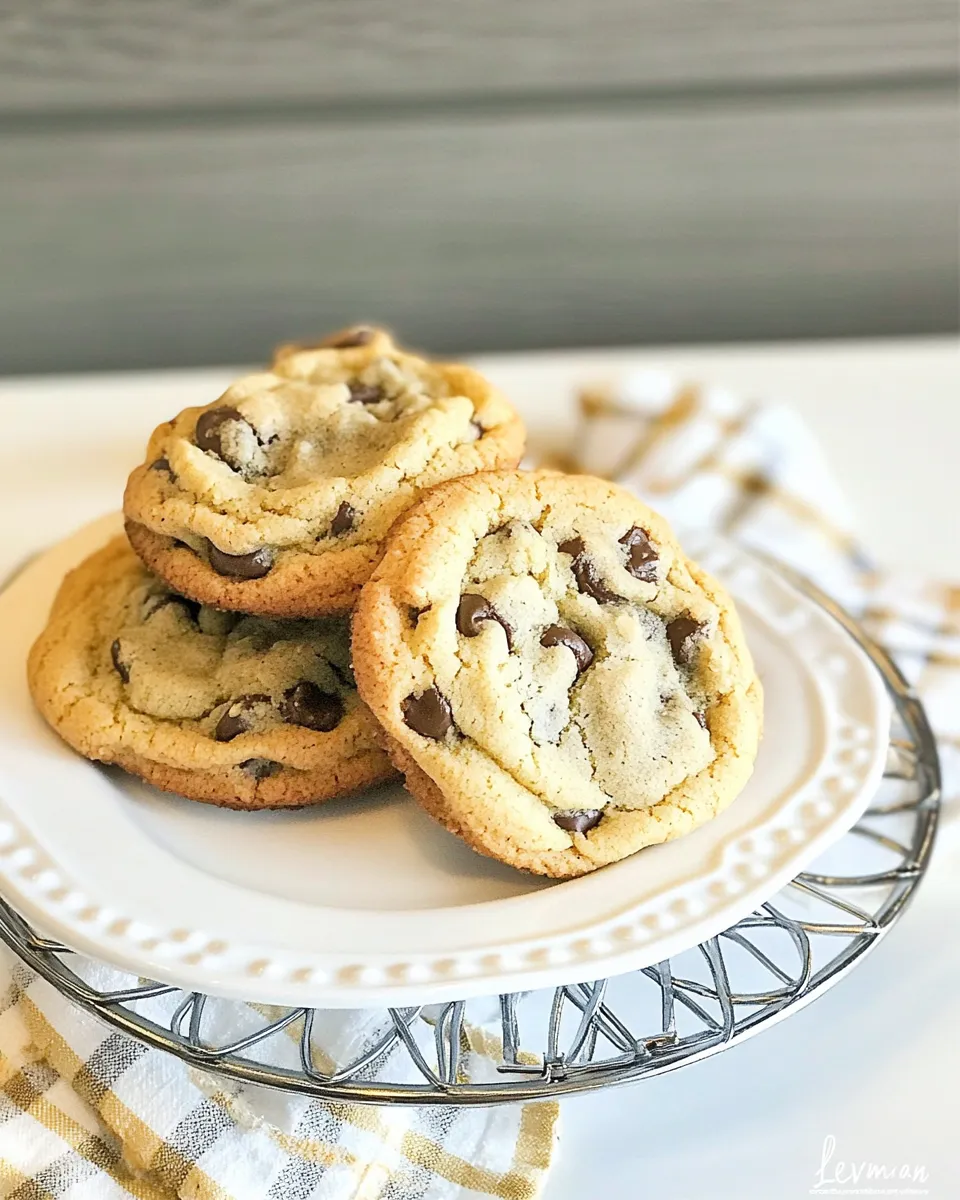
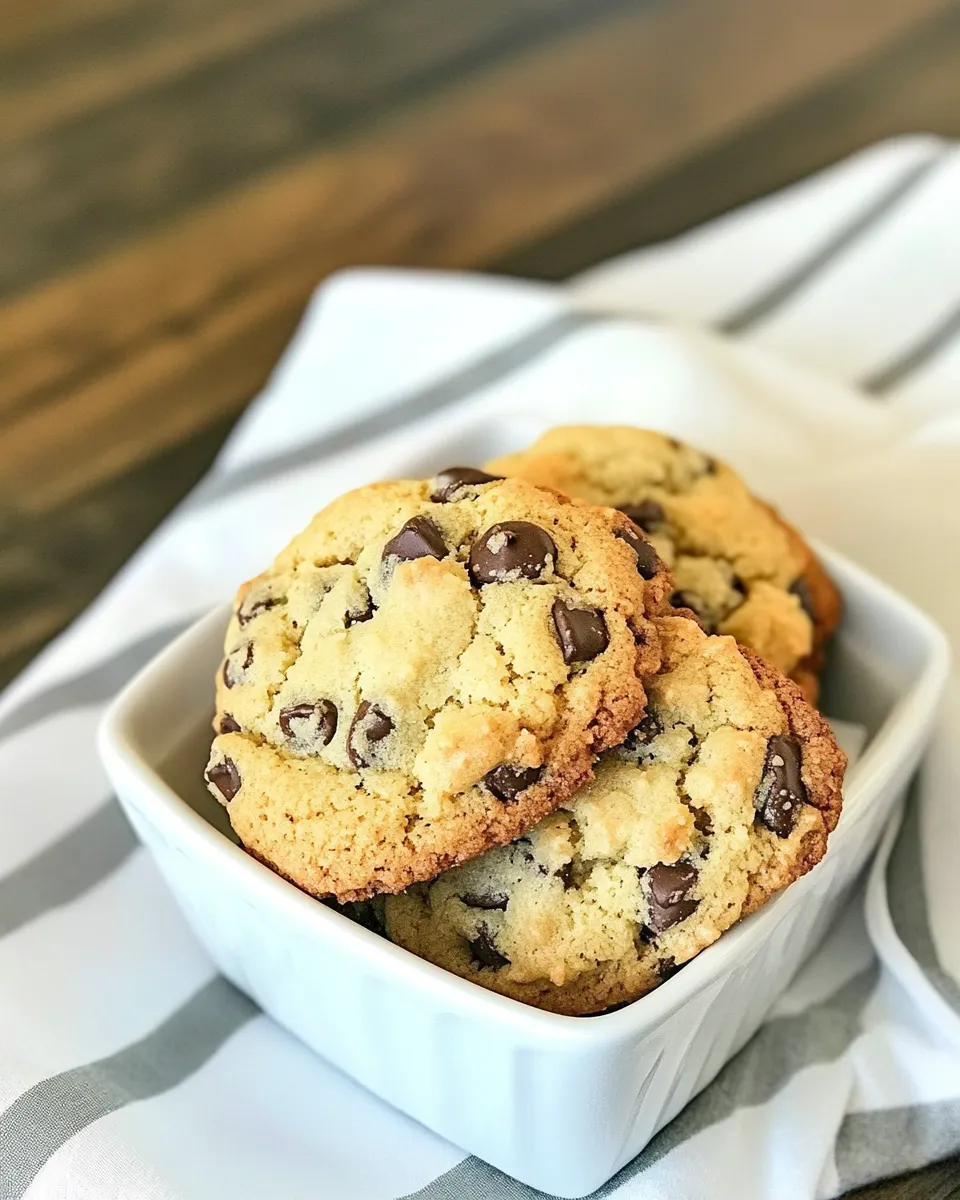
I learned to bake these cookies because I wanted that Levain Bakery contrast: a deeply browned, crackly exterior giving way to a melting, almost underbaked interior. This copycat version follows a straightforward method and a short ingredient list. No tricks, no special equipment required—just attention to temperature and timing.
I’m practical in the kitchen: I test once, then strip the process down to what actually matters. Here you’ll find the exact ingredient list from the recipe source, step-by-step instructions in the order they were given, plus clear troubleshooting and storage guidance so you can get consistent results on your first try.
Make a batch, and you’ll see why these cookies feel indulgent: they bake fast and reward you with a dramatic contrast between crisp edges and a gooey center. Read through the equipment and pitfalls sections before you start; it will save you a lot of second guesses.
Ingredient Checklist

- 1-1/2 cups all-purpose flour — Provides structure; use spoon-and-level to measure for accuracy.
- 1-1/2 cups cake flour — Lightens the crumb so centers stay tender; if you can’t find it, see substitutions below.
- 1 teaspoon salt — Balances sweetness and enhances chocolate flavor.
- 1 teaspoon cornstarch — Helps keep the edges tender while the center stays soft.
- 1 cup cold butter, cut into cubes — Cold butter gives a denser, chunkier texture; do not melt.
- 1 cup brown sugar — Adds moisture and chew; packed lightly into the cup.
- 1/2 cup white sugar — Helps with browning and a bit of crispness at the edges.
- 2 eggs — Bind the dough and add richness; add one at a time as instructed.
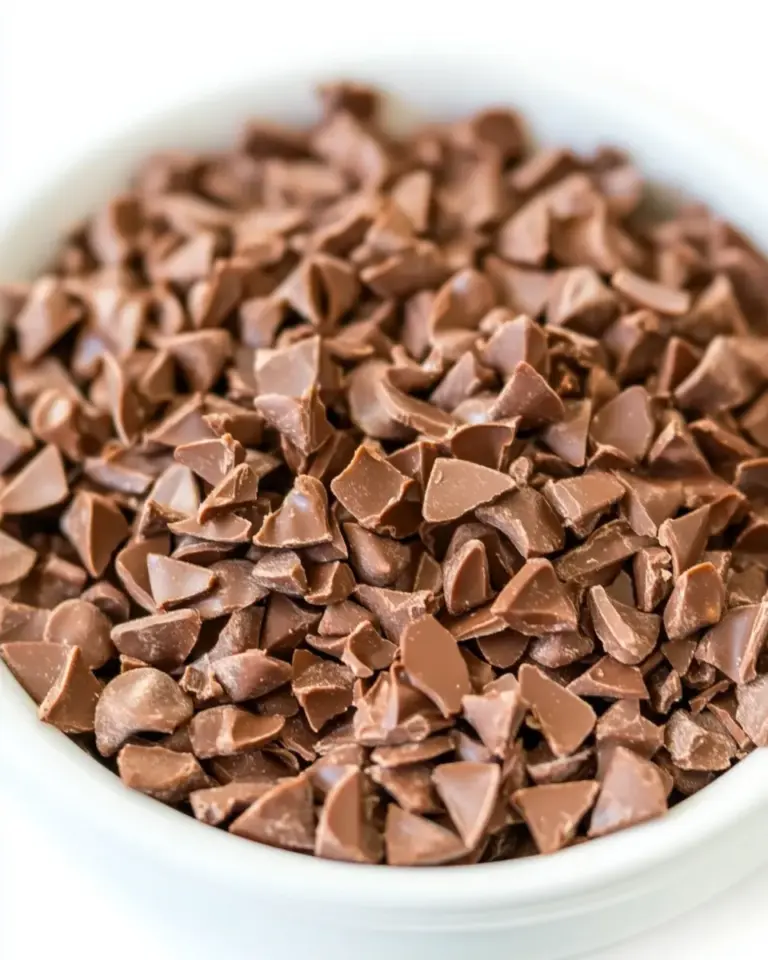
- 1-1/2 cups chocolate chips — The primary flavor and gooey pockets; use good-quality chips for best results.
- OPTIONAL: Walnuts to taste (about a 1/2 cup chopped is great) — Adds crunch and a nutty note; omit if you prefer pure chocolate.
Step-by-Step: Levain Bakery Cookie Recipe (COPYCAT)
- Preheat the oven to 410°F (210°C). Line a baking sheet with parchment paper and set aside.
- In a medium bowl, whisk together 1-1/2 cups all-purpose flour, 1-1/2 cups cake flour, 1 teaspoon salt, and 1 teaspoon cornstarch until evenly combined. Set aside.
- In a large mixing bowl, add 1 cup cold butter (cut into cubes), 1 cup brown sugar, and 1/2 cup white sugar. Beat (using a hand mixer or stand mixer) until the butter and sugars are well combined and the mixture is uniform.
- Add the 2 eggs one at a time, beating well after each egg until incorporated.
- Add the dry ingredients to the wet ingredients and mix until just combined. If the dough is stiff at first, start with the mixer and finish folding with a spatula; stop as soon as there are no visible streaks of flour.
- Fold in 1-1/2 cups chocolate chips and, if using, walnuts to taste (about 1/2 cup chopped is suggested).
- Portion the dough onto the prepared baking sheet. For 24 cookies, use a 2-tablespoon scoop for each cookie, spacing them at least 2–3 inches apart.
- Bake in the preheated 410°F oven for 9 minutes.
- Remove the baking sheet from the oven and let the cookies cool on the sheet for about 2 minutes, then transfer the cookies to a wire rack to finish cooling.
- If you make larger cookies, increase the baking time by about 2–3 minutes as needed. Remember cookies continue to set after removal from the oven, so avoid overbaking if you want a gooey center.
Why I Love This Recipe
This recipe nails the contrast that makes Levain-style cookies so addictive: a deeply caramelized edge with a tender, almost molten center. The combination of two flours plus cornstarch is a simple, effective way to control texture without complicated techniques. You get chew and crumble in the same bite.
I also appreciate that it’s forgiving. The dough is sturdy, easy to scoop, and the instructions give clear windows for timing. If you follow the bake time and resist overbaking, you’ll get that signature interior that still looks slightly underdone but tastes perfectly set.
Finally, it’s a recipe that scales to different batch sizes and cookie sizes. Whether you want small cookies for a crowd or giant, bakery-style rounds for a special treat, the method adapts. The big win is reproducibility: consistent results with a short list of pantry ingredients.
If You’re Out Of…
If you don’t have cake flour, you can simulate it (with a caveat): replace each cup of cake flour with 1 cup minus 2 tablespoons all-purpose flour, then add 2 tablespoons cornstarch per cup. This alters the texture slightly but keeps the dough tender. Note: the source recipe already includes cornstarch, so reduce additional cornstarch cautiously.
Out of brown sugar? Use a mix of white sugar and a tablespoon or two of molasses per cup of brown sugar replacement—this preserves moisture and color. If you don’t have cornstarch, the cookies will still work, but they’ll be a touch firmer in the center.
No chocolate chips? Chop a chocolate bar into chunks—rough pieces melt differently and create better pockets of chocolate. If you need to skip walnuts, simply omit them; the dough holds flavor and texture without nuts.
Equipment Breakdown
You don’t need anything exotic, but a few items make life easier and improve results:
- Stand mixer or hand mixer — Speeds creaming the butter and sugars and ensures even mixing of the eggs.
- Mixing bowls (medium and large) — One for dry, one for wet; keeps the process tidy.
- 2-tablespoon scoop — For evenly sized cookies; helps with bake consistency.
- Baking sheet and parchment paper — Clean release and easier cleanup; a dark sheet will brown faster than a light one.
- Wire rack — Important for cooling so bottoms don’t steam and soften.
Pitfalls & How to Prevent Them
Overbaking
Problem: Dry, cakey cookies. Prevention: Trust the nine-minute bake time and remove the sheet when centers look slightly underdone. Cookies set as they cool.
Flat cookies
Problem: Thin, greasy rounds. Prevention: Use cold butter, as specified. If butter gets too warm while mixing, chill the dough briefly before scooping. Also, give cookies enough space on the sheet so they don’t spread into each other.
Dense, heavy cookies
Problem: Too much mixing after adding flour or too much flour packed into the measuring cup. Prevention: Mix dry into wet just until combined. Measure flour using spoon-and-level, or weigh if you can.
Uneven baking
Problem: Some cookies look done and others don’t. Prevention: Rotate the baking sheet halfway through the bake if your oven has hot spots. Use a light-colored baking sheet for more even, predictable browning.
Variations for Dietary Needs
Gluten-free: Swap the flours for a one-to-one gluten-free blend that includes xanthan gum. The texture will differ; add an extra 1/2 teaspoon cornstarch if the cookies feel too fragile.
Dairy-free: Replace butter with a solid baking margarine that behaves like butter when cold. Results vary by product; some dairy-free spreads have higher water content and can cause more spread. Chill the dough before baking if you see excessive spreading.
Nut-free: Omit the walnuts entirely. Make sure any chocolate chips are processed in a nut-free facility if allergies are a concern.
Chef’s Rationale
I keep the ingredient list short on purpose. The two-flour approach—equal parts all-purpose and cake flour—creates a balance between structure and tenderness. Cornstarch is a small but impactful addition; it softens the bite and helps keep the interior plush while the edges caramelize.
Cold butter is the deliberate texture lever. When butter is cold and mixed into sugar, it creates pieces that melt in the oven and leave pockets, resulting in the chunky, bakery-style chew. The high oven temperature promotes fast exterior browning while the center remains gooey.
Chocolate chips are folded in rather than mixed aggressively so you maintain distinct pockets of chocolate. Nuts are optional and mainly for texture contrast.
Refrigerate, Freeze, Reheat
Refrigerate: Store baked cookies in an airtight container at room temperature for up to 3 days. If you want to keep them longer, refrigerate for up to a week, but bring to room temperature before serving for the best texture.
Freeze: Dough freezes beautifully. Portion into 2-tablespoon scoops, freeze on a tray until solid, then transfer to a bag. Bake from frozen, adding 2–3 minutes to the bake time. This gives you freshly baked cookies any night of the week.
Reheat: Warm a cookie in a 300°F oven for 3–5 minutes or microwave for 8–10 seconds to recapture that just-out-of-the-oven feel. Be careful in the microwave—overheating will make the cookie dense and tough.
Common Questions
Q: Why is the oven so hot (410°F)? A: The high temperature builds a strong crust quickly, which helps trap a soft, gooey center. It’s key to the texture contrast this recipe aims for.
Q: Can I scale this recipe up? A: Yes. Keep ratios the same. Bake cookies with the same size scoop and bake on multiple sheets separately, not stacked in the oven together, for consistent results.
Q: My cookies spread too much. What did I do wrong? A: Likely butter was too warm or the dough was overworked. Chill the dough briefly and use cold butter next time. Also check your measuring technique for flour—too little flour leads to excess spread.
Q: Can I make jumbo cookies? A: Yes. If you double or triple scoop, increase the bake time by 2–3 minutes (as the source instructs) and watch closely: you want edges set but centers soft.
Make It Tonight
Plan: Preheat the oven, measure flour accurately, and cube cold butter. Line a sheet, combine dry ingredients, then cream butter and sugars. Add eggs, fold in the dry mix, and stir in chocolate and optional walnuts. Scoop onto the prepared sheet and bake for 9 minutes. Let rest 2 minutes on the sheet, then finish on a wire rack.
Timing tip: This entire process—measuring, mixing, portioning—should take about 30–40 minutes. Baking is nine minutes, and a short cooling period finishes the job. If you freeze scooped dough ahead of time, you can have bakery-style cookies in under 15 minutes start to finish.
Final note: Resist the urge to overbake. Pull them when the centers still look slightly underdone. The cookies will continue to set, and you’ll be rewarded with that gooey, indulgent center the recipe is known for. Happy baking.
Levain Bakery Cookie Recipe (COPYCAT)
Ingredients
Ingredients
- 1-1/2 cupall purpose flour
- 1-1/2 cupcake flour
- 1 teaspoonsalt
- 1 teaspooncornstarch
- 1 cupcold buttercut into cubes
- 1 cupbrown sugar
- 1/2 cupwhite sugar
- 2 eggs
- 1-1/2 cupschocolate chips
- OPTIONAL: Walnuts to tasteabout a 1/2 a cup chopped is great
Instructions
Instructions
- Preheat the oven to 410°F (210°C). Line a baking sheet with parchment paper and set aside.
- In a medium bowl, whisk together 1-1/2 cups all-purpose flour, 1-1/2 cups cake flour, 1 teaspoon salt, and 1 teaspoon cornstarch until evenly combined. Set aside.
- In a large mixing bowl, add 1 cup cold butter (cut into cubes), 1 cup brown sugar, and 1/2 cup white sugar. Beat (using a hand mixer or stand mixer) until the butter and sugars are well combined and the mixture is uniform.
- Add the 2 eggs one at a time, beating well after each egg until incorporated.
- Add the dry ingredients to the wet ingredients and mix until just combined. If the dough is stiff at first, start with the mixer and finish folding with a spatula; stop as soon as there are no visible streaks of flour.
- Fold in 1-1/2 cups chocolate chips and, if using, walnuts to taste (about 1/2 cup chopped is suggested).
- Portion the dough onto the prepared baking sheet. For 24 cookies, use a 2-tablespoon scoop for each cookie, spacing them at least 2–3 inches apart.
- Bake in the preheated 410°F oven for 9 minutes.
- Remove the baking sheet from the oven and let the cookies cool on the sheet for about 2 minutes, then transfer the cookies to a wire rack to finish cooling.
- If you make larger cookies, increase the baking time by about 2–3 minutes as needed. Remember cookies continue to set after removal from the oven, so avoid overbaking if you want a gooey center.
Equipment
- Oven
- Baking Sheet
- Parchment Paper
- Medium Bowl
- Large Mixing Bowl
- Hand Mixer or Stand Mixer
- Spatula
- 2-tablespoon scoop
- Wire Rack
Notes
Substituting Cake Flour for other Flours
I do not recommend substituting cake flour in this recipe if you want the same results.