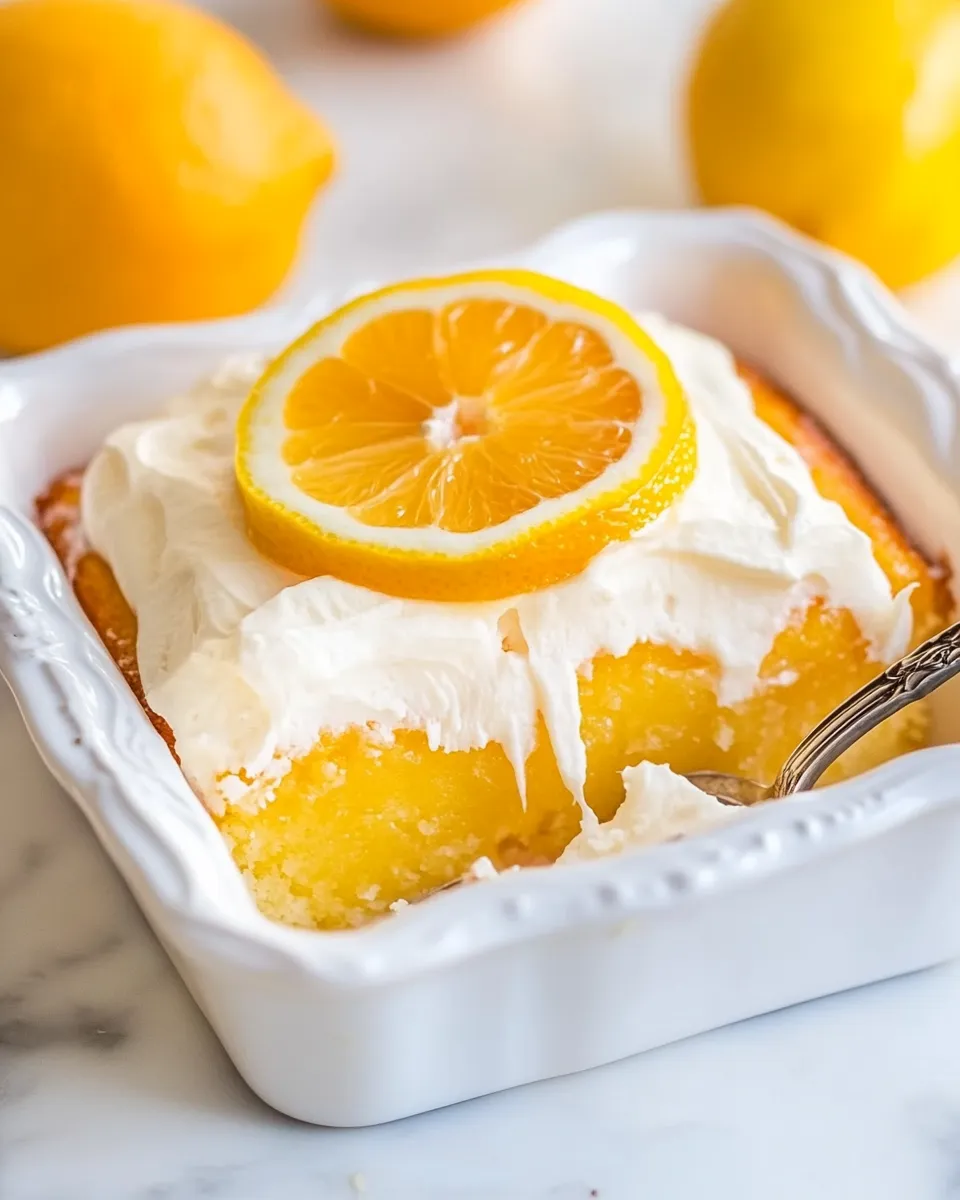
Lemon Cake for a Crowd
This cake is my go-to when I need to feed a room full of people and I want something that will disappear fast. It’s bright without being sharp, tender without being fragile, and the frosting strikes the right balance of tang and creaminess. No frills, just reliably good results — the kind of recipe you can trust when the oven timer is the one thing you can’t forget.
It’s written for a 9×13 pan so you get plenty of slices without fussing with multiple pans or complicated pan sizes. The batter comes together in a mixer or with a handheld, and the frosting is simple: cream cheese and butter whipped with confectioners’ sugar and lemon. The whole process leans on technique more than tricks.
Below I’ve broken everything down: what to buy, the exact ingredients, step-by-step directions, what to avoid, and practical tips for storage and serving. Read once, save the post, and you’ll reach for this cake the next time you need something that feeds a crowd and still feels special.
Your Shopping Guide

Before you start, take a quick inventory. This cake relies on a handful of fresh dairy items and real lemons for flavor, so check your fridge first. If you have unsalted butter, cream cheese, buttermilk, and sour cream on hand, you’ll save time on a store run.
Buy the freshest lemons you can find — they’ll give the best juice and zest. Measure everything out before you begin: baking is forgiving here but keeping ingredients ready makes the process smooth, especially if you’re baking for company.
Finally, make sure you have enough confectioners’ sugar for the frosting — a well-sifted sugar gives the frosting the best texture. If you only need a few more slices, the 9×13 format still works great for parties, potlucks, and casual gatherings.
Ingredients
- 2 and 3/4 cups all-purpose flour (343 grams) — the structure for the cake; measure by spooning into the cup and leveling or use a scale.
- 2 and 1/2 teaspoons baking powder — the primary leavening; make sure it’s fresh for a good rise.
- 1/2 teaspoon baking soda — helps with lift and tender crumb when combined with acidic ingredients.
- 3/4 teaspoon salt — balances sweetness and brightens the lemon notes.
- 1 cup (8 ounces) unsalted butter, at room temperature — creamed with sugar to create a light crumb.
- 2 cups granulated sugar — sweetens and helps with texture when creamed with butter.
- 4 large eggs, at room temperature — give structure and moisture; room temperature eggs incorporate better.
- 1 teaspoon vanilla extract — rounds the flavor and supports the lemon without overpowering it.
- 1 teaspoon lemon extract — adds a concentrated lemon note; use as listed.
- 1/2 cup buttermilk, at room temperature — adds tang and tenderizes the crumb.
- 1/2 cup sour cream, at room temperature — keeps the cake moist and rich.
- 1 and 1/2 Tablespoons lemon zest, finely grated — fresh zest gives the most aromatic lemon flavor.
- 1/2 cup fresh lemon juice — for real lemon flavor in the batter.
- 8 ounces cream cheese, VERY soft — the base of the frosting; soften completely for a smooth finish.
- 1/2 cup unsalted butter, VERY soft — whipped with the cream cheese for a creamy frosting.
- 3 cups confectioners’ sugar, sifted — sweetens and stabilizes the frosting; sifted sugar prevents lumps.
- 2 and 1/2 Tablespoons lemon fresh lemon juice — for the frosting’s bright acidity.
- 1 teaspoon lemon extract — a small boost of lemon flavor in the frosting.
Step-by-Step: Lemon Cake for a Crowd
- Preheat the oven to 350°F (175°C). Line a 9×13-inch baking pan with parchment paper and spray the parchment and any exposed pan surface with non-stick baking spray. Set the pan aside.
- In a large bowl, sift together 2 3/4 cups all-purpose flour, 2 1/2 teaspoons baking powder, 1/2 teaspoon baking soda, and 3/4 teaspoon salt. Set aside.
- In the bowl of a stand mixer fitted with the paddle attachment, or in a large bowl using a handheld electric mixer, beat 1 cup (8 ounces) unsalted butter (room temperature) and 2 cups granulated sugar on medium-high speed until light and fluffy, about 3 minutes. Scrape down the sides and bottom of the bowl with a rubber spatula, then beat an additional 30 seconds.
- Add 4 large eggs, one at a time, beating well after each addition and scraping down the sides and bottom of the bowl as needed so everything is evenly incorporated.
- Beat in 1 teaspoon vanilla extract and 1 teaspoon lemon extract until combined.
- With the mixer on low speed, add the sifted dry ingredients and beat just until barely combined, about 20 seconds. Stop while there are still small streaks or lumps of dry ingredients—do not overmix.
- Turn the mixer off. Add 1/2 cup buttermilk (room temperature), 1/2 cup sour cream (room temperature), 1 1/2 tablespoons finely grated lemon zest, and 1/2 cup fresh lemon juice. Turn the mixer on the lowest speed and mix just until the ingredients are incorporated.
- Turn the mixer off and use a rubber spatula to gently fold the batter, scraping from the bottom of the bowl to the top to ensure no pockets of dry ingredients remain.
- Pour the batter into the prepared 9×13-inch pan and use a spatula to smooth the top evenly.
- Bake in the preheated oven for 35 to 40 minutes, until the top is firm, golden brown, and a toothpick inserted into the center comes out clean or with a few moist crumbs attached.
- Place the cake pan on a cooling rack and allow the cake to cool completely in the pan before frosting.
- For the frosting: in the bowl of a stand mixer fitted with the paddle attachment, or in a large bowl using a handheld mixer, beat 8 ounces very soft cream cheese and 1/2 cup very soft unsalted butter on medium-high speed until completely smooth, about 2 minutes.
- Reduce the mixer speed to low and gradually add 3 cups sifted confectioners’ sugar, mixing until the sugar is incorporated.
- Add 2 1/2 tablespoons fresh lemon juice and 1 teaspoon lemon extract and beat on low until combined.
- Increase the speed to medium-high and beat the frosting for 2 minutes to lighten and smooth it.
- Once the cake has completely cooled, spread the frosting evenly over the top of the cake.
- Cover leftover cake tightly and store in the refrigerator for up to 3 days.
Why You’ll Keep Making It
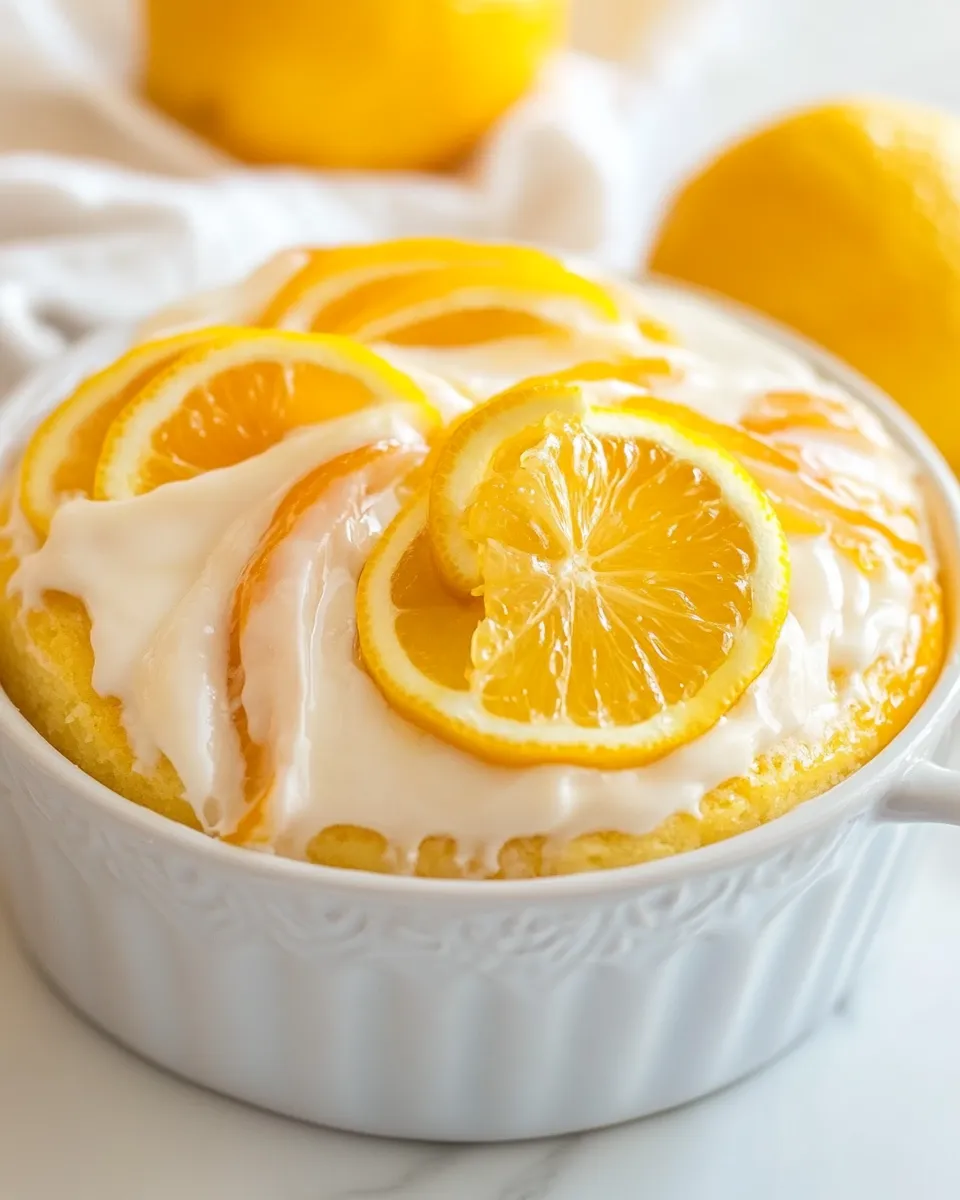
It’s consistently crowd-pleasing. The texture is tender but sturdy enough to slice cleanly, and the lemon flavor is bright but not aggressive. It works for birthdays, office parties, potlucks, and easy weekend entertaining. The recipe scales to a single 9×13 pan so there’s no juggling multiple pans or layers.
The frosting is straightforward and stable: cream cheese plus butter gives you a smooth, spreadable topping that won’t slide off when stored in the fridge. Because nothing here relies on finicky timing or rare ingredients, you can hand this recipe to a friend and expect the same results.
No-Store Runs Needed
If you’re short on time, check for the essentials first: butter, eggs, sugar, and flour. The citrus is the only truly fresh item that makes a big difference; if you have lemons, you’re golden. The recipe’s dairy components—buttermilk and sour cream—are typical fridge staples. If you’re missing one tiny thing, check for reasonable substitutes you already own before heading out; often another cup of something acidic in the fridge will keep you from a trip.
Kitchen Gear Checklist
Must-haves
- 9×13-inch baking pan — the recipe is sized for this pan.
- Stand mixer with paddle attachment or handheld mixer — for creaming and frosting.
- Mixing bowls — for dry ingredients and for any folding.
- Rubber spatula — for scraping the bowl and folding batter gently.
- Fine grater or zester — for the lemon zest.
Nice-to-haves
- Kitchen scale — for accurate flour measurement, though cups work if measured carefully.
- Cooling rack — for cooling the pan before frosting.
- Parchment paper and non-stick spray — for clean release and easy cleanup.
What Not to Do
Do not overmix the batter after you add the dry ingredients. The directions explicitly say to stop while small streaks remain — overmixing brings out gluten and gives a tougher cake. Also, don’t frost the cake while it’s even slightly warm; the frosting will melt and become soupy.
Avoid using cold butter or cream cheese in the frosting. If either is not very soft, the frosting will be lumpy and may not aerate properly when you beat it. Finally, don’t skip sifting the confectioners’ sugar or the dry ingredients if they’re clumpy — that small step prevents lumps in both batter and frosting.
Fit It to Your Goals
Need more servings? Bake two pans and stack or present them separately. Want fewer servings? This recipe scales awkwardly because of the pan size; instead, consider halving and baking in a smaller pan, but watch the time closely. For a brighter lemon note, increase the zest slightly rather than adding more juice; zest gives aroma without changing batter consistency.
If you’re serving outdoors, keep the cake refrigerated until just before serving so the frosting stays firm. If you expect a mixed crowd, cut slices into conservative portions — the cake is dense enough that smaller pieces will satisfy without wasting leftovers.
If You’re Curious
Why both buttermilk and sour cream? They add tang and acidity which tenderize the crumb and react with the baking soda for a balanced lift. The combination of chemical leaveners—baking powder and a touch of baking soda—gives reliable rise while keeping the crumb fine and even.
Why cream cheese and butter together in the frosting? Cream cheese gives tang and body; butter lightens the texture and makes the frosting spreadable. Beating the frosting at medium-high at the end lifts it and makes it smoother — that two-minute finish makes a noticeable difference.
Save It for Later

Store leftover cake tightly covered and refrigerated for up to 3 days, as the recipe instructs. For longer storage, you can slice and freeze individual pieces wrapped tightly in plastic and placed in a freezer-safe container; thaw in the fridge before serving. Keep in mind the texture of the frosting may change slightly after freezing, but the flavor holds up well.
Top Questions & Answers
Q: Can I make this a layer cake? A: The batter is calibrated for a single 9×13 pan. If you want layers, you can divide the batter between two pans of appropriate size, but watch baking time closely. The structure will still be tender, so handle layers gently.
Q: Can I use low-fat dairy? A: The cake benefits from the moisture and fat of whole dairy ingredients. Substituting low-fat versions will change texture and may dry the cake out faster.
Q: Is the lemon extract necessary? A: The extract boosts the lemon profile, especially in the frosting. If you prefer to rely only on fresh lemon, you can reduce the extract, but the recipe is balanced with it included.
Q: How do I know the cake is done? A: Look for a firm, golden-brown top and test with a toothpick; it should come out clean or with a few moist crumbs attached. Avoid opening the oven frequently during the last 15 minutes.
Q: Can I make the frosting less sweet? A: Reducing confectioners’ sugar will change texture and stability. If you want less sweetness, you can slightly reduce sugar but do so in small increments and keep the frosting’s spreadability in mind.
The Last Word
This Lemon Cake for a Crowd is one of those dependable recipes that shines when you need something straightforward and satisfying. Follow the steps, measure carefully, and don’t rush the cooling and frosting stages. The result is a bright, tender cake that serves a lot of people with minimal stress — and that’s exactly the point.

Lemon Cake for a Crowd
Ingredients
Ingredients
- 2 and 3/4 cups all-purpose flour 343 grams
- 2 and 1/2 teaspoons baking powder
- 1/2 teaspoonbaking soda
- 3/4 teaspoonsalt
- 1 cup 8 ounces unsalted butter, at room temperature
- 2 cupssugar granulated sugar
- 4 large eggs at room temperature
- 1 teaspoonvanilla extract
- 1 teaspoonlemon extract
- 1/2 cupbuttermilk at room temperature
- 1/2 cupsour cream at room temperature
- 1 and 1/2 Tablespoons lemon zest finely grated
- 1/2 cupfresh lemon juice
- 8 ouncescream cheese VERY soft
- 1/2 cupunsalted butter VERY soft
- 3 cupsconfectioners’ sugar sifted
- 2 and 1/2 Tablespoons lemon fresh lemon juice
- 1 teaspoonlemon extract
Instructions
Instructions
- Preheat the oven to 350°F (175°C). Line a 9×13-inch baking pan with parchment paper and spray the parchment and any exposed pan surface with non-stick baking spray. Set the pan aside.
- In a large bowl, sift together 2 3/4 cups all-purpose flour, 2 1/2 teaspoons baking powder, 1/2 teaspoon baking soda, and 3/4 teaspoon salt. Set aside.
- In the bowl of a stand mixer fitted with the paddle attachment, or in a large bowl using a handheld electric mixer, beat 1 cup (8 ounces) unsalted butter (room temperature) and 2 cups granulated sugar on medium-high speed until light and fluffy, about 3 minutes. Scrape down the sides and bottom of the bowl with a rubber spatula, then beat an additional 30 seconds.
- Add 4 large eggs, one at a time, beating well after each addition and scraping down the sides and bottom of the bowl as needed so everything is evenly incorporated.
- Beat in 1 teaspoon vanilla extract and 1 teaspoon lemon extract until combined.
- With the mixer on low speed, add the sifted dry ingredients and beat just until barely combined, about 20 seconds. Stop while there are still small streaks or lumps of dry ingredients—do not overmix.
- Turn the mixer off. Add 1/2 cup buttermilk (room temperature), 1/2 cup sour cream (room temperature), 1 1/2 tablespoons finely grated lemon zest, and 1/2 cup fresh lemon juice. Turn the mixer on the lowest speed and mix just until the ingredients are incorporated.
- Turn the mixer off and use a rubber spatula to gently fold the batter, scraping from the bottom of the bowl to the top to ensure no pockets of dry ingredients remain.
- Pour the batter into the prepared 9×13-inch pan and use a spatula to smooth the top evenly.
- Bake in the preheated oven for 35 to 40 minutes, until the top is firm, golden brown, and a toothpick inserted into the center comes out clean or with a few moist crumbs attached.
- Place the cake pan on a cooling rack and allow the cake to cool completely in the pan before frosting.
- For the frosting: in the bowl of a stand mixer fitted with the paddle attachment, or in a large bowl using a handheld mixer, beat 8 ounces very soft cream cheese and 1/2 cup very soft unsalted butter on medium-high speed until completely smooth, about 2 minutes.
- Reduce the mixer speed to low and gradually add 3 cups sifted confectioners’ sugar, mixing until the sugar is incorporated.
- Add 2 1/2 tablespoons fresh lemon juice and 1 teaspoon lemon extract and beat on low until combined.
- Increase the speed to medium-high and beat the frosting for 2 minutes to lighten and smooth it.
- Once the cake has completely cooled, spread the frosting evenly over the top of the cake.
- Cover leftover cake tightly and store in the refrigerator for up to 3 days.
Equipment
- 9x13 inch baking pan
- Parchment Paper
- stand mixer or handheld mixer
- Rubber spatula