Keto Teriyaki Sauce
I love a good teriyaki glaze — it can turn a weeknight chicken into something that tastes restaurant-made. This Keto Teriyaki Sauce keeps the glossy, savory-sweet finish you want while staying low-carb. It’s straightforward, forgiving, and comes together in one small saucepan. I rely on it for quick dinners, sheet-pan meals, and for brushing on grilled vegetables.
There are two thickening options in this recipe: xanthan gum for a strict low-carb version, or cornstarch if you prefer the ultra-glossy, traditional finish. I’ll walk you through both so you get the texture you want without surprises. The technique is simple; the timing and the order matter.
No fuss, no special trips to obscure grocery aisles. Keep this sauce in a jar in the fridge and you’ll find yourself reaching for it more than you expect. Below I break down the ingredients, step-by-step directions, swaps, troubleshooting, and storage advice — everything I wish I’d known the first time I tried to keto-fy teriyaki.
Ingredient Rundown

Ingredients
- 1/2 cup soy sauce — the salty, umami backbone; choose gluten-free or tamari if needed.
- 1/3 cup granulated sweetener of choice — provides the caramelized sweetness; I used keto brown sugar.
- 2 cloves garlic, minced — adds savory depth and aromatics.
- 1 teaspoon ginger, freshly grated — bright, peppery lift that keeps the sauce from tasting flat.
- 1 cup water — thins the sauce so flavors meld and the sweetener dissolves; see notes for slurry options.
- 1 1/2 teaspoon xanthan gum or 2 tablespoons cornstarch — thickener options; xanthan for strict keto and a slightly silkier texture, cornstarch for a traditional glossy finish.
How to Prepare Keto Teriyaki Sauce
- If using the cornstarch option: place the 2 tablespoons cornstarch in a small bowl and whisk in a little of the measured 1 cup water until smooth; set this slurry aside.
- In a small saucepan combine 1/2 cup soy sauce, 1/3 cup granulated sweetener, 2 cloves minced garlic, 1 teaspoon freshly grated ginger, and the remaining water (the full 1 cup unless you reserved a small amount for the cornstarch slurry).
- Place the saucepan over medium heat and stir frequently until the sweetener is dissolved and the mixture comes to a gentle simmer.
- If using xanthan gum (1 1/2 teaspoons): reduce heat to low. While whisking or stirring constantly, slowly sprinkle the xanthan gum in a little at a time to prevent clumps. Continue stirring over low heat for 1–2 minutes, then check thickness.
- If using the cornstarch slurry (2 tablespoons): once the sauce is simmering, reduce heat to low and whisk the prepared slurry into the saucepan until fully incorporated. Return to a gentle simmer and cook, stirring, for 1–2 minutes more until the sauce thickens.
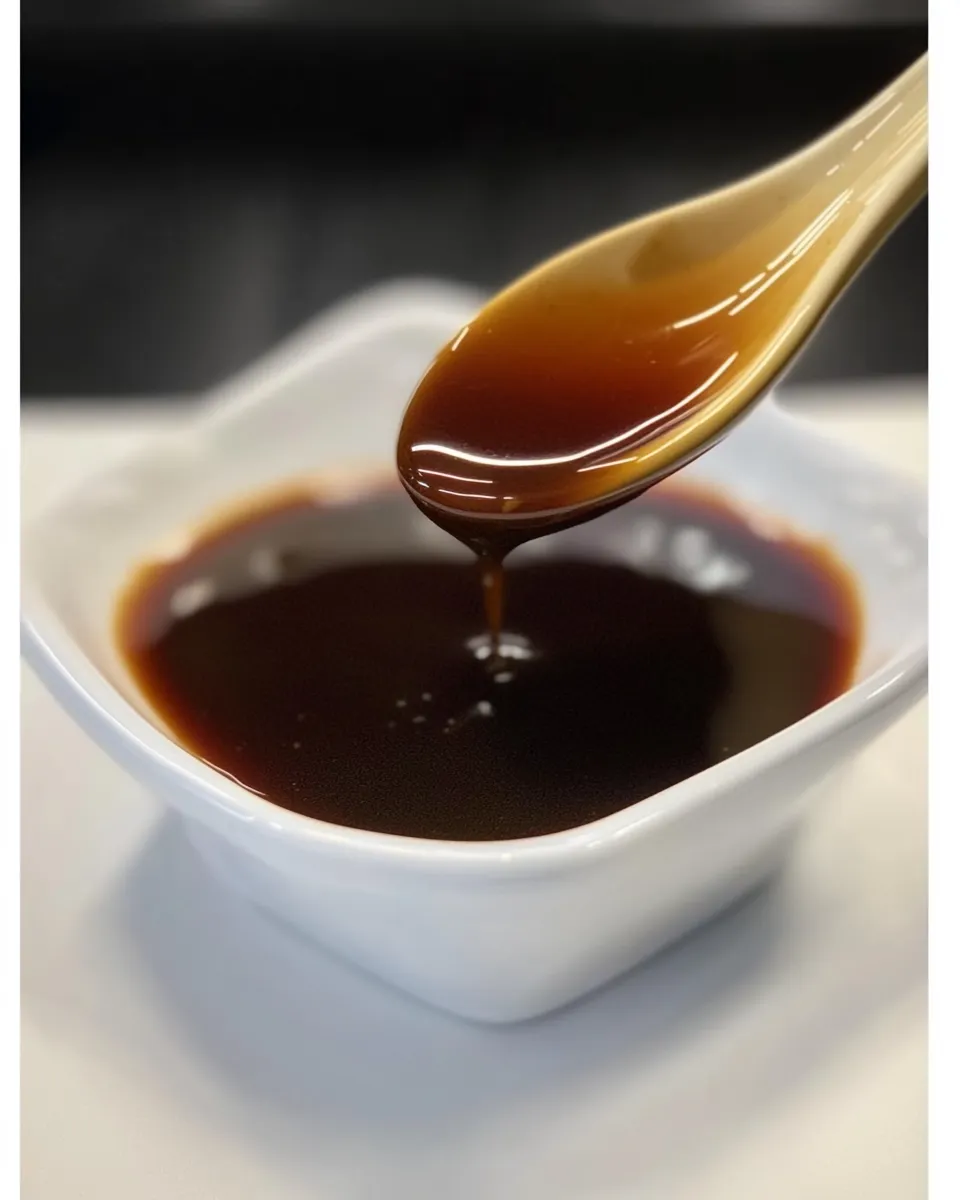
- When the sauce has reached your desired consistency, remove it from the heat and let it cool a few minutes (it will thicken slightly as it cools). Use immediately to pour or brush over your protein, vegetables, or dish of choice.
Why This Recipe is a Keeper
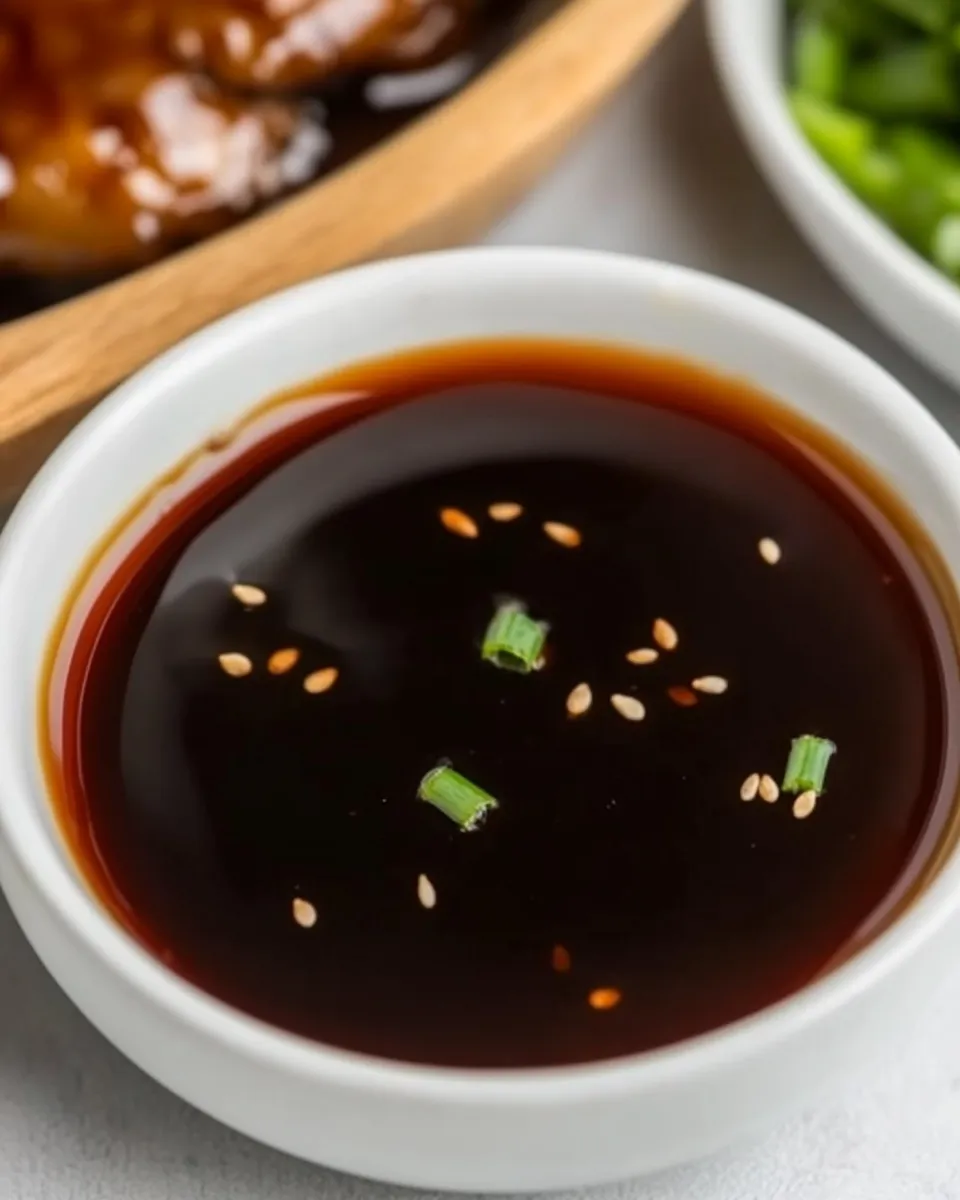
This version nails the balance: salty, slightly sweet, and aromatic. The ratio of soy to sweetener keeps the sauce from turning cloying, and the fresh garlic and ginger give it life. For anyone following a low-carb or keto approach, the xanthan gum option lets you keep carbs down while still getting a clingy, glossy coating perfect for basting or stir-frying.
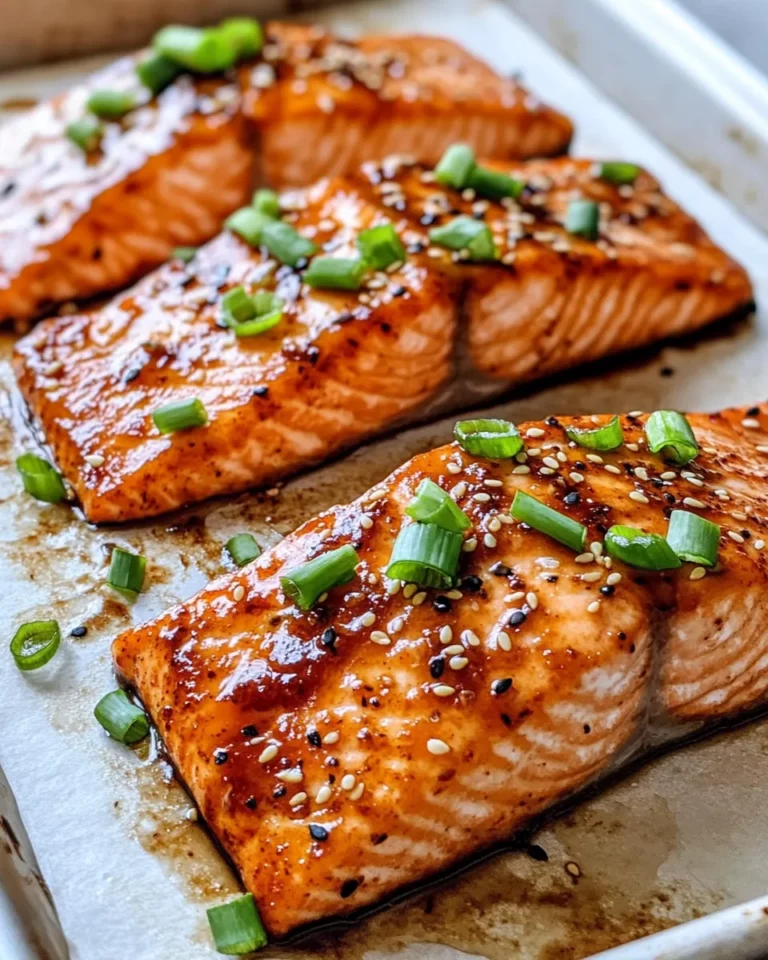
It’s also versatile. Use it as a marinade, a finishing glaze, or a dipping sauce. I’ve brushed it on sheet-pan salmon, tossed it with sautéed broccoli and mushrooms, and used it lightly as a dressing for a quick cold noodle alternative. It’s one of those sauces that elevates otherwise simple ingredients.
No-Store Runs Needed
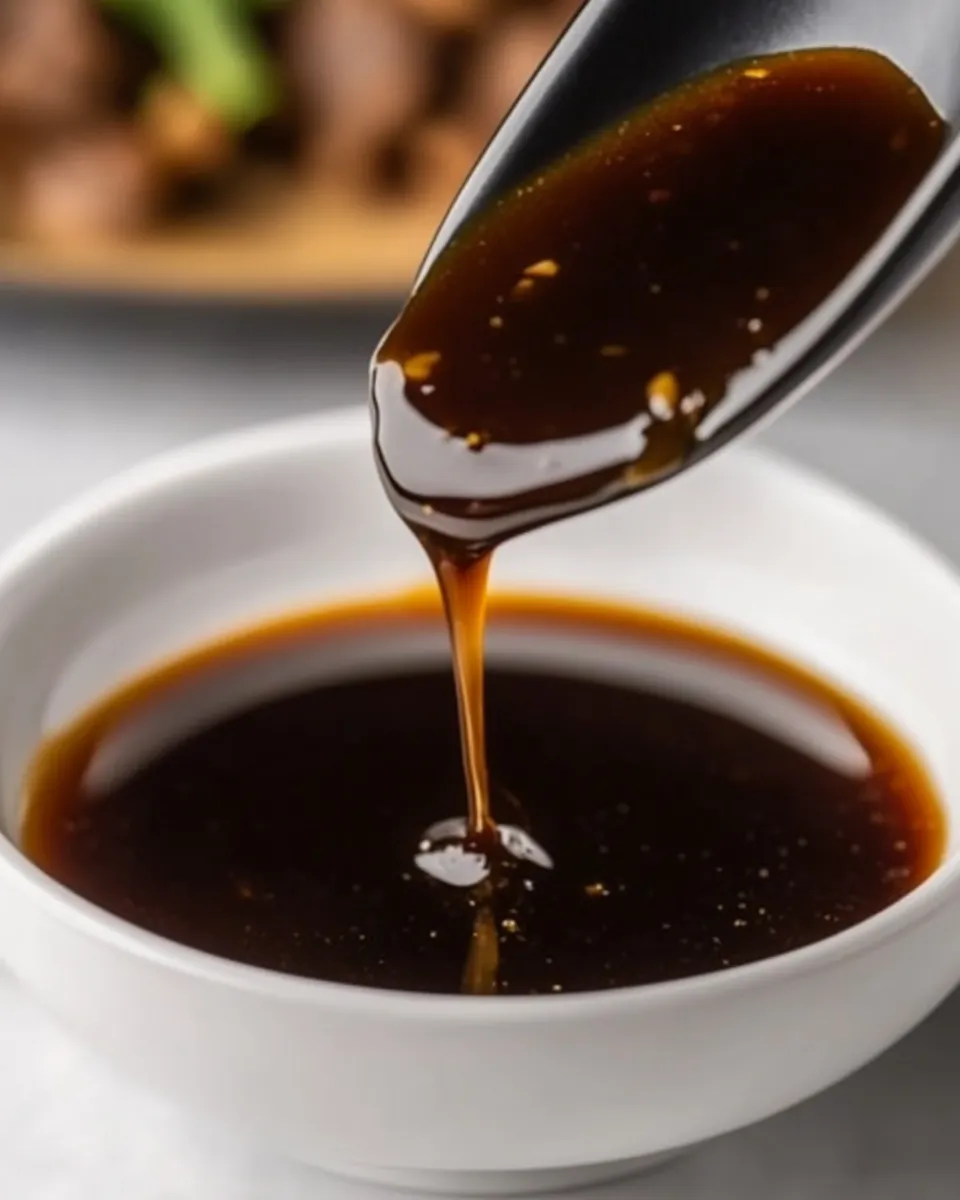
Most of these ingredients live in a basic pantry: soy sauce, a sweetener, garlic, ginger, and a thickener. If you already keep a low-carb sweetener and xanthan gum, you won’t need anything extra. If you don’t have xanthan gum and aren’t strict keto, the cornstarch option is an easy swap and gives a classic texture.
Short on fresh ginger? Fresh is best for brightness, but a pinch of ground ginger will work in a pinch. Missing fresh garlic? Use a small amount of jarred minced garlic — just adjust to taste. The idea is to get the balance right: salty base, sweet element, and a touch of aromatics.
Tools of the Trade
- Small saucepan — big enough to stir and simmer without boiling over.
- Measuring cups and spoons — for consistent results.
- Small bowl — for the cornstarch slurry if you choose that option.
- Whisk or wooden spoon — whisk works best for xanthan and slurry incorporation.
- Fine grater or microplane — for fresh ginger.
- Heatproof jar or container with a lid — for storing the finished sauce.
What Not to Do
Do not add xanthan gum all at once into a hot pan. It clumps and turns gluey. Sprinkle it in slowly while whisking over low heat, as the directions describe.
Don’t let the sauce boil aggressively after adding thickeners. A gentle simmer is enough to activate cornstarch and hydrate xanthan; too much heat can break down texture or concentrate flavors too far.
Don’t over-sweeten. Start with the 1/3 cup granulated sweetener listed and adjust after the sauce cools slightly. Sweetness reads stronger as it concentrates while simmering.
Fresh Seasonal Changes
Seasonal produce pairs wonderfully with this sauce. In spring, brush it on grilled asparagus or toss with quickly sauteed sugar snap peas. In summer, use it as a glaze for grilled eggplant or brush on skewered, charred peppers. In colder months, it’s excellent with roasted Brussels sprouts and root vegetables when you want a glossy finish.
For a winter-forward twist, add a thin strip of orange zest while simmering for a warm citrus note. In warm months, a splash of rice vinegar or a small squeeze of lime off the heat brightens the sauce and makes it feel lighter on salads or cold plates.
Insider Tips
- Thickness check: the sauce thickens as it cools. Stop when it’s slightly thinner than you want and let it rest a few minutes off the heat.
- For a silkier texture with xanthan, sprinkle it in very slowly — a little goes a long way. If you over-thicken, whisk in a teaspoon or two of warm water to loosen.
- If you’re using cornstarch and want an ultra-glossy finish, whisk the slurry thoroughly before adding so no lumps form.
- To infuse more flavor, let the sauce cool with a piece of toasted sesame or a smashed green onion tucked in, then strain before storing.
- Brush on proteins toward the end of cooking to avoid burning the sweetener. Apply a final glaze right before serving.
Make-Ahead & Storage
Let the sauce cool completely before transferring to a clean jar or airtight container. Stored in the refrigerator, it keeps well for practical use through several meals. Reheat gently — short bursts in a small saucepan over low heat or a quick zap in the microwave — just until warm. Stir before using to bring the texture back together.
If you need long-term storage, freeze small portions in ice-cube trays, then transfer cubes to a freezer bag. Thawed cubes reheat quickly and are perfect for quick sauces or glazes. Always label with the date and use within a few months for best flavor.
Your Top Questions
Q: Can I use cornstarch if I’m trying to stay keto?
A: Cornstarch will thicken beautifully and give a classic glossy teriyaki look, but it does add starch-based carbs. If you need to stay strict keto, choose the xanthan gum option listed.
Q: How much xanthan gum should I use if I want a slightly thinner sauce?
A: The recipe lists 1 1/2 teaspoon xanthan gum; if you prefer slightly thinner, start with 3/4–1 teaspoon and add more as needed. Add it slowly while whisking — xanthan thickens noticeably.
Q: Can I swap the soy sauce for something gluten-free?
A: Yes. Use a gluten-free tamari or a labeled gluten-free soy sauce for the same salty, umami base. The recipe notes this as an option.
Q: My sauce clumped when I added xanthan — how do I fix it?
A: If clumps form, remove the pan from heat and whisk vigorously; you can strain the sauce through a fine mesh if needed. Next time, reduce heat and sprinkle the xanthan in tiny amounts while whisking constantly.
Q: Can I double this recipe?
A: Yes. Double the ingredients and use a slightly larger saucepan. Keep the same technique and timing; just monitor thickness because larger volumes can take a touch longer to come to a simmer.
Hungry for More?
If you liked this Keto Teriyaki Sauce, try using it on everything from baked salmon to roasted cauliflower steaks. It’s one of those kitchen shortcuts that makes ordinary dinners taste intentional. Keep a jar on hand and you’ll find it becomes a go-to for quick midweek meals and weekend experiments alike.
Want more low-carb sauces and glazes that are fridge-friendly and simple? I share weekly recipes and practical swaps — real food, real life. Come back and tell me how you used this sauce; I love seeing your versions and little tweaks that make a family favorite.
Keto Teriyaki Sauce
Ingredients
Ingredients
- 1/2 cupsoy saucegluten free if needed
- 1/3 cupgranulated sweetener of choiceI used keto brown sugar
- 2 clovesgarlicminced
- 1 teaspoongingerfreshly grated
- 1 cupwater* See notes
- 1 1/2 teaspoonxanthan gumor 2 tablespoons cornstarch
Instructions
Instructions
- If using the cornstarch option: place the 2 tablespoons cornstarch in a small bowl and whisk in a little of the measured 1 cup water until smooth; set this slurry aside.
- In a small saucepan combine 1/2 cup soy sauce, 1/3 cup granulated sweetener, 2 cloves minced garlic, 1 teaspoon freshly grated ginger, and the remaining water (the full 1 cup unless you reserved a small amount for the cornstarch slurry).
- Place the saucepan over medium heat and stir frequently until the sweetener is dissolved and the mixture comes to a gentle simmer.
- If using xanthan gum (1 1/2 teaspoons): reduce heat to low. While whisking or stirring constantly, slowly sprinkle the xanthan gum in a little at a time to prevent clumps. Continue stirring over low heat for 1–2 minutes, then check thickness.
- If using the cornstarch slurry (2 tablespoons): once the sauce is simmering, reduce heat to low and whisk the prepared slurry into the saucepan until fully incorporated. Return to a gentle simmer and cook, stirring, for 1–2 minutes more until the sauce thickens.
- When the sauce has reached your desired consistency, remove it from the heat and let it cool a few minutes (it will thicken slightly as it cools). Use immediately to pour or brush over your protein, vegetables, or dish of choice.
Equipment
- Small Saucepan
- Small Bowl
- Whisk
Notes
For a keto teriyaki marinade, only add 2 tablespoons of water and omit the xanthan gum. Do not simmer and simply soak your protein in it for 30 minutes.
TO STORE
: Teriyaki sauce should always be stored in the refrigerator, covered. It will keep well for up to two weeks. Be sure to whisk it thoroughly before adding it to your favorite dishes.
TO FREEZE
: Place leftover sauce in a shallow container or freezer friendly jar and store it in the freezer for up to 2 months.