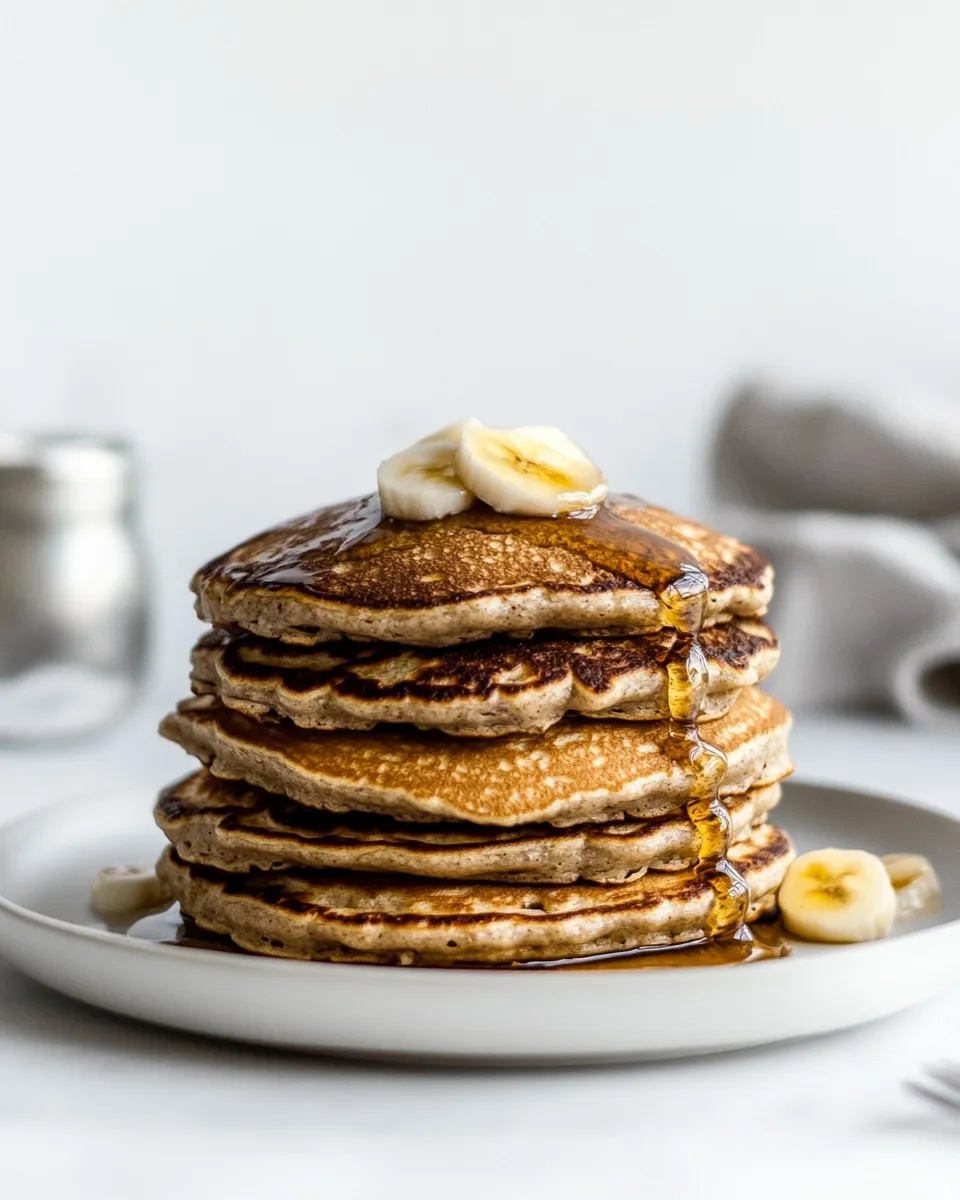
Keto Pancakes With Coconut Flour
These pancakes are my go-to when I’m craving something stackable, warm, and low in carbs. Coconut flour gives them a tender crumb and a mild sweetness without the grainy texture you sometimes get with almond flour alone. They’re small, sturdy, and forgiving—perfect for mornings when you want breakfast fast but still want it to feel intentional.
You’ll notice the batter is thicker than regular pancake batter; that’s normal. Coconut flour soaks up liquid quickly, so a short rest lets it bloom and yields the right texture. Follow the steps precisely and keep the pancakes modest in size for easy flipping.
I test recipes the way my readers eat them: with busy mornings, picky family members, and a desire for something that reheats well. Below you’ll find a clear shopping list, an ingredients section, exact steps from the recipe source, and practical tips to avoid the usual keto breakfast pitfalls.
Your Shopping Guide

Buy coconut flour labeled “packed” or “fine” if you can. It rehydrates more predictably than coarse varieties. Coconut flour is very absorbent, so measuring by tablespoon or gram matters—this recipe specifies both.
For sweetener, the recipe calls for Swerve. If you already use another granular erythritol blend, it will likely work similarly, but Swerve is consistent in baking and a good place to start. If you choose a liquid sweetener, the batter’s balance will shift; that’s not recommended unless you adjust liquids accordingly.
Good butter and fresh eggs make a surprisingly big difference here. The butter adds flavor and helps the pancake edges brown. Use real butter for best flavor; if dairy is a problem, see the Dietary Swaps & Alternatives section for options.
Ingredients
- 4 tablespoons coconut flour, packed (30 grams) — absorbs liquid; the backbone of the batter.
- 2 teaspoons Swerve sweetener — provides sweetness without sugar; use a granulated keto sweetener for best texture.
- 1 teaspoon baking powder — gives lift; ensures the pancakes aren’t too dense.
- 1/4 teaspoon cinnamon — adds warmth and subtle flavor; optional but recommended.
- 1/8 teaspoon salt — balances sweetness and enhances flavor.
- 1/2 cup unsweetened almond milk (or regular milk) — hydrates the flour; use almond milk for lower carbs.
- 2 tablespoons butter, melted, plus additional for cooking — melted in the batter for richness; extra butter prevents sticking and improves browning.
- 2 large eggs — bind and provide structure; important for lift and texture.
- 1/2 teaspoon vanilla — rounds out flavor; enhances the batter’s sweetness.
Cooking (Keto Pancakes With Coconut Flour): The Process
Follow these steps exactly as written for reliable results. The batter will be thick; that’s expected. Keep pancakes small and take care when flipping.
- In a small bowl whisk together the dry ingredients: 4 tablespoons packed coconut flour (30 g), 2 teaspoons Swerve sweetener, 1 teaspoon baking powder, 1/4 teaspoon cinnamon, and 1/8 teaspoon salt until evenly combined.
- In a medium bowl whisk the wet ingredients: 1/2 cup unsweetened almond milk (or regular milk), 2 tablespoons melted butter, 2 large eggs, and 1/2 teaspoon vanilla until smooth.
- Add the dry ingredients to the wet ingredients and whisk just until combined. The batter will be thick and will thicken more as it sits—do not overmix. Let the batter rest 1–2 minutes to allow the coconut flour to absorb the liquid.
- Preheat a nonstick skillet or griddle over medium heat. Add additional butter for cooking and allow it to melt and coat the surface.
- For each pancake, pour a scant 1/4 cup of batter onto the hot skillet and spread the batter out just slightly; keep pancakes small so they are easier to flip.
- Cook until the edges look set and small bubbles form on the surface, about 2–3 minutes. Slide a spatula fully under the pancake before flipping to avoid breakage.
- Flip each pancake and cook the second side until golden brown, about 2–3 minutes more.
- Add more butter to the skillet as needed between batches, and repeat with remaining batter.
- Serve immediately and enjoy.
Why It Deserves a Spot
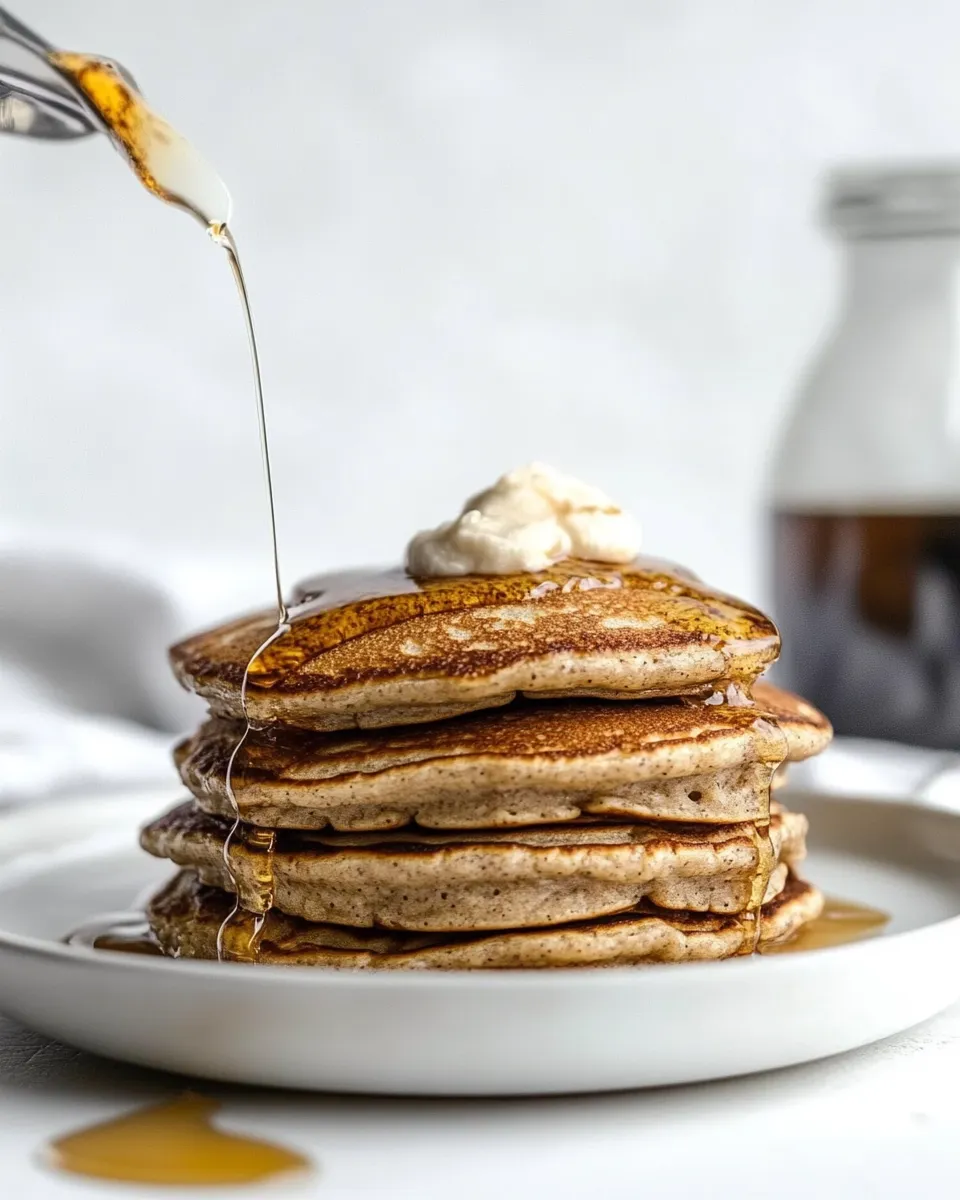
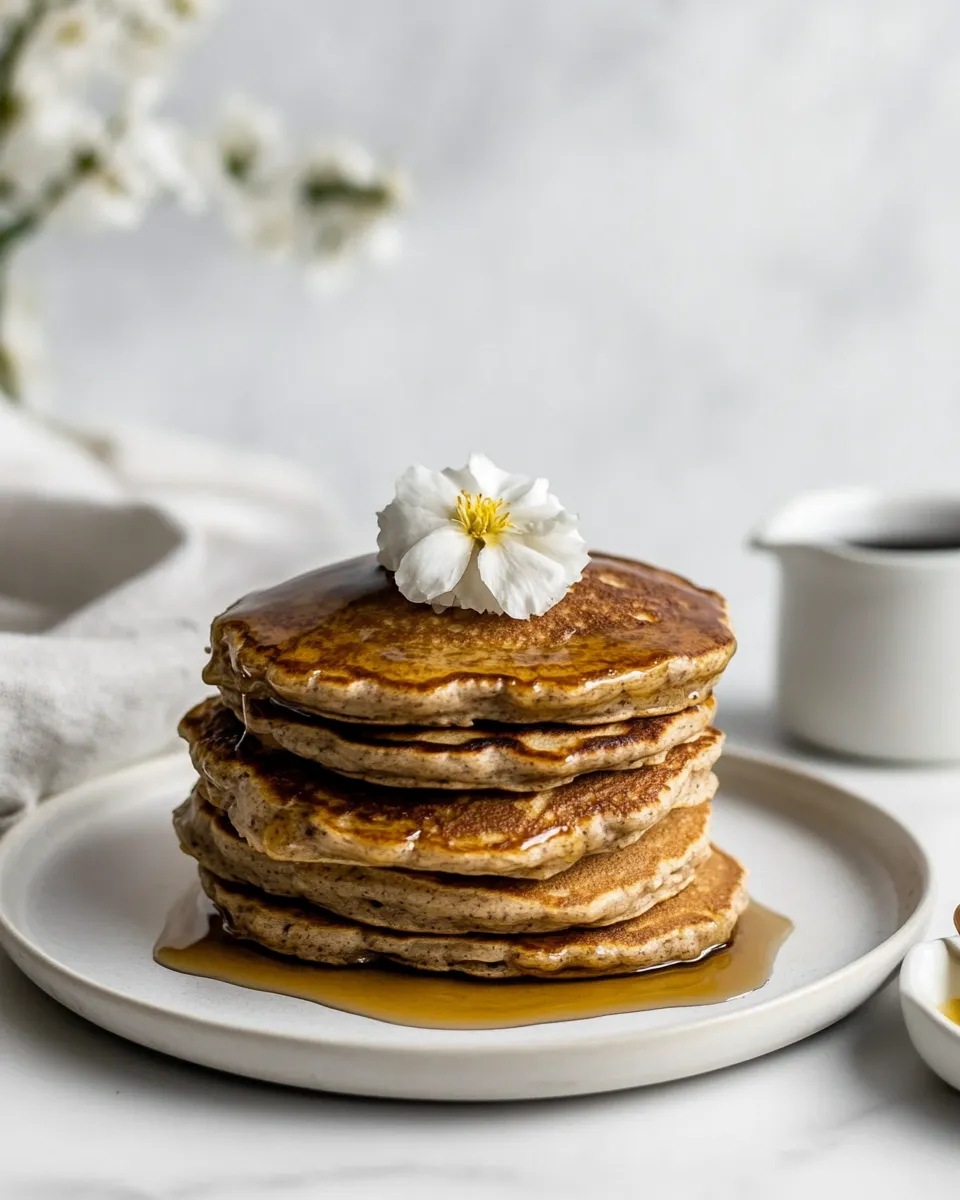
These pancakes are low-carb without feeling like deprivation. The coconut flour provides a tender, slightly grainy crumb that pairs beautifully with classic breakfast toppings—berries, butter, cream, or a sugar-free syrup. They reheat well and keep their shape, making them practical for meal prep.
They’re also forgiving in timing: a short rest is sufficient and you’ll still get good texture. Because the recipe keeps pancakes small, they’re easy to flip and hold together better than large, floppy keto pancakes often do.
Healthier Substitutions
If you want to shift this recipe slightly without changing carb counts much, consider these small swaps:
- Milk: Use unsweetened almond milk as recommended to keep carbs low. Light coconut milk (carton) will work but may add a subtle coconut flavor.
- Butter: Swap for ghee if you need dairy-free clarity in flavor; ghee browns well and reduces milk solids.
- Sweetener: Stick with granular erythritol blends like Swerve to maintain texture. Monk fruit-erythritol blends can be used if they are granular.
Recommended Tools
These are the small things that make a big difference:
- Nonstick skillet or griddle — prevents sticking and makes flipping easier.
- Small bowl for dry ingredients and a medium bowl for wet — keeps mixing tidy and prevents overworking the batter.
- Measuring spoons and a kitchen scale (optional) — coconut flour is sensitive to packing; a scale gives consistency.
- Spatula with a thin, angled edge — slides cleanly under the pancake and reduces breakage.
- Squeeze bottle or small ladle (optional) — helps keep pancake sizes consistent.
Pitfalls & How to Prevent Them
Common issues and quick fixes
Here are the mistakes I see most often and how to avoid them.
- Batter too thin: If you accidentally added extra milk, add a teaspoon of coconut flour at a time until it thickens; let sit briefly to absorb.
- Batter too thick: This is normal to an extent. If it’s unworkably stiff, whisk in 1 teaspoon of milk at a time until it’s scoopable but not runny.
- Pancakes fall apart when flipping: Keep pancakes small (scant 1/4 cup) and wait for small bubbles and set edges before flipping. Slide the spatula fully under before lifting.
- Burning before cooked through: Lower the heat slightly and use a little more butter on the pan. Thicker batter needs a gentler heat to cook evenly.
- Dry, crumbly texture: Don’t overmix. Also ensure your coconut flour is measured correctly—too much will dry the batter quickly.
Dietary Swaps & Alternatives
If you need to adapt the recipe for dietary reasons, here are tested directions and notes.
- Dairy-free: Use ghee or refined coconut oil instead of butter. Flavor will shift slightly toward coconut if you use coconut oil.
- Egg-free: Eggs provide structure and lift; this recipe relies on them. For an egg-free version you’d need a different binder and more wet ingredients—this would be a new recipe rather than a simple swap.
- Nut-free: The recipe already accommodates nut-free diets if you use a seed milk (like hemp or oat if carbs allow) instead of almond milk.
- Lower sodium: Reduce the salt to a pinch if you’re watching sodium, but a little salt enhances overall flavor.
Behind the Recipe
Coconut flour behaves differently from grain flours because it’s mostly fiber with strong absorbency. This recipe keeps ratios tight—small amounts of flour, enough eggs for structure, and butter for moisture. The short rest time is intentional: coconut flour needs a moment to hydrate but will over-thicken if neglected for too long.
I designed the recipe to produce small pancakes because size affects flip success. Larger pancakes often tear when the batter is thick. Small pancakes cook evenly and brown well, which improves both texture and appearance.
Save It for Later
Storage is straightforward:
- Refrigerator: Store cooled pancakes in an airtight container for up to 4 days.
- Freezer: Freeze in a single layer on a sheet tray, then transfer to a freezer bag for up to 2 months. Reheat from frozen in a toaster or oven until warm.
- Reheating: A toaster or low oven (350°F / 175°C) helps maintain texture better than the microwave. If using a microwave, cover to retain moisture and heat briefly.
Ask the Chef
Quick answers to likely questions
Can I double the recipe? Yes. Make the batter in a larger bowl and cook in batches, adding butter to the skillet between batches.
Why use Swerve? Swerve is a granular erythritol blend that behaves like sugar in texture. If you substitute a powdered or liquid sweetener, the texture and thickness can change.
Can I make the batter ahead? You can make the batter and hold it in the fridge for a short time, but coconut flour will continue to thicken as it sits. You may need to stir in a little milk before cooking if it becomes too stiff.
Wrap-Up
If you want a quick, low-carb pancake that holds together and browns nicely, this coconut flour version works every time with the right technique. Measure carefully, keep pancakes small, and treat the batter gently. With those small practices, you’ll have a repeatable, satisfying keto breakfast.
Make a double batch, freeze extras, and keep a jar of your favorite sugar-free syrup or fresh berries nearby. Enjoy the routine—simple breakfasts like this make weekday mornings feel effortless.
Keto Pancakes With Coconut Flour
Ingredients
Ingredients
- 4 tablespoonscoconut flourpacked 30 grams
- 2 teaspoonsSwerve sweetener
- 1 teaspoonbaking powder
- 1/4 teaspooncinnamon
- 1/8 teaspoonsalt
- 1/2 cupunsweetened almond milkor regular milk
- 2 tablespoonsbuttermelted plus additional for cooking
- 2 large eggs
- 1/2 teaspoonvanilla
Instructions
Instructions
- In a small bowl whisk together the dry ingredients: 4 tablespoons packed coconut flour (30 g), 2 teaspoons Swerve sweetener, 1 teaspoon baking powder, 1/4 teaspoon cinnamon, and 1/8 teaspoon salt until evenly combined.
- In a medium bowl whisk the wet ingredients: 1/2 cup unsweetened almond milk (or regular milk), 2 tablespoons melted butter, 2 large eggs, and 1/2 teaspoon vanilla until smooth.
- Add the dry ingredients to the wet ingredients and whisk just until combined. The batter will be thick and will thicken more as it sits—do not overmix. Let the batter rest 1–2 minutes to allow the coconut flour to absorb the liquid.
- Preheat a nonstick skillet or griddle over medium heat. Add additional butter for cooking and allow it to melt and coat the surface.
- For each pancake, pour a scant 1/4 cup of batter onto the hot skillet and spread the batter out just slightly; keep pancakes small so they are easier to flip.
- Cook until the edges look set and small bubbles form on the surface, about 2–3 minutes. Slide a spatula fully under the pancake before flipping to avoid breakage.
- Flip each pancake and cook the second side until golden brown, about 2–3 minutes more.
- Add more butter to the skillet as needed between batches, and repeat with remaining batter.
- Serve immediately and enjoy.
Equipment
- Mixing Bowls
- Whisk
- Measuring Cups and Spoons
- nonstick skillet or griddle
- Spatula