Jerusalem Bagels
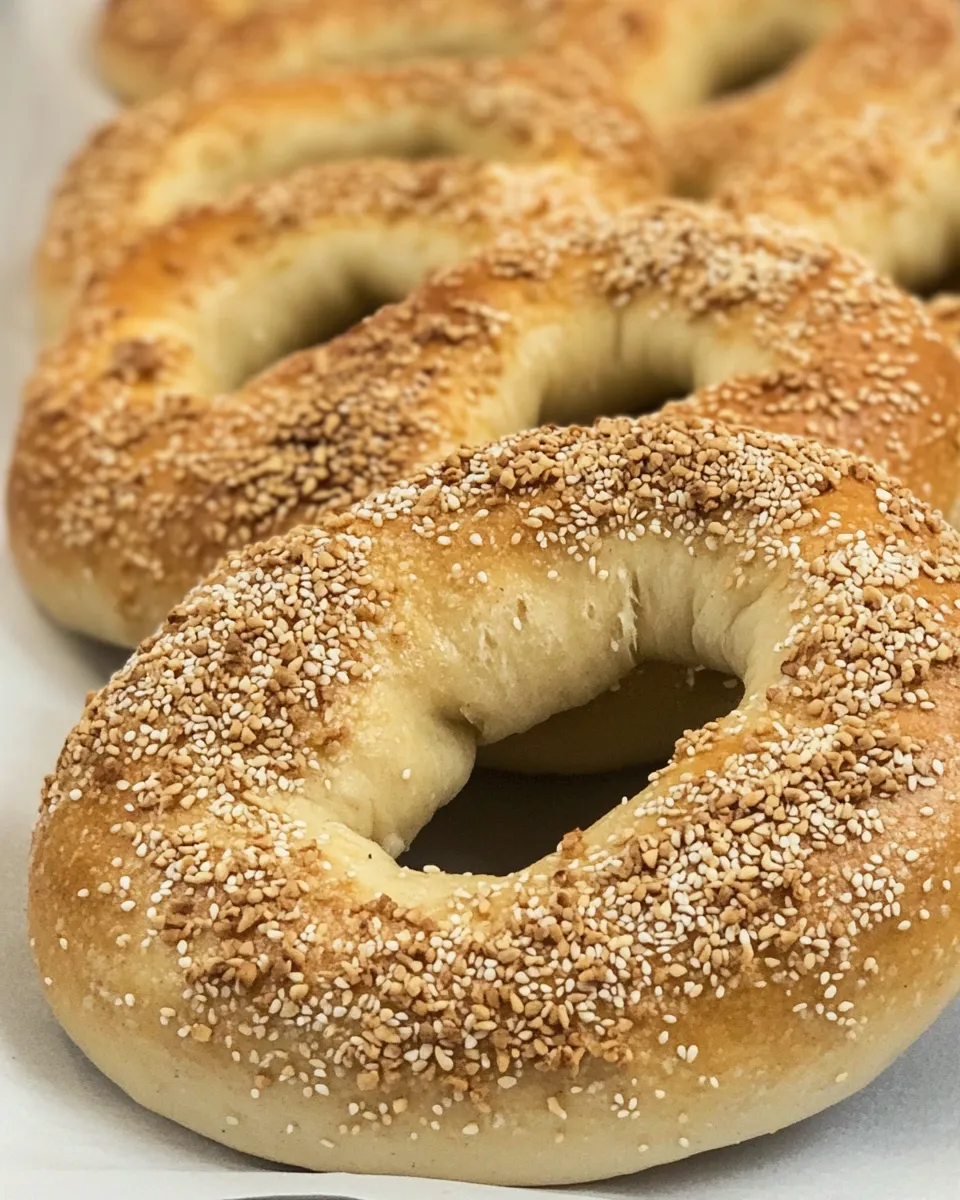
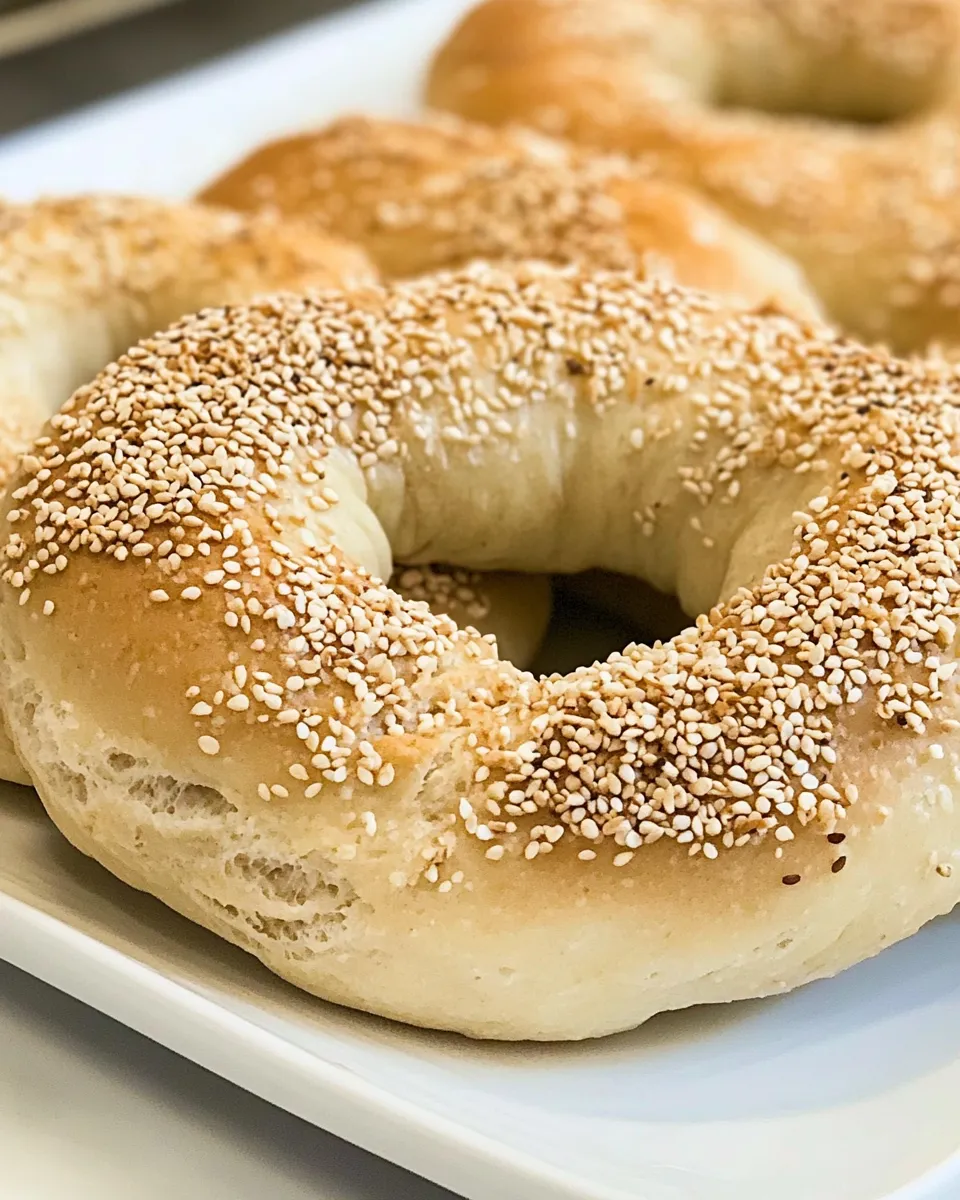
These Jerusalem bagels are crisp on the outside, tender inside and studded with sesame seeds that stick to the dough with a tangy pomegranate molasses glaze. They look like rustic rings, and they bake up reliably in a home oven without the need for boiling. I make them when I want something that travels well and stands up to spreads, shakshuka or a simple bowl of labneh.
I’ll walk you through the dough, the simple sesame coating, and the shaping technique that makes the hole big and proud — not the tight, small hole you often see with boiled bagels. The method is straightforward and forgiving, but a few small gestures (warm milk, a brief rest after shaping) make a big difference in the final texture.
Read through the steps before you start, have the sesame mixture ready while the dough rises, and expect six generous bagels. They’re great warm from the oven and keep well for several days if stored correctly.
What Goes Into Jerusalem Bagels

This section summarizes what the dough and coating are doing. The flour and baking powder build structure and lift. Sugar gives a touch of sweetness to help browning. Salt balances flavor. Warm milk and yeast hydrate and leaven. The sesame seeds, dressed briefly with pomegranate molasses and hot water, become sticky and form the characteristic seed crust.
Olive oil prevents sticking during the first rise and keeps the dough supple. Work carefully when shaping to make a wide, thin ring so the crumb bakes evenly and you get that signature bagel silhouette.
Ingredients
- 4 1/2 cups (500g) all-purpose flour — builds the dough’s structure; weigh if you can for accuracy.
- 2 tablespoons sugar — feeds the yeast a little and helps the crust brown.
- 2 teaspoons kosher or sea salt — seasons the dough; use kosher or sea salt as noted.
- 1 1/2 cups whole or lowfat milk, warm — hydrates and activates the yeast; warm but not scalding.
- 1 tablespoon (10g) active dry (instant) yeast — the leavener; instant is fine added straight to the milk.
- 1 teaspoon baking powder, preferably aluminum-free — gives a light lift and helps with oven spring.
- olive oil — a little rubbed on the dough to prevent drying and sticking during the rise.
- 1/2 cup (75g) sesame seeds — the classic coating; make sure they’re fresh for the best flavor.
- 1 tablespoon pomegranate molasses — binds the sesame seeds and adds a faint tangy sweetness.
- 2 tablespoons hot water — loosens the molasses so the seeds become damp and sticky but not clumpy.
Jerusalem Bagels: Step-by-Step Guide
- Into the bowl of a stand mixer fitted with the dough hook, add the flour, sugar, salt, and baking powder. Pour in the warm milk and add the yeast. Mix on medium speed about 2 minutes, until the dough comes together into a smooth ball. (If mixing by hand, combine the dry ingredients in a large bowl, add the milk and yeast, then turn the dough onto a lightly floured surface and knead until smooth.)
- Rub a little olive oil over the top of the dough, cover the bowl with a tea towel, and let the dough rise in a warm, draft-free place until doubled in size, about 1 hour.
- While the dough is rising, make the sesame coating: in a shallow dish combine the sesame seeds, pomegranate molasses, and the hot water. Stir until the seeds are damp and sticky but not clumpy; add a bit more hot water only if necessary to reach that consistency.
- When the dough has doubled, punch it down and turn it out onto a lightly floured countertop. Divide the dough into 6 equal pieces.
- Working with one piece at a time, shape it gently into a ball without overworking. Push your thumbs into the center to create a hole, then stretch and pull the dough into an oval ring about 6 inches (15 cm) long, using your fingers to enlarge the hole as much as you can. Place the formed ring on the countertop and repeat with the remaining pieces.
- Let the formed rings rest 15 minutes. While they rest, preheat the oven to 425°F (220°C) and line two baking sheets with parchment paper or silicone baking mats.
- One at a time, press the top of each oval ring into the sesame mixture so seeds adhere, then give the dough another gentle tug to enlarge the hole. Place each seed-side-up on the prepared baking sheets, spacing them apart.
- Let the seeded bagels rest on the baking sheets for 10 minutes.
- Bake the bagels in the preheated oven until deep golden brown, about 15 to 18 minutes total. Rotate and swap the baking sheets about halfway through baking so they brown evenly.
- Remove the bagels from the oven and let them cool slightly before serving.
Why Cooks Rave About It
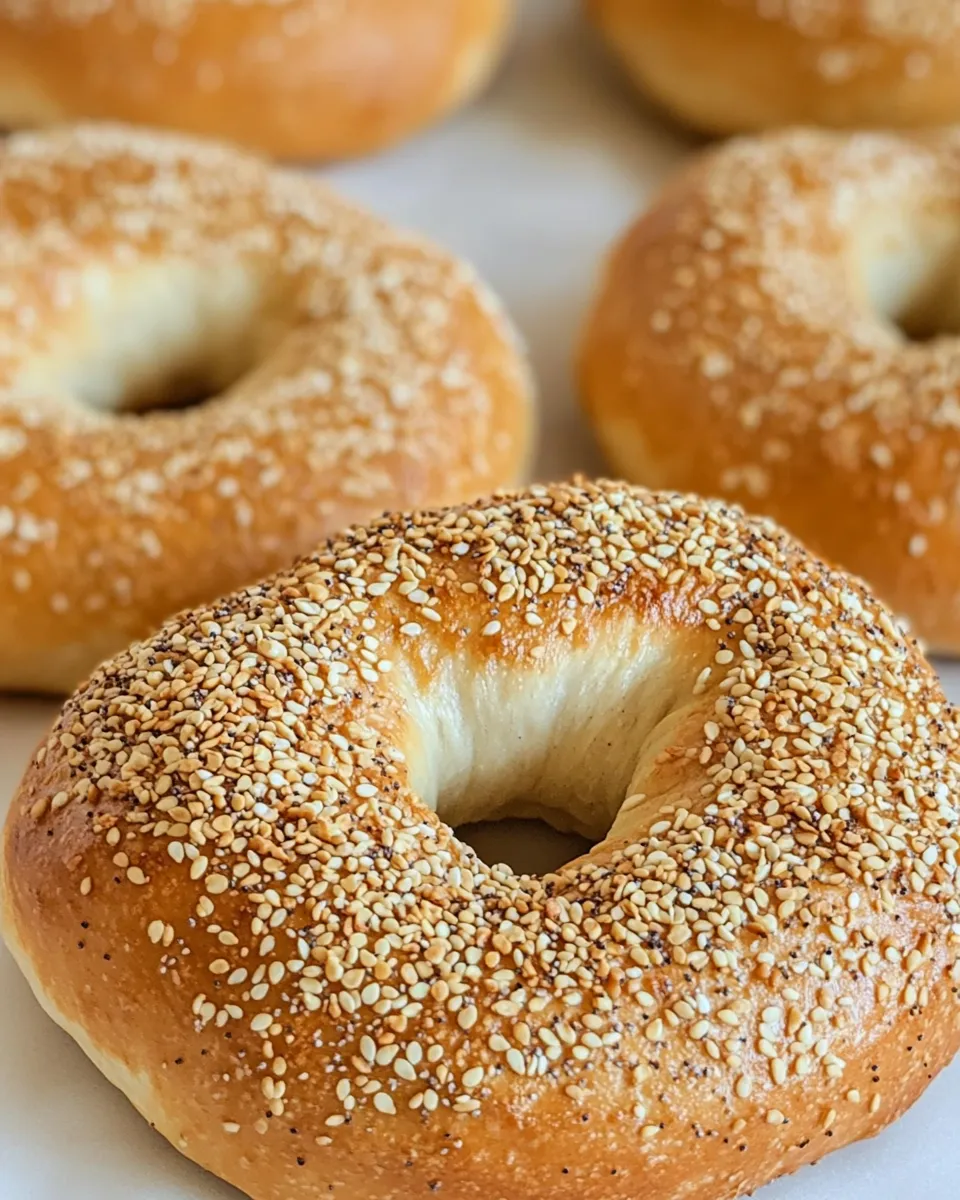
These bagels are simple to make and deliver a satisfying contrast: a crunchy, sesame-studded exterior and a pillowy interior. The pomegranate molasses in the sesame mix does two jobs — it helps the seeds adhere and gives a subtle fruity brightness that lifts the flavor. Because there’s no boiling step, they’re quicker than traditional bagels but still have that rustic, chewy character.
They’re forgiving. The dough is easy to handle, and small variations in shaping or oven hot spots won’t break the final result. That reliability makes them a favorite for mornings when I want bakery-quality bread without a long production line.
Ingredient Flex Options
Work with what the recipe already allows. You can use whole or low-fat milk as stated; the texture will be slightly richer with whole milk. If your sesame seeds are toasted, expect a deeper, nuttier finish — raw seeds give a fresher, lighter taste. Adjust the sesame quantity to your preference if you like a lighter or heavier coating.
The recipe lists active dry (instant) yeast; if you prefer, follow pack instructions for rehydrating other yeast types, but keep the same amount by weight when substituting. Baking powder is included for a bit of lift; for a denser crumb, you can reduce it slightly, though I’ve found the specified amount gives the best oven spring without affecting flavor.
Appliances & Accessories
Stand mixer with a dough hook: speeds up kneading and gives a consistent dough. A sturdy countertop works fine for hand-kneading.
Baking sheets lined with parchment or silicone mats: they make removal and cleanup easy and help bottoms brown evenly. A pair of sheets lets you rotate during baking for uniform color. A shallow dish for the sesame mixture prevents clumping and lets you press each ring in without losing its shape.
Common Errors (and Fixes)
Dough too sticky or too dry
If the dough is sticky and hard to handle after mixing, dust the surface lightly with flour when shaping. Avoid adding too much flour at once; small amounts prevent the dough from becoming dense. If the dough feels dry, a teaspoon of warm milk added while kneading will help.
Small hole after baking
Not stretching the ring enough or skipping the post-seed gentle tug will give you a small hole. Make a deliberate effort to enlarge the hole when you first form the ring and again after the seeds are applied. Resting the shaped rings for 15 minutes before seeding and 10 minutes on the sheet before baking helps the dough relax and hold the larger hole.
Seeds not sticking or clumping
If the sesame mixture is too dry, the seeds won’t adhere; if too wet, they clump. Stir the seeds with the pomegranate molasses and hot water until they’re damp and tacky but not clumpy. Add hot water a little at a time only if needed.
Uneven browning
Rotate and swap baking sheets halfway through the bake, as the instructions say. Oven hot spots are common; this small step gives uniform color and avoids burnt edges.
Dietary Customizations
These bagels are naturally vegetarian. To accommodate dairy sensitivity, use a milk alternative in place of the warm milk — just make sure it’s warm to help activate the yeast. Reducing sodium for low-salt diets is possible by lowering the salt slightly, but taste after one change before reducing further. For a nuttier crust, keep the sesame seeds but experiment with light toasting first if that suits your diet.
If you need gluten-free options, this particular dough relies on wheat flour for structure and won’t translate directly. Consider using a tested gluten-free bagel recipe if gluten must be avoided.
What I Learned Testing
Warm milk matters. I found that milk that’s too hot kills the yeast and milk that’s too cool slows the rise. Aim for comfortably warm — it should feel like a warm bath on your wrist. The sesame mixture needs just enough hot water to make the seeds tacky; excess water makes them clump and slide off during the first bake.
Shaping gently is crucial. Overworking makes the crumb tight; under-stretching gives tiny holes. I learned to form the ring, rest it, then press it into the seeds and give one final gentle tug to maximize the hole without deflating the dough.
Bake time can vary with oven and sheet material. Heavy steel pans brown faster; lighter pans take a bit longer. Rotate the pans and watch for deep golden color — that’s the cue to pull them out.
Save for Later: Storage Tips
Store cooled bagels in a paper bag inside a loose plastic bag at room temperature for up to 2 days; the paper keeps the crust crisp while the plastic slows staling. For longer storage, freeze fully cooled bagels in an airtight freezer bag for up to 3 months. To reheat, thaw at room temperature for 30–60 minutes, then warm in a 350°F (175°C) oven for 5–10 minutes or slice and toast directly from frozen for best texture.
Quick Questions
- Can I make the dough ahead? — Yes. After the first rise, punch it down, cover tightly and refrigerate up to 24 hours. Bring to room temperature before shaping.
- Do I have to use pomegranate molasses? — It’s what helps the seeds stick and adds a subtle tang. If you skip it, seeds may not adhere as well.
- What’s the ideal oven temperature? — 425°F (220°C) gives a good crust and even bake in most home ovens.
- How many bagels does this make? — The recipe yields six rings.
Final Bite
These Jerusalem Bagels are straightforward, comforting and make a lovely change from typical loaves or rolls. Follow the steps, mind the sesame coating texture, and give each ring a gentle tug before the oven. You’ll get six beautiful bagels with a crisp sesame top and a tender interior. Make a batch on a weekend morning, slice them warm, and enjoy with whatever spread or topping you love most. If you try them, tell me how the shaping went — I’m always swapping tips.

Jerusalem Bagels
Ingredients
Ingredients
- 4 1/2 cups 500 gall-purpose flour
- 2 tablespoonssugar
- 2 teaspoonskosher or sea salt
- 1 1/2 cupswhole or lowfat milk warm
- 1 tablespoon 10 gactive dry (instant) yeast
- 1 teaspoonbaking powder preferablyaluminum-free
- olive oil
- 1/2 cup 75 gsesame seeds
- 1 tablespoonpomagranate molasses
- 2 tablespoonshot water
Instructions
Instructions
- Into the bowl of a stand mixer fitted with the dough hook, add the flour, sugar, salt, and baking powder. Pour in the warm milk and add the yeast. Mix on medium speed about 2 minutes, until the dough comes together into a smooth ball. (If mixing by hand, combine the dry ingredients in a large bowl, add the milk and yeast, then turn the dough onto a lightly floured surface and knead until smooth.)
- Rub a little olive oil over the top of the dough, cover the bowl with a tea towel, and let the dough rise in a warm, draft-free place until doubled in size, about 1 hour.
- While the dough is rising, make the sesame coating: in a shallow dish combine the sesame seeds, pomegranate molasses, and the hot water. Stir until the seeds are damp and sticky but not clumpy; add a bit more hot water only if necessary to reach that consistency.
- When the dough has doubled, punch it down and turn it out onto a lightly floured countertop. Divide the dough into 6 equal pieces.
- Working with one piece at a time, shape it gently into a ball without overworking. Push your thumbs into the center to create a hole, then stretch and pull the dough into an oval ring about 6 inches (15 cm) long, using your fingers to enlarge the hole as much as you can. Place the formed ring on the countertop and repeat with the remaining pieces.
- Let the formed rings rest 15 minutes. While they rest, preheat the oven to 425°F (220°C) and line two baking sheets with parchment paper or silicone baking mats.
- One at a time, press the top of each oval ring into the sesame mixture so seeds adhere, then give the dough another gentle tug to enlarge the hole. Place each seed-side-up on the prepared baking sheets, spacing them apart.
- Let the seeded bagels rest on the baking sheets for 10 minutes.
- Bake the bagels in the preheated oven until deep golden brown, about 15 to 18 minutes total. Rotate and swap the baking sheets about halfway through baking so they brown evenly.
- Remove the bagels from the oven and let them cool slightly before serving.
Equipment
- Stand mixer
- dough hook
- Shallow Dish
- Baking Sheets
- Parchment paper or silicone baking mats
Notes
Serving
: Serve the bagels warm or at room temperature, along with a spread or dip.
Storage
: The bagels are best eaten the day they are made. They'll keep for a few days at room temperature, but should be toasted or warmed in the oven before eating. They can also be frozen for up to two months.