Indian Fried Cabbage
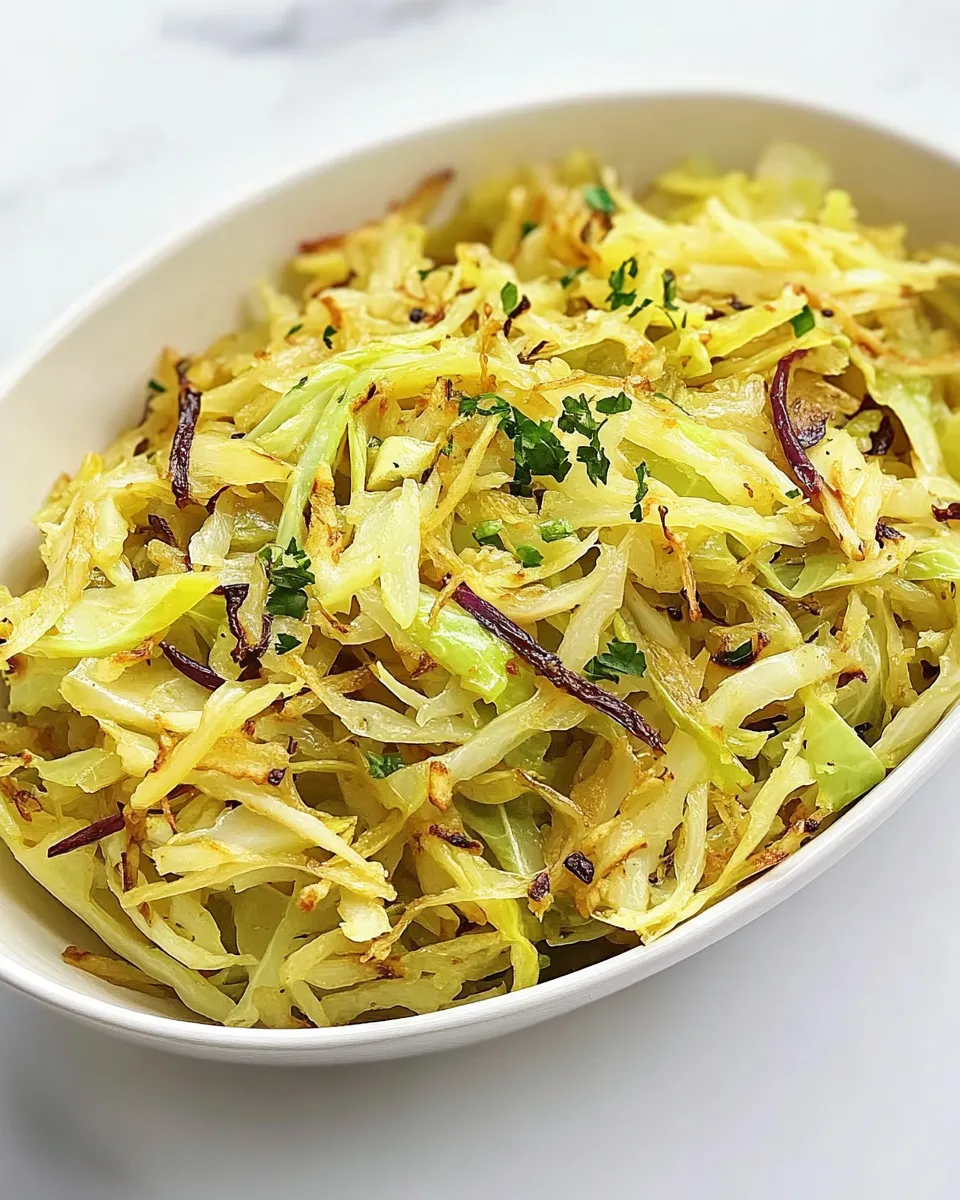
I make this Indian Fried Cabbage on evenings when I want something fast, fragrant, and more interesting than a plain sauté. It takes advantage of a few bold spices so a little goes a long way, and the cabbage cooks quickly while keeping a pleasant bite. The finished pan is bright, warming, and really satisfying alongside rice, rotis, or just a plain bowl of dal.
This version leans on pantry staples: coconut oil for a subtle sweet note, cumin seeds for a toasty base, and a small blend of curry powder, garam masala and turmeric to build classic Indian flavor without complicated prep. It’s forgiving, fast, and forgiving — the kind of dish I reach for when I need a flavorful vegetable that doesn’t demand fuss.
I’ll walk you through the exact steps I follow, list the ingredients with quick notes, and share practical tips for swap-outs, tools, and fixes if something goes sideways. No complicated techniques. Just clarity so you can make it confidently tonight.
What Goes In

Ingredients
- 2 teaspoons coconut oil — Provides the cooking fat and a subtle, slightly sweet base flavor; heats quickly.
- 1 cup sliced red onion — Adds sweetness and texture; slice thin so it softens in the short cook time.
- 1 large clove garlic, minced — Brings pungency and depth; add after the onion so it doesn’t burn.
- 1/2 teaspoon cumin seeds — Toast briefly in the oil for aromatic, nutty notes that anchor the spice mix.
- 1/2 head green cabbage, thinly sliced — The main vegetable; thin slicing lets it cook through while keeping slight crunch.
- 3/4 teaspoon salt (plus more to taste) — Essential for drawing moisture from the cabbage and brightening the spices.
- 1 teaspoon curry powder — Delivers a ready-made blend of warm spices; it’s the backbone of the flavor profile here.
- 1/2 teaspoon garam masala — Adds warm, toasted spice notes at the end of cooking for complexity.
- 1/4 teaspoon turmeric — Gives color and a gentle earthy bitterness that pairs well with the other spices.
- Hot pepper flakes to taste (optional) — For heat; add a pinch or two if you enjoy a bit of warmth.
- Fresh cilantro leaves, chopped (for garnish) — Bright herb finish; sprinkle on at the end for fragrance and color.
Stepwise Method: Indian Fried Cabbage
- Heat 2 teaspoons coconut oil in a large nonstick skillet over medium-high heat until the oil shimmers.
- Add 1 cup sliced red onion and sauté about 1 minute, stirring occasionally, until the onion begins to soften.
- Stir in 1 large clove garlic, minced, and 1/2 teaspoon cumin seeds. Cook about 1 minute, stirring, until the garlic and cumin are fragrant.
- Add 1/2 head green cabbage, thinly sliced, to the skillet. Sprinkle 3/4 teaspoon salt (plus more to taste), 1 teaspoon curry powder, 1/2 teaspoon garam masala, and 1/4 teaspoon turmeric over the cabbage. Add hot pepper flakes to taste, if using. Toss everything to coat evenly.
- Continue to cook the cabbage, stirring or tossing occasionally, about 5 minutes more, until the cabbage is tender but still slightly crunchy.
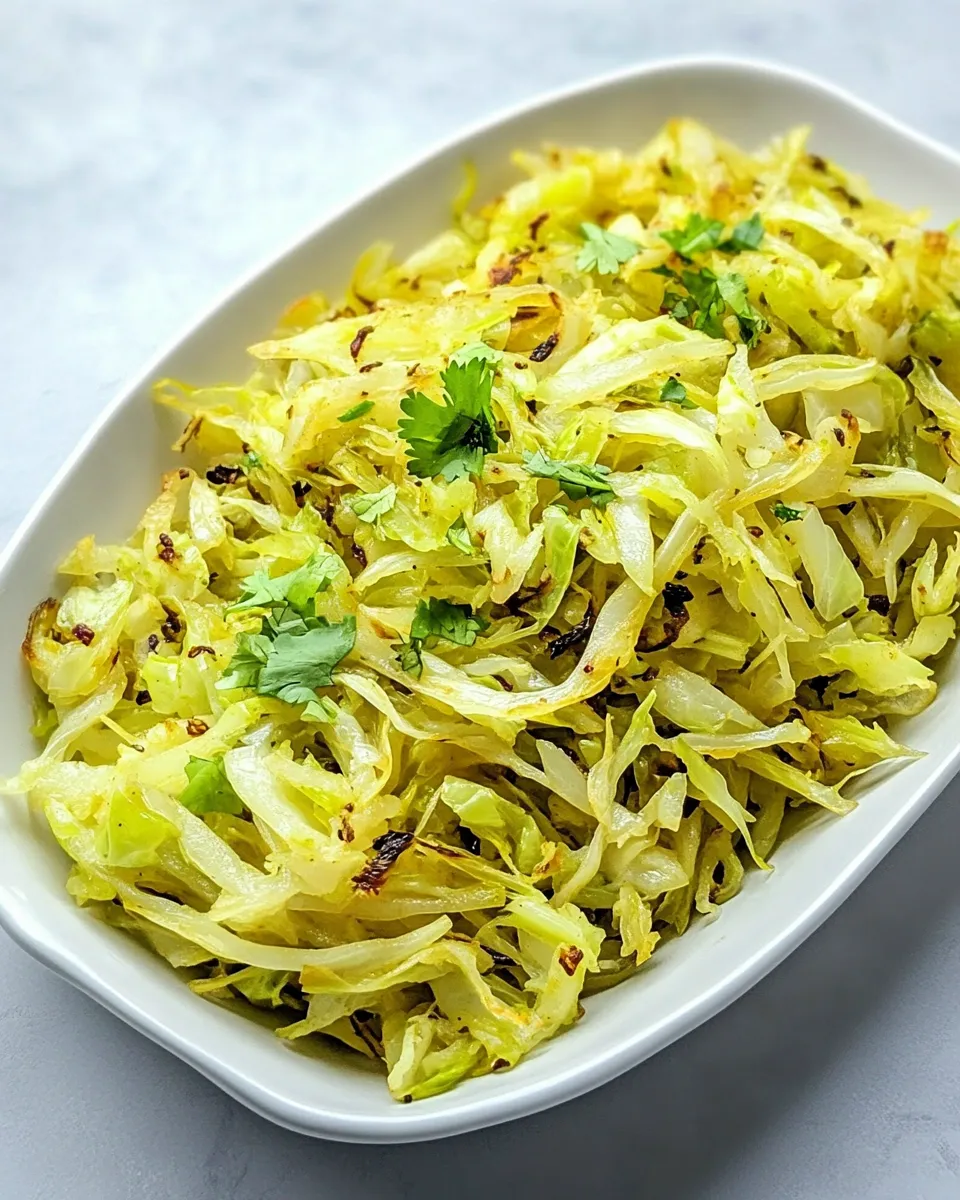
- Remove the pan from the heat, transfer the fried cabbage to a serving dish, garnish with chopped fresh cilantro leaves, and serve warm.
Why It’s My Go-To
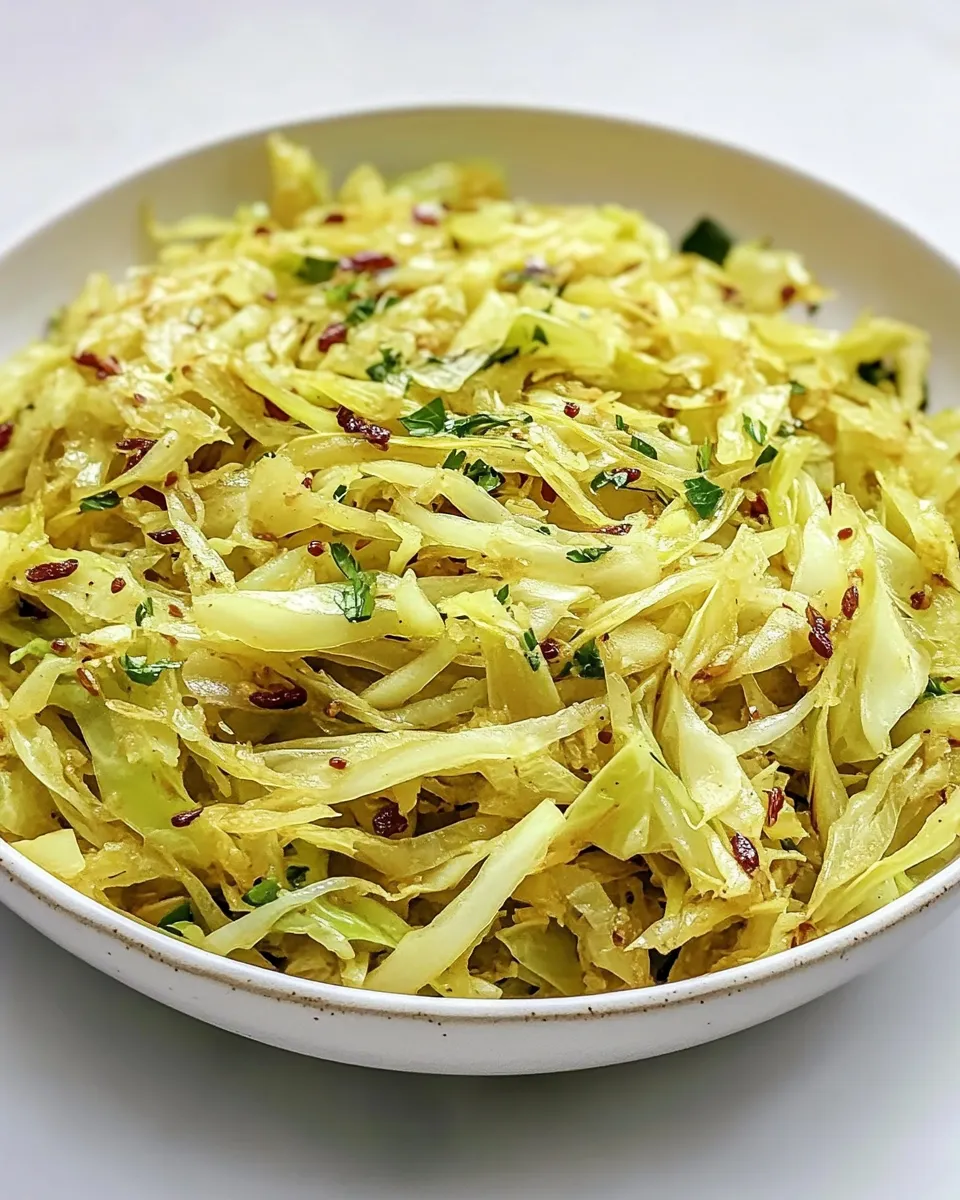
This recipe is fast, reliable, and forgiving. From start to plated, it takes very little time and requires just one pan. The spices are balanced to give a clear identity without overwhelming the cabbage, so the vegetable still shines through. It’s a great way to use half a head of cabbage and makes for an excellent weeknight side or light main when paired with a grain.
I especially appreciate how adaptable it is. The cooking window is short, so the texture stays lively. If I want something comforting, I serve it alongside plain rice. If I’m pressed for time, the whole dish comes together while other things finish. Most of all, it’s consistently delicious — which is why it lives in my regular rotation.
Substitutions by Category
If you need to tweak anything, focus on function rather than matching ingredients word-for-word. The recipe relies on five roles: fat for cooking, an aromatics base, seeds for toasty depth, a spice blend for character, and a fresh herb for finishing. Substitute within those roles.
- Cooking fat: Use another neutral cooking fat with a similar smoke point if coconut oil isn’t available; the goal is a hot pan so the onion sizzles.
- Aromatics: The onion and garlic are the aromatic backbone. If you want more onion flavor, add a bit more thinly sliced onion; if you need a milder profile, slice the onion thinner so it softens quickly.
- Seed spice: Cumin seeds are used for toasted aroma. If you prefer the flavor dispersed rather than whole seeds, you can add a pinch of ground cumin at the same point in the cooking sequence.
- Spice blend: The curry powder, garam masala, and turmeric provide layered warmth and color. If one is stronger in your pantry, adjust other spices slightly to keep balance. Taste as you go.
- Heat level: Hot pepper flakes are optional. Add sparingly; you can always add more at the table if you want more kick.
Prep & Cook Tools
- Large nonstick skillet — prevents sticking and lets you toss the cabbage without losing coating.
- Sharp chef’s knife — for thin, even cabbage slices and a clean slice of onion.
- Cutting board — sturdy surface for slicing.
- Wooden spoon or silicone spatula — for tossing and stirring without scraping nonstick surfaces.
- Measuring spoons — to keep spice quantities consistent and balanced.
Watch Outs & How to Fix
The recipe is short, so the main risks come from timing and heat. Here’s what to watch for and how to fix it without panic.
- Onion burning: If the onion browns too quickly, lower the heat an instant and stir more frequently. Remove the pan from heat briefly if it smells burnt; you can continue once it cools a little.
- Cabbage too soggy: Overcrowding the pan or adding cabbage that’s packed too tightly will steam rather than fry it. Cook in a large skillet and spread the cabbage out so moisture can evaporate. If it’s already soft and watery, increase the heat and toss to allow excess moisture to evaporate for a minute.
- Undersalted or flat: Salt is the quickest fix. Taste near the end and add small increments until the flavors lift. Remember you can always add more but you can’t remove it.
- Spices harsh or raw: If a spice bites too sharply, cook the pan a few seconds longer off-high heat, stirring to mellow the raw edge. Gentle heat helps marry those flavors.
Fresh Seasonal Changes
Cabbage is great year-round, but the texture and sweetness shift with the seasons. In colder months, cabbage tends to be sweeter and more substantial; in warmer months it can be lighter. Adjust your approach slightly: when cabbage is denser, slice a touch thinner so it becomes tender in the short cook time. In spring or summer, when leaves might be more tender, shorten the cook by a minute to maintain fresh crunch.
Herbs at the end really make the dish sing. If cilantro is abundant and bright, use a generous pinch; if it’s sparse, even a few leaves add scent and color. The recipe is intentionally minimal so seasonal produce can be the star without fighting the spice blend.
Flavor Logic
Understanding why each ingredient is used makes the dish easier to adapt. Coconut oil adds a gentle, slightly sweet fat that carries spice aromatics. Sliced red onion gives early sweetness and texture. Garlic and cumin seeds are the aromatic heart: the garlic for savory depth and cumin seeds for their toasted aroma when fried briefly in oil. Curry powder and garam masala layer complexity: curry powder gives an immediate, recognizable flavor while garam masala adds a warm, toasted finish when added in modest amounts. Turmeric gives color and a subtle earthy base. Salt ties everything together and helps draw moisture from the cabbage so it cooks quickly without turning mushy. Finally, cilantro brightens the finished dish with a fresh, herbal lift.
Keep-It-Fresh Plan
Cool the cabbage to room temperature for no more than an hour before storing. Transfer leftovers to an airtight container and refrigerate. Stored properly, the dish will keep for up to 3 days. Reheat gently in a skillet over medium heat so the cabbage warms through without steaming; this preserves texture better than microwave reheating. If the cabbage tastes slightly muted after refrigeration, reheat on medium-high briefly to revive the aromatics and add a small pinch of salt to taste.
Troubleshooting Q&A
- Q: My cabbage is limp and watery. How do I fix it?
A: Finish the pan on higher heat for a minute or two, tossing frequently, to evaporate excess moisture. Avoid covering the pan while reheating or cooking.
- Q: The spices taste raw and sharp. What should I do?
A: Cook a bit longer off the highest heat, stirring, to let the spices bloom and mellow. Adding a pinch more salt at the end can also help integrate flavors.
- Q: It’s too pasty or stuck to the pan.
A: Use a nonstick skillet and keep the heat moderate. If food begins to stick, add a small splash of water to release fond and scrape gently, then let moisture evaporate to restore texture.
- Q: How do I scale the recipe?
A: Increase ingredients proportionally, but cook in batches if your pan gets crowded so the cabbage can brown and lose moisture properly.
Before You Go
This Indian Fried Cabbage is a small recipe with a big personality. It’s simple, quick, and designed to be forgiving while delivering clear, layered flavors. Keep the steps in order: oil, onion, garlic + cumin, cabbage + spices, then a short finish. A few minutes at the stove and you’ll have a vibrant, spiced vegetable ready to complement a protein or stand on its own. If you try it, tell me how you season it or what you serve it with — I love hearing the little tweaks that make a recipe yours.

Indian Fried Cabbage
Ingredients
Ingredients
- 2 teaspoonscoconut oil
- 1 cupsliced red onion
- 1 large clove garlicminced
- 1/2 teaspooncumin seeds
- 1/2 head green cabbagethinly sliced
- 3/4 teaspoonsaltplus more to taste
- 1 teaspooncurry powder
- 1/2 teaspoongaram masala
- 1/4 teaspoonturmeric
- Hot pepper flakesto taste optional
- Fresh cilantro leaveschopped for garnish
Instructions
Instructions
- Heat 2 teaspoons coconut oil in a large nonstick skillet over medium-high heat until the oil shimmers.
- Add 1 cup sliced red onion and sauté about 1 minute, stirring occasionally, until the onion begins to soften.
- Stir in 1 large clove garlic, minced, and 1/2 teaspoon cumin seeds. Cook about 1 minute, stirring, until the garlic and cumin are fragrant.
- Add 1/2 head green cabbage, thinly sliced, to the skillet. Sprinkle 3/4 teaspoon salt (plus more to taste), 1 teaspoon curry powder, 1/2 teaspoon garam masala, and 1/4 teaspoon turmeric over the cabbage. Add hot pepper flakes to taste, if using. Toss everything to coat evenly.
- Continue to cook the cabbage, stirring or tossing occasionally, about 5 minutes more, until the cabbage is tender but still slightly crunchy.
- Remove the pan from the heat, transfer the fried cabbage to a serving dish, garnish with chopped fresh cilantro leaves, and serve warm.
Equipment
- large nonstick skillet