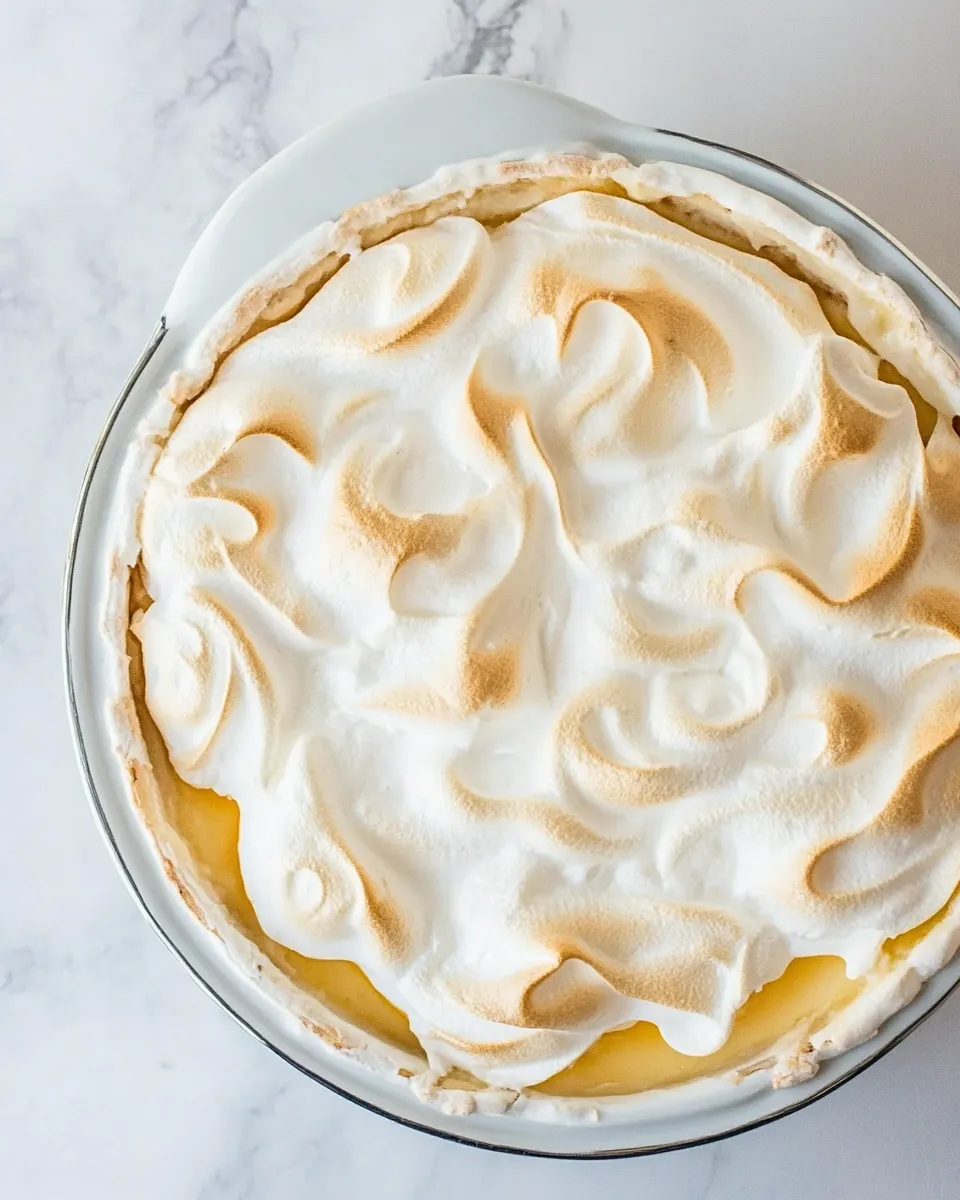
How to Make Meringue
I fell hard for meringue the first time I watched sugar and air transform into glossy peaks. It’s one of those deceptively simple things in the kitchen: a handful of ingredients, a little technique, and suddenly you have something light, crisp, and wildly useful. I make it for lemon pies, for topping puddings, and just to toast a few peaks with a torch when I want a quick, lovely finish.
This post walks you through a reliable Swiss-style approach where hot sugar syrup is drizzled into whipped egg whites. It yields a stable, glossy meringue that holds shape and browns beautifully. I’ll share the exact steps, the small equipment that makes the difference, and the common traps that turn glossy whites into weepy puddles—so you won’t waste eggs or time.
No fluff. Just clear, practical instruction, troubleshooting tips, and a few ways to make it yours. If you’ve battled soft, weeping, or dense meringue before, read the troubleshooting sections carefully. With a little attention to detail and the right timing, you’ll get airy, glossy peaks every time.
What You’ll Need

Ingredients
- 3/4 cup granulated sugar — the main sweetener and structure builder; dissolves into a syrup for stability.
- 1/3 cup water — used to make the sugar syrup; helps the sugar reach the correct temperature without burning.
- 3 egg whites at room temperature (see note 1) — the primary aeration source; room temperature whips up more easily than cold.
- 1/4 teaspoon cream of tartar (see note 2) — an acid that stabilizes the egg foam and helps achieve glossy peaks.
- 1/8 teaspoon Salt — a small pinch to heighten flavor; don’t skip it entirely.
- 1/4 teaspoon vanilla extract — adds aroma and rounds the sweetness; add after syrup incorporation.
Directions: Meringue
- Preheat the oven to 400°F (if you plan to brown the meringue in the oven). A handheld kitchen torch is an acceptable alternative for browning.
- Separate the 3 egg whites into a very clean glass or metal bowl (no plastic). Make sure no yolk gets into the whites. Let the whites sit at room temperature while you prepare the syrup.
- In a small saucepan combine 3/4 cup granulated sugar and 1/3 cup water. Over medium-high heat bring to a boil and cook until the mixture is slightly thickened and syrupy, about 3–4 minutes, or until it reaches 235°F on a candy thermometer. Remove from heat and cover to keep warm.
- In a stand mixer fitted with the whisk, or in a large bowl with an electric mixer, add the room-temperature egg whites, 1/4 teaspoon cream of tartar, and 1/8 teaspoon salt. Whip on medium-low speed until foamy, about 1 minute.
- Increase the mixer speed to medium-high and whip until the whites are shiny and form soft peaks, about 1–3 minutes.
- Reduce the mixer speed to medium. With the mixer running, slowly drizzle the warm sugar syrup into the whites in a thin, steady stream—avoid pouring directly onto the whisk or splashing the sides of the bowl.
- Add 1/4 teaspoon vanilla extract, increase the mixer speed to medium-high, and whip until the mixture has cooled slightly and is very thick and glossy, about 3–6 minutes.
- Pile the finished meringue onto your warm dessert. To brown the peaks, either bake in the preheated 400°F oven until the tips are gently browned, about 5–6 minutes (watch closely), or brown with a handheld kitchen torch.
Why Cooks Rave About It
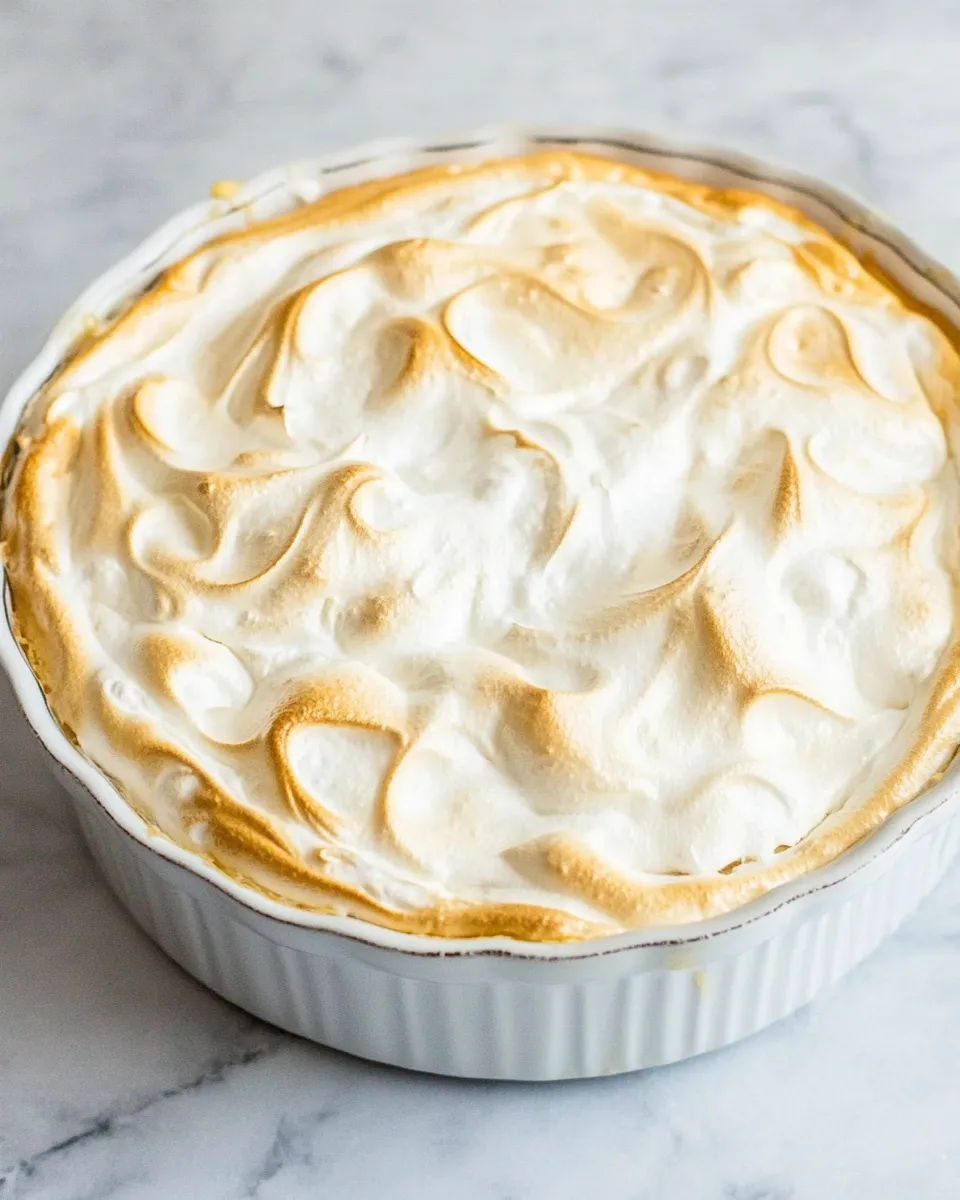
Meringue is a texture marvel. When done right it’s airy and satiny inside, with crisp, toasted edges when browned. That contrast—light, sweet interior versus caramelized, slightly chewy exterior—is why bakers use it on lemon pies and puddings. The hot-syrup method shown here produces a more stable meringue than simply whisking sugar into whites, so it holds up under heat and stays glossy.
It’s also unexpectedly versatile. You can pipe it into shapes, dollop it over tarts, or use it as a finishing flourish. Because the sugar is partially cooked, this version resists weeping and collapses less easily in humid kitchens. For home cooks who need reliable results, this approach feels like a dependable trick you return to again and again.
Allergy-Friendly Substitutes
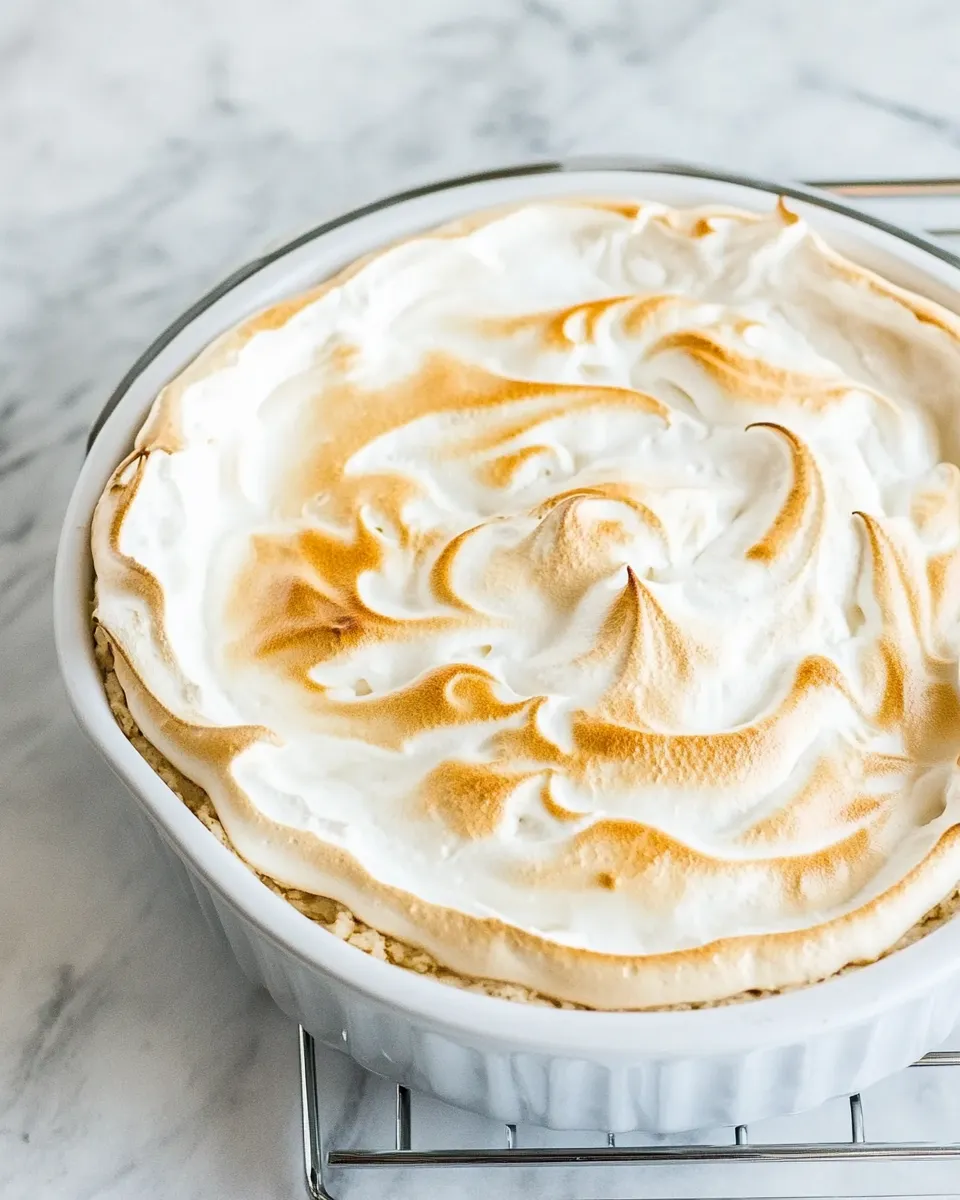
If you need an egg-free option, aquafaba (the liquid from canned chickpeas) is the standard swap for whipped egg whites. Use about 3 tablespoons of aquafaba to replace one egg white and whip it with a mixer until foamy. Note: you’ll need to experiment a bit with sugar and technique—aquafaba behaves differently and won’t always match the exact texture of egg-based meringue.
For a lower-sugar version, there are natural sweeteners, but they change syrup behavior and stability. I don’t recommend replacing the granulated sugar in this hot-syrup method without testing; sugar’s chemical behavior at heat is central to the structure. If you must adjust sweetness for dietary reasons, consider using this recipe as written for structure, then pair the finished meringue with a less-sweet filling.
Must-Have Equipment
- Stand mixer with whisk attachment or an electric hand mixer — for consistent whipping power.
- Small saucepan — to make the sugar syrup.
- Candy thermometer — to ensure the syrup reaches 235°F for the correct consistency.
- Very clean glass or metal mixing bowl — no plastic (plastic can hold grease that deflates whites).
- Handheld kitchen torch (optional) — for quick, controlled browning without reheating the dessert.
- Oven — if you prefer to brown the meringue in a 400°F oven for about 5–6 minutes.
- Spatula or piping bag — to shape the meringue as desired.
Easy-to-Miss Gotchas
- Yolk contamination — even a sliver of yolk prevents whites from whipping properly. Separate eggs carefully into a small cup first, then transfer whites to the main bowl.
- Grease on bowls or beaters — fat kills foam. Wash and rinse bowls with hot water and dry with a lint-free towel.
- Syrup temperature — 235°F matters. If it’s too cool, the syrup won’t stabilize the whites; too hot and you risk caramel notes or slightly cooked whites.
- Drizzling too fast — add the syrup in a thin, steady stream with the mixer running. Pouring quickly can deflate the foam or create uneven texture.
- Humidity — very humid days can make meringue weep or soften the crisp exterior. If you live somewhere humid, finish with a torch instead of leaving meringues out for long periods.
- Overwhipping after adding syrup — stop once the mixture has cooled slightly and is thick and glossy. Overbeating can break the texture.
Make It Your Way
Flavor: Swap the vanilla for other extracts—almond, lemon, or orange—for a different aromatic profile. Use only a few drops; extracts can be strong.
Shape: Pipe into vortices for small kisses, spoon onto pies for rustic peaks, or use a spatula to create dramatic swirls that take to torching or baking. If you want color, use gel food coloring—add just a tiny amount once the meringue is nearly done whipping.
Finish: For a softer browned top, torch briefly. For a drier, crisper crust, bake at 400°F for the few minutes suggested and watch closely so the peaks don’t over-brown.
Flavor Logic
Sugar syrup does two jobs: it sweetens and stabilizes. When you heat sugar with water and reach the right temperature, the syrup dissolves more thoroughly and creates a stable network inside the foam. Cream of tartar adds acidity, which strengthens the protein bonds in egg whites and helps them trap air. Salt is small but important; it enhances flavor and balances the sweetness. Vanilla is purely aromatic—it makes the meringue smell like a treat rather than just a sweet topping.
Storage & Reheat Guide
Unbaked, whipped meringue should be used immediately. The longer it sits, the more it can weep or lose volume. Once applied and browned, meringue is best eaten the same day. If you’ve piped individual meringues and fully dried them (baked low and long), they can be stored in an airtight container at room temperature for several days—avoid storing in the fridge, which introduces moisture and softens them.
To reheat or re-brown, use a handheld torch for quick, targeted browning without changing the interior texture. If you must use the oven, very briefly bake at 400°F just to color the tips—5–6 minutes as noted—but watch closely to prevent over-browning and drying out.
Common Qs About Meringue
Can I use cold egg whites?
The recipe calls for room-temperature egg whites because they whisk up more easily and reach full volume faster. If you forget to bring them to room temperature, warm them slightly by placing the sealed bowl in warm (not hot) water for a few minutes.
What if my sugar syrup crystalizes?
Covering the saucepan once you remove it from heat helps prevent crystallization. If crystals form during cooking, wipe down the sides of the pan with a wet pastry brush while it’s still warming to discourage recrystallization.
Can I make this ahead?
You can make the sugar syrup ahead and rewarm it gently before use. Whipped meringue should be applied soon after it’s made. If you need to prepare toppings in advance, consider drying piped meringues separately; they’ll keep longer at room temperature in an airtight container.
Why did my meringue weep?
Weeping (liquid forming on the surface) usually comes from undercooked sugar, too much moisture in the environment, or adding liquid flavorings too early. Make sure the syrup reached the right temperature and that you add extracts only after the syrup is fully incorporated.
Is cream of tartar essential?
It helps stabilize the foam and improves texture, especially when using the hot-syrup technique. If you don’t have it, you can use a small splash of lemon juice or white vinegar as an acid substitute, but results can vary slightly.
Hungry for More?
If you liked this method, try it over lemon curd for a classic pie or spoon it over baked Alaska components if you’re feeling ambitious. For simple treats, pipe small kisses and torch the tips for delicate, toasted cookies. If you want more texture contrast, add a swirl of jam or caramel under the meringue before browning.
Come back for more reliable techniques and straightforward recipes. I test these on a real weeknight schedule, and then I write the clear steps I wish I’d had the first time. Happy whipping—go gently, watch your syrup, and enjoy that glossy finish.
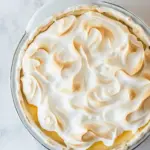
How to Make Meringue
Ingredients
Ingredients
- 3/4 cupgranulated sugar
- 1/3 cupwater
- 3 egg whitesat room temperature see note 1
- 1/4 teaspooncream of tartar see note 2
- 1/8 teaspoonSalt
- 1/4 teaspoonvanilla extract
Instructions
Instructions
- Preheat the oven to 400°F (if you plan to brown the meringue in the oven). A handheld kitchen torch is an acceptable alternative for browning.
- Separate the 3 egg whites into a very clean glass or metal bowl (no plastic). Make sure no yolk gets into the whites. Let the whites sit at room temperature while you prepare the syrup.
- In a small saucepan combine 3/4 cup granulated sugar and 1/3 cup water. Over medium-high heat bring to a boil and cook until the mixture is slightly thickened and syrupy, about 3–4 minutes, or until it reaches 235°F on a candy thermometer. Remove from heat and cover to keep warm.
- In a stand mixer fitted with the whisk, or in a large bowl with an electric mixer, add the room-temperature egg whites, 1/4 teaspoon cream of tartar, and 1/8 teaspoon salt. Whip on medium-low speed until foamy, about 1 minute.
- Increase the mixer speed to medium-high and whip until the whites are shiny and form soft peaks, about 1–3 minutes.
- Reduce the mixer speed to medium. With the mixer running, slowly drizzle the warm sugar syrup into the whites in a thin, steady stream—avoid pouring directly onto the whisk or splashing the sides of the bowl.
- Add 1/4 teaspoon vanilla extract, increase the mixer speed to medium-high, and whip until the mixture has cooled slightly and is very thick and glossy, about 3–6 minutes.
- Pile the finished meringue onto your warm dessert. To brown the peaks, either bake in the preheated 400°F oven until the tips are gently browned, about 5–6 minutes (watch closely), or brown with a handheld kitchen torch.
Equipment
- Small Saucepan
- Candy thermometer
- stand mixer or electric mixer
- whisk attachment
- Mixing Bowl
- Oven
- handheld kitchen torch
Notes
Cream of tartar:Meringue needs an acid, and cream of tartar produces a more stable meringue than vinegar and lemon juice.