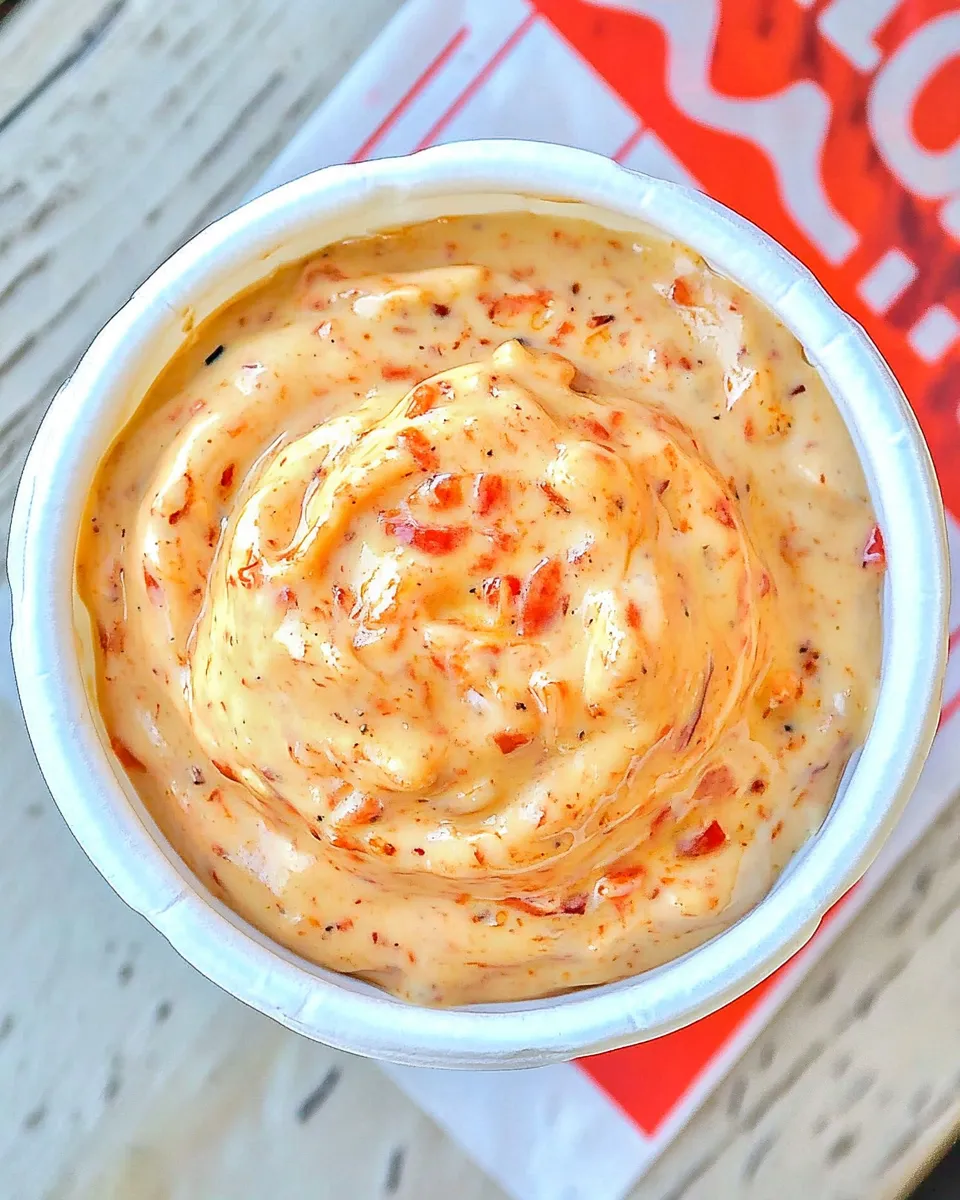
Homemade Whataburger Creamy Pepper Sauce: Better Than The Original
This is a no-nonsense, make-it-once-and-use-it-for-everything pepper sauce that nails what you love about the chain version—creamy, pepper-forward, with a smoky kick—while tasting fresher and brighter. I make a batch, stash it in the fridge, and it turns quick weeknight sandwiches, fries, and grilled chicken into something you actually look forward to eating.
It’s forgiving, fast, and built from pantry staples. You won’t need a food processor or special equipment. The chipotle in adobo is the star for smoky heat; mustard, lemon, and vinegar keep the sauce cutting through richness. Let it rest for an hour and the flavors knit together beautifully.
What Goes Into Whataburger Creamy Pepper Sauce

Below I list every component and why it’s there. This is a pantry-driven sauce, but each part has a job: texture, tang, heat, or aroma. Read the notes so you know what you can tweak and what you shouldn’t skip.
Ingredients
- 1 cup kraft Mayonnaise — base and body; provides creaminess and carries the flavors. (You can use Duke’s or Hellman’s as alternatives.)
- 1 tablespoon dry mustard powder — adds a sharp, savory bite and helps emulsify the sauce.
- 1 1/3 tablespoons white vinegar — brightens the sauce and balances the fat from the mayonnaise.
- 1 tablespoon lemon juice — fresh acidity that lifts the overall flavor profile.
- 2 tablespoons chipotle peppers in adobo sauce — smoky heat and color; includes some adobo for flavor distribution.
- 1 1/2 tablespoons freshly cracked black pepper — the primary pepper punch; coarse crack gives texture and sharpness.
- 1/2 teaspoon ground white pepper — adds a different pepper note (more floral and slightly musty) without altering color.
- 1 teaspoon salt — seasons and amplifies the other flavors.
- 1 tablespoon onion powder — savory backbone and a bit of sweetness.
- 1 tablespoon garlic powder — provides savory depth without raw garlic bite.
- 1 teaspoon dry parsley — subtle herbal freshness and a touch of color.
- 1/4 teaspoon Accent (MSG) — Optional — boosts umami and makes the sauce taste more “complete.”
How to Prepare Whataburger Creamy Pepper Sauce
- Gather a small mixing bowl, a spoon or whisk, a fork or small knife for mashing/chopping, and an airtight container for storage.
- Add the mayonnaise, dry mustard powder, white vinegar, and lemon juice to the bowl.
- Finely chop or mash the chipotle peppers in adobo sauce (including some of the adobo) with a fork or knife, then add them to the bowl.
- Add the freshly cracked black pepper, ground white pepper, salt, onion powder, garlic powder, dry parsley, and the Accent (MSG) if using.
- Stir or whisk everything vigorously until the mixture is smooth and uniform in color and texture, making sure the chipotle pieces are well distributed.
- Transfer the sauce to an airtight container, refrigerate, and let it sit at least 1 hour before serving for best flavor.
Why It Works Every Time
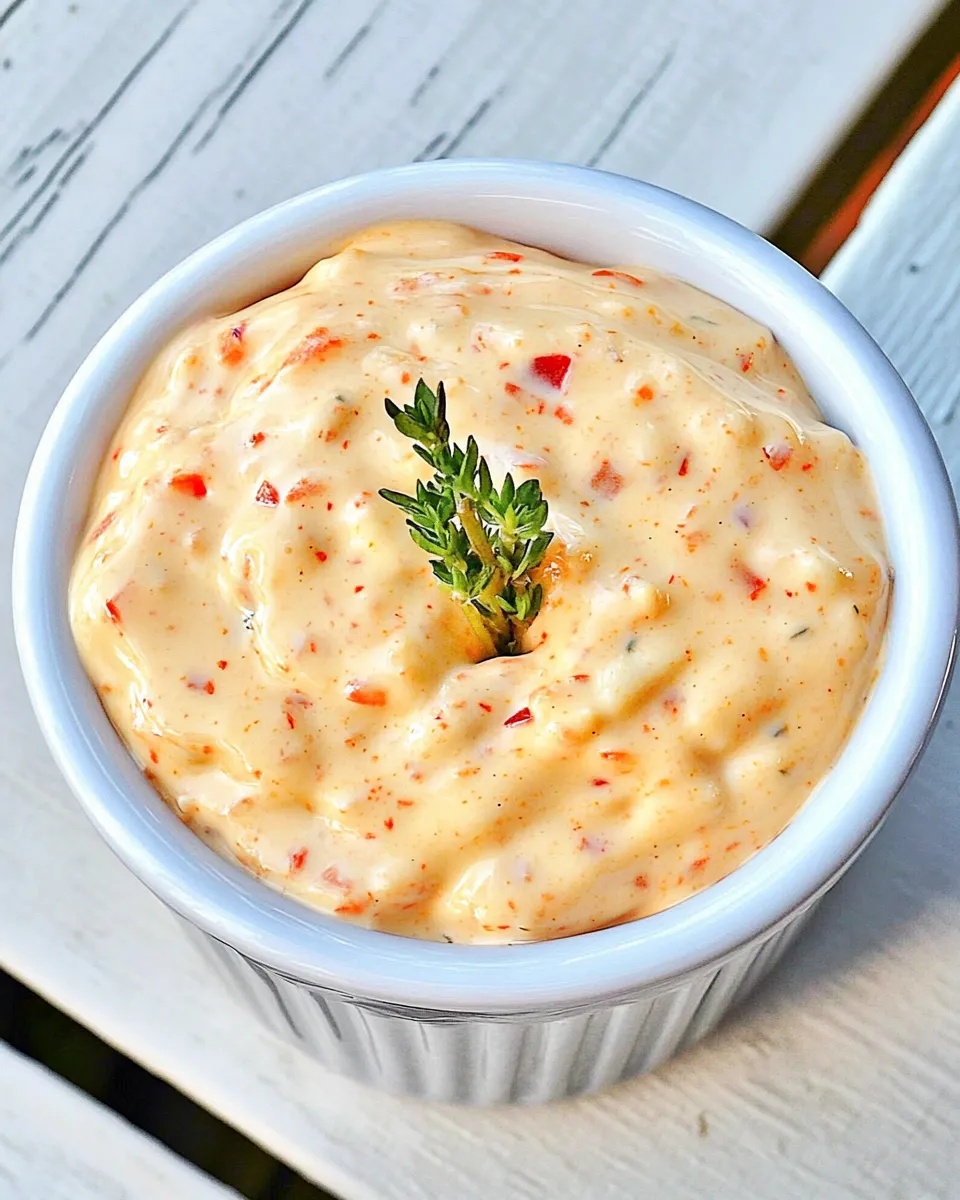
There’s a balance here between fat, acid, heat, and aromatics. The mayonnaise provides a stable, creamy matrix that holds seasoning and pepper evenly. Vinegar and lemon juice cut through that richness so the sauce never feels cloying.
Chipotle peppers in adobo deliver both smoke and a complex tomato-vinegar sweetness, so you get heat and depth in one ingredient. Freshly cracked black pepper gives bite and texture; the white pepper layers a different pepper note without dark specks. Dry mustard stabilizes the emulsion and contributes a mustardy tang that ties the whole sauce together.
Finally, a short rest in the fridge lets the flavors meld. That hour isn’t optional if you want the best possible, most integrated flavor.
Ingredient Flex Options
- Mayo swaps: If you prefer, you can use a full-fat plain yogurt or a 50/50 mix of sour cream and mayo for a tangier result, but the original texture will change.
- Chipotle adjustments: Reduce to 1 tablespoon for milder heat, or add more adobo for smokier, more saucy flavor. You can substitute one finely minced roasted red pepper plus a small pinch of smoked paprika if you’re out of chipotles, but the sauce will taste different.
- MSG: Skip the Accent if you avoid MSG; the sauce will still be fine—just a touch less rounded.
- Acidity tuning: If you like a brighter, more citrus-forward sauce, raise lemon juice by up to 1/2 teaspoon. Don’t overdo it or the emulsion can taste thin.
Tools of the Trade
- Small mixing bowl — perfect for the volume of this recipe and makes whisking easier.
- Spoon or whisk — either will work; whisking gives a slightly smoother texture.
- Fork or small knife — for finely mashing/chopping the chipotle peppers to distribute them evenly.
- Airtight container — essential for storage and keeping the sauce fresh.
- Optional: An immersion blender or mini food processor will produce an ultra-smooth, homogenous sauce if you prefer no pepper flecks.
Steer Clear of These
- Skipping the rest time: Serve too soon and the flavors will feel disjointed. Give it the hour.
- Over-mixing with heat: If you blitz the sauce hot or with a very hot bowl, you can change texture; keep everything at room temperature or chilled.
- Using fresh raw garlic instead of powder without adjusting: Raw garlic is sharper and can overpower the sauce; if you use fresh, use it sparingly and consider letting it mellow in acid first.
- Substituting too many elements at once: Swap one thing at a time so you know what changed the flavor.
Spring to Winter: Ideas
Spring: Toss the sauce with roasted asparagus or drizzle over a spring pea salad for a smoky contrast. It brightens fresh vegetables.
Summer: Use as a burger spread or slather on grilled chicken sandwiches. It stands up well to charcoal flavors and fresh lettuce and tomato.
Fall: Stir into warm potato salads or serve with sweet potato fries. The smokiness pairs naturally with fall root vegetables.
Winter: Mix into a warm grain bowl with roasted Brussels sprouts, roasted squash, and crispy chickpeas for an easy, comforting meal.
Insider Tips
- Chipotle consistency: Chop or mash the chipotles until small. You want visible flecks, not large chunks, so every bite has balanced heat.
- Crack your black pepper fresh: Pre-ground black pepper isn’t a direct substitute—freshly cracked brings a sharper, cleaner bite.
- Emulsify well: Take an extra 20–30 seconds to whisk so the mustard and acid distribute evenly; the sauce will look glossy and uniform when ready.
- Make ahead: The flavor improves after 24 hours in the fridge. I often make a batch two days ahead for best results.
- Portion control: If you want to test changes, make a half-batch; the recipe scales well.
Store, Freeze & Reheat
Store the sauce in an airtight container in the refrigerator. It keeps very well chilled; I recommend using within 1 week for optimal freshness and safety. Because it’s mayonnaise-based, freezing isn’t ideal—the emulsion can separate and become watery when thawed.
If separation happens after chilling, whisk it vigorously (or briefly process it) to re-emulsify before serving. Always smell and taste a small amount if it’s been stored several days—the acidity and spice mask changes, but spoilage can still occur.
Quick Q&A
- Can I double the recipe? Yes. Use a larger bowl and mix as directed; adjust resting time if you want it colder faster in the fridge.
- Is it very spicy? It has a smoky heat. If you’re sensitive, start with 1 tablespoon of chipotles and add more after tasting.
- Can I omit the MSG? Absolutely. It’s optional. The sauce remains delicious without it.
- Can I use fresh lemon instead of bottled? Yes. Fresh lemon juice is bright and recommended when available.
Wrap-Up
This Whataburger Creamy Pepper Sauce riff is straightforward and dependable. It takes pantry staples and turns them into a versatile condiment that upgrades ordinary foods—burgers, fries, sandwiches, and roasted veg. The method is intentionally simple: chop, whisk, rest, and you’re done. Make a batch, taste after an hour, and adjust small things to your preference next time.
Try it and tell me what you paired it with. I love hearing how readers adapt it: less heat, more smoke, or a swap for a lighter base. It’s one of those recipes that becomes a shorthand for making weeknight food taste special.
Homemade Whataburger Creamy Pepper Sauce: Better Than The Original
Ingredients
Ingredients
- 1 cupkraft MayonnaiseYou can use Duke's or Hellman's
- 1 tablespoondry mustard powder
- 1 1/3 tablespoonswhite vinegar
- 1 tablespoonlemon juice
- 2 tablespoonschipotle peppers in adobo sauce
- 1 1/2 tablespoonsfreshly cracked black pepper
- 1/2 teaspoonground white pepper
- 1 teaspoonsalt
- 1 tablespoononion powder
- 1 tablespoongarlic powder
- 1 teaspoondry parsley
- 1/4 teaspoonAccent MSGOptional
Instructions
Instructions
- Gather a small mixing bowl, a spoon or whisk, a fork or small knife for mashing/chopping, and an airtight container for storage.
- Add the mayonnaise, dry mustard powder, white vinegar, and lemon juice to the bowl.
- Finely chop or mash the chipotle peppers in adobo sauce (including some of the adobo) with a fork or knife, then add them to the bowl.
- Add the freshly cracked black pepper, ground white pepper, salt, onion powder, garlic powder, dry parsley, and the Accent (MSG) if using.
- Stir or whisk everything vigorously until the mixture is smooth and uniform in color and texture, making sure the chipotle pieces are well distributed.
- Transfer the sauce to an airtight container, refrigerate, and let it sit at least 1 hour before serving for best flavor.
Equipment
- Small Mixing Bowl
- spoon or whisk
- fork or small knife
- Airtight container
Notes
The quality of your mayonnaise makes a significant difference in this recipe. I recommend using a high-quality, full-fat mayo like Hellmann’s or Duke’s for the richest result. When it comes to the chipotles in adobo, brands do vary in heat level and smokiness. La Costeña tends to be moderately spicy, while San Marcos often runs hotter. Start with less than you think you need, especially if you’re heat-sensitive. You can always add more, but you can’t take it away once it’s mixed in. For the ultimate burger experience, try spreading this sauce on both the top and bottom buns before adding your other toppings.