Homemade Tartar Sauce with Pickle Relish
I make this tartar sauce at home when I want a quick, dependable condiment that elevates fried fish, roasted shrimp, or simple veggie sticks. It takes minutes to pull together and benefits from a short rest in the fridge so the flavors can settle and meld. The result is bright, tangy, and exactly the kind of sauce you reach for again and again.
The combination of mayonnaise, pickle relish, onion, capers, dill and lemon is classic for a reason: each ingredient plays a clear role. The relish and capers add that briny pop; the onion and dill bring freshness; the mayo gives body; and a little lemon brightens the whole thing. There’s room to tweak, but the base recipe is robust and forgiving.
Below you’ll find an exact ingredients list and step-by-step directions. I’ll also share equipment notes, sensible swaps, storage advice, and serving ideas so you can make this often and with confidence.
What’s in the Bowl

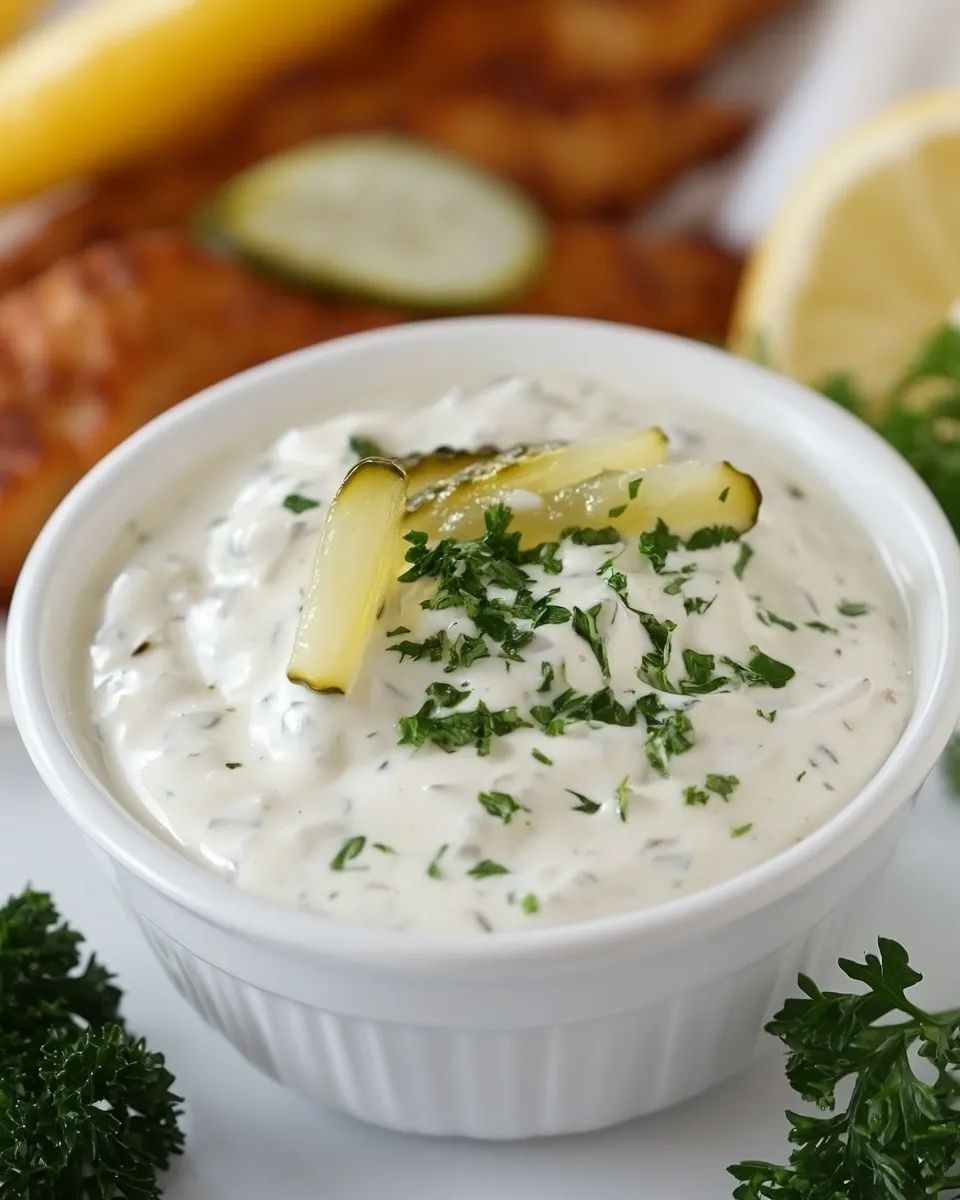
This sauce is built on a creamy mayonnaise base and layered with small, assertive flavor bits. Pickle relish and capers contribute salt and vinegary tang. Onion adds crunch and sharpness even when grated fine. Fresh dill and lemon juice give that garden-fresh lift. A tiny bit of Dijon ties the flavors together, and a touch of sugar can round any edge if your relish is especially vinegary.
Ingredients
- 1 cup mayonnaise (such as Hellmann’s or Duke’s) — the creamy base that carries and softens the other flavors.
- 1/4 cup sweet and/or dill pickle relish (lightly but not completely drained — leave just a little bit of liquid) — provides texture and tang; leaving a bit of liquid helps integrate flavor.
- 1 tablespoon grated yellow or sweet onion (I use Vidalia) — grated so it melds into the sauce without large, crunchy pieces.
- 1 tablespoon chopped brined non-pareil capers, drained — concentrated briny bursts; drain them to avoid watering the sauce.
- 1/2 teaspoon Dijon mustard — adds a subtle savory lift and helps emulsify the mix.
- 1/2 to 1 tablespoon chopped fresh dill — fresh herb brightness; use less to start, increase to taste.
- 1/2 to 3 teaspoons freshly squeezed lemon juice (added to taste) — the acidity that brightens and lifts the sauce.
- 1/2 to 1 teaspoon granulated sugar (optional, added to taste) — smooths overly sharp vinegar notes if needed.
- Kosher salt and freshly ground black pepper (to taste) — season at the end so the flavors balance correctly.
From Start to Finish: Homemade Tartar Sauce with Pickle Relish
- In a medium bowl, add 1 cup mayonnaise.
- Measure and add 1/4 cup sweet and/or dill pickle relish; do not fully drain the relish—leave just a little of the liquid with it.
- Grate 1 tablespoon yellow or sweet onion (Vidalia works well) and add it to the bowl.
- Add 1 tablespoon chopped brined non-pareil capers that have been drained.
- Add 1/2 teaspoon Dijon mustard.
- Add 1/2 tablespoon chopped fresh dill.
- Add 1/2 teaspoon freshly squeezed lemon juice.
- If you want a touch of sweetness, add 1/2 teaspoon granulated sugar (optional).
- Add kosher salt and freshly ground black pepper to taste (start with a light pinch of salt and a few grinds of pepper).
- Stir everything together until evenly combined.
- Taste the sauce and adjust seasonings as desired, using only the ingredient amounts listed: increase chopped fresh dill up to a total of 1 tablespoon, increase lemon juice up to a total of 3 teaspoons, and increase granulated sugar up to a total of 1 teaspoon if needed; add more salt and pepper to taste.
- Cover the bowl and refrigerate for at least 1 hour (preferably 2–4 hours or overnight) to allow the flavors to meld.
- Store the tartar sauce tightly covered in the refrigerator for 5–7 days. Serve with seafood or vegetables.
What You’ll Love About This Recipe
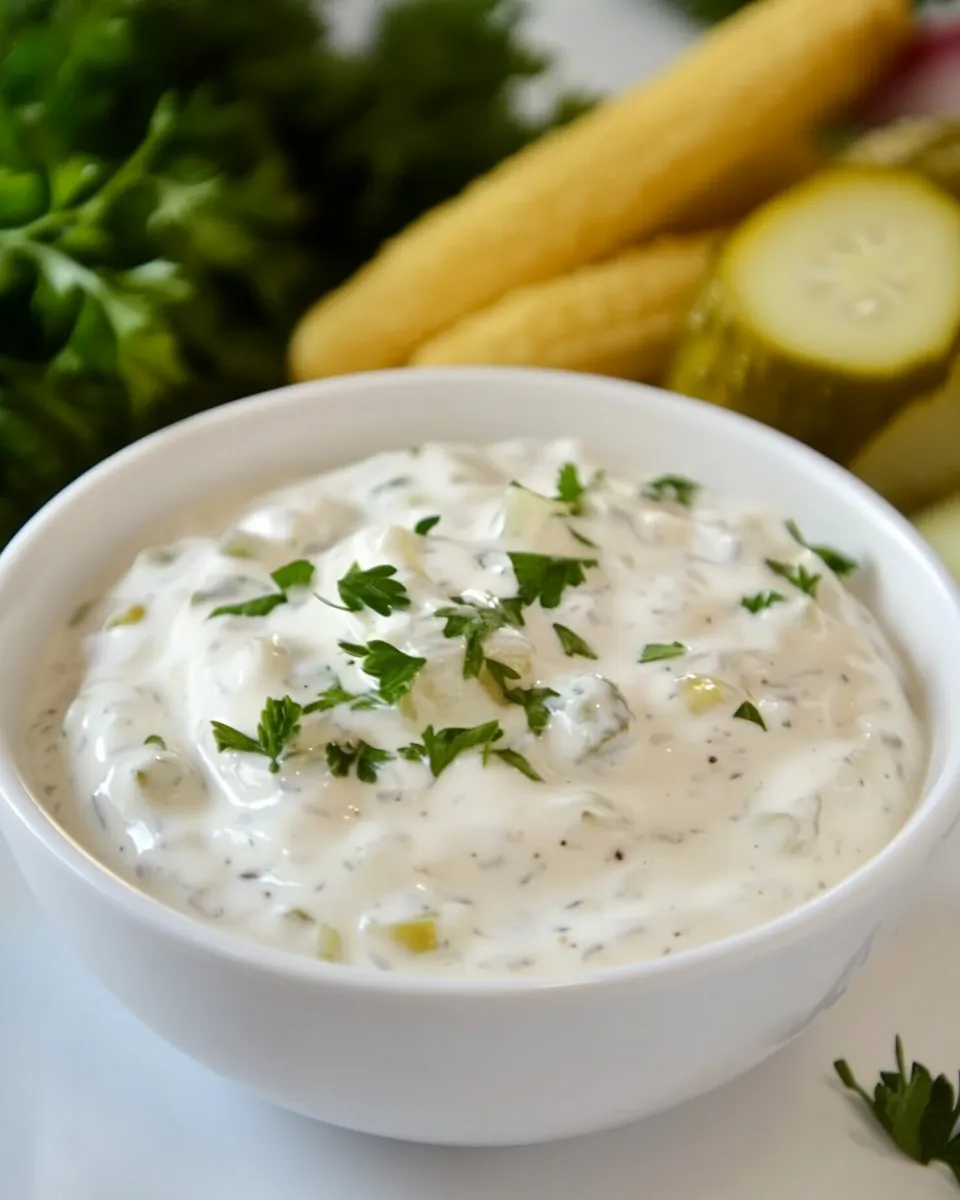
It’s fast. It’s forgiving. You don’t need any fancy equipment—just a bowl and a spoon. The balance of tang, brine, herb, and cream hits multiple flavor notes without one element dominating. Because the recipe uses small measured amounts for stronger ingredients (capers, dill, lemon), it’s easy to start conservative and dial up what you like after the sauce rests in the fridge.
This version keeps clean, bright flavors rather than heavy mayonnaise-forward richness. The texture is just chunky enough from the relish and capers to feel homemade. Use it as a dip, a spread, or a finishing spoon over hot seafood.
Swap Guide
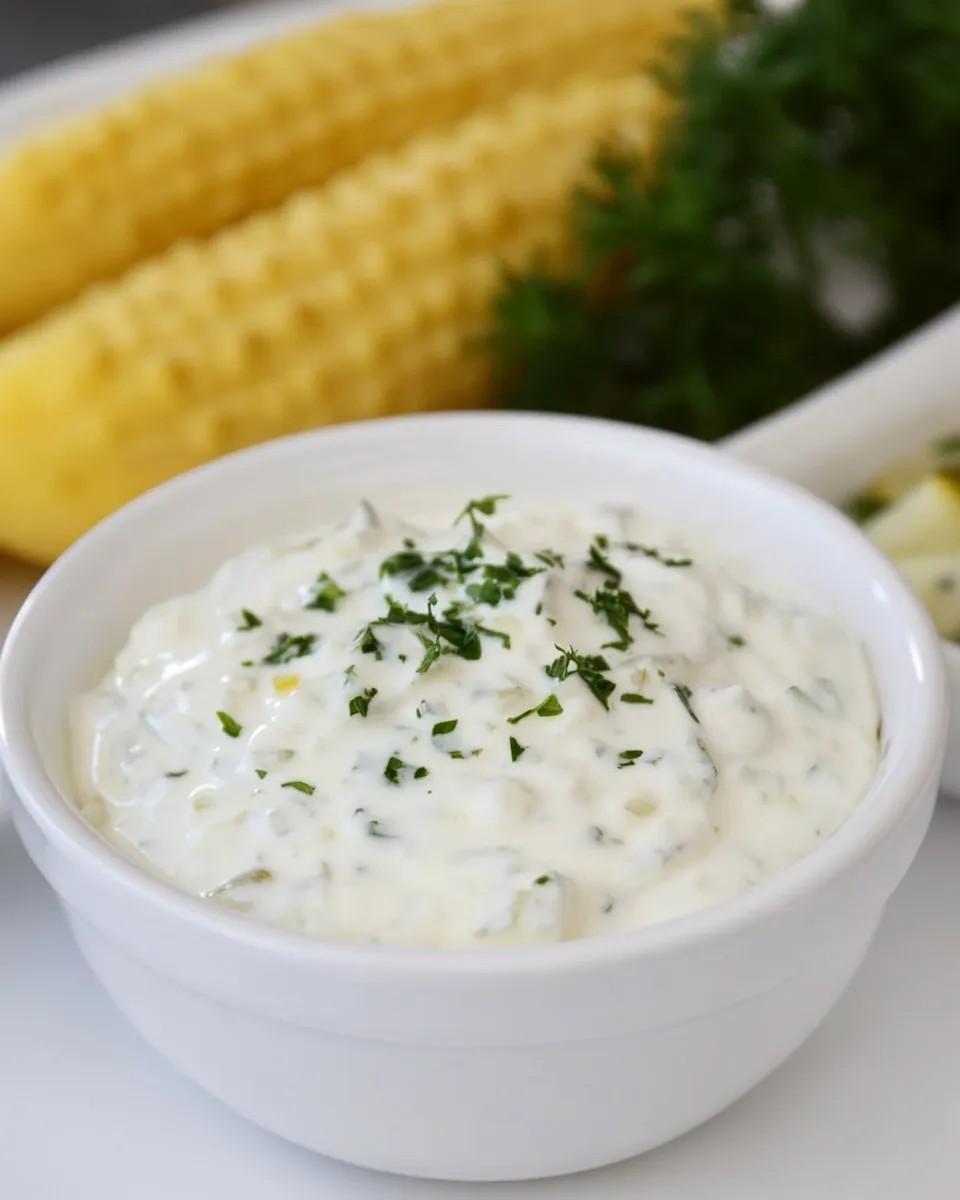
Want to shift this sauce’s character? Here are sensible swaps that keep the spirit of the dish without introducing new amounts:
- Mayonnaise: swap for a 1:1 high-quality mayo alternative if you prefer a different brand or a lighter commercial formula.
- Relish: use all dill or all sweet relish depending on how sweet or tangy you want the base to be; keep the 1/4 cup quantity.
- Onion: if raw onion is too sharp for you, use the same amount of shallot finely grated for a milder, slightly sweeter note.
- Capers: if absent, you can increase the relish slightly for more vinegary bite, or use a small amount of chopped green olive (no exact quantity provided—start small).
- Dill: replace fresh dill with the lower end of the range if using dried (start with a pinch and add carefully), but fresh is recommended.
Setup & Equipment
What you need
- Medium mixing bowl — roomy enough to stir without splashing.
- Spoon or small whisk — for combining the sauce evenly.
- Microplane or box grater — to grate the onion finely.
- Measuring spoons and a 1-cup measure — to keep the flavors balanced.
- Airtight container or jar — for chilling and storing.
Don’t Do This
- Don’t skip draining the capers. Leaving their brine in can make the sauce overly salty and watery.
- Don’t over-grate the onion until it becomes paste—grate just enough to break it down; it should still contribute texture.
- Don’t add all the lemon and dill at once. The recipe provides ranges so you can add more after an initial rest and a taste.
- Don’t serve immediately if you want the best flavor. Give it at least an hour in the fridge so flavors marry.
Seasonal Serving Ideas
Spring and summer: pair the sauce with grilled or pan-seared fish, crudités, or sheet-pan roasted asparagus. The fresh dill and lemon will echo garden flavors.
Fall: use it as a dip for battered or beer-battered fish, or spoon it over roasted root vegetables to cut the richness.
Winter: it brightens richer seafood like crab cakes or fried oysters. A small dollop goes a long way next to heavier winter plates.
Author’s Commentary
I keep this recipe in rotation because I value convenience and consistency. I often double it when I know friends will be over so there’s extra for sandwiches the next day. The real trick is tasting after that first rest in the fridge and making tiny incremental adjustments. If the relish you have is very vinegary, I’ll add the optional 1/2 teaspoon sugar and up the lemon only slightly. If the relish is mild, I’ll nudge the dill toward the higher end. Those small changes make the sauce feel tailored, without losing its classic identity.
Keep It Fresh: Storage Guide

Store the tartar sauce tightly covered in the refrigerator for 5–7 days. Use an airtight container or a jar with a good lid. Always refrigerate after making; the recipe notes at least 1 hour (preferably 2–4 hours or overnight) for resting before serving. If you plan to keep it any longer, check aroma and appearance—discard if it develops a sour smell or visible separation that won’t re-emulsify with a quick stir.
Quick Q&A
Q: Can I make this ahead? A: Yes. Make it the day before for the best flavor. It benefits from a few hours in the fridge.
Q: How long will it keep? A: Stored tightly covered, it will keep in the refrigerator for 5–7 days.
Q: Can I freeze tartar sauce? A: I don’t recommend freezing mayonnaise-based sauces; texture and separation suffer.
Q: My relish is very sour—what should I do? A: Start with the lower end of lemon juice and add up to 1/2 teaspoon sugar, then taste again after chilling.
Q: Is there a best brand of mayonnaise? A: Use the brand you prefer. The recipe lists Hellmann’s or Duke’s as examples—pick the one whose flavor you enjoy since it forms the base.
The Takeaway
This Homemade Tartar Sauce with Pickle Relish is straightforward, forgiving, and reliably delicious. It comes together in minutes, improves with a short chill, and stores for nearly a week. Stick to the ingredient amounts provided, taste after resting, and nudge dill, lemon, or sugar within the given ranges to suit your relish and palate. Keep a jar in the fridge and you’ll find more ways to use it than you expect.

Homemade Tartar Sauce with Pickle Relish
Ingredients
Ingredients
- 1 cupmayonnaise such as Hellmann's or Duke's
- 1/4 cupsweet and/or dill pickle relish lightly but not completely drained–leave just a little bit of liquid
- 1 tablespoongrated yellow or sweet onion I use Vidalia
- 1 tablespoonchopped brined non-pareil capers drained
- 1/2 teaspoonDijon mustard
- 1/2 to 1 tablespoonchopped fresh dill
- 1/2 to 3 teaspoonsfreshly squeezed lemon juice added to taste
- 1/2 to 1 teaspoongranulated sugar optional, added to taste
- kosher salt and freshly ground black pepper to taste
Instructions
Instructions
- In a medium bowl, add 1 cup mayonnaise.
- Measure and add 1/4 cup sweet and/or dill pickle relish; do not fully drain the relish—leave just a little of the liquid with it.
- Grate 1 tablespoon yellow or sweet onion (Vidalia works well) and add it to the bowl.
- Add 1 tablespoon chopped brined non-pareil capers that have been drained.
- Add 1/2 teaspoon Dijon mustard.
- Add 1/2 tablespoon chopped fresh dill.
- Add 1/2 teaspoon freshly squeezed lemon juice.
- If you want a touch of sweetness, add 1/2 teaspoon granulated sugar (optional).
- Add kosher salt and freshly ground black pepper to taste (start with a light pinch of salt and a few grinds of pepper).
- Stir everything together until evenly combined.
- Taste the sauce and adjust seasonings as desired, using only the ingredient amounts listed: increase chopped fresh dill up to a total of 1 tablespoon, increase lemon juice up to a total of 3 teaspoons, and increase granulated sugar up to a total of 1 teaspoon if needed; add more salt and pepper to taste.
- Cover the bowl and refrigerate for at least 1 hour (preferably 2–4 hours or overnight) to allow the flavors to meld.
- Store the tartar sauce tightly covered in the refrigerator for 5–7 days. Serve with seafood or vegetables.
Equipment
- Medium Bowl
- Spoon
- Grater
Notes
Relish:
Depending on how sweet vs. savory you like your Tartar Sauce, you can use all dill pickle relish, all sweet relish, or a 50/50 combination of the two (my family’s favorite).
Onions:
Sweet onion, like Vidalia, will add a milder onion flavor to the sauce. Yellow onion will be a bit sharper and more savory. Grate the onion on a microplane or the large holes of a box grater.
Dill, Lemon Juice, and Sugar:
I’ve given a range for these ingredients because the amount you need will vary based on the type of relish you’ve used (dill vs. sweet, as well as flavor variations between brands) and your personal sweetness/tanginess preferences.
Start with the smaller amounts listed of these ingredients and adjust as needed—it’s always easier to add more when seasoning than to take away!