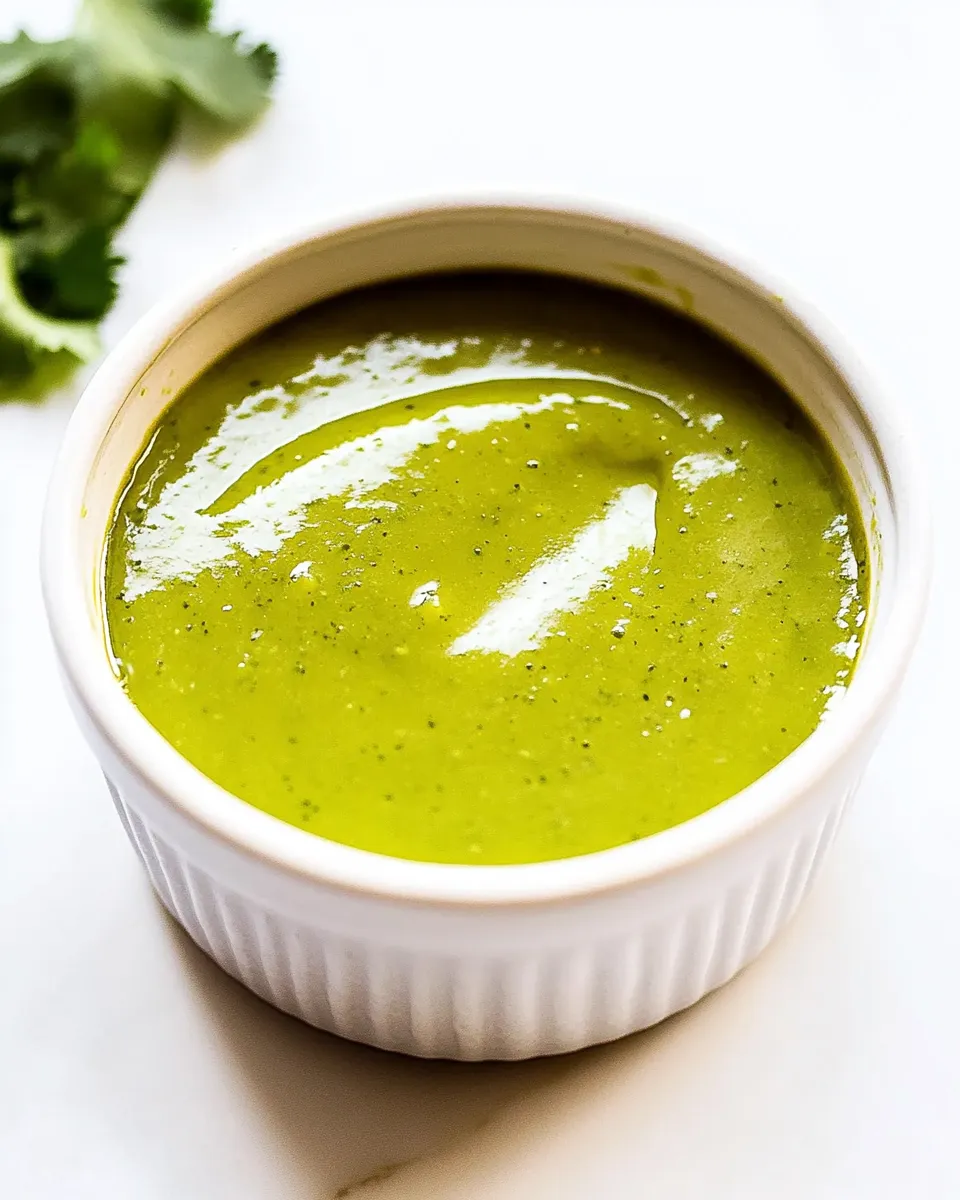
Homemade Green Enchilada Sauce
I make this green enchilada sauce whenever I want a bright, fresh-tasting sauce that’s way better than anything from a can. The roast on the poblanos and garlic gives it a faint smokiness while the lime and cilantro keep it lively. It’s quick to pull together and stretches to cover several meals.
This recipe is forgiving: you can dial the heat up or down with the jalapeños, and it works with water if you’re short on broth. Roast everything on one sheet, blend, and you have a silky sauce to build enchiladas, bowls, tacos, or to drizzle over roasted vegetables.
I’ll walk you through the exact ingredients and the step-by-step method I follow, including simple storage tips and common troubleshooting. No fuss. Just clear steps and practical notes so you can make this reliably at home.
What’s in the Bowl

Ingredients
- 1 tablespoon olive oil — helps the peppers and onion blister and caramelize during roasting.
- 1 ½ pounds poblano peppers — the base of the sauce; poblano flesh is mild, rich, and roasts well.
- 1 large sweet onion — peeled and cut into wedges — adds sweetness and body when roasted.
- 1-2 jalapeños — optional — use for heat control; include 1 for mild, 2 for more kick.
- 4-6 cloves garlic — whole — roasting mellows and sweetens garlic, giving depth without sharpness.
- ½ cup chopped cilantro — adds freshness and herbal lift; stems are fine if finely chopped.
- 2 teaspoons ground cumin — warms and rounds the flavors; it’s a small amount but essential.
- 1 ½ cups vegetable broth or water — thins the purée to a saucy consistency; broth adds more flavor.
- ¼ cup fresh lime juice — brightens the sauce and balances the roastiness.
- Salt and pepper — to taste; salt amplifies the other flavors so don’t skip it.
Stepwise Method: Homemade Green Enchilada Sauce
- Preheat the oven to 400°F and set a large rimmed baking sheet on the middle rack.
- Arrange 1 ½ pounds poblano peppers, the 1 large sweet onion (peeled and cut into wedges), 1–2 jalapeños (optional), and 4–6 whole garlic cloves on the baking sheet. Drizzle with 1 tablespoon olive oil and toss or turn to coat.
- Roast in the oven for 15–20 minutes, until the pepper skins are blistered and the onion and garlic are softened.
- Remove the baking sheet and let the roasted vegetables cool until they are easy to handle.
- Peel the waxy skins off the poblano peppers. Remove the stems and shake out the seeds, leaving the soft pepper flesh. If you roasted jalapeños and want less heat, remove their stems and shake out the seeds as well.
- Peel the skins from the roasted garlic cloves and discard any loose burnt bits. (The roasted onion wedges do not need additional prep.)
- Place the roasted poblano flesh, roasted onion wedges, roasted garlic, and the jalapeños you want to include into a blender. Pour any pan juices from the baking sheet into the blender.
- Add ½ cup chopped cilantro, 2 teaspoons ground cumin, 1 ½ cups vegetable broth or water, ¼ cup fresh lime juice, and ½ teaspoon salt to the blender.
- Cover and purée until very smooth. Taste and add additional salt and pepper if needed.
- If you want more heat, add the remaining jalapeño(s) (up to the 1–2 total from the ingredient list) and purée again. Use the sauce immediately or store refrigerated.
The Upside of Homemade Green Enchilada Sauce
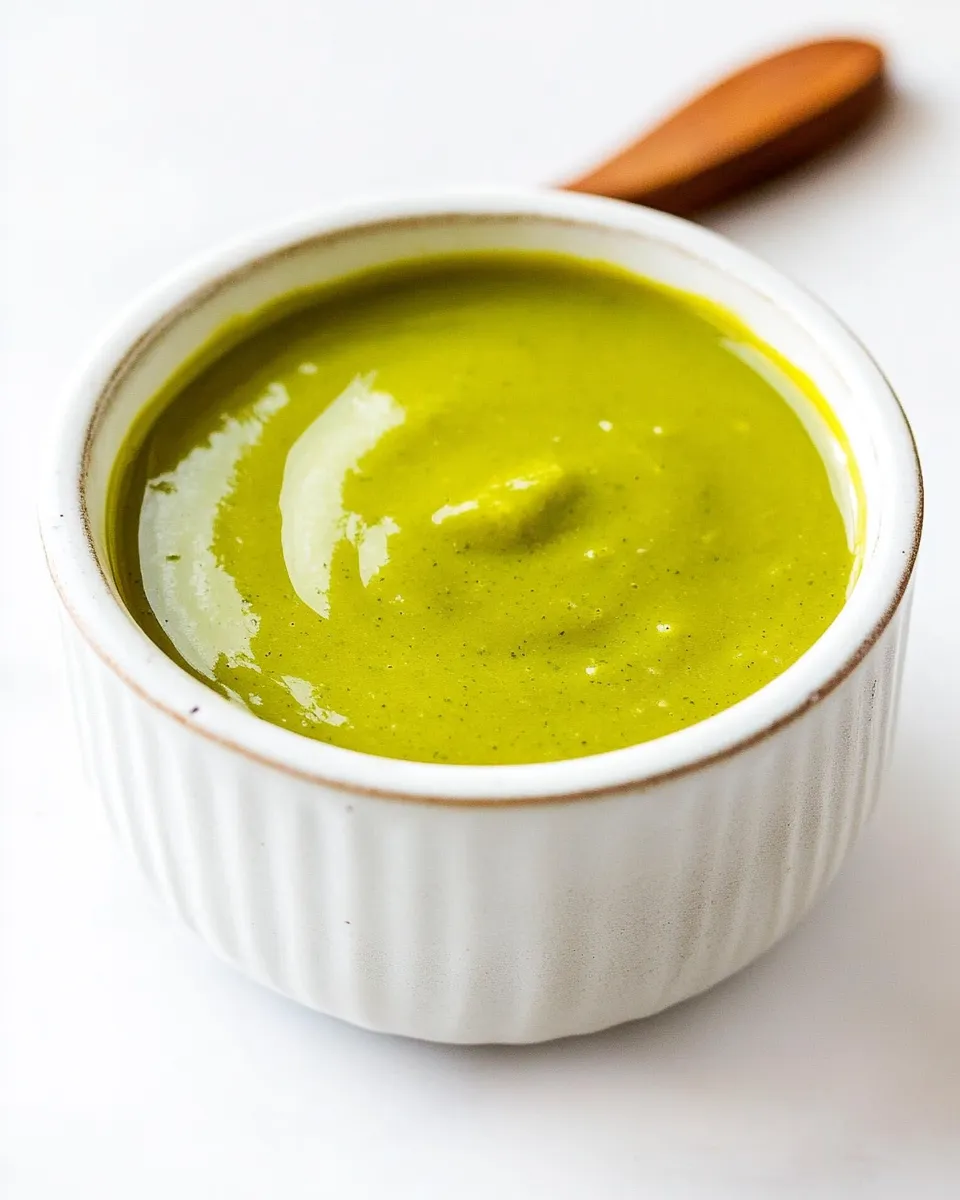
This sauce is versatile. It brightens enchiladas but also makes a great finishing sauce for roasted chicken, fish, or vegetables. Because you control the roasting time and the number of jalapeños, you can create anything from a mild, tangy sauce to a lively, spicy one.
Another upside: texture and flavor are fully under your control. When you blend until very smooth, you get a silky sauce that clings to tortillas and fills the cavities of rolled enchiladas. If you leave the purée a little rustic with tiny bits of pepper and cilantro, it gives a more home-style mouthfeel.
Finally, it stores well. Make a double batch and freeze in portions, and you’ll have fresh-tasting green sauce ready to pull from the freezer for weeknight meals.
Vegan & Vegetarian Swaps
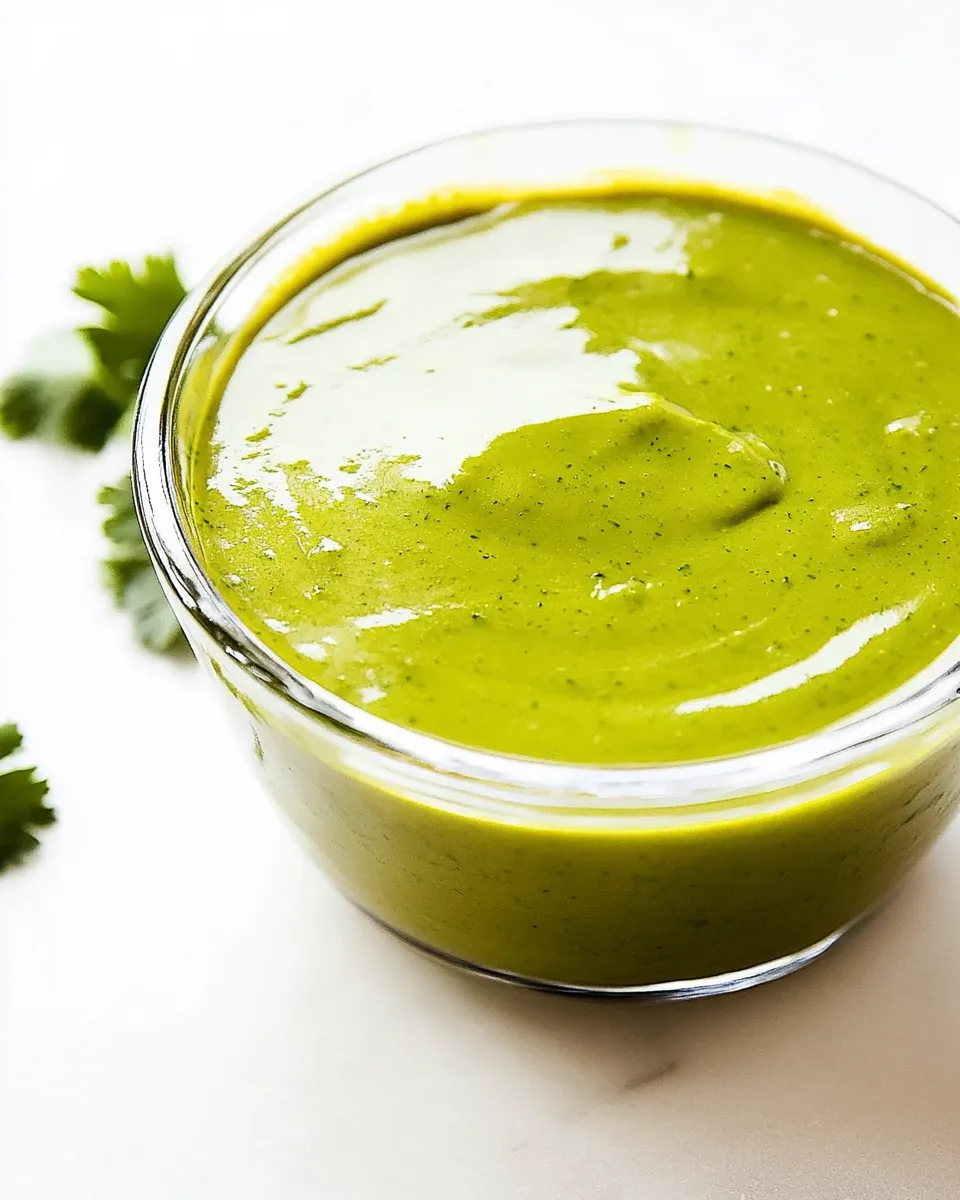
This recipe is naturally vegan and vegetarian as written—there’s no dairy or animal stock. If you want a different mouthfeel without changing the vegan base, use vegetable broth for more savory depth or plain water for a cleaner, brighter flavor. If you’re avoiding cilantro for any reason, omit it; the sauce will still be good, though a bit less herb-forward.
For extra richness without dairy, you can gently stir in a small splash of olive oil after blending. That adds silkiness without changing the vegan status.
Equipment at a Glance
- Oven — for roasting the peppers, onion, and garlic to develop flavor.
- Large rimmed baking sheet — catches juices and gives the vegetables room to roast evenly.
- Sharp knife — for trimming stems and cutting the onion into wedges.
- Blender — a high-speed blender yields the smoothest sauce; a sturdy countertop blender works fine.
- Heatproof gloves or tongs — helpful when handling blistered peppers if they’re still warm.
Troubles You Can Avoid
Bland sauce
Underseasoning is the most common trap. Start with the ½ teaspoon salt called for, then taste after blending. Salt brings out the lime and cumin. Add more in small pinches until the sauce sings.
Too thin or too thick
If the sauce is too thin, reduce the amount of broth or let it sit uncovered for a few minutes—evaporation will concentrate flavor. If it’s too thick for your use, add more vegetable broth or water a tablespoon at a time and purée again until you reach the consistency you want.
Overly bitter or charred flavor
A little charring on the peppers is desirable for aroma, but discard any large, completely blackened pieces before blending. Remove loose burnt bits from the garlic as noted in the method.
Heat control
Don’t add all jalapeños at once if you’re unsure about the heat level. Blend with the milder set first, taste, then add more if you want a spicier result.
Spring to Winter: Ideas
Spring: Use the sauce as a topping for seared spring vegetables or to dress a grain bowl with fresh greens and radishes.
Summer: Mix with shredded chicken or grilled fish for fresh tacos. The bright lime and cilantro are perfect with summer produce.
Fall: Fold the sauce into baked enchiladas with roasted squash or sweet potato. It complements the natural sweetness of fall vegetables.
Winter: Use it as a braising liquid base for a comforting green enchilada casserole. The roasted depth cuts through richer winter proteins and makes for hearty meals.
If You’re Curious
Poblano peppers are mild but flavorful, which is why they’re a common backbone in green sauces. Roasting breaks down cell walls, concentrates sugars, and adds a subtle smoky note. Garlic mellows with roasting, lending sweet umami rather than sharpness.
Blending hot or warm ingredients helps achieve a perfectly smooth emulsion, but be cautious: let very hot ingredients cool a short while and pulse the blender lid slightly ajar or use a cloth over the lid to allow steam to escape. This avoids pressure buildup.
Cumin is small but critical here—it fills in the middle of the flavor spectrum so the lime and roasted notes don’t feel one-dimensional.
Save for Later: Storage Tips
Refrigerate: keep the sauce in an airtight container in the refrigerator for up to 5 days. Stir before using; sometimes the flavors settle and benefit from a quick taste adjustment.
Freeze: portion the sauce into ice cube trays or airtight freezer-safe containers and freeze for up to 3 months. Thaw overnight in the refrigerator. Smaller portions make it easy to defrost only what you need for a single meal.
To preserve color: a little acid helps. The lime juice in the recipe already helps keep the sauce bright. For long refrigeration, make sure the surface is covered (press a piece of plastic wrap directly onto the sauce before sealing) to reduce oxidation.
Reader Questions
Q: Can I roast the peppers on the stovetop instead?
A: Yes. You can char poblanos over an open flame on a gas burner or under a broiler. The oven method is hands-off and consistent, but stovetop charring works fine. Just transfer to a covered bowl afterward to steam for a few minutes, which loosens the skins for peeling.
Q: I don’t have a blender—can I use a food processor?
A: A food processor will work but may not get the sauce as silky as a high-speed blender. You may need to process a bit longer and scrape down the sides occasionally.
Q: How spicy will this be?
A: Mild to medium, depending on how many jalapeños you include and whether you seed them. Start with one seeded jalapeño for mild heat and add the second only if you want more.
Next Steps
Make a batch this weekend and try it two ways: one mild for weeknight enchiladas, and one with both jalapeños for a taco night. Use leftovers stirred into rice or beans to lift their flavor, or spoon over roasted vegetables for a quick vegetarian main.
When you try it, note what you’d change—more lime, extra cumin, less jalapeño—and tweak the next batch. That’s the fun of homemade sauces: they adapt to your pantry and your palate.
Homemade Green Enchilada Sauce
Ingredients
Ingredients
- 1 tablespoonolive oil
- 1 1/2 poundspoblano peppers
- 1 largesweet onionpeeled and cut into wedges
- 1-2 jalapenosoptional
- 4-6 clovesgarlicwhole
- 1/2 cupchopped cilantro
- 2 teaspoonsground cumin
- 1 1/2 cupsvegetable brothor water
- 1/4 cupfresh lime juice
- Salt and pepper
Instructions
Instructions
- Preheat the oven to 400°F and set a large rimmed baking sheet on the middle rack.
- Arrange 1 ½ pounds poblano peppers, the 1 large sweet onion (peeled and cut into wedges), 1–2 jalapeños (optional), and 4–6 whole garlic cloves on the baking sheet. Drizzle with 1 tablespoon olive oil and toss or turn to coat.
- Roast in the oven for 15–20 minutes, until the pepper skins are blistered and the onion and garlic are softened.
- Remove the baking sheet and let the roasted vegetables cool until they are easy to handle.
- Peel the waxy skins off the poblano peppers. Remove the stems and shake out the seeds, leaving the soft pepper flesh. If you roasted jalapeños and want less heat, remove their stems and shake out the seeds as well.
- Peel the skins from the roasted garlic cloves and discard any loose burnt bits. (The roasted onion wedges do not need additional prep.)
- Place the roasted poblano flesh, roasted onion wedges, roasted garlic, and the jalapeños you want to include into a blender. Pour any pan juices from the baking sheet into the blender.
- Add ½ cup chopped cilantro, 2 teaspoons ground cumin, 1 ½ cups vegetable broth or water, ¼ cup fresh lime juice, and ½ teaspoon salt to the blender.
- Cover and purée until very smooth. Taste and add additional salt and pepper if needed.
- If you want more heat, add the remaining jalapeño(s) (up to the 1–2 total from the ingredient list) and purée again. Use the sauce immediately or store refrigerated.
Equipment
- Rimmed Baking Sheet
- Blender
Notes
Keep the green sauce in an airtight container and store it in the fridge for
up to a week
.
To Freeze:
Transfer the sauce to a freezer-safe airtight container and keep it in the freezer for
up to 2 months
. Thaw it in the fridge overnight before using it.