Homemade Flan
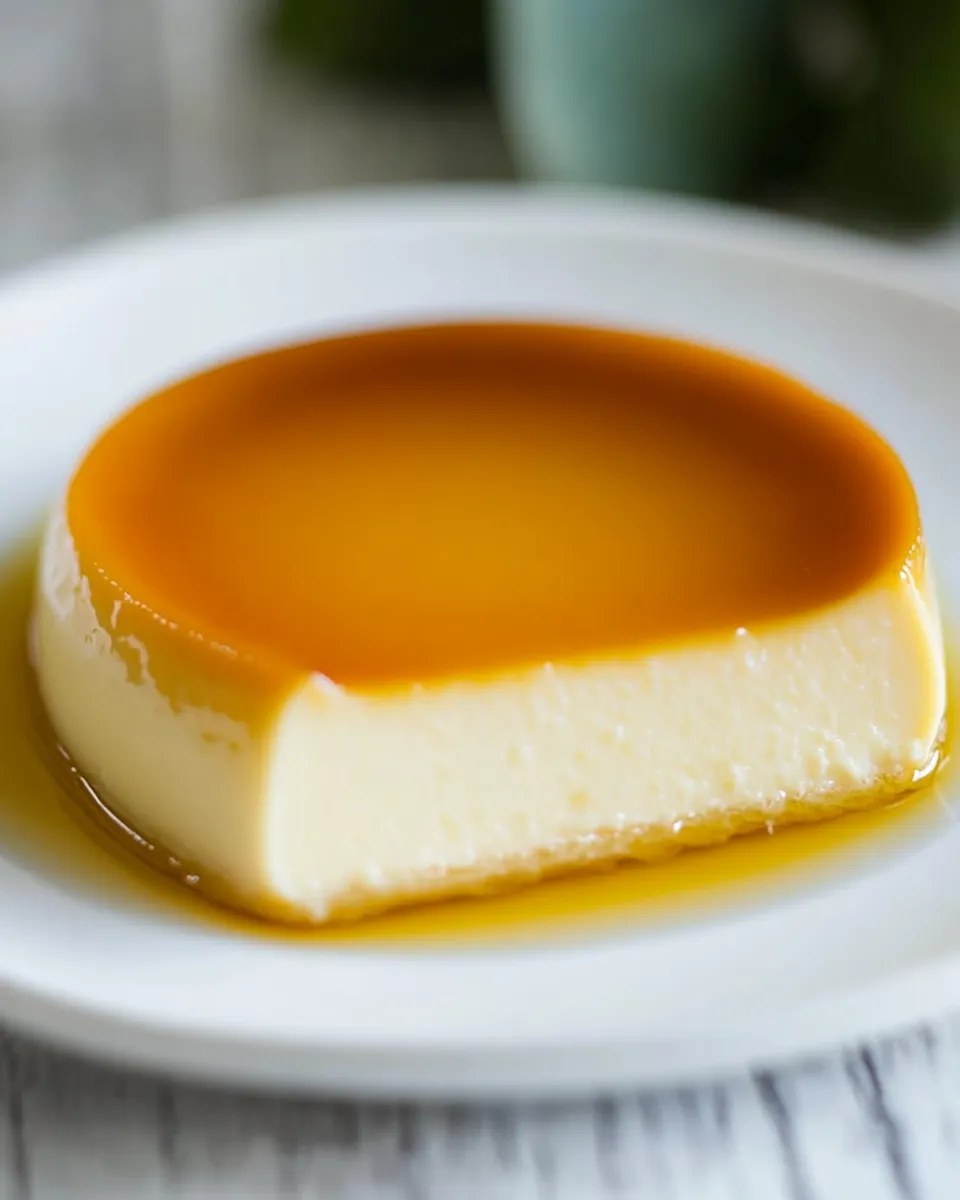
I make this flan whenever I want something silky, simple, and comfortingly impressive. There’s a calm satisfaction in the two-part process: the bold, nutty caramel followed by the velvet custard. It takes attention more than technique, and the payoff—every glossy plate—is worth the care.
This recipe is straightforward and forgiving. You don’t need fancy tools, and the flavors are classic: caramelized sugar, warm vanilla, and a custard that melts on the tongue. I’ll walk you through each step exactly as I follow it so you can get reliably smooth custards and a clear, amber sauce every time.
Read through the steps once before you start. The few moments spent prepping and lining up ramekins will save you time and anxiety in the oven. Then relax—the water bath does most of the work while you enjoy the confident unpredictability of caramelizing sugar.
Ingredients

- ¾ cup sugar — used to make the caramel; watch it closely as it darkens.
- ⅓ cup water — helps the sugar dissolve evenly for a smooth caramel.
- 3 cups whole milk — provides the creamy base for the custard.
- 4 whole eggs — add structure and silkiness to the custard.
- 2 egg yolks — enrich the texture and deepen the color.
- ¾ cup sugar — sweetens the custard; listed separately from the caramel sugar.
- ¼ teaspoon salt — balances sweetness and lifts flavor.
- 2 teaspoon vanilla extract — the aromatic backbone of the custard.
- hot tap water — enough to fill about ⅓ of the roasting pan; for the water bath that gently cooks the custards.
Build Homemade Flan Step by Step
- Preheat the oven to 325°F.
- Make the caramel: in a medium saucepan, evenly spread ¾ cup sugar. Sprinkle ⅓ cup water over the sugar. Place the pan over medium-high heat and bring to a strong simmer without stirring. Gently swirl the pan occasionally.
- Continue simmering and swirling until the mixture begins to turn slightly brown, then lower the heat to low and keep swirling occasionally. When the caramel reaches a light amber color, turn off the heat and lift the pan from the burner; continue swirling until it is a golden-amber color. Be careful—caramel is extremely hot.
- Immediately pour the hot caramel evenly into the bottoms of your ramekins. It is fine if the caramel hardens. (To clean the saucepan later, fill it with hot tap water and heat it to dissolve any hardened caramel.)
- Heat the milk: in a separate medium saucepan, warm 3 cups whole milk over medium heat until it is hot and just starting to bubble at the edges (do not boil). Remove from heat.
- In a large bowl, whisk together 4 whole eggs, 2 egg yolks, ¾ cup sugar, ¼ teaspoon salt, and 2 teaspoons vanilla extract until blended.
- Temper the eggs: slowly pour about half of the hot milk into the egg mixture while whisking constantly. Then add the remaining hot milk and whisk until fully combined.
- Strain the custard: pour the milk-and-egg mixture through a fine-mesh sieve into a large heatproof measuring cup or pitcher to remove any coagulated bits.
- Arrange the ramekins in a roasting pan, leaving about 1 inch between them. Pour the strained custard into each ramekin in equal amounts, filling each ramekin about two-thirds to nearly full.
- Create the water bath: carefully pour hot tap water into the roasting pan around the ramekins until the water reaches about 1/3 of the height of the ramekins (enough to fill about 1/3 of the roasting pan).
- Bake on the middle oven rack for 55 to 70 minutes, or until the custards are set (the centers will slightly jiggle but not be liquid) and the edges are lightly browned.
- Remove the roasting pan from the oven and let the ramekins cool in the water bath on a heatproof surface for about 1 hour. Then transfer the ramekins to the refrigerator and chill for at least 1 hour or overnight.
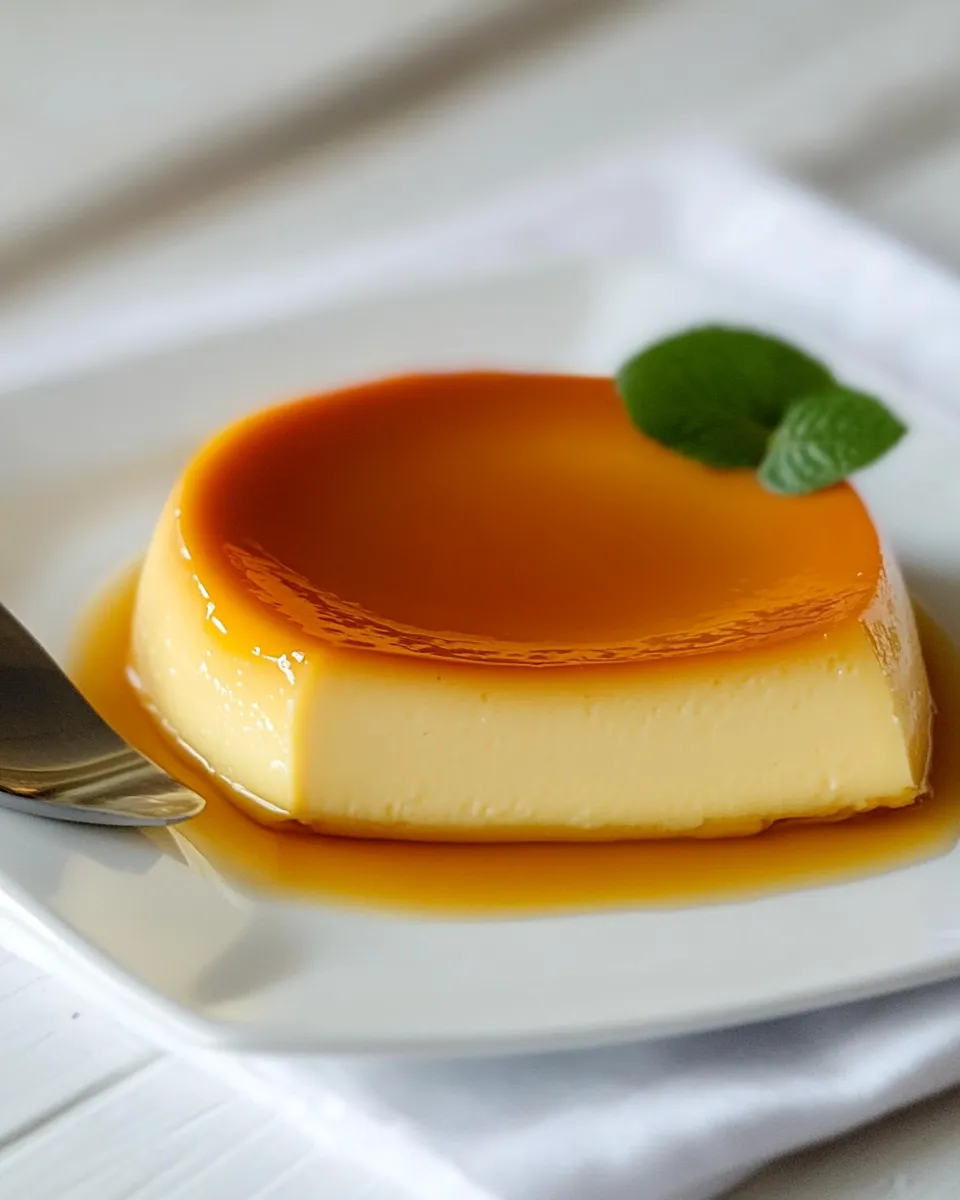
- To unmold and serve: run a sharp knife about ½ inch down the inside edge of each ramekin to loosen the custard. Place a flat dessert plate over a ramekin, invert the plate and ramekin together, then give a gentle but firm thrust to release the flan. Allow the caramel sauce to flow over the flan, then remove the ramekin. Repeat with remaining ramekins and serve immediately.
Why It’s My Go-To
This flan succeeds for me because it relies on technique, not special ingredients. The two sugars—one for caramel, one for the custard—bring complementary textures and flavors. The caramel gives a deep, slightly bitter contrast to the rich, custardy center. Whole milk and the extra yolks create that lush, melt-in-your-mouth mouthfeel I look for in custards.
It’s also forgiving. The water bath buffers the oven’s heat, so you don’t need to babysit the temperature perfectly. Timing matters, yes, but the wobble test is forgiving: a slight jiggle in the center means it will finish setting as it chills. That makes this recipe great for entertaining—you can bake it the day before and unmold just before serving.
Low-Carb/Keto Alternatives
If you need a lower-carb version, focus on swaps that preserve texture. Replace the granulated sugar in the custard with a granulated erythritol blend made for baking; choose one labeled for cooking so it measures more like sugar. For the caramel, consider a sugar-free caramel syrup made for baking or attempt a reduced-sugar caramel using a suitable sugar substitute—understand the flavor will be different and less nuanced than true caramel.
As for the milk, full-fat dairy or a high-fat unsweetened alternative (one formulated for cooking) will help keep the custard rich. You may need to adjust chilling and baking times slightly since different liquids affect setting. Always test one ramekin first when trying substitutions so you can calibrate without wasting the whole batch.
Equipment Breakdown
You don’t need fancy gear to make great flan, but a few items make the job easier and more reliable:
Must-haves
A medium saucepan for caramel, a separate medium saucepan to heat milk, a large bowl for whisking, a fine-mesh sieve for a silky custard, heatproof measuring cup or pitcher for pouring, a roasting pan large enough to hold your ramekins with 1 inch between them, and ramekins (4–6 ounce each are common). A sharp knife and flat plates for unmolding finish the list.
Nice-to-haves
An oven thermometer helps if your oven’s temperature fluctuates. A candy thermometer can help with caramel if you’re not comfortable judging color, but it’s not required—the visual cues work well. Silicone-tipped tongs or a heatproof glove make moving the hot roasting pan easier.
Troubleshooting Tips
Caramel turns too dark or burns
If the caramel darkens too quickly, immediately remove it from heat and lift the pan off the burner to let carryover heat stop the cooking. If it burns and tastes bitter, discard and start over. A thin stainless steel or heavy-bottomed pan gives more control.
Custard is grainy or has cooked egg bits
That’s usually from pouring scalding milk too quickly into the eggs. Tempering—slowly whisking hot milk into the eggs—prevents cooked bits. Straining the mixture is a must; it catches any coagulated pieces and gives a silkier finish.
Centers are still liquid after baking
Timing can vary by oven and ramekin size. If centers remain too loose, return the ramekins to the oven for 5–10 minute increments, checking frequently. The custard should have a slight wobble in the center, not liquid. It will continue to set as it cools and chills.
Holiday-Friendly Variations
Orange or citrus flan
Add a strip of orange or lemon zest to the milk as it heats, then remove it before tempering. The citrus oil plays beautifully with the caramel’s sweetness.
Coffee flan
Stir 1–2 tablespoons of instant espresso into the warm milk for a subtle coffee note that deepens the caramel flavor. Start with less; you can always add more next time.
Spiced flan
Warm the milk with a small cinnamon stick and a couple of whole cloves, then strain them out before mixing with the eggs. The spices add holiday warmth without overwhelming the custard’s purity.
What Could Go Wrong
Caramel is the most fragile piece. It can go from golden to burnt in seconds, so stay present as it cooks. Overheating the milk or adding it too quickly to the eggs causes cooked bits. If you skip the straining step, you increase the chance of a bumpy surface. Lastly, baking at too high a temperature or without enough water in the bath will give you curdled or dry edges—low and slow is the flan mantra.
Unmolding can be tense. If flans stick, let them chill longer—many stalls come from trying to invert warm flans. Running the knife down the edge helps release trapped air, and a confident flip usually does the rest. If the caramel has overly hardened, a short splash of hot water on the plate can help it loosen and run.
Save It for Later
Store flans covered in the refrigerator for up to 3 days. The texture is best within 24–48 hours; after that the custard can continue to firm and slightly alter in mouthfeel. If you need to make them further ahead, unmold and cover each flan with plastic wrap and keep the caramel on top to maintain moisture.
To re-warm, serve flan slightly chilled or at cool room temperature. If you prefer a warmer contrast, let the flan sit at room temperature for 20–30 minutes before serving rather than microwaving, which risks overcooking the delicate custard.
Quick Questions
Can I use evaporated milk?
Yes, evaporated milk will make a denser, richer custard. Reduce other fats if you want a lighter mouthfeel, and watch baking time; density affects setting.
Can I make this without eggs?
Not if you want a traditional flan. Eggs provide structure and that custardy texture. There are vegan custard recipes, but they require different thickeners and techniques.
Why strain the custard?
Straining removes any bits of cooked egg or particulate and creates a silky texture. It’s a small step with a big payoff.
Ready, Set, Cook
When you’re ready to start, gather your ramekins, measure each ingredient, and line up the two saucepans. Make the caramel first and prepare the milk next; having everything staged makes the process calm and efficient. Follow the steps in order and trust the water bath—it’s the secret to even, tender custard.
Serve flan plain or garnish it simply with a few berries, a twist of citrus, or a light dusting of toasted nuts. It shines best when it’s allowed to speak for itself: smooth, sweet, and perfectly balanced. Enjoy the quiet ritual of caramel and custard—you’ll come back to this recipe again and again.
Homemade Flan
Ingredients
Ingredients
- 3/4 cupsugar
- 1/3 cupwater
- 3 cupswhole milk
- 4 wholeeggs
- 2 egg yolks
- 3/4 cupsugar
- 1/4 teaspoonsalt
- 2 teaspoonvanilla extract
- hot tap waterenough to fill about 1/3 of the roasting pan.
Instructions
Instructions
- Preheat the oven to 325°F.
- Make the caramel: in a medium saucepan, evenly spread ¾ cup sugar. Sprinkle ⅓ cup water over the sugar. Place the pan over medium-high heat and bring to a strong simmer without stirring. Gently swirl the pan occasionally.
- Continue simmering and swirling until the mixture begins to turn slightly brown, then lower the heat to low and keep swirling occasionally. When the caramel reaches a light amber color, turn off the heat and lift the pan from the burner; continue swirling until it is a golden-amber color. Be careful—caramel is extremely hot.
- Immediately pour the hot caramel evenly into the bottoms of your ramekins. It is fine if the caramel hardens. (To clean the saucepan later, fill it with hot tap water and heat it to dissolve any hardened caramel.)
- Heat the milk: in a separate medium saucepan, warm 3 cups whole milk over medium heat until it is hot and just starting to bubble at the edges (do not boil). Remove from heat.
- In a large bowl, whisk together 4 whole eggs, 2 egg yolks, ¾ cup sugar, ¼ teaspoon salt, and 2 teaspoons vanilla extract until blended.
- Temper the eggs: slowly pour about half of the hot milk into the egg mixture while whisking constantly. Then add the remaining hot milk and whisk until fully combined.
- Strain the custard: pour the milk-and-egg mixture through a fine-mesh sieve into a large heatproof measuring cup or pitcher to remove any coagulated bits.
- Arrange the ramekins in a roasting pan, leaving about 1 inch between them. Pour the strained custard into each ramekin in equal amounts, filling each ramekin about two-thirds to nearly full.
- Create the water bath: carefully pour hot tap water into the roasting pan around the ramekins until the water reaches about 1/3 of the height of the ramekins (enough to fill about 1/3 of the roasting pan).
- Bake on the middle oven rack for 55 to 70 minutes, or until the custards are set (the centers will slightly jiggle but not be liquid) and the edges are lightly browned.
- Remove the roasting pan from the oven and let the ramekins cool in the water bath on a heatproof surface for about 1 hour. Then transfer the ramekins to the refrigerator and chill for at least 1 hour or overnight.
- To unmold and serve: run a sharp knife about ½ inch down the inside edge of each ramekin to loosen the custard. Place a flat dessert plate over a ramekin, invert the plate and ramekin together, then give a gentle but firm thrust to release the flan. Allow the caramel sauce to flow over the flan, then remove the ramekin. Repeat with remaining ramekins and serve immediately.
Equipment
- ▢4 8-oz ramekinsor 6 6-oz ramekins
- ▢Roasting or baking panlarge enough to hold the ramekins with about 1-inch distance between each.
- ▢1 medium-sized saucepanwith handle
- ▢Large mixing bowl
- ▢Fine-mesh sieve
- ▢Large measuring cup or heat-proof pitcher
Notes
See the video near the top of the blog post for visual guidance. If you liked the video, please
subscribe to our YouTube channel
.
Feel free to fill the ramekins to nearly the tops. You may have a little leftover custard after you have filled your ramekins.
NOTE: If you do fill the ramekins to the top, it may be easier to place the roasting pan on the oven rack, and then place the ramekins in the pan, pour in the custard into each ramekin, and then pour in the hot water into the pan. This will prevent you from spilling any of the custard when transferring the pan from the counter to the oven.
Flan can be prepared up to 3 days in advance. Although, we've eaten flan up to a week after we prepared it and it was still delicious.