Garlic Herb Parker House Rolls
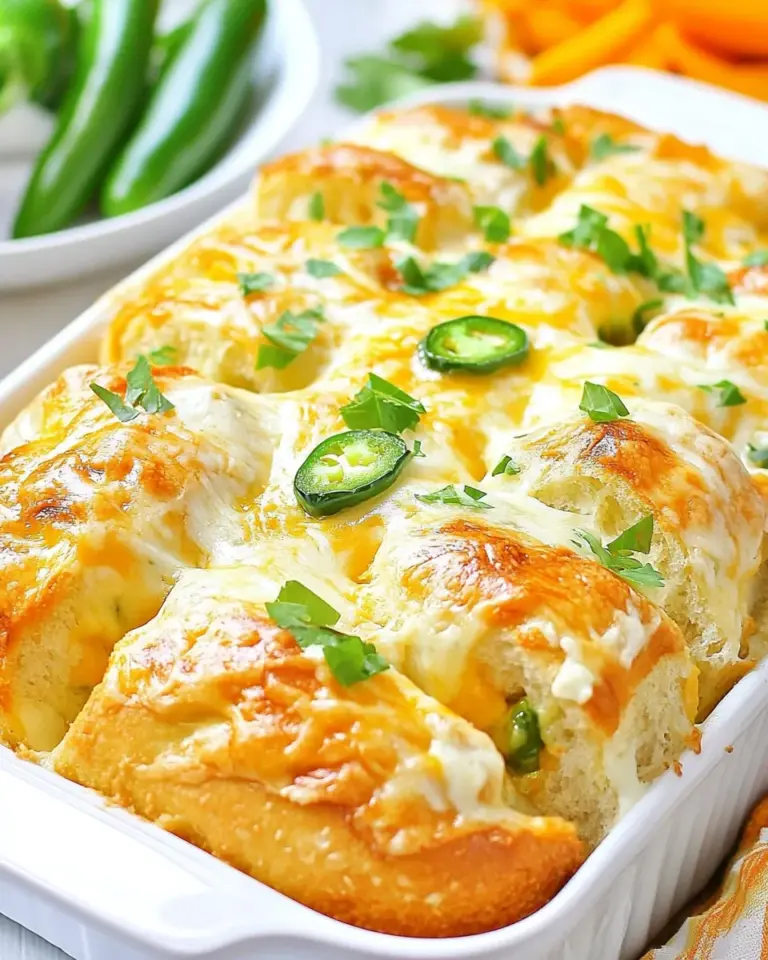
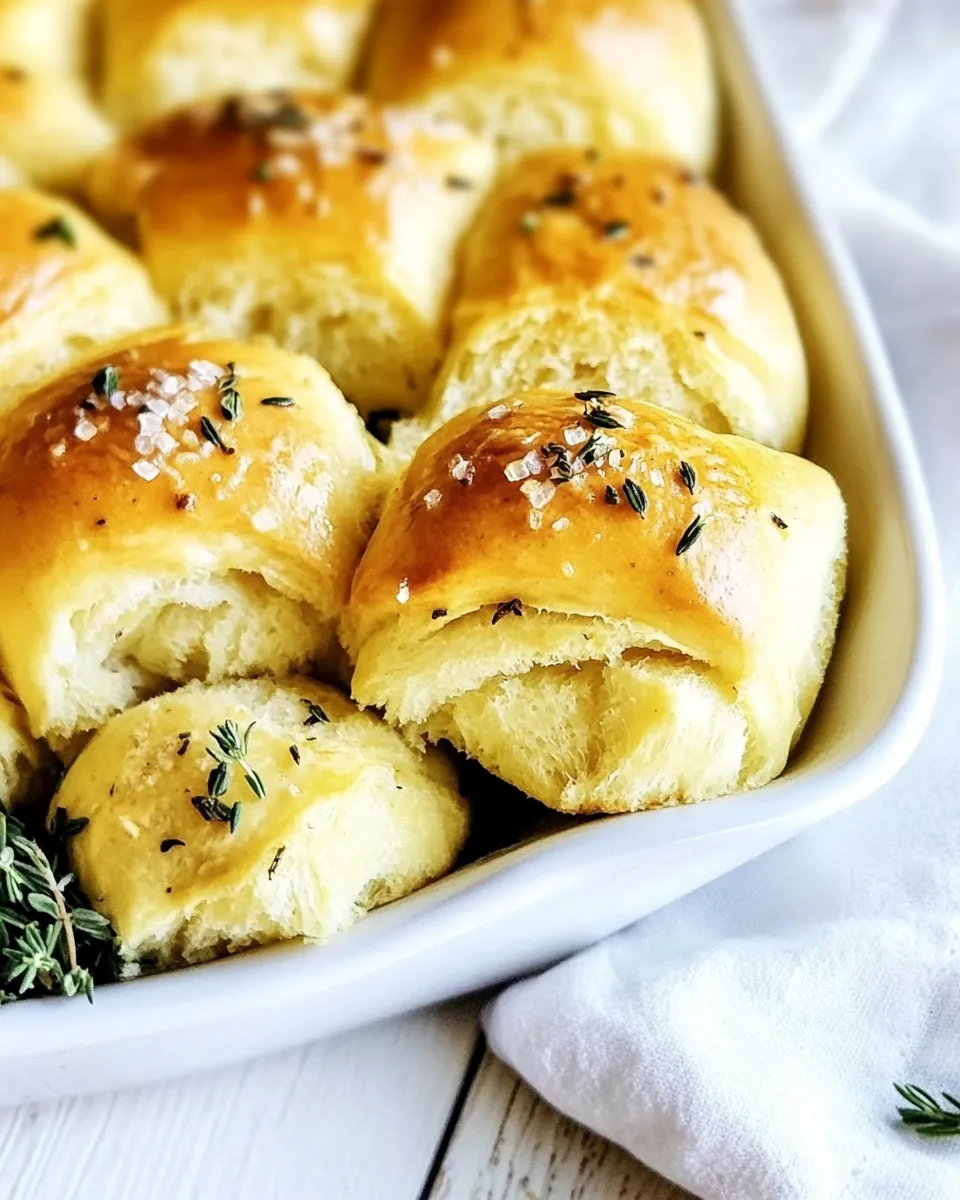
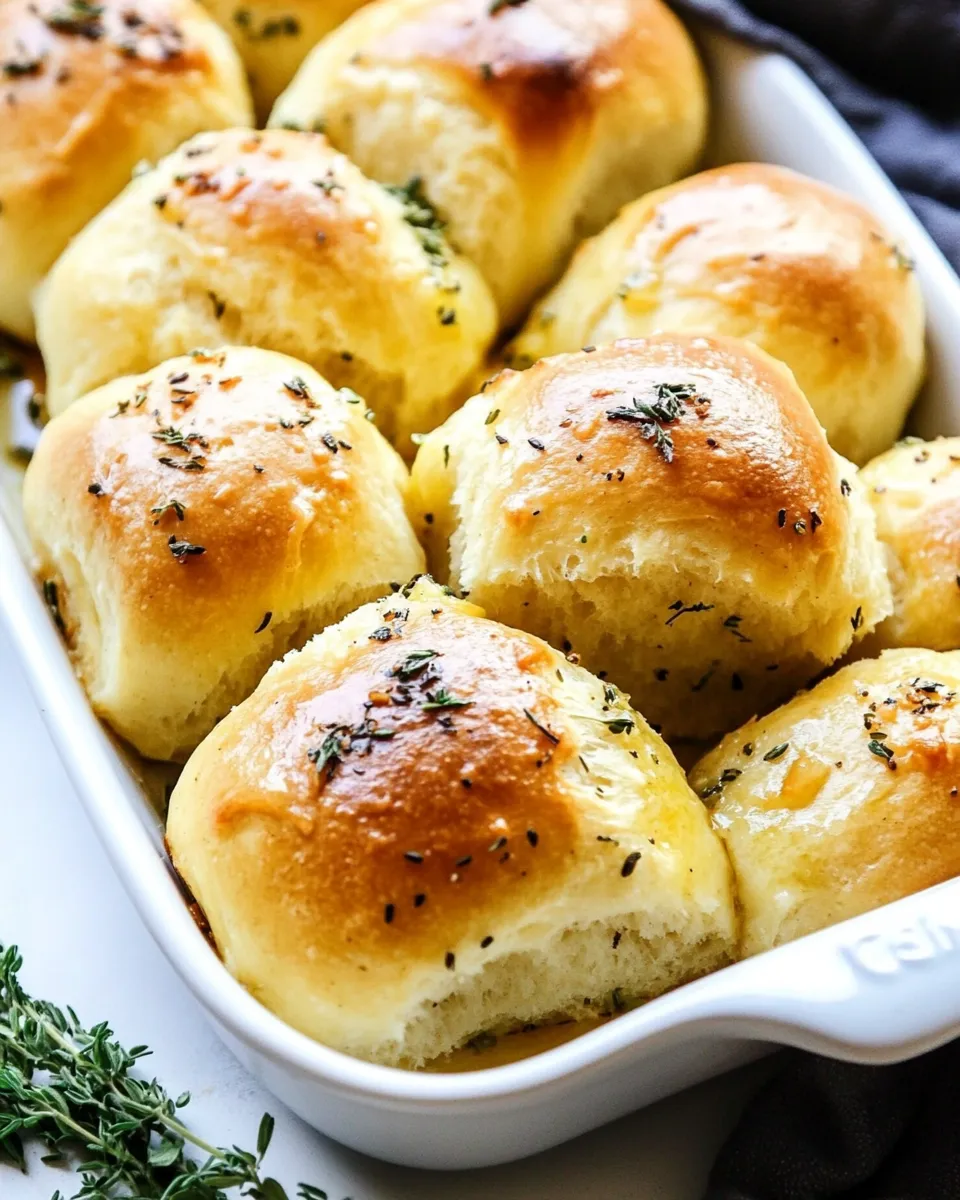
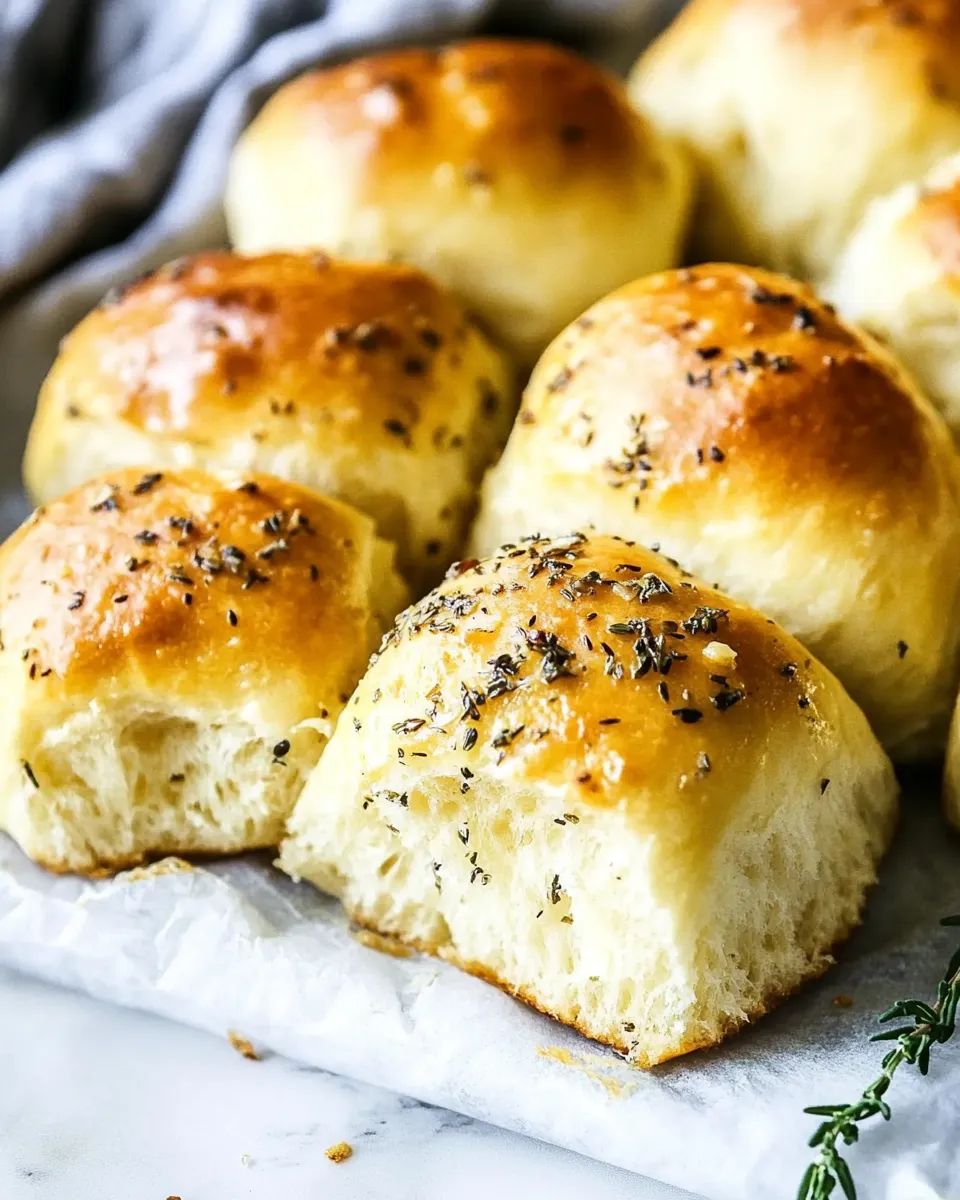
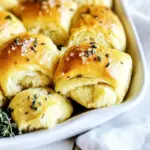
These Garlic Herb Parker House Rolls are the kind of thing I make when I want something comforting, buttery, and a little bit special without a lot of fuss. They come out soft and pillowy, with a tender crumb inside and a golden, garlic-brushed top that breaks apart in perfect pull-apart pieces. They work for weeknight dinners, holiday spreads, and everything in between.
The recipe is straightforward but rewards a little patience: warm milk and butter to wake the yeast, a short knead in the stand mixer, two brief rises, and a final brush of garlic butter and fresh herbs. There’s nothing finicky about it, and the results are reliably impressive.
If you like rolls that are soft enough to squish but structured enough to hold sandwich fillings, these will become a regular in your rotation. Read on for an ingredient snapshot, step-by-step directions, troubleshooting tips, and sensible make-ahead and storage notes so you can plan around busy days.
Ingredients at a Glance

- 3/4 cup unsalted butter — divided; part melts into the milk to enrich and feed the yeast, the rest is reserved for brushing and greasing the pan.
- 1 1/4 cups whole milk — warmed with butter to about 105°F to activate the yeast and add richness to the dough.
- 3 tablespoons sugar — feeds the yeast and helps create a tender, slightly sweet crumb.
- 2 1/4 teaspoons active dry yeast — a standard packet; proof in the warm milk–butter mixture until bubbly and fragrant.
- 4 to 4 1/4 cups all-purpose flour — start with 4 cups and add up to the extra 1/4 cup only if the dough is too wet; aim for a soft, tacky dough.
- 1 large egg — enriches the dough and helps with structure and browning.
- 2 tablespoons chopped fresh herbs (such as rosemary and thyme) — folded into the dough and sprinkled on top for bright, savory notes.
- 4 cloves garlic, minced — divided; half goes in the dough for subtle garlic flavor, half gets melted into butter for brushing the tops.
- 2 teaspoons kosher salt — seasons the dough evenly; don’t skip it.
- Flaky sea salt — for finishing; a light sprinkle after brushing adds a crunchy pop and highlights the garlic-herb butter.
From Start to Finish: Garlic Herb Parker House Rolls
- Reserve 1/4 cup of the unsalted butter and set it aside. In a small saucepan, melt the remaining 1/2 cup butter over medium heat. Add the whole milk (1 1/4 cups) and the sugar (3 tablespoons), stir to combine, and heat the mixture until it reaches 105°F on a thermometer. Remove from heat.
- Stir the active dry yeast (2 1/4 teaspoons) into the warm butter–milk mixture until dissolved. Let the mixture sit about 5 minutes, until it is bubbly and smells yeasty. If it does not bubble or smell yeasty, discard and start again.
- Pour the yeast mixture into the bowl of a stand mixer fitted with the dough hook. Add 4 cups of the all-purpose flour. Mix on low speed just until the flour is incorporated, about 1 minute.
- Add the large egg, 1 1/2 tablespoons of the chopped fresh herbs, half of the minced garlic (2 cloves), and the kosher salt (2 teaspoons). Continue kneading on low speed until the dough is soft, smooth, and tacky but not sticky, adding up to the remaining 1/4 cup flour only if the dough is too wet.
- Turn the dough onto a lightly floured surface, shape it into a ball, and place it in a large lightly greased bowl. Cover with plastic wrap and let rise in a warm, draft-free spot until doubled in size, about 1 1/2 hours.
- Gently punch down the risen dough. Divide it into 18 equal pieces (about 2 ounces each) and shape each piece into a smooth ball.
- Lightly butter a large cast-iron roasting pan or baking dish using a thin layer of the reserved 1/4 cup butter (reserve most of it for brushing after baking). Arrange the shaped dough balls in the pan so they are close together but not tightly packed. Cover loosely with plastic wrap or a clean kitchen towel and let rise 30 minutes in a warm place. While the rolls are proofing, preheat the oven to 350°F.
- Bake the rolls at 350°F for 25 to 30 minutes, until they are golden brown on top.
- While the rolls bake (or immediately after removing them from the oven), melt the remaining reserved butter with the remaining minced garlic (2 cloves) in a small pan or microwave. Gently brush the hot rolls with the melted garlic butter, sprinkle with the remaining chopped herbs, and finish with flaky sea salt to taste. Serve warm.
Why It’s My Go-To
I reach for this recipe when I want something that looks elevated but is actually easy to time and execute. The dough is forgiving: it tolerates small variations in flour and proofing environment and still produces tender rolls. The garlic-herb finish gives them a bakery-level aroma and flavor without complicated techniques.
They’re also versatile. Serve them right away for a warm, pull-apart experience at the table. Or use them as sandwich rolls the next day—slice and toast lightly. The recipe scales well and holds up to minor swaps, so you can adapt based on what you have. For holiday service, the cast-iron pan arrangement creates beautiful, even browning and simple presentation.
Healthier Substitutions
If you want to lighten these up a bit without losing the roll’s character, small swaps work well:
- Swap whole milk for 2% milk to cut some fat but retain moisture and structure.
- Use a little less finishing butter when brushing—brush once for flavor rather than saturating the tops.
- Replace up to a quarter of the all-purpose flour with whole-wheat pastry flour for more fiber and a mildly nutty flavor; the texture remains soft if you don’t exceed that proportion.
- Reduce the sugar slightly if you prefer less sweetness; keep a small amount so the yeast has food to activate reliably.
Setup & Equipment
- Stand mixer with a dough hook — speeds up kneading and gives consistent results. You can knead by hand, but expect 8–10 minutes of kneading.
- Small saucepan — to melt butter and warm the milk.
- Instant-read thermometer — helpful to hit the ~105°F temperature without guessing.
- Large mixing bowl — for the first rise; it should be roomy enough to allow the dough to double.
- Cast-iron roasting pan or baking dish — gives even browning and the classic pull-apart look; any similarly sized baking dish will do.
- Plastic wrap or a clean kitchen towel — to cover the dough while it rises.
- Measuring cups and spoons, bench scraper or knife for dividing dough, and a pastry brush for the garlic butter finish.
Frequent Missteps to Avoid
- Using milk that’s too hot — kills the yeast. Aim for about 105°F, slightly warm to the touch, not scalding.
- Skipping the yeast check — if the yeast doesn’t bubble and smell yeasty after activation, the dough won’t rise reliably. Start that step over with fresh yeast if needed.
- Adding all the extra flour at once — dough should be soft and tacky. Only add up to the extra 1/4 cup if needed.
- Packing the rolls too tightly in the pan — they should touch but not be jammed; tight packing prevents proper rise and uneven baking.
- Underbaking smaller pans — ovens vary. If the tops brown early, tent with foil and finish cooking until done through.
- Brushing cold butter on hot rolls — melted butter with garlic should be warm so it soaks in nicely; cold butter will clump and look less appealing.
Make It Fit Your Plan
Timing matters, but this recipe is flexible. If you want to prepare ahead, you have several options:
- Make the dough through the first rise, then refrigerate overnight. Bring it to room temperature and proceed with shaping and the second rise the next day for fresher texture and deeper flavor.
- Shape the rolls and freeze them on a tray until firm, then transfer to a bag. When ready to bake, place frozen rolls in the greased pan, let them thaw and proof until nearly doubled, then bake—add a few extra minutes to the bake time.
- Bake fully, cool, and freeze cooked rolls. Reheat covered in a 300°F oven until warmed through, then brush with fresh garlic butter before serving.
Chef’s Notes
Use fresh herbs rather than dried for the best bright flavor; they also look prettier sprinkled on top. If you must use dried, reduce the amount—about one-third of the fresh herb volume—and mix them into the dough so they hydrate as it rises.
The reserved butter plays two roles: greasing the pan so the bottoms brown nicely, and creating that irresistible garlic finish. Don’t skip reserving it. For a more pronounced garlic flavor, allow the minced garlic to bloom briefly in the melted butter over low heat, but don’t let it brown or burn—the taste will turn bitter.
Save It for Later
- Room temperature: store in an airtight container for up to 2 days. Reheat gently in a low oven if you want them warm again.
- Refrigerator: keep up to 4 days, wrapped tightly. Bring to room temperature and warm in the oven wrapped in foil.
- Freezer: fully baked rolls freeze well for up to 3 months. Thaw overnight in the refrigerator, then warm in a 300°F oven covered with foil for 10–15 minutes.
Common Questions
- Q: What if my yeast doesn’t bubble after mixing with the warm milk?
- A: If there’s no bubbling or yeasty smell after about 5–10 minutes, the yeast may be dead or the liquid was too hot or too cold. Discard and start over with fresh yeast and re-warmed liquid at ~105°F.
- Q: Can I use instant yeast instead of active dry?
- A: Yes. If using instant yeast, you can usually mix it directly with the flour. Reduce proofing time if the dough rises more quickly, and keep an eye on texture rather than strict timing.
- Q: Can I make these dairy-free?
- A: Swap the butter for a plant-based spread suitable for baking and the whole milk for an unsweetened plant milk with a similar fat level (like soy or oat). The texture will be slightly different but still pleasant.
- Q: How can I tell when the rolls are done?
- A: They should be golden brown on top and sound hollow when tapped. Internal temperature for fully baked rolls is around 190–200°F if you want to be precise.
- Q: Can I add cheese to these rolls?
- A: Yes—fold small bits of a semi-soft cheese into the dough balls or sprinkle grated cheese on top before baking. Adjust salt accordingly.
The Takeaway
These Garlic Herb Parker House Rolls are simple to make, forgiving, and deliver big flavor with minimal fuss. The key moments are warming the milk and butter to activate the yeast, handling a soft dough with a light touch, and finishing the rolls while hot with garlic butter and flaky salt. They’re great for holidays, weekend dinners, or any time you want warm, buttery rolls that pull apart perfectly.
Make the dough ahead if needed, bake fresh when guests arrive, and don’t be shy with the herbs—fresh rosemary and thyme really lift these. You’ll find they disappear fast, and you’ll keep going back to the basic formula again and again.
Garlic Herb Parker House Rolls
Ingredients
Ingredients
- 3/4 cupunsalted butter
- 1 1/4 cupswhole milk
- 3 tablespoonssugar
- 2 1/4 teaspoonsactive dry yeast
- 4 to 4 1/4 cupsall-purpose flour
- 1 large egg
- 2 tablespoonschopped fresh herbssuch as rosemary and thyme
- 4 clovesgarlicminced
- 2 teaspoonskosher salt
- Flaky sea saltfor sprinkling on rolls
Instructions
Instructions
- Reserve 1/4 cup of the unsalted butter and set it aside. In a small saucepan, melt the remaining 1/2 cup butter over medium heat. Add the whole milk (1 1/4 cups) and the sugar (3 tablespoons), stir to combine, and heat the mixture until it reaches 105°F on a thermometer. Remove from heat.
- Stir the active dry yeast (2 1/4 teaspoons) into the warm butter–milk mixture until dissolved. Let the mixture sit about 5 minutes, until it is bubbly and smells yeasty. If it does not bubble or smell yeasty, discard and start again.
- Pour the yeast mixture into the bowl of a stand mixer fitted with the dough hook. Add 4 cups of the all-purpose flour. Mix on low speed just until the flour is incorporated, about 1 minute.
- Add the large egg, 1 1/2 tablespoons of the chopped fresh herbs, half of the minced garlic (2 cloves), and the kosher salt (2 teaspoons). Continue kneading on low speed until the dough is soft, smooth, and tacky but not sticky, adding up to the remaining 1/4 cup flour only if the dough is too wet.
- Turn the dough onto a lightly floured surface, shape it into a ball, and place it in a large lightly greased bowl. Cover with plastic wrap and let rise in a warm, draft-free spot until doubled in size, about 1 1/2 hours.
- Gently punch down the risen dough. Divide it into 18 equal pieces (about 2 ounces each) and shape each piece into a smooth ball.
- Lightly butter a large cast-iron roasting pan or baking dish using a thin layer of the reserved 1/4 cup butter (reserve most of it for brushing after baking). Arrange the shaped dough balls in the pan so they are close together but not tightly packed. Cover loosely with plastic wrap or a clean kitchen towel and let rise 30 minutes in a warm place. While the rolls are proofing, preheat the oven to 350°F.
- Bake the rolls at 350°F for 25 to 30 minutes, until they are golden brown on top.
- While the rolls bake (or immediately after removing them from the oven), melt the remaining reserved butter with the remaining minced garlic (2 cloves) in a small pan or microwave. Gently brush the hot rolls with the melted garlic butter, sprinkle with the remaining chopped herbs, and finish with flaky sea salt to taste. Serve warm.
Equipment
- Small Saucepan
- Stand mixer
- dough hook
- Large Bowl
- Measuring Cups
- Measuring Spoons
- large cast-iron roasting pan or baking dish
- Plastic Wrap
- Clean Kitchen Towel
- small pan or microwave-safe bowl
- Thermometer
Notes
Recipe from
The Staub Cookbook