Eggplant Stew
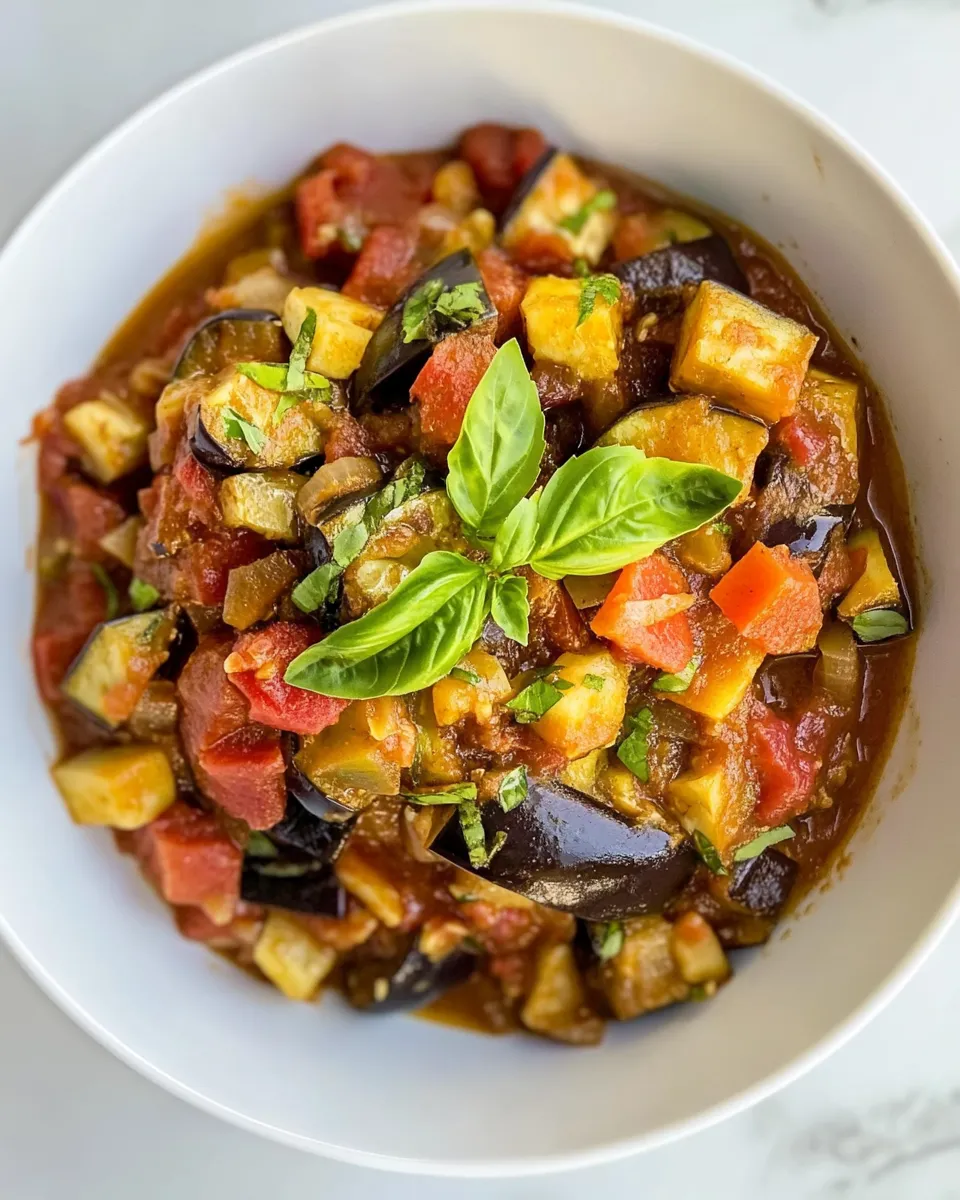
This eggplant stew is the kind of home cooking I turn to when I want something honest, comforting, and easy to make any night of the week. It’s roomy in flavor without being fussy: browned eggplant, summer squash, juicy cherry tomatoes, chickpeas for heft, and a bright finish of torn basil. The texture is stew-like but not heavy, so it sits happily alongside rice, couscous, crusty bread or on its own in a generous bowl.
I test recipes on busy weeknights and slow Sundays alike, and this one has become a repeat because it’s flexible, forgiving, and quick to reach the table. There are few moving parts and the method lets each vegetable sing. You get caramelized, resilient pieces of eggplant that finish back in the pot, tomatoes that loosen into a lightly sauced base, and chickpeas that turn this from a side dish into a meal.
What’s in the Bowl

At first glance it’s a simple mix of vegetables and pantry staples. But the technique — searing eggplant separately, sautéing aromatics, then simmering with broth and chickpeas — gives the stew depth without long braising. The flavor profile is Mediterranean-leaning: tomato-forward, herb-scented, a touch of paprika for roundness.
Expect layers of texture: browned eggplant that’s creamy inside, soft zucchini and yellow squash, poppable cherry tomatoes that release sweetness, and tender chickpeas that add chew. The result is satisfying and bright rather than greasy or cloying.
Ingredients
- 1/4 cup olive oil, divided — used for browning eggplant and sautéing the onion; keep a little back for the second stage.
- 4 cups eggplant, ½” dice (about 1 medium) — the main body of the stew; cubes brown and soften while holding their shape.
- 1/2 teaspoon kosher salt, plus more to taste — seasons the eggplant up front and the stew as needed; kosher salt is easier to control.
- 1/2 yellow onion, diced — builds savory background flavor in the pot.
- 1 zucchini, quartered and sliced thin — provides tender, mild flesh that balances the eggplant.
- 1 yellow squash, quartered and sliced thin — same role as zucchini; adds color and texture contrast.
- 16 ounces cherry tomatoes, cut in half — they burst and form a naturally sweet, slightly tangy sauce base.
- 15-ounce can garbanzo beans, drained and rinsed — brings protein and a creamy bite that stretches the stew into a main course.
- 3–5 cloves garlic, minced — aroma and depth; use more or less to match your taste.
- 2 teaspoons Italian seasoning (salt-free) — herb backbone; salt-free keeps seasoning flexible.
- 1/2 teaspoon paprika — adds warmth and color without heat.
- 1 1/2 cups low-sodium vegetable broth — loosens the stew, helps meld flavors; low-sodium lets you control salt.
- 2 tablespoons torn fresh basil for garnish (optional) — bright, fresh finish; optional but recommended.
Cooking (Eggplant Stew): The Process
- Prep: Confirm the vegetables are prepared as listed (eggplant diced ½”, onion diced, zucchini and yellow squash quartered and sliced thin, cherry tomatoes halved, chickpeas drained and rinsed, garlic minced). Measure out 1/4 cup olive oil (divided), 1/2 teaspoon kosher salt, Italian seasoning, paprika, and the vegetable broth.
- Heat oil for eggplant: Place a Dutch oven or heavy-bottomed pot over medium-high heat. Add most of the 1/4 cup olive oil to the pot and let it warm until shimmering.
- Pan-fry the eggplant: Add the diced eggplant and the 1/2 teaspoon kosher salt to the hot oil and stir immediately to coat. Cook, stirring occasionally, for about 5 to 6 minutes, until the eggplant is translucent and browned in spots. Remove the eggplant from the pot and set it aside on a plate.
- Sauté the onion: If the pot looks dry, add the remaining olive oil from the measured 1/4 cup. Add the diced onion and sauté for about 1 minute, scraping the bottom of the pot to loosen any browned bits.
- Add tomatoes and squash: Add the halved cherry tomatoes, sliced zucchini, and sliced yellow squash to the pot. Add a pinch of kosher salt (or more to taste). Stir and sauté the vegetables together for about 5 minutes, stirring occasionally, until they begin to soften.
- Add aromatics and spices: Stir in the minced garlic, 2 teaspoons Italian seasoning (salt-free), and 1/2 teaspoon paprika. Cook for 1 to 2 minutes, stirring, until the garlic is fragrant.
- Add chickpeas and broth: Pour in the drained chickpeas and 1 1/2 cups low-sodium vegetable broth. Bring the mixture to a boil over high heat, then reduce the heat to medium and simmer, uncovered, for 10 minutes, stirring occasionally. If the stew becomes too thick, thin it with additional vegetable broth or water to your desired consistency.
- Finish with eggplant: Reduce the heat to low and return the reserved eggplant to the pot. Stir well and cook just until the eggplant is warmed through and flavors meld, about 2 to 3 minutes. Taste and adjust salt as needed.
- Serve: Divide the stew among bowls and garnish with the torn fresh basil (optional). Serve warm.
- Storage: Leftovers can be refrigerated in an airtight container for up to 5 days.
Why (Eggplant Stew) is Worth Your Time
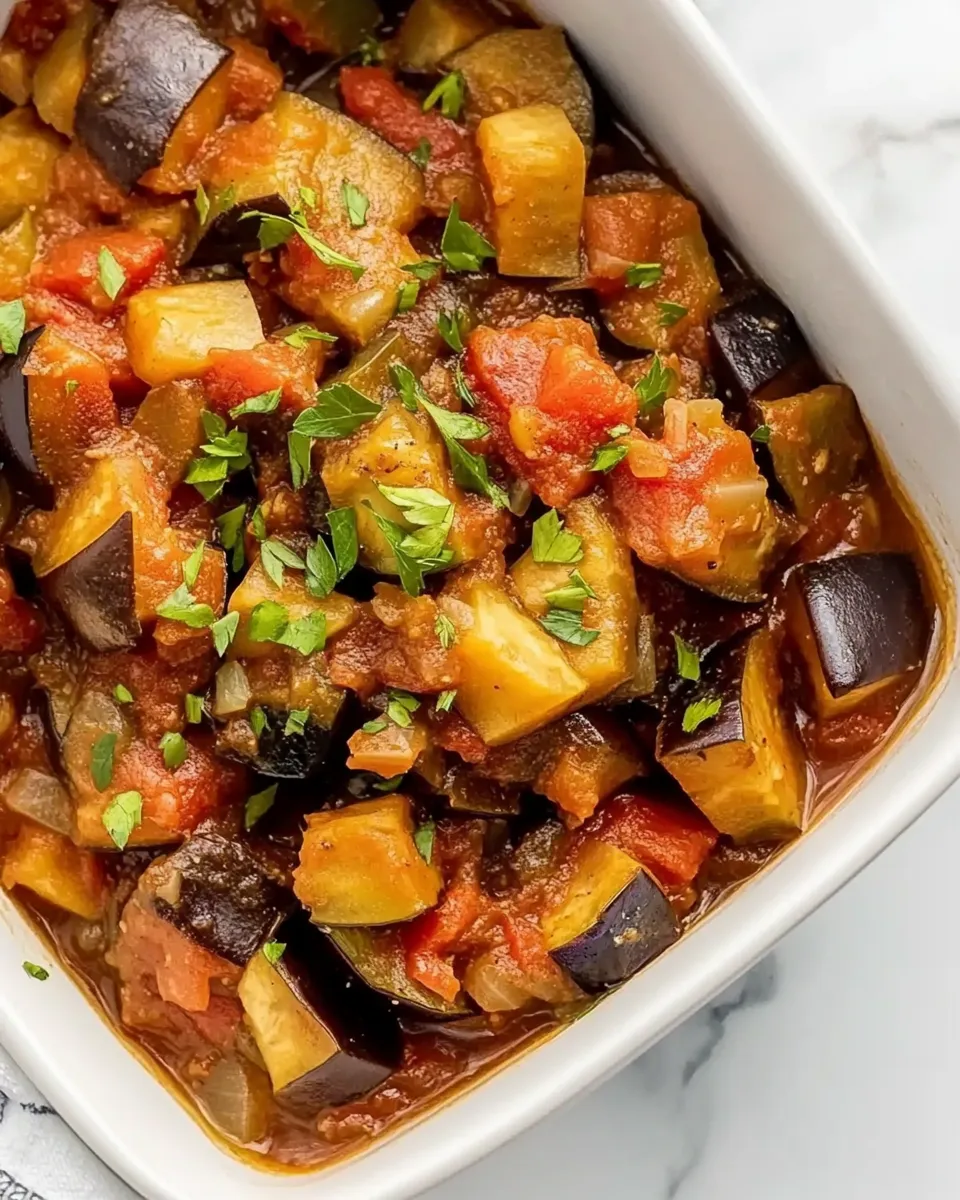
This is weekday cooking that behaves like weekend food. You put in a short stretch of attentiveness — browning eggplant and keeping the pot moving — and you get concentrated flavor without hours of simmering. The technique makes the most of inexpensive produce and pantry beans, so it’s economical as well as tasty.
It’s also forgiving. If the eggplant takes a little longer to brown, or if your zucchini gives up more water than expected, the stew adapts. The flavors continue to develop in the short simmer, and you can tweak salt and herbiness at the end with confidence.
International Equivalents
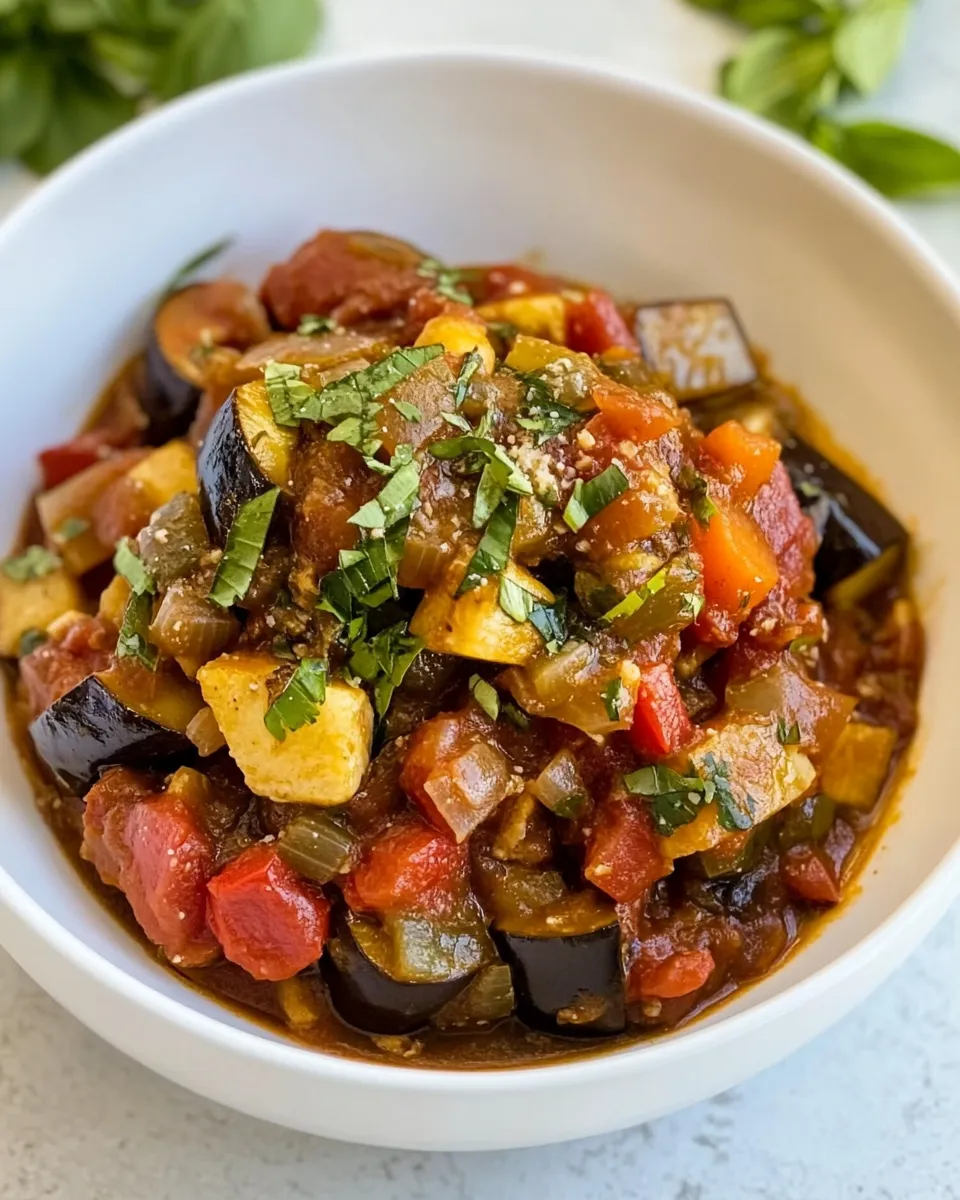
Vegetable-and-chickpea stews exist in many cuisines under different guises. This dish sits nearest to Mediterranean ratatouille variations and North African vegetable stews where eggplant, tomatoes, and legumes combine. You’ll find similar textures in Turkish imam bayildi (though sweeter and olive-oil-forward) and in Moroccan tagines where spices and broth are the star.
Swap small regional touches—smoked paprika for a Spanish hint, a pinch of cumin and cilantro for Moroccan notes—and you’ve shifted the stew’s identity while keeping the same simple technique.
Essential Tools for Success
- Heavy-bottomed pot or Dutch oven — distributes heat evenly and prevents sticking during the sauté and simmer.
- Sharp chef’s knife and cutting board — consistent dice and thin slices make cooking times uniform.
- Spoon or spatula for stirring — useful for scraping browned bits and for gentle stirring so vegetables keep their shape.
- Measuring spoons and cup — so you follow the salt and broth amounts exactly the first time.
- Colander — to drain and rinse the chickpeas quickly and efficiently.
Errors to Dodge
- Overcrowding the pan when browning eggplant — that prevents proper caramelization. Brown in a single layer if necessary or work in two batches.
- Skipping the step of seasoning the eggplant up front — salt at that stage helps draw out moisture and speeds browning.
- Cooking garlic at too high heat or too long — it will burn and taste bitter. Add garlic after the vegetables have softened and watch it for 1–2 minutes.
- Adding too much liquid too early — keep the simmer controlled so the tomatoes can break down and concentrate flavor before relying on the broth.
Dietary Customizations
This stew is naturally vegetarian and can be fully vegan. It’s also easily gluten-free as written. Here are a few simple swaps and additions depending on dietary needs or appetite:
- Make it heartier: Serve over quinoa, bulgur, or farro for extra fiber and a fuller bowl (note: bulgur contains gluten).
- Boost protein: Stir in cooked lentils or add a can of white beans in addition to chickpeas.
- Lower the oil: Reduce the olive oil slightly and use a nonstick pan, though some oil helps with browning and mouthfeel.
- For a nutty finish: Sprinkle with toasted pine nuts or chopped almonds if not avoiding nuts.
Chef’s Rationale
I brown the eggplant separately and return it at the end for texture control. Eggplant soaks up oil and can become mushy if tossed in too early; searing it first gives a caramelized surface that stands up to the simmer. Separating the onion stage lets me build flavor and loosen those browned bits that become seasoning.
The choice of cherry tomatoes is intentional: they break down quickly and sweeten the pot without needing canned tomatoes or long reductions. The chickpeas add substance without heavy dairy or meat, keeping the stew balanced and satiating.
Storing, Freezing & Reheating
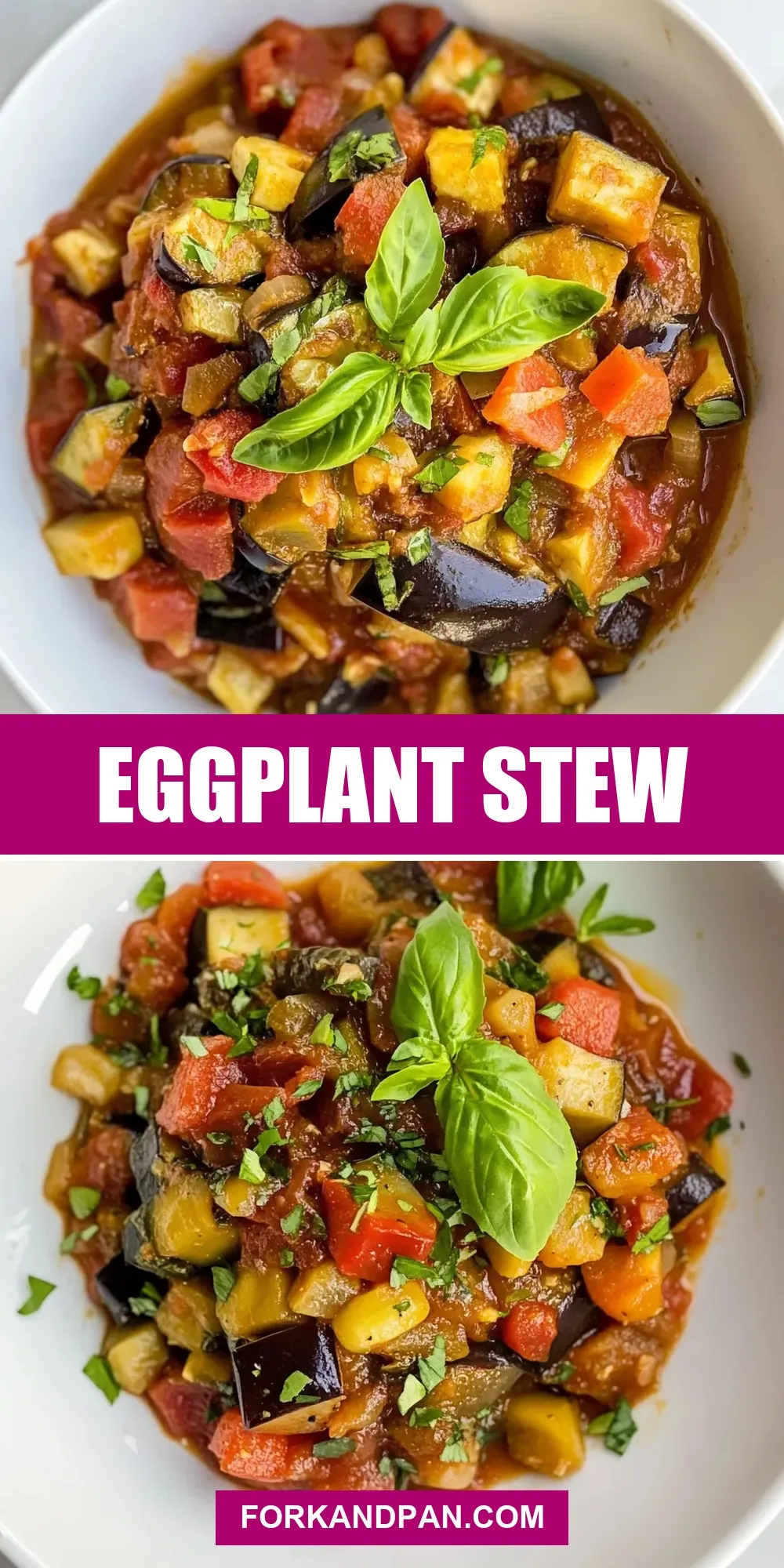
Store leftovers in an airtight container and refrigerate for up to 5 days. The flavors continue to meld in the fridge, and the texture actually benefits from resting for a day.
For longer storage, divide into meal-sized portions and freeze in airtight containers or heavy-duty freezer bags. Thaw overnight in the fridge before reheating. Reheat gently on the stove over low to medium heat, adding a splash of water or broth if the stew has thickened in the fridge. Microwave reheating also works; cover and stir halfway through for even warming.
Common Qs About (Eggplant Stew)
Can I skip salting the eggplant? You can, but a light salting speeds browning and reduces excessive bitterness in some eggplant varieties. The recipe uses only 1/2 teaspoon kosher salt to start; adjust at the end.
What if my stew is too thin or too thick? If it’s too thin, simmer uncovered a few extra minutes to reduce. If too thick, add broth or water a splash at a time until you reach the desired consistency.
Can I use canned eggplant or other preserved vegetables? Fresh eggplant gives the best texture. Canned or jarred eggplant tends to be softer and may break down into the stew more than intended.
How spicy is this? It’s not spicy; paprika here is for color and warmth. Add red pepper flakes or a pinch of cayenne if you want heat.
Bring It to the Table
Serve this stew hot, straight from the pot, garnished with torn basil if you have it. It’s lovely over a scoop of creamy polenta, spooned onto couscous, or with a hunk of crusty bread for mopping up juices. A simple green salad on the side and a lemon wedge to brighten the bowls are all you need.
Make a double batch and you’ll find this recipe becomes one of those reliable meals you reach for when the week is full. It’s modest to make and generous to eat — exactly what good, real food should be.

Eggplant Stew
Ingredients
Ingredients
- 1/4 cupolive oil divided
- 4 cupseggplant 1/2” diceabout 1 medium
- 1/2 teaspoonkosher saltplus more to taste
- 1/2 yellow oniondiced
- 1 zucchiniquartered and sliced thin
- 1 yellow squashquartered and sliced thin
- 16 ouncescherry tomatoes cut in half
- 15 ounce cangarbanzo beans drained and rinsed
- 3-5 clovesgarlic minced
- 2 teaspoonsItalian seasoningsalt-free
- 1/2 teaspoonpaprika
- 1 1/2 cupslow-sodium vegetable broth
- 2 tablespoonstorn fresh basilfor garnish optional
Instructions
Instructions
- Prep: Confirm the vegetables are prepared as listed (eggplant diced ½", onion diced, zucchini and yellow squash quartered and sliced thin, cherry tomatoes halved, chickpeas drained and rinsed, garlic minced). Measure out 1/4 cup olive oil (divided), 1/2 teaspoon kosher salt, Italian seasoning, paprika, and the vegetable broth.
- Heat oil for eggplant: Place a Dutch oven or heavy-bottomed pot over medium-high heat. Add most of the 1/4 cup olive oil to the pot and let it warm until shimmering.
- Pan-fry the eggplant: Add the diced eggplant and the 1/2 teaspoon kosher salt to the hot oil and stir immediately to coat. Cook, stirring occasionally, for about 5 to 6 minutes, until the eggplant is translucent and browned in spots. Remove the eggplant from the pot and set it aside on a plate.
- Sauté the onion: If the pot looks dry, add the remaining olive oil from the measured 1/4 cup. Add the diced onion and sauté for about 1 minute, scraping the bottom of the pot to loosen any browned bits.
- Add tomatoes and squash: Add the halved cherry tomatoes, sliced zucchini, and sliced yellow squash to the pot. Add a pinch of kosher salt (or more to taste). Stir and sauté the vegetables together for about 5 minutes, stirring occasionally, until they begin to soften.
- Add aromatics and spices: Stir in the minced garlic, 2 teaspoons Italian seasoning (salt-free), and 1/2 teaspoon paprika. Cook for 1 to 2 minutes, stirring, until the garlic is fragrant.
- Add chickpeas and broth: Pour in the drained chickpeas and 1 1/2 cups low-sodium vegetable broth. Bring the mixture to a boil over high heat, then reduce the heat to medium and simmer, uncovered, for 10 minutes, stirring occasionally. If the stew becomes too thick, thin it with additional vegetable broth or water to your desired consistency.
- Finish with eggplant: Reduce the heat to low and return the reserved eggplant to the pot. Stir well and cook just until the eggplant is warmed through and flavors meld, about 2 to 3 minutes. Taste and adjust salt as needed.
- Serve: Divide the stew among bowls and garnish with the torn fresh basil (optional). Serve warm.
- Storage: Leftovers can be refrigerated in an airtight container for up to 5 days.
Equipment
- Dutch oven or heavy-bottomed pot
- Plate
Notes
10. Storage: Leftovers can be refrigerated in an airtight container for up to 5 days.