Easy Marinara Sauce
I started making this marinara the week I realized jarred sauce was convenient but often flat. This version is straightforward, forgiving, and built to be cooked in a single pot — no fuss, no long ingredient lists. It’s the kind of sauce you can make on a weeknight and still feel proud of on the weekend.
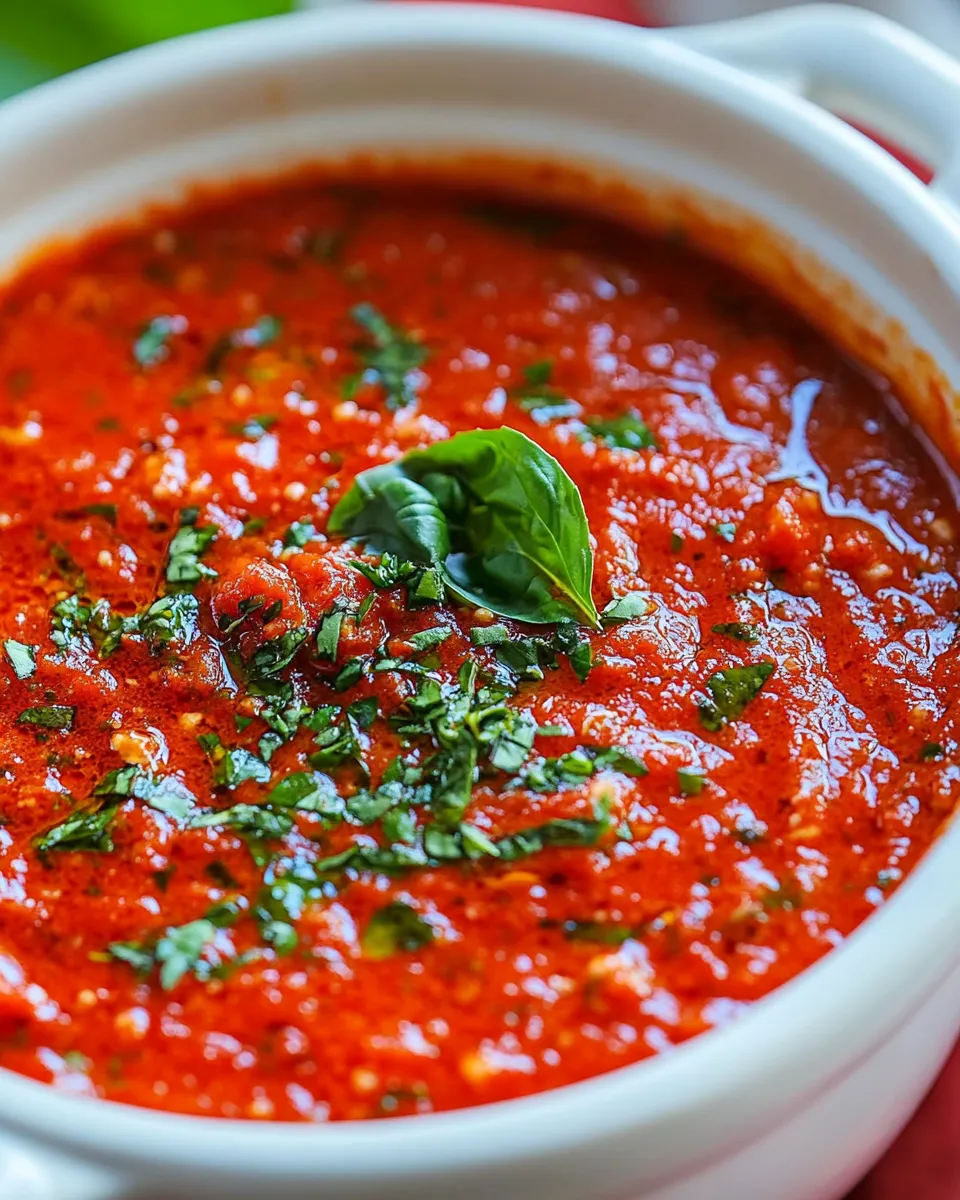
There are a few small moves that lift the flavor: sweat the aromatics slowly, toast a pinch of fennel for its perfume, and finish with fresh basil. The result: bright tomato sweetness, a gentle savory backbone, and a texture that works for pasta, polenta, or spooning over roasted vegetables.
I’ll walk you through what to buy, the exact steps to follow, and ways to tweak texture and health concerns without compromising flavor. Practical tips are included so you won’t second-guess any step while you’re at the stove.
Your Shopping Guide

Buy good canned tomatoes. The tomatoes are the star here, so the quality of the canned crushed tomatoes matters more than an expensive olive oil or the fanciest basil. Look for cans labeled “crushed tomatoes” with only tomatoes and perhaps salt listed. If you see “tomato puree” or heavy additives, pass and try another brand.
Pick a firm, medium-sized onion and a crisp carrot and celery stalk — they add sweetness and body. For garlic, five fresh cloves are used; avoid pre-minced jarred garlic if you want the brightest flavor. Basil is best fresh; a small bunch yields the 1/3 cup chopped called for in this sauce. Dried oregano is a pantry staple here — half a teaspoon gives warmth without dominating.
For seasonings, you need just basic salt and black pepper plus a tiny pinch of fennel seed and a whisper of crushed red pepper. The fennel is optional but I recommend it if you enjoy a subtle anise note that echoes classic Italian sausages. If you prefer no heat, you can skip the crushed red pepper altogether.
Ingredients
- 2 tablespoons olive oil — medium-heat fat for sweating the vegetables and carrying flavor.
- 1 onion, diced — provides sweet, savory base; dice evenly for even cooking.
- 1 carrot, diced — adds natural sweetness and body to the sauce.
- 1 celery stalk, diced — aromatic backbone; classic soffritto component.
- 5 cloves garlic, minced — fragrant lift; add toward the end of the sauté to avoid burning.
- Pinch of fennel seed — aromatic accent that brightens the tomato flavor.
- 1/8 teaspoon crushed red pepper — small heat element; adjust to taste or omit if sensitive to spice.
- 1 bay leaf — adds subtle depth; remove before serving.
- 2 (28 oz) cans crushed tomatoes — the sauce base; use quality cans without added fillers.
- 1/3 cup freshly chopped basil — stir in near the end for bright herbal flavor.
- 1/2 teaspoon dried oregano — background herbaceous note that complements basil.
- Salt and black pepper, to taste — seasoning; salt is essential to bring out tomato flavor.
- 1/2 teaspoon sugar, optional — balances acidity if your tomatoes are particularly bright; taste first.
Stepwise Method: Marinara Sauce
- Heat 2 tablespoons olive oil in a large pot over medium-high heat until the oil shimmers.
- Add the diced onion, diced carrot, and diced celery. Sauté, stirring occasionally, until the onion is translucent and the vegetables are tender, about 7 minutes.
- Add the minced garlic and cook, stirring, for 1 minute more, until fragrant.
- Add the pinch of fennel seed, 1/8 teaspoon crushed red pepper, and 1 bay leaf; stir to combine.
- Pour in the two (28 oz) cans of crushed tomatoes and stir to incorporate.
- Add 1/3 cup freshly chopped basil, 1/2 teaspoon dried oregano, salt and black pepper to taste, and 1/2 teaspoon sugar (optional). Stir well.
- Bring the sauce to a gentle simmer, then reduce the heat to low and simmer uncovered for about 30 minutes, stirring occasionally.
- Remove and discard the bay leaf. Taste the sauce and adjust salt and black pepper as needed.
Notes on timing: that 30-minute simmer is where everything comes together. You can simmer a bit longer for a slightly thicker, more melded flavor. If the sauce reduces too quickly, lower the heat and cover partially to maintain a gentle simmer.
Why It Deserves a Spot
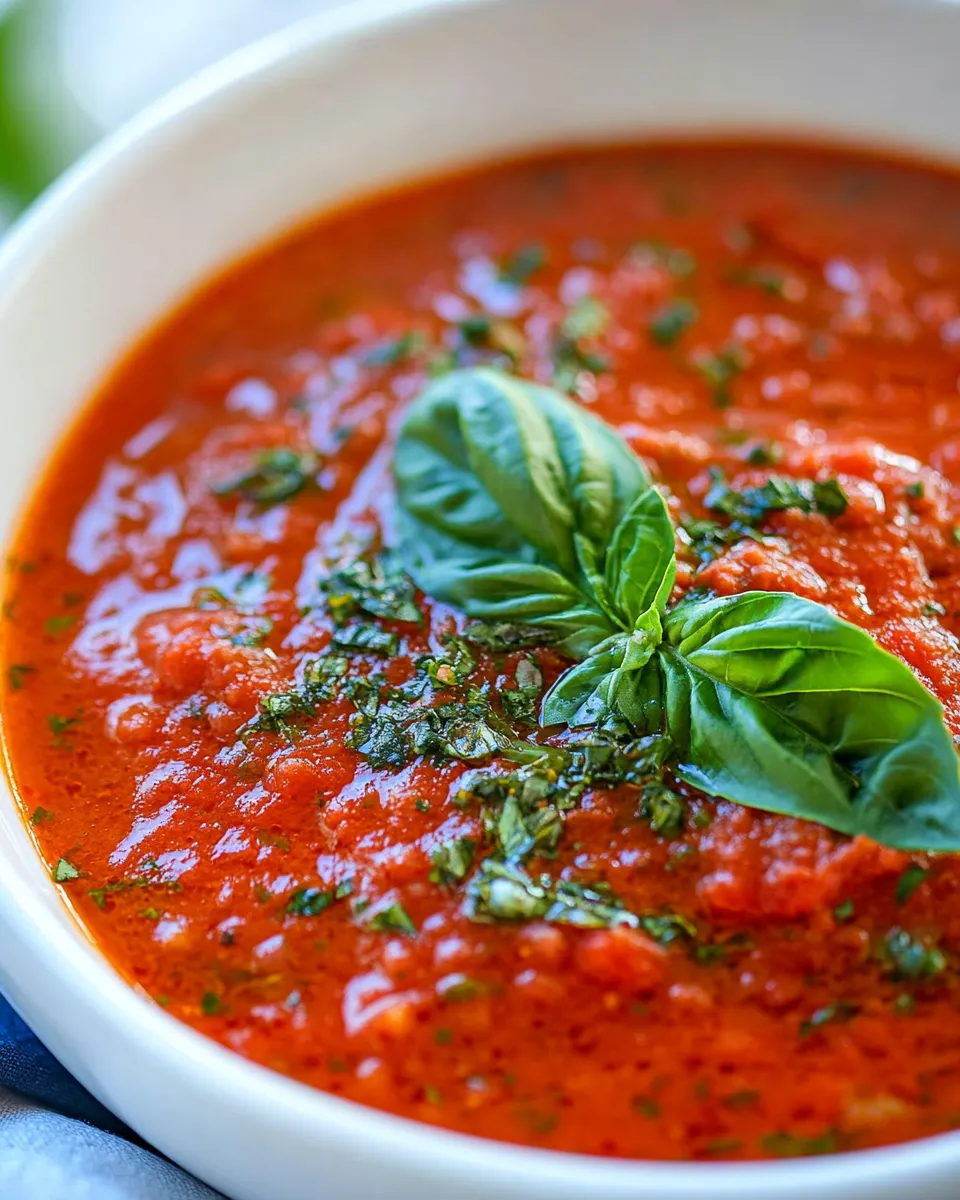
This marinara isn’t a complicated, time-consuming sauce that requires hours of attention. It hits the right balance: depth from the soffritto (onion, carrot, celery), brightness from basil, and a hint of complexity from fennel and oregano. It’s flexible — use it for pasta, as a dipping sauce, or as the foundation for meatballs or braises.
It also scales easily. Double the recipe for a dinner party or batch-cook and freeze into portions for quick dinners. Because the flavor profile is classic and restrained, it plays nicely with other ingredients rather than competing with them.
Finally, it’s forgiving. Missed a minute here or there? You’ll still get a good result. Salt and finishing basil are your friends: adjust at the end, and the sauce will reward you.
Texture-Safe Substitutions
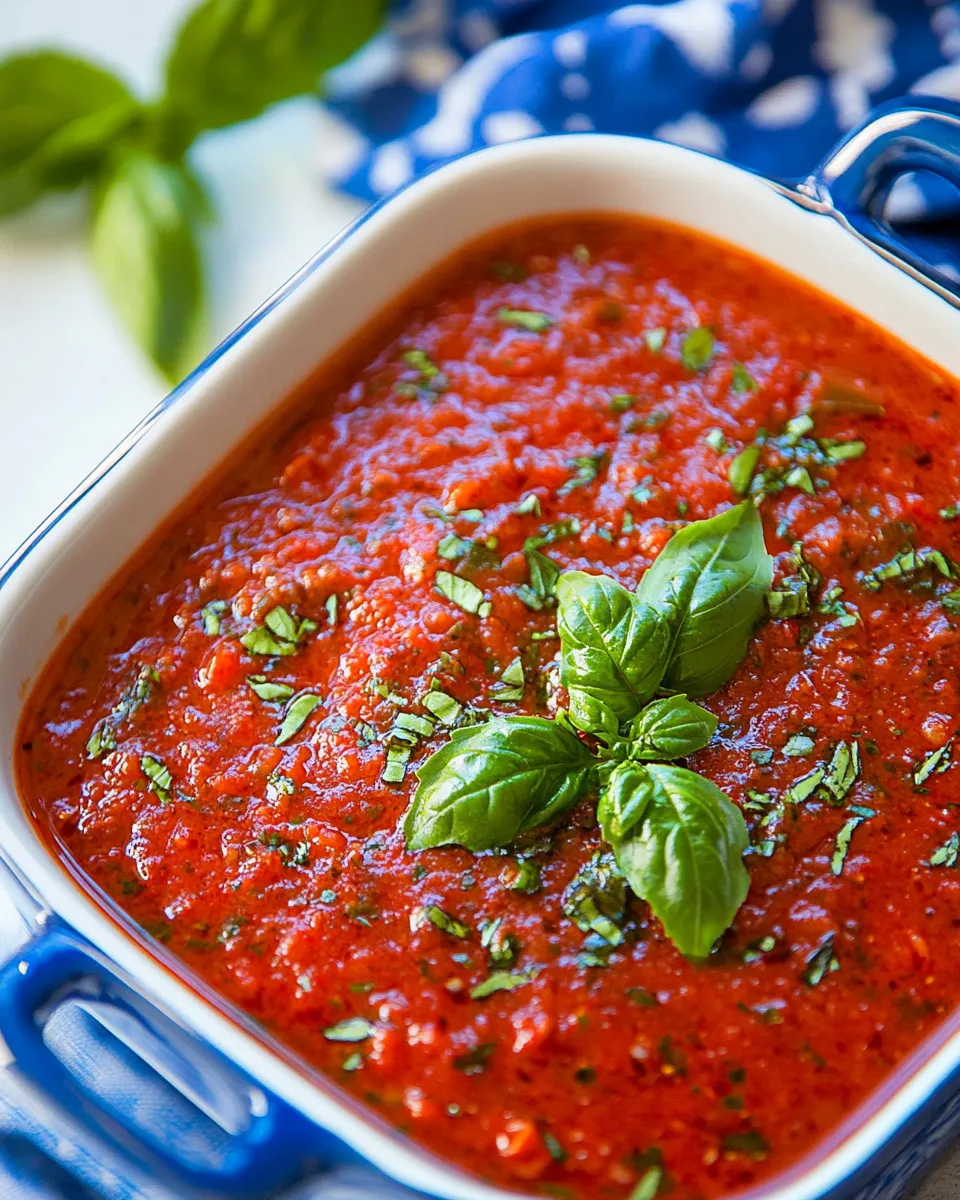
Want a smoother sauce? Use an immersion blender for a few seconds after simmering to break down the vegetables and tomatoes. For an ultra-silky finish, strain the sauce through a fine sieve, pressing with a spatula.
If you prefer chunkier texture, keep the vegetables diced on the larger side and simmer just until tender. You can also reserve a cup of crushed tomatoes, not blended, and stir them in at the end to introduce more defined tomato pieces.
If you like more vegetable presence without changing ingredients, grate the carrot rather than dicing it — it will melt into the sauce and add body without noticeable chunks.
Equipment Breakdown
Minimal, reliable tools make this easier:
- Large pot — wide-bottomed pots promote even cooking and evaporation for a good simmer.
- Wooden spoon or heat-safe spatula — for gentle stirring without damaging the pot.
- Chef’s knife and cutting board — steady, even dice makes the vegetables cook uniformly.
- Can opener — for the tomatoes.
- Measuring spoons and a 1/3-cup measure — for accurate herb and spice amounts.
- Optional: immersion blender — for smoothing the sauce quickly in the pot.
Small extras that help
- Timer — to remind you when the 7-minute sweat or 30-minute simmer is done.
- Small bowl for tasting — easier than tasting from the pot and keeps things tidy.
Avoid These Mistakes
- Don’t rush the sauté. If you toss in the tomatoes before the vegetables are softened, the sauce will lack depth.
- Don’t let the garlic burn. Add it after the vegetables have softened and cook only briefly until fragrant.
- Don’t over-salt early. Salt concentrates as the sauce reduces. Taste at the end and adjust.
- Avoid a rolling boil. Keep the simmer gentle; high heat evaporates too quickly and can dull the flavors.
- Don’t forget to remove the bay leaf. It gives great flavor while cooking but is unpleasant to bite into.
Health-Conscious Tweaks
Want to make this lighter? Reduce the oil to 1 tablespoon and increase the carrot slightly to maintain body. Skip the optional sugar — good quality canned tomatoes usually don’t need it. Use low-sodium canned tomatoes if you need to restrict salt, and adjust seasoning at the end.
For a lower-fat finish, allow any oil to settle and skim a bit from the top before serving. If you need to reduce sodium, omit added salt during cooking and season lightly at the table to control intake.
Author’s Commentary
I make this sauce roughly once a week during tomato season and once a month in winter with good canned tomatoes. It’s versatile: toss it with spaghetti for a fast weeknight dinner, spoon it over roasted eggplant for a light main, or use it as the base for a baked dish. I often double the recipe and freeze single portions in silicone molds — quick thaw, quick dinner.
One subtle trick I use is a light simmer with the lid slightly ajar. It concentrates flavor without drying the sauce completely. I also prefer adding most of the basil at the end for freshness, but I’ll throw in a small portion earlier if I want a background note of herb through the simmer.
Storage Pro Tips
Refrigerate: cooled sauce lasts 4–5 days in an airtight container. Reheat gently on the stove over low heat; a splash of water or a drizzle of olive oil will revive the texture if it’s thickened in the fridge.
Freeze: cool completely and freeze in airtight containers or freezer bags for up to 3 months. For easy weeknight portions, freeze in ice cube trays or muffin tins; once frozen, pop the portions into a labeled freezer bag.
Thaw: move to the fridge overnight or reheat frozen sauce directly in a saucepan over low heat, stirring often to prevent scorching.
Reader Questions
- Can I make this ahead? Yes. Make it up to 3 days ahead and reheat slowly. Flavor often improves after a day as the herbs meld.
- Can I skip the fennel seeds? Absolutely. The pinch of fennel is optional; the sauce will still be classic and delicious without it.
- Can I use fresh tomatoes? If you have ripe summer tomatoes, you can substitute, but I recommend peeling, seeding, and crushing them. Canned crushed tomatoes are more consistent and convenient off-season.
- How do I control spiciness? Reduce or omit the 1/8 teaspoon crushed red pepper. You can add a pinch at the end if you want to test for heat gradually.
- Is the sugar necessary? No. The 1/2 teaspoon sugar is optional and only suggested if your tomatoes taste overly acidic.
Hungry for More?
If you liked this sauce, try it as a base for meatballs, baked pasta, or as a spoonable sauce over roasted vegetables. It pairs well with garlic bread or a simple green salad. Save this recipe as a staple — once you get comfortable with these techniques, you’ll find it’s one of the most useful sauces to keep in your repertoire.
Thanks for cooking along. Come back and tell me how you used the sauce — I love hearing what readers add or change to make it their own.
Easy Marinara Sauce
Ingredients
Ingredients
- 2 tablespoonsolive oil
- 1 onion diced
- 1 carrot diced
- 1 celery stalk diced
- 5 clovesgarlic minced
- Pinchof fennel seed
- 1/8 teaspooncrushed red pepper
- 1 bay leaf
- 2 28 ozcans crushed tomatoes
- 1/3 cupfreshly chopped basil
- 1/2 teaspoondried oregano
- Salt and black pepper to taste
- 1/2 teaspoonsugar optional
Instructions
Instructions
- Heat 2 tablespoons olive oil in a large pot over medium-high heat until the oil shimmers.
- Add the diced onion, diced carrot, and diced celery. Sauté, stirring occasionally, until the onion is translucent and the vegetables are tender, about 7 minutes.
- Add the minced garlic and cook, stirring, for 1 minute more, until fragrant.
- Add the pinch of fennel seed, 1/8 teaspoon crushed red pepper, and 1 bay leaf; stir to combine.
- Pour in the two (28 oz) cans of crushed tomatoes and stir to incorporate.
- Add 1/3 cup freshly chopped basil, 1/2 teaspoon dried oregano, salt and black pepper to taste, and 1/2 teaspoon sugar (optional). Stir well.
- Bring the sauce to a gentle simmer, then reduce the heat to low and simmer uncovered for about 30 minutes, stirring occasionally.
- Remove and discard the bay leaf. Taste the sauce and adjust salt and black pepper as needed.
Equipment
- Large Pot
Notes
Makes about 4 cups marinara sauce
You can easily double this recipe. I like to make big batches of this sauce and freeze it. You can also can this sauce.