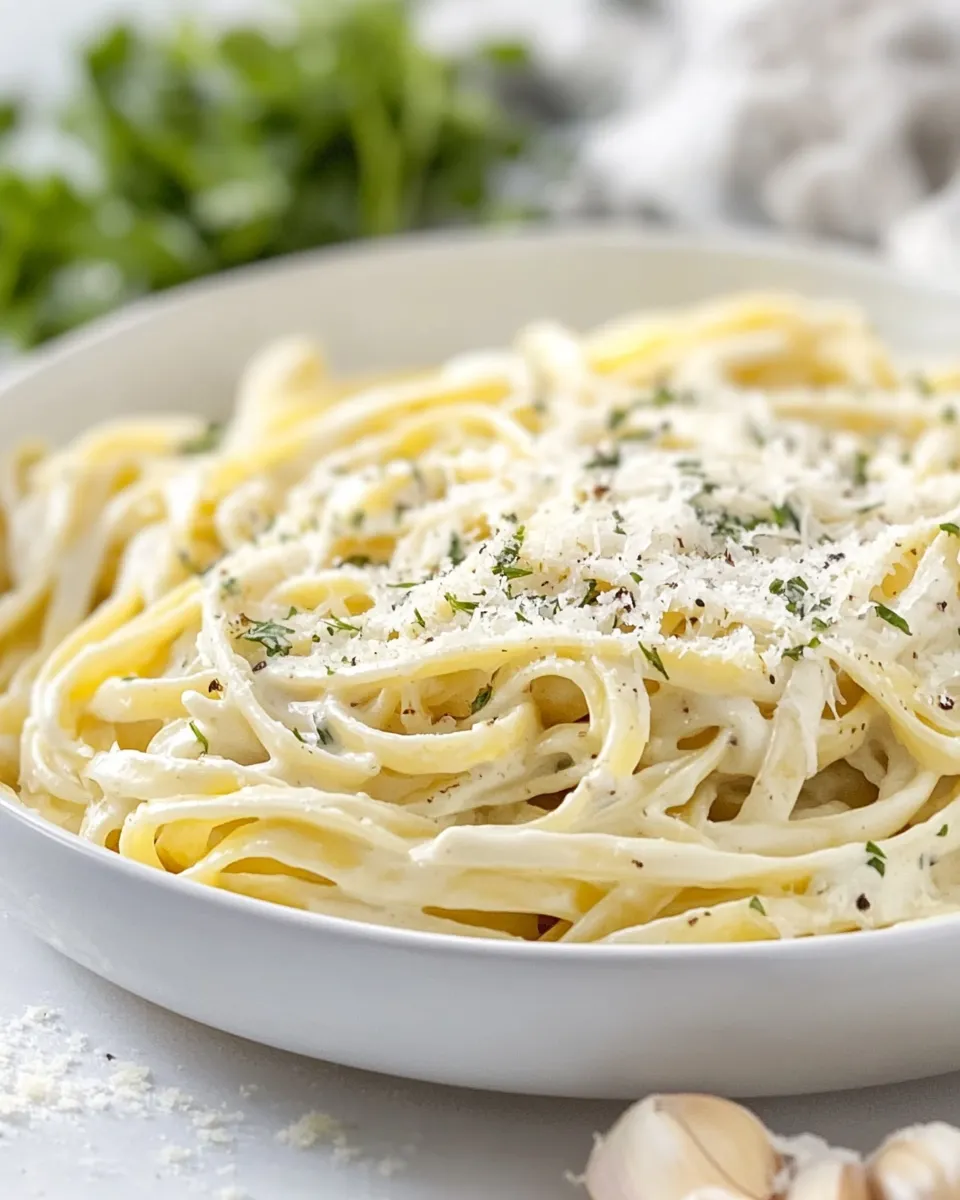
Easy Fettuccine Alfredo
This classic creamy pasta is comfort in a bowl. It’s rich, honest, and done with a handful of pantry staples. No complicated steps, just attention to heat and timing so the sauce finishes silky and the fettuccine stays pleasantly toothy.
I make this when I want something impressive but quick — a weeknight hero or an easy date-night dish. A little grated Parmesan, good butter, and slow-warmed cream are all you need for a restaurant-style sauce at home. Keep a lemon and parsley on hand to brighten the plate at the end.
Below you’ll find everything to shop for, the exact steps to follow, and practical fixes when the sauce misbehaves. I write recipes I would cook myself, with clear instructions and tiny tricks that make a big difference.
Ingredients

- 16 ounces dried fettuccine pasta — the base of the dish; choose a quality dried pasta and cook to al dente for best texture.
- 1 pint heavy cream — gives the sauce its rich, velvety body; keep the heat low so it doesn’t boil.
- ½ cup unsalted butter cubed and softened to room temperature — melts into the cream for silky richness; cubing helps it blend evenly.
- 5.3 ounces parmesan cheese I use the Sartori Sarvecchio Parmesan, finely grated, divided use — salty, nutty backbone of the sauce; use finely grated and reserve some for garnish.
- 1 ½ teaspoons pizza seasoning — a simple herby boost; adds depth without needing multiple dried herbs.
- salt and freshly cracked black pepper — season to taste after the cheese melts so you don’t over-salt.
- chopped fresh flat-leaf parsley and lemon wedges for garnish — parsley adds freshness, lemon brightens the richness when squeezed at the table.
What to Buy
Buy the best Parmesan you can find within your budget. A finely grated, robust Parm is what makes the sauce sing. If the ingredient note names a brand you like, pick that; otherwise, look for “Parmigiano-Reggiano” or a high-quality domestic equivalent.
For pasta, pick a sturdy dried fettuccine that holds its shape. Fresh pasta is lovely but cooks very quickly and absorbs sauce differently; dry pasta gives a reliably firm bite here. Get unsalted butter so you can control seasoning, and fresh lemons and flat-leaf parsley for finishing. Heavy cream should be fresh and full-fat — it’s the primary thickener and flavor carrier.
Fettuccine Alfredo, Made Easy
- Grate the 5.3 ounces Parmesan and set aside about 1/3 cup for garnish; keep the remaining grated cheese for the sauce.
- Bring a large pot of heavily salted water to a rolling boil and cook 16 ounces dried fettuccine according to the package instructions until al dente.
- Before you drain the pasta, reserve about 1/2 cup of the hot pasta cooking water, then drain the fettuccine.
- While the pasta cooks, pour 1 pint heavy cream into a deep sauté pan or Dutch oven and place over low–medium heat. Add 1/2 cup unsalted butter (cubed and softened) and whisk gently until the butter melts. Keep the heat low–medium so the cream does not boil.
- Let the cream mixture simmer for a few minutes, until it has slightly reduced and thickened.
- Remove the pan from direct high heat or reduce heat to low, then sprinkle in the remaining grated Parmesan (the portion not reserved) and whisk or stir until the cheese has melted and the sauce is smooth. Whisk in 1 1/2 teaspoons pizza seasoning.
- Taste the sauce and season with salt and freshly cracked black pepper as needed.
- Add the drained fettuccine to the sauce and toss to coat evenly. If the sauce is too thick, add a few tablespoons of the reserved pasta water at a time until you reach your desired consistency.
- Serve immediately, garnishing each portion with the reserved 1/3 cup Parmesan, chopped fresh flat-leaf parsley, and lemon wedges for squeezing over the pasta.
Why You’ll Love This Recipe

It delivers deep, comforting flavor with minimal fuss. The technique is forgiving: low, steady heat and the addition of pasta water let you control texture. The sauce is rich without being greasy when you keep the temperature moderate and finish with a squeeze of lemon to cut through the cream.
This recipe scales easily. Double it for a small dinner party. The steps stay the same — just use a larger pan and give the cream a little more time to reduce. It looks and tastes like a dish you’d get at an Italian trattoria, but it comes together in a fraction of the time.
Healthier Substitutions
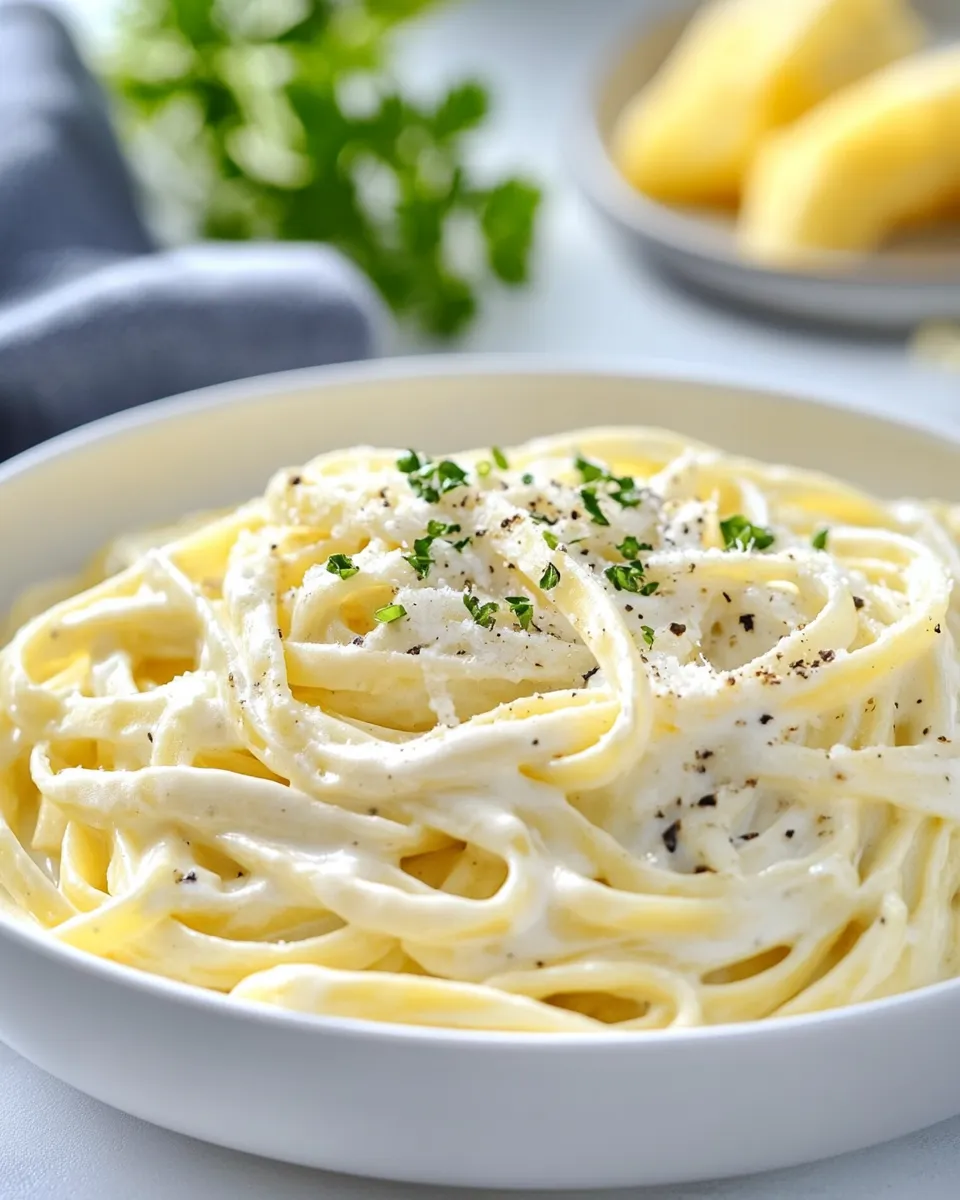
If you want to lighten this dish without losing all the creaminess, modest swaps help. Reduce the butter slightly and add a splash of milk or low-fat cream to stretch the richness. Use more pasta water and less cream to create a lighter emulsion that still coats the noodles. Grate less cheese into the sauce and reserve more for the top — the garnish provides a salty punch with less overall dairy in the finished sauce.
Another strategy is to serve smaller portions with a larger salad or roasted vegetables on the side. The contrast balances the indulgence while keeping the technique and flavor you love intact.
Appliances & Accessories
You’ll need a large pot for the pasta, and a deep sauté pan or Dutch oven for the sauce. A fine box grater or microplane for the Parmesan makes the sauce smoother. A pair of tongs helps toss the pasta and sauce together. Use a ladle or large measuring cup to reserve pasta water without losing heat.
No special gadgets are required — just good cookware and a steady stove. A heavy-bottomed pan distributes heat evenly and reduces the risk of scalding the cream.
Watch Outs & How to Fix
Boiling the cream: Keep the heat low–medium. If the cream comes to a rolling boil it can separate or reduce too quickly. If it starts to simmer too aggressively, pull the pan off the heat and let it calm before continuing.
Sauce too thin: Stir in a little more grated Parmesan off heat, or add a few teaspoons of reserved pasta water and let it marry. Cheese and starchy pasta water are your thickening allies. Add water a tablespoon at a time — it’s easier to thin than to thicken.
Sauce too thick: Add reserved pasta water a tablespoon at a time, tossing until you reach the texture you want. The starch in the water smooths the sauce without watering it down.
Sauce grainy or separated: This happens when cheese overheats or is added to boiling cream. Remove the pan from direct heat, whisk gently, and add a splash of cool pasta water to bring the sauce back together. If necessary, lower the heat and whisk until smooth.
Pasta overcooked: If it’s slightly overdone, shock it briefly under cold water to stop cooking, then rewarm gently in the sauce for a minute or two until it absorbs flavor. If it’s mushy, serve smaller portions and pair with a crisp side to add texture contrast.
Tailor It to Your Diet
Vegetarian: This recipe is already vegetarian-friendly as written. For a heartier vegetarian meal, stir in roasted mushrooms or sautéed spinach at the end.
Gluten-free: Use a reliable gluten-free fettuccine and follow the same cook-to-al dente approach. Gluten-free pasta absorbs sauce differently; reserve a little extra pasta water in case you need to loosen the sauce.
Dairy-free/Vegan: To keep the spirit of the dish while avoiding dairy, try a restaurant-style vegan cream base (made from blended cashews or a high-quality plant-based cream) and a salty nutritional yeast-based topping. The technique — gentle heat, reserve starchy water, finish with acid — still applies, even though the ingredients change.
Little Things that Matter
Reserve pasta water. I mention it every time because it really is the secret for silky sauce. The starch helps the cream cling to pasta and smooths texture without diluting flavor.
Cube the butter. Little pieces melt evenly and emulsify into the cream. Toss the fettuccine into the sauce off heat when possible — too much active heat while tossing can cause the cheese to seize.
Warm bowls. Cold plates pull the sauce into a clump. Warm your serving bowls with hot tap water or by placing them in a warm oven for a few minutes before plating.
Best Ways to Store
Refrigerate leftovers in an airtight container for up to 2 days. The sauce will thicken in the fridge. When reheating, loosen the pasta with a splash of cream, milk, or reserved (fresh) pasta water in a skillet over low heat, tossing gently until warmed through and glossy again.
I don’t recommend freezing the fully sauced dish; cream-based sauces can change texture when frozen. If you must freeze, freeze the pasta and sauce separately, and expect a textural shift on thaw and reheat.
Frequently Asked Questions
Can I use fresh pasta instead of dried?
Yes. Fresh pasta cooks much faster, so watch it closely. Reduce the boiling time to the package’s recommendation and use gentle handling when you add it to the sauce because it will be more delicate.
Can I make the sauce ahead?
You can prepare the sauce and cool it, but rewarming requires gentle heat and a splash of liquid to return to the perfect consistency. It’s best when made and served immediately, but quick reheats work with a little care.
Why do I reserve pasta water?
The starchy water acts as a natural emulsifier. It thins the sauce while helping it stick to the noodles, resulting in a glossy, cohesive finish rather than a separated puddle of cream.
Is pre-grated Parmesan okay?
Pre-grated cheese often contains anti-caking agents that can affect melting and texture. For the creamiest sauce, finely grate from a wedge right before you start — it melts more smoothly.
The Takeaway
This Fettuccine Alfredo is reliable, fast, and undeniably comforting. Follow the simple rules — keep the heat controlled, reserve pasta water, and finish with bright accents — and you’ll have a silky, flavorful sauce every time. It’s one of those recipes that feels special without requiring a lot of effort. Make it when you want something satisfying, and don’t be shy with the parsley and lemon at the end. They turn a rich plate into a balanced one.

Easy Fettuccine Alfredo
Ingredients
Ingredients
- 16 ouncesdried fettuccine pasta
- 1 pintheavy cream
- 1/2 cupunsalted buttercubed and softened to room temperature
- 5.3 ouncesparmesan cheeseI use the Sartori Sarvecchio Parmesan finely grated, divided use
- 1 1/2 teaspoonspizza seasoning
- salt and freshly cracked black pepper
- chopped fresh flat-leaf parsley and lemon wedgesfor garnish
Instructions
Instructions
- Grate the 5.3 ounces Parmesan and set aside about 1/3 cup for garnish; keep the remaining grated cheese for the sauce.
- Bring a large pot of heavily salted water to a rolling boil and cook 16 ounces dried fettuccine according to the package instructions until al dente.
- Before you drain the pasta, reserve about 1/2 cup of the hot pasta cooking water, then drain the fettuccine.
- While the pasta cooks, pour 1 pint heavy cream into a deep sauté pan or Dutch oven and place over low–medium heat. Add 1/2 cup unsalted butter (cubed and softened) and whisk gently until the butter melts. Keep the heat low–medium so the cream does not boil.
- Let the cream mixture simmer for a few minutes, until it has slightly reduced and thickened.
- Remove the pan from direct high heat or reduce heat to low, then sprinkle in the remaining grated Parmesan (the portion not reserved) and whisk or stir until the cheese has melted and the sauce is smooth. Whisk in 1 1/2 teaspoons pizza seasoning.
- Taste the sauce and season with salt and freshly cracked black pepper as needed.
- Add the drained fettuccine to the sauce and toss to coat evenly. If the sauce is too thick, add a few tablespoons of the reserved pasta water at a time until you reach your desired consistency.
- Serve immediately, garnishing each portion with the reserved 1/3 cup Parmesan, chopped fresh flat-leaf parsley, and lemon wedges for squeezing over the pasta.
Equipment
- Large Pot
- deep sauté pan or Dutch oven
- Whisk
- Colander