Easy Cottage Cheese Cheesecake Recipe (keto, low carb)
This cheesecake is one of my favorite weeknight projects: straightforward, reliably creamy, and low in carbs. It uses cottage cheese as the main dairy component, which keeps the texture light while still delivering that satisfying cheesecake feel. If you’re eating keto or just cutting carbs, this version is a keeper—no heavy mascarpone or crushed cookies required.
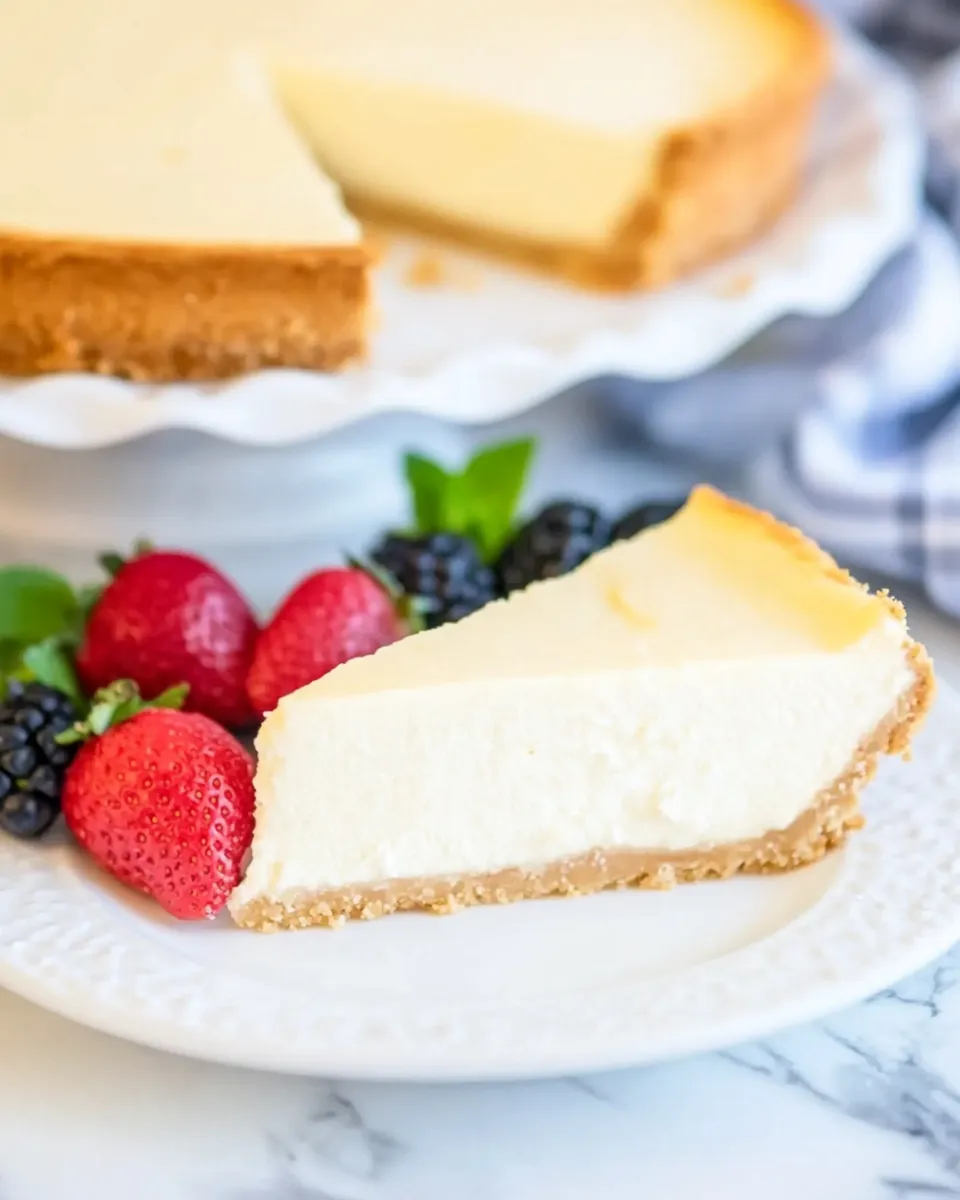
I love that it comes together with simple pantry ingredients and a food processor or blender. The almond flour crust browns quickly and the filling blends smooth with just a few pulses. The result is a dense, slightly tangy cheesecake with a clean finish that pairs wonderfully with a thin smear of fruit or a dollop of whipped cream.
Below I walk you through the exact ingredients and the baking steps, plus troubleshooting, storage tips, and ways to serve it so you get the best possible slice every time.
What You’ll Need

A few basic tools and the ingredients below are all you need. Read through the steps before you begin so everything is at hand—this helps the baking go smoothly and keeps the filling lump-free.
Ingredients
- 1 ½ cups Almond flour — forms the low-carb crust; presses and bakes like a graham base.
- 2 Tablespoons Swerve brown sugar substitute — adds a touch of caramelized sweetness to the crust without the carbs.
- 5 Tablespoons Melted butter — binds and browns the crust; use unsalted if preferred.
- 16 ounce Cottage cheese small curd, full fat — the main body of the filling; full fat gives the creamiest texture.
- ½ cup Greek yogurt plain — adds tang and creaminess; thick yogurt helps the set.
- ½ cup Swerve confectioners sugar substitute — sweetens the filling and blends smoothly when powdered.
- 2 teaspoons Vanilla extract — rounds and balances the dairy flavors.
- 2 eggs Large — provide structure and help the cheesecake set when chilled.
Cooking (Cottage Cheese Cheesecake): The Process
- Preheat the oven to 350°F (180°C).
- In a mixing bowl, combine the crust ingredients (almond flour, Swerve brown sugar substitute, and melted butter) until evenly moistened and crumbly.
- Press the crust mixture firmly and evenly into the bottom of an 8-inch springform pan (press slightly up the sides if you like). Place the pan on a baking sheet and bake the crust for 8 minutes. Remove from the oven and set aside while you prepare the filling.
- In a blender or food processor, add the cottage cheese (small curd, full fat), Greek yogurt, Swerve confectioners sugar substitute, eggs, and vanilla extract. Pulse and then blend until the mixture is smooth and creamy, stopping to scrape down the sides as needed so there are no visible curds.
- Pour the blended filling evenly over the pre-baked crust in the springform pan.
- Bake the cheesecake at 350°F (180°C) for 45–55 minutes, until the edges are lightly browned and set and the center is still just very slightly jiggly when you gently shake the pan.
- Remove the cheesecake from the oven and let it cool to room temperature on a wire rack or heat-safe surface. Once cooled to room temperature, carefully remove the ring from the springform pan.
- Chill the cheesecake in the refrigerator for at least 4 hours (chilling will finish the set and make slicing easier).
- Serve chilled. Optional: top with whipped cream, fresh fruit, or a fruit glaze if desired.
Why You’ll Keep Making It
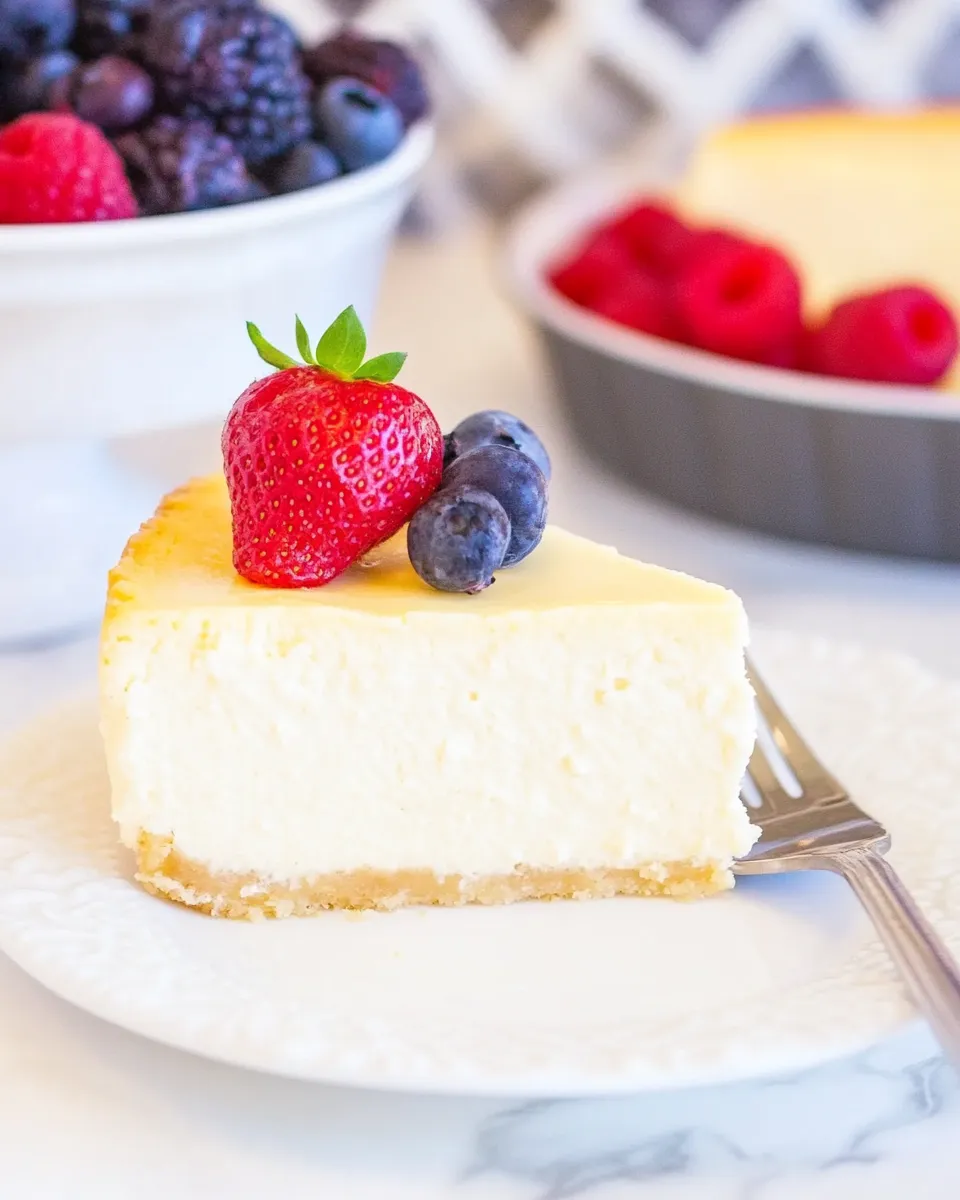
This one hits the sweet spot between simple and impressive. The ingredients are pantry-friendly, the crust bakes fast, and the blended filling skips the traditional step of beating cream cheese for ages. For keto and low-carb eaters it replaces the usual sugar-packed base with almond flour and erythritol-based sweetener so you can have dessert without derailing macros.
The cottage cheese base keeps the texture lighter than a classic New York-style cheesecake but still rich enough to satisfy a craving. It’s forgiving for new bakers: the filling is blended smooth in a processor, and a short chill finishes the set instead of relying solely on long oven times. Once you learn the timing, it becomes a reliable dessert to prep ahead for guests or to slice for the week.
International Equivalents
Ingredient names and product availability vary by country. If you can’t find the branded sweetener or exact dairy, here are equivalents and notes:
- Almond flour — often sold as ground almonds in some countries; look for finely ground/superfine for the best crust texture.
- Swerve brown sugar substitute / Swerve confectioners sugar substitute — these are erythritol-based sweeteners. In other markets look for powdered erythritol or a 1:1 brown erythritol blend labeled for baking.
- Cottage cheese (small curd, full fat) — if small curd is not available, use regular full-fat cottage cheese but expect a tiny difference in mouthfeel; blending should smooth it out.
- Greek yogurt plain — strained yogurt or thick natural yogurt works; some countries sell full-fat strained yogurt that is a perfect swap.
- Oven temperature — 350°F equals roughly 180°C (already shown in the recipe); keep that as your guide.
Prep & Cook Tools
- 8-inch springform pan — preferred for easy release and neat slicing.
- Food processor or blender — essential for smoothing the cottage cheese into a creamy filling.
- Mixing bowl — for combining crust ingredients.
- Baking sheet — to catch any spills from the springform and ease handling in/out of the oven.
- Wire rack — for cooling the cheesecake to room temperature before chilling.
- Measuring cups and spoons — accuracy helps the set and texture.
- Rubber spatula — for scraping the blender and smoothing the filling.
Missteps & Fixes
Here are the most common problems and how to fix them quickly:
Grainy or curdy filling
If you still see curds after blending, pulse more and scrape down the sides. A higher-powered blender smooths faster. Stop and blend again until fully homogeneous—no visible curds should remain.
Cracking on top
Cracks come from overbaking or sudden temperature changes. Remove the cheesecake when the center is still very slightly jiggly; it will set during chilling. Let it cool gradually to room temperature on a rack before refrigerating.
Soggy crust
A soggy crust usually means the crust was too thin or underbaked. Press it firmly into the pan and bake the 8 minutes called for; pressing slightly up the sides helps protect the edges of the filling.
Too soft center after chilling
Leave it longer in the refrigerator. The recipe calls for at least 4 hours; overnight chilling gives the best firm set for clean slices.
How to Make It Lighter
“Lighter” can mean fewer calories or a lighter mouthfeel. A few practical options:
- Use low-fat or reduced-fat Greek yogurt — it trims calories while keeping tang. Note this can change the final texture slightly, making it less dense.
- Cut the butter in the crust by 1 tablespoon and add a tablespoon of neutral oil if you want a slightly less rich crust without losing structure.
- Top with a few macerated berries instead of whipped cream to reduce extra calories while adding fresh flavor.
Chef’s Notes
- Bring eggs and dairy to room temperature before blending. Warm ingredients incorporate more smoothly and reduce the likelihood of a grainy texture.
- Scrape the blender or food processor several times while blending. Cottage cheese traps in pockets; scraping ensures everything gets processed evenly.
- Don’t overbake. Pull the cheesecake when the outer edge is set and the center is just a touch jiggly. It will continue to firm as it cools and chills.
- Chill fully. The chilling step is essential for clean slices and best texture—plan for at least 4 hours, preferably overnight.
How to Store & Reheat
Storage is simple and important for texture and safety:
- Refrigerator: Store covered with plastic wrap or in an airtight container for up to 4–5 days. Slicing is easiest after it has chilled fully.
- Freezer: For longer storage, wrap the chilled cheesecake tightly in plastic and then foil, or freeze slices individually on a tray then bag them. Freeze up to 1–2 months. Thaw overnight in the fridge before serving.
- Reheat: Cheesecake is best served chilled. If you prefer it slightly less cold, let it sit at room temperature for 10–20 minutes rather than microwaving, which will change texture.
Common Questions
Can I use large-curd cottage cheese?
Yes, but blend it thoroughly so no curds remain. Small curd gives the silkiest texture but processing will smooth large curd as well.
Can I replace almond flour with regular flour or graham crumbs?
Not if you want to keep it low carb. For a non-keto version, graham cracker crumbs with sugar and butter would work, but that changes the carb content.
Do I need a water bath?
This recipe doesn’t require a water bath because the crust and the blended filling are less prone to cracking. If your oven runs hot or you’ve had crack issues before, you can bake the pan on a shallow tray with hot water, but it’s not necessary.
Why is chilling necessary?
Chilling finishes the set and firms the cheesecake. The baking time gets it mostly there, but refrigeration ensures clean slices and the ideal texture.
Serve & Enjoy
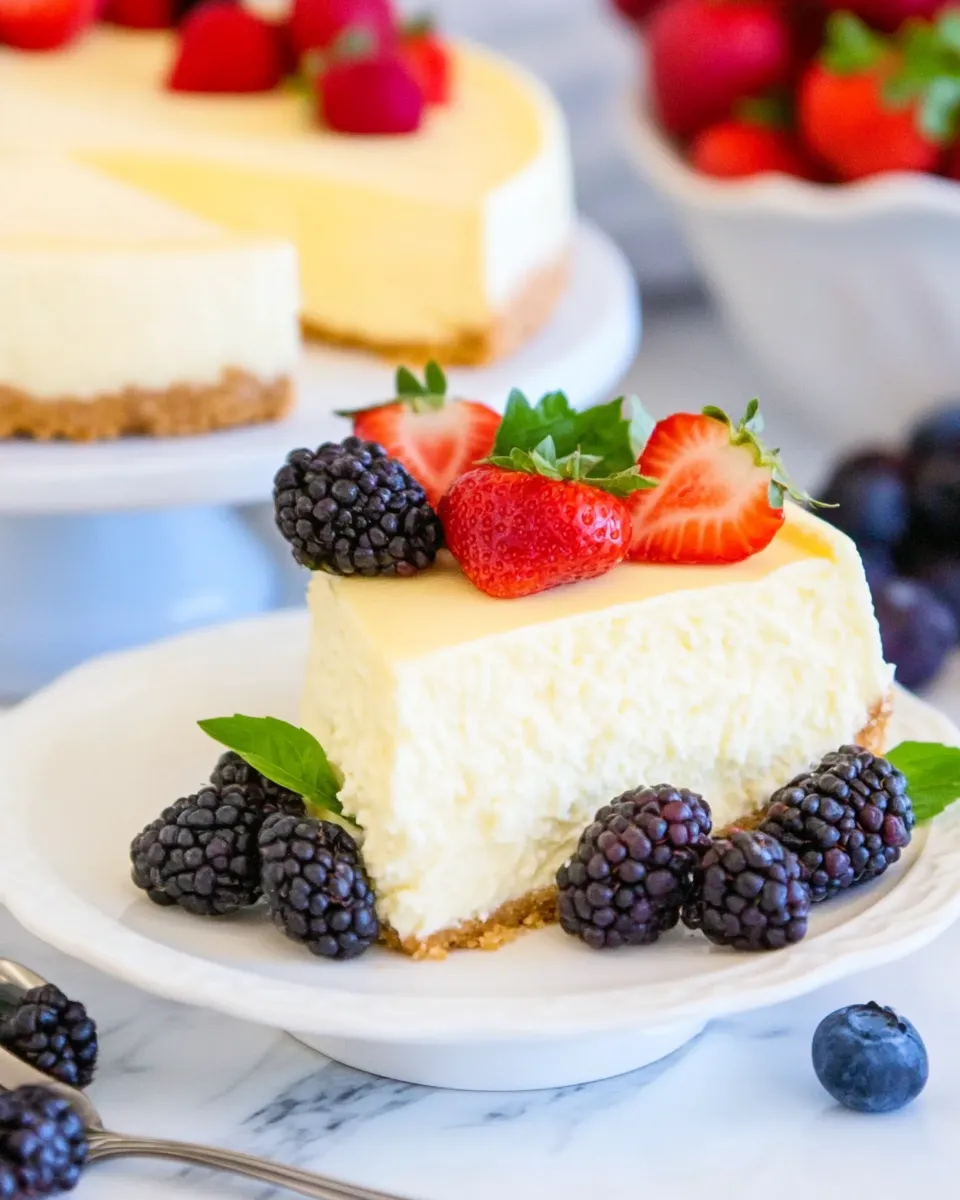
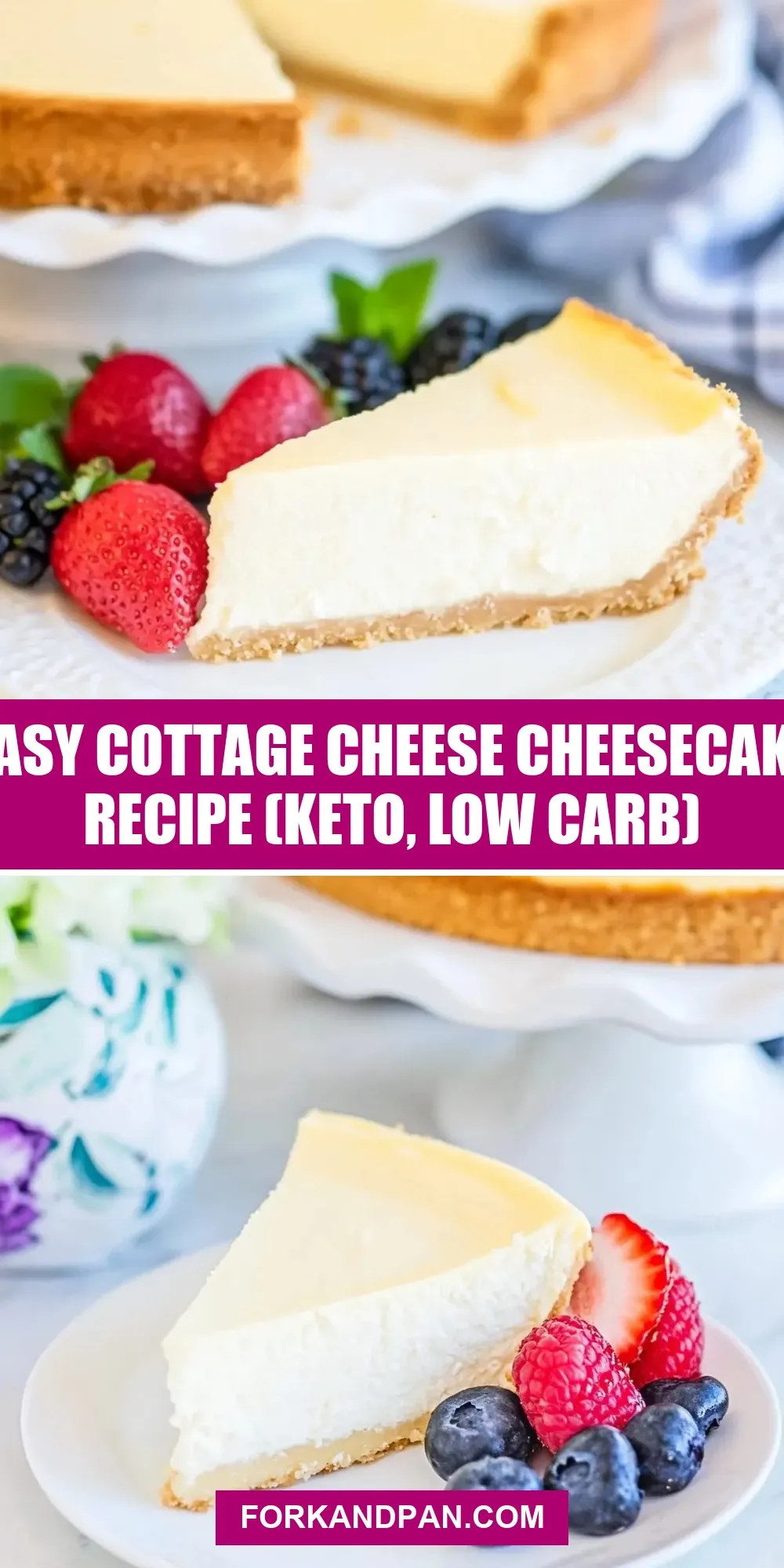
Serve chilled, plain or with a light topping. A spoonful of whipped cream, a few fresh berries, or a very thin fruit glaze keeps this dessert low in carbs while adding freshness. Slice with a warm, clean knife for the neatest pieces—wipe the blade between cuts.
This Cottage Cheese Cheesecake has become a reliable favorite for me: adaptable, quick to prepare, and satisfying for anyone watching carbs. Make it ahead for gatherings or slice into portions to keep in the fridge for a grab-and-go treat. Enjoy a slice with coffee, tea, or a quiet moment after dinner.
Easy Cottage Cheese Cheesecake Recipe (keto, low carb)
Ingredients
Ingredients
- 1 1/2 cupsAlmond flour
- 2 TablespoonsSwerve brown sugar substitute
- 5 TablespoonsMelted butter
- 16 ounceCottage cheesesmall curd full fat
- 1/2 cupGreek yogurtplain
- 1/2 cupSwerve confectioners sugar substitute
- 2 teaspoonsVanilla extract
- 2 eggsLarge
Instructions
Instructions
- Preheat the oven to 350°F (180°C).
- In a mixing bowl, combine the crust ingredients (almond flour, Swerve brown sugar substitute, and melted butter) until evenly moistened and crumbly.
- Press the crust mixture firmly and evenly into the bottom of an 8-inch springform pan (press slightly up the sides if you like). Place the pan on a baking sheet and bake the crust for 8 minutes. Remove from the oven and set aside while you prepare the filling.
- In a blender or food processor, add the cottage cheese (small curd, full fat), Greek yogurt, Swerve confectioners sugar substitute, eggs, and vanilla extract. Pulse and then blend until the mixture is smooth and creamy, stopping to scrape down the sides as needed so there are no visible curds.
- Pour the blended filling evenly over the pre-baked crust in the springform pan.
- Bake the cheesecake at 350°F (180°C) for 45–55 minutes, until the edges are lightly browned and set and the center is still just very slightly jiggly when you gently shake the pan.
- Remove the cheesecake from the oven and let it cool to room temperature on a wire rack or heat-safe surface. Once cooled to room temperature, carefully remove the ring from the springform pan.
- Chill the cheesecake in the refrigerator for at least 4 hours (chilling will finish the set and make slicing easier).
- Serve chilled. Optional: top with whipped cream, fresh fruit, or a fruit glaze if desired.
Equipment
- 8-inch springform pan
- Parchment Paper
- Food processoror blender
Notes
For an ultra-smooth cheesecake filling, make sure all your ingredients are at room temperature before mixing. This helps everything blend together seamlessly without lumps.
Be sure to use confectioner’s sugar-free version of sweetener to avoid a gritty texture.
Avoid over mixing the batter, as incorporating too much air can cause cracks during baking.
To prevent the cheesecake from sticking to the pan, lightly grease the sides and use parchment paper for easier removal.