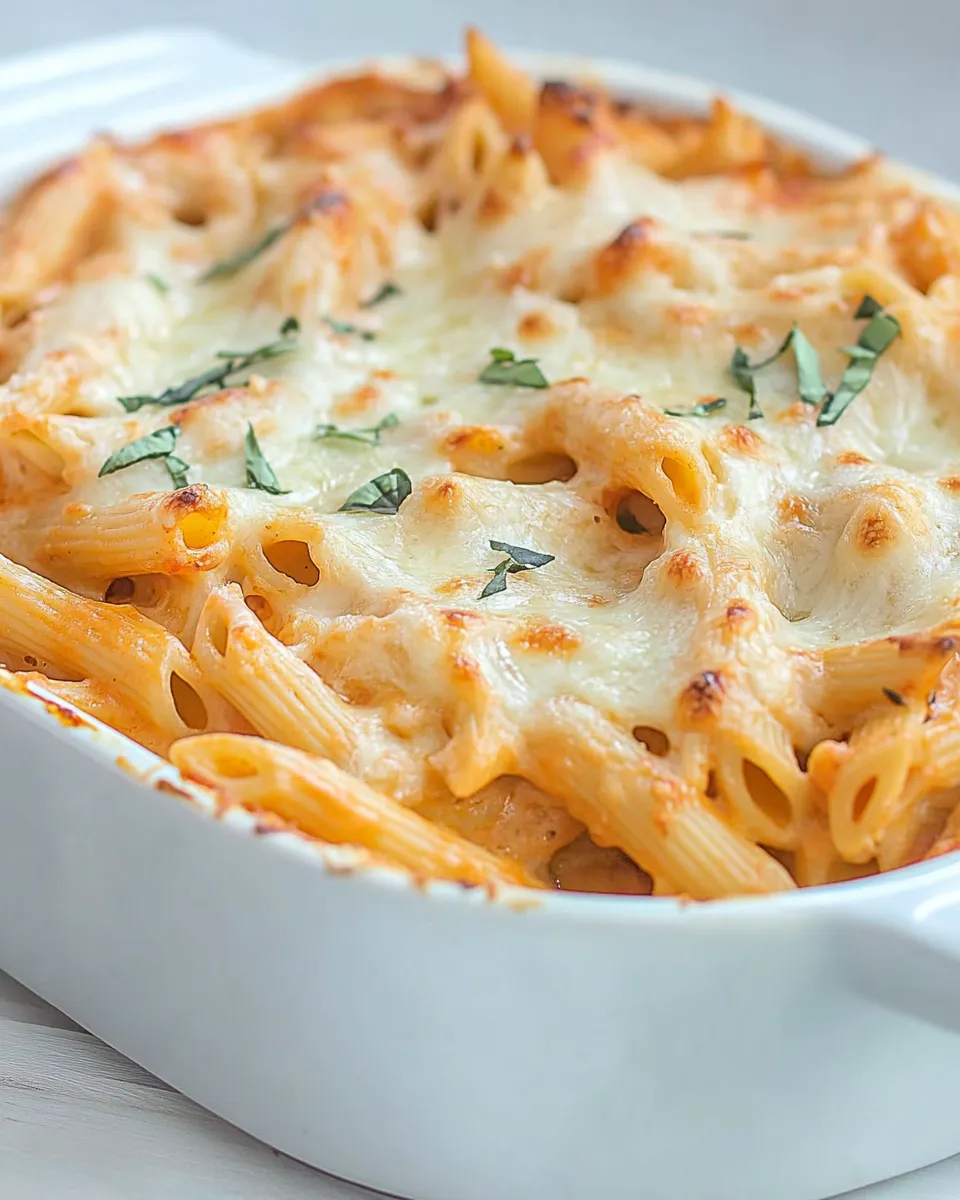
Easy Baked Penne Pasta
Comfort food that doesn’t demand hours in the kitchen is my favorite kind of weeknight win. This baked penne comes together with pantry-friendly ingredients, a quick stovetop boil, and a short stint in the oven for melty reassurance. It feeds a crowd, packs well for lunches, and plays nicely with whatever vegetables or proteins you have on hand.
The texture is the point: tender-but-firm penne holds onto a creamy, garlicky sauce studded with cottage cheese and sour cream, and the top bakes into a bubbling, golden layer of mozzarella. No stirring with a wooden spoon for an hour, no fussing with multiple pots, just practical steps and reliable results.
Below you’ll find an itemized ingredient checklist with tips, the exact method I use, sensible swaps for dietary needs, troubleshooting, storage notes, and answers to questions readers usually ask. Read the quick method once, then keep the page open while you cook. You’ll be done before you realize it.
Ingredient Checklist

- 1 12–16 ounce box penne pasta — the ridges grab sauce; aim for al dente so the pasta doesn’t get mushy in the oven.
- 1 24 ounce jar pasta sauce — use a brand and flavor you like; this is the backbone of the dish’s flavor.
- 8 ounces cottage cheese — adds creaminess and a subtle tang; low fat is fine if you prefer.
- 8 ounces sour cream — makes the filling silky and rich; low fat works here too.
- 5 cloves garlic, pressed — presses into the dairy mixture for even, bright garlic flavor.
- 4 cups shredded mozzarella, divided — half folds into the pasta for creaminess, half melts on top for that desirable crust.
The Method for Baked Penne Pasta
- Preheat oven to 375°F.
- Bring a large pot of water to a boil and cook the penne according to package directions until al dente. Drain well.
- In a large bowl or in the drained pasta pot, stir together the 24-ounce jar of pasta sauce, 8 ounces cottage cheese, 8 ounces sour cream, and the 5 cloves of pressed garlic until evenly combined.
- Add the drained penne to the sauce mixture and stir to coat. Stir in 2 cups of the shredded mozzarella.
- Spread the pasta mixture evenly in a 9×13-inch baking dish. Sprinkle the remaining 2 cups of shredded mozzarella evenly over the top.
- Bake in the preheated 375°F oven for 15–25 minutes, or until the casserole is hot all the way through and the cheese is melted and bubbly.
- Remove from the oven and let rest a few minutes before serving. Store any leftovers in an airtight container in the refrigerator for up to 3 days.
Why Baked Penne Pasta is Worth Your Time
This recipe hits the sweet spot between comfort and convenience. It uses only one stovetop step—cooking the pasta—and everything else is mixing and baking. That means minimal hands-on time but maximum payoff: creamy interior, melty top, and flavors that taste like they took longer than they did.
It’s also forgiving. You can stretch it to feed more people by adding a tray of roasted vegetables or a simple salad. Leftovers reheat well, which makes this ideal for meal prep. And unlike stovetop cream sauces that can separate, the cottage cheese and sour cream combination gives you stability and creaminess without constant babysitting.
Finally, it’s approachable. No specialty cheeses, no obscure pantry items. The ingredients are familiar and simple, which makes it a great entry point for someone wanting to practice a baked pasta technique.
Dairy-Free/Gluten-Free Swaps
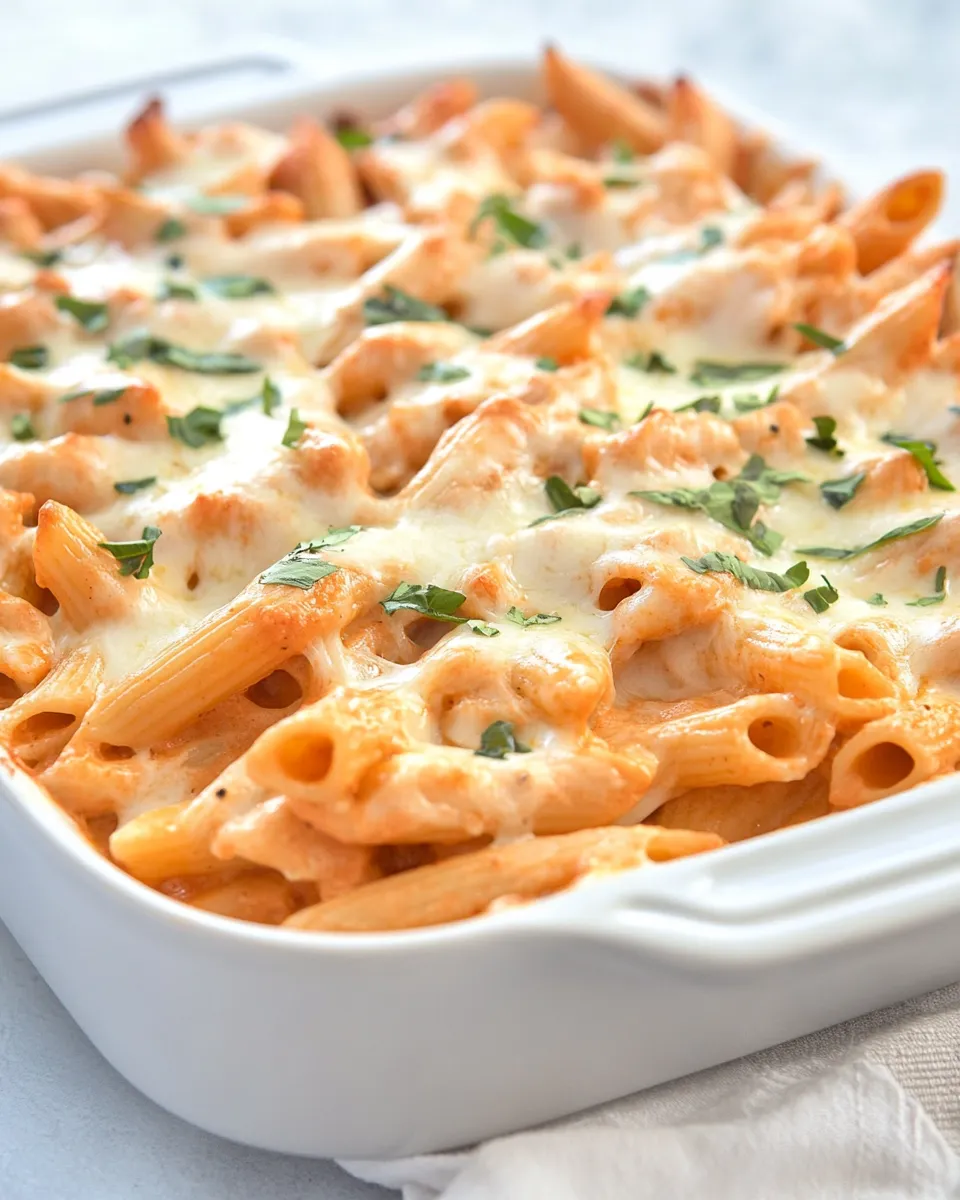
If you need to avoid gluten or dairy, you can still make a version that keeps the spirit of the dish.
- Gluten-free: Swap the penne for a certified gluten-free penne. Cook according to that package’s al dente timing; gluten-free pasta often needs a gentler boil and can finish cooking in the sauce or oven.
- Dairy-free: Use a plant-based sour cream and a cottage-cheese-style blend made from blended silken tofu or store-bought dairy-free cottage cheese alternatives. For the mozzarella, choose a vegan shredded cheese labeled for melting.
- Combination: If you need both swaps, pair a gluten-free penne with dairy-free substitutes and be mindful of texture—some vegan cheeses melt differently, so watch the casserole closely as it bakes.
Must-Have Equipment

- Large pot — for boiling the pasta comfortably without crowding.
- Colander — for draining the penne thoroughly; excess water dilutes the sauce.
- 9×13-inch baking dish — the recipe is formatted for this size; it creates the ideal pasta-to-cheese ratio.
- Mixing bowl (or use the pasta pot) — for combining sauce, cheeses, and garlic evenly.
- Garlic press — optional but handy for getting minced garlic to blend smoothly into the dairy mixture.
- Oven mitts and a cooling rack — safety first when removing a bubbling casserole.
What Not to Do
- Do not overcook the pasta. If it’s soft before baking, it will be mushy after. Aim for al dente on the stovetop.
- Don’t skip draining the pasta well. Excess water will make the casserole watery and thin out the sauce.
- Don’t add too much extra sauce. The 24-ounce jar in the recipe is balanced for the pasta volume given; extra sauce can make the bake heavy and prevent a properly melty top.
- Don’t open the oven repeatedly. Each peek drops oven temperature and extends baking time, which can dry out the top if you overcompensate.
Seasonal Ingredient Swaps
Small seasonal swaps keep the dish fresh through the year. Add them into the sauce step or toss them with the pasta before baking.
- Spring: Add wilted spinach or chopped asparagus, lightly sautéed first so they release less water into the bake.
- Summer: Fold in roasted cherry tomatoes, zucchini, or thinly sliced eggplant that you’ve salted and roasted to remove excess moisture.
- Fall: Sauté sliced cremini or shiitake mushrooms with a pinch of salt and toss them into the pasta for an umami lift.
- Winter: Stir in roasted butternut squash cubes or caramelized onions for sweetness and depth.
What Could Go Wrong
Even simple recipes have predictable failure points. Here’s how to recognize and fix them.
- Watery casserole: Usually caused by under-draining pasta or adding watery vegetables raw. Fix by draining extra liquid with a slotted spoon into a bowl before serving, or next time, drain pasta longer and roast or sauté vegetables first.
- Dry top and edges: That happens when the dish bakes too long or lacks moisture. Cover with foil for the last 5–10 minutes if the top browns too quickly, or reduce bake time toward the lower end of the range.
- Cheese doesn’t melt properly: Pre-shredded cheeses sometimes include anti-caking agents that affect melting. If possible, shred fresh mozzarella from a block. If using pre-shredded, allow the casserole to sit a few extra minutes after baking; residual heat helps.
- Uneven seasoning: Because this relies on a jarred sauce, taste the combined mixture before baking and add salt, red pepper flakes, or dried herbs if the sauce is bland.
Store, Freeze & Reheat
Storing
Cool the casserole to room temperature, then transfer leftovers to an airtight container. Refrigerate for up to 3 days. The flavors meld well, so leftovers often taste even better the next day.
Freezing
You can freeze the baked dish, but the texture of the dairy components will change slightly. To freeze: cool completely, then wrap the baking dish tightly with foil and plastic wrap, or portion into freezer-safe containers. Freeze for up to 2 months. Thaw in the refrigerator overnight before reheating.
Reheating
To reheat refrigerated portions, microwave in a covered dish with a splash of water or milk to restore moisture, or reheat in a 350°F oven for 15–20 minutes until warmed through. If reheating from frozen, thaw fully and then bake at 350°F, covered with foil for the first part, until hot in the center.
Popular Questions
Can I add ground meat? Yes. Brown and season the meat (beef, turkey, or sausage), drain excess fat, then stir it into the sauce before combining with the pasta.
Can I make this ahead? Yes. Assemble the casserole, cover tightly, and refrigerate for up to 24 hours before baking. Add a few extra minutes to the bake time if the dish goes into the oven cold from the fridge.
Do I have to use cottage cheese? The cottage cheese contributes texture and creaminess without being heavy. If you don’t like it, you can substitute ricotta in approximately the same volume, though that alters flavor and mouthfeel.
My mozzarella browns too quickly on top. Any tips? Tent the casserole loosely with foil once the cheese reaches a golden color but before it becomes too dark. Remove the foil for the last 2–3 minutes if you want a little more color.
Before You Go
If you make this, keep it simple the first time. Follow the method as written so you learn how the texture should look—al dente pasta, creamy filling, bubbly top—and then start customizing. Add roasted vegetables, swap in a protein, or use smoked mozzarella for a different flavor profile. The core technique is fast and forgiving; once you’ve got it down, you’ll turn this into a go-to for busy nights.
Leave a note below telling me which swap you tried or how you stretched the dish. I test a lot of recipes, but the ones I love are the ones readers adapt and make their own. Happy baking—and enjoy the melty, comforting bowl you’re about to serve.

Easy Baked Penne Pasta
Ingredients
Ingredients
- 112-16 ounce boxpenne pasta
- 124 ouncejar pasta sauce and brand/flavor you like
- 8 ouncescottage cheese low fat is fine
- 8 ouncessour cream low fat is fine
- 5 clovesgarlic pressed
- 4 cupsshredded mozzarella divided
Instructions
Instructions
- Preheat oven to 375°F.
- Bring a large pot of water to a boil and cook the penne according to package directions until al dente. Drain well.
- In a large bowl or in the drained pasta pot, stir together the 24-ounce jar of pasta sauce, 8 ounces cottage cheese, 8 ounces sour cream, and the 5 cloves of pressed garlic until evenly combined.
- Add the drained penne to the sauce mixture and stir to coat. Stir in 2 cups of the shredded mozzarella.
- Spread the pasta mixture evenly in a 9×13-inch baking dish. Sprinkle the remaining 2 cups of shredded mozzarella evenly over the top.
- Bake in the preheated 375°F oven for 15–25 minutes, or until the casserole is hot all the way through and the cheese is melted and bubbly.
- Remove from the oven and let rest a few minutes before serving. Store any leftovers in an airtight container in the refrigerator for up to 3 days.
Equipment
- Large Pot
- Baking Dish (9x13-inch)
- Oven