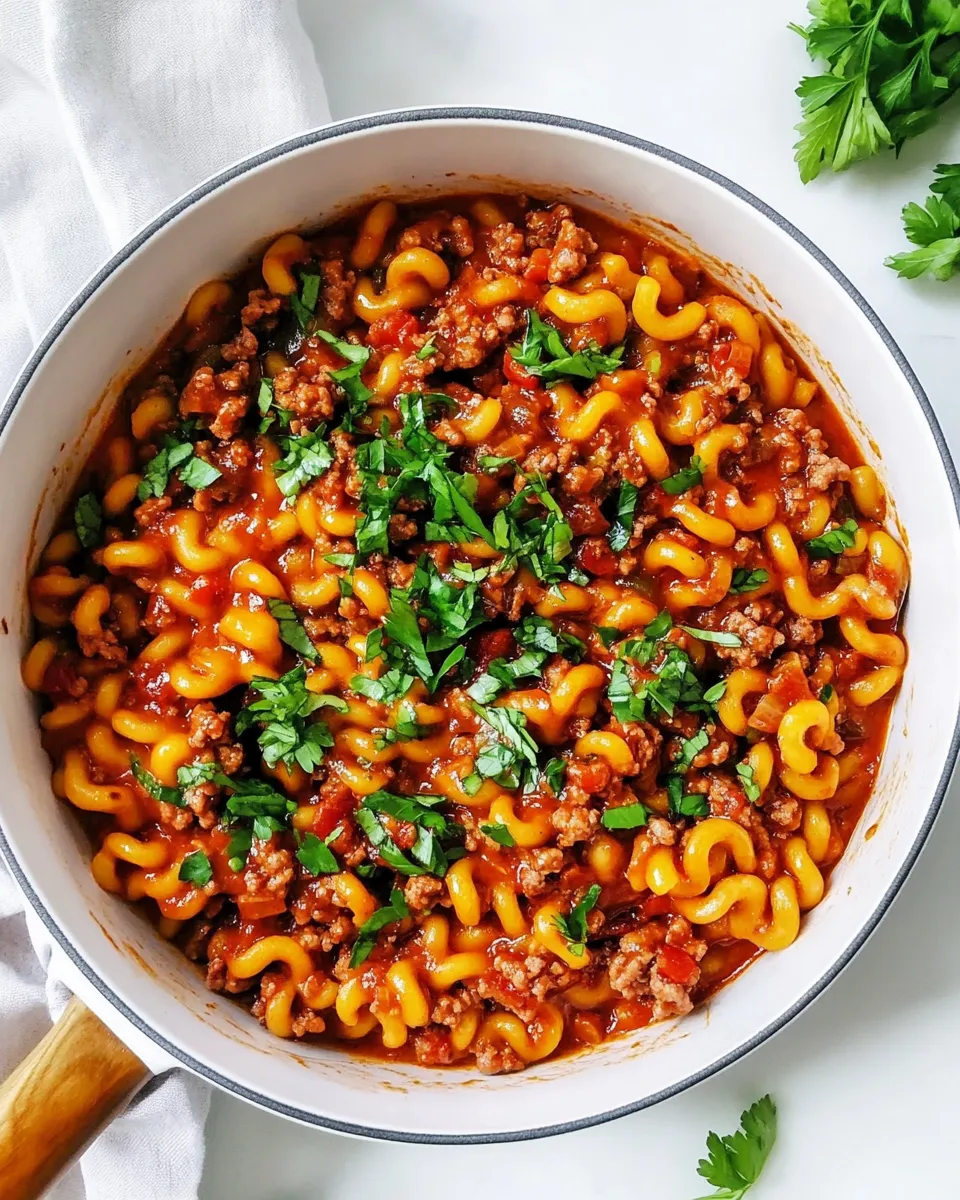
EASIEST Hamburger Helper Recipe
This is the kind of weeknight meal I make when the calendar is full and everyone still wants something comforting. It comes together quickly, uses pantry-friendly items, and tastes like I spent more time on it than I did. No complicated sauces, no fuss — just one pot, a few spices, and a cheddar-rich finish that makes everyone at the table smile.
I love recipes that are practical and reliable. This one checks every box: straightforward steps, easy cleanup, and room to adjust based on what you have on hand. I’ll walk you through the ingredients, the exact method, how to avoid common mistakes, and quick ideas to personalize it without derailing dinner.
Read straight through for the recipe and method, or skim to the sections you need — ingredients, equipment, storage tips, or quick swaps. Let’s get dinner on the table.
What Goes In

- 1 tablespoon olive oil — for browning the beef and keeping it from sticking; adds a touch of flavor.
- 1 pound lean ground beef (93/7) — the main protein; lean keeps the sauce from getting greasy.
- 1 tablespoon paprika — provides color and a warm, mild sweetness to the sauce.
- 1-1/2 teaspoons garlic powder — concentrated garlic flavor without chopping fresh cloves.
- 1-1/2 teaspoons onion powder — adds savory depth and rounds out the spices.
- 1 teaspoon salt — seasons the beef and the sauce; always taste at the end and adjust.
- 1/2 teaspoon ground mustard — brightens the flavor and cuts through the richness.
- 1/2 teaspoon pepper — simple heat and balance.
- 28 ounces crushed tomatoes — the tomato base for the sauce, delivering acidity and body.
- 2-1/2 cups chicken broth — provides the cooking liquid for the pasta and adds savory background flavor.
- 2 cups elbow pasta (9 ounces) — the starch that makes this a satisfying one-pot meal; cooks right in the sauce.
- 2 cups freshly shredded sharp Cheddar cheese (6.6 ounces) — stirred in at the end to create a creamy, cheesy sauce.
- finely chopped cilantro — optional garnish that brightens the finished dish.
Step-by-Step: Hamburger Helper Recipe
- Heat 1 tablespoon olive oil in a large pot over medium-high heat until shimmering.
- Add 1 pound lean ground beef (93/7). Break the beef into pieces and cook, stirring occasionally, until no pink remains and it is browned, about 6–8 minutes. If there is a large amount of fat in the pot, carefully drain off most of it and return the pot to the stove.
- Add 1 tablespoon paprika, 1-1/2 teaspoons garlic powder, 1-1/2 teaspoons onion powder, 1 teaspoon salt, 1/2 teaspoon ground mustard, and 1/2 teaspoon pepper to the beef. Stir and cook the spices with the beef for 30–60 seconds until fragrant.
- Pour in 28 ounces crushed tomatoes and 2-1/2 cups chicken broth. Add 2 cups elbow pasta (9 ounces). Stir to combine, scraping any browned bits from the bottom of the pot.
- Bring the mixture to a simmer (small bubbles forming at the edges). Reduce heat to medium-low, cover the pot with a lid, and cook for 10–12 minutes, stirring every 3–4 minutes to prevent sticking. The pasta should be al dente and the sauce should begin to thicken.
- Turn off the heat. Stir the mixture well, then gradually add 2 cups freshly shredded sharp Cheddar cheese (6.6 ounces), a handful at a time, stirring after each addition until the cheese is fully melted and the sauce is evenly combined with the pasta.
- Taste and adjust the seasonings if needed.
- If desired, sprinkle finely chopped cilantro over the dish. Serve immediately.
Why It’s Crowd-Pleasing
This recipe hits the familiar comfort-food notes: tomato-forward sauce, cheesy richness, and tender bits of ground beef. The textures are simple and satisfying — soft pasta, specks of meat, and melted cheddar that makes every spoonful feel indulgent without being heavy.
It’s also very forgiving. The spice blend is straightforward and appeals to kids and adults alike. The cooking method concentrates flavors quickly, so even though it’s a fast weeknight meal, it tastes balanced and homey. And because it’s a single pot, serving is effortless: ladle it straight from the pot to the plates.
Flavor-Forward Alternatives
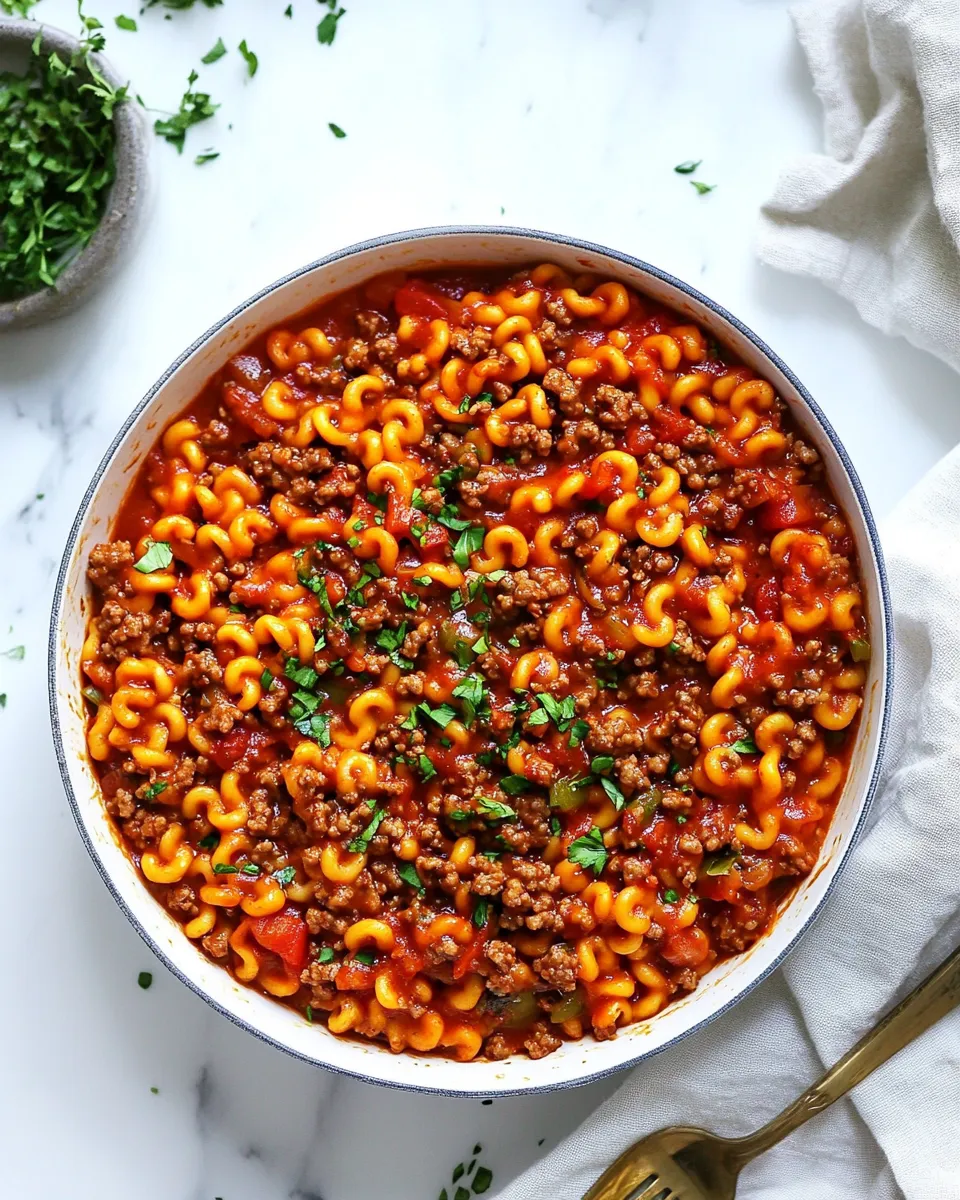
If you want to nudge this dish in a new direction, small changes make a big difference. For a smokier profile, increase the paprika slightly and finish with a sprinkle of smoked paprika if you have it on hand. For a brighter finish, a squeeze of citrus or a handful of fresh herbs brings lift.
Keep changes subtle. The recipe’s backbone is tomato, broth, pasta, and cheese — anything you swap should respect that structure so the texture and cooking time stay consistent.
Gear Up: What to Grab
- Large, heavy-bottomed pot — keeps the heat even and prevents hot spots where pasta might stick.
- Wooden spoon or heatproof spatula — for breaking up the beef and scraping the pot without damaging the surface.
- Box grater — grate the cheddar fresh for the best melting and flavor.
- Measuring spoons and cups — for accuracy with spices and liquids.
- Lid for the pot — required for the covered simmer step so the pasta cooks evenly.
Mistakes That Ruin Hamburger Helper Recipe
Skip these common missteps and your dish will come out reliably good.
Not browning the beef properly
If you don’t get a good brown on the meat, you lose flavor. Brown the beef in a hot pan until it’s no longer pink and there are browned bits on the bottom — those bits add depth when you deglaze with crushed tomatoes and broth.
Adding the cheese too soon
Cheese added while the pot is still on the heat can separate and become oily. Turn the heat off, then add the cheese gradually and stir until melted. This keeps the sauce silky.
Overcooking or undercooking the pasta
Follow the timed simmer and check the pasta for al dente at 10 minutes. Stir every few minutes to prevent sticking. Overcooked pasta will turn mushy; undercooked pasta will be too firm and won’t absorb sauce properly.
Substitutions by Diet
Simple swaps can adapt this recipe to different needs — just keep the cooking times in mind so the texture remains correct.
Lower fat
Drain excess fat from the beef carefully after browning. You can also use a leaner ground protein; if you do, watch seasoning because leaner meat can taste a bit milder.
Vegetarian
Use a plant-based ground alternative and vegetable broth. The method stays the same, though the browning and fat render will differ — pay extra attention to seasoning and texture when browning the substitute.
Lower sodium
Choose low-sodium broth and reduce the added salt. Taste at the end and add a pinch only if needed; sharp cheddar is salty, so add conservatively.
Method to the Madness
This recipe is a sequence of simple chemical changes: browning meat for Maillard flavor, toasting dry spices briefly to bloom their aroma, and using the broth plus crushed tomatoes to cook pasta so the starch thickens the sauce. Each step builds on the last — skip or rush one and the final balance shifts.
Here’s a tight breakdown of why each action matters:
- Heat the oil until shimmering — ensures the beef sears quickly instead of stewing.
- Brown the beef well — creates depth and those fond bits you scrape into the sauce.
- Cook the spices briefly with the beef — blooming spices in the hot fat releases more flavor than adding them to cold liquid.
- Simmer pasta in sauce — the pasta releases starch into the sauce, making it cling and thicken.
- Turn off the heat before adding cheese — low heat prevents the dairy from breaking and keeps the texture silky.
Storing, Freezing & Reheating

Let leftovers cool to room temperature before storing. Transfer to airtight containers and refrigerate for up to 3–4 days. Reheat gently on the stove over low heat, adding a splash of broth or water to loosen the sauce if it has thickened.
For freezing, portion into freezer-safe containers and freeze for up to 2 months. Thaw in the refrigerator overnight before reheating. Because dairy can change texture after freezing, the sauce may separate slightly; stir in a small amount of liquid and warm slowly to bring it back together.
Your Top Questions
Can I use a different pasta shape? Yes. Small shapes that cook in 10–12 minutes work best. Larger shapes will need longer and may absorb more liquid.
Why is my sauce grainy after adding cheese? That’s usually from overheating the cheese. Turn off the heat and add the cheese gradually. If your cheese is pre-shredded, it can contain anti-caking agents that affect melting — freshly shredded cheddar melts best.
Do I have to use sharp Cheddar? Sharp Cheddar gives a bright, tangy finish. Milder cheeses work but change the flavor profile. If you use a very different cheese, add it slowly and taste as you go.
Can I make this on a weeknight? Absolutely. From start to finish it’s designed to be fast. The active time is mostly browning and an occasional stir during the 10–12 minute simmer.
That’s a Wrap
This Hamburger Helper Recipe is exactly what it promises: quick, reliable, and family-friendly. Follow the steps, respect the timing, and you’ll have a crowd-pleasing meal that’s easy to customize. Keep the pantry basics stocked and this one becomes your go-to rescue dinner.
If you make it, tell me what you tried differently — a tweak to the spices, a favorite garnish, or a swap that worked. I love hearing how these simple recipes evolve in your kitchen.

EASIEST Hamburger Helper Recipe
Ingredients
Ingredients
- 1 tablespoonolive oil
- 1 poundlean ground beef93/7
- 1 tablespoonpaprika
- 1-1/2 teaspoonsgarlic powder
- 1-1/2 teaspoonsonion powder
- 1 teaspoonsalt
- 1/2 teaspoonground mustard
- 1/2 teaspoonpepper
- 28 ouncescrushed tomatoes
- 2-1/2 cupschicken brothsee note 1
- 2 cupselbow pasta9 ounces see note 2
- 2 cupsfreshly shredded sharp Cheddar cheese6.6 ounces see note 3
- finely chopped cilantrooptional
Instructions
Instructions
- Heat 1 tablespoon olive oil in a large pot over medium-high heat until shimmering.
- Add 1 pound lean ground beef (93/7). Break the beef into pieces and cook, stirring occasionally, until no pink remains and it is browned, about 6–8 minutes. If there is a large amount of fat in the pot, carefully drain off most of it and return the pot to the stove.
- Add 1 tablespoon paprika, 1-1/2 teaspoons garlic powder, 1-1/2 teaspoons onion powder, 1 teaspoon salt, 1/2 teaspoon ground mustard, and 1/2 teaspoon pepper to the beef. Stir and cook the spices with the beef for 30–60 seconds until fragrant.
- Pour in 28 ounces crushed tomatoes and 2-1/2 cups chicken broth. Add 2 cups elbow pasta (9 ounces). Stir to combine, scraping any browned bits from the bottom of the pot.
- Bring the mixture to a simmer (small bubbles forming at the edges). Reduce heat to medium-low, cover the pot with a lid, and cook for 10–12 minutes, stirring every 3–4 minutes to prevent sticking. The pasta should be al dente and the sauce should begin to thicken.
- Turn off the heat. Stir the mixture well, then gradually add 2 cups freshly shredded sharp Cheddar cheese (6.6 ounces), a handful at a time, stirring after each addition until the cheese is fully melted and the sauce is evenly combined with the pasta.
- Taste and adjust the seasonings if needed.
- If desired, sprinkle finely chopped cilantro over the dish. Serve immediately.
Equipment
- Large potwith lid
Notes
Note 1:
Depending on the broth’s saltiness, you may need to adjust the salt. Start with a little, taste, and add more if needed. If using a low-sodium broth, consider adding an extra 1/4 tsp salt for flavor.
Note 2:
For optimal results, choose elbow or a similarly shaped and sized pasta with the same recommended cook time.
Note 3:
To prevent a greasy or clumpy texture, opt for freshly shredded cheese. Sharp or extra sharp Cheddar provides the most flavor, while mild/medium varieties may result in a less flavorful dish. Gently pack cheese into the measuring cup to get an accurate measurement.
Storage:
Store covered leftovers in the fridge for 3–5 days. Reheat on low and add a splash of broth to help restore creaminess. To freeze, let the dish cool completely, then store in an freezer-safe container for 3 months. Thaw in the fridge for 24 hours before reheating for best results.