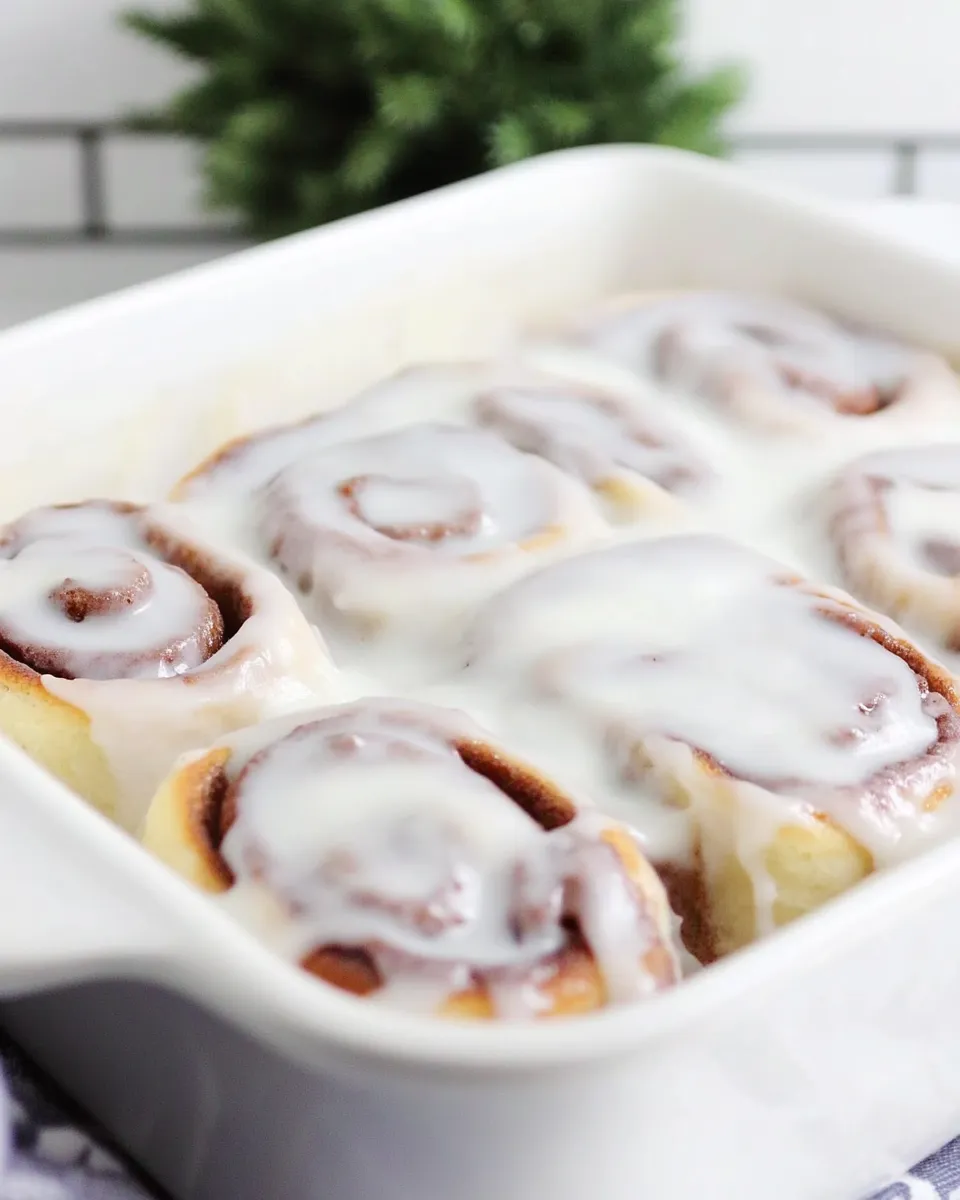
Cinnamon Roll Icing
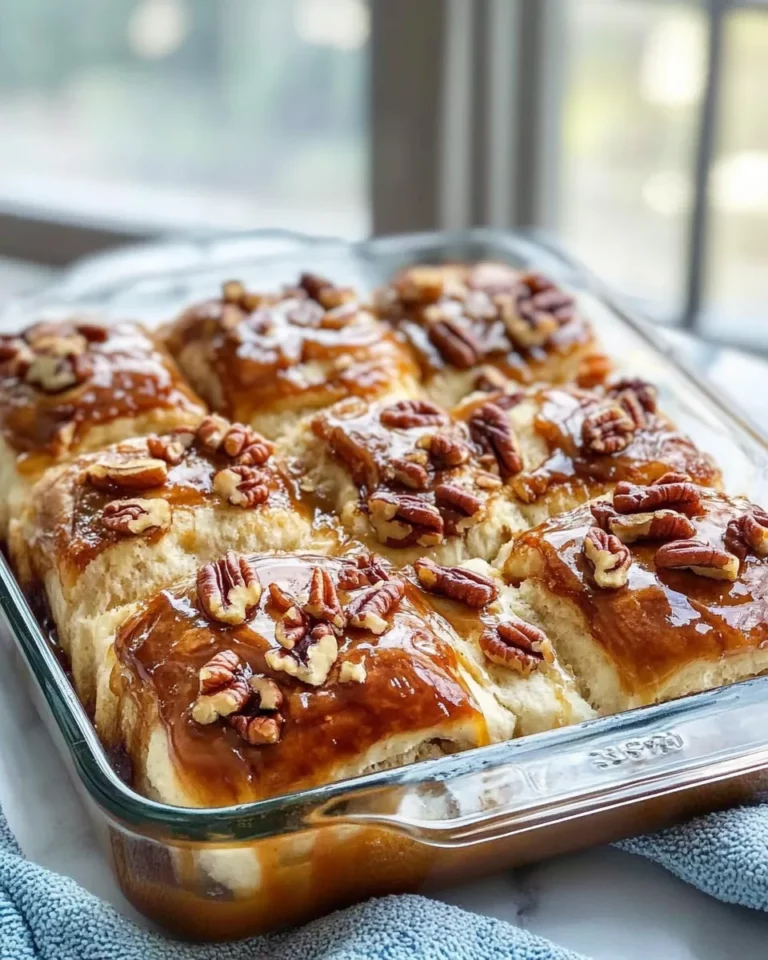
This is the no-fuss, reliable cinnamon roll icing I reach for when I want the perfect glossy, creamy finish on fresh-baked rolls. It sits right between spreadable and drippy: thick enough to hold on a spiral, thin enough to melt into cracks and ribbons. I’ll show you the exact steps I use every weekend so the texture and flavor come out consistent.
I like to keep the method straightforward because the success of this icing depends on simple technique more than fancy flavoring. A little attention to temperature and mixing keeps the icing smooth and stable. You’ll get a sweet, tangy balance from the cream cheese and butter that cuts through the sugar and highlights the cinnamon inside the rolls.
Follow the ingredients and directions precisely for dependable results. I’ll also walk you through texture tweaks, common mistakes to avoid, and storage so you can make this icing fit your baking routine without guessing.
The Essentials

This is a classic cream cheese butter icing designed to finish warm, freshly baked cinnamon rolls. It relies on three core dairy components and powdered sugar. The technique is simple: soften, beat, add sugar, then thin to the right consistency with milk or half-and-half. Timing matters — spread it over warm, not piping-hot, rolls so it melts slightly without sliding off entirely.
Keep things at room temperature and use a reliable mixer or whisk. If you follow the steps in order you’ll avoid lumps and separation. The goal is a smooth, spreadable frosting that makes each bite glossy and a little tangy, complementing the cinnamon-sugar filling rather than overpowering it.
Ingredients
- ¼ cup butter, softened — makes the icing rich and helps it set; room temperature butter blends evenly.
- 3 cups powdered sugar — provides sweetness and structure; add in batches for a lump-free finish.
- 4 ounces cream cheese, softened — gives tang and creaminess; fully soften so it mixes smooth.
- milk or half and half — enough to make it a spreadable consistency — thin the icing to your preference with small amounts.
Cinnamon Roll Icing Made Stepwise
- Make sure the ¼ cup butter and 4 ounces cream cheese are softened to room temperature.
- Put the butter and cream cheese in a medium bowl. Beat with an electric mixer or whisk until smooth and fully combined, scraping down the sides as needed.
- Add the 3 cups powdered sugar in two or three additions, mixing until smooth after each addition.
- Add milk or half-and-half a little at a time, stirring until the icing reaches a spreadable consistency.
- Spread the icing over warm (not piping-hot) cinnamon rolls. If the icing firms up while standing, stir briefly before spreading.
Why Cinnamon Roll Icing is Worth Your Time
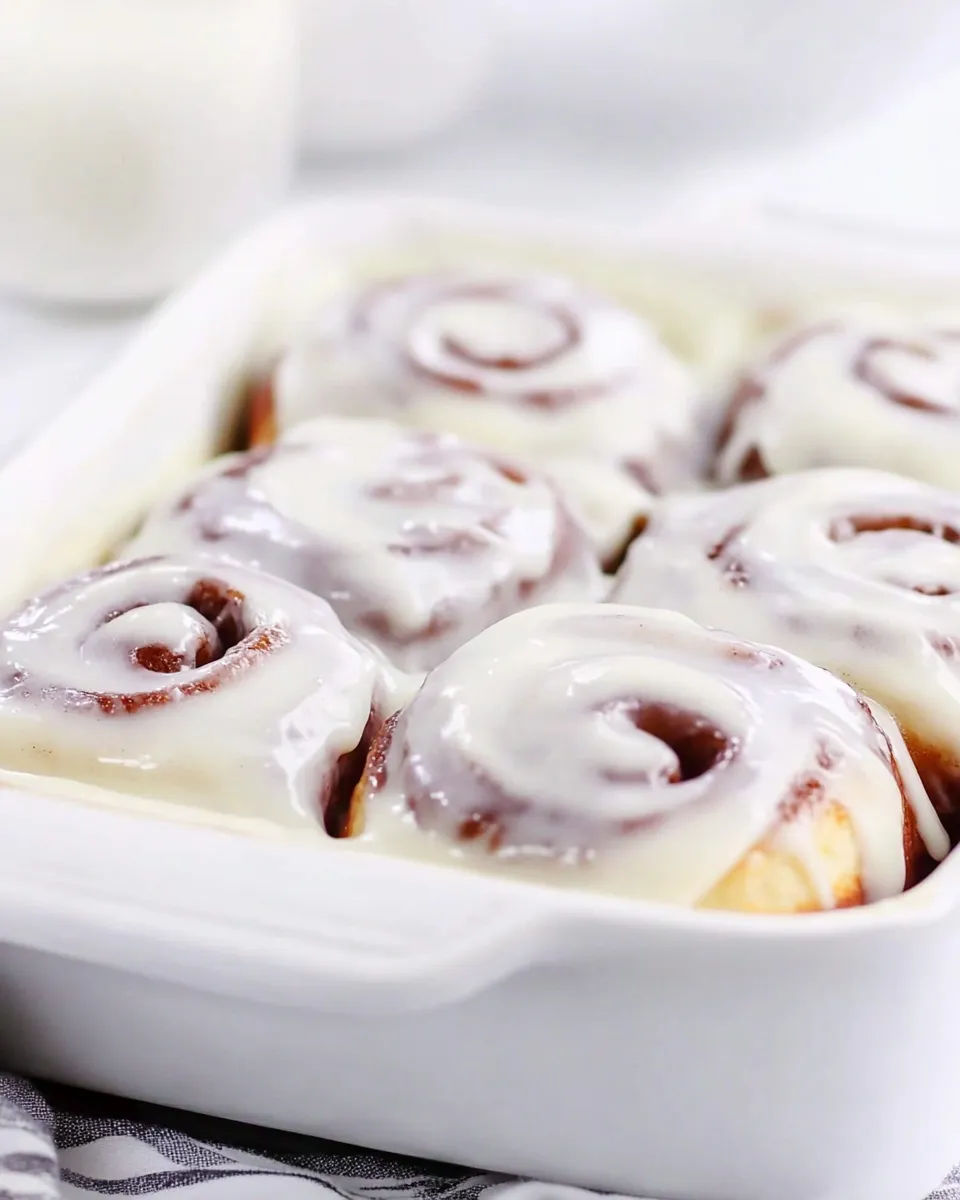
This icing does more than make your cinnamon rolls look pretty. It balances the sweetness of the dough and filling with a slight tang from cream cheese. That contrast keeps the overall flavor from tasting flat or too sugary. Texture-wise, it melts into folds and pools in the spirals, creating those irresistible soft, glossy peaks and ribbons.
The recipe is quick — once the dairy is at room temperature, assembly takes five to ten minutes. It elevates a basic roll to bakery-level with minimal fuss. Even better: it’s forgiving. A quick stir will rescue it if it firms up, and small texture adjustments are straightforward. For anyone who bakes cinnamon rolls regularly, this becomes the default finishing touch.
Texture-Safe Substitutions
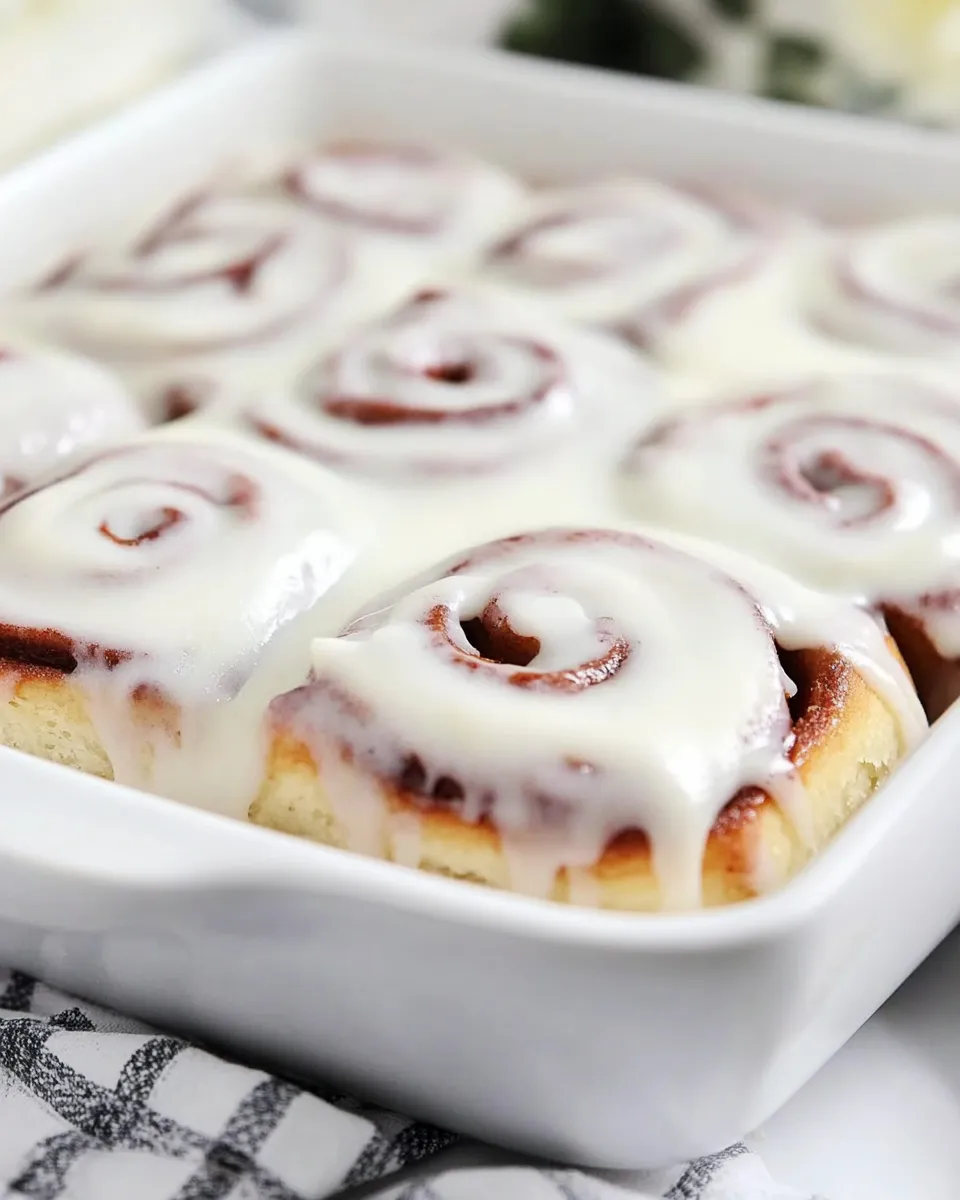
Stick to the core ingredients listed if you want the same texture and flavor. That said, small swaps among the listed items are safe and predictable:
- Use half-and-half instead of milk to make the icing slightly richer and creamier without changing proportions.
- Add milk a teaspoon at a time to thin the icing; add less milk for a thicker spread that sits on top of the rolls, more for a looser glaze that pours into crevices.
- If the icing is too thin, stir in a little more powdered sugar until it reaches the body you want. Add sugar in small amounts to avoid over-thickening.
- If you want it richer, you can increase butter or cream cheese slightly, but keep both soft so the texture stays smooth.
Recommended Tools
- Medium mixing bowl — roomy enough to beat without splatter.
- Electric hand mixer or stand mixer — speeds smoothing and prevents lumps; a sturdy whisk works too.
- Rubber spatula — for scraping down the sides and getting every bit of icing out of the bowl.
- Measuring cups — to ensure you use the exact listed amounts.
- Spoon or offset spatula — for spreading the icing evenly over the rolls.
Slip-Ups to Skip
A few small mistakes will change the outcome more than you might expect. Here are the ones I see most often and how to avoid them:
- Not softening the butter or cream cheese — cold dairy makes lumps. Bring them to room temperature before starting.
- Adding all the powdered sugar at once — this increases the chance of clumps. Add the sugar in two or three additions and mix between each one.
- Over-thinning with milk — add liquid a little at a time. You can always thin more, but you can’t reclaim a runny icing without adding more sugar.
- Spreading on piping-hot rolls — wait a few minutes so the icing melts in but doesn’t disappear. Warm rolls, not scorching, give the best finish.
- Letting the icing sit without stirring — if it firms up while standing, a brief stir restores spreadability.
Adaptations for Special Diets
This recipe as written contains dairy and is not suitable for strict dairy-free or vegan diets. If you need to adapt, you will have to substitute each dairy ingredient with a suitable alternative. Be aware that replacing cream cheese, butter, or milk changes the flavor and the way the icing sets. Expect differences in tang, richness, and firmness.
For those watching sugar intake, reducing the powdered sugar is not a straightforward swap because sugar gives structure. If you need less sweetness, cut back slightly but accept a thinner texture, and compensate by using less milk.
Author’s Commentary
I use this icing nearly every time I bake cinnamon rolls because it’s dependable and quick. My go-to approach is to soften the butter and cream cheese on the counter for an hour in a warm kitchen. If I’m pressed for time, I’ll cut the butter into small pieces and let it sit with the cream cheese — it softens faster that way.
When I beat the butter and cream cheese, I always scrape down the bowl at least once. Powdered sugar hides in the sides and corners; scraping ensures a silky texture without gritty pockets. I also prefer the icing slightly on the thicker side so it clings to the roll while giving a glossy finish. If you like more drizzle, thin it with a bit more milk.
Shelf Life & Storage
Store leftover icing in an airtight container in the refrigerator. Because it contains cream cheese and butter, it should be refrigerated. It keeps well for several days; I recommend using it within 4–5 days for the best flavor and quality. Before using, let it come back to room temperature and stir briefly to restore spreadability.
Freezing is possible but not ideal. Freezing and thawing can change the texture and separation may occur. If you choose to freeze, transfer to a freezer-safe container, leave some headroom, and thaw slowly in the refrigerator before bringing it back to room temperature and stirring to recombine.
Quick Questions
- Can I make the icing ahead? Yes. Make it, store it in the fridge, then bring to room temperature and stir before spreading.
- What if the icing is lumpy? Beat it a little longer with a mixer or pass it through a fine sieve; lumps usually mean cold butter or cream cheese or adding sugar too quickly.
- Can I heat the icing to loosen it? Gently warming in short bursts in a bowl over warm water can help, but be careful — heat will make it runnier and could change texture.
- Should I spread on hot rolls? No — warm is good, but piping-hot will melt the icing too much and it may slide off.
Bring It Home
This cinnamon roll icing is all about dependable technique: soft dairy, gradual sugar, and patient thinning. It transforms a batch of rolls into something you’ll want to photograph and share. Keep the ingredients simple, follow the steps in order, and adjust the milk a teaspoon at a time until you hit the consistency you like.
Make the icing the morning you bake, or prepare it a day ahead and return it to room temperature when ready. Either way, you’ll end up with smooth, glossy icing that does exactly what it should: enhance each bite without stealing the show.

Cinnamon Roll Icing
Ingredients
Ingredients
- 1/4 cupbutter softened
- 3 cupspowdered sugar
- 4 ouncescream cheese softened
- milk or half and half: enough to make it a spreadable consistency.
Instructions
Instructions
- Make sure the ¼ cup butter and 4 ounces cream cheese are softened to room temperature.
- Put the butter and cream cheese in a medium bowl. Beat with an electric mixer or whisk until smooth and fully combined, scraping down the sides as needed.
- Add the 3 cups powdered sugar in two or three additions, mixing until smooth after each addition.
- Add milk or half-and-half a little at a time, stirring until the icing reaches a spreadable consistency.
- Spread the icing over warm (not piping-hot) cinnamon rolls. If the icing firms up while standing, stir briefly before spreading.
Equipment
- Medium Bowl
- Electric Mixer or Whisk
- Spatula
Notes
Texture.
For thinner icing add more milk, for thicker icing add powdered sugar.
Store the icing.
Keep it covered in the fridge for a couple of weeks until ready to use, or freeze it for 3-4 months. Let it sit on the counter to soften before spreading it over your cinnamon rolls.
Store frosted cinnamon rolls.
Due to the cream cheese, the frosted cinnamon rolls can be kept at room temperature overnight but should be refrigerated for longer storage or frozen for up to 8 weeks.