Cinnamon Raisin English Muffins
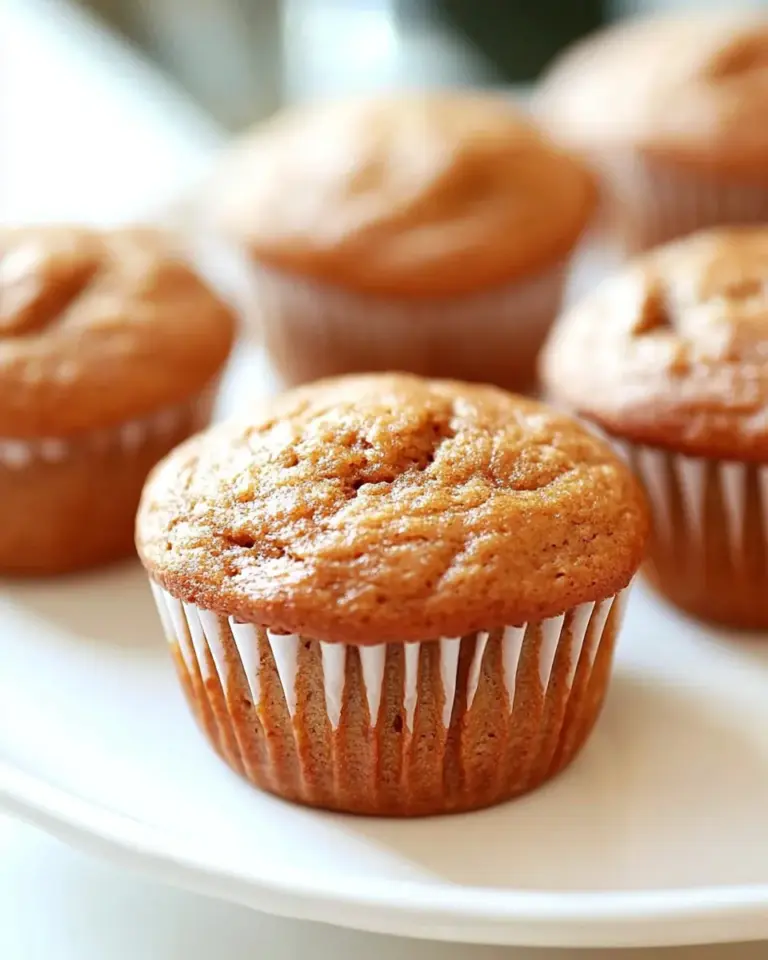
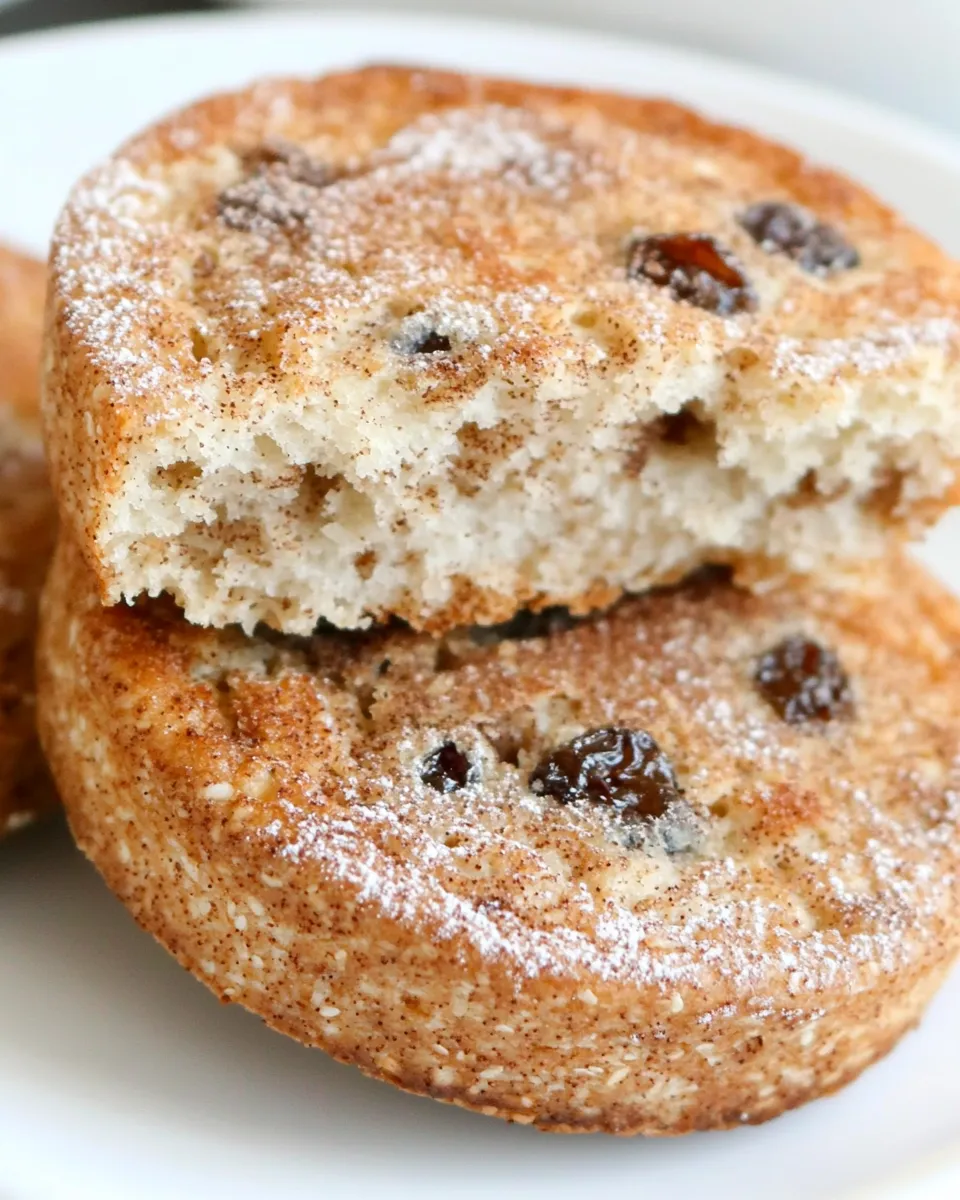
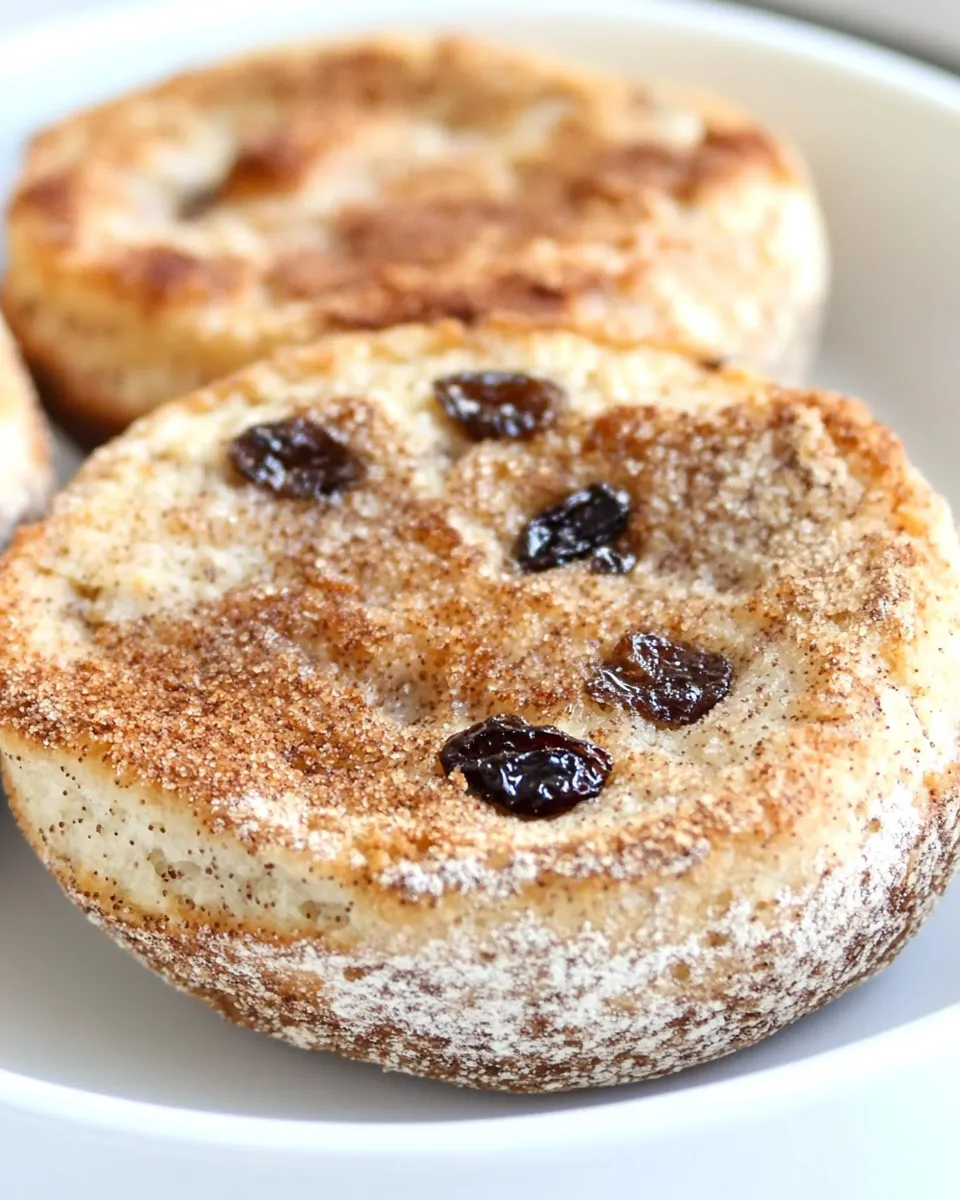
These cinnamon raisin English muffins are what I reach for when I want something a little homier than store-bought and still effortless enough for a weekend morning. They brown beautifully on a griddle, split with that signature nubby interior, and have the gentle warmth of cinnamon folded throughout. Raisins add small pockets of chew and sweetness that play nicely against butter and jam.
I keep this recipe in regular rotation because it’s straightforward and forgiving. The dough is soft but manageable; you don’t need fancy equipment. A scoop of butter, the right temperature milk, and a reliable rise are the real keys. If you follow the steps below, you’ll get consistent results.
I’ll walk you through ingredients, exact steps, common hiccups, and simple swaps that stay true to the recipe. Read through the troubleshooting section if something seems off while you’re working. Then split, toast, butter, and enjoy.
Ingredient Rundown

- 1 1/4 cups milk — warmed to 110°F (warm to the touch but not hot) so the yeast wakes up without being killed.
- 2 1/4 teaspoons active dry yeast — the leavening agent; make sure it blooms and becomes foamy in the warm milk.
- 2 tablespoons sugar — feeds the yeast and adds a touch of sweetness to balance the cinnamon and raisins.
- 4 cups all-purpose flour — the structure of the muffins; measure by spooning into the cup and leveling for consistency.
- 1/4 cup butter, softened — enriches the dough for tenderness and flavor; softened is easier to incorporate.
- 1 teaspoon salt — enhances flavor and controls yeast activity.
- 1 teaspoon cinnamon — gives the muffins their warm, spiced profile; distribute evenly through the dry ingredients.
- 1/2 cup raisins — folded in near the end of kneading so they don’t get smashed into the dough but still distribute evenly.
Cinnamon Raisin English Muffins: Step-by-Step Guide
- Heat the milk to 110°F (warm to the touch but not hot). Stir the 2 tablespoons sugar into the warm milk until dissolved. Sprinkle the 2 1/4 teaspoons active dry yeast over the milk, stir once to moisten, and let sit 5–10 minutes until foamy.
- In a large bowl (or the bowl of a stand mixer) combine 4 cups all-purpose flour, 1 teaspoon salt, and 1 teaspoon cinnamon.
- Add the foamy yeast mixture and the 1/4 cup softened butter to the dry ingredients. Stir until a shaggy dough forms.
- Knead the dough until smooth and elastic — about 8–10 minutes by hand on a lightly floured surface or 5–7 minutes with a dough hook on medium speed. Add the 1/2 cup raisins during the last minute of kneading so they distribute evenly.
- Lightly grease a clean bowl with a bit of the softened butter, place the dough in the bowl, turn to coat, and cover with a clean towel or plastic wrap. Let rise in a warm spot until doubled in size, about 1 hour.
- After the dough has doubled, turn it out onto a lightly floured surface and roll it to about 1 inch thick. Use a 3-inch round cutter or a glass to cut rounds; press straight down (do not twist). Re-roll scraps as needed.
- Place the cut muffins on a lightly floured baking sheet or work surface (not stacked), cover loosely, and let rise 20–30 minutes until puffy.
- While they rise, preheat a heavy skillet or griddle over medium heat. Lightly grease the surface with a small amount of the butter if desired.
- Cook the muffins a few at a time on the preheated skillet over medium heat, 5–7 minutes per side, until golden brown and cooked through. Reduce heat if they brown too quickly before cooking through.
- Remove cooked muffins to a wire rack to cool slightly. Split, toast if you like, and serve.
Why You’ll Love This Recipe
These muffins deliver soft, tender crumb and crisp, golden exteriors without an oven bake. The griddle method gives a quick, flavorful crust and helps develop that classic English muffin texture inside. Cinnamon and raisins are a comforting, familiar pairing; nothing flashy, just reliably delicious.
They’re also flexible in timing. The initial rise is about an hour, but a cooler spot will slow things rather than ruin them. You can shape and hold the cut rounds briefly before the second rise if you need a few extra minutes to clean up or set the table.
Swap Guide
I keep swaps minimal so the dough behavior stays consistent. If you want to adjust the profile, do it in small, simple ways:
- Omit the raisins if you prefer plain English muffins — the dough works the same without them.
- Increase or decrease the cinnamon by eye for a stronger or subtler spice note; a little more cinnamon will give warmer flavor.
- If you’d rather not use butter on the griddle, cook them dry or with a tiny brush of butter for color only.
Toolbox for This Recipe
These are the tools that make the process smoother and more consistent:
- Thermometer — to heat the milk to 110°F. Yeast is picky about temperature.
- Stand mixer with dough hook (optional) — speeds kneading and reduces arm work; knead 5–7 minutes on medium.
- 3-inch round cutter or a glass — for neat, even muffins and proper thickness.
- Heavy skillet or griddle — provides even, sustained heat for good browning without burning.
- Wire rack — cools muffins so steam doesn’t make the bottoms soggy.
Steer Clear of These
Small mistakes can change the result quickly. Watch for these common missteps:
- Milk that’s too hot — it will kill the yeast. If the milk feels hot on your wrist, let it cool.
- Over-flouring during kneading — add only a light dusting to prevent sticking. Too much flour makes dense muffins.
- Pressing the cutter and twisting — that seals the edges and prevents good rise. Press straight down and lift straight up.
- High heat on the griddle — brown too fast and the center won’t finish. Reduce the heat if they color quickly but feel underdone inside.
Tailor It to Your Diet
Want to adapt these muffins without breaking the method? Here are cautious, practical approaches that keep the dough behavior intact:
- Lower sugar preference: reduce the sugar a little by feel, but keep some for yeast activity. Small decreases won’t harm texture; just don’t remove sugar entirely.
- Lactose sensitivity: use a lactose-free milk at the same temperature. The dough relies on liquid, not dairy proteins specifically.
- Butter sensitivity: you can lightly grease the bowl and griddle with a neutral alternative if needed, but keep the dough handling the same.
Flavor Logic
The recipe balances structure and flavor deliberately. Four cups of flour give enough gluten for the airy, nubby interior without becoming chewy. The quarter cup of butter enriches the crumb for tenderness and helps the muffins brown. Cinnamon is present in a modest amount so the spice complements rather than overwhelms the dough and raisins.
Raisins are added late in kneading to protect their texture. They don’t dissolve or break up; they remain little pockets of sweetness. If you prefer even distribution, a quick toss in a tablespoon of flour before adding them helps keep them from sinking to one spot.
Freezer-Friendly Notes
These muffins freeze very well. Cool completely on a wire rack, then split and place parchment between halves or arrange whole on a tray to freeze solid before transferring to a freezer bag. That prevents them from sticking together.
To reheat: toast straight from the freezer or thaw a few hours in the fridge and warm on a skillet or in a toaster. If you prefer soft texture, wrap in foil and warm in a low oven until heated through.
Troubleshooting Q&A
Yeast didn’t foam — what now?
If the yeast didn’t get foamy in step 1, it likely saw milk that was too hot or too cold, or the yeast is old. Start over with fresh yeast and freshly warmed milk at 110°F. A short delay to warm the milk properly saves time later.
Dough feels too sticky or too dry?
Dough should be soft, slightly tacky, and elastic after kneading. If it’s overly sticky, dust with very small amounts of flour while kneading — sparingly. If it’s dry and stiff, add a teaspoon of warm milk at a time until it relaxes.
Muffins brown on the outside but stay raw in the middle?
Reduce the griddle heat and cook a bit longer on each side. A heavy skillet with even heat helps; too-hot surfaces color too quickly. Lower the heat and allow more time for internal cooking.
Raisins clumped or sank to the bottom?
Add the raisins during the last minute of kneading as directed. If they still clump, toss them in a small pinch of flour before adding; that helps them distribute without inventing any new steps.
Time to Try It
Set aside roughly two hours from start to finish — an hour for the first rise, time for shaping and the second rise, then cooking. The hands-on time is small; most of it is waiting for the dough to double. Bring a pot of coffee, read a few pages, and come back to a warm batch of muffins.
When you split one open and see the nubs, spread butter and watch it melt into those little pockets, you’ll know it was worth the effort. Take notes after your first bake — heat levels and rise times can vary by kitchen. Then make them again. They’re that dependable.
Cinnamon Raisin English Muffins
Ingredients
Ingredients
- 1 1/4 cupsmilk
- 2 1/4 teaspoonsactive dry yeast
- 2 tablespoonssugar
- 4 cupsall-purpose flour
- 1/4 cupbuttersoftened
- 1 teaspoonsalt
- 1 teaspooncinnamon
- 1/2 cupraisins
Instructions
Instructions
- Heat the milk to 110°F (warm to the touch but not hot). Stir the 2 tablespoons sugar into the warm milk until dissolved. Sprinkle the 2 1/4 teaspoons active dry yeast over the milk, stir once to moisten, and let sit 5–10 minutes until foamy.
- In a large bowl (or the bowl of a stand mixer) combine 4 cups all-purpose flour, 1 teaspoon salt, and 1 teaspoon cinnamon.
- Add the foamy yeast mixture and the 1/4 cup softened butter to the dry ingredients. Stir until a shaggy dough forms.
- Knead the dough until smooth and elastic — about 8–10 minutes by hand on a lightly floured surface or 5–7 minutes with a dough hook on medium speed. Add the 1/2 cup raisins during the last minute of kneading so they distribute evenly.
- Lightly grease a clean bowl with a bit of the softened butter, place the dough in the bowl, turn to coat, and cover with a clean towel or plastic wrap. Let rise in a warm spot until doubled in size, about 1 hour.
- After the dough has doubled, turn it out onto a lightly floured surface and roll it to about 1 inch thick. Use a 3-inch round cutter or a glass to cut rounds; press straight down (do not twist). Re-roll scraps as needed.
- Place the cut muffins on a lightly floured baking sheet or work surface (not stacked), cover loosely, and let rise 20–30 minutes until puffy.
- While they rise, preheat a heavy skillet or griddle over medium heat. Lightly grease the surface with a small amount of the butter if desired.
- Cook the muffins a few at a time on the preheated skillet over medium heat, 5–7 minutes per side, until golden brown and cooked through. Reduce heat if they brown too quickly before cooking through.
- Remove cooked muffins to a wire rack to cool slightly. Split, toast if you like, and serve.
Equipment
- Large Bowl
- Stand mixer (optional)
- dough hook (optional)
- heavy skillet or griddle
- 3-inch round cutter or glass
- Baking Sheet
- Wire Rack
- clean towel or plastic wrap
Notes
Leftovers: Keep at room temperature for up to 3 days or in the freezer for up to 6 months.